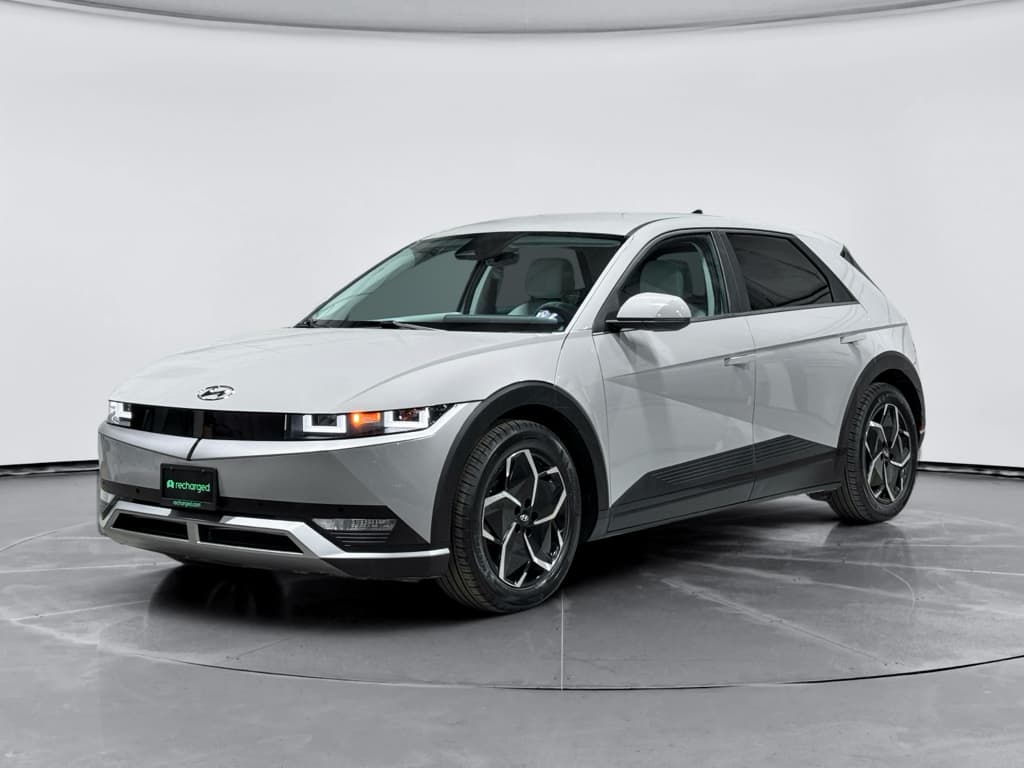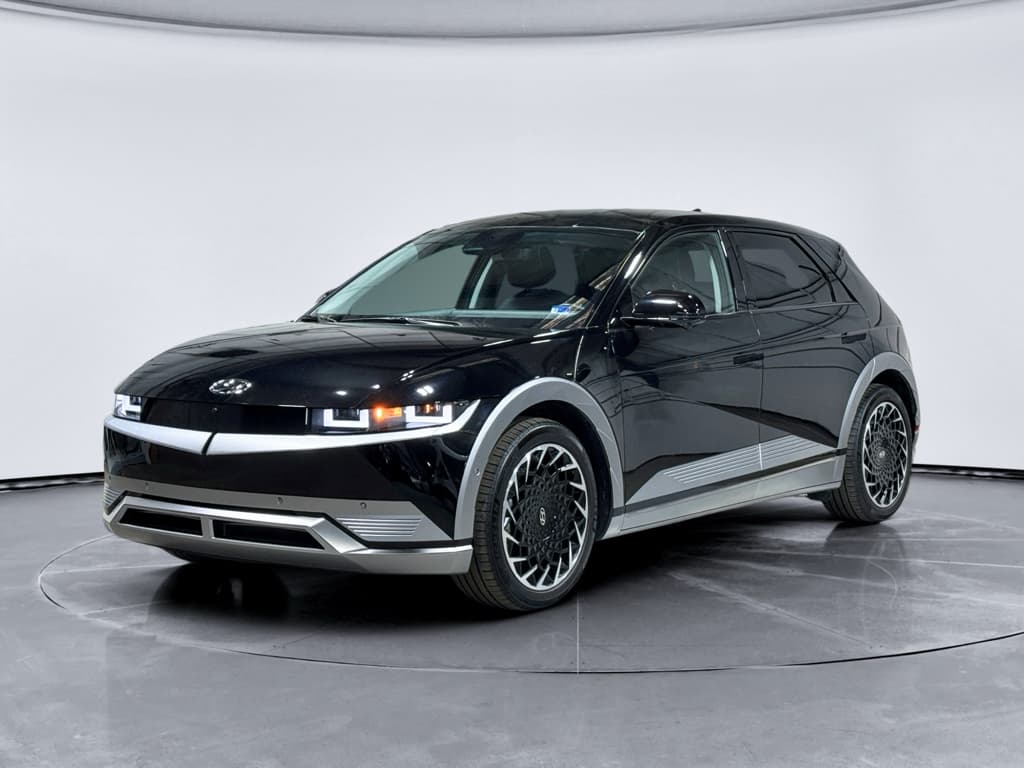
If you’re cross‑shopping a Hyundai Santa Fe against a Hyundai Ioniq 5, you’re probably not just thinking about sticker price. You want to know which one actually costs less to own once you factor in fuel, maintenance, insurance, and resale value. This guide walks through Hyundai Santa Fe vs Hyundai Ioniq 5 total cost of ownership over five years, with a special focus on buyers considering a well‑vetted used Ioniq 5.
Quick takeaway
Why compare the Hyundai Santa Fe and Ioniq 5?
On paper, the Hyundai Santa Fe and Hyundai Ioniq 5 don’t look like rivals. The Santa Fe is a traditional gasoline (or hybrid) mid‑size SUV with available three‑row seating, while the Ioniq 5 is a two‑row, all‑electric crossover. But for many American families, they occupy the same mental space: a comfortable, well‑equipped family hauler that can tackle commuting, errands, and road trips without feeling oversized.
The question isn’t just, “Do I want an EV?” It’s more specific: Is an Ioniq 5 actually cheaper to live with than a Santa Fe once you add up fuel, maintenance, insurance, and depreciation? That’s where total cost of ownership (TCO) comes in, and the answer is often different from what the window sticker suggests.
Key specs that shape total cost of ownership
Hyundai Santa Fe vs Hyundai Ioniq 5: key specs (U.S. market)
Representative specs for recent model years that influence running costs. Exact numbers vary by trim and model year.
| Model | Powertrain example | EPA efficiency | Fuel/energy type | Drive layout |
|---|---|---|---|---|
| Hyundai Santa Fe | 2.5L turbo gas, FWD | ~24–25 mpg combined | Regular gasoline | Front‑ or all‑wheel drive |
| Hyundai Santa Fe Hybrid | 1.6L turbo hybrid, AWD | High‑20s mpg combined | Regular gasoline | All‑wheel drive |
| Hyundai Ioniq 5 | Long‑range RWD | ~114 MPGe (~30 kWh/100 miles) | Electricity | Rear‑ or all‑wheel drive |
EPA figures are approximate and rounded to keep this comparison easy to follow.
MPGe in plain English
Our 5‑year total cost of ownership assumptions
There’s no single “correct” TCO number because your driving patterns, local energy prices, and trim choices matter. To keep things realistic for a typical U.S. driver in 2026, we’ll use these assumptions:
- Time horizon: 5 years of ownership
- Annual mileage: 12,000 miles/year (typical U.S. driver)
- Gas price: $3.50/gallon (national average ballpark in recent years)
- Home electricity price: $0.15/kWh (common residential rate; your rate may be lower or higher)
- Charging mix for Ioniq 5: 85% home Level 2, 15% public DC fast charging at a higher rate
- Vehicles: recent‑model Santa Fe gas (non‑hybrid) vs Ioniq 5 long‑range, both mid‑trim, bought used at around 3 years old and kept to year 8, very common on the Recharged marketplace for the Ioniq 5.
Your numbers will vary
Fuel vs electricity: where most of the savings live
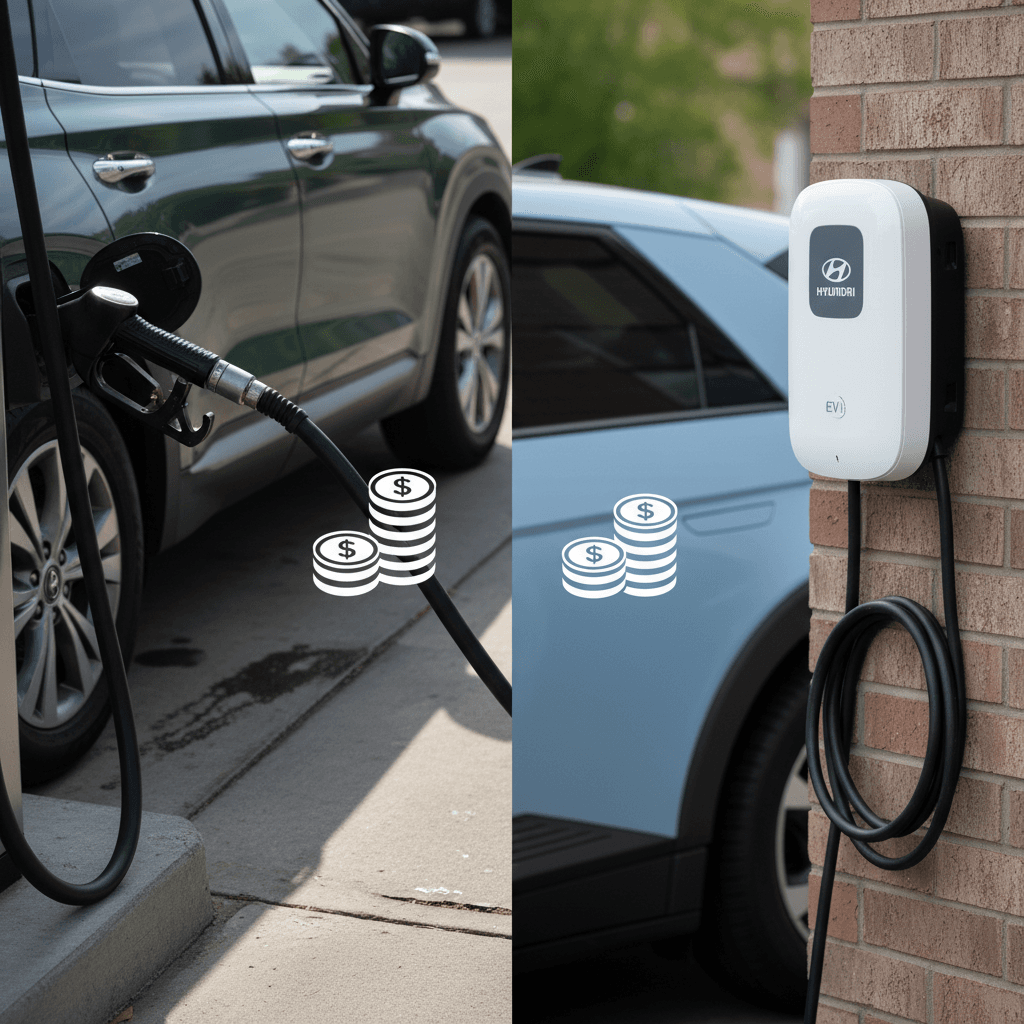
For most households, the biggest ownership‑cost gap between a Santa Fe and an Ioniq 5 shows up in the energy budget. Let’s walk through the math at a high level so you can plug in your own local prices later.
Estimated 5‑year energy cost: Hyundai Santa Fe vs Ioniq 5
Here’s how those estimates break down:
Hyundai Santa Fe fuel cost
- Assume 24 mpg combined for a recent non‑hybrid Santa Fe.
- 12,000 miles ÷ 24 mpg ≈ 500 gallons/year.
- 500 gallons × $3.50 ≈ $1,750/year.
- Over 5 years: ≈ $8,750 in gasoline.
If your Santa Fe is a hybrid and you’re seeing high‑20s mpg, your fuel cost drops by roughly 10–20% but still typically trails the Ioniq 5 on energy cost.
Hyundai Ioniq 5 electricity cost
- EPA efficiency around 30 kWh/100 miles for a long‑range RWD Ioniq 5.
- 12,000 miles/year uses ≈ 3,600 kWh/year.
- Assume 85% home charging at $0.15/kWh and 15% DC fast at $0.35/kWh.
- Blended rate ≈ $0.18–0.19/kWh, or about $650–700/year.
- Over 5 years: ≈ $3,200–3,500 in electricity.
Cheap overnight or time‑of‑use rates can make this even lower; heavy DC fast charging can make it higher.
Where EVs quietly win
Maintenance and repairs: EV simplicity vs gas complexity
Beyond fuel, maintenance and repair costs are where EVs like the Ioniq 5 quietly separate themselves from gas SUVs. There’s no engine oil, no spark plugs, no exhaust system, and far fewer fluids to service. Tires and brake components still wear, but regenerative braking usually extends pad and rotor life compared with a Santa Fe.
Typical maintenance pattern: Hyundai Santa Fe vs Ioniq 5 (first 5 years)
Real‑world costs vary by region and shop rates, but the categories of work look very different.
Hyundai Santa Fe (gas)
- Oil and filter changes 2–3× per year.
- Engine air and cabin filters.
- Transmission fluid service (depending on mileage and schedule).
- Brake pads/rotors more frequently in stop‑and‑go driving.
- More belts, hoses, and gaskets that can age or leak.
Industry data often pegs gas SUVs near $0.09–0.10/mile in maintenance/repairs out of warranty.
Hyundai Ioniq 5 (EV)
- No engine oil, spark plugs, or exhaust system.
- Fewer fluids; brake fluid and coolant on longer intervals.
- Tires (EVs are heavier and torquier) and cabin filters are the main wear items.
- Regenerative braking extends brake pad life.
Published estimates and early owner reports often land near $0.03–0.05/mile over the first years, roughly half or less of a similar gas SUV.
What this means in dollars
Insurance, taxes, and fees
Insurance is highly personal, credit, garaging zip code, driving record, and even your chosen deductible all matter more than whether you drive a Santa Fe or an Ioniq 5. That said, there are a few consistent patterns worth knowing:
- Newer, higher‑MSRP EVs can cost more to insure than older, lower‑value gas SUVs because collision payouts are higher.
- If you’re buying a used Ioniq 5 that’s already depreciated, the insurance gap versus a used Santa Fe narrows substantially.
- Some states offer EV registration discounts or, on the flip side, add small annual EV fees to replace lost gas‑tax revenue.
Net impact: usually a wash
Depreciation and resale: how values hold up
Depreciation, the difference between what you pay and what you sell or trade for later, is usually the single biggest cost of car ownership, even bigger than fuel. It’s also the hardest to predict with precision.
Hyundai Santa Fe depreciation
- Gas SUVs like the Santa Fe tend to depreciate steadily but predictably.
- By year 5–8, many have lost 50–60% of their original MSRP, depending on mileage and condition.
- Demand for family SUVs has been strong, which helps values, but they’re also plentiful on the used market.
If you buy a 3‑year‑old Santa Fe today and sell in 5 years, a reasonable rule of thumb is that you might lose another 30–40% of its current value.
Hyundai Ioniq 5 depreciation
- Early EV buyers often took a bigger depreciation hit due to incentives and rapid tech change.
- By the time an Ioniq 5 is 2–4 years old, much of that front‑loaded depreciation has already happened.
- Battery longevity data is encouraging; high‑mileage Ioniq 5s have shown modest degradation, helping support resale value.
Buying a used Ioniq 5 around the 3‑year mark can put you in a sweet spot: a big discount from new, but many years of useful life and battery warranty remaining.
Watch battery health on used EVs
5‑year Hyundai Santa Fe vs Ioniq 5 cost comparison
Pulling these pieces together, here’s a simplified five‑year cost picture for a typical U.S. household choosing between a late‑model used Santa Fe and a similar‑age used Ioniq 5. These aren’t precise quotes, think of them as realistic ballparks you can customize.
Illustrative 5‑year total cost of ownership (used Santa Fe vs used Ioniq 5)
Assumes both vehicles are purchased used at around 3 years old and kept for 5 years, with 12,000 miles/year. Purchase prices and resale values are rounded for clarity.
| Cost category (5 years) | Used Hyundai Santa Fe (gas) | Used Hyundai Ioniq 5 (EV) |
|---|---|---|
| Purchase price (today) | $26,000 | $30,000 |
| Estimated resale in 5 years | $13,000 | $17,000 |
| Depreciation cost | $13,000 | $13,000 |
| Fuel / electricity | ≈$8,750 | ≈$3,300 |
| Maintenance & repairs | ≈$4,500 | ≈$2,000 |
| Insurance, taxes, fees (incremental difference) | Baseline | ±$500 either way |
| Approximate 5‑year total (excluding financing) | ≈$26,250 + baseline insurance | ≈$18,300 + baseline insurance |
All numbers are approximate and in U.S. dollars. Your actual costs will depend on trim, mileage, and local prices.
What this table is telling you
Used Hyundai Ioniq 5 vs used Santa Fe: where Recharged fits in
If you’re leaning toward an Ioniq 5 on cost grounds, the real‑world question becomes: how do you find one that’s been cared for, has a healthy battery, and is fairly priced versus both new EVs and used gas SUVs like the Santa Fe?
How Recharged helps de‑risk a used Ioniq 5 purchase
Because the cheapest EV is the one that doesn’t surprise you later.
Verified battery health
Fair‑market pricing
Financing & delivery
Ready to find your next EV?
Browse VehiclesNot ready to go full EV?
Which is cheaper for you: decision checklist
Santa Fe vs Ioniq 5: quick decision checklist
1. Can you reliably charge at home or work?
If you have access to overnight Level 2 charging or a regular workplace charger, the Ioniq 5’s energy‑cost advantage is much stronger. If you’d rely mostly on DC fast charging, the savings shrink and convenience may become the main factor.
2. How many miles do you drive per year?
The more you drive, the more the Ioniq 5’s low per‑mile energy and maintenance costs add up. At 15,000–20,000 miles per year, the EV’s TCO advantage over a Santa Fe can grow quickly.
3. Do you truly need three rows or maximum cargo?
If you regularly use three rows, carry a big family, or tow heavy trailers, the Santa Fe has packaging and capability advantages that might outweigh the cost savings of an Ioniq 5.
4. What’s your local electricity rate?
If your residential rate is below ~$0.20/kWh and gas stays in the $3–4/gallon range, the Ioniq 5 will likely be cheaper to run than the Santa Fe. Extremely high electricity rates may narrow the gap.
5. How long do you plan to keep the vehicle?
EVs shine when you keep them long enough to benefit from their lower running costs. If you tend to swap vehicles every 2–3 years, depreciation and incentives become more important than fuel, and the TCO gap may be smaller.
6. Are you shopping new or used?
New‑for‑new, a Santa Fe may have a lower upfront price. But in the <strong>used market</strong>, a well‑priced Ioniq 5, especially one with a strong Recharged Score, can deliver a lower 5‑year TCO than a comparable used Santa Fe.
FAQ: Hyundai Santa Fe vs Hyundai Ioniq 5 ownership costs
Frequently asked questions
Bottom line: when the Ioniq 5 wins, and when the Santa Fe does
When you zoom out and look at Hyundai Santa Fe vs Hyundai Ioniq 5 total cost of ownership rather than just monthly payments, a pattern emerges. For a typical American driver who can reliably charge at home and doesn’t absolutely need three rows or max towing, a Hyundai Ioniq 5 usually costs less to own over five years thanks to lower fuel and maintenance costs, even if its purchase price is a bit higher.
The Santa Fe still makes sense if you prioritize interior space, towing, or long‑distance highway travel where cheap home charging isn’t available. But if most of your miles are commuting, errands, and regional trips, a well‑vetted used Ioniq 5, backed by a transparent battery‑health report and fair‑market pricing from Recharged, can quietly undercut a gas SUV’s cost per mile while giving you a smoother, quieter drive.
If you’re ready to see how the math looks for your situation, you can browse used Hyundai Ioniq 5 listings on Recharged, get pre‑qualified for financing with no impact to your credit, or explore trade‑in and instant‑offer options for your current gas SUV. The numbers may surprise you, and they might just tilt your next family vehicle decision toward electric.