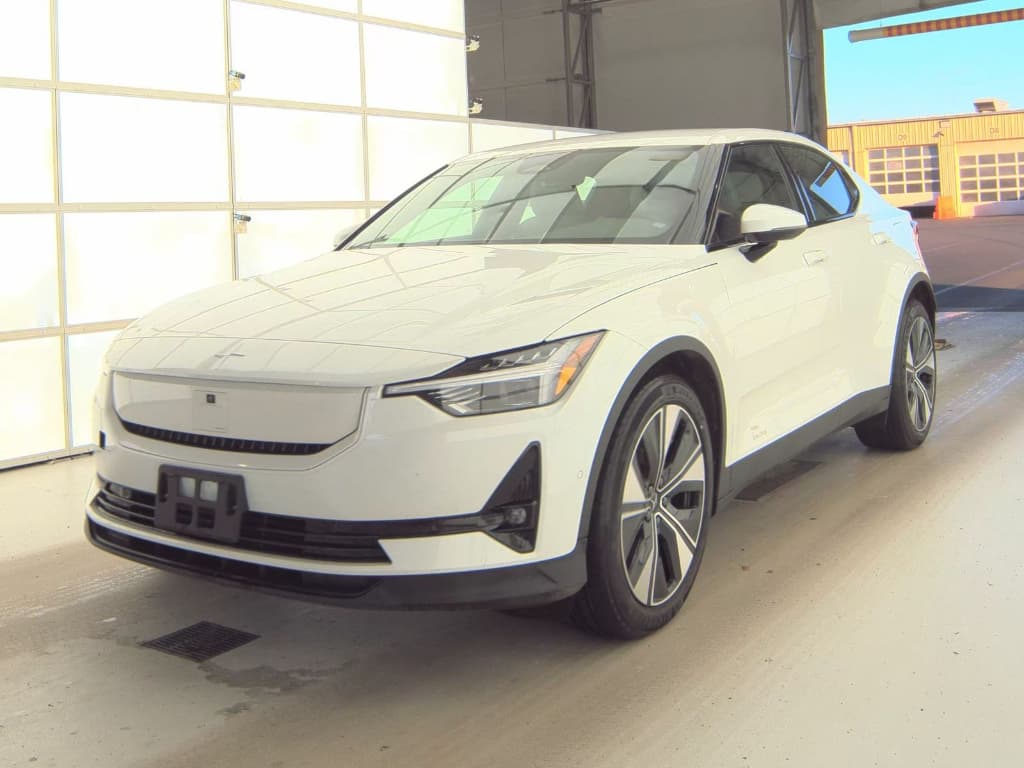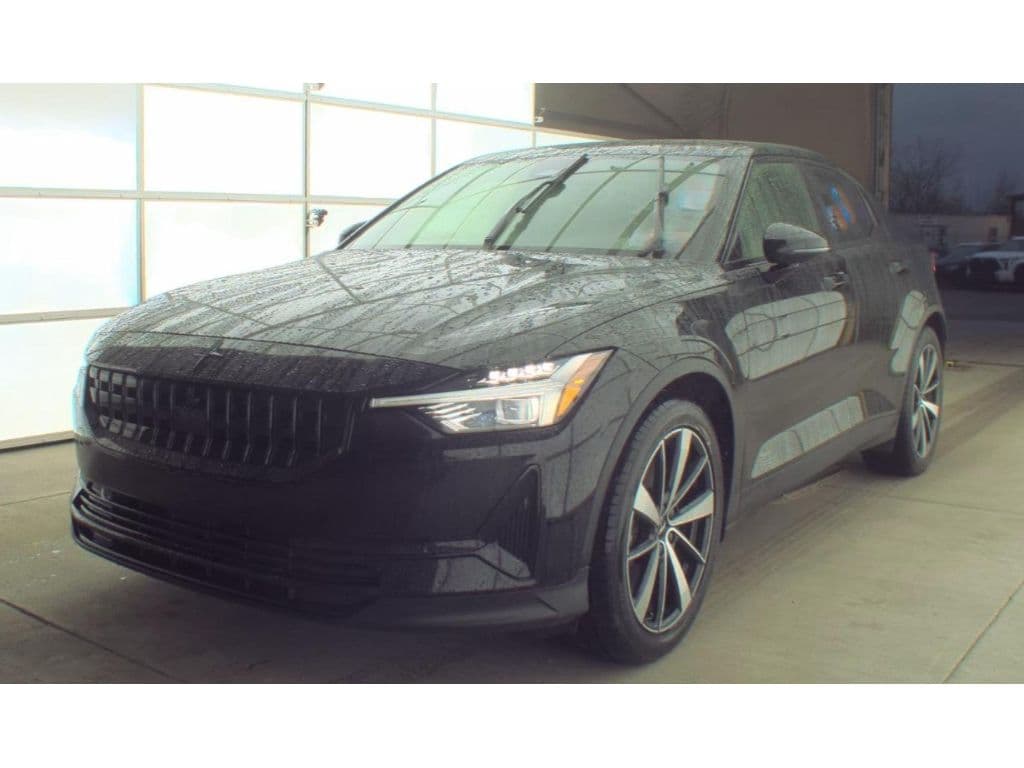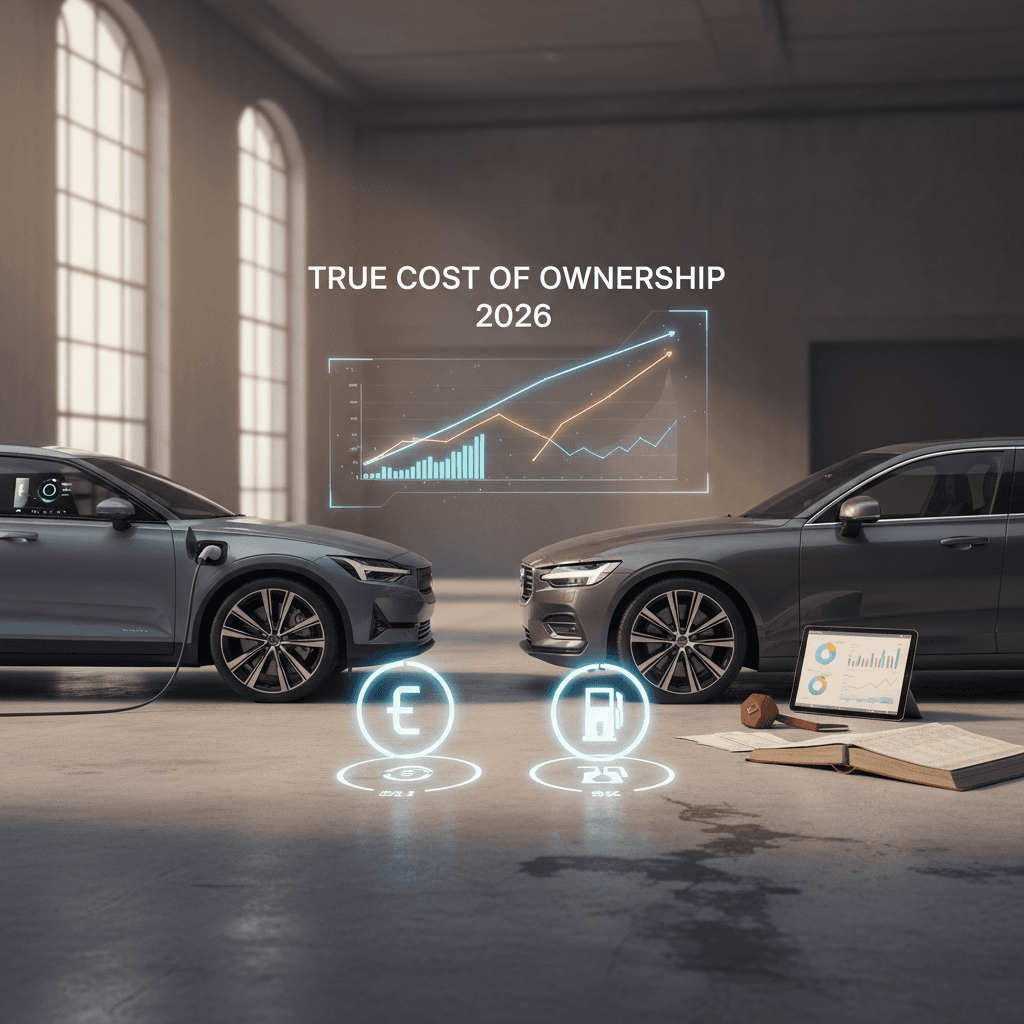
If you’re cross‑shopping a Polestar 2 vs Volvo S60 in 2026, you’re really asking one question: does going fully electric actually save money compared with a traditional Volvo sedan? On paper the Polestar 2 usually costs more to buy, but you’ll spend far less on fuel and maintenance. This guide breaks down the numbers so you can compare true 5‑year cost of ownership, including tax credits, energy costs, depreciation and the growing pool of used Polestar 2s.
Same DNA, different drivetrains
Why compare Polestar 2 and Volvo S60 in 2026?
In 2026, the Volvo S60 sits near the end of its lifecycle as a gasoline and plug‑in hybrid compact luxury sedan, while the Polestar 2 has transitioned into a premium, all‑electric alternative with several model years on the used market. They target the same buyer: someone who wants Scandinavian design, strong safety credentials and a premium feel without going full German luxury pricing.
- Body style: compact, four‑door premium sedans with similar cabin space
- Brand positioning: Scandinavian design, safety, tech‑forward interiors
- Use case: commuting, highway trips, families who don’t need an SUV
- Powertrain choice: Polestar 2 is fully electric; S60 is gas or plug‑in hybrid (Recharge)
Because they’re so closely matched on comfort and mission, the real differentiator is cost. When you factor purchase price, incentives, electricity vs gasoline, maintenance and resale value, the answer isn’t always as obvious as “EVs are cheaper.” Let’s quantify it.
Headline cost takeaways: who’s cheaper to own?
5‑year cost signals: Polestar 2 vs Volvo S60 (typical U.S. commuter)
Quick rule of thumb
Purchase price and incentives in 2026
Exact MSRPs shift year to year, but in early 2026 you can think of the new‑car pricing this way (U.S. market):
Approximate 2025–2026 U.S. pricing snapshot
Representative starting prices for mainstream trims, excluding destination and local taxes. Always confirm current pricing with a dealer.
| Model | Drivetrain | Typical new MSRP (2025–2026) | Typical well‑equipped used price (2022–2024 MY, early 2026) |
|---|---|---|---|
| Polestar 2 Long Range Dual Motor | Full EV | ≈$66,000+ new | ≈$32,000–$40,000 depending on year, miles and spec |
| Polestar 2 Long Range Single Motor | Full EV | Low‑to‑mid $50,000s (when available new) | ≈$28,000–$36,000 used |
| Volvo S60 B5 (gas mild‑hybrid) | Gas | Low‑to‑mid $40,000s new | ≈$25,000–$32,000 used |
| Volvo S60 Recharge T8 (plug‑in hybrid) | PHEV | Low‑to‑mid $50,000s new | ≈$30,000–$40,000 used |
These figures are directional estimates to frame the cost conversation, not hard quotes.
Model and incentive caveats
Federal and state incentives
For new Polestar 2 purchases in 2026, federal tax credit eligibility depends on North American battery content and final assembly, which can change with Treasury guidance. Many buyers instead see incentives via leasing, where the leasing company claims the credit and passes some or all of it through as a lower payment. The S60, as a gas or plug‑in hybrid, generally does not qualify for the full federal EV credit but may be eligible for smaller state or utility rebates if you choose the Recharge plug‑in hybrid.
Used EV tax credit potential
Energy costs: electricity vs gasoline
Fuel or electricity is the biggest ongoing cost difference between Polestar 2 and Volvo S60. To keep it realistic, we’ll use United States averages for 2026‑ish conditions and mainstream trims.
Key assumptions
- Annual miles: 12,000 (about 1,000 per month)
- Electricity price: $0.15 per kWh home charging (nationalish average)
- Gas price: $3.75 per gallon regular/premium blend
- Driving mix: 55% highway, 45% city
Efficiency snapshots
- Polestar 2: roughly 30–31 kWh/100 miles in mixed U.S. driving for dual‑motor, somewhat better for single‑motor
- Volvo S60 B5: EPA‑combined around 29–31 mpg depending on trim
- S60 Recharge: Real‑world cost depends heavily on how often you charge and drive in EV mode
Annual energy cost comparison
Estimated annual energy costs at 12,000 miles/year
Simplified comparison using representative efficiency values and average U.S. energy prices.
| Model | Efficiency assumed | Energy price used | Estimated annual energy cost |
|---|---|---|---|
| Polestar 2 (dual‑motor) | 31 kWh/100 mi | $0.15/kWh | ≈$558/year |
| Polestar 2 (single‑motor) | 28 kWh/100 mi | $0.15/kWh | ≈$504/year |
| Volvo S60 B5 gas | 30 mpg combined | $3.75/gal | ≈$1,500/year |
| Volvo S60 Recharge T8 | 50% miles electric, 50% gas | $0.15/kWh & $3.75/gal | ≈$1,050–$1,200/year depending on charging habits |
Your actual cost will vary with driving style, climate, electricity rates and gasoline swings.
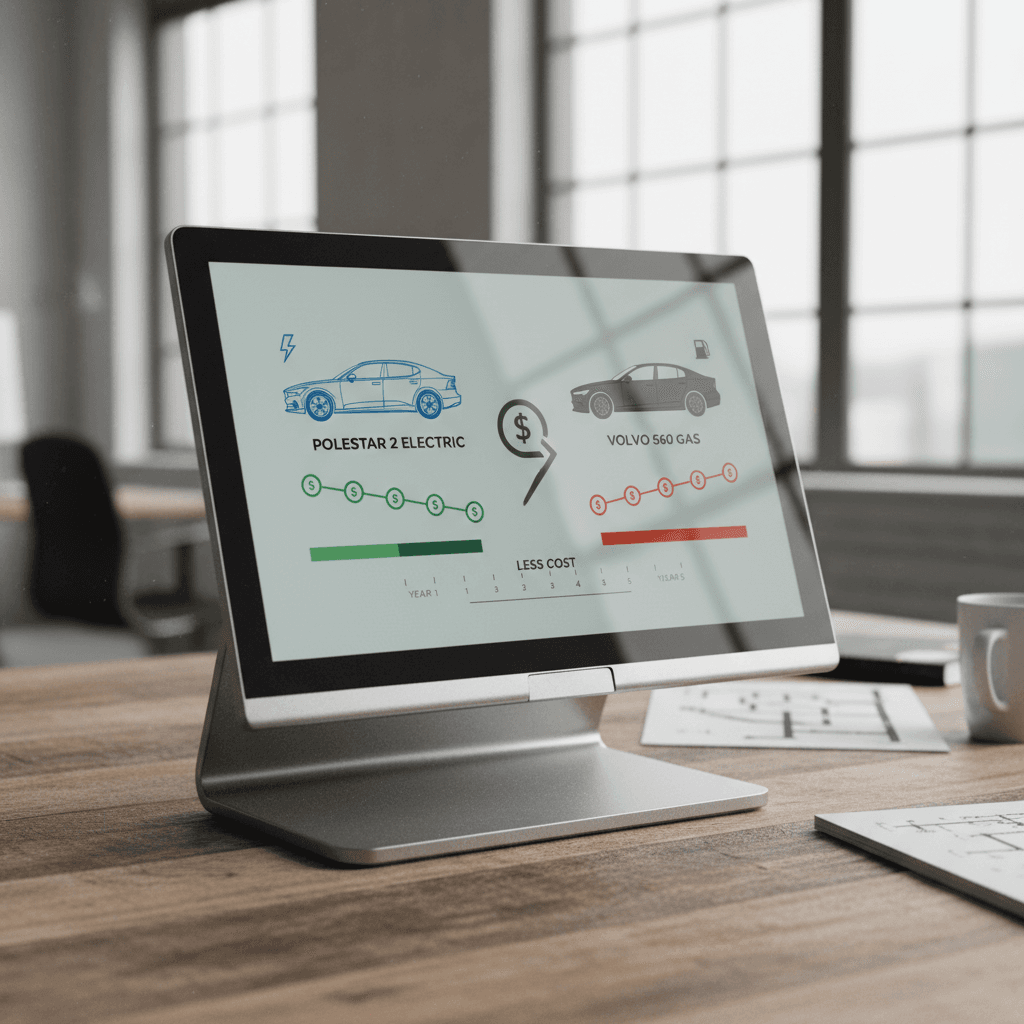
What that means in your wallet
Maintenance and repairs: EV vs gas Volvo
Day‑to‑day upkeep is where EVs quietly claw back even more money. A Polestar 2 still needs tires, cabin filters and occasional brake fluid, but it skips many of the big‑ticket items that add up on a turbocharged Volvo S60.
Typical maintenance over 5 years / 60,000 miles
These are directional comparisons, not fixed service menus.
Polestar 2 (EV)
- No oil changes, spark plugs or timing belts
- Far less brake wear thanks to regenerative braking
- Simple, infrequent scheduled services (inspections, filters, brake fluid)
- Biggest non‑tire risk items are out‑of‑warranty electronics or outlier battery issues
Rough budget: $1,500–$2,000 over 5 years if you stay on schedule and avoid damage.
Volvo S60 (gas / plug‑in hybrid)
- Regular oil and filter changes
- Transmission and coolant services
- More brake wear in stop‑and‑go driving
- Complex turbo and emissions hardware to maintain
Rough budget: $2,500–$4,000 over 5 years, excluding unexpected repairs.
Don’t ignore out‑of‑warranty risk
Insurance, taxes and fees
Insurance carriers tend to price Polestar 2 and Volvo S60 within the same general ballpark, but there are a couple of patterns worth noting:
- Polestar 2 premiums can be slightly higher in some markets because of newer tech, aluminum panels and limited repair networks.
- Volvo S60 premiums are shaped by long claims history and strong crash‑test performance, generally keeping them competitive for a luxury sedan.
- Many states offer reduced registration fees or HOV incentives for EVs, while a few now charge modest annual EV road‑use fees to replace lost gas‑tax revenue.
Budgeting guideline
Depreciation and resale value
Depreciation, the value the car loses as it ages, is often the single largest cost of ownership. The Polestar 2 and Volvo S60 behave differently here.
Polestar 2 depreciation
- Early model‑year Polestar 2s have already taken a solid first‑owner hit, especially as newer EVs and incentives reshaped pricing.
- By 2026, a 2021–2023 Polestar 2 is settling into a slower depreciation curve, especially if the battery health remains strong.
- Shoppers can find well‑equipped used Polestar 2s for under $35,000 in many cases, compared with original stickers that were often north of $55,000.
Volvo S60 depreciation
- The S60 follows a more traditional luxury‑sedan curve: notable value drop in the first 3 years, then a steadier slide.
- Gas sedans face extra pressure as more shoppers gravitate to SUVs and electrified options, though branded safety and comfort still support values.
- Well‑kept 3–4‑year‑old S60s commonly trade in the mid‑$20,000s to low‑$30,000s depending on trim and miles.
Sweet spot strategy
New vs used: where the value really is
Shopping new vs used shifts the Polestar 2 vs Volvo S60 math more than almost any other variable. Here’s how it tends to play out for cost‑conscious buyers in 2026.
Scenario planning: which buyer are you?
Match your driving and budget to the right drivetrain and age of vehicle.
1. New‑car buyer, moderate miles
You want the latest safety tech, fresh warranty coverage and plan to keep the car 5–7 years.
- Polestar 2 new: Higher MSRP but much lower running costs; makes sense if you drive 10k+ miles/year and can charge at home.
- S60 new: Lower upfront price and familiar fueling. Long‑term gas and maintenance can erase that advantage.
2. Value hunter, used market
Your priority is total cost and you’re open to 2–4‑year‑old cars.
- Used Polestar 2: Often the standout value, steep initial depreciation, strong performance, low fuel/maintenance, potential used EV credit.
- Used S60: Attractive if you want gas and lower EV complexity, but fuel costs stay high.
3. Urban dweller, limited charging
You don’t have reliable home charging and depend on street or public chargers.
- Polestar 2: Still workable in some cities, but energy savings shrink if you rely on pricey DC fast charging.
- S60 / S60 Recharge: Gas or plug‑in hybrid may pencil out better if home charging isn’t realistic.
Side‑by‑side 5‑year cost comparison table
To make this concrete, let’s compare two realistic 5‑year ownership scenarios for a U.S. driver in 2026, buying lightly used (to avoid the steepest depreciation) and driving 12,000 miles per year.
Illustrative 5‑year cost of ownership (used purchase, early 2026)
Rounded estimates for a 3‑year‑old Polestar 2 vs 3‑year‑old Volvo S60 B5, financed over 60 months with similar terms. All amounts in U.S. dollars.
| Cost category (5 years) | Used Polestar 2 (2022–2023 LR single/dual‑motor) | Used Volvo S60 B5 (gas, similar age) |
|---|---|---|
| Purchase price (early 2026) | ≈$32,000 | ≈$28,000 |
| Estimated depreciation (resale after 5 years) | −$12,000 (resale ≈$20,000) | −$13,000 (resale ≈$15,000) |
| Energy (fuel or electricity) | ≈$2,800 | ≈$7,500 |
| Routine maintenance & minor repairs | ≈$1,800 | ≈$3,000 |
| Tires, wear items | ≈$1,500 | ≈$1,500 |
| Insurance difference vs baseline | Roughly similar (±$500 over 5 years) | Roughly similar (±$500 over 5 years) |
| Estimated total 5‑year out‑of‑pocket (excluding financing costs) | ≈$20,000–$22,000 beyond purchase price | ≈$27,000–$29,000 beyond purchase price |
This is a directional model, not a quote; local prices, incentives and usage patterns can change the outcome.
Big picture
How Recharged can help you shop Polestar 2 smart
If this cost comparison has you leaning toward a used Polestar 2 instead of a Volvo S60, the next question is: how do you buy with confidence, especially around battery health and pricing? That’s where Recharged comes in.
Advantages of shopping a used Polestar 2 through Recharged
Verified battery health with the Recharged Score
Every Polestar 2 on Recharged includes a <strong>Recharged Score Report</strong> with battery diagnostics, so you see estimated remaining capacity, fast‑charge history signals and how that compares to similar cars. That’s critical when you’re counting on EV efficiency to beat S60 fuel costs.
Transparent, data‑driven pricing
Recharged benchmarks each car against nationwide EV sales data so you can quickly see whether a Polestar 2 is priced fairly compared with a comparable S60 or other sedans, no guesswork, no mystery fees.
EV‑specialist support, not generic sales talk
From explaining home charging options to comparing a Polestar 2’s running costs with your current gas car, Recharged’s EV specialists are there to walk through real‑world math, not just specs.
Trade‑in or sell your gas car easily
If you’re coming out of a Volvo S60 or another gas vehicle, Recharged can provide an <strong>instant offer or consignment</strong>, so you can roll equity into your EV or simply get paid out.
Flexible financing and nationwide delivery
With <strong>financing options, pre‑qualification, and delivery across the U.S.</strong>, you can shop a used Polestar 2 entirely online or visit the Recharged Experience Center in Richmond, VA if you want to see vehicles in person.
FAQ: Polestar 2 vs Volvo S60 costs
Frequently asked questions
Bottom line: which one makes sense for you?
If you want familiar fueling, don’t have easy access to charging and drive relatively few miles, a Volvo S60, especially a well‑priced used one, can still be a rational choice in 2026. But if you can charge at home and put a typical 10,000–15,000 miles on the odometer each year, the Polestar 2 almost always wins the cost‑of‑ownership battle, especially when you shop lightly used and take advantage of EV‑specific incentives.
The best next step is to put real numbers against your situation: your commute, your utility rates, your budget and whether you’ll buy new or used. If you’re leaning toward the Polestar 2, browsing Recharged’s Polestar pricing guide and talking to an EV specialist can help you pin down exactly how much you’d save compared with sticking with a gas or plug‑in hybrid S60.