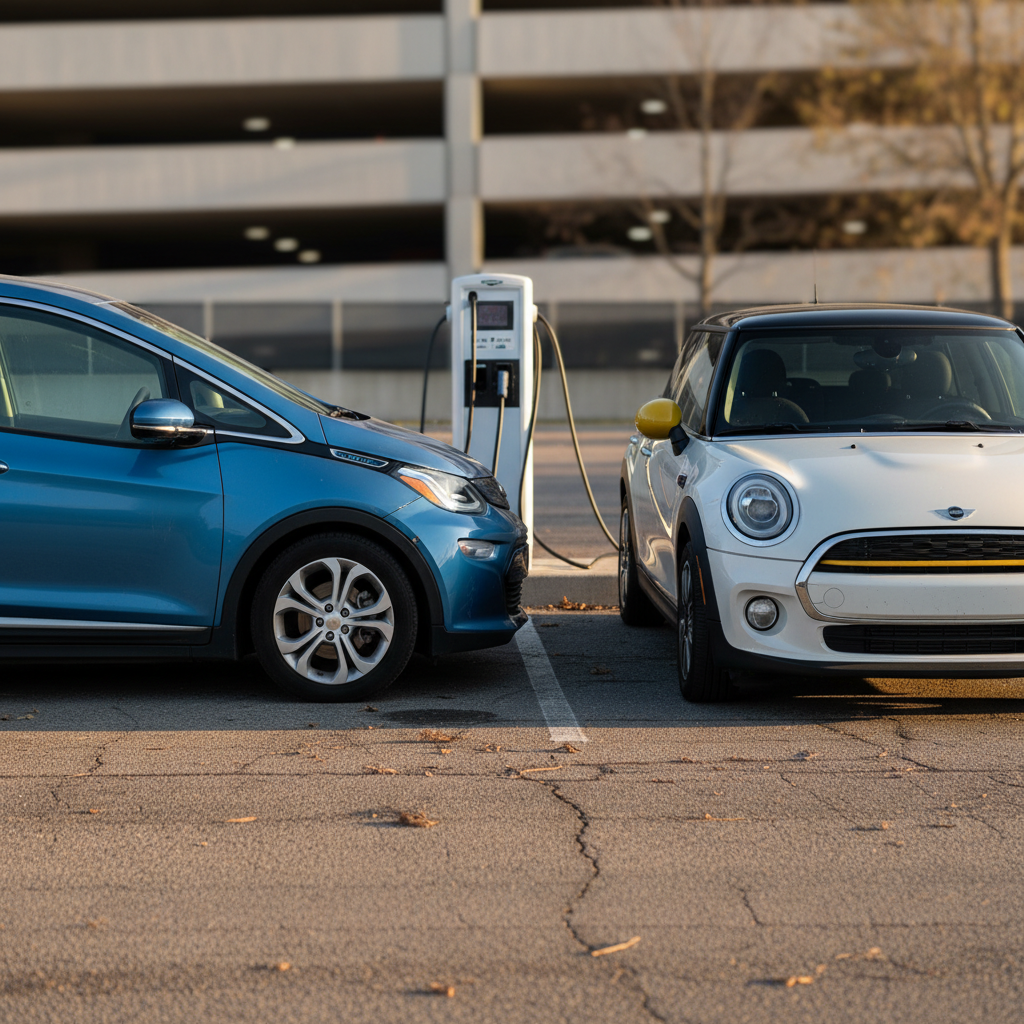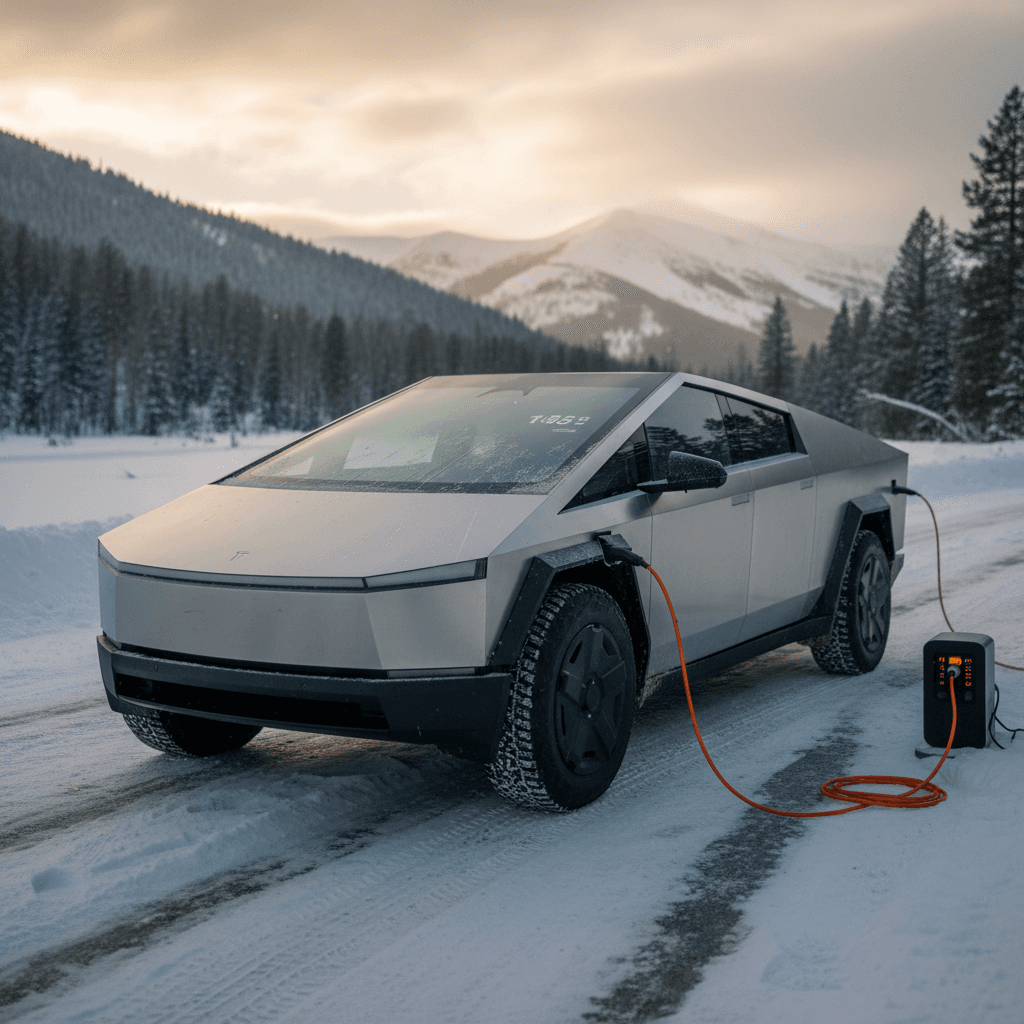
If you drive a Mini Cooper Electric (Mini SE) and live where winter actually means snow and sub‑freezing temps, you’ve probably watched the range estimate fall faster than the thermometer. Mini’s EPA rating is only about 114 miles to begin with, so any winter range loss feels huge. The good news: once you understand what’s happening and how to work around it, a Mini Electric can still be a fantastic cold‑weather city car.
Quick context
Mini Cooper Electric winter range loss: overview
First, let’s ground this in what the Mini actually is. The current Mini Cooper SE sold in the U.S. uses a battery that’s about 32.6 kWh total (≈28.9 kWh usable) and carries an EPA combined rating of 114 miles of range. It’s a short‑range, city‑focused EV by design, not a road‑trip machine.
Mini Cooper Electric key range & battery numbers
On paper, losing 20–30% of a 300‑mile EV might not ruin your day. Losing 20–30% of a 114‑mile Mini Cooper Electric absolutely can, especially if you don’t have workplace charging or a garage. That’s why Mini owners feel winter range loss more acutely than drivers of larger‑battery EVs.
Short range magnifies winter loss
How much winter range loss to expect in a Mini Cooper SE
Let’s translate averages into Mini‑specific numbers. Industry‑wide data from 2024–2025 winters shows that EVs retain roughly 80% of rated range in freezing weather on average, which means about a 20% loss. The Mini Cooper Electric slots into that ballpark, with real‑world owner reports clustering between 25–40% loss depending on how brutal the cold is and how you drive.
Typical Mini Cooper Electric winter range loss
Approximate real‑world ranges for a healthy Mini SE starting from a 114‑mile EPA rating.
| Conditions | Outside Temp | Typical Range | % vs EPA | What It Feels Like |
|---|---|---|---|---|
| Cool fall day | 45–55°F | 100–110 mi | 90–100% | Basically normal range |
| Normal winter day | 25–35°F | 80–95 mi | 70–85% | Noticeable but manageable loss |
| Cold snap | 10–20°F | 70–85 mi | 60–75% | Trip planning required |
| Deep freeze | Below 0°F | 50–70 mi | 45–60% | Very short leash without charging |
These are realistic targets, not guarantees. Your driving style, tires, terrain and HVAC use still matter a lot.
In owner anecdotes from colder U.S. states and Canada, it’s common to see a full‑charge estimate in the 70–90 mile range around freezing, and occasionally as low as 50–60 miles when temperatures plunge below 0°F and roads are messy. That lines up with what we’d expect for a small‑pack EV working hard to keep you warm.
A simple mental rule
Why cold weather hits the Mini Electric so hard
All EVs lose range in the cold, but the Mini has a few ingredients that make its winter behavior feel particularly dramatic: a small battery, short gearing tuned for fun, and the realities of cabin heating in a compact shell. Under the skin, the physics are straightforward.
4 main reasons your Mini loses range in winter
Understanding the "why" makes it much easier to fix the "how".
1. Cold batteries are less efficient
2. Cabin heat is a huge energy load
3. Rolling resistance & slush
4. Short gearing & fun tuning
Heat pump vs. resistance heater
Real‑world Mini Electric winter range scenarios
Numbers are helpful, but you really care about what you can do in your daily life. So let’s translate the Mini’s winter behavior into common use‑cases: commuting, errands, and the occasional longer winter drive.
City commuter: the Mini’s sweet spot
If your round‑trip commute is 40–60 miles and you can charge at home, the Mini Cooper Electric is comfortable even in serious winter weather.
- Around freezing, many owners still see 80–90 miles of realistic range.
- Stop‑and‑go traffic actually helps, because regen recovers energy.
- Preconditioning on the charger keeps HVAC overhead from eating into range.
You’ll notice the gauge dropping faster than in summer, but as long as you plug in nightly, it’s rarely a crisis.
Highway winter driving: where it gets tight
At 65–75 mph in cold air, aero drag dominates, the cabin heater runs constantly, and your Mini can easily dip into the 60–80 mile usable range band.
- Trips over ~70 miles in deep winter often need a DC fast‑charge stop.
- Crosswinds, snow‑packed pavement, and headwinds can eat another chunk of range.
- Arriving with a 10–15% buffer becomes more important than in summer.
For regular long‑distance winter driving, a longer‑range EV is simply a better fit. The Mini can manage it, but you’ll be planning carefully.
Where the Mini shines in winter
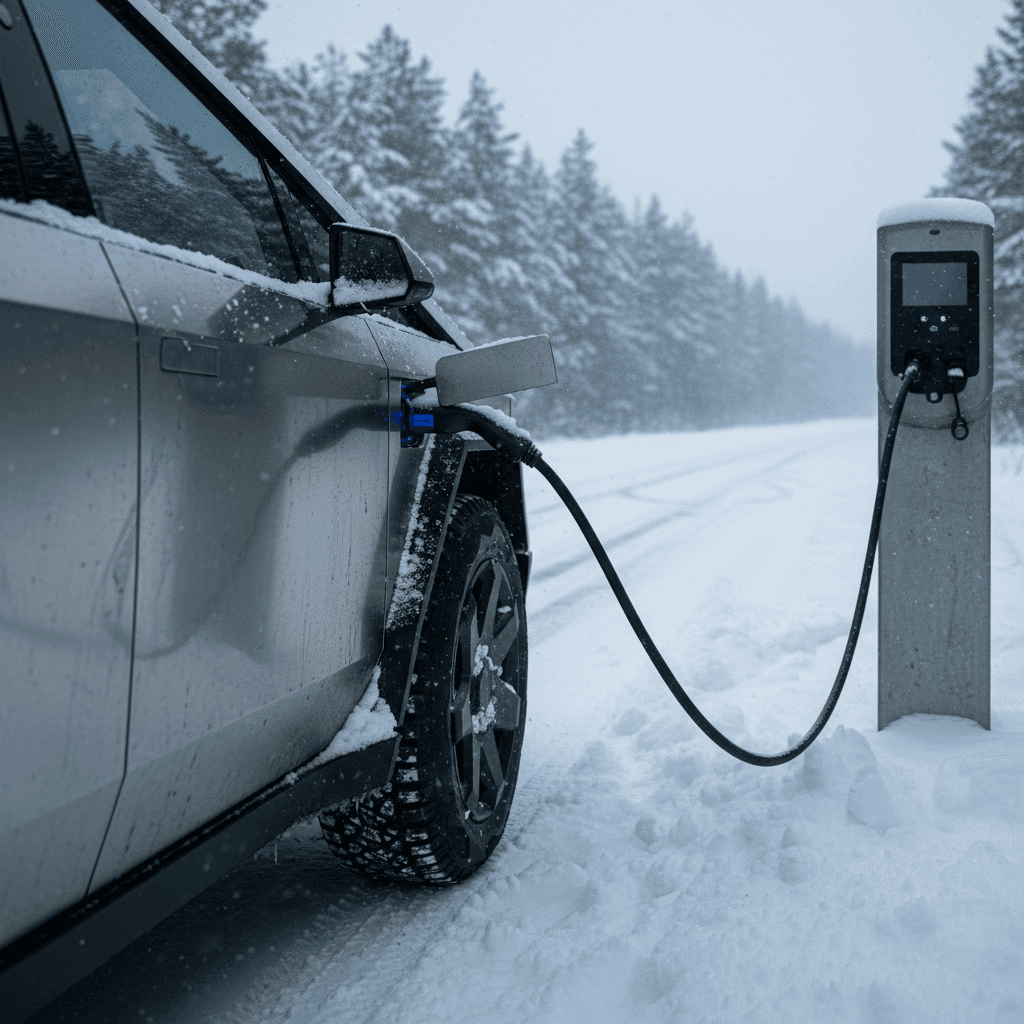
How to reduce winter range loss in your Mini Electric
You can’t argue with chemistry, but you can stack the deck in your favor. The Mini gives you enough control over temperature, charging, and driving behavior to claw back a surprising amount of winter range, especially in everyday city use.
Mini Cooper Electric winter range playbook
1. Always precondition while plugged in
Use the Mini’s scheduled departure or app to preheat the cabin and battery while the car is still on the charger. That way, most of the energy for warming comes from the grid, not your small onboard battery.
2. Prioritize seat & wheel heaters over cabin temp
Seat and steering‑wheel heaters use far less energy than blasting hot air through the vents. Set the cabin to a slightly cooler temperature and use the seat heaters to stay comfortable for fewer watt‑hours per mile.
3. Keep the car garaged when possible
Even a basic, unheated garage keeps the battery and cabin much warmer than an open driveway. That can mean 5–15% more range on cold mornings and quicker defogging and defrosting.
4. Use Eco/Green modes in bad weather
Mini’s more efficient drive modes soften throttle response, limit power, and can reduce heater intensity. You still get the Mini feel, but you waste less energy on unnecessary bursts of acceleration.
5. Avoid unnecessary fast charging on a cold pack
Rapid DC charging when the battery is very cold is hard on long‑term battery health and often slower anyway. If you need a fast charge, drive for 15–20 minutes first so the pack warms up.
6. Plan winter routes around known chargers
Especially on marginal trips, sanity‑check where you can charge along the way. Apps like Chargeway, PlugShare, or your utility’s map help identify backups if conditions are worse than expected.
Precondition smart, not just more
Protecting battery health vs. just chasing range
Winter isn’t just about what the gauge says today, it’s also a stress test for your Mini’s battery over the long haul. The flip side of cold weather is that lower temperatures actually slow chemical aging, but fast charging a frozen pack or constantly running it to near‑empty can still chip away at long‑term capacity.
Winter habits that help your Mini’s battery age gracefully
You want good range now without sacrificing capacity later.
Avoid regular 0–5% arrivals
Don’t live at 100% SOC
Prefer Level 2 over frequent DC
How Recharged looks at winter & battery health
Is the Mini Cooper Electric a good winter daily driver?
Whether the Mini Cooper Electric is a good winter car for you comes down to use‑case, not the calendar. If you expect it to behave like a 300‑mile crossover, you’ll be disappointed. If you treat it like what it is, a short‑range, fun‑to‑drive city EV, it can be shockingly competent in the snow with the right tires and expectations.
- For urban and inner‑suburb commuting with home charging, the Mini remains a solid year‑round option even in cold climates.
- For occasional 80–120 mile winter trips, you’ll be relying on DC fast charging and conservative driving to keep margins comfortable.
- For frequent long winter highway drives, a larger‑battery EV (or a plug‑in hybrid) is simply a better match, regardless of brand.
Snow capability isn’t the same as range
Shopping for a used Mini Cooper Electric for cold climates
If you’re considering a used Mini Cooper Electric and you live somewhere with real winters, you’ll want to look beyond the window sticker EPA number. You’re buying not just a car, but a very specific daily pattern of charging, preconditioning, and trip planning.
Key questions to ask before buying a Mini Electric for winter use
Use this as a quick comparison tool when you’re evaluating specific cars and your own situation.
| Question | Why It Matters | Ideal Answer |
|---|---|---|
| Can I install or use Level 2 home charging? | Overnight Level 2 solves most winter anxiety for short‑range EVs. | Yes, 240V charging at home. |
| Is my normal winter day under 70–80 miles? | Staying within realistic winter range keeps you out of the red zone. | Yes, typical day is well under 70 miles. |
| Do I have a garage or at least covered parking? | Keeping the car out of the worst cold preserves range and comfort. | Yes, at least at home. |
| Does this specific car have a solid battery health report? | You want to distinguish normal winter loss from permanent degradation. | Yes, battery capacity is close to original. |
| Are there DC fast chargers along my common winter routes? | Backup options matter when weather or traffic doesn’t cooperate. | Yes, at least one good network nearby. |
Answer “yes” to most of these and a Mini SE can be a great cold‑climate daily. Too many “no” answers, and a longer‑range EV might make more sense.
How Recharged can help
Mini Cooper Electric winter range FAQ
Frequently asked questions about Mini Electric winter range loss
Key takeaways on Mini Electric winter range
The Mini Cooper Electric’s winter range loss isn’t a flaw unique to Mini, it’s the predictable result of cold chemistry and a relatively small battery. In everyday use, you should expect something like 80–95 miles of real‑world range around freezing and 60–70 miles in serious cold, with careful driving and good charging habits.
If that fits your life, the Mini remains one of the most engaging urban EVs you can drive, winter or summer. If it doesn’t, that’s a sign you should be shopping for something with more buffer rather than trying to out‑smart physics. Either way, going into winter with clear expectations, a solid charging plan, and verified battery health will make your ownership experience far less stressful, and that’s exactly what Recharged is built to help with.