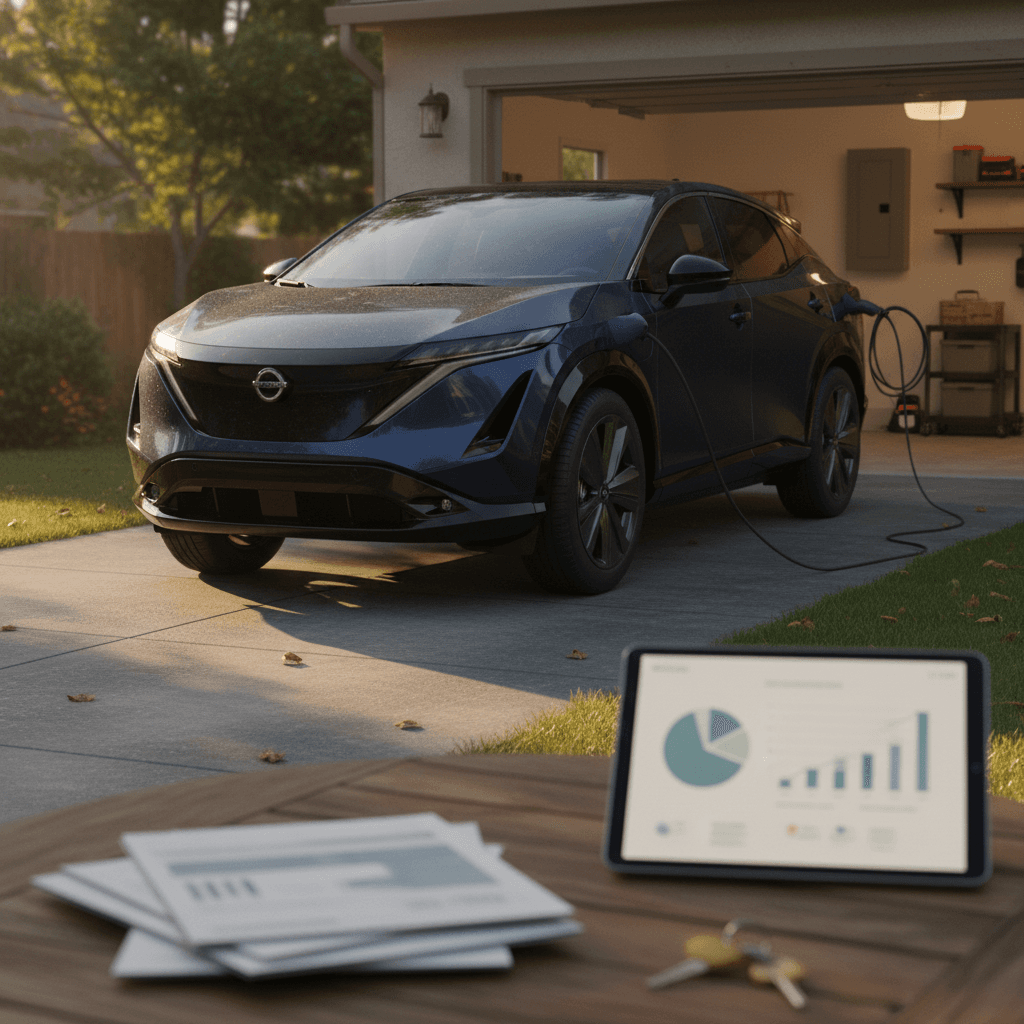
If you’re eyeing a Mini Cooper Electric (also called the Mini Cooper SE), you’re probably not just thinking about style and go‑kart handling. You want to know what long-term ownership costs look like, charging, maintenance, insurance, depreciation, and what happens when that battery ages. This guide walks through a realistic 5‑year picture and shows how a used Mini Electric can tilt the numbers in your favor.
Why long-term cost matters more than the sticker
Mini Cooper Electric at a glance
For cost calculations, we’ll focus on the current Mini Cooper Electric sold in the U.S. (the 2‑door hatchback). Exact figures vary slightly by model year and trim, but the basics are similar.
Key Mini Cooper Electric cost-related specs
Range reality check
How much does a Mini Cooper Electric cost to own long term?
To make this practical, let’s use a common scenario: 12,000 miles per year, 5 years of ownership, mostly home charging, and a typical U.S. electricity rate. We’ll keep numbers directional, not penny-precise, but grounded in current EV cost data.
Mini Cooper Electric: Rough 5-year cost of ownership (12,000 mi/year)
High-level cost buckets for a Mini Cooper Electric versus a comparable gas Mini Cooper, assuming U.S. averages. Your exact numbers will vary by state, driving, and how you buy the car.
| Cost category (5 yrs) | Mini Cooper Electric (new) | Comparable gas Mini (new) |
|---|---|---|
| Energy / Fuel | $3,000–$3,500 | $7,000–$8,500 |
| Maintenance & repairs | $1,000–$1,500 | $2,500–$3,500 |
| Insurance | $8,000–$10,000 | $7,500–$9,000 |
| Depreciation | $16,000–$20,000 | $13,000–$16,000 |
| Total 5-year cost (excl. taxes/fees) | ~$28,000–$35,000 | ~$30,000–$37,000 |
Illustrative estimate only. Treat this as a framework, not a quote.
The pattern, not the exact dollar
Energy costs: charging a Mini Cooper Electric
In the U.S., electricity usually costs the equivalent of paying about one‑third to one‑half as much as gasoline per mile. For a small, efficient EV like the Mini, energy costs are one of its biggest advantages over a gas Mini.
Home charging scenario (best case)
Assumptions:
- Average efficiency: 3.5 miles/kWh
- Electricity rate: $0.16/kWh (around recent U.S. average)
- Annual miles: 12,000
Math:
- 12,000 miles ÷ 3.5 mi/kWh ≈ 3,430 kWh/year
- 3,430 kWh × $0.16 ≈ $550/year
Over 5 years, that’s roughly $2,700–$3,000 in electricity if you mostly charge at home.
Public DC fast charging scenario (worst case)
If you rely heavily on DC fast charging, costs can climb toward:
- $0.30–$0.45/kWh depending on network and region
- At $0.35/kWh, 3,430 kWh/year is about $1,200/year
Realistically, most Mini Electric owners use a mix, home during the week, public on the road, landing somewhere between those two numbers.
Lock in the low end of charging costs
Maintenance and repairs
Compared with a gas Mini, the Mini Cooper Electric drops oil changes, exhaust repairs, spark plugs, and most transmission service. Industry‑wide data shows EVs can cut maintenance and repair spending roughly 30–50% over several years, mainly by eliminating those engine‑related items.
Typical Mini Cooper Electric maintenance vs gas Mini
What you’ll still pay for, and what disappears with electric.
Mini Cooper Electric
- Tire rotations & replacements
- Cabin air filter changes
- Brake fluid service every few years
- Coolant service for battery/drive unit (intervals vary by model year)
- Occasional suspension or alignment work
Estimated routine maintenance: often $200–$300/year on average, assuming no major out‑of‑warranty failures.
Gas Mini Cooper
- All of the above plus:
- Regular oil changes
- Spark plugs & ignition service
- Exhaust system repairs
- More frequent brake work
- Transmission service
Estimated routine maintenance: often $400–$700/year on average over the same period.
Where the Mini Electric quietly saves you money
Battery health, warranty, and replacement risk
Battery anxiety is the wildcard in any EV cost conversation. Modern EV packs generally degrade slowly, industry research often pegs average EV battery capacity loss at around 1–2% per year under normal use. But replacement, if needed outside warranty, is expensive.
- Most EVs sold in the U.S. carry at least an 8‑year / 100,000‑mile battery warranty against defects or excessive degradation.
- The Mini’s relatively small pack means replacement parts could be cheaper than a large‑pack SUV, but it’s still a multi‑thousand‑dollar job if paid out of pocket.
- In practice, very few owners see catastrophic failures in the first 8–10 years; gradual range loss is more common than sudden death.
Treat out‑of‑warranty battery work as a low‑probability, high‑cost event
“Battery costs keep dropping and packs are lasting longer than early skeptics predicted. For most mainstream EVs, the bigger financial story is depreciation, not batteries suddenly dying at year nine.”
Insurance costs for the Mini Cooper Electric
Across the market, EVs tend to carry higher insurance premiums than comparable gas cars, thanks to pricier parts, specialized labor, and higher MSRPs. Some analyses put average EV insurance costs 10–20% above similar gasoline vehicles, though it varies heavily by ZIP code and driver profile.
Illustrative annual insurance costs (U.S. averages)
These ranges assume a clean driving record and standard coverage. Local rates can be much higher or lower.
| Vehicle | Likely insurance band (per year) | Notes |
|---|---|---|
| Mini Cooper Electric | $1,600–$2,200 | Small EV, higher parts and battery costs than a gas hatchback. |
| Gas Mini Cooper 2‑door | $1,400–$2,000 | Similar size and performance, generally a bit cheaper to insure. |
Use this as directional guidance, always get real quotes for your situation.
How to keep Mini Electric insurance in check
Depreciation and resale value
Depreciation is where EVs, including the Mini Cooper Electric, have taken the biggest hit recently. Used‑EV prices dropped sharply in 2024–2025 as more inventory hit the market and new EV incentives shifted. The upside for you as a buyer: used EVs are now where many of the best deals live.
Why depreciation matters so much
Mini Electric depreciation in context
Mini Cooper Electric vs gas Mini: long-term costs
If you’re cross‑shopping the Mini Cooper Electric against a gas Mini Cooper S, long‑term costs come down to your driving pattern and how you buy the car.
Where the Mini Electric wins
- Energy: Often half to one‑third the cost per mile of gas, especially with home charging.
- Maintenance: Fewer moving parts, no oil changes, less brake wear.
- Urban use: Strong value as a short‑range commuter with easy parking and low running costs.
Where the gas Mini can win
- Road trips: No charging stops, no planning around range.
- Insurance: Sometimes a bit cheaper to insure than the EV.
- Depreciation: Historically more predictable; EVs have been more volatile.
Rule of thumb
How buying a used Mini Cooper Electric changes the math
Because EVs often depreciate faster than gas cars, the used EV market has become one of the best value plays in 2025–2026. That’s especially true for city‑oriented models like the Mini Electric, where early adopters are moving into larger‑range EVs.
Why a used Mini Cooper Electric can be a smart buy
Let someone else take the steepest depreciation curve.
Lower purchase price
Plenty of warranty left
Known real‑world range
Use battery health data, not guesses
Used Mini Cooper Electric cost checks
1. Confirm battery warranty window
Check the in‑service date so you know exactly how many years and miles of battery coverage remain. An extra 2–4 years of warranty has real financial value.
2. Review battery health diagnostics
Ask for a formal battery health report, not just a verbal “it seems fine.” Look for capacity estimates, cell balance, and fast‑charge history where possible.
3. Compare price to gas Minis and other small EVs
Don’t just compare against new Mini Electric MSRP, stack it up against used gas Minis and rivals like the Fiat 500e, Chevy Bolt, or Nissan Leaf in your area.
4. Factor in your actual commute
If you drive 25–50 miles a day and rarely road‑trip, the Mini Electric’s low running costs can easily outweigh range limitations and any future depreciation risk.
5. Check charging options at home and work
A cheap used EV can become expensive and inconvenient if you’re stuck relying on pricey public fast charging. Confirm home or workplace charging before you buy.
Cost optimization checklist for Mini Electric owners
Once you own a Mini Cooper Electric, the way you charge and maintain it can nudge long‑term costs up or down by thousands of dollars. Use this checklist to keep the curve bending in your favor.
Mini Cooper Electric cost‑saving playbook
Use home Level 2 charging whenever possible
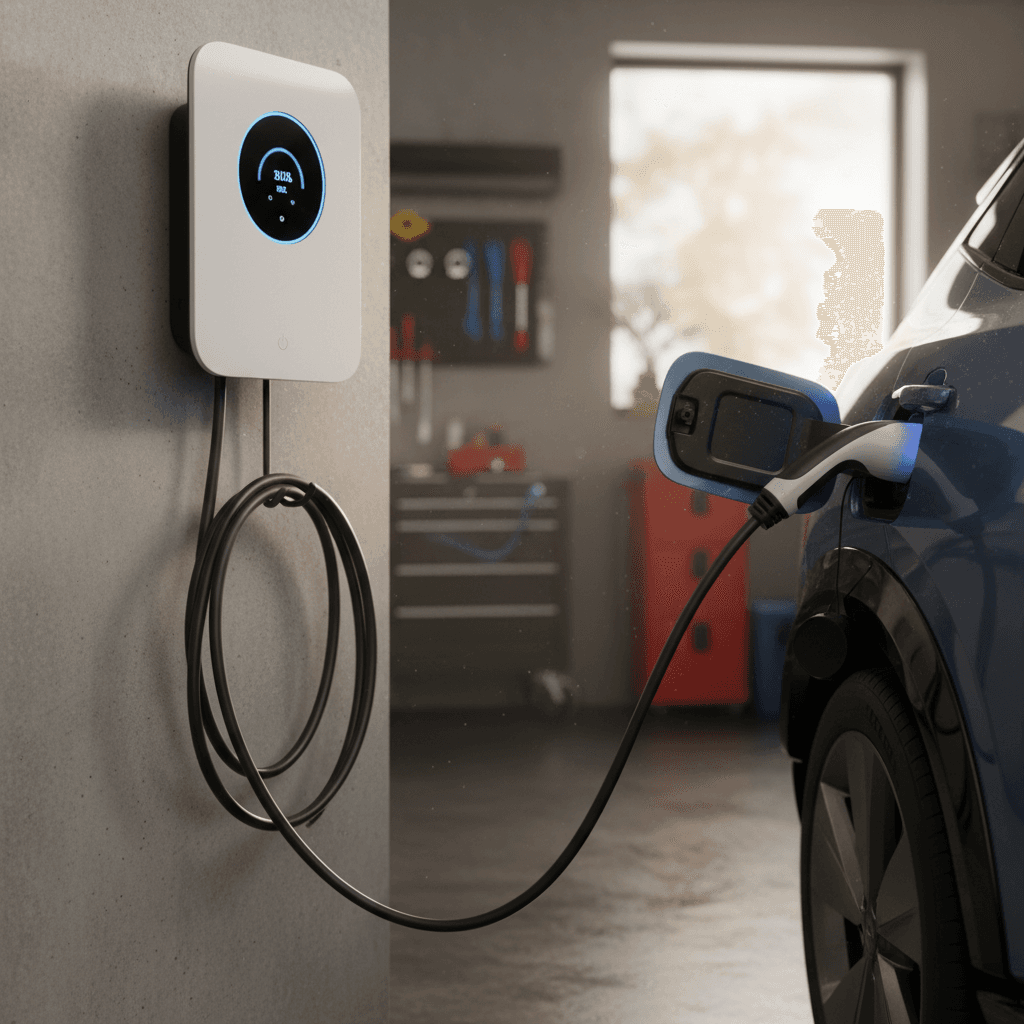
Home charging at off‑peak rates keeps energy cost per mile low. A basic 240‑volt setup plus a home wallbox often pays for itself in a few years versus public charging.
Watch tire wear
EV torque can chew through tires. Rotate on schedule, run the correct pressures, and consider EV‑rated tires when it’s time to replace them.
Stay ahead on simple maintenance
Cabin filters, brake fluid, and coolant services are relatively cheap. Skipping them can invite more expensive issues down the line.
Charge smart for battery longevity
For daily use, aim to charge to ~80–90% instead of 100% unless you need full range. Avoid leaving the car at very low state‑of‑charge for long periods.
Shop insurance every couple of years
EV insurance pricing is still volatile. Re‑quoting periodically can shave hundreds of dollars a year, especially as underwriters get more EV data.
Plan road trips realistically
If you’ll occasionally stretch the Mini beyond its comfort zone, budget in extra time and higher‑cost fast charging. It’s still often cheaper than gas, but more than home power.
Mini Cooper Electric long-term ownership FAQ
Frequently asked questions about Mini Cooper Electric ownership costs
Bottom line: Is a Mini Cooper Electric worth it long term?
Long‑term, the Mini Cooper Electric is at its best as an efficient, low‑stress city and commuter car. You trade long‑distance flexibility for low energy bills, fewer maintenance headaches, and the charm of an iconic hatchback that just happens to be electric. The financial story looks even better if you buy used, where early depreciation and remaining battery warranty can stack in your favor.
If you’re considering one, run the math based on your actual miles, charging options, and how long you’ll keep it. And if you want someone to help decode battery reports, depreciation, and total cost of ownership on a used Mini Cooper Electric or any other EV, Recharged is built for exactly that, pairing verified battery health, fair pricing data, financing options, and nationwide delivery into one simple, transparent experience.
EVs on Recharged
See all →


Related Articles
2024 Tesla Cybertruck Reliability Rating: What Early Data Really Says
Wondering how reliable the 2024 Tesla Cybertruck is? See safety scores, recalls, owner complaints, and what its reliability rating means if you’re buying used.

Are EV Batteries Recyclable? How It Works and What It Means for You
Are EV batteries recyclable? Learn how EV batteries are reused, recycled, and repurposed, what percentage is recoverable, and what it means when you buy a used EV.

2024 Tesla Model S Trade‑In Value: What Your EV Is Really Worth
See what a 2024 Tesla Model S is really worth on trade in, what hurts or boosts value, and how to compare Tesla offers vs dealers and used‑EV marketplaces.