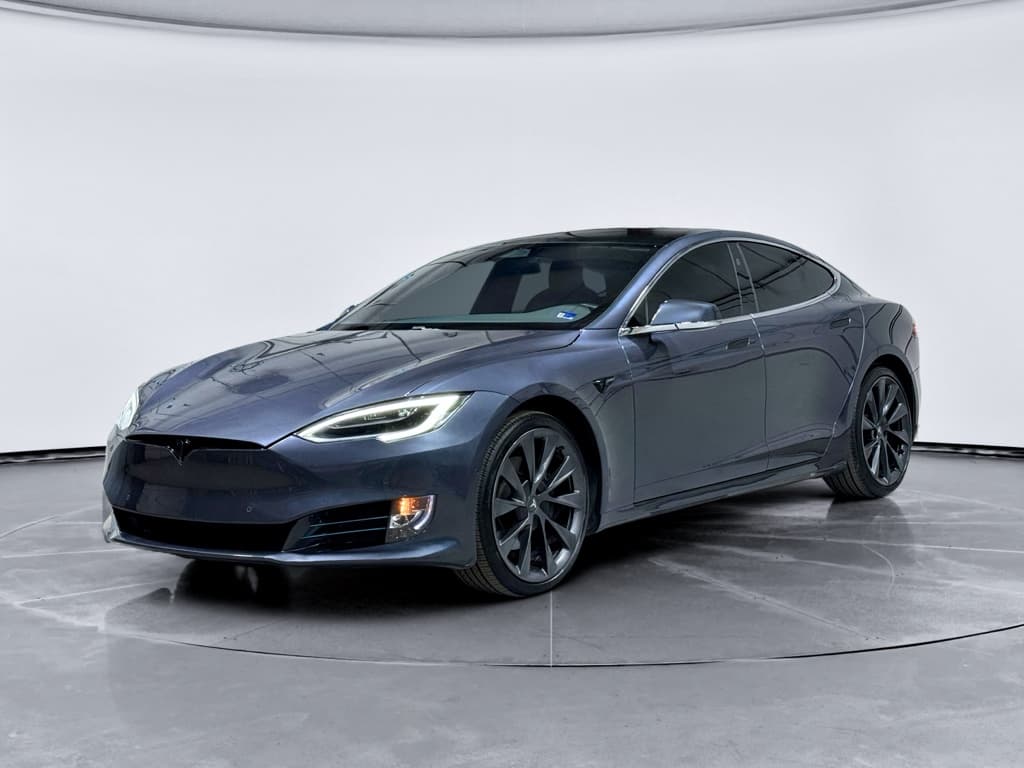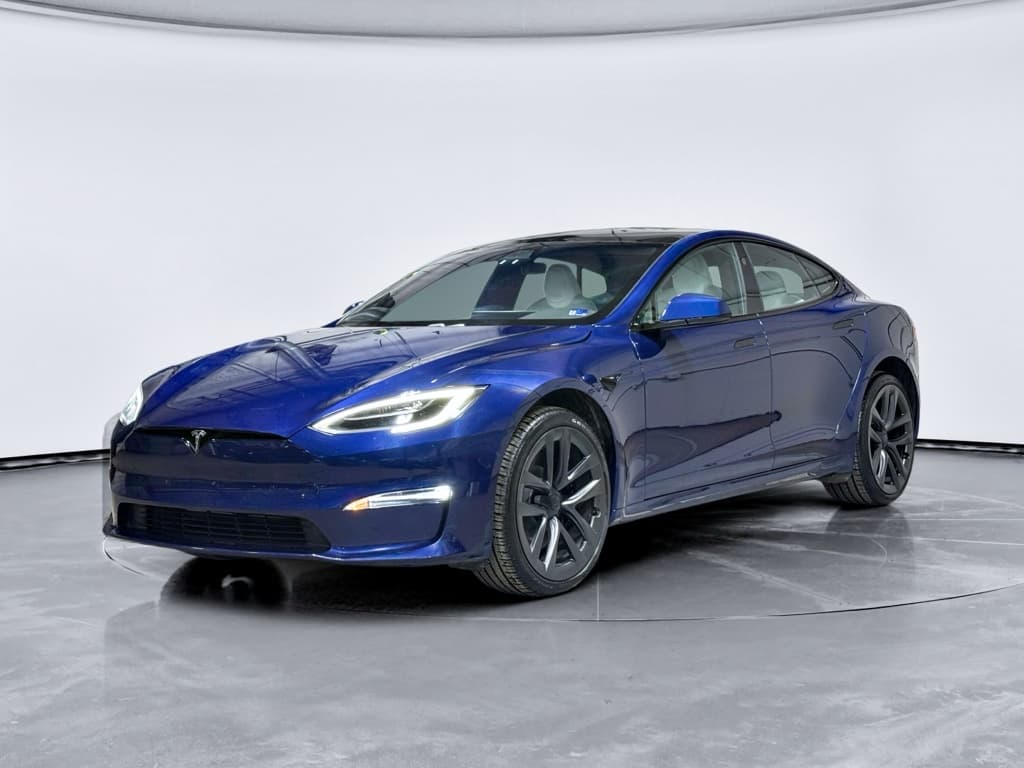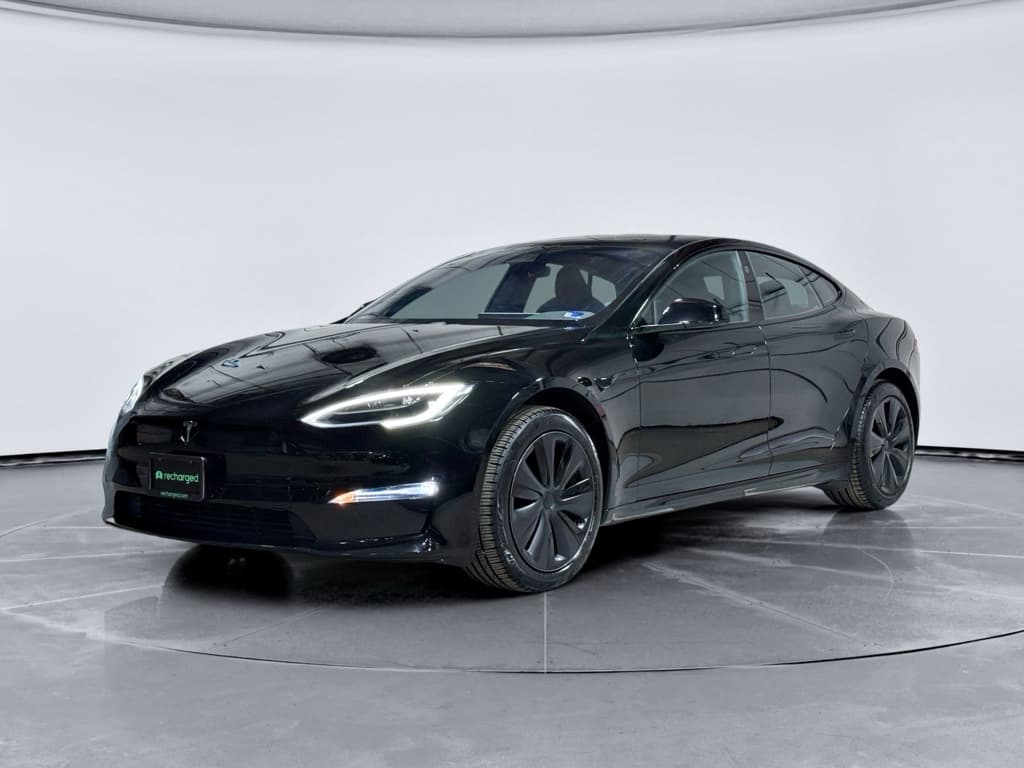
If you bought a 2024 Tesla Model S, you’ve probably already seen the headlines: luxury EVs have been hit hard by depreciation, and trade‑in offers can feel painfully low. In 2026, understanding the real 2024 Tesla Model S trade in value means knowing how the market is moving, what buyers actually pay, and how to keep dealers, and even Tesla, from underpricing your car.
Context: 2024 Model S in 2026
Overview: 2024 Model S trade‑in in 2026
How the Tesla Model S Depreciates
In plain English, that means your 2024 Model S can lose value fast on paper, even though it’s still a highly capable car. The trick is separating depreciation you can’t control (market trends, Tesla price cuts, federal credit changes) from variables you can influence (mileage, condition, battery health documentation, how and where you sell).
How much is a 2024 Tesla Model S worth today?
There’s no single number for a 2024 Tesla Model S trade in value. But looking at current asking prices for nearly new Model S inventory and recent depreciation data, you can sketch realistic ranges for spring 2026 in the U.S.
Typical 2024 Tesla Model S Value Ranges in 2026 (U.S.)
Illustrative ranges based on current used‑EV listing data, recent depreciation studies, and typical franchise‑dealer bid spreads.
| 2024 Model S configuration | Condition & miles (approx.) | Likely trade‑in range | Likely retail / private‑party range |
|---|---|---|---|
| Long Range (AWD), no FSD | Clean, 20k–30k miles | $42,000–$50,000 | $50,000–$58,000 |
| Long Range with EAP or FSD | Clean, 20k–30k miles | $45,000–$53,000 | $53,000–$62,000 |
| Plaid, no FSD | Clean, 15k–25k miles | $60,000–$72,000 | $72,000–$85,000 |
| Plaid with FSD | Clean, 15k–25k miles | $63,000–$76,000 | $76,000–$90,000 |
| High miles (40k+), any trim | Good, but above‑average miles | $35,000–$45,000 | $44,000–$55,000 |
These are example ranges, not guaranteed offers. Real quotes depend on your VIN, mileage, options, region, and condition.
Use ranges, not promises
Why 2024 Model S trade‑in values feel so low
If you’re staring at a trade‑in offer that’s $20,000 or more below what you paid in 2024, you’re not alone. Several forces have piled on at once to make late‑model Teslas, especially the Model S, look harshly discounted just two years later.
Four forces pushing 2024 Model S trade‑in values down
Understanding these helps you judge whether your offer is reasonable or a lowball.
1. Aggressive Tesla price changes
Tesla’s frequent price cuts on new vehicles ripple straight into the used market. If a comparable new Model S gets cheaper, every used example has to follow it down to stay attractive.
2. Policy and incentive shifts
Changes to federal and state EV incentives between 2024 and 2026 have distorted what buyers can afford new vs used. When new EVs qualify for strong credits and yours doesn’t, used values soften.
3. Rapid tech turnover
Software and hardware updates, including Autopilot and FSD changes, interior tweaks, and range bumps, make early builds feel older, faster. Shoppers pay a premium for the latest hardware revisions.
4. Narrow luxury EV buyer pool
The Model S sits in a niche: big, quick, expensive. As more affordable EVs crowd the market, there are simply fewer buyers hunting for a $60,000+ used sedan, which depresses bids.
Trade‑in math vs resale value
Key factors that change your 2024 Model S offer
Two 2024 Model S sedans that looked identical on the showroom floor can be worth wildly different amounts at trade‑in time. Here’s what appraisers, and online instant‑offer tools, look at first.
What appraisers weigh on a 2024 Model S
Mileage and usage pattern
A 2024 Model S with 18,000 miles will almost always beat one with 38,000 miles. But usage pattern also matters: mostly highway miles with consistent charging habits can be easier on the battery than stop‑and‑go urban use.
Battery health and fast‑charging history
Appraisers increasingly look beyond the odometer. Documented battery health, like a third‑party report or transparent range data, can support a higher value, especially if you’ve relied more on home Level 2 charging than constant DC fast charging.
Accident, damage, and Carfax history
Any structural damage, airbag deployment, or branded title can trim thousands off your offer. Even minor, poorly repaired cosmetic damage makes dealers assume higher recon costs.
Trim, options, and driver‑assist features
Plaid models, premium interiors, larger wheels, and desirable colors tend to hold more value. FSD and EAP can help, but not always dollar‑for‑dollar with what you paid, because buyers know Tesla can change software pricing at any time.
Region and seasonality
AWD plus long range matters more in cold‑weather states, while high‑performance Plaid models may sell faster in markets with strong performance‑car cultures. Local EV incentives and charging infrastructure also influence demand.
Market supply and days‑to‑sell
If your local dealer group already has a stack of late‑model Model S units aging on the lot, they’ll price your trade aggressively. If clean inventory is thin, you may see stronger bids.
Know what the buyer sees
Realistic 2024 Model S trade‑in value examples
To make this concrete, here are three simplified scenarios for a 2024 Model S owner trading in 24–30 months after purchase. These are illustrative, but they mirror what we see across dealer lanes and used‑EV marketplaces in 2026.
Scenario A: Strong, low‑mile Long Range
2024 Model S Long Range, 18,000 miles, no accidents, 19" wheels, no FSD, excellent cosmetic condition.
- Original MSRP: about $75,000–$80,000
- Realistic trade‑in: $48,000–$53,000
- Likely retail list price: $56,000–$60,000
A clean, low‑mile car in a neutral color with documented battery health will attract stronger offers, especially from EV‑focused retailers.
Scenario B: Average Long Range, higher miles
2024 Model S Long Range, 34,000 miles, one minor accident on Carfax, light curb rash on wheels.
- Original MSRP: about $75,000–$80,000
- Realistic trade‑in: $40,000–$46,000
- Likely retail list price: $49,000–$55,000
Now you’re paying the price for mileage plus perceived recon risk, even if the car still drives perfectly.
Scenario C: Plaid with the right story
2024 Model S Plaid, 20,000 miles, one‑owner, clean history, good tires, no track use disclosed.
- Original MSRP: roughly $95,000–$110,000 depending on options
- Realistic trade‑in: $65,000–$78,000
- Likely retail list price: $80,000–$92,000
Performance models are more volatile, but a clean Plaid with the right options can still command strong money, dealers know these shoppers are niche but motivated.
Gut‑check your offer
Tesla trade‑in vs dealers vs used‑EV marketplaces
You’ve got three main paths when it’s time to move on from a 2024 Model S: give it back to Tesla, trade it at a non‑Tesla dealer, or sell through a dedicated used‑EV marketplace like Recharged. Each comes with different pricing and friction.
Where to sell your 2024 Tesla Model S
Price, convenience, and control vary a lot by channel.
Tesla trade‑in / buyback
- Pros: Seamless if you’re buying another Tesla; no extra paperwork.
- Cons: Offers often skew conservative; limited interest in non‑perfect cars; you lose leverage by only talking to one buyer.
- Best for: Owners prioritizing convenience over squeezing every last dollar.
Franchise & independent dealers
- Pros: Can roll equity into any brand; some stores aggressively stock Teslas.
- Cons: Many still price EVs cautiously due to unfamiliarity with battery health and demand swings.
- Best for: Shoppers switching brands who want to do everything in one visit.
Used‑EV marketplaces like Recharged
- Pros: EV‑specialist pricing, nationwide buyer pool, transparent battery‑health reporting, options beyond a simple trade.
- Cons: Requires a little more engagement than handing keys to a local dealer.
- Best for: Owners who want a fair, market‑driven price and are open to selling or consigning digitally.
How Recharged fits in
How to maximize your 2024 Model S trade‑in value
You can’t turn back the clock on depreciation, but you can absolutely influence where you land inside the market range. Think of it as closing the gap between a wholesale number and what a savvy buyer would actually pay after seeing your car in person.
Steps to squeeze the most from your 2024 Model S
1. Get multiple data points, not one quote
Start with online tools and quick offers from Tesla and local dealers, but don’t stop there. Use a used‑EV marketplace to see what similar cars actually list for and what they sell at, not just their "book" values.
2. Fix cheap, obvious issues first
Replace worn wiper blades, repair small curb rash where inexpensive, detail the interior, and address odor issues. Low‑cost reconditioning can support a higher appraisal and better photos if you list it yourself or through consignment.
3. Document battery health and charging habits
Capture your standard‑charge rated range, note typical charging levels (e.g., 20–80%), and gather service records. With Recharged, you can get a <strong>Recharged Score battery health diagnostic</strong> that becomes part of the vehicle’s digital story.
4. Time your sale around demand, not emotion
All else equal, long‑range EVs move better heading into colder months and before big new‑EV incentive changes. Avoid selling in the middle of a widely publicized price war or major Tesla discount wave if you can choose your moment.
5. Consider selling vs strict trade‑in
A pure trade‑in is almost always the lowest‑effort, lowest‑cash option. If you owe little or nothing on the car, listing it with a used‑EV marketplace or a consignment program can unlock thousands more than a one‑shot trade.
6. Separate your car deal from your next purchase
Dealers love to blend your trade figure, discount, and financing into one monthly payment. Whenever possible, negotiate the value of your 2024 Model S independently, or sell it outright, then shop for your next EV with cash in hand or pre‑approved financing.
Watch for these red flags
Battery health, the Recharged Score, and your value
For EVs like the Model S, battery health is the new engine compression test. Two identical 2024 sedans with the same mileage can be priced differently if one shows stronger real‑world range, mild fast‑charging, and a clean thermal history.
Why buyers care so much about battery health
- Range confidence: Shoppers want to know they’re getting as close as possible to the advertised range, especially on a premium EV.
- Future repair risk: Even with Tesla warranties, the idea of a five‑figure battery repair pushes buyers to pay less for "mystery" packs.
- Fast‑charging behavior: Frequent DC fast charging can accelerate degradation, while mostly home Level 2 charging is a positive signal.
How the Recharged Score helps your 2024 Model S
Every vehicle sold on Recharged includes a Recharged Score Report with verified battery health and a transparent condition snapshot. For a 2024 Model S, that means:
- Objective data on pack performance and expected usable range.
- A consistent way to compare your car against other luxury EVs.
- More confidence for out‑of‑state buyers, which supports stronger pricing.
When buyers don’t have to guess about battery health, they’re more willing to pay near the top of the market range for a clean example.
Should you trade your 2024 Model S now or wait?
The hardest decision isn’t which dealer to visit, it’s whether to trade at all. Luxury EVs like the Model S follow a familiar curve: a steep early drop, a slower middle period, and then another slide as they age out of warranty and fall behind the latest tech.
Two common paths for 2024 Model S owners
Owner 1: Payment‑sensitive, wants out of the depreciation curve
Bought new or nearly new in 2024, watched values plunge in 2025–2026.
Monthly payment feels heavy relative to how much you drive.
Plan: <strong>Sell or trade between years 2–4</strong>, before you roll deep into the out‑of‑warranty years on a rapidly evolving luxury EV.
Use a marketplace or consignment to close the gap between trade‑in and retail; apply equity (or minimize negative equity) on your next EV.
Owner 2: Long‑term keeper, values stability over novelty
Comfortable with the payment and the car’s tech as‑is.
Prepared to maintain the Model S through warranty expiration.
Plan: <strong>Ignore short‑term paper losses</strong> and keep the car 6–8+ years, spreading the big initial depreciation over more time.
If you eventually sell, battery health documentation and service records will matter more than whether you traded at the absolute peak.
Remember the EV learning curve
FAQs: 2024 Tesla Model S trade‑in value
Frequently asked questions about 2024 Model S trade‑ins
A 2024 Tesla Model S can feel like a moving target when you start asking what it’s worth, especially after two years of price cuts, incentive changes, and fast‑evolving EV tech. The good news is that you don’t have to guess. By understanding where typical 2024 Tesla Model S trade in value ranges land, documenting your battery health and history, and shopping your car across more than one channel, you can anchor your expectations and push your offers toward the top of the market. And if you want a specialist in your corner, Recharged is built to turn that complex luxury EV into a clear, data‑driven story that modern buyers, and their lenders, actually trust.