You don’t buy a Mini Cooper Electric because it’s the rational choice. You buy it because you like a little theater in your commute. But once the initial glow fades, the boring question arrives: how much does Mini Cooper Electric insurance cost, and is it worse than a gas Mini or other EVs?
Quick takeaway
Mini Cooper Electric insurance cost at a glance
Mini Cooper Electric insurance in context
Those ranges look wide because they are. Mini Cooper Electric insurance quotes swing dramatically based on your ZIP code, driving record, and whether an insurer views EVs as exotic tech or just another compact hatchback. Let’s pin it down more closely for a real‑world Mini driver in the U.S.
How much does it cost to insure a Mini Cooper Electric?
Insurers and comparison sites don’t always break out Mini Cooper Electric as its own line item, but we can triangulate from EV and Mini‑specific data:
- MoneyGeek’s analysis of electric vehicles shows the MINI Electric at about $1,389 per year for a 2022 model with full coverage for a 35‑year‑old driver with good credit and a clean record.
- A U.S. rate calculator for the 2024 Mini lineup lists the 2024 Mini Cooper SE Hardtop (Electric) around $2,228 per year ($186/month) for a 40‑year‑old driver carrying robust coverage limits.
- Broad EV research suggests the average EV driver now pays roughly 20–25% more than a similar gas driver for the same level of coverage.
So what’s realistic for a Mini EV owner?
Remember, these are guideposts, not quotes. Your rate is a personal biography written in actuarial math: age, ZIP code, credit (in most states), annual mileage, claims history, and how you choose to insure the car.
Is Mini Cooper Electric insurance higher than gas Minis?
In most cases, yes, but not by a brutal margin. Compared with the classic gas Mini Cooper, the electric version tends to cost a bit more to insure because of the battery and specialized repair network, but it’s not in the same league as Tesla‑grade premiums.
Mini Cooper (gas)
- Average Mini Cooper full‑coverage premiums sit around $320/month in some national analyses, but that number is heavily inflated by performance trims and high‑cost markets.
- Trim‑level calculators show many gas Minis closer to $1,900–$2,300 per year for typical, well‑insured drivers.
- Repairs are fairly conventional: small car, widely available BMW/Mini parts and body shops.
Mini Cooper SE / Mini Cooper Electric
- Some EV‑specific studies rank the MINI Electric as cheaper to insure than the average EV, with that ~$1,389/year figure for a prior model year.
- But when you look at fresh 2024–2025 quotes, many drivers see a modest premium bump vs. a gas Mini thanks to battery and repair costs.
- Overall, think in terms of a single‑digit to low‑double‑digit percentage increase over an equivalent gas Mini, not some 50–100% Tesla‑style penalty.
Look at the whole cost picture
Why are Mini Cooper Electric premiums higher than you expect?
If the Mini Cooper Electric is small, cute, and not exactly a drag‑strip terror, why does insurance treat it like delicate hardware? Because, from the insurer’s point of view, it is.
The EV insurance gap
9 factors that shape your Mini Cooper Electric insurance rate
Beyond the hardware, insurers care about who’s driving, where, and how. Think of your premium as a nine‑variable equation you can partially control:
What insurers look at for your Mini Cooper Electric
1. Your state and ZIP code
Insurance is brutally local. A Mini Cooper Electric in suburban Ohio might be hundreds of dollars cheaper to insure than the same car in South Florida, thanks to differences in crash rates, theft, medical costs, and legal climates.
2. Annual mileage and commute
Driving 8,000 miles a year to coffee shops and back is cheaper to insure than a 22,000‑mile highway commute. Many EV drivers naturally drive fewer long‑distance miles, if that’s you, make sure your insurer knows.
3. Driving history
Accidents, speeding tickets, and claims in the last 3–5 years will hit an EV premium just as hard as a gas car. A clean record can easily save you <strong>hundreds per year</strong> compared with an otherwise similar driver.
4. Coverage limits and deductibles
Full coverage with high liability limits and low deductibles is more expensive, but protects your assets. Raising your comprehensive and collision deductibles from $500 to $1,000 can noticeably cut the bill if you can afford the bigger out‑of‑pocket hit after a claim.
5. Credit profile (in most states)
In many states, insurers legally factor in credit‑based insurance scores. Better credit often means lower premiums. A poor credit score can more than <strong>double</strong> what you pay, even with the same car and driving record.
6. Trim, year, and value
A newer, higher‑MSRP Mini Cooper SE will usually cost more to insure than a three‑year‑old example. Higher value means bigger potential payouts for total losses and repairs.
7. Safety features and ratings
Minis come with modern airbags, stability control, and driver‑assist tech. Strong crash‑test performance can help counterbalance EV repair costs and keep the Mini SE’s insurance closer to mainstream compacts than to high‑performance EVs.
8. Where it sleeps at night
A garaged Mini Cooper Electric parked in a quiet suburb is a different risk than one parallel‑parked on a dense city street. Tell your insurer if you garage the car; it can sometimes shave a bit off the rate.
9. Discounts and programs
Multi‑car, safe‑driver, telematics/usage‑based programs, homeowner bundles, and even employer or alumni discounts can all stack up. EV‑specific discounts are still rare but starting to appear with some carriers.
How to lower your Mini Cooper Electric insurance cost
The Mini Cooper Electric is already one of the more insurance‑friendly EVs on the market. Still, there’s no reason to overpay. Here are concrete moves that tend to work for Mini EV owners.
Practical ways to trim your Mini EV premium
None of these require suffering through a bare‑bones policy.
Shop like it’s a second job
Right‑size your coverage
Consider telematics programs
- Bundle home and auto. If you own a home, bundling your Mini Cooper Electric with homeowner’s or renter’s insurance can yield meaningful discounts.
- Ask about EV or green‑vehicle discounts. A few insurers quietly incentivize EV ownership with small percentage discounts, often not advertised on the front page.
- Leverage low mileage. If your Mini is a city runabout rather than a road‑trip car, a low‑mileage or pay‑per‑mile policy could dramatically undercut traditional annual pricing.
- Keep your record boring. One minor at‑fault accident can erase years of savings. Defensive driving courses sometimes produce a discount and make you a better custodian of that expensive battery.
Where Recharged fits in
Ready to find your next EV?
Browse VehiclesInsuring a used Mini Cooper Electric: what changes?
A gently used Mini Cooper Electric can be a sweet spot: lower purchase price, still‑modern tech, and potentially more manageable insurance than a brand‑new one.
What gets cheaper
- Vehicle value drops. Since insurers peg rates partly to replacement cost, a three‑year‑old Mini SE typically costs less to insure than a new one, especially if you opt for higher deductibles.
- Some coverage may not be worth it. For older Minis with lower market value, you may choose to drop collision or comprehensive if the premium outweighs the payout potential.
- Depreciation helps you. As the car’s value separates from that eye‑watering new‑EV price, the gap between EV and gas‑car premiums often narrows.
What might not
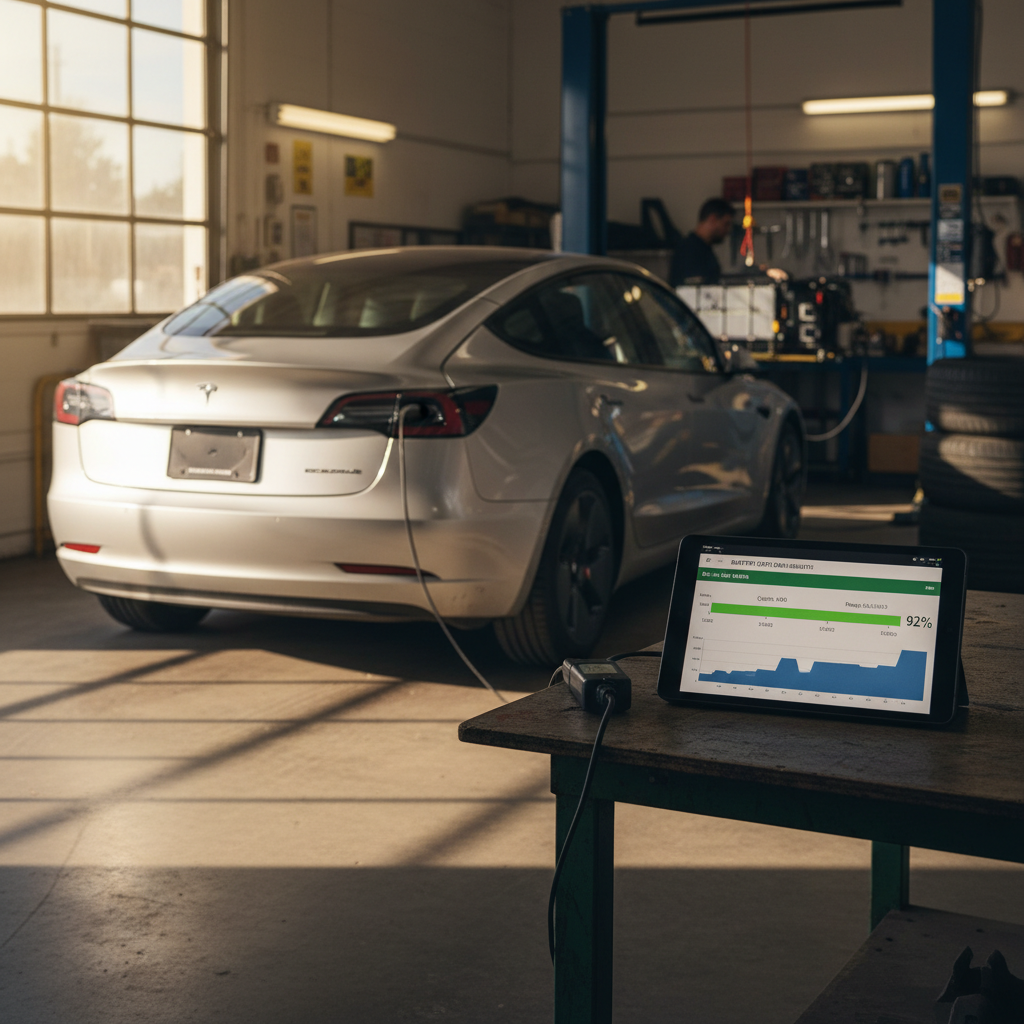
- Battery concerns. Insurers quietly worry about older EV batteries and expensive replacement costs. Choosing a car with documented battery health, like the Recharged Score on every Recharged vehicle, helps alleviate those fears.
- Repair ecosystem. If you’re in an area with limited EV repair shops, that structural cost doesn’t vanish just because the car is used.
- Your profile still rules. Tickets, credit, and claims history will more than cancel out any savings from buying used if you’re not careful.
Bring paperwork to the quote
Mini Cooper Electric vs other EVs: insurance comparison
To understand whether Mini Cooper Electric insurance is fair, you have to see it in the broader EV landscape. Here’s a simplified comparison using typical full‑coverage premiums from recent market data for clean 30–40‑year‑old drivers:
How Mini Cooper Electric stacks up on insurance
Illustrative annual premiums for popular EVs in the U.S. (full coverage, average‑risk drivers).
| EV model | Typical annual premium | How it compares to Mini Electric |
|---|---|---|
| Mini Cooper Electric / MINI Electric | ≈ $1,400–$1,900 | Baseline: often cheaper than many EVs; similar to or slightly above compact gas cars. |
| Nissan Leaf | ≈ $1,400–$2,600 | Ranges from similar to noticeably higher than Mini, depending on trim and region. |
| Chevy Bolt | ≈ $1,700–$2,000 | Often a bit more expensive to insure than the Mini Electric. |
| Hyundai Kona Electric | ≈ $1,500–$1,550 | Very close to Mini Electric; both are relatively affordable among EVs. |
| Tesla Model 3 | ≈ $2,100–$3,400 | Frequently $500–$1,500 more per year than a Mini Cooper Electric. |
| Tesla Model Y | ≈ $2,200–$3,400 | Significantly higher premiums; crossovers cost more to repair and replace. |
Actual quotes vary significantly by state, insurer, and driver profile. Use this as a directional guide, not a guarantee.
The pattern
Where insurance fits into Mini EV ownership, and how Recharged can help
Insurance is just one part of living with a Mini Cooper Electric. Upfront price, charging, maintenance, tires, taxes, and depreciation all write their own lines on your spreadsheet. The good news: the Mini’s compact size and relatively modest battery help keep it away from the worst EV horror stories on premiums.
If you’re shopping used, buying through Recharged can simplify the equation. Every vehicle comes with a Recharged Score Report that details battery health, pricing vs. the market, and vehicle condition. When you or your insurer knows the battery is healthy and the car hasn’t had major structural damage, it’s easier to justify strong coverage without overpaying out of fear.
Pair the right car with the right coverage
Mini Cooper Electric insurance: FAQs
Frequently asked questions about Mini Cooper Electric insurance
The Mini Cooper Electric isn’t the cheapest car on earth to insure, but in EV‑land it’s refreshingly reasonable. Treat its insurance cost like another design detail: something to be considered, optimized, and ultimately lived with happily. Shop the car carefully, especially if you’re buying used, and then shop the coverage just as hard. Do both well, and your Mini can stay what it was always meant to be: small, charming, and surprisingly sensible.