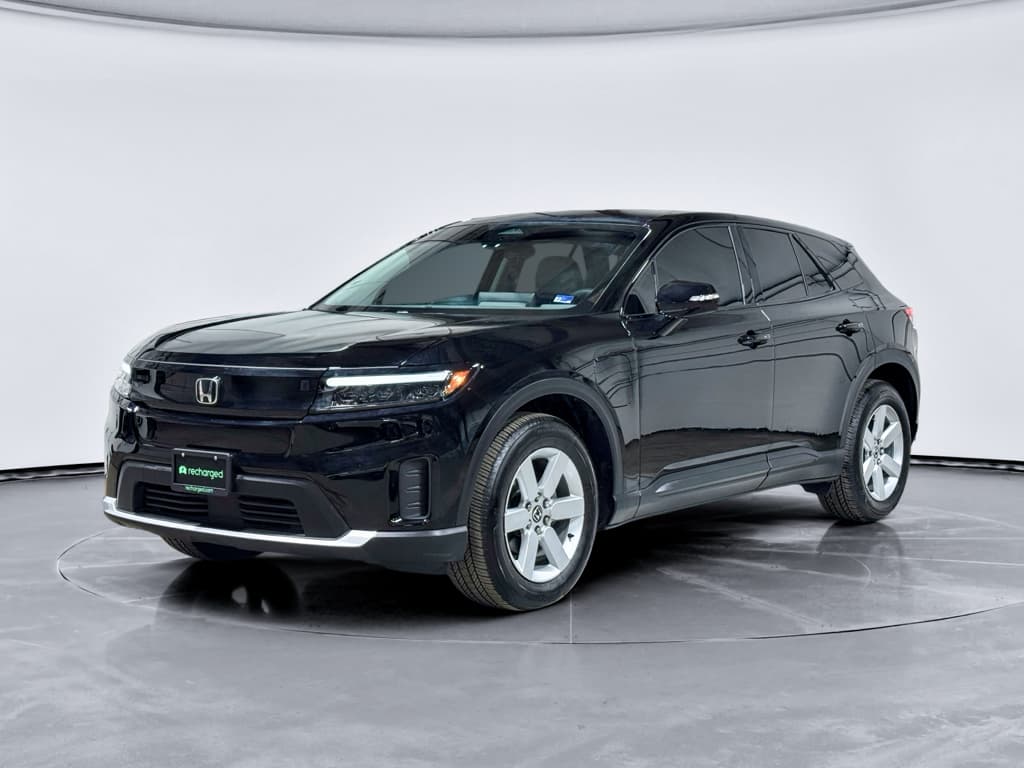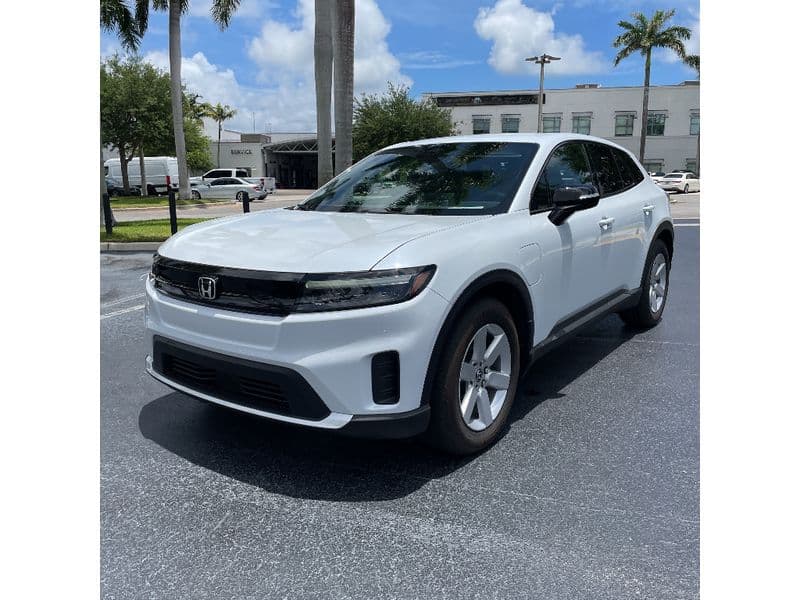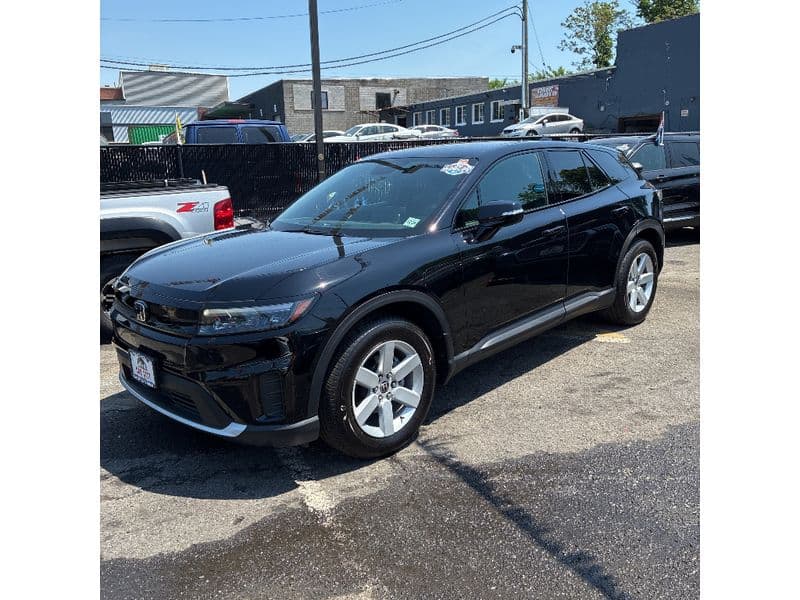
If you’re staring at the payment on your 2024 Honda Prologue and wondering what it’s worth today, you’re not alone. The Prologue is Honda’s first modern EV, it launched into a heavily subsidized market, and early lease residuals were… optimistic. All of that makes **2024 Honda Prologue trade in value** trickier than with a CR‑V or Pilot, but there *is* a logic to what dealers and buyers will pay.
Snapshot: where 2024 Prologue values sit today
Why 2024 Honda Prologue trade‑in values are weird right now
The Prologue didn’t have the gentle on‑ramp of a Civic. It arrived as a brand‑new EV in early 2024 with ambitious MSRPs, aggressive lease incentives, plenty of confusion about Honda’s EV future, and a broader used‑EV market still digesting falling prices. That cocktail has produced **trade‑in numbers that can feel shockingly low** if you’re used to Honda’s iron‑clad resale on gas models.
- It’s Honda’s first mass‑market Ultium‑based EV, so long‑term reliability and demand are still being written.
- MSRP started in the high‑$40Ks and crested near $60K, but many buyers saw **huge discounts and federal tax‑credit passthroughs** on leases.
- EV prices overall cooled in 2024–2025 as supply caught up, and Prologue values are being dragged down with the pack.
- Honda’s own lease programs used residuals in the mid‑40% range after three years, telegraphing steep early depreciation.
“Without incentives, the Prologue is a disaster lease. A 44% residual on a $48,895 car means Honda Finance expects it to lose more than half its value in three years.”
If you bought or leased early, the market has moved under your feet. The key is to understand what similar Prologues are actually transacting for, then play your hand strategically instead of emotionally.
Quick estimates: what a 2024 Prologue is worth today
Typical 2024 Honda Prologue value ranges (April 2026)
Treat online value tools as a starting line, not the finish
Illustrative 2024 Honda Prologue value scenarios
These are *example* scenarios based on current market behavior for similar EVs and early used‑Prologue data, not quotes. Your exact number will depend on condition, options, region, and timing.
| Trim & condition | Original MSRP (approx.) | Miles today | Likely trade‑in range | Likely private‑sale range |
|---|---|---|---|---|
| EX FWD, average condition | $48,800 | 24,000 | $23,000–$25,000 | $25,000–$27,000 |
| EX AWD, clean one‑owner | $51,800 | 18,000 | $24,000–$26,000 | $26,000–$28,000 |
| Touring FWD, loaded, clean | $53,000 | 15,000 | $25,000–$27,000 | $27,000–$29,000 |
| Elite AWD, excellent, low‑mile | $59,000 | 12,000 | $27,000–$30,000 | $29,000–$32,000 |
Think of these as lanes on the highway, not precise GPS coordinates.
None of these numbers are carved into Honduran granite; they’re **market moods translated into ranges**. What matters is how your specific Prologue lines up on trim, miles, options, history, and timing.
How Prologue MSRP and incentives set up today’s depreciation
To understand trade‑in value, you have to start at the sticker. When the 2024 Prologue launched, Honda priced it like a fully modern, competitive EV SUV, because on paper, it is. Base EX models landed in the high‑$40Ks, Touring in the low‑$50Ks, and Elite AWD scraping $60K once you rolled in destination and typical options.
2024 Honda Prologue MSRP vs. early used pricing
Approximate new‑car stickers vs. KBB‑style used values for 2024 models as of early 2026.
| Trim | Original MSRP (ballpark) | Typical used asking price* |
|---|---|---|
| EX | $48,000–$49,000 | Mid‑$20Ks |
| Touring | $53,000–$56,000 | High‑$20Ks |
| Elite | $59,000–$60,000 | High‑$20Ks to low‑$30Ks |
Big gaps between MSRP and current value explain why some lease residuals feel out of touch.
Why those lease residuals matter now
Layer on the broader EV story, Tesla’s price cuts, aggressive leasing on rival crossovers, and more choices arriving every quarter, and you get a Prologue used‑value curve that drops fast early, then should flatten as the model proves itself and the worst of the EV price wars pass.
5 factors that move your 2024 Prologue trade‑in value
What buyers actually pay for on a used Prologue
Trim and mileage set the stage; these details decide the final number.
1. Mileage & usage
EV shoppers are still mileage‑sensitive. A 24,000‑mile Prologue looks better than a 40,000‑mile one, and the gap can easily be **thousands of dollars**.
If you’re close to a mileage threshold (say 30,000 miles), it can make sense to sell or trade before you cross it.
2. Condition & history
A clean Carfax, no paintwork, no accidents, and up‑to‑date maintenance all help. Remember, many buyers are still nervous about first‑gen EVs; a **spotless history report** calms nerves and supports a stronger price.
3. Battery & range behavior
Unlike a gas tank, an EV battery ages. A Prologue that still shows **strong real‑world range** and normal state‑of‑charge behavior will be easier to sell and appraise higher, especially if you can document it.
4. Region & climate
In cold‑weather states, winter range and DC‑fast‑charging performance matter. In hot states, buyers worry about long‑term heat exposure. Where you live and charge shapes how dealers perceive risk.
5. Charging story
Can you charge at home? Do you have reliable fast‑charging options nearby? As more buyers cross‑shop EVs, they ask these questions. A clear, practical answer, backed by receipts for a **proper Level 2 install**, supports value.
6. Market timing
EV prices move quickly. New Prologue incentives, tax‑credit changes, or a rival’s price cut can yank used values around in a matter of weeks. If you’re flexible, **shop offers over several days** instead of jumping at the first one.
Bring proof, not just vibes
Battery health: how much it matters to Prologue value
On a 2024 Prologue, the high‑voltage pack is the whole show. Honda backs it with an **8‑year/100,000‑mile battery warranty** that promises repair or replacement if usable capacity drops below about 75% during that window. That warranty is a safety net, but buyers still want to know how *your* pack is aging, not just what the brochure says.

What buyers worry about
- Hidden degradation that isn’t obvious from a quick test drive.
- Slow DC fast‑charging or sudden drops in % state of charge.
- Heavy fast‑charge use on road trips that may have aged the pack faster.
- Whether a future out‑of‑warranty failure will total the car economically.
How to turn that worry into value
- Get an independent battery health report before you list or appraise.
- Note typical range at 100% and 80% charge under normal driving.
- Mention if you usually charge to 80–90% and avoid frequent deep discharges.
- Highlight the remaining years and miles left on Honda’s HV battery warranty.
Where Recharged fits in
Ready to find your next EV?
Browse VehiclesLease vs. owning: how it changes your exit options
Most 2024 Prologues on the road today are leases, and many of those contracts used **aggressive incentives plus conservative residuals**. That combo can make the buyout number look badly out of sync with real‑world used values, and it should absolutely influence how you handle trade‑in or sale.
If you leased vs. if you financed your Prologue
If you’re leasing: know your buyout
Pull your lease contract or call Honda Financial for the exact residual (plus fees). Compare that to real offers on comparable used Prologues. If your buyout is thousands **higher** than market value, walking away at lease‑end and starting fresh may be smarter than buying and flipping.
If you’re leasing: ask about 3rd‑party buyouts
Some captives restrict selling your leased Honda to anyone but a Honda dealer. Before you shop the car around, confirm whether Recharged, Carmax, or another buyer is allowed to purchase directly from Honda Financial, or whether you’d have to buy it first and then resell.
If you’re leasing: watch mileage and wear
If you’re far under your contracted miles and in excellent condition, a Honda dealer might pay **more than your buyout** to keep the car on their used lot. That’s where your trade‑in value can beat the paper residual.
If you financed: know your payoff vs. equity
Contact your lender for a 10‑day payoff and subtract that from likely sale or trade‑in value. That’s your **equity** (or negative equity). With the Prologue’s steep early depreciation, some owners will be upside‑down for the first few years; knowing the gap helps you plan realistically.
If you financed: don’t roll big negative equity blindly
Rolling thousands of dollars of negative equity into your next loan is how car payments start to feel like student loans. If the math is ugly, you may be better off **driving the Prologue longer** until the numbers catch up.
If you paid cash: you’re the freest person in the room
With no payoff to worry about, you can accept whatever the best offer is, dealer, marketplace, or private buyer, and move on. In a volatile EV market, that flexibility is worth real money.
How to get the strongest offer for your Prologue
You can’t rewrite the EV market, but you can **control how your specific 2024 Prologue shows up** to appraisers and buyers. Think of it like staging a house before listing: you’re not hiding flaws, you’re making sure the value that’s there is obvious.
7 practical steps before you appraise or trade in
1. Get a real battery‑health check
Whether through Recharged’s Recharged Score or another EV‑savvy shop, a battery report is the single most reassuring document you can hand to an EV buyer. It turns a giant question mark into a number.
2. Clean it like a dealer would
Professional‑level interior detail, washed and decontaminated paint, no fast‑food smell. On a relatively new EV, **presentation is everything**, shoppers expect it to look close to new.
3. Fix cheap, obvious issues
A cracked windshield, curb‑rashed wheel, or bald tires are all easy reasons for a dealer to knock your offer down. If the fix is hundreds and the deduction would be thousands, handle it before you appraise.
4. Collect every document
Service records, recall or TSB paperwork, window sticker, charger receipts, put it all in one envelope. EV buyers are detail‑oriented; showing that you’ve been meticulous helps justify top‑of‑range values.
5. Get multiple offers within a short window
In a moving market, compare **at least three** data points: your local Honda dealer, a national instant‑offer site, and an EV specialist like Recharged. Do it over a few days, not months, so you’re comparing apples to apples.
6. Be transparent about range
Have a simple, honest script: “At 80%, I see about X miles in mixed driving.” It builds trust, especially if that number lines up with your battery‑health report.
7. Time around incentives and model‑year changes
If Honda drops huge incentives on new Prologues or launches a heavily updated model, used values can dip. When possible, aim to sell **before** big news, not after the headlines hit.
Use Recharged as a benchmark
Should you trade in your Prologue or sell it?
Once you know roughly what your 2024 Honda Prologue is worth, the next question is where to take it. As usual, the answer lives at the intersection of **money and hassle**.
Trading in at a dealer
- Pros: Fast, convenient, often better for sales‑tax math (you usually pay tax only on the price difference in many U.S. states).
- Cons: Trade‑in numbers are usually the lowest offers you’ll see; dealers need room for reconditioning, profit, and risk.
- Best for: If you’re upside‑down on your loan and need to structure a deal, or you value time and simplicity over squeezing every last dollar out.
Selling to a marketplace or private party
- Pros: Highest potential sale price, especially if your Prologue is a desirable trim in great condition.
- Cons: More legwork: photos, listings, test drives, paperwork; you may still need to pay off a lender.
- Best for: If you have equity, a strong battery‑health story, and can tolerate a bit of hassle for a better check.
Watch the tax implications
Recharged straddles the middle ground nicely: you can get an instant offer if you want speed, or use consignment to let Recharged market your Prologue nationwide, handle the tire‑kickers, and negotiate on your behalf while you still own the car.
FAQ: 2024 Honda Prologue trade‑in value
Frequently asked questions about 2024 Prologue value
Bottom line on 2024 Honda Prologue trade‑in values
The 2024 Honda Prologue was never destined to be a resale hero like an Accord, and the first two model years of any new EV platform are always a little wild. Trade‑in values in the mid‑$20Ks for a vehicle that stickered near $50,000 can feel brutal, but they’re also where the broader EV market has settled, for now.
Your job is to stop thinking about what the Prologue *cost* and focus on what it’s **worth today**, in the hands of the next owner. Get your payoff or buyout number, get real‑world offers, document battery health, and then decide whether trading, selling outright, or simply driving it longer is the smartest move.
And if you want a partner that actually understands electric cars, Recharged can help you read the numbers, surface your 2024 Honda Prologue’s best qualities, and line up buyers who value more than just the badge on the grille.