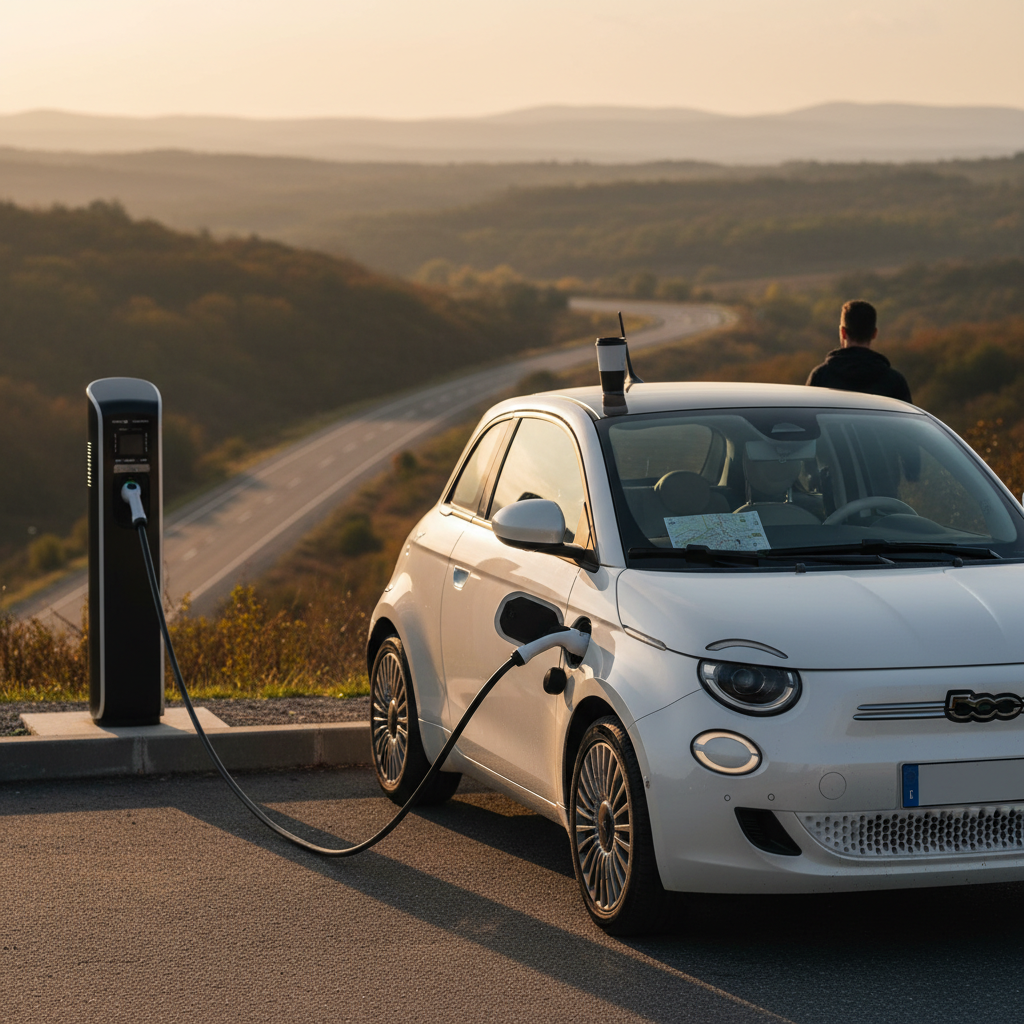
If you’re eyeing a Mini Cooper Electric, or a used Mini Cooper SE, you’re probably wondering one thing: how fast does it actually charge in the real world? Brochure numbers are one thing; waiting in a rainy parking lot while your oat-milk latte gets cold is another. This charging speed test guide walks through DC fast charging, Level 2 home charging, and what you should expect day‑to‑day and on the occasional road trip.
Two different Mini EV families
Mini Cooper Electric charging overview
From a charging perspective, the Mini Cooper Electric is a classic modern city EV: small battery, modest DC fast‑charging peak, and very usable AC charging speeds. That combination is fantastic for daily life, less so if you’re trying to set Cannonball records.
- First‑gen Mini Cooper SE (hardtop): ~32.6 kWh battery (about 28–29 kWh usable), up to 50 kW DC, up to 7.2–11 kW AC depending on market and onboard charger.
- 2024+ Mini Cooper Electric E: ~41 kWh gross (around 36 kWh usable), up to 75 kW DC, roughly 7 kW AC at home.
- 2024+ Mini Cooper Electric SE: ~54 kWh gross (around 49 kWh usable), up to 95 kW DC, roughly 7–11 kW AC depending on spec.
- All use a CCS combo port (or CCS2 in Europe) for DC fast charging and a Type 2 / J1772-style connector for Level 2 AC.
The Mini’s hidden superpower
Battery and charging specs by generation
To make sense of charging speed tests, you need the raw ingredients: battery size and charging limits. Here’s a simplified look at the Mini EVs you’re most likely to see on the used market in the next few years.
Mini Cooper Electric & SE – battery and charging basics
Key specs that determine how fast your Mini can realistically charge.
| Model | Approx. usable battery | Max DC fast charge | 10–80% DC time (claimed/typical) | Max AC Level 2 | Typical full charge on 7 kW |
|---|---|---|---|---|---|
| 2019–2023 Mini Cooper SE (hardtop) | ~28–29 kWh | 50 kW | ~30–36 minutes | 7.2–11 kW | ~3–4.5 hours |
| 2024+ Mini Cooper Electric E | ~36 kWh | 75 kW | ~30 minutes | ~7 kW | ~7 hours |
| 2024+ Mini Cooper Electric SE | ~49 kWh | 95 kW | ~30 minutes | ~7–11 kW | ~8 hours |
Actual charge times depend on temperature, state of charge, and the charger itself, but these figures set the ceiling.
Don’t confuse DC rating with reality
Real-world DC fast charging speed test
Let’s walk through what you’d actually see on a modern DC fast charger with a Mini Cooper Electric, then we’ll translate that into miles of range added per minute, because that’s what really matters when you’re eyeing the restroom line at Starbucks.
Typical DC fast charging scenarios for Mini EVs
Three common “I need juice now” situations and what to expect.
Urban top‑up (20 → 60%)
Best case comfort stop. You arrive with ~20% and just need enough to finish errands.
- 2019–23 SE: ~15–20 minutes
- 2024 Cooper E/SE: ~15 minutes
- Range added: roughly 50–80 miles depending on model and weather.
Highway splash (10 → 60%)
Classic road‑trip move. Arrive low, leave with a solid cushion.
- First‑gen SE: ~25 minutes for ~80–90 miles.
- 2024 SE: still ~25 minutes, but more like 100–120 miles.
Arrive under 20% to take advantage of the fastest part of the curve.
Deep charge (10 → 80%)
What carmakers quote. The full marketing‑friendly fast charge.
- All Minis: usually around 30–35 minutes in the real world.
- Average power: more like 30–55 kW than the peak 50–95 kW.
Why your Mini charges fastest when it’s low
EVs pull maximum power when the battery is low, think 10–40%, then gradually taper off to protect battery health. On a speed test graph, this looks like a hill: quick climb to peak kW, then a slow slide down as you approach 80–90%.
On an early Cooper SE, that might mean spiking near 50 kW at 15% state of charge, then settling in the 35–40 kW range by 40–60% before dropping again.
What you’ll actually notice at the charger
- The first 10–15 minutes move the gauge *much* faster than the last 10–15.
- Going from 70 → 90% can feel painfully slow compared to 10 → 30%.
- Your charging app may show the kW number stepping down in chunks as the Mini tapers.
The smart play? Unplug around 60–70% on road trips unless the next charger is a long way off.
Translate kW into “minutes of your life”
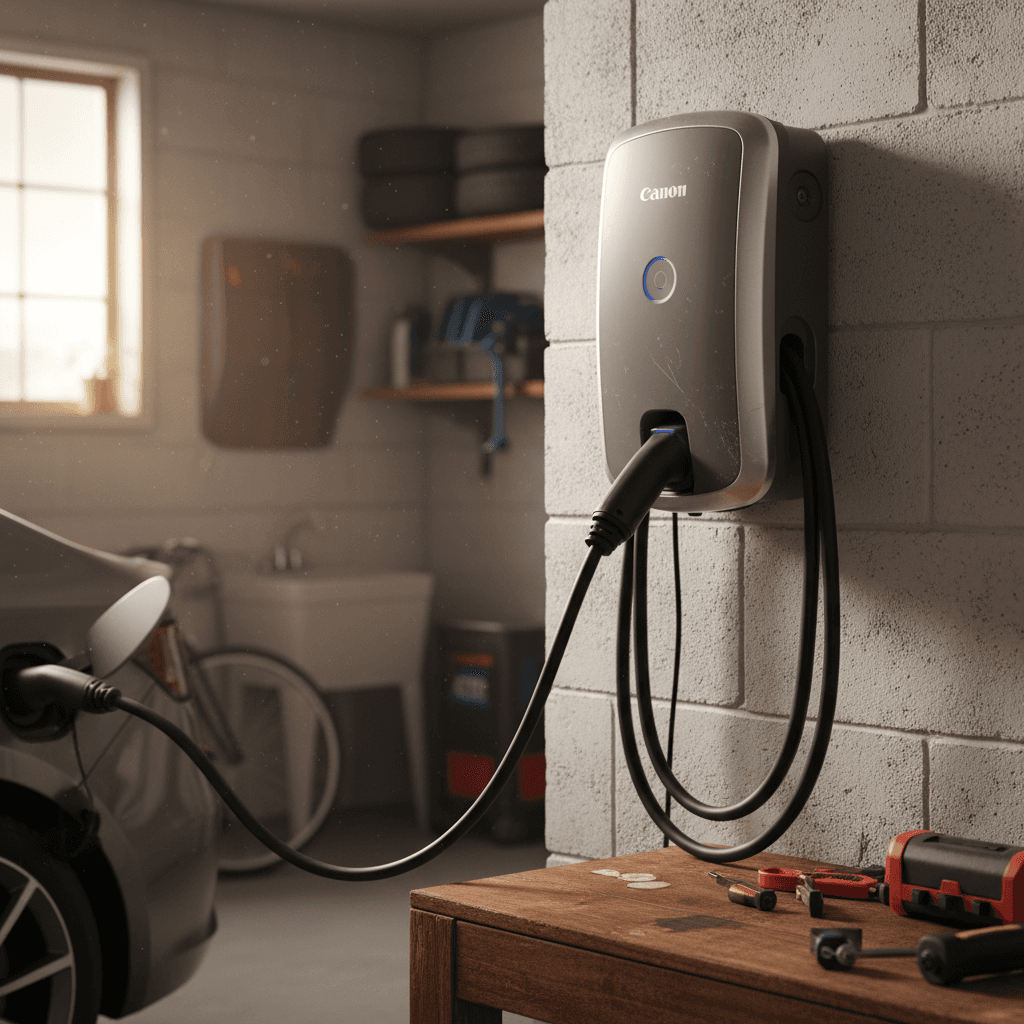
Level 2 home charging: how long does it take?
If DC fast charging is the espresso shot, Level 2 at home is the slow pour‑over that quietly runs your life. For most Mini Cooper Electric owners, this is where 90% of your miles come from.
Mini Cooper Electric Level 2 charging at 240 V
Dial in your Mini’s home charging in 5 steps
1. Confirm your onboard charger limit
Earlier Mini SE models can take up to about 7.2–11 kW AC depending on region, while 2024+ cars are typically capped around 7–11 kW. There’s no benefit to installing a 19 kW wallbox if your car tops out far lower.
2. Match the wallbox to your panel
In a typical US home, a 40A circuit with a 32A EVSE (around 7 kW) is a sweet spot for Minis, fast enough for overnight, gentle on your electrical panel.
3. Use scheduled charging
Most Minis and smart chargers let you schedule charging for off‑peak electricity rates. Set it once, and your car quietly fills up at the cheapest hours.
4. Treat 20–80% as your daily window
For battery longevity, aim to float between about 20% and 80% for daily use, only going to 100% right before a longer drive.
5. Apartment life? Think Level 2 at work
If you can’t install home charging, a reliable Level 2 charger at work or in your building’s garage can easily keep a Mini Electric topped off, given its modest energy needs.
Safety note on home charging
Factors that slow down your MINI’s charging speed
Every charging speed test lives in the land of asterisks. Same car, same charger, different day, very different results. Here are the usual suspects that make your Mini feel sluggish on the plug.
Four things that ruin a good charging session
None of them are your Mini’s fault, strictly speaking.
Cold battery
Roll up to a DC fast charger with a stone‑cold battery and your Mini will politely sip instead of chug. Below‑freezing temps can cut initial power dramatically until the pack warms up.
If possible, drive 15–20 minutes before fast charging in winter, and use pre‑conditioning when available.
Hot battery
On the flip side, after long high‑speed runs in hot weather, the car may limit peak power to protect the pack. You might see the charger start high, then step down as the session goes on.
Weak or overloaded charger
Plenty of public DC stations are power‑shared or partially derated. Your Mini might be ready for 50–95 kW, but the pedestal only has 30–40 kW to give because the other stalls are busy.
High state of charge
Arrive at 70% and ask for a "fast" charge and the car will shrug. Charging speeds naturally taper as you approach a full battery, especially above ~80%.
Arrive low, leave early
Road-trip strategy for a short-range EV like the MINI
Can you road‑trip a Mini Cooper Electric? Yes, with planning. This isn’t a 350‑kW megacharger muscle car; it’s a charming city hatch that happens to run on electrons. Treat it that way and trips can be surprisingly pleasant.
Charging strategies by Mini and driver type
Early Mini Cooper SE (smaller battery)
Plan legs of 60–80 miles between fast chargers where possible.
Favor corridors with multiple stations, backups matter if one site is down.
Stop more often for shorter sessions (10–60%) instead of one big slog to 90%.
Avoid arriving under 5% in very cold weather; leave a little buffer.
2024+ Cooper Electric E/SE (bigger battery)
100–130 mile legs are reasonable when chargers are reliable.
Use your car’s nav or app to pre‑condition the battery before DC charging if supported.
Unplug around 70% unless the next charger is 100+ miles away.
On mixed trips, lean heavily on overnight Level 2 at hotels or friends’ houses.
City‑first owners (occasional trips)
Build your route around good food and restrooms, treat charging as a break, not a chore.
Download at least two charging apps in case one network is acting up.
Do one dry‑run day trip near home to learn your Mini’s real highway range before a longer vacation.
Consider renting a longer‑range EV from a service like Recharged’s partners if you’re doing a once‑a‑year epic cross‑country.
Where Recharged fits in
Ready to find your next EV?
Browse VehiclesMini Cooper Electric vs rivals: charging comparison
Numbers don’t exist in a vacuum; they exist in dealership showrooms. So how does the Mini’s charging performance stack up against similarly urban‑minded EVs?
Charging speed comparison: Mini vs similar small EVs
Approximate DC fast‑charging capability and real‑world usefulness for urban‑size EVs.
| Model | Usable battery (approx.) | Max DC power | 10–80% DC (typical) | Takeaway |
|---|---|---|---|---|
| Mini Cooper SE (2019–23) | ~29 kWh | 50 kW | ~30–36 min | Not headline‑grabbing, but small battery means quick top‑ups around town. |
| Mini Cooper Electric SE (2024+) | ~49 kWh | 95 kW | ~30 min | Stronger combo of range and charge speed; better suited to occasional trips. |
| Nissan Leaf Plus | ~56 kWh | ~100 kW (often lower) | ~40 min | Larger pack but cooling limits can slow repeated fast charges. |
| Chevy Bolt EV | ~65 kWh | 55 kW | ~40–45 min | More range, similar peak power; longer sessions for big charges. |
| Hyundai Kona Electric | ~64 kWh | ~75 kW | ~45 min | Excellent efficiency; DC speed decent but not class‑leading now. |
Figures are typical manufacturer claims or widely reported test results; always check specific model‑year specs.
Where the Mini shines
Used Mini Cooper SE: what to check on a test charge
On the used market, the Mini Cooper SE is a bit of a cult object: short range, big personality, and pricing that’s finally getting interesting. If you care about charging performance, and you should, here’s how to evaluate a candidate car.
Run this quick charging “speed test” on a used Mini
1. Start with a partly depleted battery
Aim to arrive at a DC fast charger with the Mini between 15–30% state of charge. That’s where you’ll see its best charging performance and can test the peak numbers.
2. Note the peak kW within the first 5–10 minutes
On an early Mini SE, you’re hoping to see something close to 40–50 kW on a healthy, properly warmed‑up pack. For 2024+ SE models, brief peaks around 80–95 kW aren’t unusual on a strong charger.
3. Watch for erratic drop‑offs
It’s normal for charge power to taper as you climb past 50–60%. What you don’t want is a healthy‑looking start followed by a sudden cliff down to very low power (say, under 20 kW) while still at a low or mid state of charge, which can hint at pack or thermal issues.
4. Compare session time to expectations
If your 10–70% session takes dramatically longer than the tables suggest, even on a strong charger and mild day, it’s worth asking more questions. On a Mini SE, that window should usually be well under half an hour.
5. Check AC charging behavior too
If possible, plug into a known Level 2 (around 7 kW) and confirm the car draws what you’d expect. A Mini stuck at very low AC rates can indicate onboard charger or wiring issues.
6. Get a professional battery health report
A Recharged Score report goes beyond guesswork, giving you a verified picture of remaining battery capacity and charging health, especially valuable with shorter‑range EVs, where every kWh counts.
“The charm of the Mini Electric isn’t that it obliterates distance; it’s that it shrinks your world down to the places you actually like to be, and gets you between them quietly.”
Mini Cooper Electric charging FAQ
Frequently asked questions about Mini Cooper Electric charging
The Mini Cooper Electric won’t wow you with big DC numbers on a spec sheet, but that’s not really the point. Its real trick is combining small‑battery efficiency with just‑enough charging performance to make daily life nearly effortless: plug in at home, wake up full, and treat fast charging as an occasional espresso shot rather than a daily IV drip. If you’re considering a used Mini EV, pairing a real‑world charging speed test with a proper battery health report, like the Recharged Score we provide on every car, turns this charismatic little hatch from a gamble into a very smart, very joyful choice.