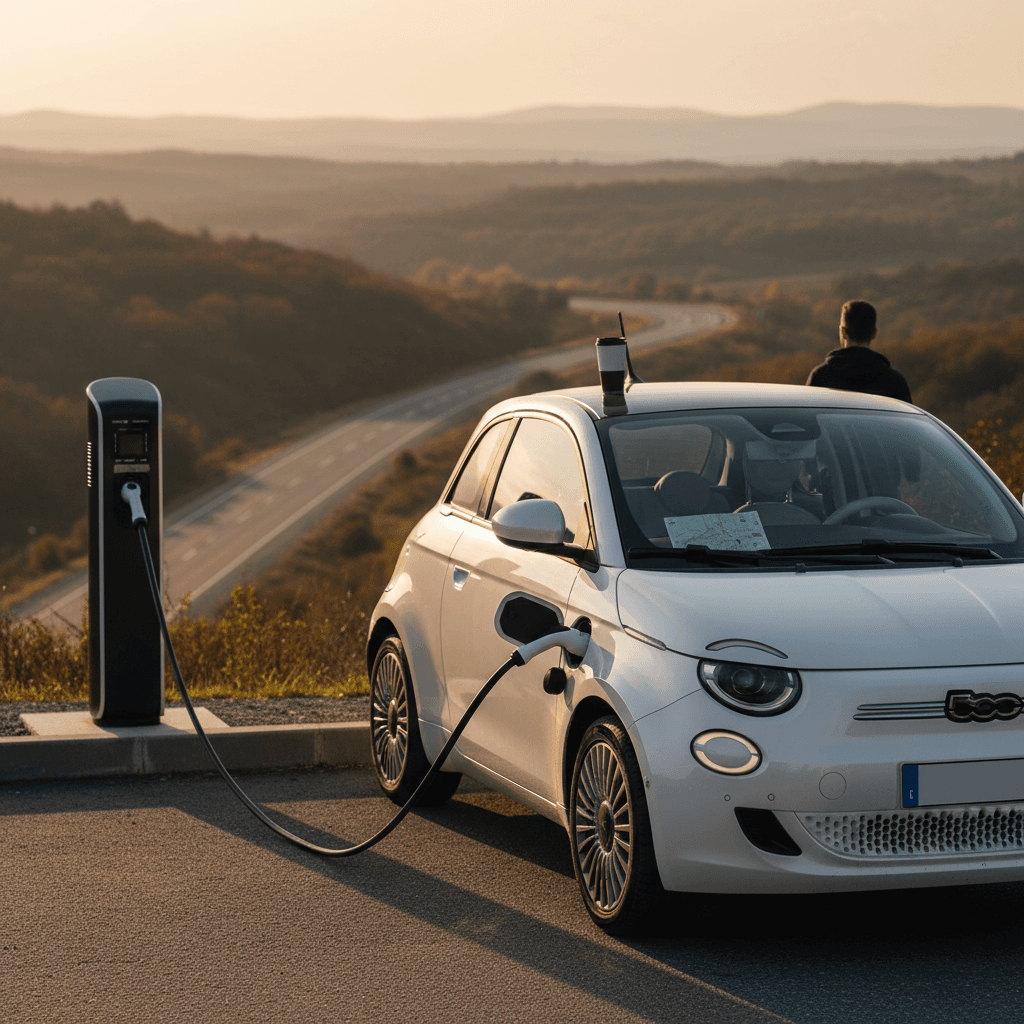
If you love your cute, efficient Fiat 500e but worry about taking it beyond city limits, you’re not alone. The 500e was designed first as an urban runabout, yet with the right expectations and a smart plan, it can absolutely handle longer drives. This guide walks through realistic Fiat 500e long distance driving tips so you know what’s possible, what’s stressful, and how to stack the odds in your favor.
Two very different 500e generations
Can the Fiat 500e Handle Long-Distance Driving?
The honest answer: yes, but with compromises, especially compared with bigger‑battery EVs. The new 42‑kWh Fiat 500e can comfortably cover 100+ highway miles between stops in mild weather, while the first‑gen model is more of a 50–70 mile highway car. If you’re willing to stop often, keep your speed in check, and plan your charging, you can do weekend getaways and even multi‑stop road trips. If you expect to run 85 mph across three states, the car will push back.
- Best‑case: city‑heavy routes, moderate speeds (55–65 mph), mild weather, plentiful DC fast chargers.
- OK‑with‑planning: 65–70 mph interstate drives with fast‑charge stops spaced every 50–80 miles.
- High‑stress: winter highway trips, sparse charging, or expecting gas‑car nonstop legs.
Set realistic expectations first
Know Your Fiat 500e: First‑Gen vs New 42‑kWh Model
Before you plan any long drive, confirm which 500e you have. The strategy for a 2015 car in California is very different from a 2024 car on the East Coast.
First‑Gen vs New Fiat 500e: What Matters for Trips
Key range and charging differences that affect long-distance planning.
| Generation | Model years (US) | Battery size | EPA rated range (approx.) | Typical 70 mph highway range | DC fast charging |
|---|---|---|---|---|---|
| First‑gen 500e | 2013–2019 (lease-heavy markets) | 24 kWh | ~84 miles | ~60–70 miles in good weather | None (AC charging only) |
| New 500e (42 kWh) | 2024–2025+ | 42 kWh | ~149 miles | ~105–125 miles depending on conditions | Up to ~85 kW DC fast charging |
Use this as a quick reference before you map out any trip longer than your normal commute.
How to tell which you have
Real-World Fiat 500e Range on the Highway
EPA numbers are a helpful starting point, but long‑distance driving lives or dies on highway range. Smaller‑battery cars like the 500e are more sensitive to speed, temperature, and wind than larger pack EVs.
Typical Real-World Highway Range
Aim for 60–70% of EPA on the highway
Smart Charging Strategy for Long Trips
With a compact battery, the Fiat 500e’s long‑distance success depends less on outright range and more on how often and how efficiently you charge.
Understand Your 500e’s Charging Behavior
Use each charging option where it makes the most sense on a trip.
DC Fast Charging (New 42‑kWh)
The new 500e can charge at up to about 85 kW on a DC fast charger. In ideal conditions, that’s roughly 10–80% in ~35 minutes, or around 25–30 miles of range in a quick 5‑minute top‑up.
Best for: Highway hops, lunch breaks, and turning a 100‑mile car into an all‑day traveler.
Level 2 (Both Generations)
On a 240‑V Level 2 charger, expect roughly 6–11 kW depending on the car and station. That usually means a full charge in 4–6 hours on the 42‑kWh model and 3–4 hours on the first‑gen.
Best for: Overnight at hotels, long dinners, or daytime activities where you’ll be parked anyway.
Level 1 (120‑V Outlet)
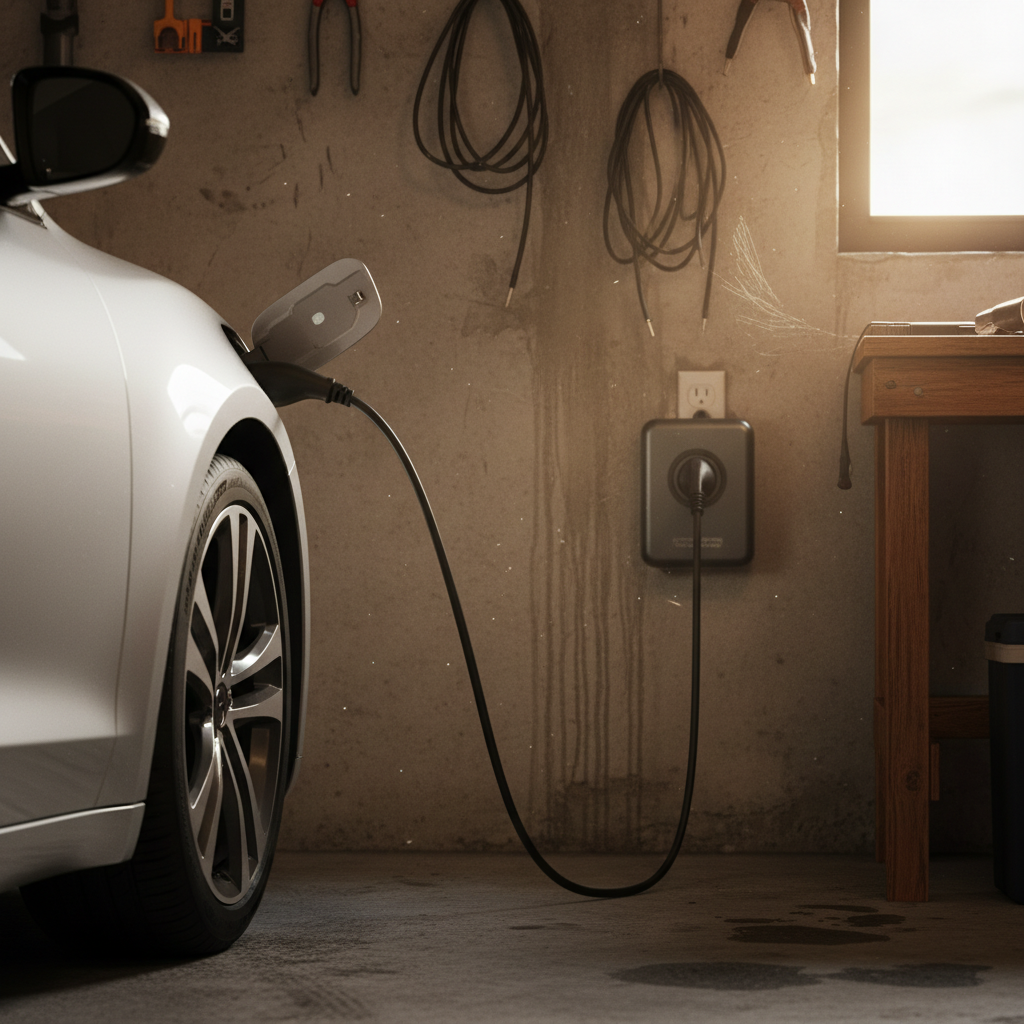
Level 1 is painfully slow for road‑trip fill‑ups, just a handful of miles of range per hour. But it can rescue you if you’re stuck at a friend’s house or a rural cabin with no other options.
Best for: Emergencies or slow overnight top‑offs, not for intentional trip legs.
Practical Charging Rules for Fiat 500e Road Trips
1. Target 10–80%, not 0–100%
The 500e charges fastest in the middle of the battery. Plan stops so you arrive around 10–20% and unplug near 70–80% instead of waiting for a slow trickle to 100%.
2. Stop a bit more often than you think
Shorter, more frequent DC fast‑charge stops keep you in the speedy part of the charging curve and reduce range anxiety. With the 42‑kWh car, think 80–110 mile hops instead of stretching every leg.
3. Prioritize chargers right off the highway
Exits with chargers you can see from the ramp save time. Detouring 10 minutes each way to a station in town adds up quickly in a small‑battery car.
4. Build in a buffer for winter and mountains
In cold weather or hilly terrain, assume you’ll use 20–30% more energy than your app predicts. Pick stops closer together and don’t leave with just‑barely‑enough range.
5. Confirm station power and reliability
In your app, favor 100‑kW+ units from major networks with recent check‑ins. A 50‑kW station will work, but you’ll be parked longer than at an 150‑kW site.
6. Charge where you sleep
For weekend trips, the single best hack is a hotel with Level 2. You’ll wake up full, which can turn a marginal route into an easy one.
First‑gen 500e: no DC fast charging
Using Drive Modes and Climate to Stretch Range
The 500e’s drive modes and climate settings can easily swing your trip range by 10–20%. Understanding how they work is one of the fastest wins for long‑distance driving.
Drive Modes on the New Fiat 500e
- Normal: Full performance and responsiveness. Great around town, but not the most efficient on long highway legs.
- Range: Emphasizes brake regeneration and slightly softens power delivery, helping you save a bit of energy without feeling sluggish.
- Sherpa: The hyper‑miler mode. It limits top speed (around 50 mph), softens throttle, and heavily restricts climate control to squeeze every mile from the pack.
For long interstate drives, Range is usually the sweet spot. Use Sherpa as a safety net when you misjudge distance or lose a charger.
Smart Climate Use
- Precondition while plugged in: Warm or cool the cabin before departure so the pack and interior are at a comfortable temperature without using driving energy.
- Use seat and wheel heaters first: They consume less energy than blasting cabin heat, especially in a tiny interior like the 500e.
- Aim for “comfortable,” not “perfect”: Setting the climate a few degrees warmer in summer or cooler in winter can save noticeable range over multiple legs.
On truly cold days, expect cabin heat to carve a chunk off your effective highway range. Planning shorter legs helps avoid white‑knuckle stretches.
Cold‑weather hack
Planning Your Route Like a Pro
Apps do most of the math now, but small‑battery EVs like the 500e are less forgiving when something goes wrong. Good planning is worth more here than in a big‑range SUV.
Tools and Tactics for Fiat 500e Trip Planning
Combine planners, charging apps, and a little extra margin of safety.
Use EV Trip Planners
Start with tools like A Better Routeplanner (ABRP), PlugShare’s trip planner, or built‑in navigation if your 500e has it. Tell the app your car, starting charge, and target arrival % so it can suggest realistic stops.
Cross‑Check in Charging Apps
Once you have a draft route, verify every stop in charging apps. Check recent check‑ins, station power (kW), and amenities, especially critical for a small‑pack car where you’ll stop more often.
Have Plan B and Plan C
For each key leg, identify at least one backup charger short of your primary stop. In the 500e, relying on a single far‑away charger is asking for stress if it’s busy or offline.
- Segment your route into legs that use 60–70% of your comfortable highway range, not 95%.
- Front‑load shorter legs until you trust how your specific 500e behaves at speed and in that day’s weather.
- On trips of 250+ miles, build at least 30–45 minutes of total extra charging time into your schedule for delays or slower stations.
- Prefer charging spots where you can eat or walk, if you’re stopping more often, those breaks should feel useful, not like dead time.
Driving Technique Tips to Maximize Fiat 500e Range
You don’t need to hypermile like a science project, but a few small habits can add 10–20% more usable range, especially in a small pack like the 500e’s.
On‑Road Habits That Add Real Miles
Hold steady speeds
High‑speed cruising is less of a problem than constant surging. Use cruise control where traffic allows to keep consumption predictable.
Cap your top speed
On long legs, consider 65–70 mph instead of 75–80. In a car this small, that difference can be the line between arriving calm or crawling in on 1%.
Look far ahead
Smooth, early braking lets regen do more of the work. Late stabs at the pedal hand energy over to the friction brakes instead of the battery.
Lighten the load
Roof racks, cargo pods, and heavy gear all hurt efficiency. Pack light, and if you need a rack, accept a meaningful range hit at highway speed.
Use Eco/Range in traffic
In stop‑and‑go or rolling traffic, Range mode’s stronger regen and softer throttle help you avoid wasted accelerations and maximize recapture.
Avoid deep discharges
Even on trips, try not to live near 0%. Regularly running from very low to very high state‑of‑charge isn’t ideal for longevity in any EV. Arriving with 10–20% left is a healthy target.
Weather, Hills, and Cargo: How They Change Your Plan
On a 100‑kWh battery, mistakes get absorbed. On a 42‑kWh (or 24‑kWh) Fiat 500e pack, weather and terrain can make or break a leg.
Cold, Heat, and Wind
- Cold: Below‑freezing temps thicken battery chemistry and force the heater to work hard. Budget 20–35% extra consumption for truly cold days.
- Heat: Air conditioning matters less than winter heat, but long highway runs with A/C at max still chip away at range.
- Headwinds and rain: A strong headwind or standing water can push your energy use way above the planner’s estimate. Watch your live efficiency and be ready to stop early.
Hills and Mountain Passes
- Climbs first, regen later: You’ll spend a lot of energy going up and gain back only some of it coming down. Don’t assume the downhill erases the uphill cost.
- State‑of‑charge on top: Always plan to crest major passes with a comfortable cushion, 20–30% if possible, so unexpected detours or weather don’t trap you.
- Use lower speeds on grades: In a short‑wheelbase car like the 500e, backing off to 55–60 mph on big climbs dramatically calms consumption and driver stress.
Mountain routes need extra margin
Battery Health and Used Fiat 500e Road Trips
Many Fiat 500e drivers in the U.S. are in used cars, especially first‑gen lease returns that migrated to used‑EV‑friendly states. Those cars can be great values, but you can’t assume a 10‑year‑old pack still matches its original range.
How Battery Health Changes Long-Distance Plans
Degradation doesn’t ruin the car, but it shortens your legs.
First‑Gen 500e (24‑kWh)
Owners commonly report modest degradation, but some older cars now show maximum freeway ranges closer to 55–65 miles instead of 70–80 when new.
For trips, that means very short legs, near‑perfect charger spacing, and a lot of patience at Level 2. It can work for regional travel in dense charging corridors, but not for sparse networks.
New 42‑kWh 500e
Early‑life degradation is typically small, but long‑term behavior still depends on charging habits and climate. A car that’s lived on DC fast charging in extreme heat will age faster than one mostly charged gently at home.
Even if you lose 10–15% over time, highway legs just shrink from, say, 110 miles to 90–95. That’s still road‑trip capable with smart planning.
How Recharged helps on used 500e trips
Ready to find your next EV?
Browse VehiclesIf you’re shopping, browsing several used 500e listings side‑by‑side on a marketplace like Recharged also helps you weigh price, battery health, and charging capability against other compact EVs. Sometimes stepping up to a slightly larger pack from another brand changes what’s realistic for your weekend travel without adding much cost.
When a Fiat 500e Road Trip Makes Sense (and When It Doesn’t)
The 500e can be a charming road‑trip companion if your plan matches what the car was built to do. It can also turn into an exhausting slog if you ask it to be something it’s not.
Match Your Trip to Your Fiat 500e’s Strengths
Trips That Work Well
Weekend getaways 75–150 miles from home with dense charging and a hotel offering Level 2 overnight.
Regional drives that follow major interstates with multiple DC fast‑charge options every 40–60 miles.
Off‑peak travel where you can cruise at 60–70 mph instead of battling 80‑mph traffic all day.
Trips That Are Possible but Demanding
250–400 mile days with a new 42‑kWh 500e and tightly spaced fast‑chargers, requiring multiple planned stops.
Longer winter drives with careful speed management, Sherpa/Range mode, and conservative energy assumptions.
First‑gen 500e trips in high‑density EV corridors (think California coast) with patient Level 2 charging at mid‑day and overnight.
Trips Better Suited to Another EV
Sparse‑charger routes with 80+ miles between plugs, especially in winter or mountains.
Multi‑state, 500+‑mile days where you must maintain 75–80 mph with few stops.
Towing or heavy cargo runs that push drag and weight far beyond what the 500e was designed for.
Consider swapping into a bigger‑pack EV
Fiat 500e Long-Distance Driving FAQ
Frequently Asked Questions
Key Takeaways for Long-Distance Fiat 500e Driving
The Fiat 500e will probably never be the default choice for cross‑country cannonball runs, and that’s okay. Treated as a small, efficient EV that hops from charger to charger, it can turn regional road trips and weekend getaways into genuinely enjoyable drives. The keys are knowing which generation you own, planning legs around realistic highway range (not brochure numbers), leaning on DC fast charging where available, and respecting the impact of speed, weather, and elevation.
If you’re shopping for a Fiat 500e or wondering whether yours can handle the trips you have in mind, using tools like the Recharged Score Report and comparing multiple used EVs side‑by‑side on Recharged can clarify what’s realistic, before you’re staring at a low‑battery warning on an empty stretch of highway. Start with honest expectations, build in smart charging stops, and your 500e can cover a lot more ground than its city‑car image suggests.