If you want a compact luxury electric SUV with the option of three rows, the Mercedes EQB is one of the few games in town. But between overlapping trims, evolving battery specs, and a fast‑changing EV market, you don’t want to buy one on looks alone. This Mercedes EQB buying checklist walks you step‑by‑step through what to confirm on any new or used EQB before you sign.
Who this EQB checklist is for
Why the Mercedes EQB Is Worth a Closer Look
The EQB takes the already‑practical GLB crossover and electrifies it. You get a boxy footprint that’s easy to park, a tall roofline for real‑world cargo space, and an optional third row in some configurations. Underneath, every EQB carries a battery around 70 kWh usable and supports DC fast charging up to about 100 kW, enough to go from roughly 10–80% in just over half an hour at a strong station. That combination of practicality and familiar Mercedes cabin tech makes it a compelling first EV or family hauler, if you buy the right one, and walk away from the wrong one.
Mercedes EQB Fast Facts (U.S. Models)
Quick Mercedes EQB Buying Checklist
10 Must‑Do Checks Before You Buy an EQB
1. Confirm model year and trim
Verify whether you’re looking at an EQB 250+, 300 4MATIC, or 350 4MATIC and match it to its expected power and range. Make sure the title, window sticker, and online listing all agree.
2. Match range claims to reality
Compare the seller’s claimed range to the official EPA estimate for that trim and the current battery health. A used EQB should still be within a reasonable distance of its original rated range for its age and mileage.
3. Inspect battery health
Ask for a recent battery health report or scan. On a used EQB, prioritize documented diagnostics over vague assurances like “it charges fine.”
4. Test all charging methods
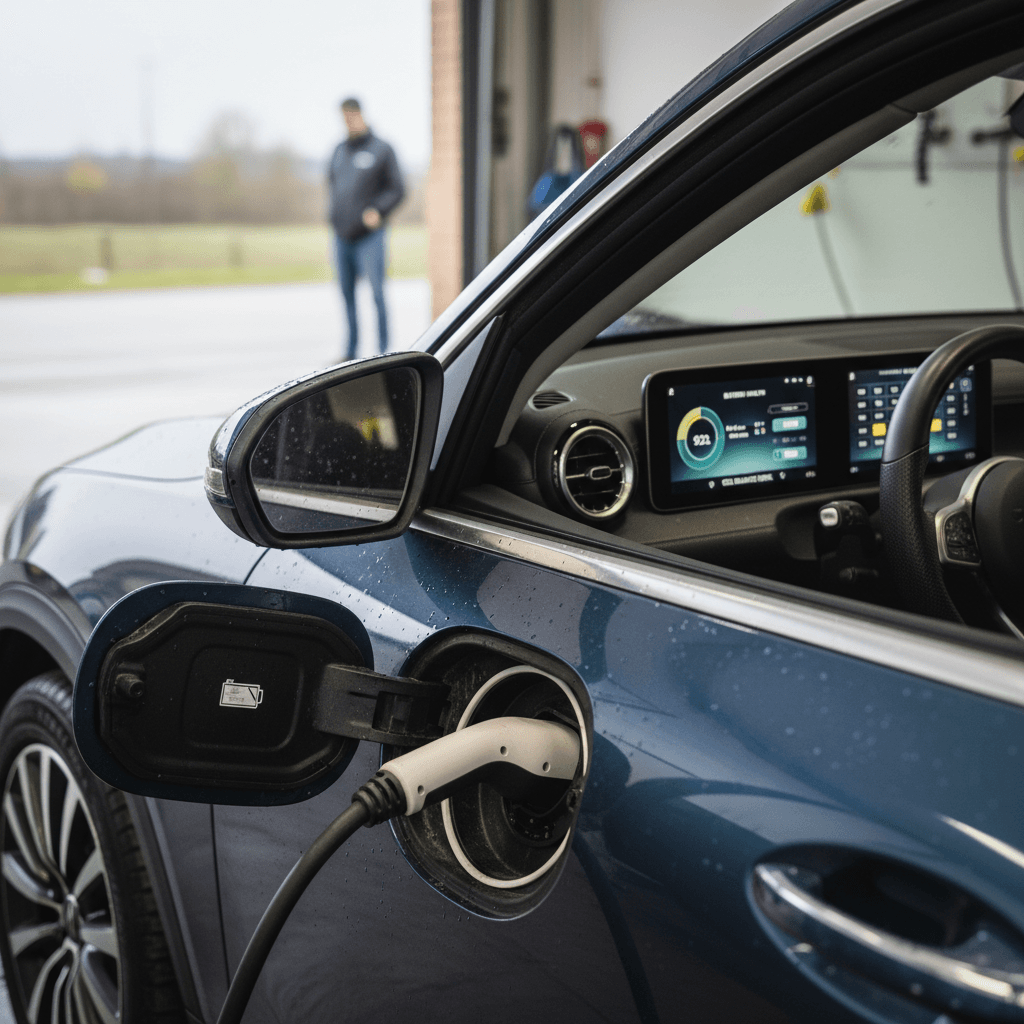
Physically test at least Level 2 charging, and if possible, DC fast charging. Confirm the car connects immediately, charges at expected speeds, and doesn’t throw charging errors.
5. Evaluate your home charging plan
Decide how you’ll charge at home (existing outlet vs new 240V circuit) and price that into the deal. The EQB’s onboard charger can use up to roughly 9.6–11 kW, so a 40–50A circuit is ideal.
6. Check software, screens, and cameras
Cycle through MBUX, driver displays, navigation, camera views, and parking sensors. Look for lag, glitches, or error messages that could hint at deeper electrical issues.
7. Verify driver‑assist features
On the test drive, safely confirm adaptive cruise, lane‑keep assist, blind‑spot monitoring, and parking assist behave as expected, especially if the car is advertised with the Driving Assistance Package.
8. Inspect tires, brakes, and suspension
Heavy EVs can eat through tires and brakes. Check for uneven wear, vibrations, or clunks over bumps that might suggest alignment or suspension issues.
9. Confirm warranty coverage
Ask for the in‑service date to see how much of the 4‑year/50,000‑mile bumper‑to‑bumper and 8‑year/100,000‑mile high‑voltage battery warranty remains.
10. Validate pricing with EV‑specific tools
Compare the asking price against current used EQB listings and EV‑focused valuations. At Recharged, every used EQB includes a Recharged Score Report with fair‑market pricing and verified battery health to keep you grounded in reality.
Use this as a printable checklist
Choose Your Model Year and Market Context
The EQB reached U.S. buyers for the 2022 model year and has continued through the mid‑2020s, while Mercedes is in the process of migrating to a next‑generation electric architecture that will underpin a future GLB‑branded EV. That means the current EQB sits at an interesting point in the product cycle: it’s modern enough to deliver competitive charging and tech, but close enough to its replacement that depreciation is already baked into used pricing. When you’re shopping, knowing exactly which generation and feature set you’re getting is crucial.
- 2022–2024 EQB (current U.S. generation): 70‑ish kWh battery, ~221–245 mile EPA range depending on trim, up to ~100 kW DC fast charging, J1772/CCS1 ports.
- Future EQB/GLB EV (late‑decade): will likely ride on Mercedes’ newer EV platform with higher‑voltage hardware and faster charging. That looming future helps explain why lightly used EQBs can be compelling deals today.
Watch out for non‑U.S. imports
Understand EQB Trims, Battery, and Range
Every U.S. EQB uses a battery around 70 kWh usable, but you don’t get the same power or range across the lineup. Before you fall for a specific car, make sure its trim matches how, and where, you actually drive.
Mercedes EQB Trim Comparison (Typical U.S. Specs)
Always verify exact specs for the model year you’re shopping, but this table captures the broad differences you’ll see most often.
| Trim | Drivetrain | Approx. HP | EPA Range (mi) | 0–60 mph (est.) | Best for |
|---|---|---|---|---|---|
| EQB 250+ | FWD, single motor | ~188 hp | ≈245 mi | +/- 8.0 s | Maximizing range and efficiency; mild climates; mostly city/suburban use. |
| EQB 300 4MATIC | AWD, dual motor | ~225 hp | ≈232 mi | +/- 7.0 s | All‑weather traction and balanced performance. |
| EQB 350 4MATIC | AWD, dual motor | ~288 hp | ≈221 mi | +/- 6.0 s | Quickest acceleration; drivers who value punch over every last mile of range. |
Front‑drive EQB 250+ prioritizes range; dual‑motor models trade some of that for all‑weather traction and power.
Range realism check
If range is your top priority
Focus on the EQB 250+. Its front‑drive layout and efficiency‑tuned powertrain give you the best rated range in the lineup. If you routinely drive 200+ mile days or don’t have convenient DC fast charging, this is usually the smarter choice.
If you want traction and punch
The EQB 300 and EQB 350 add a second motor and 4MATIC all‑wheel drive. You’ll give up some range, but gain confident winter traction and stronger acceleration. For many buyers in snowbelt states, the trade‑off is worth it.
Charging Hardware and Home Setup Checks
The EQB is easy to live with if you match its charging capabilities to your real‑world needs. On AC, its onboard charger can draw up to roughly 9.6–11 kW from a Level 2 station, and on DC it supports around 100 kW. Your job as a buyer is to confirm the car actually achieves these speeds and to plan how you’ll feed it at home.
EQB Charging Basics You Should Verify
Confirm both the car and your charging plan are up to the job before you buy.
Level 2 home charging
Most EQB owners rely on Level 2 (240V) charging at home, which can fill the battery from near empty to full in roughly 7–8 hours with a 40A+ circuit. Plan for a dedicated 240V outlet or wallbox and get a quote from a licensed electrician if your panel needs work.
DC fast charging
At a capable CCS1 fast charger, the EQB can charge from about 10–80% in roughly 30–35 minutes. On your test drive, plug into a DC fast charger if possible and confirm you see healthy power numbers early in the session (often 70–100 kW before taper).
Connectors and adapters
U.S. EQB models use a J1772 inlet for AC and CCS1 for DC. As Tesla‑style NACS hardware rolls out, Mercedes plans to support Supercharger access via approved adapters. Ask the seller whether any OEM adapters or charging perks transfer with the car.
Home charging and used EQBs
Battery Health and Software Diagnostics
Battery health is the single biggest swing factor in the value of a used EQB. Mercedes backs the high‑voltage pack with an 8‑year/100,000‑mile warranty against excessive capacity loss, but degradation can still vary with climate, charging habits, and mileage. You want data, not vibes.
Battery & Software Checks for a Used EQB
Check state‑of‑charge vs indicated range
With the car at a known state of charge (for example, 80%), compare the remaining‑range estimate to what you’d expect from the EPA rating. Large unexplained gaps may warrant deeper diagnostics.
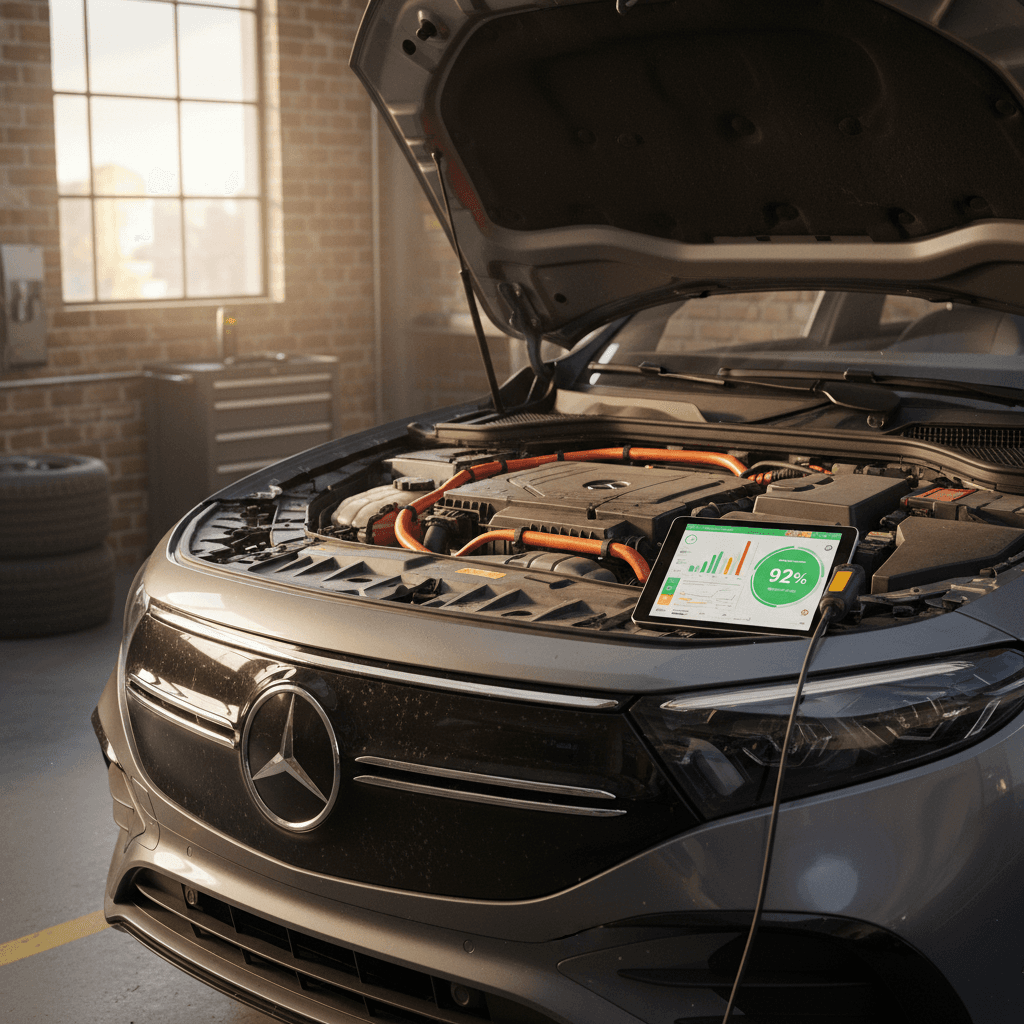
Ask for a recent battery diagnostic
Dealers and independent EV shops can pull high‑voltage battery data, including capacity estimates and error codes. At Recharged, this forms the backbone of the <strong>Recharged Score</strong>, which we share up front so you can see how the pack is aging.
Scan for stored error codes
A pre‑purchase inspection on an EQB should include an OBD‑II or factory‑tool scan looking for high‑voltage, charging, or thermal‑management faults, even if no warning lights are currently on.
Verify software and map updates
A current software build can improve charging curves, navigation, and driver assistance. In the settings menu, check the software version and update history, or ask a dealer to confirm it’s up to date.
Inspect the charge port and cables
Look for bent pins, corrosion, or heat discoloration on the EQB’s charging inlet and on any included portable or wallbox cables. These are warning signs of past charging issues.
Red flags: walk‑away moments
Interior Space, 3rd Row, and Utility
The EQB’s boxy, upright body is a big part of its appeal. It offers more usable space than many sleek‑roofed competitors, but there are trade‑offs, especially if you’re eyeing the available third row. Treat interior space as another system to test, not a brochure promise.
Cabin and Cargo Checks
Don’t assume a small luxury SUV will automatically fit your life, test it.
Seating and comfort
- Sit in every row, including the third row if equipped. Adult‑size passengers should at least be able to tolerate short trips back there.
- Check headroom and legroom with your actual driving position set, especially if you’re tall.
- Test seat adjustability, memory functions, and lumbar support; note any squeaks or rattles.
Cargo and practicality
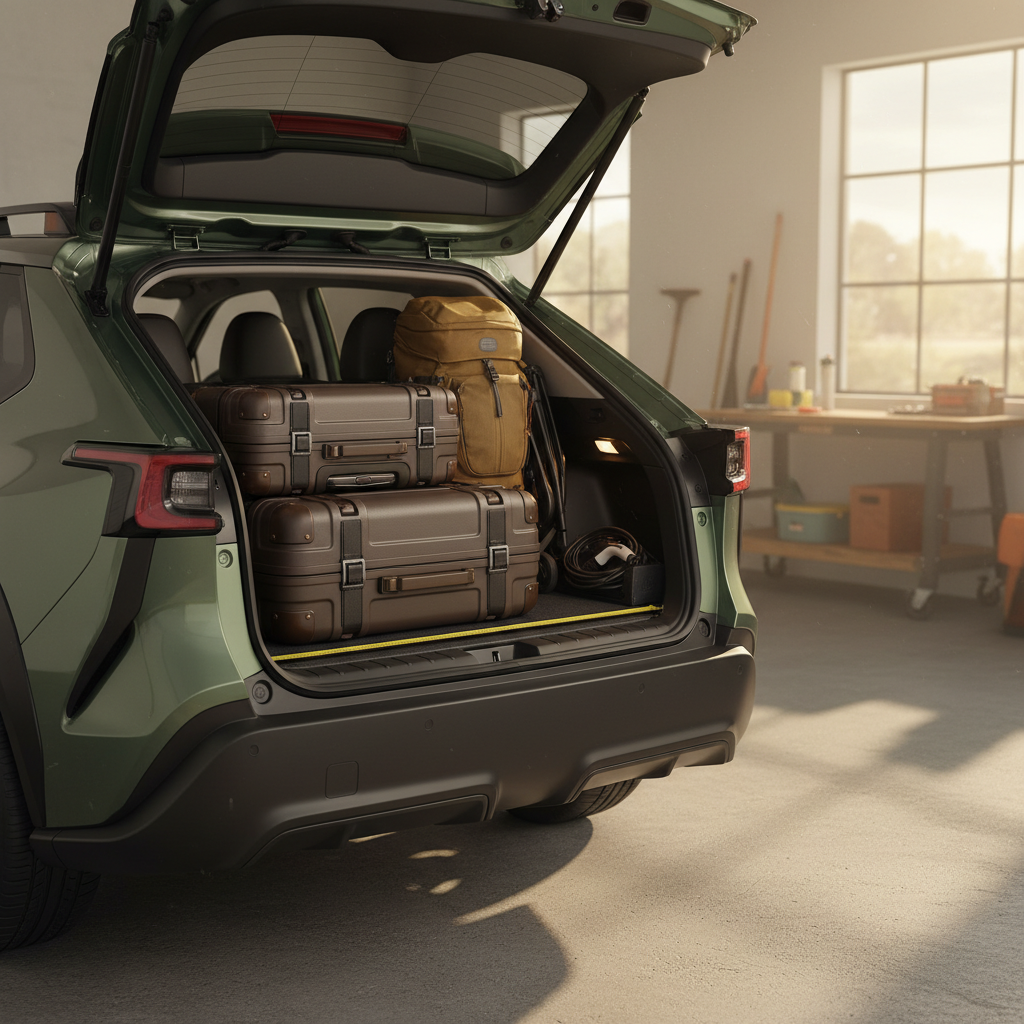
- Fold the rear seats in all available configurations; confirm they fold flat and that the latches work smoothly.
- Bring your stroller, golf clubs, or luggage and see how they actually fit.
- Check for under‑floor storage spaces and whether the charge cable has a secure home.
Where the EQB shines
Road-Test Checklist: How the EQB Should Drive
A proper test drive in an EQB isn’t about smoky launches, it’s about confirming smooth, predictable power delivery, quiet operation, and confident regenerative braking. Because the EQB shares bones with the GLB, it tends to feel more conventional than many bespoke EVs, which is a positive for most buyers.
On‑Road EQB Test Drive Checklist
Smooth take‑offs and stops
From a stop, the EQB should pull away without jerks or hesitation. Braking, especially with higher regen settings, should feel smooth and easy to modulate, not grabby or inconsistent.
Noise, vibration, and harshness
On a 45–65 mph stretch, listen for wind noise around the mirrors and roof rails, tire roar, or drivetrain whine. An EV’s quiet powertrain makes other issues more obvious.
Steering and ride quality
The steering should be light but predictable, with no dead spots or pulls. Over expansion joints and potholes, note any clunks that could hint at worn control arm bushings or dampers, especially on higher‑mileage examples.
Regen and drive modes
Cycle through regen levels (via paddles, if equipped) and drive modes. Make sure one‑pedal‑style driving feels natural and that switching modes doesn’t trigger warning lights or odd behavior.
Driver‑assist behavior
On a lightly traveled road, safely test adaptive cruise, lane‑keeping, and blind‑spot alerts. The car should center confidently in the lane and respond naturally to traffic without ping‑ponging or phantom braking.
Ownership Costs, Warranty, and Incentives
Mercedes positions the EQB as a luxury EV, and that shows up not just in the cabin, but in operating costs. You’ll usually pay more for tires, service, and insurance than you would on a mass‑market compact EV, but far less for energy and maintenance than a comparably sized gasoline Mercedes SUV. A smart buyer knows where the money goes before committing.
- Energy costs: Calculate your cost per kWh at home and on your main public networks. Multiply by the EQB’s typical consumption (roughly mid‑30s kWh/100 miles in real‑world mixed use) to estimate your monthly fuel bill.
- Maintenance: There’s no oil to change, but you’ll still service brake fluid, cabin filters, and coolant for the battery thermal system on Mercedes‑recommended intervals.
- Tires and brakes: Heavier EVs plus instant torque can wear consumables faster, especially if you choose larger wheels. Check current tread depth and budget for higher‑end replacements.
- Warranty: Confirm remaining bumper‑to‑bumper and high‑voltage battery coverage based on the original in‑service date. Ask for documentation on any prior warranty repairs.
- Incentives and HOV access: Look up your state’s current EV incentives, utility rebates for home chargers, and any carpool‑lane perks that might apply to an EQB purchase. These can materially change total cost of ownership.
Leverage EV‑savvy financing
Pricing, Negotiation, and Shopping Strategies
The shift from early‑adopter EV hype to a more rational market has quietly turned the EQB into a value play on the used side. But only if you negotiate from a position of data, not just a vague sense that "EVs are cheaper now." Here’s how to ground your offer.
Key Pricing Levers on a Used EQB
These are the factors that should move price up or down relative to similar EQBs on the market.
| Factor | Pushes Price Up | Pushes Price Down |
|---|---|---|
| Battery health | Strong diagnostic report and real‑world range close to EPA rating. | Unverified or poor battery health, fast‑charging issues, or big range deficit. |
| Mileage & age | Low miles and plenty of warranty remaining. | High mileage, out‑of‑warranty, or hard‑to‑verify service history. |
| Options & packages | Driving Assistance Package, premium audio, panoramic roof, third row when you need it. | Sparse spec, missing key comfort/assist features for your use case. |
| Charging perks | Transferable free DC fast‑charging or included home charger. | No included hardware, paid‑off perks, or outdated Level 1 cord only. |
| Market timing | Local oversupply of EQBs or similar luxury EVs; year‑end or model‑changeover timing. | Limited local supply or unusually high demand in your region. |
Battery health and options often matter more to long‑term value than a few thousand miles on the odometer.
Don’t compare to gas SUVs on sticker alone
If you’d rather skip the traditional dealership dance, Recharged lets you shop used EQBs 100% online. Every vehicle includes a transparent Recharged Score Report, at‑home delivery options, and the ability to add your trade‑in or get an instant offer if you’re moving out of an older gas car.
FAQ: Mercedes EQB Buying Questions
Frequently Asked Questions About Buying a Mercedes EQB
Is the Mercedes EQB Right for You?
A well‑chosen Mercedes EQB can be a sweet spot: compact outside, surprisingly roomy inside, and civilized to live with as your daily electric SUV. But like any EV, the value lives and dies on the details, battery health, charging performance, trim choice, and how honestly you’ve matched it to your driving life. Use this Mercedes EQB buying checklist as your filter: if a particular EQB can’t clear these simple hurdles, move on to one that can.
If you’d rather not do all of that alone, Recharged was built for exactly this moment in the EV market. Our used EQBs include a Recharged Score battery‑health report, transparent pricing, nationwide delivery, and EV‑specialist support from your first question to the final click. Whether you’re ready to buy today or just starting to compare options, you can explore EQBs and other used EVs on Recharged at your own pace, and on your own terms.