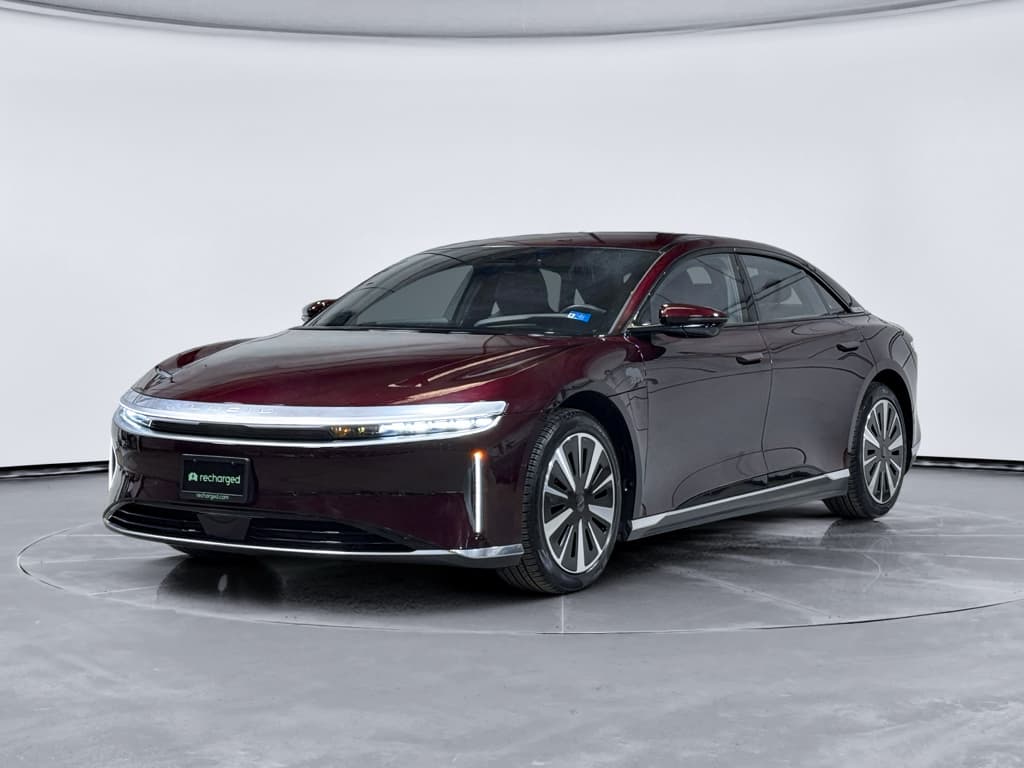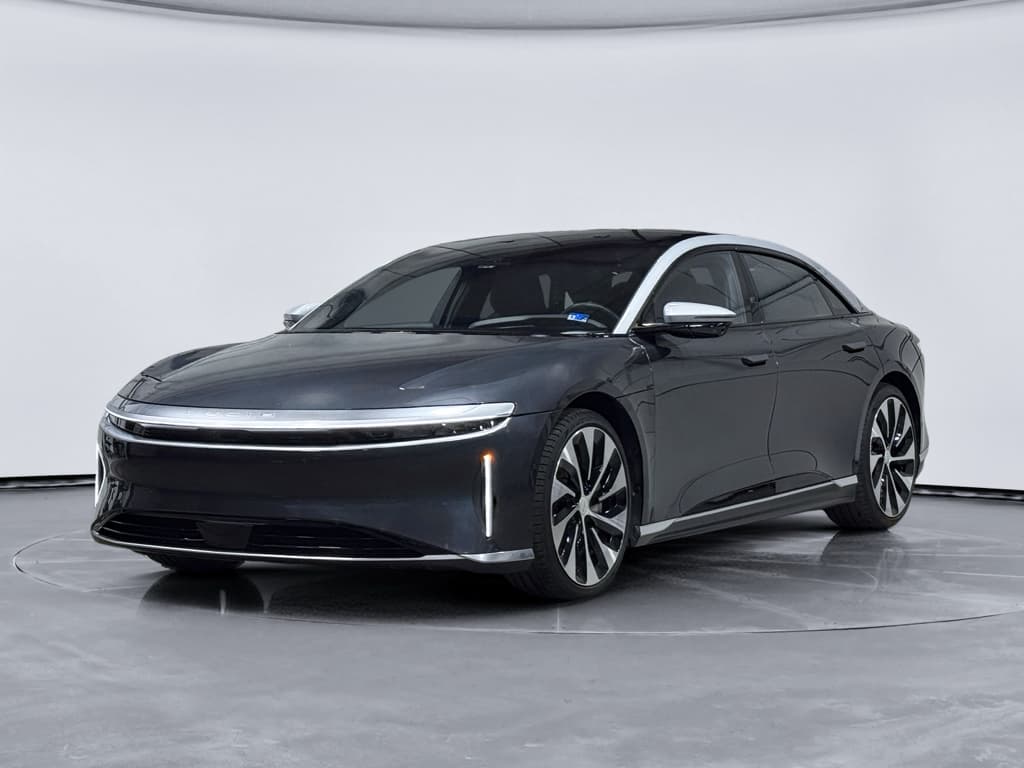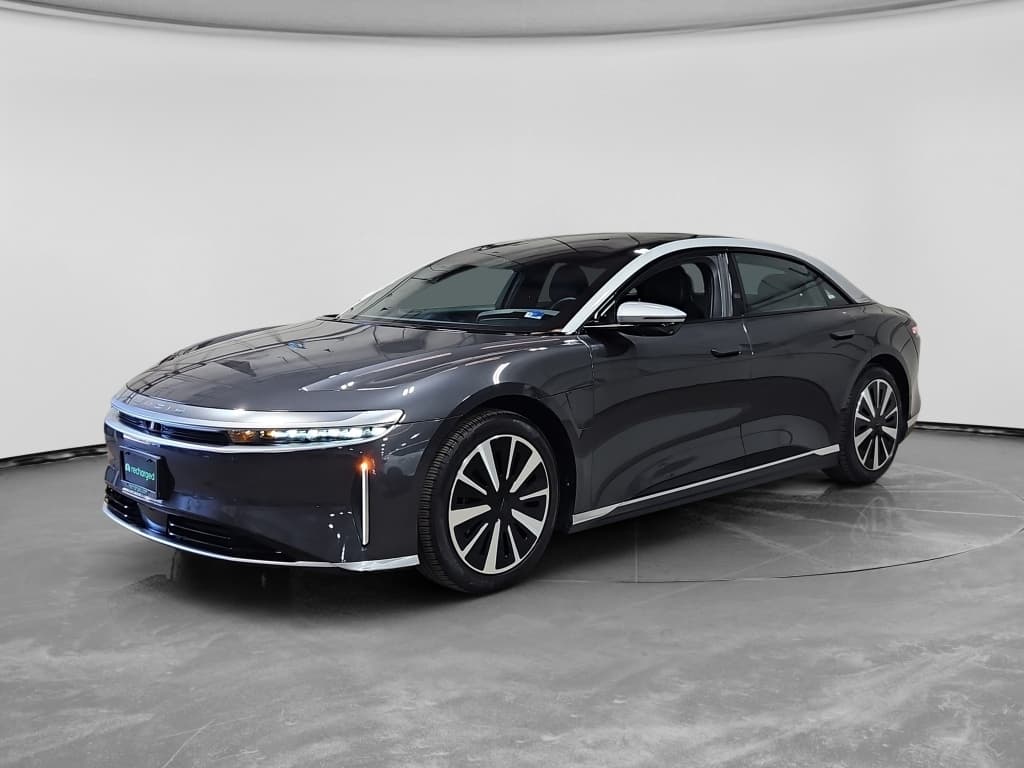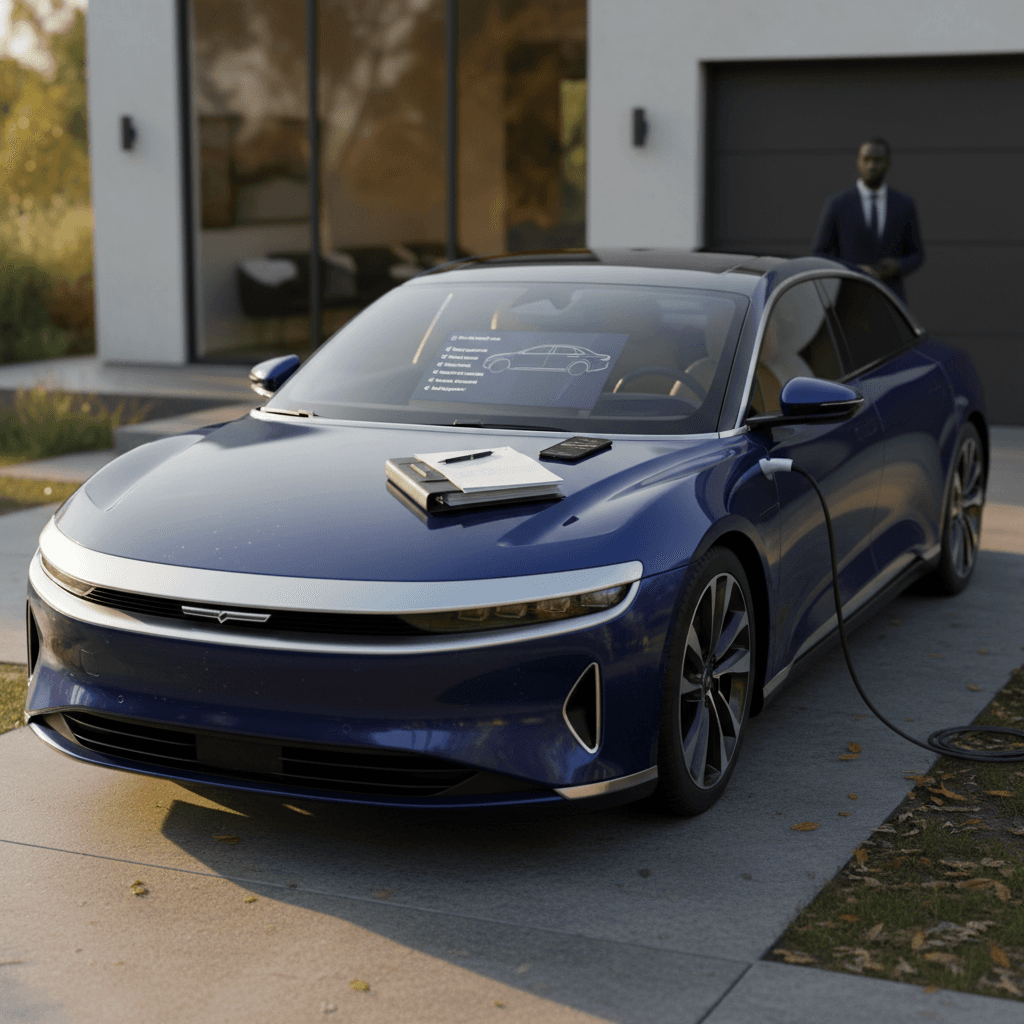
You don’t sell a Lucid Air the same way you sell an old gas sedan. Buyers are obsessed with battery health, software, fast‑charging access, and whether they’re getting a screaming deal in a market where some early Lucids have dropped tens of thousands of dollars from original MSRP. This Lucid Air selling checklist walks you through every step so you can price realistically, show your car at its best, and answer the questions serious EV shoppers will ask.
Who this checklist is for
Why a Lucid Air–Specific Selling Checklist Matters
The Lucid Air isn’t just another premium sedan; it’s a low‑volume luxury EV from a young brand. That combination creates quirks when it’s time to sell. Depreciation can be steeper than more established rivals, some shoppers worry about software reliability and service access, and nearly everyone wants proof that the huge battery pack is healthy and still covered by warranty. A model‑specific checklist helps you get ahead of those concerns instead of defending your car in the comments.
Unique Lucid Air selling challenges
Why you can’t just copy‑paste a generic used‑car checklist
Faster depreciation
Battery questions
Limited service footprint
Why sell through an EV‑specialist
Step 1: Know What Your Lucid Air Is Worth
Before you spend money on detailing or new tires, you need a realistic price range. The Lucid Air is a niche car, so automated pricing tools can swing wide depending on trim, options, and how quickly similar cars are selling in your area.
Key inputs that affect Lucid Air resale value
Have this information handy before you start pulling prices from KBB, Edmunds, or an EV marketplace.
| Factor | What to check | Why it matters |
|---|---|---|
| Trim & battery | Pure, Touring, Grand Touring, Sapphire; battery size & drive layout | Higher‑trim, long‑range and AWD cars typically bring stronger money. |
| Model year & in‑service date | Build year and the date the original owner took delivery | Determines how much factory warranty is left on the car and battery. |
| Mileage & usage | Odometer plus how it was driven (commuter, road‑trip car, etc.) | A 40,000‑mile highway commuter can be worth more than a 20,000‑mile city car. |
| Options & packages | DreamDrive, Surreal Sound, wheels, interior packages, glass canopy | Big‑ticket options move the needle for EV‑savvy shoppers. |
| Condition | Cosmetic defects, curb rash, interior wear, windshield chips | Lucid shoppers expect a near‑luxury presentation even on used cars. |
| Location | Region and proximity to a Lucid studio or service center | Cars near service centers are easier to sell than ones far off the network. |
The more detail you can provide, the more accurate your pricing will be.
Don’t anchor on your original sticker price
How to research pricing
- Check Lucid Air listings on multiple marketplaces, not just one.
- Compare cars that match your trim, year, mileage, and options.
- Look at actual transaction or "sold" prices where available, not only asking prices.
- Get an instant offer or trade‑in quote from at least one major online buyer to set a low‑end baseline.
Where Recharged fits in
On Recharged, our pricing team looks at real EV transaction data and your Lucid’s battery health to recommend a listing price that attracts buyers without leaving money on the table. If you’d rather not manage the sale yourself, you can request an instant offer or use consignment so we handle the marketing and buyer questions for you.
Step 2: Get Your Paperwork and Digital Records Together
Because Lucid is a newer brand, service history and documentation carry extra weight. Serious buyers want reassurance that software updates were applied, recalls or campaigns were handled, and any quirks were fixed by Lucid, not guesswork.
Lucid Air paperwork checklist
1. Vehicle title or payoff information
If you own the Air outright, locate the physical title. If there’s still a loan or lease, pull your payoff quote and lender contact details so you know exactly what’s owed when you accept an offer.
2. Purchase and window‑sticker details
Gather your original purchase contract, Monroney window sticker, or build sheet. These documents help prove which options your car has, critical on a car where software packages and wheels can move value.
3. Service and repair records
Download or print records from your Lucid account and any service centers that have touched the car. Highlight software updates, resolved issues, and routine maintenance like tires and alignments.
4. Recall and campaign confirmations
Check with Lucid or NHTSA to ensure any open recalls or service campaigns are completed. A clean slate gives buyers less to worry about and helps the sale move faster.
5. Charging and home equipment receipts
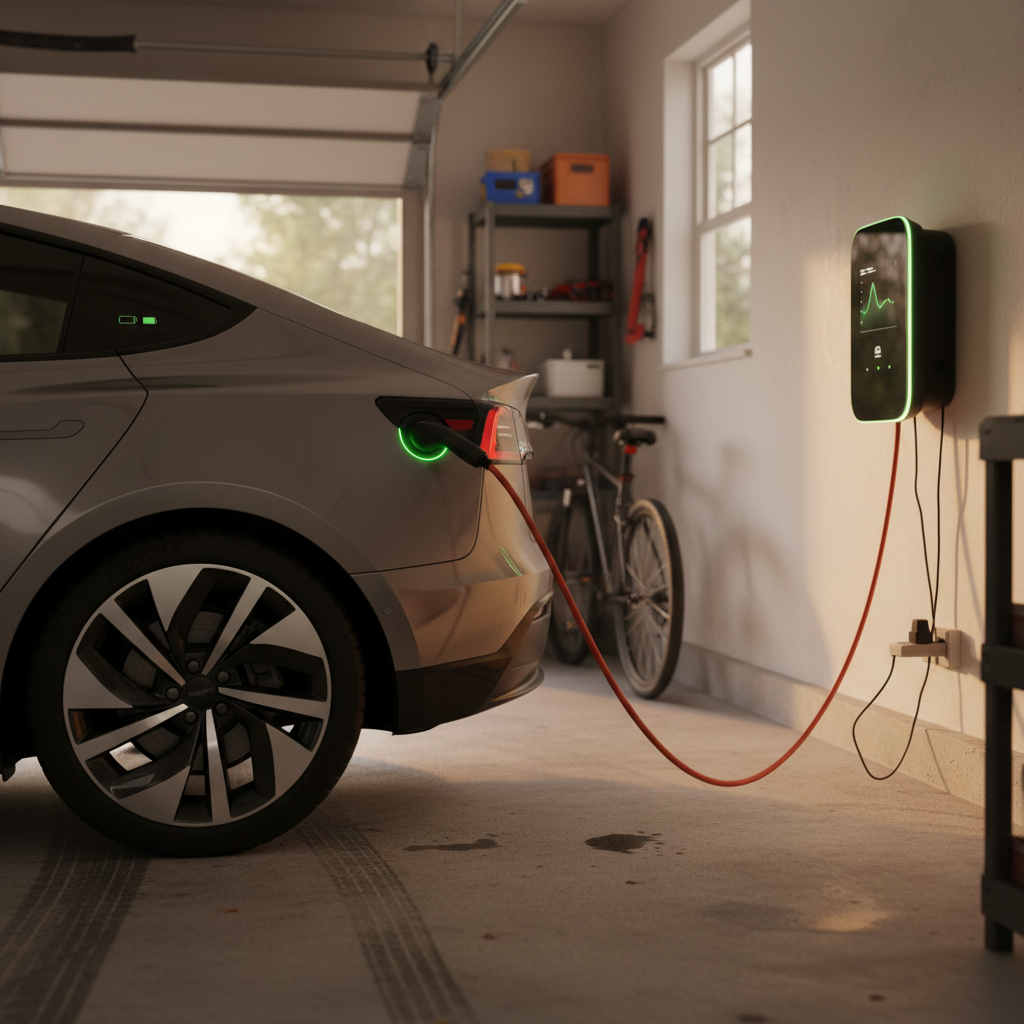
If you’re including a Lucid home charger or upgraded outlet, gather invoices and permits. Buyers love seeing that the home charging setup was done properly.
6. Extra keys, accessories, and manuals
Track down extra key cards, floor mats, charging adapters, tow hook, cargo nets, and the owner’s manual. A “complete” car photographs better and commands more trust.
Package it like a premium car
Step 3: Document Battery Health and Warranty Coverage
With any used EV, and especially a high‑end one, the real negotiation is often about the battery. Lucid’s factory high‑voltage battery warranty has generally been around 8 years or 100,000 miles with a minimum 70% capacity guarantee on recent U.S.‑market model years. What matters to buyers is how much of that coverage they’ll inherit and what the real‑world range looks like on your specific car.
Lucid Air warranty highlights to advertise
Always verify for your VIN
How to show real battery health
- Take photos of your Lucid Air’s state of charge and estimated range at 100% and at a typical daily charge level (e.g., 80%).
- Note your typical driving mix (highway vs. city) and conditions (climate, frequent fast charging, etc.).
- Be honest about any range changes you’ve noticed over time and what Lucid service has said about them.
- If you’ve had high‑voltage battery work performed, include the service paperwork and outcome.
Using a third‑party battery report
A third‑party diagnostic is one of the most powerful tools you can bring to a Lucid sale. On Recharged, every vehicle gets a Recharged Score battery health report, using specialized diagnostics rather than guesswork from the dash. That independent verification can help justify your asking price and calm nervous first‑time EV buyers.
Don’t over‑promise on range
Step 4: Prepare Your Lucid Air for Showings
Shoppers are often cross‑shopping your Lucid Air against shiny new EVs with rebates and aggressive leases. A tired‑looking interior or a warning light on the dash can give them all the excuse they need to bounce. Treat preparation like you’re handing the car back to yourself on delivery day.
Lucid‑specific prep areas buyers notice
Focus on the details that say “this car was loved,” not “this car was rushed to market.”
Exterior and aero
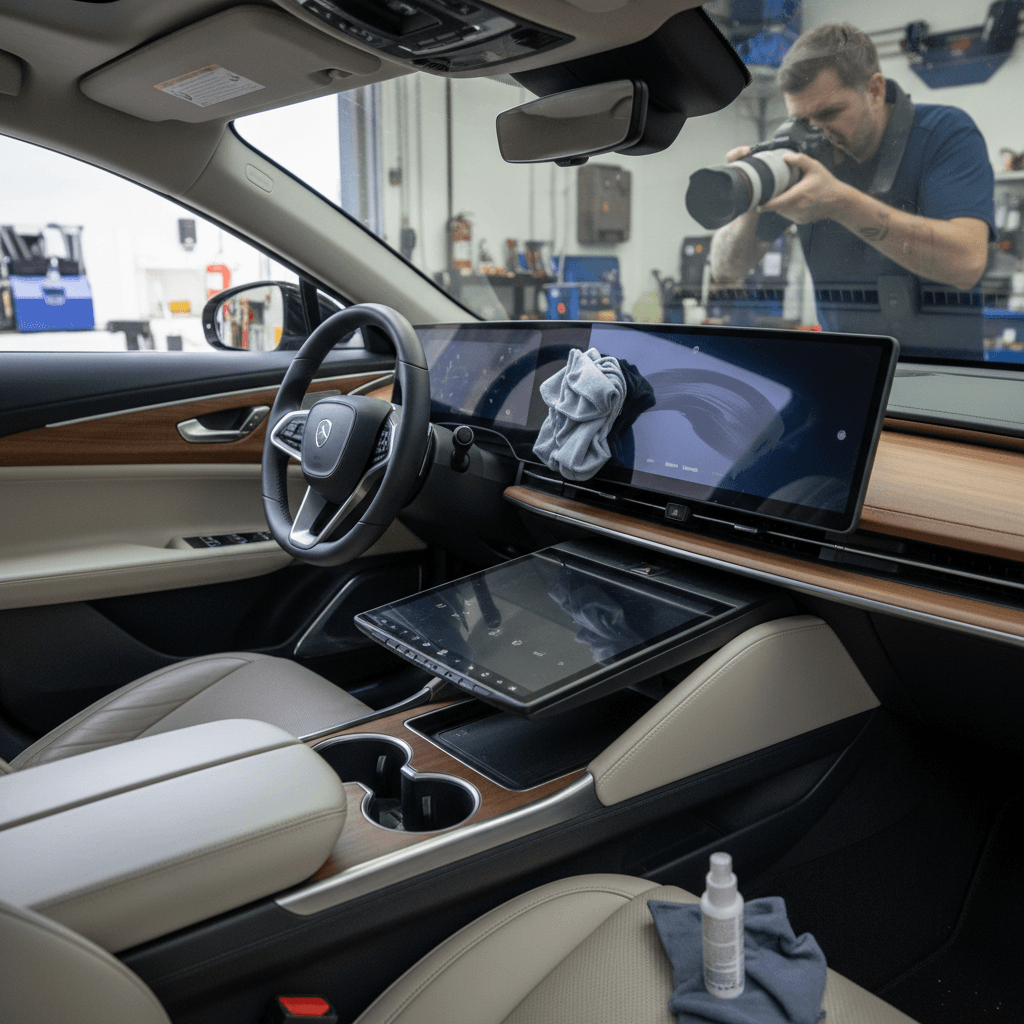
Interior and touch surfaces
Software & screens
Pre‑showing Lucid Air checklist
Charge to a buyer‑friendly level
Aim for 70–90% state of charge for test drives so buyers see realistic range and don’t feel like they’re starting empty.
Warm up and check for alerts
Start the car, let it boot fully, and confirm there are no warning lights or error messages. If there are, address them before showing or be ready with documentation.
Fix the easy stuff first
Replace wiper blades, top up washer fluid, fix simple chips and scuffs, and replace missing trim caps. These low‑cost fixes make a luxury EV look cared for.
Detail the frunk and trunk
Lucid shoppers love storage. Clean the frunk, trunk, under‑floor compartments, and charging cable area. A tidy cargo space photographs especially well.
Prepare a quick‑reference sheet
Create a one‑pager with VIN, mileage, trim, major options, recent service, battery warranty dates, and any extras included in the sale.
Hire a pro detailer if the car is your equity
Step 5: Build a High‑Trust Lucid Air Listing
A good listing doesn’t just brag about horsepower and range; it tells a story buyers can believe. With a younger brand like Lucid, that story has to cover not just why the car is special, but how reliably it has served you and what support the next owner can expect.
Must‑have listing photos
- Front three‑quarter exterior in good light (no harsh shadows).
- Both sides, rear, wheels close‑up, and any imperfections.
- Full cabin, driver’s seat, rear seat, and panoramic or glass canopy if equipped.
- Instrument cluster and center screen showing mileage, software version, and State of Charge.
- Frunk, trunk, charging equipment, and any included accessories.
What to say in the description
- Summarize your ownership: how long, primary use, and why you’re selling.
- List major options and software packages in plain language.
- Explain battery health, typical range, and remaining warranty clearly.
- Mention any issues you’ve had and how they were resolved.
- State exactly what’s included: home charger, cables, mats, winter wheels, etc.
Borrow phrases that matter to EV buyers
Step 6: Choose How to Sell – Trade‑In vs Marketplace vs Private
Lucid’s small footprint and fast‑moving prices make your choice of selling channel more important than usual. Your goals, maximum price, least hassle, or fastest sale, should drive the decision.
Lucid Air selling options at a glance
Each path trades some money for some convenience.
Dealer or instant‑offer trade‑in
EV‑focused marketplace (like Recharged)
Private‑party sale
How Recharged can help you choose
Step 7: Screen Buyers and Handle Test Drives
You want the Lucid enthusiasts and serious EV shoppers, not the joyriders who just want to experience 0–60 mph once. A little structure keeps everyone safe and protects your very expensive battery on test drives.
Safe screening and test‑drive checklist
1. Pre‑screen over message or phone
Ask a few basics: how familiar they are with EVs, whether they’ve driven a Lucid or Tesla, and whether they’re pre‑approved or have funds available. Serious buyers aren’t offended by simple questions.
2. Meet in a safe, neutral location
Choose a well‑lit area with cell service and a nearby charging station. Avoid home addresses until you’re comfortable, especially if you’re selling privately.
3. Verify license and insurance
Check a valid driver’s license and ask for proof of insurance before handing over the keys. Snap a quick photo for your records.
4. Control the route
Plan a 15–20 minute loop that shows off city comfort, highway power, and one or two strong acceleration runs, if the buyer requests it and conditions are safe.
5. Protect your battery
Start with 60–80% charge, and avoid repeated high‑speed or max‑power pulls that heat the pack unnecessarily. Explain that you’re preserving battery health, not hiding anything.
6. Debrief after the drive
Answer questions while everything is fresh. Revisit range, charging access, and warranty coverage, since those often decide whether a buyer moves forward.
Never skip payment and ID safeguards
Step 8: Close the Sale Securely
Once you have an agreed‑upon price, the last mile is all about clean paperwork and secure payment. Lucid’s connected‑car features and over‑the‑air updates mean you also have a few extra digital loose ends to tie up.
- Agree in writing on the final price, what’s included (chargers, wheels, accessories), and the target hand‑off date.
- Use a secure payment method: in‑branch wire transfer, cashier’s check verified at the issuing bank, or an escrow service for long‑distance deals.
- If there’s a lien, complete the payoff through your lender while the buyer is present or on a recorded call so everyone hears the numbers.
- Sign a bill of sale that includes VIN, mileage, sale amount, date, and both parties’ full names and contact details.
- Complete title transfer and any state‑specific forms; many DMVs offer EV‑specific guidance online.
- Remove the car from your Lucid account, log out of all user profiles, and make sure the Lucid app is fully de‑linked from the vehicle before the buyer drives away.
Lean on platforms that handle paperwork
Lucid Air Selling Checklist: Quick Summary
Selling a Lucid Air is part EV education, part luxury‑car sale, and part reality check on today’s used‑EV prices. Here’s the entire checklist in one place so you can see where you stand.
One‑page Lucid Air selling checklist
1. Research your value
Pull real‑world pricing on similar Lucid Airs (year, trim, options, mileage) and get at least one instant offer to set your floor.
2. Gather paperwork
Title or payoff letter, purchase docs, window sticker, service and recall history, charger receipts, and all keys and accessories.
3. Verify warranty and range
Confirm remaining basic and battery warranty by VIN, document real‑world range with photos, and consider an independent battery health report.
4. Prep and detail the car
Address easy fixes, deep‑clean inside and out, clear warnings, and set a buyer‑friendly charge level for showings.
5. Create a transparent listing
Write a clear, honest description; highlight options, battery health, and warranty; and include sharp, well‑lit photos of everything that matters.
6. Pick your selling channel
Decide between dealer trade‑in, EV‑focused marketplace like Recharged, or private‑party sale based on how much time and risk you’re willing to take.
7. Manage test drives safely
Screen buyers, verify ID and insurance, control the route, and protect your battery while still letting the car sell itself.
8. Close securely
Use verified payments, handle payoff and title correctly, sign a detailed bill of sale, and remove the car from your Lucid and app accounts.