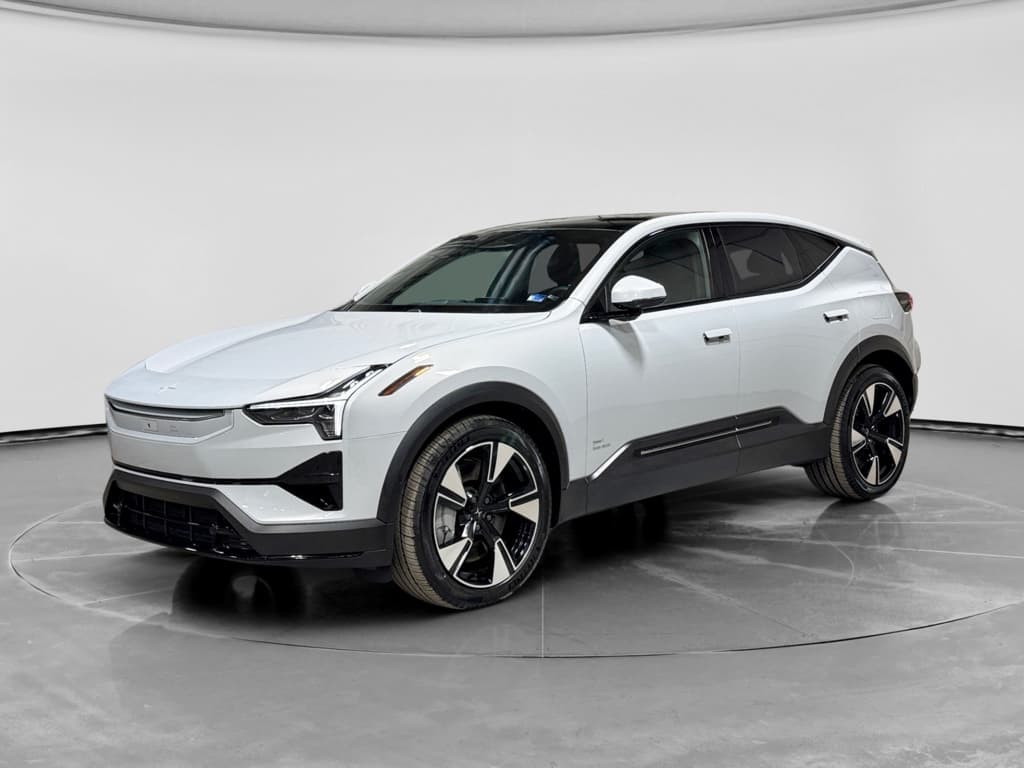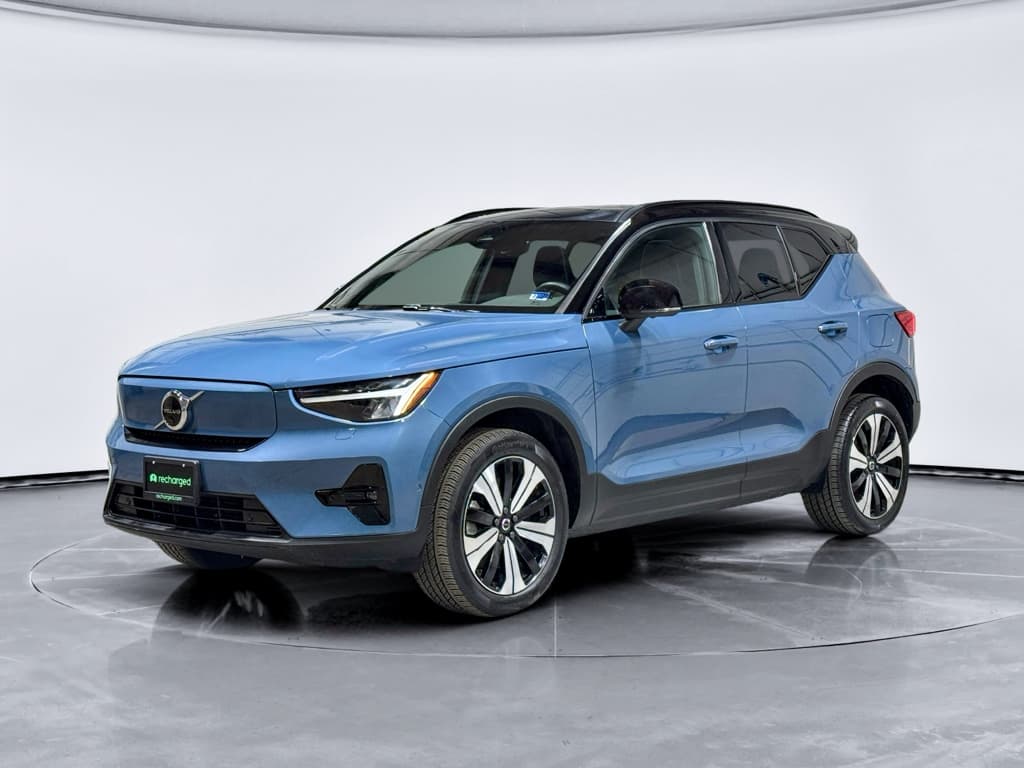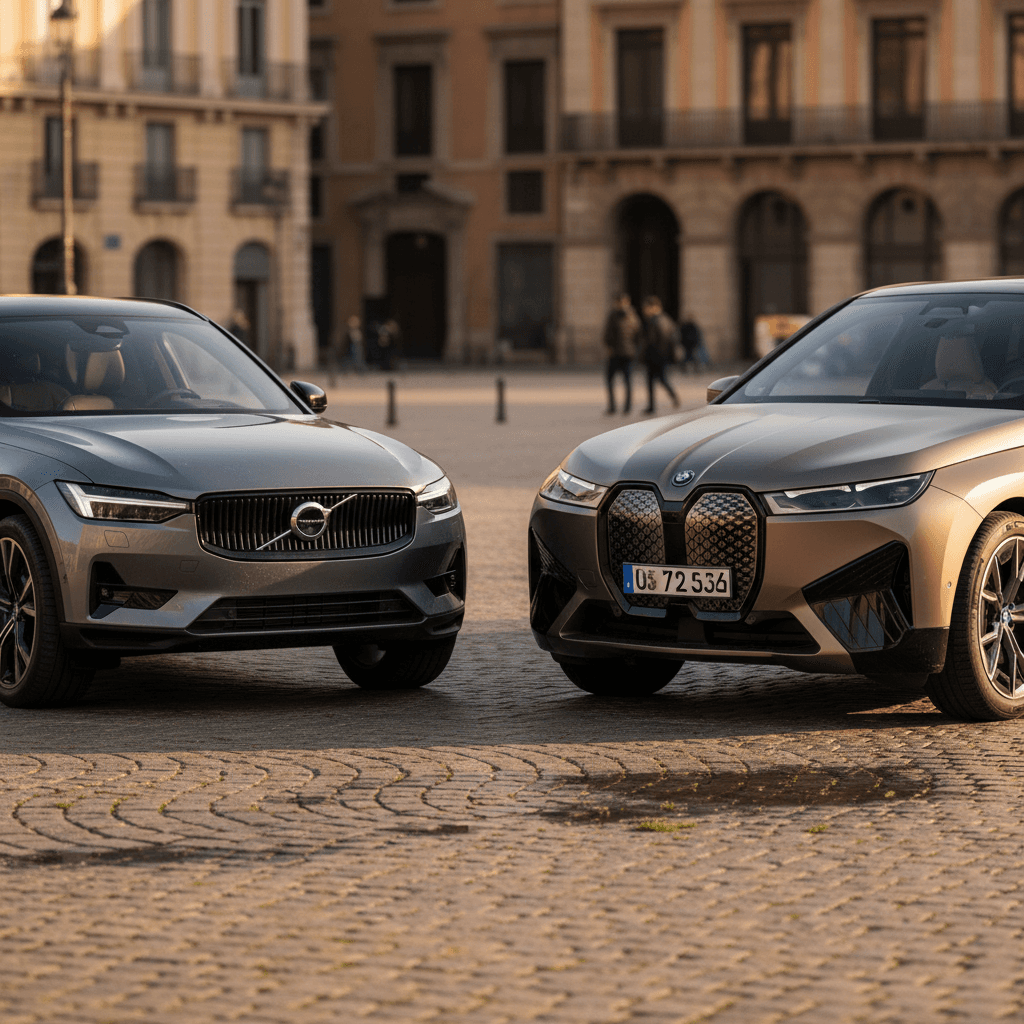
If you’re cross-shopping the Polestar 3 vs Volvo EX90, you’ve already narrowed in on a very specific kind of EV: a Scandinavian luxury SUV with serious safety tech, long-range battery, and an upscale cabin. On paper they even share a platform and battery. In reality, they feel like two very different answers to the question, “What do you want your electric SUV to be?”
Same bones, different personalities
Polestar 3 vs Volvo EX90: who each SUV is really for
Before you dive into kilowatts and cargo specs, it helps to be honest about what you need this SUV to do. The Polestar 3 is the EV you buy if you want something that feels like a sporty European wagon on stilts: quick, sharp, and design-forward, with room for four adults and their gear. The Volvo EX90 is the electric successor to the XC90, seven real seats, serene ride, and safety tech turned up to 11.
Polestar 3: modern grand tourer
- You rarely need more than two rows of seats.
- You care about handling, acceleration, and design as much as practicality.
- You like the idea of a slightly lower, more aerodynamic SUV for efficiency and style.
- You want Brembo brakes, torque-vectoring, and a more engaging drive.
Volvo EX90: family flagship
- You regularly carry kids, in-laws, or friends, 6–7 seats matter.
- You prioritize comfort, quietness, and safety over outright sportiness.
- You want a familiar Volvo experience, just fully electric.
- You value the extra cargo flexibility of a true three-row SUV.
Start with seating, not specs
Key specs: Polestar 3 vs Volvo EX90 at a glance
Polestar 3 vs Volvo EX90: core numbers
High-level comparison of the most relevant specs for American shoppers. Exact figures can vary slightly by trim and wheel choice, but this gives you the shape of each SUV.
| Spec | Polestar 3 | Volvo EX90 |
|---|---|---|
| Platform | SPA2, 2-row crossover | SPA2, 3-row SUV |
| Battery capacity | ≈111 kWh usable (400V) | ≈107–111 kWh (400V, updates incoming) |
| Power (non-performance dual motor) | ~489 hp / 620 lb-ft | ~402–408 hp / 568 lb-ft |
| Power (performance versions) | ~517 hp / 671 lb-ft | Up to ~510–670 hp depending on model year |
| EPA-estimated range* | Up to ~350 mi single motor; ~315 mi dual motor; ~279 mi performance | Around 300 mi for dual-motor; slightly less for performance trims |
| Drive layout | RWD (single), AWD (dual) | All AWD |
| Seating | 5 seats | 6 or 7 seats |
| 0–60 mph (perf models) | Mid-4s seconds | Low-4s seconds |
| Fast charging | DC up to ~250 kW; 10–80% in ~30 min | DC up to ~250 kW; 10–80% in ~30 min, newer models moving to 800V |
| Starting MSRP (new) | Upper $60Ks–$70Ks depending on trim | Mid-to-upper $70Ks and up, often over $80K as equipped |
Specifications are manufacturer or major-publication figures for recent U.S.-spec models.
About the numbers
Quick takeaways: how they differ most
Space, seating, and practicality: 2-row vs 3-row priorities
This is the fork in the road. The Volvo EX90 exists because families loved the XC90’s combination of safety and three-row practicality. The EX90 carries that forward with a tall roofline, generous glass area, and space for real humans in all three rows. The Polestar 3 takes the same basic hardware and stretches it into a sleek, coupe-like body that trades a third row for a lower stance and better aerodynamics.
How they carry people and stuff
Think about your real-life passenger mix and cargo routine.
Volvo EX90: people mover
- 6- or 7-seat layouts with usable third row for kids or shorter adults.
- Boxier roof and big windows make it feel airy and easy to see out of.
- More total cargo volume with rows folded, better for road trips or IKEA runs.
- Ideal if you’re juggling car seats, sports gear, and grandparents.
Polestar 3: lounge for five
- Two-row, 5-seat configuration with generous legroom in both rows.
- Lower, wider stance feels more athletic and intimate.
- Plenty of cargo behind the second row for luggage or weekly Costco runs.
- Better fit for couples, small families, or empty nesters who want space without bulk.
Try the third row with real passengers
Performance and driving feel: sporty Polestar vs serene Volvo
On paper, both SUVs offer big dual motors, instant torque, and 0–60 times that would embarrass yesterday’s V8s. On the road, they feel very different. The Polestar 3 leans into its performance brief with firmer tuning and serious hardware. The Volvo EX90 dials everything back a notch in the name of comfort and confidence.
- Polestar 3 dual-motor versions deliver around 489 hp (up to ~517 hp with the Performance pack), paired with torque-vectoring on the rear axle and Brembo front brakes for repeated hard stops.
- Volvo EX90 twin-motor models land closer to 402–408 hp in standard form, with performance trims stepping up near 510 hp and beyond in newer variants.
- Despite similar headline numbers, the EX90 is taller and heavier; the Polestar 3 feels more planted and eager to change direction.
- Both are quick in a straight line, but only the Polestar 3 really encourages you to go hunt for a favorite backroad.
Ride and handling in one sentence
Range, battery, and charging: living with these SUVs
Because the Polestar 3 and Volvo EX90 share closely related battery tech, their range and charging experience are more alike than different. Where they diverge is how much mass and frontal area they’re pushing through the air, and, in the EX90’s case, how quickly Volvo continues rolling out its newer 800-volt upgrades.
Range and charging: what to expect day to day
Real-world numbers depend heavily on wheels, weather, and how you drive.
Battery size
Both Polestar 3 and Volvo EX90 use a roughly 111 kWh battery pack in many trims. That’s big enough for comfortable highway legs between stops, especially with today’s fast-charging networks.
Range expectations
Expect around 300 miles in their most efficient trims in mild weather, with performance or big-wheel versions dipping into the 260–280 mile ballpark. Cold climates and high speeds will trim that for either SUV.
Fast charging
Both support DC fast charging around 250 kW, with 10–80% typically taking about 30 minutes on a strong charger. Newer EX90 updates add 800-volt hardware in some versions, improving future-proofing and charging speed when paired with high-output stations.
Home charging makes them easy to live with
Safety tech and driver assistance: lidar twins, different personalities
Volvo has built its reputation on safety, and Polestar benefits from that DNA. Both the EX90 and Polestar 3 ride on the SPA2 platform and offer a very similar safety stack: roof-mounted lidar, radar, cameras, and powerful computing designed to support advanced driver assistance and, over time, more automated functions.
Shared hardware, different tuning
Both SUVs aim to prevent crashes rather than just protect you in one.
Volvo EX90 safety focus
- Layered driver monitoring, including interior cameras that can spot distraction or drowsiness.
- Extensive standard driver-assist suite: adaptive cruise, lane centering, blind-spot watch, rear cross-traffic, and more.
- Volvo tends to tune alerts more conservatively, great for cautious drivers, sometimes annoying for aggressive ones.
Polestar 3 safety focus
- Similar sensor hardware and lidar available, tuned for a slightly more enthusiast-oriented driver profile.
- Still packed with collision avoidance, pedestrian detection, and highway assist tools.
- Interface leans cleaner and more minimal, with fewer chimes but plenty of information when you go looking for it.
Software maturity matters
Interior design and tech: minimalist vs Scandi-lux lounge
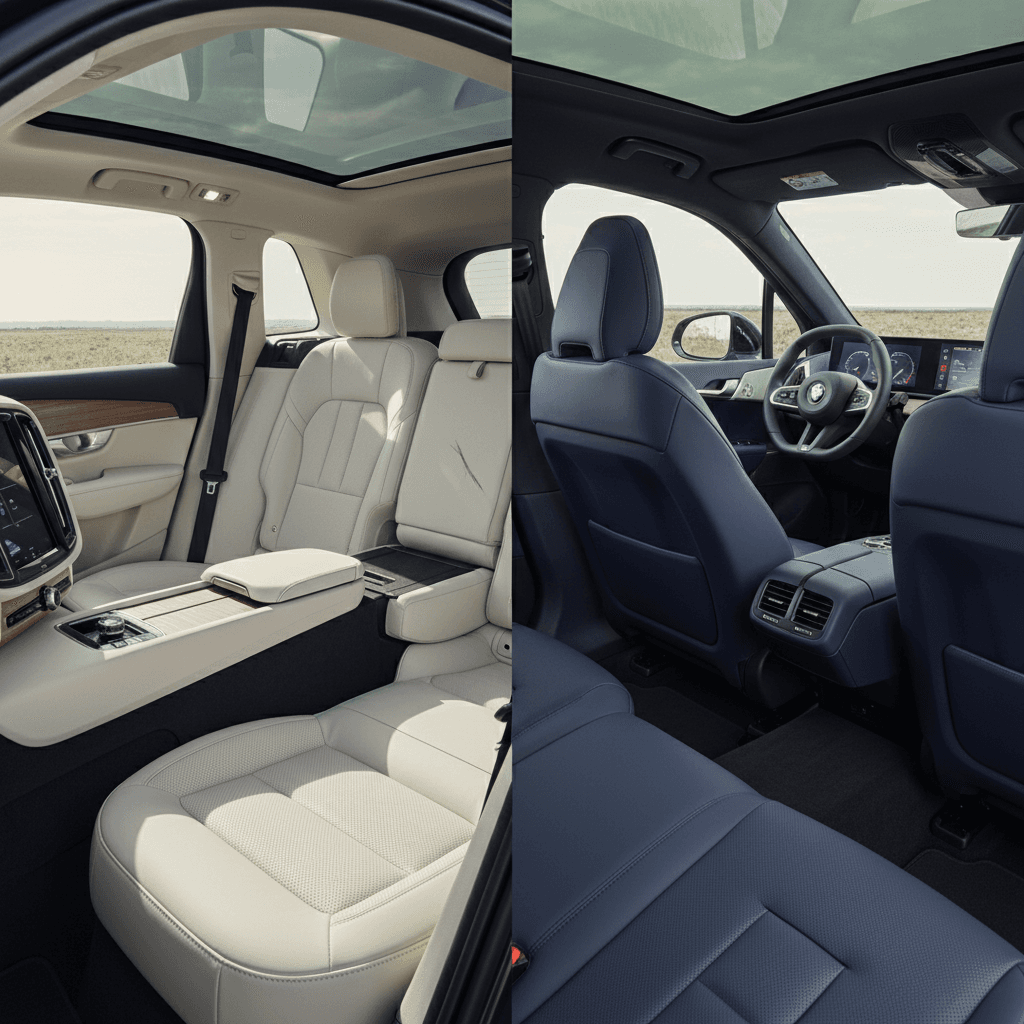
Slide into the cabins and the family resemblance is obvious, Google-based infotainment, large central touchscreens, and sustainable materials. But the mood is different. The Polestar 3 feels like a design studio: clean, technical, and driver-focused. The EX90 feels more like a premium lounge: upright, airy, and centered on keeping every passenger comfortable.
Polestar 3 cabin
- Lower seating position gives a more car-like feel behind the wheel.
- Minimalist dash with a driver display and central touchscreen, plus clever use of lighting and textures.
- Emphasis on vegan and recycled materials, with optional wool blends and tasteful metal accents.
- Better suited if the driver’s experience is the priority and kids are mostly in the second row.
Volvo EX90 cabin
- Taller seating and big glass area create a commanding view of the road.
- 14.5-inch portrait touchscreen anchors a very clean dash; physical controls are pared back but still present where you want them.
- Three-row layout lets you tailor the interior to every trip, from kid shuttling to cargo van duty.
- Feels like an evolution of the XC90 interior in electric form: familiar, calming, and very Volvo.
Good news: both support Google built-in
Pricing, trims, and value, including future used EV deals
Luxury electric SUVs like the Polestar 3 and Volvo EX90 sit at the higher end of the EV price spectrum. New, well-optioned examples of either easily cross the $80,000 mark, especially with performance packs or top trims. But how they deliver value, and how interesting they’ll be a few years down the road as used EVs, differs.
Typical pricing bands and what you get
Approximate U.S. MSRP ranges before destination or incentives. Real-world transaction prices, especially on used examples, can be lower.
| Model/Trim theme | Approx. new MSRP | What it emphasizes |
|---|---|---|
| Polestar 3 single-motor | High $60Ks–low $70Ks | Maximum range and efficiency with rear-wheel drive. |
| Polestar 3 dual-motor | Mid–high $70Ks | Strong performance with all-wheel drive and solid range. |
| Polestar 3 Performance pack | $80K+ | Quickest acceleration, firmer tuning, biggest wheels, lowest range. |
| Volvo EX90 Twin Motor Plus/Ultra | Mid–high $70Ks to low $80Ks | Well-equipped three-row SUV with good range and strong safety kit. |
| Volvo EX90 Performance trims | Low–mid $80Ks and up | More power, similar comfort and safety; price climbs quickly with options. |
Always check current pricing and incentives, especially as EV tax credit rules change.
What about tax credits?
Where things get especially interesting is a few years down the line. High-MSRP luxury EVs tend to depreciate faster than their gas counterparts, which can make a lightly used Polestar 3 or EX90 a compelling buy. That’s where tools like a battery-health report and transparent pricing from Recharged become invaluable: you’re paying far less than new, but you still want to know that the big, expensive battery underneath is in great shape.
Ownership costs and everyday usage: what it’s like to live with each
Beyond the test drive, both SUVs share a lot of the same ownership advantages: lower fueling costs than comparable gas SUVs, fewer moving parts to service, and over-the-air updates that quietly improve the experience over time. Day to day, the differences look more like this:
Daily life with Polestar 3 vs Volvo EX90
Charging habits
If you park in a garage or driveway, a 240V Level 2 charger makes both incredibly convenient. If you rely mostly on public charging, the Polestar’s slightly better efficiency and lower profile is a small plus, but seating needs should still come first.
Parking and maneuvering
The EX90’s taller, boxier shape can feel larger in tight city garages. The Polestar 3’s lower stance and slightly shorter overall height can make it easier to park and thread through urban traffic.
Ride comfort
Both offer adaptive suspensions, but the EX90 is tuned softer overall. It’s happier soaking up potholes and expansion joints, while the Polestar 3 keeps the body more tightly controlled during quick maneuvers.
Long trips
Range is comparable in efficient trims. The EX90 counters its extra size with the comfort of a true three-row and more flexible cargo space; the Polestar 3 counters with a slightly more efficient shape and sportier feel on winding roads.
Software and updates
Expect ongoing over-the-air updates for both. When buying used, confirm the SUV is on current software and that all recalls or major updates (especially on early EX90s) have been applied.
Thinking about buying used?
Polestar 3 vs Volvo EX90: which should you buy?
You can’t really go wrong with either of these SUVs, but one of them is almost certainly a better fit for your life. The trick is to choose based on how you actually drive and who actually rides with you, not just on which spec sheet looks more impressive.
Choose Polestar 3 if…
- You want a driver’s EV SUV: quick, composed, and more fun on a backroad.
- You don’t need three rows but still want serious cargo space and comfort for four adults.
- You love minimalist design and the idea of a slightly more distinctive, rarer choice.
- You’re coming from a sport sedan or wagon and don’t want to give that feeling up.
Choose Volvo EX90 if…
- You need three usable rows for family life, car seats, and friends.
- You value a calm, quiet, comfortable ride over sharp handling.
- You’re drawn to Volvo’s long safety legacy and want the spiritual successor to the XC90 in electric form.
- You regularly road-trip with a full car and want the flexibility to carry both passengers and cargo.
If you’re shopping new, it’s worth driving both back to back; the difference in feel is immediate. If you’re shopping used or nearly new, focus on battery health, software maturity, and how each SUV fits your household. That’s exactly where Recharged can help, by pairing detailed battery diagnostics and transparent pricing with EV-savvy specialists who can walk you through the pros and cons of a Polestar 3 versus a Volvo EX90 for the way you really live and drive.