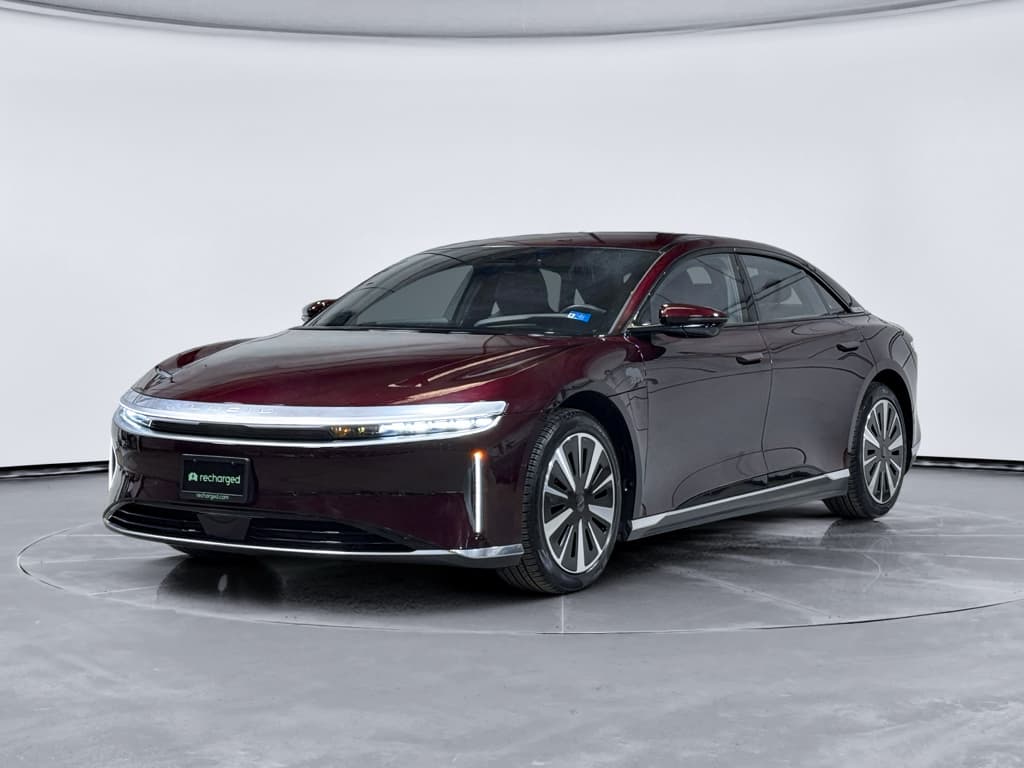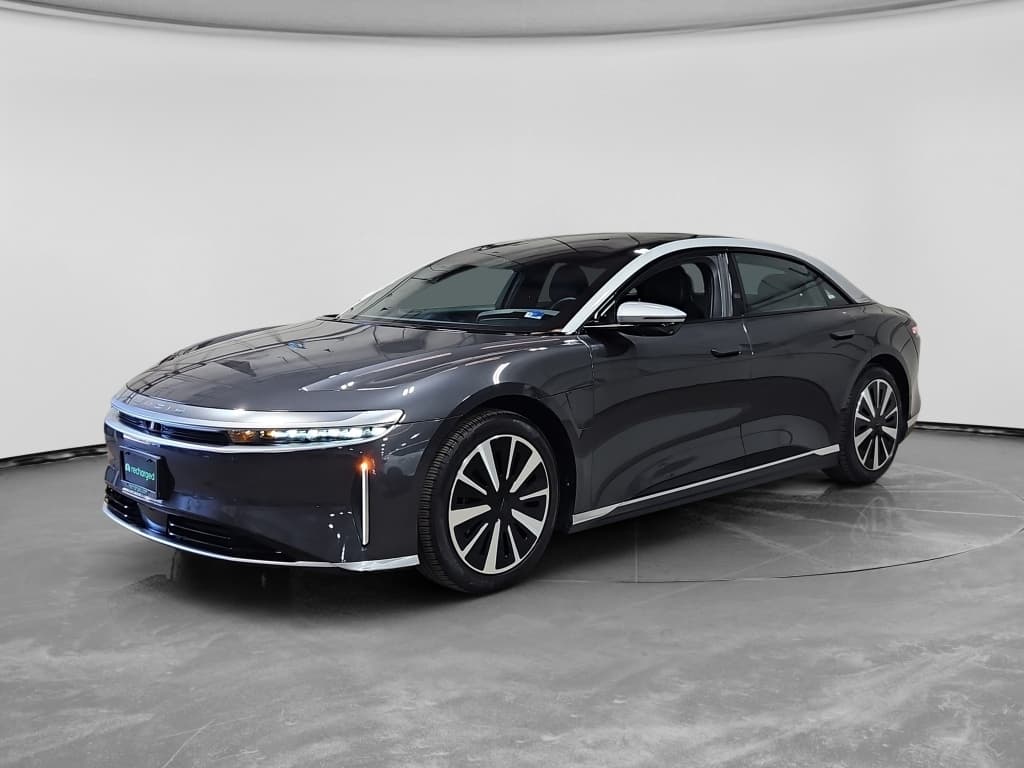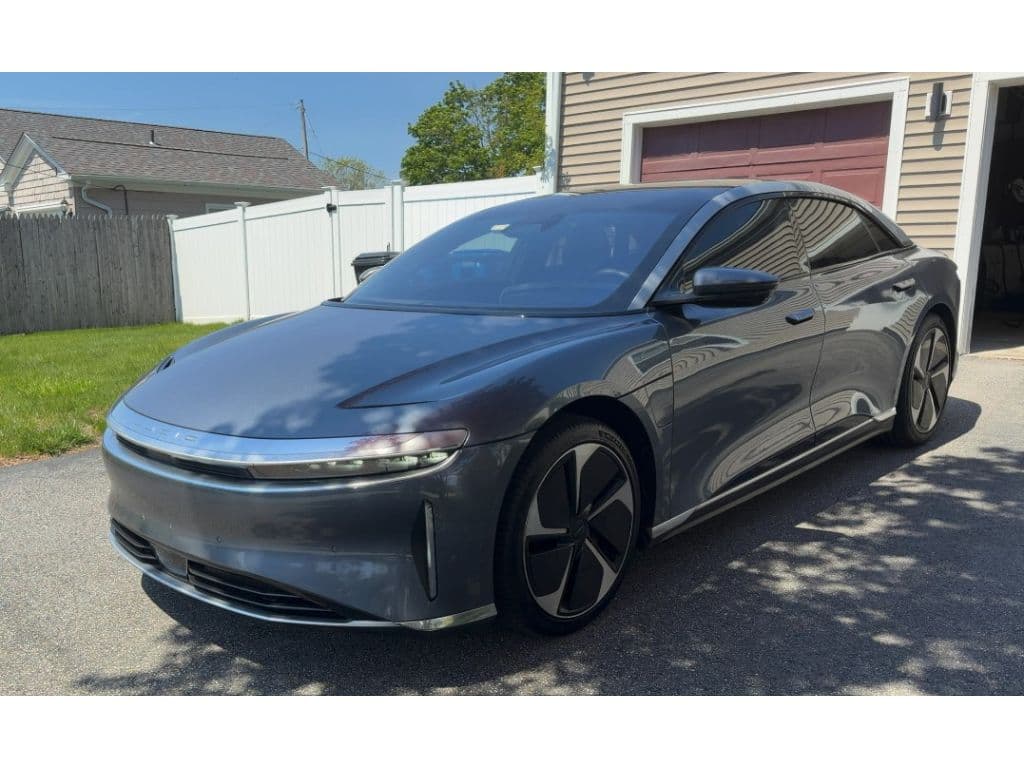
If you’re looking at a Lucid Air in 2026, new or used, you’ve probably heard two very different stories. On one hand, it’s a stunning, ultra‑efficient luxury EV. On the other, Consumer Reports and owner forums call out shaky Lucid Air reliability, especially around software, electronics, and service. This guide cuts through the noise so you can understand the risks, the fixes, and whether a Lucid Air fits your risk tolerance.
Bottom line up front
Lucid Air reliability in 2026 at a glance
Lucid Air reliability snapshot for 2026 shoppers
Put simply, the Lucid Air is not a disaster, but it is not a Lexus. It’s a first‑generation EV from a young automaker still working through quality control and service‑network growing pains. Many owners report thousands of largely trouble‑free miles; others deal with repeated software glitches and long waits for parts or appointments. Whether the car feels “reliable” in 2026 depends as much on the specific VIN, and your closest service center, as it does on the underlying engineering.
New brand reality check
How the Lucid Air ranks on reliability scorecards
Independent rating agencies and owner surveys give us the clearest big‑picture view of Lucid Air reliability in 2026:
- Consumer Reports has given the Lucid Air line a very low predicted reliability score (around 31/100), citing issues with electronics, body hardware, and in‑car tech across early model years.
- Owner reviews on mainstream sites tend to rate the Air around 4.0–4.5 out of 5 overall, with reliability scoring lower than comfort, styling, and performance.
- Forum discussions show a split picture: some long‑term owners with 20,000+ miles report only minor software hiccups, while others describe repeated visits for screen blackouts, sensor errors, or fit‑and‑finish concerns.
Those numbers matter, but you have to read them in context. A glitchy infotainment reboot counts as a “problem” the same way an engine failure does in a gasoline car survey. With Lucid, many of the dings are for annoying but fixable software or electronics bugs rather than catastrophic failures.
How to interpret the low scores
Lucid Air common problems: software, hardware, and service
Looking across 2022–2025 model years, most Lucid Air problems owners report in 2026 fall into four buckets: software/screen issues, driver‑assist quirks, physical hardware defects, and service/ownership friction. Here’s how each plays out in real life.
Core Lucid Air reliability pain points
Most 2022–2025 issues fall into these four themes
1. Software & screens
Owners frequently mention:
- Center and lower screens freezing, rebooting, or going black temporarily
- Slow boot‑up of the mobile app and in‑car UI
- Occasional glitches with CarPlay, profiles, or navigation data
Lucid has pushed frequent over‑the‑air (OTA) updates, and many cars on newer software builds show fewer and milder bugs than early 2022–2023 cars.
2. Driver‑assist & alerts
DreamDrive and driver‑assist systems can be conservative and, in some cases, buggy:
- Overly chatty lane‑keeping or driver‑attention alerts
- Intermittent warnings or temporary unavailability of some features
- Occasional sensor faults that trigger service visits
Again, this is a fast‑moving software area, so behavior can change substantially with each OTA update.
3. Hardware & build quality
Compared with German and Japanese luxury rivals, the Air still shows some first‑gen rough edges:
- Interior rattles or squeaks over rough pavement
- Door alignment and soft‑close door behavior on some cars
- Seat comfort complaints from taller drivers, and a few reports of premature wear
Most of these are fixable under warranty if you have convenient access to a Lucid service center.
4. Service & ownership experience
Even when the car itself is solid, the ownership experience can be hit‑or‑miss:
- Limited number of service centers and longer scheduling lead times
- Parts delays for certain repairs
- Customer‑service miscommunication, especially around delivery timelines or post‑lease charges
This is where expectations matter most: Lucid’s service network in 2026 is better than in 2022, but still nowhere near BMW, Mercedes, or Lexus.
Two issues to take seriously
Recent Lucid Air recalls (2022–2026) and what they mean
On top of day‑to‑day glitches, Lucid has issued multiple Lucid Air recalls since launch. These change over time, but patterns up through early 2026 include:
Key Lucid Air recall themes by component
This is a simplified overview. Always run a VIN check on NHTSA.gov or with a dealer to see the exact recall history for any particular car.
| Issue area | Typical affected years | What can happen | Usual fix |
|---|---|---|---|
| Rear camera / visibility | 2022–2025 | Blank or laggy rearview camera image that can reduce rear visibility when backing up. | Software update and, in some cases, hardware or harness updates at a service center. |
| Coolant heater / defrost | 2022–2024 | Coolant heater can fail so front windshield may not defrost properly in cold weather. | Replace coolant heater with updated part and confirm proper operation. |
| Wiring harness / powertrain faults | Select 2023–2025 | Drive system fault messages; in rare cases, the car may enter a reduced‑power or no‑drive state. | Inspect and, if necessary, repair or replace wiring harnesses and related hardware. |
| Half‑shaft / driveline hardware (Pure RWD focus) | 2024–2026 in some Pure RWD builds | Improperly secured half‑shaft bolts could, in extreme cases, lead to loss of drive power. | Inspect and replace bolts, verifying proper torque and installation. |
| Floor mats / pedal interference | Select early builds | Improperly installed or incompatible all‑weather mats could interfere with accelerator pedal travel. | Replace or correct mat installation and ensure there is no interference. |
Recall coverage and details vary by model year, trim, and build date. Treat this table as a high‑level guide, then verify for the specific VIN you’re considering.
How to check a Lucid Air for open recalls
What’s changing for 2026 Lucid Air reliability?
Lucid isn’t standing still. By the time you’re shopping in 2026, the company has several model years of feedback under its belt, plus learnings from the Gravity SUV. Here’s what appears to be improving, and what still lags.
Where 2026 cars are likely better
- Software maturity: Later software builds show fewer hard freezes and black‑screen events than early 2022–2023 cars, and bug‑fix cadence has improved.
- Climate control hardware: Later‑build Airs share improved AC compressor hardware with the Gravity, which owners report cools the cabin more effectively in hot climates.
- Refined QA: Anecdotally, many 2024–2025 owners report cleaner deliveries with fewer obvious paint or trim flaws than the very first 2022 builds.
Where 2026 still trails rivals
- Service coverage: Even in 2026, the network of Lucid service and delivery centers is small compared with BMW or Mercedes.
- Parts logistics: Some components still take longer to source, lengthening repair times when something does fail.
- Long‑term data: There simply isn’t a decade of durability info yet. You’re betting on Lucid’s engineering and battery tech more than on hard history.
Best model years for risk‑averse buyers
Ready to find your next EV?
Browse VehiclesWarranty coverage, battery life, and long‑term durability
One of Lucid’s strengths is its core EV engineering. The company’s in‑house drive units and pack design are responsible for the Air’s standout efficiency and range, and so far there’s been no widespread pattern of battery pack failures. That matters when you’re thinking about 8–10 years of ownership.
Lucid Air warranty basics (check exact car for details)
These are typical coverage terms for many Lucid Airs sold in the U.S. Always confirm with the specific vehicle’s original paperwork, as terms can vary slightly by model year and trim.
| Coverage | Typical term | What it covers |
|---|---|---|
| Basic bumper‑to‑bumper | 4 years / 50,000 miles | Most non‑wear components: electronics, screens, interior hardware, many sensors, and body hardware. |
| High‑voltage battery & drive units | 8 years / 100,000+ miles (with capacity guarantee) | Battery pack, drive units, and related high‑voltage components against defects. Capacity retention terms vary by region. |
| Corrosion / rust‑through | 5+ years (varies) | Perforation‑type corrosion on body panels; surface rust is usually not covered. |
| Roadside assistance | Often mirrors basic warranty | Towing to a service center if the car becomes undriveable due to a covered failure. |
Factory warranty transfers are important on used Airs, ask for documentation of in‑service date and any extended coverage.
Used‑buyer move: in‑service date
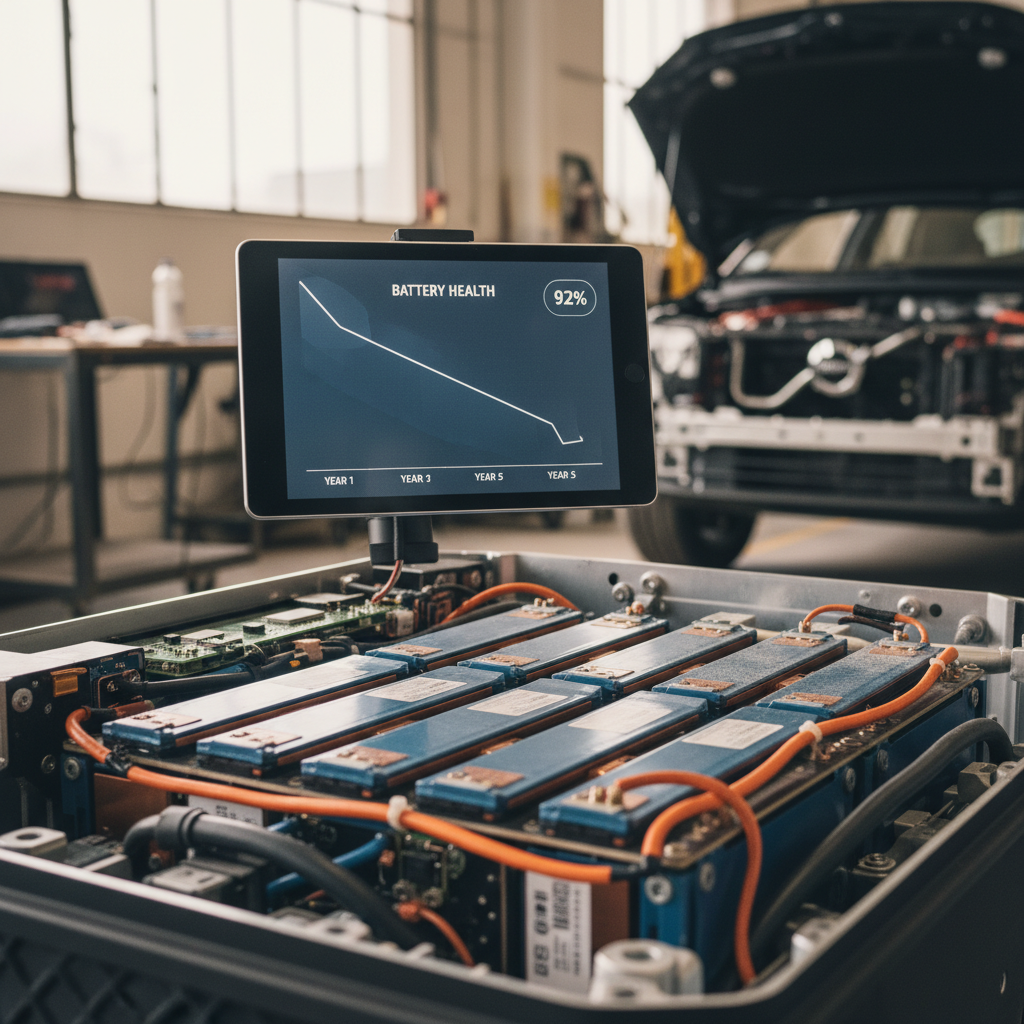
Because long‑term Lucid Air data is still developing, lean heavily on objective battery and system health checks instead of guesses. Every used EV listed on Recharged includes a Recharged Score Report with pack health data, charging history signals, and fair‑market pricing so you’re not betting blind on a six‑figure electric sedan.
Shopping a used Lucid Air in 2026: smart‑buyer checklist
If you’re considering a used Lucid Air in 2026, you’re in the sweet spot for value: depreciation has taken a bite, but the cars are still new enough that warranty coverage and software support are meaningful. Here’s how to separate a good gamble from a rolling science experiment.
Used Lucid Air reliability checklist
1. Confirm software version and update history
From the driver’s seat, check that the car is on a current software build. Ask the seller for documentation of past OTA updates or service‑performed updates, especially if you see any note about camera or screen fixes.
2. Run a full recall and service history check
Use the VIN to pull an official recall report and ask for service invoices. You want proof that major recall campaigns (camera, coolant heater, wiring, driveline hardware) are completed, not just “scheduled.”
3. Test all screens, cameras, and driver‑assist features
During your test drive, cycle through the center and lower screens; engage reverse to verify camera clarity and lag; and try adaptive cruise and lane‑keeping. Any flicker, blackout, or persistent warning light is a reason to pause.
4. Listen for rattles and check build quality
Drive over imperfect pavement with the audio off. Listen for rattling from the dash, doors, or glass roof. Inspect panel gaps and door alignment. Small issues can be fixed, but they’re negotiation leverage and a proxy for overall care.
5. Evaluate battery health and charging behavior
Check current range at a known state of charge and compare it to the original EPA figure for that trim. If you’re buying through Recharged, use the Recharged Score battery‑health metrics to see how the pack has aged relative to peers.
6. Map your nearest Lucid service options
Before you fall in love with an out‑of‑state bargain, confirm how far the nearest Lucid service center or mobile coverage is from your home. A great car with no local support can still be a bad fit.
Don’t let a low price blind you
How Lucid Air reliability compares to BMW, Mercedes, and Tesla
Cross‑shopping a Lucid Air against a BMW i5, Mercedes‑Benz EQE, or Tesla Model S? Reliability is one of the deciding factors, especially if you plan to keep the car beyond a lease term.
Reliability trade‑offs: Lucid vs key rivals
How the Lucid Air stacks up against other luxury EV sedans in 2026
Lucid Air
- Pros: Outstanding range and efficiency, beautiful cabin, unique driving feel.
- Cons: Below‑average predicted reliability, limited service footprint, young brand with evolving processes.
- Best for: Early adopters who value cutting‑edge engineering and can tolerate more quirks.
BMW i5 / i7, Mercedes EQE/EQS
- Pros: Mature dealer networks, more predictable parts availability, better long‑term data.
- Cons: Often less range per kWh, less dramatic EV‑only identity, higher service pricing.
- Best for: Buyers who prioritize a polished, predictable ownership experience over maximum range.
Tesla Model S
- Pros: Massive charging network, improving build quality compared with early years, strong software ecosystem.
- Cons: Mixed long‑term reliability record, sometimes inconsistent service experiences, interior and ride feel less "special" than Lucid to many shoppers.
- Best for: Drivers who value charging convenience and a big ecosystem more than bespoke luxury.
Think in terms of risk profile, not absolutes
Is a Lucid Air worth the reliability risk?
By 2026, the Lucid Air has a dual reputation: dynamically brilliant and technically ambitious, but still working through quality control and service growing pains. That makes it a classic high‑reward, higher‑risk purchase.
A Lucid Air can make sense for you if…
- You want class‑leading range and a distinctive luxury experience, not just another German sedan.
- You have reasonable access to a Lucid service center or mobile service coverage.
- You’re comfortable scheduling the occasional software update or warranty visit without panic.
- You’re buying a car with documented recall completion, clean history, and strong remaining warranty.
You may be happier elsewhere if…
- You live far from the nearest Lucid service facility.
- You have zero tolerance for infotainment glitches or UX quirks.
- Your last three cars were trouble‑free Lexuses and you expect the same experience.
- You plan to own well past the warranty window and prefer proven long‑term data.
How Recharged helps de‑risk a Lucid Air purchase
- Review the car’s Recharged Score Report, including battery health, use patterns, and value.
- Verify recall, software, and service history before you commit.
- Arrange financing, trade‑in, and nationwide delivery without dealer games.
In 2026, the Lucid Air is still one of the most compelling EVs on the road, and one of the more controversial when it comes to reliability. If you do your homework on recalls, software, service access, and battery health, you can capture most of the upside while managing the risk. If you’d rather have quiet, drama‑free ownership than cutting‑edge efficiency, a more established luxury EV may suit you better. Either way, going in informed is your best protection, and that’s exactly what this reliability guide, and tools like the Recharged Score, are designed to deliver.