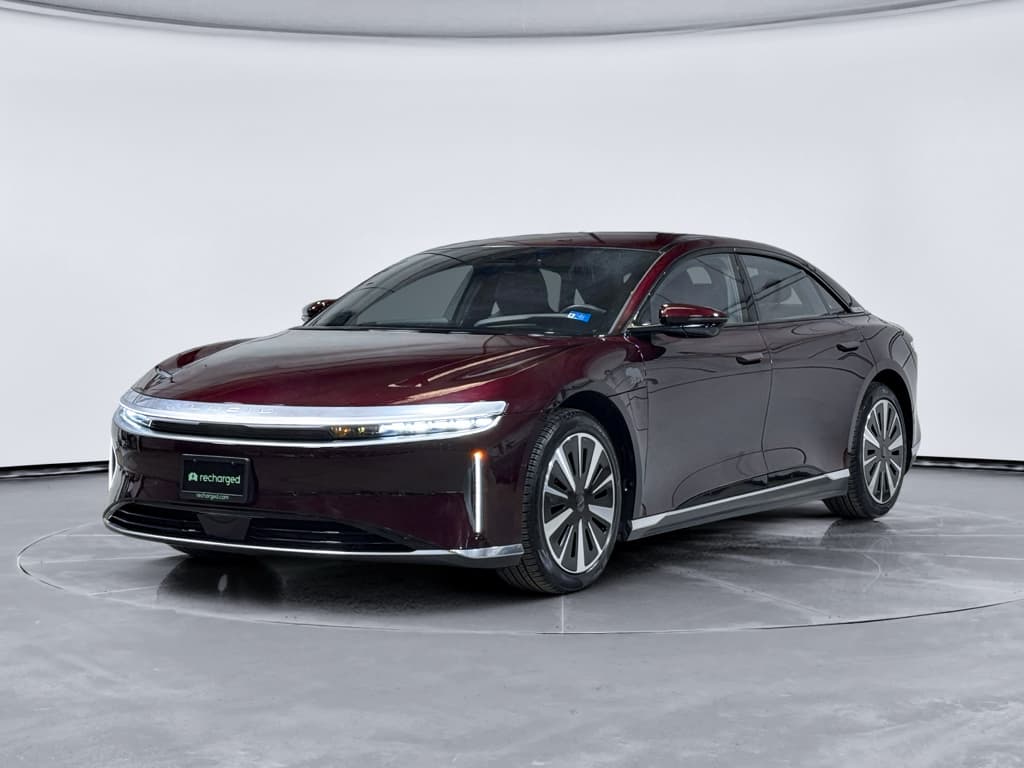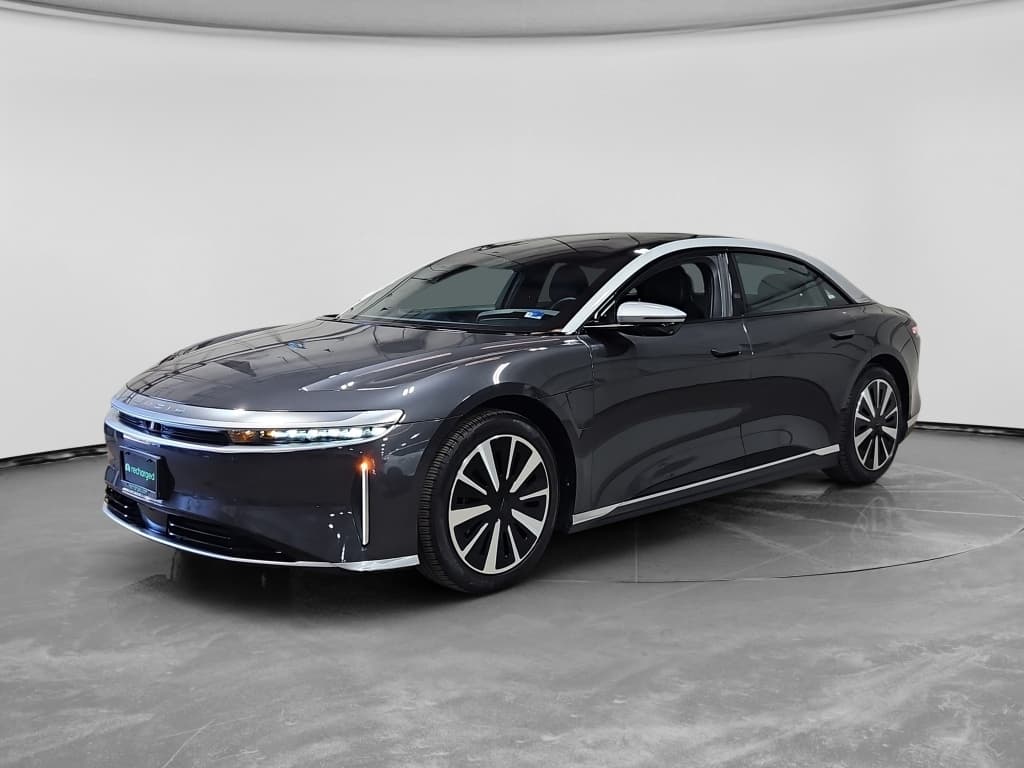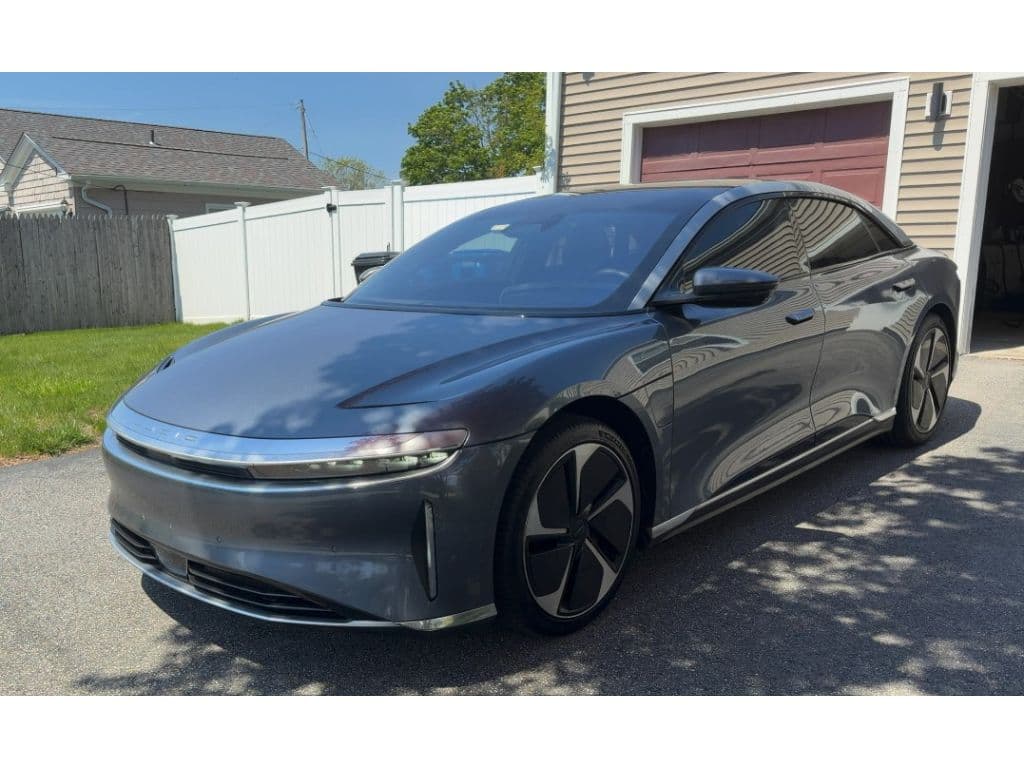
If you’re researching a Lucid Air long term review in 2026, you’re probably wondering two things: how this ambitious luxury EV is holding up in the real world, and whether a used Air is a smart buy compared with a Tesla Model S, Mercedes EQE, or BMW i5. After several model years on the road, a clear picture is finally emerging.
Context: what we’re basing this on
Who this Lucid Air long-term review is for
- Shoppers comparing a used Lucid Air to a used Tesla Model S, Mercedes EQE/EQS, or BMW i-series.
- Current Lucid Air owners wondering what to expect after warranty or at higher mileage.
- EV-curious luxury buyers deciding whether Lucid is too “startup” for long-term ownership.
- Value hunters eyeing surprisingly low used prices and wondering what the catch is.
We’ll look past launch hype and glossy specs and focus on what living with a Lucid Air for several years actually looks like, good and bad, then translate that into clear advice if you’re considering a used example in 2026.
Lucid Air at a glance in 2026
Lucid Air long-term snapshot (as of early 2026)
From a distance, the Lucid Air still does what it promised at launch: huge range, stunning efficiency, and serious performance wrapped in a sleek luxury shell. Long-term reality, however, is more nuanced. Reliability has been mixed but improving, software has gone from frustrating to “mostly fine,” and depreciation has quietly turned the Air into one of the most intriguing used EV bargains, if you know what you’re looking at.

Real-world reliability: what owners are seeing by 2026
Where the Lucid Air does well
- Core powertrain durability so far looks solid. A number of high‑mileage owners (approaching or past 100,000 miles) report that motors and battery packs are holding up, with any major failures typically handled under warranty.
- The Air’s brakes, steering, and ride hardware aren’t generating outsized complaint levels compared with other luxury EVs.
- Most cars remain rattle‑free and quiet inside, even after tens of thousands of miles, which is what you’d expect in this price class.
Where problems show up
- Early cars (2022–2023) in particular saw drive system faults, warning lights, and occasional loss-of-power incidents, some later tied to wiring‑harness recalls on specific trims.
- Owners have reported door alignment issues, wind noise, and trim quirks, plus occasional leaks or squeaks that require shop time to sort out.
- The service network is thin compared with legacy brands, so even routine work can mean long drives, flatbed tows, or waits for appointments and parts.
Recall watch matters here
The pattern by 2026 looks like this: some owners enjoy essentially trouble‑free touring with only minor software quirks, while others have spent too much time in service bays for a six‑figure car. That spread isn’t unique in the luxury EV world, but Lucid’s sparse service footprint magnifies the inconvenience when something does go wrong.
Software and infotainment: has Lucid caught up?
Lucid Air software in 2026: strengths and lingering quirks
Multiple over‑the‑air updates since launch have changed this story significantly.
Much smoother than 2022
Driving experience is strong
Still not “set and forget”
Test the software like you own it
Battery health and range over time
Battery longevity is the make‑or‑break question on any long‑range EV. The Lucid Air’s pack and thermal management were engineered for efficiency and durability, and early real‑world data through 2025 suggests that, when treated reasonably, the Air’s batteries are aging in line with the best modern EVs.
What we know so far about Lucid Air battery degradation
Numbers vary by climate, driving style and charging habits, but some trends are clear.
Early drop, then slow decline
Usage and climate still matter
EPA range vs. real‑world
When you shop used, the key isn’t obsessing over a single range number, it’s understanding trend and usage. A car that’s down a few percent but shows stable battery‑health readings and a clean charging history is very different from one with unexplained, sudden drops in usable capacity. This is where a structured evaluation like the Recharged Score can help separate normal aging from underlying problems.
Charging experience: home and road trips
At home
- The Air supports typical Level 2 AC charging at home; with a 240V circuit and a 40–80 amp charger (depending on your electrical setup), you can comfortably replenish a normal day’s driving overnight.
- Because the car is so efficient, you often add 30–40 miles of range per hour on a robust Level 2 setup, plenty for most commuters.
- Most long‑term owners report that once home charging is in place, the day‑to‑day experience is as simple as any other EV: plug in, wake up full.
On the road
- The Air can fast‑charge at competitive DC speeds, especially on 350 kW‑capable stations, and its large pack gives meaningful range per stop.
- Your experience will depend heavily on the health of the public charging network where you drive. Many owners plan around major networks and higher‑power sites.
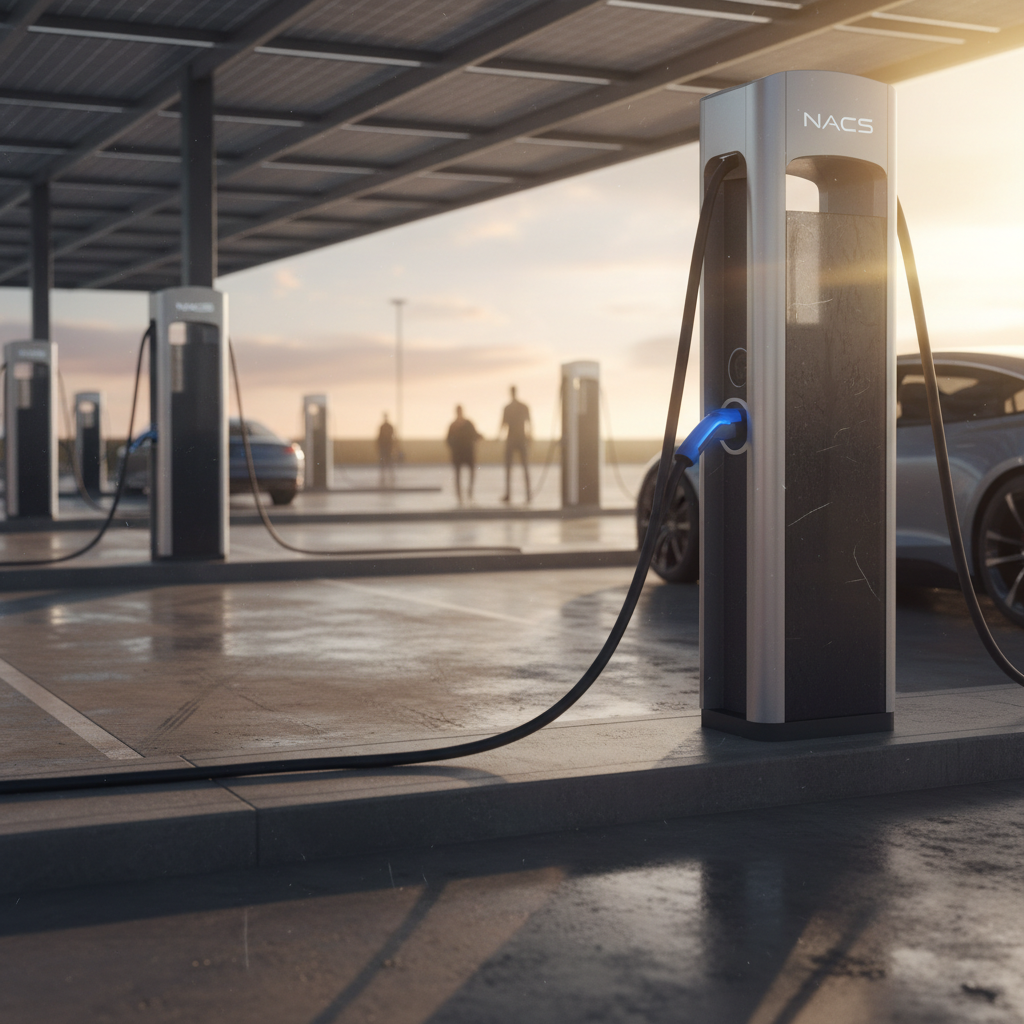
- For multi‑brand households or road‑trip fans, adapters and access to NACS‑equipped stations (as networks roll that out) can make ownership smoother over the long haul.
Plan for your real charging life
Ownership costs: maintenance, repairs and insurance
Luxury EVs are rarely cheap to fix if something goes wrong, and the Lucid Air is no exception. But looked at over a five‑year window, total costs often undercut or at least match gas‑powered luxury sedans once you factor in fuel savings and fewer moving parts.
Sample 5‑year cost picture for a Lucid Air (new purchase)
Approximate ranges based on Recharged’s cost modeling and owner reports; your actual numbers will vary by mileage, location and driving style.
| Category | Typical 5‑yr cost (Air) | How it compares |
|---|---|---|
| Electricity / charging | $4,000–$6,000 | Usually cheaper than premium gas in an S‑Class/E‑Class or 5 Series over similar miles. |
| Maintenance & minor repairs | $2,000–$4,000 | Fewer oil/fluid services than ICE, but luxury‑car labor rates and premium tires. |
| Unexpected repairs (under warranty) | $0 out of pocket, but time cost | Complex issues are often covered early on, but owners may spend weeks waiting on parts or appointments. |
| Insurance | Higher than mainstream EVs | Pricing reflects luxury price tag and repair complexity; quotes can rival or exceed a Tesla Model S. |
| Depreciation (new) | Heaviest single cost | Lucid Air’s 3‑year depreciation is currently steeper than Tesla’s, but that helps used buyers. |
This table is directional, not a quote. Always price insurance, electricity and maintenance in your own ZIP code.
Body and glass repairs can sting
Depreciation and used values in 2026
This is where things get interesting. As of early 2026, the Lucid Air has depreciated faster than many buyers expected when it launched, but that’s created compelling deals on the used side.
Lucid Air value picture by 2026
From a long‑term review standpoint, this sharp early depreciation is a negative if you bought new, and a major positive if you’re shopping used in 2026. You’re effectively getting a car engineered to compete above its price class, at a significant discount, as long as you can accept the brand’s startup‑era quirks and risks.
Is a used Lucid Air a smart buy in 2026?
Pros and cons of owning a Lucid Air long term
How it stacks up after a few years on the road.
Long‑term upsides
- Outstanding efficiency and range that stay impressive even after a few years of battery aging.
- A spacious, airy cabin and strong performance that many owners still love several years in.
- Used pricing that undercuts rivals in many cases, especially versus similarly luxurious Teslas or Mercedes.
- Over‑the‑air updates mean the car can get better, smarter driver‑assist, new features, and bug fixes, without a service visit.
Long‑term tradeoffs
- Variable reliability and a limited service network mean any problem can turn into a bigger hassle than with a BMW or Lexus dealer on every corner.
- Brand risk: as a younger automaker, Lucid doesn’t have decades of proven long‑term durability data yet, and future support is less certain than established OEMs.
- Insurance and collision repairs can be costly compared with mainstream EVs.
Used Lucid Air buyer checklist for 2026
1. Confirm recall and campaign history
Run the VIN through official recall tools and ask for documentation that any open Lucid campaigns, especially drive‑unit or wiring‑harness fixes, have been completed.
2. Review software version and update history
A car that’s several major versions behind may feel buggier than a fully updated example. Updates can also include drivability and efficiency tweaks.
3. Get objective battery-health data
Don’t rely on a single range estimate. Ask for a <strong>battery health report</strong> or work with a platform like Recharged where every car comes with a <strong>Recharged Score</strong> that quantifies pack condition.
4. Inspect for prior damage and repairs
Because bodywork can be expensive, look closely for repainted panels, misaligned trim, or non‑OEM glass. A professional inspection is money well spent on a six‑figure‑when‑new EV.
5. Understand local service options
Map out the nearest Lucid service center or mobile‑service coverage. If you’re several hours away, factor in time costs for any future issues.
6. Compare total cost vs. rivals
Price out insurance, charging, and likely maintenance and compare with a used Model S or EQE. A slightly cheaper purchase price doesn’t always mean lower total ownership cost, but often does with the Air’s efficiency and depreciation baked in.
How Recharged evaluates a used Lucid Air
Because Lucid is still a young brand, the quality of the individual car matters more than usual. At Recharged, every used Lucid Air we list goes through a standardized process designed to cut through that variability and give you an honest view of long‑term risk.
What’s behind a Recharged Lucid Air listing
Our goal is to make a complex luxury EV as transparent as a CPO purchase, without the guesswork.
Deep condition and history check
Recharged Score battery diagnostics
Pricing and support built for EVs
Ready to find your next EV?
Browse VehiclesWhy this matters for long-term owners
Frequently asked questions: Lucid Air long term
Lucid Air long-term ownership FAQs
Bottom line: should you choose a Lucid Air?
Viewed through a 2026 lens, the Lucid Air is exactly what you’d expect from a young, ambitious EV brand: brilliant in some areas, still rough‑edged in others. Long‑term owners praise the range, performance and design every time they get behind the wheel, but they also live with a thinner service network and the occasional bout of startup‑era drama.
If you’re risk‑averse and want decades of proven dealer coverage and parts pipelines, a used Mercedes, BMW or Tesla may feel safer. If you’re willing to trade some convenience for standout range and a genuinely special driving experience, a carefully chosen Lucid Air, especially bought used after the steepest depreciation has already happened, can be one of the most rewarding EVs you can own in 2026.
Either way, don’t go in blind. Look for clear documentation, up‑to‑date software, and objective battery‑health data. And if you’d rather not assemble that puzzle alone, browsing Lucid Air listings on Recharged gives you a head start: every car includes a Recharged Score Report, transparent pricing, and EV‑specialist support from first question to final signature.