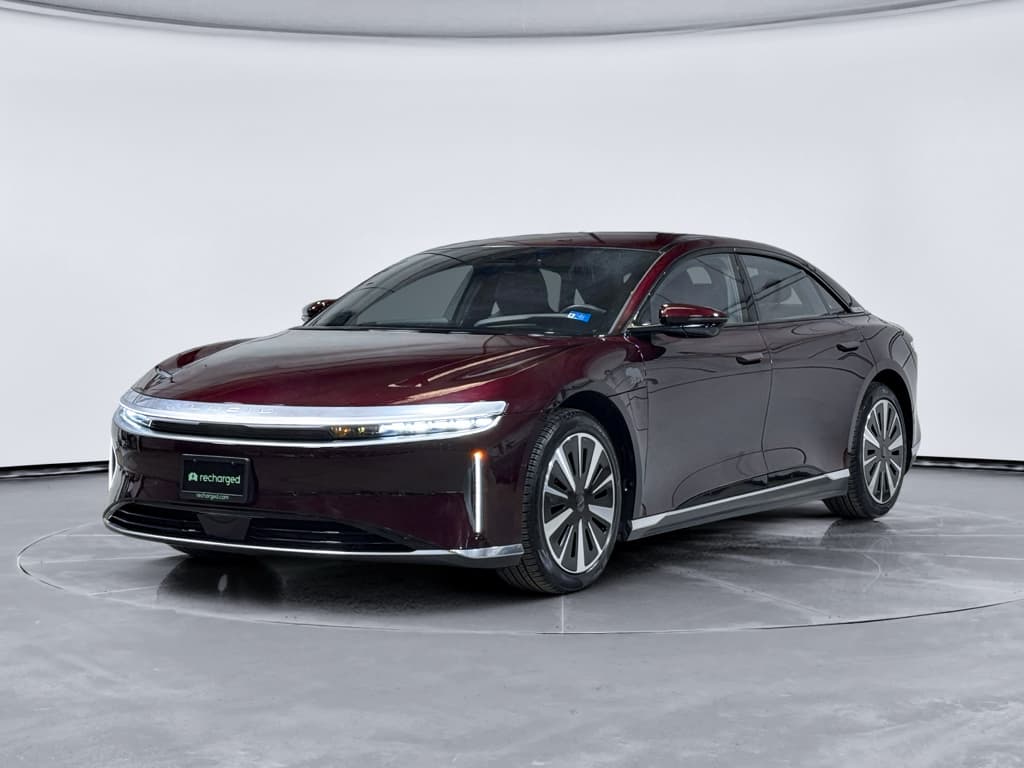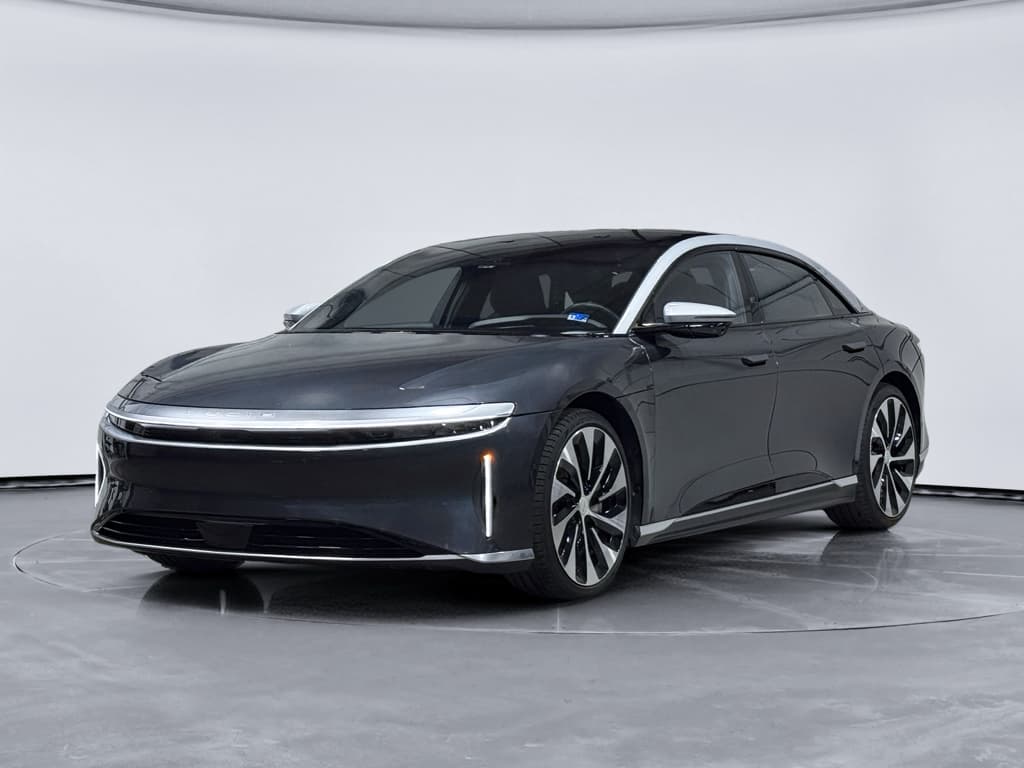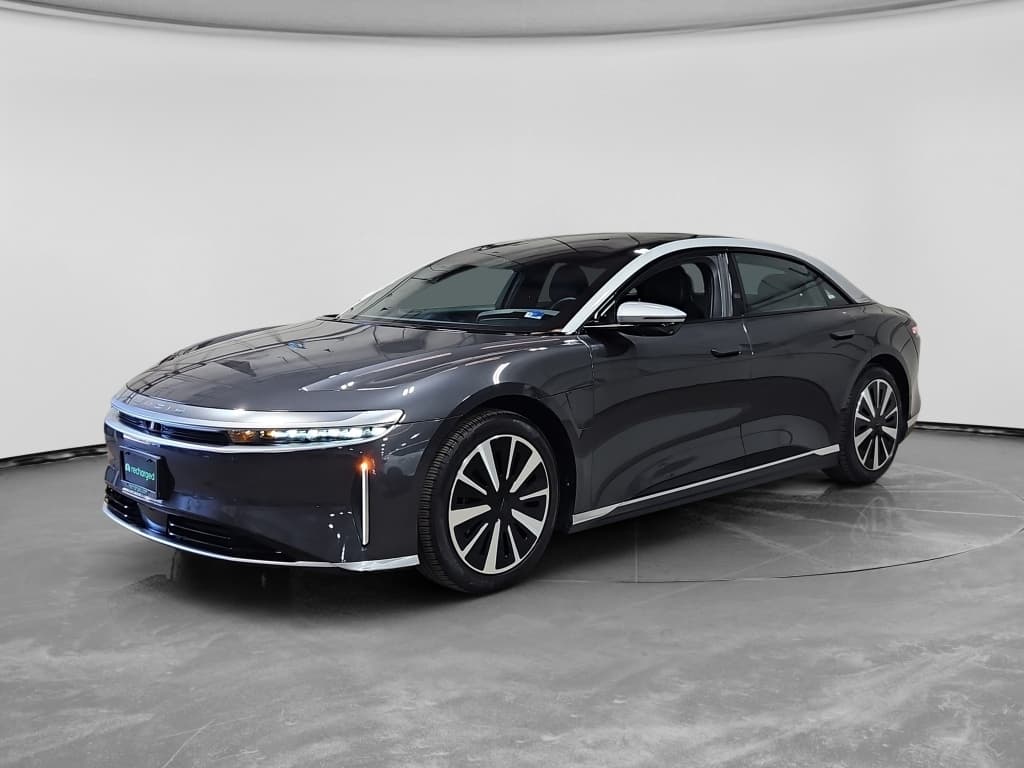
Thinking about a Lucid Air but worried what the insurance bill will look like at your age? You’re not alone. Because the Air is a high-value luxury EV, Lucid Air insurance rates by age can swing from manageable to eye‑watering, depending on whether you’re in your 20s, 40s, or well into retirement, and on all the usual factors like driving record, credit, and ZIP code.
Key takeaway up front
Lucid Air insurance by age: overview
Before we break things down by decade, it helps to understand the backdrop. Full‑coverage car insurance across all vehicles in the U.S. now averages around the low-to-mid $2,000s per year, and several industry analyses still find EVs often cost about 10%–20% more to insure than comparable gas cars because of higher repair and battery replacement costs. Layer on the fact that the Lucid Air is a six‑figure luxury sedan in many trims, and you’ve got the recipe for above‑average premiums, especially at high‑risk ages.
How Lucid Air insurance compares in 2026
Your number will be different
Why age matters so much for Lucid Air insurance
Age is one of the biggest levers insurers use because it’s strongly tied to crash statistics. When you’re insuring something as expensive and complex to repair as a Lucid Air, those statistics loom even larger.
How insurers see different age groups
Same Lucid Air, very different risk profiles
Teens & early 20s
Highest‑risk group in the eyes of insurers, with more at‑fault crashes per mile and more severe claims. Putting a six‑figure Lucid Air in these hands sends premiums into the stratosphere.
Mid‑20s to 40s
This is typically the sweet spot: more experience, fewer risky behaviors, and (often) stronger credit. For many Lucid owners, the most affordable years are late 20s through 50s.
Late 60s and up
Older drivers often have long clean records, but insurers also price in slower reaction times and more serious injury risk. Premiums can creep back up even with a spotless history.
With a mainstream compact, the age penalty or discount might be a few hundred dollars a year. With a Lucid Air, it can be several thousand. That’s why age should absolutely be part of your total cost‑of‑ownership math, especially if you’re cross‑shopping a new versus used Air.
Lucid Air insurance estimates by age bracket
Let’s walk through how Lucid Air insurance rates by age typically trend in 2026. These are directional ranges for annual full‑coverage (liability, collision, comprehensive) on a single Lucid Air, assuming a clean record, average‑to‑good credit, and no extreme outliers in location. Urban California, Florida, New York, and similar high‑cost markets can easily sit above the high end of these ranges.
Estimated 2026 Lucid Air insurance by age (full coverage)
Approximate annual premiums for typical drivers by age band. Actual quotes will vary widely by state, trim, mileage, and insurer.
| Driver age | Typical annual range | What that usually means |
|---|---|---|
| 18–20 | $5,000–$8,000+ | High‑risk age group plus a six‑figure EV; many carriers may decline, require very high deductibles, or insist on a co‑signing parent. |
| 21–24 | $3,500–$6,000+ | Rates improve versus teens but are still steep; even strong students with clean records will pay a luxury‑EV premium. |
| 25–29 | $2,600–$4,200 | A big step down in price as you clear age 25; costs still elevated versus older drivers. |
| 30–39 | $2,000–$3,000 | Often the best balance of experience, income, and credit; many Lucid owners in this bracket see bills near the lower end with clean records. |
| 40–54 | $1,900–$2,800 | The traditional sweet spot for many insurers, especially for high‑value cars driven moderate miles. |
| 55–69 | $1,900–$3,000 | Still favorable, though some carriers start edging rates up in the mid‑60s as injury risk rises. |
| 70+ | $2,400–$3,600+ | Strong long‑term records can help, but age‑related risk and medical cost trends pull premiums higher. |
These directional ranges assume a modern Lucid Air (Pure/Touring/Grand Touring) with a clean driver history.
Think in monthly terms, too
You’ll also see big differences by trim. A Pure or Touring with sensible wheels and lower replacement cost is easier on the insurance budget than a fully loaded Sapphire or Dream Edition with sky‑high MSRP and performance hardware.
Other factors that stack on top of age
Age is the headline, but your Lucid Air’s premium is the sum of a dozen smaller stories. Understanding them helps you predict whether you’ll land near the low or high end of the age‑based ranges above.
Key non‑age factors that move Lucid Air premiums
These can matter as much as the year on your driver’s license
Location & garaging
Dense urban areas with more theft and collision claims charge more than quiet suburbs. Street parking is riskier than a locked garage.
Driving record
At‑fault crashes, speeding tickets, and DUIs can dwarf any age advantage. A 50‑year‑old with fresh violations can pay as much as a careful 25‑year‑old.
Credit & insurance score
In most states, credit‑based insurance scores still affect your rate. Strong credit can offset some of the Lucid’s luxury‑EV penalty.
Annual mileage & use
A commuter piling on 18,000 miles per year will pay more than a work‑from‑home owner who drives 6,000 miles and treats the Air as a weekend car.
Repair & parts costs
Limited repair networks and expensive proprietary parts mean insurers price in the possibility of large collision bills even if crash frequency is low.
Coverage & deductibles
High liability limits and low deductibles raise premiums. Increasing a $500 deductible to $1,000 can trim costs, but only if you can comfortably pay it after a claim.
Don’t skip coverage on a high‑value EV
Saving on Lucid Air insurance at every age
The good news is that you’re not powerless. No matter your age, there are concrete steps you can take to bring premiums into a reasonable band for a Lucid Air, or to decide whether a used example makes more sense than brand‑new.
Practical ways to cut Lucid Air insurance costs
1. Shop aggressively, especially when you change cars
There is no single “Lucid‑friendly” insurer across all states. Some mainstream carriers are still cautious on newer EV brands, while others now court luxury EV owners with better pricing. Get at least 3–5 quotes whenever you buy or trade.
2. Pair safe driving with telematics
Usage‑based programs that plug into your Lucid’s connected data or a mobile app can reward smooth braking and limited night driving. That’s especially powerful if you’re under 30 and trying to escape the high‑risk penalty.
3. Adjust deductibles thoughtfully
If you can afford a $1,000 out‑of‑pocket hit, raising deductibles from $500 to $1,000 on collision and comprehensive can yield a meaningful premium drop. Just be honest about your emergency fund before making the change.
4. Right‑size liability limits, don’t race to the bottom
Maxing liability to sky‑high limits you’ll never need is wasteful, but minimum state limits can be dangerously low for a car that can cause major damage. Work with an agent or broker to set limits that match your net worth and risk tolerance.
5. Ask about EV‑ and safety‑specific discounts
Many carriers now offer discounts for advanced driver‑assist features, low annual mileage, or owning multiple EVs. A Lucid Air’s driver‑assistance suite, when used correctly, can help you qualify.
6. For younger drivers, keep the Lucid on a parent policy
If a teen or early‑20s driver will use the car occasionally, you might keep ownership and primary insurance in a parent’s name and add the younger driver as a rated driver rather than putting the Lucid in their name alone. Ask your agent how your carrier handles this.
If you’re in your 20s
- Expect the highest quotes and budget accordingly.
- Consider a less expensive used Air trim (or another EV) while you build driving history.
- Lean hard on telematics and multi‑car discounts with family.
If you’re 40–60
- Shop carriers every 2–3 years; many quietly creep rates up on renewal.
- Bundle home and auto, but don’t assume your current company is cheapest.
- Use a higher deductible strategy if cash‑flow and savings allow.
New vs used Lucid Air: how insurance costs shift
If you’re cross‑shopping a brand‑new Air Touring against a well‑cared‑for used example, insurance is one of the quiet levers that can tip the math either way. Because collision and comprehensive are based largely on vehicle value, a used Lucid Air with a lower market price usually costs less to insure than a brand‑new one, especially for younger or higher‑risk drivers.

- A 3‑ to 5‑year‑old Lucid Air with a lower replacement value can shave hundreds of dollars a year off full‑coverage premiums compared with a brand‑new, fully optioned model.
- If you finance a used Air, your lender will still require full coverage, but you may have more flexibility on deductibles and optional coverages.
- Because used EV prices have fallen sharply in the last couple of years, the gap between what you pay for the car and what you pay to insure it can actually look better with a used Air than with many new luxury sedans.
Where Recharged fits in
Ready to find your next EV?
Browse VehiclesHow a Lucid Air’s safety and tech affect rates
On paper, the Lucid Air is an insurer’s friend: recent model years have earned five‑star overall ratings from NHTSA, and the car packs a sophisticated suite of driver‑assistance features. Safer cars tend to produce fewer severe injuries, and that helps on the liability side of the equation.
What helps your premium
- 5‑star crash ratings that reduce the expected injury cost in serious wrecks.
- Automatic emergency braking, lane‑keeping assists, and adaptive cruise that can prevent minor fender‑benders.
- Good theft‑prevention tech and over‑the‑air updates that keep systems current.
What hurts your premium
- High MSRP and complex electronics that make repairs very expensive.
- Limited dealer/body‑shop network, which can lengthen repair times and raise rental‑car payouts.
- Battery‑related damage from collisions or flooding, which can push a car to total‑loss status sooner.
Why claims severity matters
Is a Lucid Air worth it when you factor in insurance?
For many shoppers, the right question isn’t “Is Lucid Air insurance cheap?” It’s “Does the total package, purchase price, charging costs, maintenance, and insurance, add up compared with my alternatives?” On that score, a Lucid Air can still make sense, particularly as used prices soften and more insurers get comfortable pricing EV risk.
Balancing insurance with total cost of ownership
How to evaluate a Lucid Air versus other options
Compare fuel vs. insurance
Yes, you may pay a few hundred dollars more per year to insure a Lucid Air than a gas sedan, but you could easily save that in fuel if you drive typical annual mileage.
Weigh new vs. used
A used Air with lower depreciation and lower insurance can pencil out better than a brand‑new gas SUV with similar monthly payment but higher running costs.
Think in 5‑year totals
Add your expected insurance, charging, maintenance, and registration costs across five years. The Lucid may look far more competitive than the raw premium number suggests.
If you’re realistic about where your age slots you into the insurance spectrum, and you shop smart, you can own and enjoy a Lucid Air without letting premiums run the show. For many buyers, especially those in their 30s through 60s looking at a well‑priced used example, the numbers work out better than you might expect at first glance.
FAQ: Lucid Air insurance rates by age
Frequently asked questions about Lucid Air insurance by age
Bottom line: Lucid Air insurance is rarely “cheap,” but it doesn’t have to be a deal‑breaker. Know how age shapes your rate, lean into the discounts that fit your life, and consider whether a well‑priced used Air through a transparent marketplace like Recharged can give you the experience you want with an insurance bill you can live with.