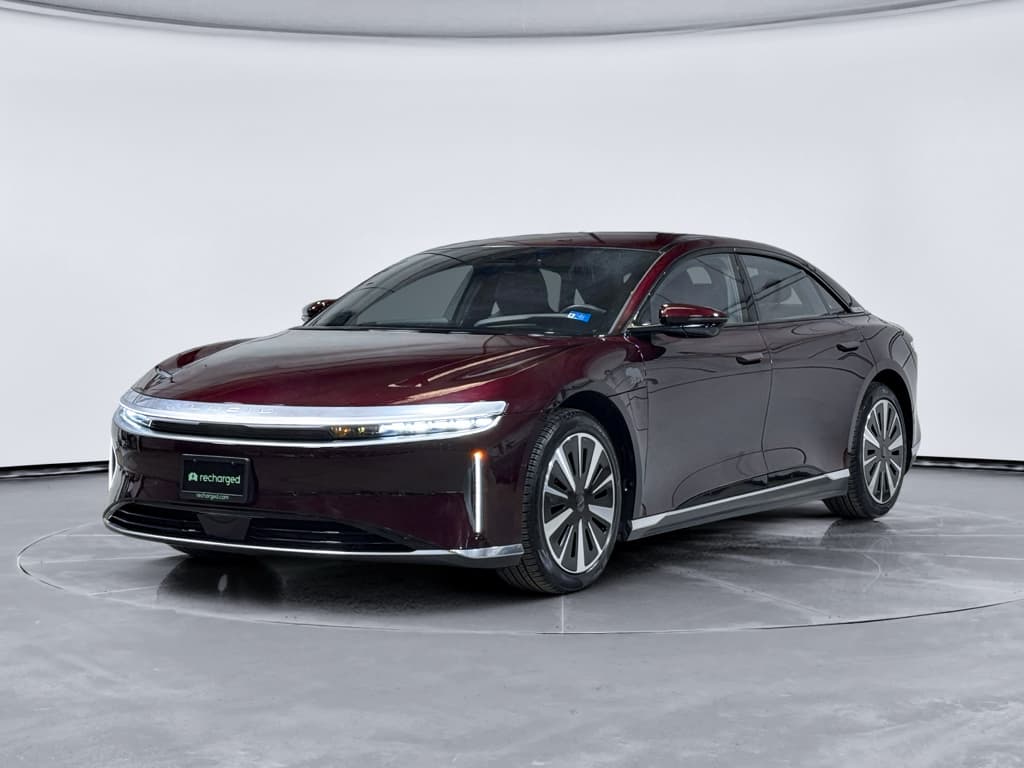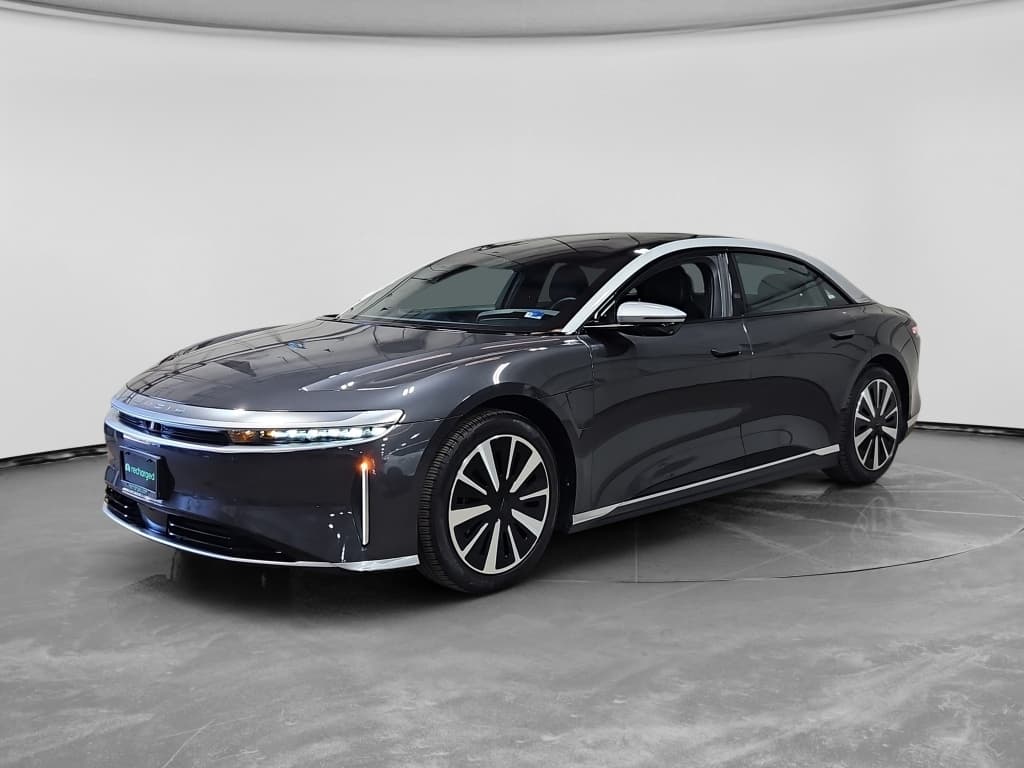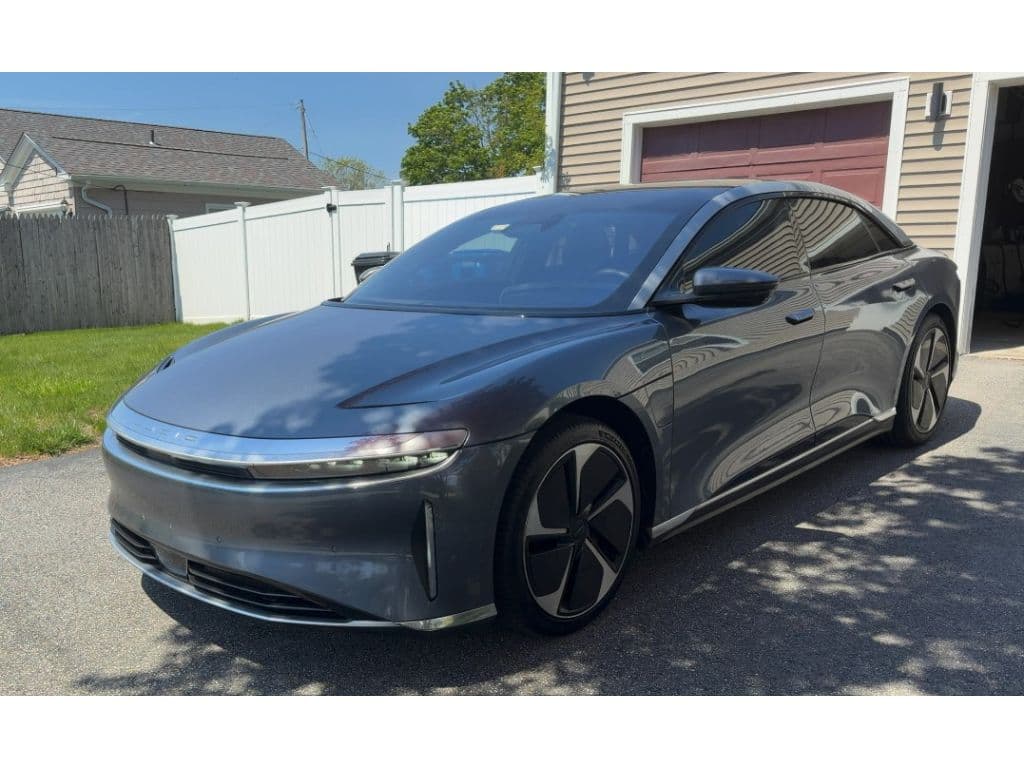
If you’re eyeing a Lucid Air, you already know it’s not the sensible shoes of transportation. This is a six‑figure luxury EV that can outrun supercars and pampers you like a first‑class lounge. The obvious question is: what does Lucid Air insurance cost, and does the bill match the bragging rights?
In one sentence
Lucid Air insurance cost overview
Lucid Air insurance at a glance (2026)
Insurance databases that track model‑specific quotes show the Lucid Air sitting in the same neighborhood as other premium EVs, not up on some lonely summit. One major comparison site pegs a 6‑month full‑coverage Lucid Air policy around $2,438, about $406 per month, for a 30‑year‑old driver with a clean record. That’s more than double the average sedan, but right in line with top‑tier luxury electrics.
Your rate may be a lot higher (or lower)
How much does it cost to insure a Lucid Air?
Typical Lucid Air insurance costs in 2026
Approximate full‑coverage premiums for U.S. drivers. These are directional ranges, not quotes.
| Driver profile | Annual premium | Monthly cost | How it compares |
|---|---|---|---|
| Ideal case: 40‑year‑old, clean record, suburban ZIP, high credit | $1,700–$2,000 | $140–$165 | Very competitive for a six‑figure luxury EV |
| Typical case: 30‑year‑old, clean record, metro area, good credit | $2,000–$2,400 | $165–$200 | Lines up with recent Lucid quote data from comparison sites |
| Young driver: 25‑year‑old, 1 minor ticket | $2,800–$3,600 | $235–$300 | High risk multiplier on an already‑expensive car |
| Urban + high‑risk: 22‑year‑old, 1 at‑fault accident, dense city | $4,000+ | $335+ | Luxury EV plus elevated risk = serious premium |
| Retired driver: 65‑year‑old, low mileage, small town | $1,500–$1,900 | $125–$160 | Low miles and calmer roads help offset vehicle cost |
Figures assume comprehensive and collision coverage with standard deductibles and state minimum liability or better.
If those numbers feel steep, remember what insurers see: a low‑volume, high‑tech luxury EV with a massive battery pack and specialized body and electronics. When one of these cars gets bent, it’s not a quick trip to any corner body shop. That’s priced into the premium.
Why Lucid Air insurance is higher than average
The big drivers behind Lucid Air insurance cost
It isn’t just the badge on the hood.
Super‑car performance
Exotic tech + parts
Limited repair network
Layered on top of that, insurers are still digesting EV risk data. Industry analyses show that EV policies in 2025–2026 often run 20–30% higher than comparable gas cars, even as gaps slowly narrow. The Lucid Air sits squarely in that premium band, and then adds the usual surcharge for being a six‑figure luxury flagship.
Luxury gas isn’t cheap to insure either
Lucid Air vs. other luxury sedan insurance costs
Lucid Air vs. luxury EV rivals
- Lucid Air – Recent multi‑model comparisons place the Air around $2,000/year for a typical driver, sometimes less with clean history.
- Tesla Model S – Often quoted in the $2,100–$3,000/year range depending on source and profile; historically pricier than the Lucid to insure.
- Porsche Taycan – Commonly above $2,400/year and easily higher for aggressive drivers or city dwellers.
In other words: the Air is not the cheapest luxury EV to insure, but it’s no outlier. If anything, it’s mid‑pack among fast, expensive electrics.
Lucid Air vs. gas luxury sedans
- BMW 5‑Series / 7‑Series, Mercedes E‑Class / S‑Class – Many 2026 comparisons show $2,300–$2,500/year premiums for well‑equipped gas luxury sedans.
- Net effect – Recent cost studies suggest that in the premium segment, EVs like the Lucid Air can actually run $300–$500/year cheaper to insure than equivalent gas cars.
Pair that with dramatically lower fueling and maintenance costs and the Lucid’s total cost of ownership starts to look less outrageous than the MSRP suggests.
7 factors that shape your Lucid Air premium
- Where you live. Dense urban ZIPs with high claim rates and theft risk will spike premiums; quiet suburbs and small towns trend cheaper.
- Your driving record. A clean three‑year history can knock hundreds off your annual bill compared with one at‑fault crash or multiple tickets.
- Annual mileage. The fewer miles you drive, the lower the exposure. Commuters pounding out 18,000 miles a year will pay more than weekend cruisers.
- Coverage levels and deductibles. Full coverage with low deductibles costs more than higher deductibles or liability‑only (which is risky on a high‑value EV).
- Credit‑based insurance score (where allowed). In most states, better credit translates to lower premiums.
- Trim and options. An Air Pure with smaller wheels and fewer toys is cheaper to replace than a Sapphire loaded with every driver‑assist feature.
- How the car is used. Business use, rideshare, or frequent long‑distance road trips can all nudge premiums up.
Don’t under‑insure a six‑figure EV
How safety ratings and tech affect Lucid Air insurance
Here’s the good news: the Lucid Air isn’t just fast, it’s also structurally conservative in the best way. In late 2024, it earned a 5‑star overall safety rating from NHTSA for the 2025 model year in frontal, side and rollover testing. That puts it in the top tier of crash protection, shoulder to shoulder with the safest sedans on the road.
How the Air’s safety tech shows up on your bill
Advanced driver assistance can help claw back some of the EV insurance penalty.
Crash test credibility
ADAS and collision avoidance
Telematics & usage‑based programs
Ask specifically about EV and ADAS discounts
Insuring a used Lucid Air: what changes?
By 2026, the earliest Lucid Airs are several years old, and used prices have come down sharply, mirroring the broader used‑EV market. That’s good news for your wallet: as the vehicle’s actual cash value falls, comprehensive and collision portions of your premium can edge down as well. It’s simply cheaper for an insurer to make you whole if the car is totaled.
Why used can be cheaper to insure
- Lower vehicle value: A three‑year‑old Air that’s already eaten the steepest depreciation curve costs less to replace.
- More repair data: As insurers see more real‑world claim histories on the model, they can price risk more precisely, often less conservatively.
- Older drivers: Many used luxury EV buyers are older, higher‑income households, which tend to score better on underwriting metrics.
What can still keep costs high
- Parts pricing: Even on an older Air, battery, electronics and body parts remain premium‑priced.
- Repair network: Until independent shops catch up, many repairs still run through costly, specialized centers.
- Coverage mistakes: Going liability‑only on a used Lucid Air can backfire badly if you’re in a major crash or theft.
Where Recharged fits in on used Lucid Airs
Ready to find your next EV?
Browse Vehicles9 ways to lower your Lucid Air insurance cost
Practical ways to trim your Lucid Air premium
1. Shop multiple EV‑friendly insurers
Rates on a Lucid Air vary wildly between carriers. Some traditional companies still price EVs cautiously, while others now specialize in electric vehicles and luxury segments. Get quotes from at least three insurers that explicitly mention EV expertise.
2. Adjust deductibles, not coverage limits
Raising your comprehensive and collision deductibles from, say, $500 to $1,000 can shrink the bill meaningfully without leaving you catastrophically under‑insured on a high‑value car.
3. Bundle home and auto
If you own a home or condo, bundling your Lucid Air with property coverage can unlock sizable multi‑policy discounts. Renters can sometimes get a smaller but still worthwhile break.
4. Use mileage‑based or telematics programs
If your Lucid mostly does school runs and the occasional weekend brunch, look at pay‑per‑mile or telematics‑based insurance. These reward low‑mileage, smooth‑driving habits, perfect for many EV owners.
5. Take advantage of safety and anti‑theft discounts
Confirm your insurer is crediting you for the Air’s full suite of safety and anti‑theft tech: alarm, immobilizer, tracking, and advanced driver‑assistance systems.
6. Clean up tickets before you switch
If you’re a few months away from a speeding ticket aging off your record, it can be worth waiting to switch carriers or renew. A cleaner motor‑vehicle report can move you into a cheaper tier.
7. Park smart
Garaging your Lucid at home, or at least parking in secured lots, tends to look better to insurers than crowded street parking in theft‑prone ZIP codes.
8. Structure teen and additional drivers carefully
Putting a teenage driver or high‑risk family member on a separate, cheaper vehicle, rather than the Lucid, can avoid a painful surcharge. Discuss driver assignments explicitly with your agent.
9. Re‑shop annually, especially as EV rates normalize
EV insurance is in flux. Industry‑wide averages have already started to soften for some models compared to earlier years. Re‑quoting annually can catch downward moves you’d otherwise miss.
Lucid Air insurance cost FAQ
Frequently asked questions about Lucid Air insurance
Is a Lucid Air worth it when you factor in insurance?
The Lucid Air is not a cheap date. Between its purchase price, registration and an insurance bill that comfortably sits above ordinary sedans, it demands a certain tolerance for cost of entry. But judged within its actual peer group, high‑end luxury sedans and flagship EVs, the Air’s insurance cost is solidly competitive, sometimes even favorable.
Where the Lucid starts to make sense is in total cost of ownership. Home charging beats premium gasoline, brake wear is minimal, and there’s no oil to change. If you buy smart, especially in the used market, and pair the car with an insurer that understands EVs, the Lucid’s insurance premium becomes one line item in a larger, surprisingly rational equation.
If you’re considering a used Lucid Air, treating insurance as part of your shopping process, not an afterthought, will keep the experience pleasant. Get firm quotes on specific VINs, lean on Recharged’s battery‑health reports and transparent pricing, and see how the numbers pencil out over five years, not just month one. For the right driver, the reward is a car that feels like the future, with an insurance bill that, while not cheap, no longer feels like science fiction.