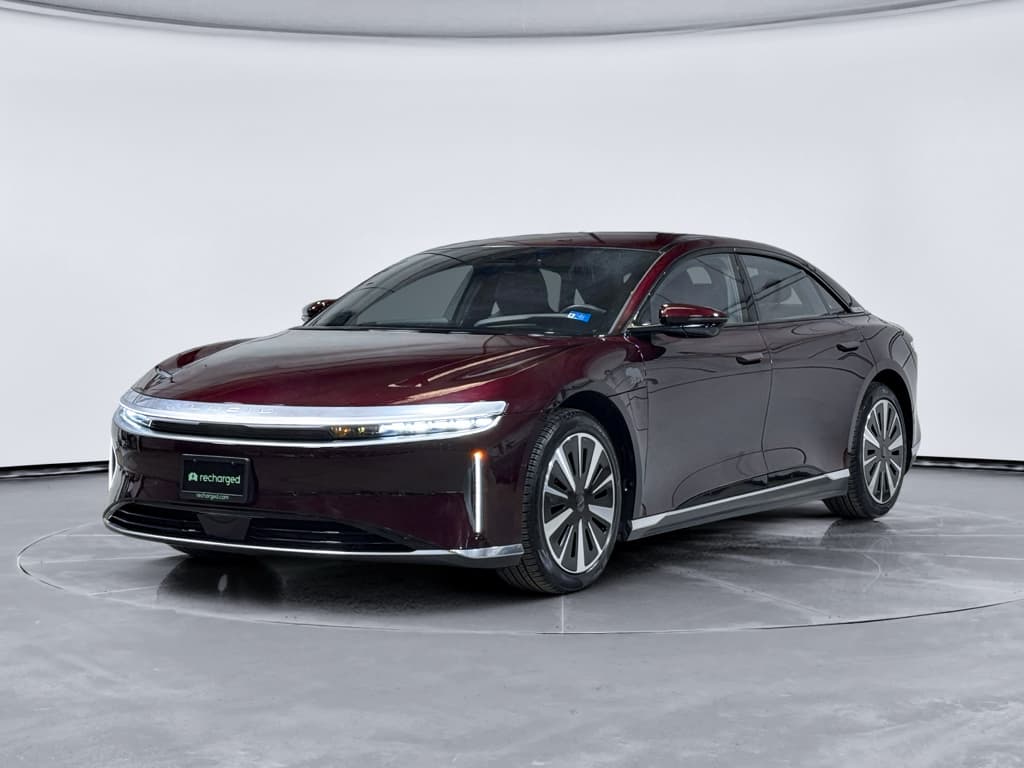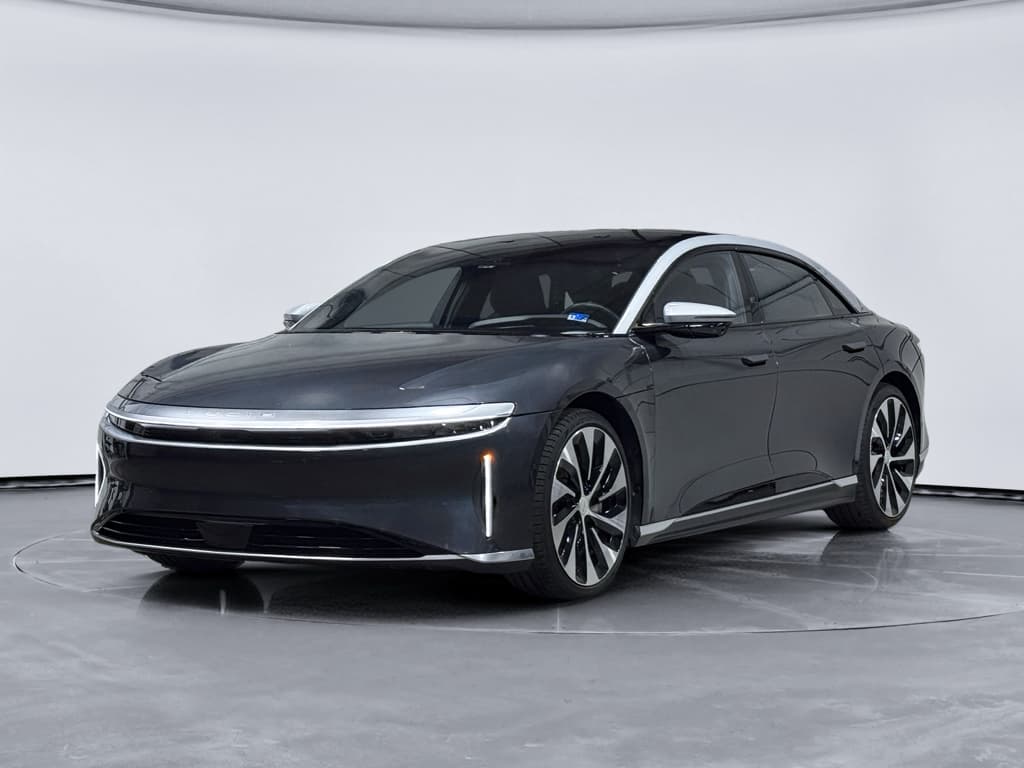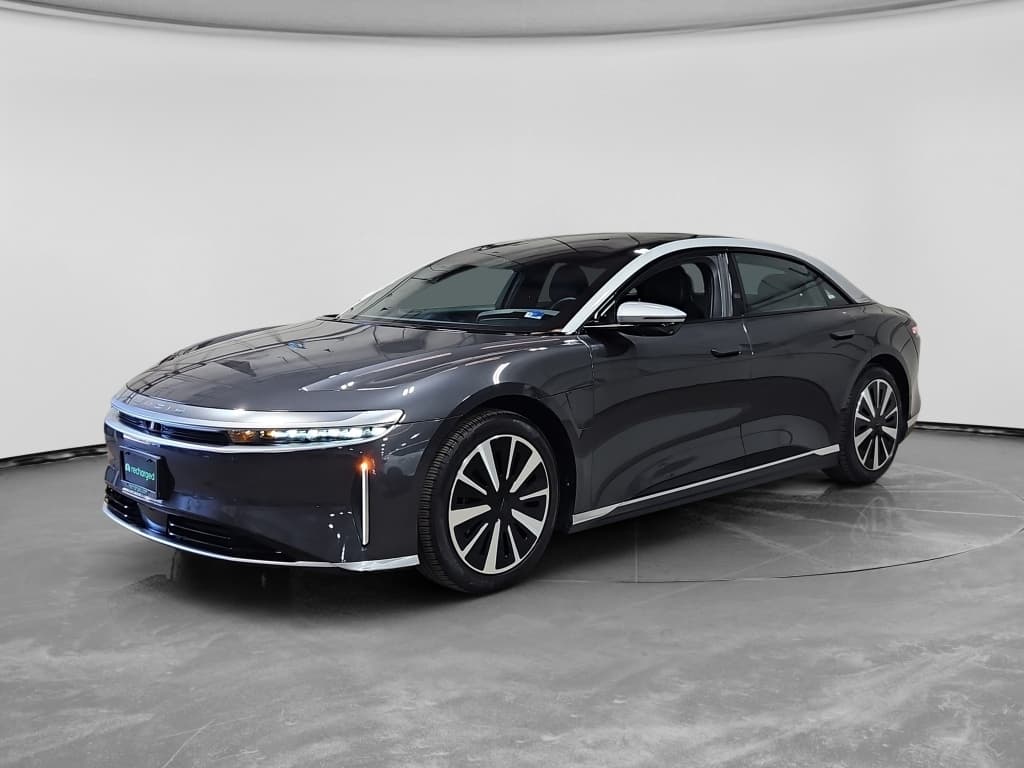
If you’re eyeing a Lucid Air in 2026, you’ve probably already heard the whispers: the car is stunning, the range is spectacular, and the insurance bill can sting. The reality is that Lucid Air insurance cost in 2026 is noticeably higher than the U.S. average, more in line with high-end luxury sedans and performance EVs than a typical family car. But there’s a big spread in what owners actually pay, and there are smart ways to keep that number in check.
Big picture for 2026
Lucid Air insurance cost in 2026: quick overview
2026 Lucid Air insurance at a glance
Those ranges are not official Lucid figures; they’re based on 2024–2026 EV insurance trends, luxury‑segment quotes, owner anecdotes, and national auto‑insurance averages. The important takeaway: your Lucid Air premium is highly personalized. Where you live, how you drive, and exactly which Air you buy will matter just as much as the badge on the nose.
Typical 2026 Lucid Air insurance cost ranges
Insurance companies don’t publish a single number for "Lucid Air insurance cost 2026", they price every driver differently. Still, you can use realistic bands to set expectations before you sign a purchase or lease agreement.
Illustrative 2026 Lucid Air insurance cost ranges (U.S.)
Approximate annual full‑coverage premiums for a 40‑year‑old driver with a clean record, good credit, and typical limits. Your number may land outside these ranges depending on your situation.
| Scenario | Example Lucid Air | Typical Annual Range* | How it feels vs. average car |
|---|---|---|---|
| Lower-cost scenario | Used Air Pure, suburban Midwest | $1,800–$2,400 | Higher than an Accord, similar to a mid‑range luxury sedan |
| Mainstream scenario | New 2026 Air Touring, suburbs | $2,500–$3,500 | Noticeably higher than average; similar to BMW 5‑Series or Mercedes E‑Class |
| High-cost scenario | New 2026 Grand Touring in dense city | $3,800–$5,500+ | High even for a luxury car; similar to top‑end EVs and exotics in tough ZIP codes |
| Outlier scenario | Multiple tickets, at‑fault claim, urban | $6,000+ | Painful. Insurer is pricing you as high‑risk in a high‑cost vehicle. |
These are directional ranges, not quotes. Always get personalized estimates from multiple insurers.
Not a quote
Why Lucid Air insurance is higher than average
If you’ve run a few quotes already, you’ve seen it: the Lucid Air often costs considerably more to insure than a mainstream sedan or crossover. That’s not because insurers dislike EVs; it’s because, on paper, the Air ticks a lot of "expensive to fix" boxes.
- Super‑car performance. Even the "slower" Lucid Air trims are quick; high‑output versions rival exotics. Faster cars tend to generate harsher crashes and bigger claims, so underwriters price extra risk into the premium.
- High repair costs. The Air uses aluminum body structures, large battery packs, and intricate lighting. Minor hits can turn into major repair bills, and some owners have seen cars totaled over damage you’d shrug off in a Camry.
- Limited repair network. In 2026 there are still relatively few independent body shops with Lucid training, tooling, and calibration equipment. Cars often go to specialized centers with higher labor rates and longer repair times.
- High vehicle value. With 2026 MSRPs well into six figures for some trims, insurers have a lot to lose when a Lucid is stolen or totaled. That alone lifts comprehensive and collision costs.
- EV data still maturing. Industry research shows EV premiums have been running noticeably higher than comparable gas models because carriers are still learning how big EV claims really are. The gap is narrowing, but for rare luxury EVs it’s still pronounced.
A totaled Lucid from a "small" hit
How Lucid Air trim and price affect your premium
In 2026, the Lucid Air lineup still spans a wide price and performance range. Insurers don’t always advertise trim‑by‑trim pricing, but behind the curtain they absolutely care whether you’re in a lower‑priced Pure or a fire‑breathing Grand Touring or Sapphire‑grade car.
How different Lucid Air trims typically price on insurance
All else equal, pricier, faster trims draw higher premiums.
Air Pure / lower‑priced trims
Insurance impact: Usually the most affordable to insure in the Lucid family.
- Lower MSRP and power output help.
- Still a luxury EV, so above mainstream sedans.
- Used examples can meaningfully cut premiums.
Air Touring / mid‑range
Insurance impact: Sits in the middle.
- More performance and options raise value.
- Repair costs similar to higher trims.
- For many buyers, this is where premiums feel "high but manageable."
Grand Touring & performance variants
Insurance impact: Typically the priciest to insure.
- High purchase price and extreme power.
- Insurers assume higher claim severity.
- Expect quotes at the top of the ranges unless you have a stellar record and favorable ZIP.
Trim choice as a cost lever
Personal factors that move your Lucid rate up or down
The Lucid Air sets the starting point, but your personal profile is what really decides where you’ll land within (or outside) those 2026 ranges. Think of it as a tug‑of‑war between risk factors and discounts.
Risk factors that raise your Lucid premium
- Location: Dense urban ZIP codes with high claim and theft rates, parts of Florida, New York, California, Texas, often produce the highest Lucid quotes.
- Driving record: At‑fault crashes, speeding tickets, DUIs, and prior large claims can push rates into painful territory on a car this valuable.
- Annual mileage: The more you drive, the more exposure the insurer sees.
- Young or very new drivers: A 22‑year‑old in a Lucid Air is a different actuarial story than a 45‑year‑old with decades of clean driving.
- Low liability limits: Ironically, bare‑minimum coverage may not save you much because the car is still so expensive to fix.
Factors that can lower your Lucid rate
- Clean record: No recent tickets or at‑fault accidents is the single biggest discount lever.
- Bundling: Combining your Lucid, other vehicles, and home or renters insurance often unlocks meaningful discounts.
- Higher deductibles: Moving from a $500 to $1,000 deductible on collision and comprehensive can noticeably trim your premium if you can afford the higher out‑of‑pocket risk.
- Garage parking: Secured off‑street or garage parking can help in theft‑prone areas.
- Telematics/usage‑based programs: Many carriers offer significant savings if you opt into a "drive‑safe" app and log smooth braking and low night‑driving.
Don’t under‑insure a six‑figure EV
Practical ways to lower Lucid Air insurance cost
You can’t change what a Lucid Air is, a rare, expensive, high‑tech EV, but you can absolutely influence how insurers perceive your risk. Here are concrete steps that tend to matter the most in 2026.
Checklist: 7 ways to shrink your Lucid Air premium
1. Shop multiple insurers, not just your current one
Some big names still price Lucid conservatively in 2026, while others have more experience with EVs and quote lower. Get at least three full‑coverage quotes using the same limits and deductibles so you’re comparing apples to apples.
2. Adjust deductibles thoughtfully
If you have solid savings, consider raising your comprehensive and collision deductibles from, say, $500 to $1,000. For high‑value EVs, this often delivers a noticeable premium drop, just make sure you could comfortably pay that amount after a claim.
3. Right‑size your liability limits
On a six‑figure EV, state minimums are a recipe for sleepless nights. Aim for at least 100/300/100 or higher. Doing it early avoids surprise jumps later if the lender or lessor requires better coverage.
4. Take advantage of telematics and EV discounts
If you’re a smooth driver who doesn’t do much late‑night or high‑mileage travel, telematics programs can carve 10–30% off over time. Also ask specifically about EV, safety‑tech, and anti‑theft discounts.
5. Bundle with home or renters insurance
Bundling your Lucid with other policies is often one of the easiest, least risky ways to cut costs. Some Lucid owners see their best numbers only after moving auto <em>and</em> property coverage to the same carrier.
6. Fine‑tune who’s on the policy
Avoid listing high‑risk drivers unless you must. If your teenager is learning on the family SUV, you may not want them rated as a primary driver on the Lucid as well.
7. Consider buying used or Certified Pre‑Owned
A used Lucid Air with a lower replacement value can be cheaper to insure than a brand‑new 2026 build. Buying through a platform like <strong>Recharged</strong>, with transparent vehicle history and battery‑health data, lets you trade a little new‑car sheen for lower premiums and overall ownership cost.
Used Lucid Air insurance: what changes in 2026
If you’re shopping the used market, especially through a dedicated EV marketplace like Recharged, your 2026 Lucid Air insurance picture can look very different from a brand‑new build.
- Lower vehicle value, lower comprehensive/collision cost. As the Air depreciates, the insurer’s worst‑case payout drops. That can shave real money off a full‑coverage policy over time.
- Repair costs are still high. A 3‑year‑old Air is not suddenly cheap to fix. Specialized parts and labor remain the same, so you don’t see the dramatic premium drop you might with a mass‑market sedan.
- Lenders may relax some requirements. If you own your used Lucid outright, you technically can choose to drop collision or comprehensive. Many owners keep both due to the car’s value, but you have more flexibility than on a new, heavily financed car.
- Battery health matters for total ownership cost. Battery condition doesn’t directly set your insurance rate, but it shapes the true cost of the car. Tools like the Recharged Score battery health report can help you judge whether the premium you’re paying matches the long‑term value of the vehicle.
How Recharged fits in
Ready to find your next EV?
Browse VehiclesLucid Air vs other luxury EVs on insurance
Most shoppers don’t look at Lucid in a vacuum, they’re also considering Tesla, Mercedes, BMW, Porsche, or Genesis. On the insurance front, the Lucid Air usually lands in the same broad ballpark as other six‑figure luxury EVs and top‑end gas sedans, but there are a few nuances.
How Lucid Air insurance stacks up against other luxury cars (2026)
High‑level comparison of typical full‑coverage insurance ranges for similar vehicles in 2026, assuming similar drivers and locations.
| Vehicle | Category | Typical 2026 Insurance Feel | Notes |
|---|---|---|---|
| Lucid Air | Luxury electric sedan | High | Rare, high‑value EV with expensive repair profile. |
| Tesla Model S | Luxury electric sedan | High | Long repair queues and high parts costs keep premiums elevated. |
| Mercedes EQS | Luxury electric sedan | High | Traditional luxury brand, similar pricing pressures from tech and bodywork. |
| BMW 7‑Series (gas) | Luxury gas sedan | High | Complex electronics and pricey bodywork; sometimes slightly cheaper than EV peers, sometimes not. |
| Mainstream EV (ID.4, Ioniq 5, etc.) | Mass‑market EV | Moderate | Lower purchase prices and broader repair networks help hold premiums down. |
These are directional comparisons, not official numbers. Actual premiums vary widely by driver and insurer.
Insurance may not be the tiebreaker
How to get accurate Lucid Air quotes before you buy
For a car like the Lucid Air, guessing at insurance cost is playing with fire. You want hard numbers before you sign a purchase agreement or lock in a lease. Here’s how to get them without burning an entire Saturday on the phone.
Bring your homework to financing
FAQ: Lucid Air insurance cost in 2026
Frequently asked questions about 2026 Lucid Air insurance
Bottom line: Is Lucid Air insurance worth it in 2026?
A Lucid Air isn’t a cheap car to insure in 2026, and it probably never will be, at least not in the way a mass‑market EV is. You’re asking insurers to cover a rare, technically advanced, six‑figure sedan that can outrun sports cars and requires specialized care when things go wrong. They price accordingly. But if you go in with clear eyes, run real quotes early, and work the levers you control, trim choice, used vs. new, deductibles, bundling, and insurer selection, Lucid insurance becomes another manageable part of the ownership story rather than an ugly surprise.
If you’re leaning toward a used Lucid Air, that’s where Recharged can help most. With nationwide inventory, EV‑specialist support, and a Recharged Score battery‑health report on every car, you can line up financing, insurance quotes, and long‑term costs before you ever hit "buy." The result: less guesswork, more confidence, and a Lucid experience that feels as smooth on your wallet as it does on the road.