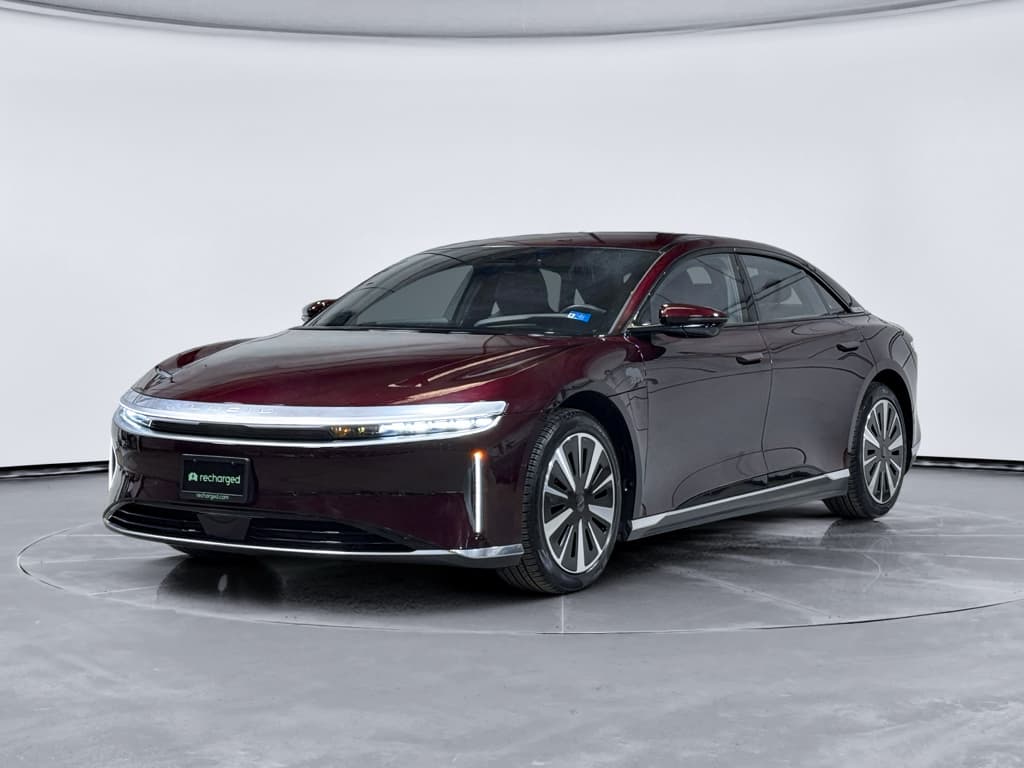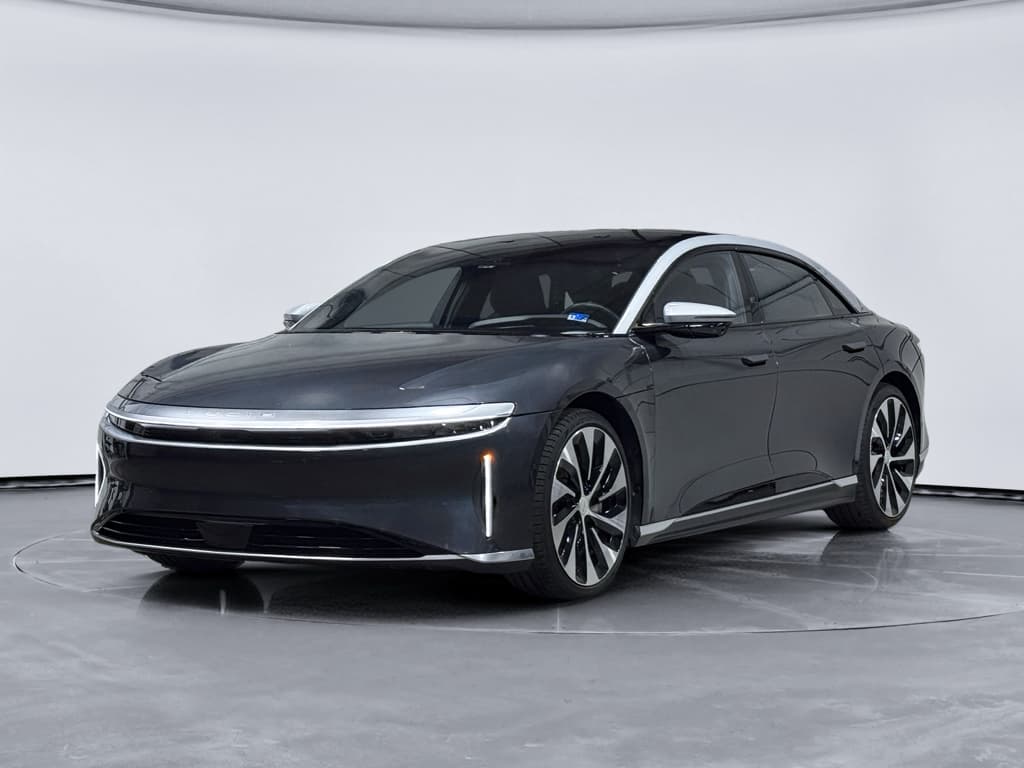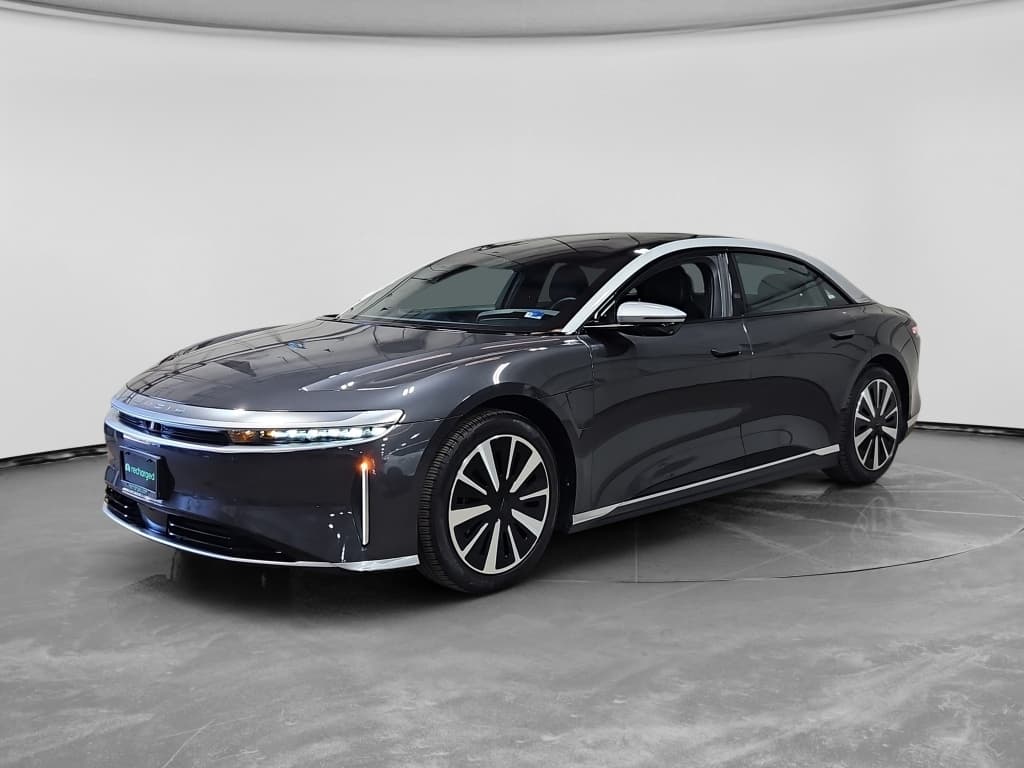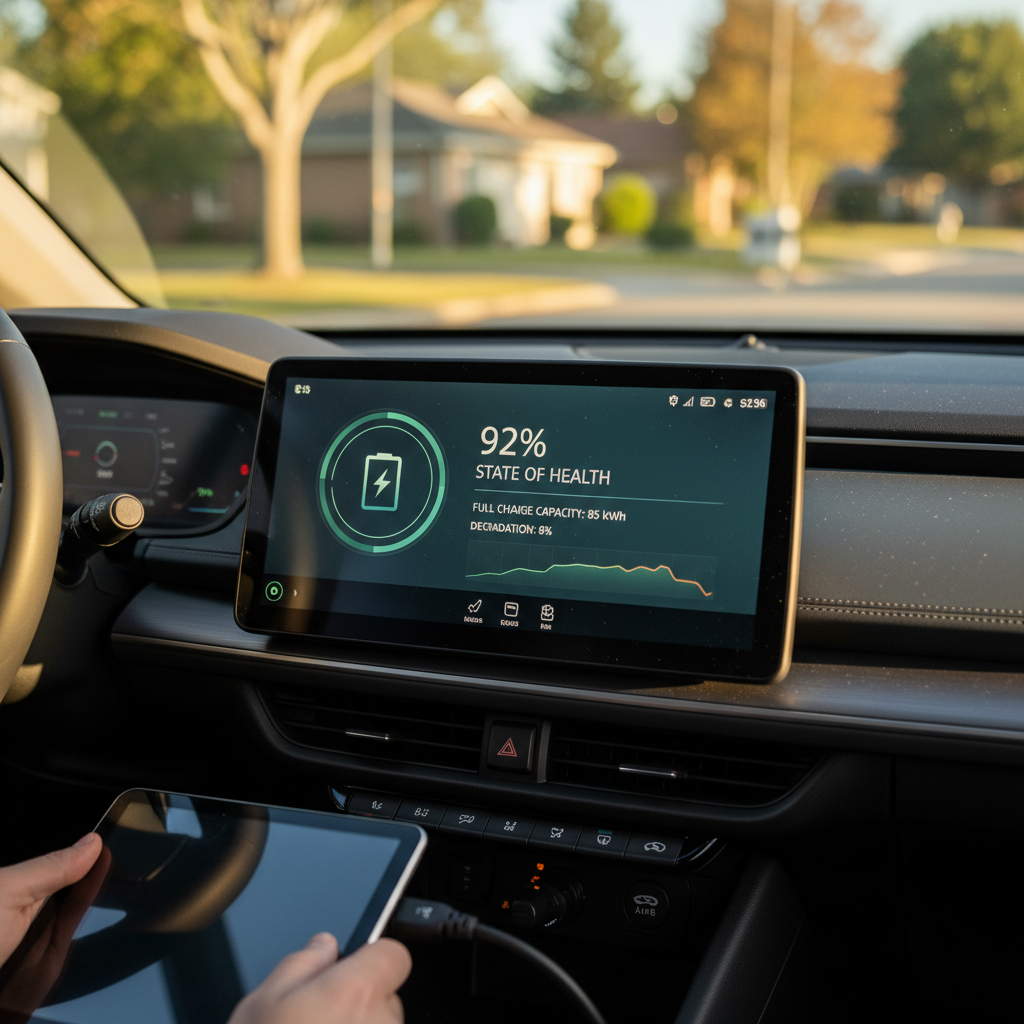
The Lucid Air is a 21st‑century moonshot: huge battery, absurd range, and enough power to make supercars nervous. But underneath the awe is a simple truth, your battery pack is the car. How you charge and drive has more influence on your Lucid Air’s long‑term value than any wheel option or leather package. This guide shows you exactly how to maximize Lucid Air battery life without turning your commute into a science project.
Good news for anxious owners
Why Lucid Air battery care matters
Battery = value
In an EV like the Lucid Air, the battery pack is both the fuel tank and the engine. Replacing it can cost as much as a decent used gas car. Even modest extra degradation can knock thousands off resale value, especially on a high‑end car where buyers expect near‑new range.
Range is why you bought an Air
The Lucid Air’s calling card is its spectacular range. Losing 10–15% of that over time is normal. Losing more because of bad charging habits? That’s preventable. Care now means you keep the big‑range advantage later, and your road trips stay relaxing instead of a game of charging roulette.
Battery health: what most EV owners actually experience
Lucid Air battery basics in plain English
Before diving into tactics, it helps to know what you’re working with. The Lucid Air uses a large lithium‑ion pack (think 90+ kWh in Pure and well over 100 kWh in some trims), built from hundreds of small cells, actively cooled and heated by a thermal management system.
- Big pack, small stress: A larger battery means that for a given drive, you’re using a smaller percentage of total capacity. That’s generally good for long‑term health.
- Thermal management: The Air will heat or cool the pack to keep it in a safe temperature window. That helps, but it can’t completely cancel out abuse like constant 100% charges in desert heat.
- Software buffers: Automakers typically hide a bit of capacity at the top and bottom of the usable range to protect the chemistry. You still shouldn’t treat 0–100% as your playground.
Think in ranges, not exact percentages
Daily charging habits that maximize Lucid Air battery life
If you remember nothing else from this article, remember this section. Daily charging is where most owners either quietly protect their packs, or unknowingly shave years off them.
The 4 golden rules of Lucid Air charging
Small, easy habits that pay off massively over time
1. Don’t live at 100%
Use 100% only when you need the full range for a trip. For daily use, set your charge limit lower, something like 75–85% is a sweet spot for most owners.
2. Charge more often, a little
It’s kinder to the pack to do shallow cycles, say 40% → 80%, than to run from 5% to 100% every time. Plug in overnight, let the car sip, not gorge.
3. Time it to finish before departure
Use scheduled charging so the car reaches your target state of charge shortly before you leave. That way it doesn’t sit at a high percentage for hours or days.
4. Favor home AC over DC
Whenever possible, use Level 2 home or workplace charging instead of DC fast‑charging. It’s slower on the clock, but slower on degradation too.
The hidden risk of “always full”
How to fast-charge your Lucid Air without killing the battery
The Lucid Air is DC‑fast‑charging royalty. Treat a compatible high‑power station right and you can add serious miles in the time it takes to buy bad coffee. But DC fast charging is also where owners can do the most long‑term harm in the shortest time.
Fast‑charging rules for a long‑lived Lucid battery
Use fast charging for trips, not daily life
Think of DC fast charging as your road‑trip tool, not your default routine. For commute charging, install or use Level 2 whenever you reasonably can.
Arrive with a lower state of charge
You’ll get the highest power (and best use of your time) when you plug in between roughly 10–40%. Starting at 60–70% just gives you slow, battery‑warming electrons.
Don’t sit for long at high SOC after fast‑charging
If you charge to 90–100% for a long leg, hit the road soon after. Letting the battery bake at 98% in the sun after a high‑power session is double trouble.
Dial back your target if you don’t need full range
On trips with closer chargers, consider stopping your fast‑charge around 70–80%. Above that, charge speeds taper dramatically and put more stress on the pack per mile gained.
Watch temperature extremes
If you’re fast‑charging in very hot weather, don’t stack back‑to‑back rapid sessions unless you have to. The car will manage temp, but there’s no medal for doing four 10–90% blasts in a day.
When you really shouldn’t fast‑charge
Driving habits that quietly destroy (or protect) range
The Lucid Air is devastatingly quick. The problem is that the same sub‑three‑second launches that humiliate sports cars also humble your range and, over time, your battery health. You don’t have to drive like a saint, but you should know what costs you.
How your driving style affects your Lucid Air battery
You don’t have to baby the car, but you should know which habits are expensive in electrons.
| Habit | Short‑term effect | Long‑term effect | Better alternative |
|---|---|---|---|
| Frequent full‑throttle launches | Huge, sudden power draw | More heat and cell stress | Save max acceleration for rare occasions |
| High sustained speed (85–95 mph) | Range collapses | More energy per mile, more heat | Cruise closer to 70–75 mph on highway |
| Constant hard braking | Wasted energy as heat | More brake wear, less regen benefit | Use one‑pedal driving and look far ahead |
| Smooth, anticipatory driving | Slightly slower trips | Less load per mile | Your future self and resale value thank you |
| Running to 0% regularly | Stress at bottom of pack | Can accelerate wear and anxiety | Treat 5–10% as ‘empty’ and plan earlier stops |
Use this as a sanity check on your daily driving profile.
The performance you don’t have to give up
Climate control tips: Stay comfortable without burning range
Electric cars turn you into a connoisseur of invisible loads, HVAC, seat heaters, the whole phantom‑drain circus. The Lucid Air’s efficient heat pump and insulation help, but you can still throw away a shocking amount of range by treating the cabin like a walk‑in fridge or sauna.
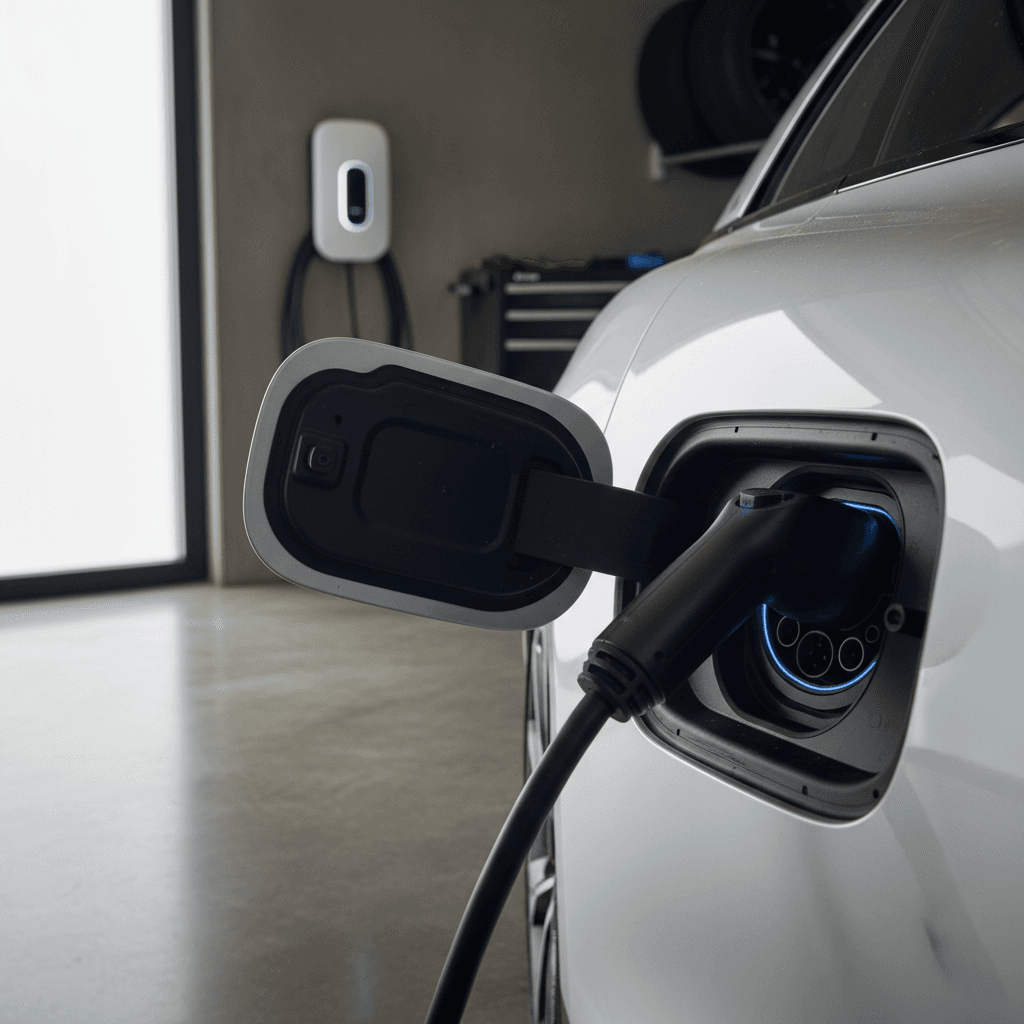
- Precondition while plugged in: Use the app to pre‑heat or pre‑cool the cabin while the car is still on shore power, not the battery. That’s free comfort, from the battery’s point of view.
- Use seat and wheel heaters first in winter: Warming your body directly is far more efficient than cranking the cabin temperature. You can often run a lower HVAC setpoint this way.
- Aim for realistic setpoints: Going from 80°F to 68°F in blazing sun is hard, no matter the car. If you can live at 72°F instead, your range readout will be less grim.
- Mind parked heat: In very hot climates, try not to leave the car sitting in full sun for days, especially at high state of charge. Covered parking is suddenly worth money.
Cold‑weather sanity check
Lucid software settings every owner should turn on
Lucid doesn’t just give you a massive battery; it gives you software tools to manage it. Many of the best protections are buried in menus most owners tap past once and never revisit.
High‑impact Lucid settings for battery life
Set these once, benefit for years
Charging limit by default
Set a conservative daily limit, say 80%, and only bump to 100% before trips. The less you think about it, the better your habits will be.
Scheduled charging
Use departure timers so the car finishes charging right before you leave in the morning. This also pairs nicely with off‑peak electricity rates.
Battery preconditioning
On cold days or before fast‑charging, let the car ready the pack. A properly warmed battery charges faster and suffers less stress.
Range‑oriented drive mode
When you don’t need roller‑coaster acceleration, use a calmer drive mode. Smoother throttle mapping makes efficient driving almost automatic.
Use the app as a remote brain
Check state of charge, tweak limits, or start preconditioning from your phone instead of reacting when you finally sit down in the car.
Software updates
Install updates when offered. Automakers quietly refine charging strategies, cooling logic, and efficiency over time.
How to care for a Lucid Air you don’t drive much
The Lucid Air is a road‑trip assassin, but plenty of owners treat it like a weekend toy or third car. Ironically, low‑mileage EVs can be harder on batteries than high‑milers if they’re stored badly, especially when they’re expensive, high‑capacity packs like Lucid’s.
Storage rules for a Lucid that sits a lot
Park it around 40–60% if possible
For long stretches of inactivity, mid‑pack is the happiest place. Don’t store at 100% or near‑empty if you can avoid it.
Avoid extreme heat during storage
If you live in a hot climate, avoid leaving the car in baking open lots for weeks at a time. A shaded garage is your friend.
Disable unnecessary always‑on features
Anything that keeps the car awake, frequent app polling, third‑party trackers, can drain the pack slowly and force deeper cycles.
Plan a short drive every few weeks
Even a 20–30 minute drive helps exercise the pack, brakes, and tires. Letting a car sit undisturbed for months is rarely ideal.
Check in on SOC monthly
If you’re away, check the app occasionally. If the battery drifts too low, arrange for someone to plug it in briefly.
What about long‑term storage?
Signs your Lucid Air battery needs attention
Despite the online horror stories, genuinely bad batteries are still the exception, not the rule. But if something is going wrong, the car and your real‑world range will usually tell the tale before it becomes catastrophic.
- Noticeably lower range at the same habits: If you’re suddenly getting much less range on the same commute, same weather, same driving style, it’s worth documenting and having checked.
- Large, persistent difference between guess‑o‑meter and real miles: Some mismatch is normal, but if the car claims 320 miles and you routinely see under 200 with moderate driving, that’s a flag.
- Charging behavior changes: The car tapers very early on DC fast charging, refuses certain power levels, or takes far longer to complete familiar charges.
- Warning messages: Any battery‑system warnings, reduced‑power modes, or error codes deserve prompt professional attention, not another road trip “to see what happens.”
Don’t self‑diagnose with internet lore
Used Lucid Air battery health and how Recharged helps
The Lucid Air lives in a rarefied neighborhood of cars where the badge and the battery matter equally. On the used market, shoppers aren’t just looking at paint and panel gaps, they’re asking, “How much healthy range is really left?” That question is where most traditional used‑car lots shrug and change the subject.
Why battery transparency matters more on a Lucid
With such a large, expensive pack, even modest differences in battery health can move the value needle in a way you actually feel. A car that’s been babied with smart charging, limited fast‑charging, and reasonable storage is a better car, and should be worth more, than an identical‑spec Air that lived on a fast charger at 100% in Phoenix.
How Recharged takes the guesswork out
Every EV sold through Recharged includes a Recharged Score Report with verified battery health and fair‑market pricing to match. Our diagnostics go beyond dash‑estimates to measure the real state of the pack, and our EV‑specialist team can walk you through what those numbers mean in plain language.
Whether you’re shopping for a used Lucid Air, considering a trade‑in, or getting an instant offer, that transparency helps you avoid bad surprises and price your car with confidence.
If you’re buying or selling a Lucid Air
Ready to find your next EV?
Browse VehiclesFAQ: Lucid Air battery life & range
Frequently asked questions about maximizing Lucid Air battery life
Bottom line: How to maximize Lucid Air battery life
The Lucid Air’s battery is a kind of quiet miracle: vast, powerful, and, if you treat it with ordinary common sense, remarkably durable. You don’t need to baby it or spreadsheet your life. You just need to avoid the big mistakes: constant 100% charges, habitual high‑speed flogging, endless fast‑charging, and baking the car at full in extreme heat.
If you build a few habits, sensible charge limits, favoring home Level 2, using Lucid’s software tools, and storing at mid‑pack when the car sits, you’ll keep the range that made you fall for the Air in the first place. And if you’re buying or selling a used Lucid, insisting on clear, data‑backed battery health reporting, like the Recharged Score Report, turns the most complicated part of ownership into something refreshingly simple.