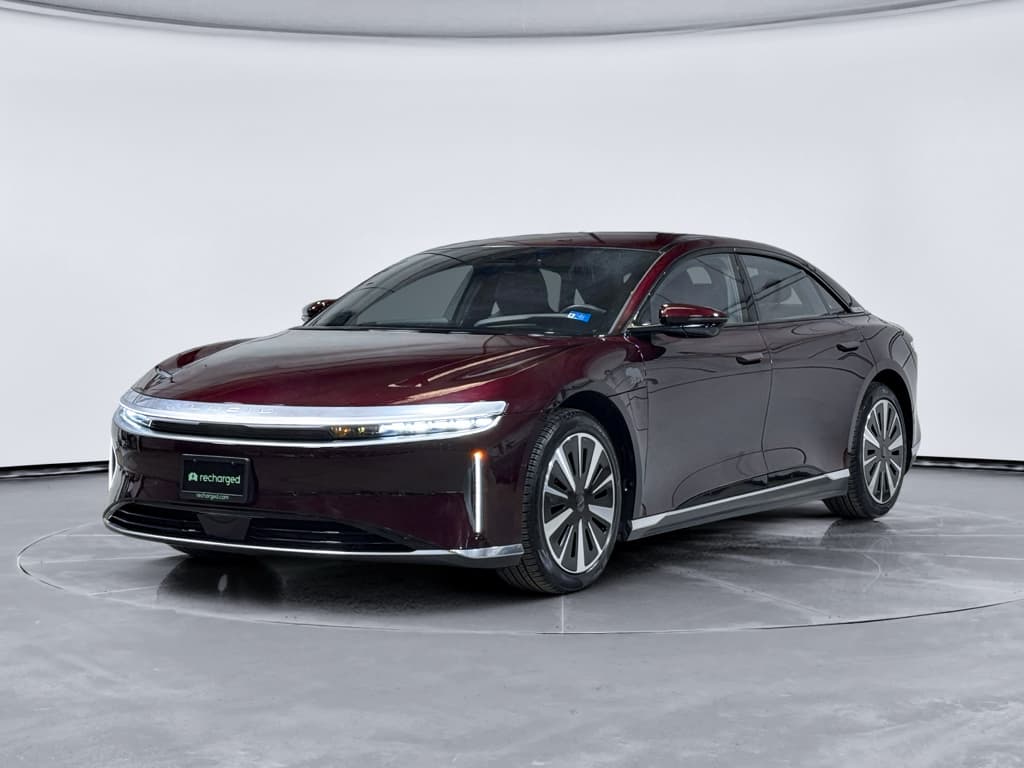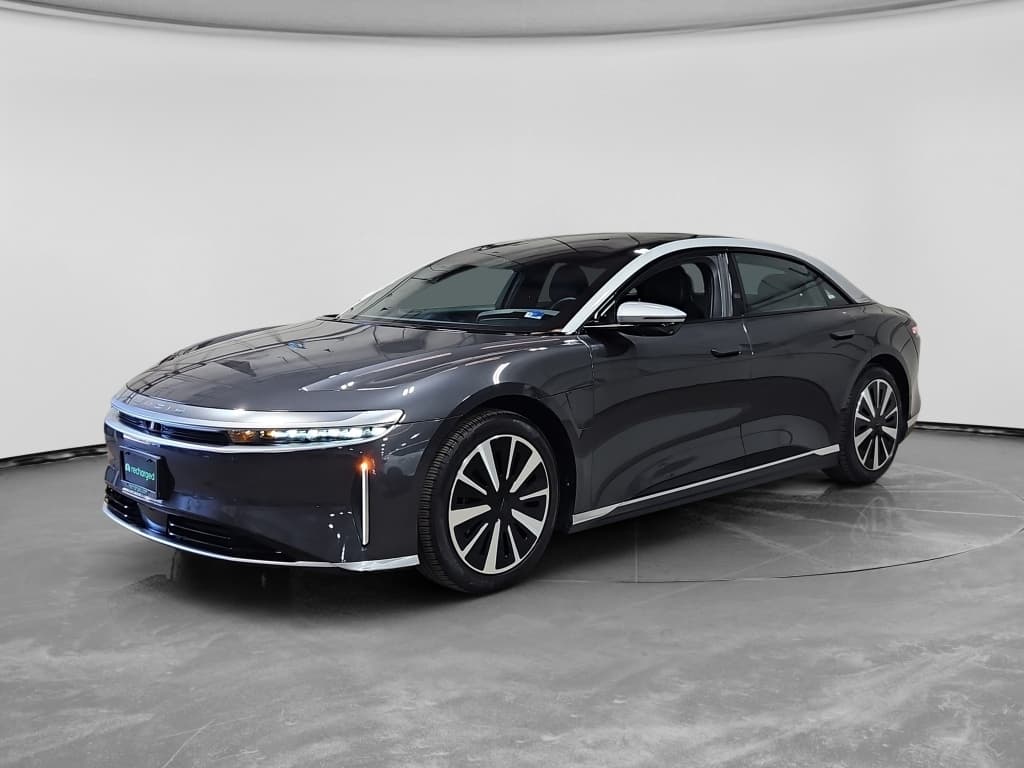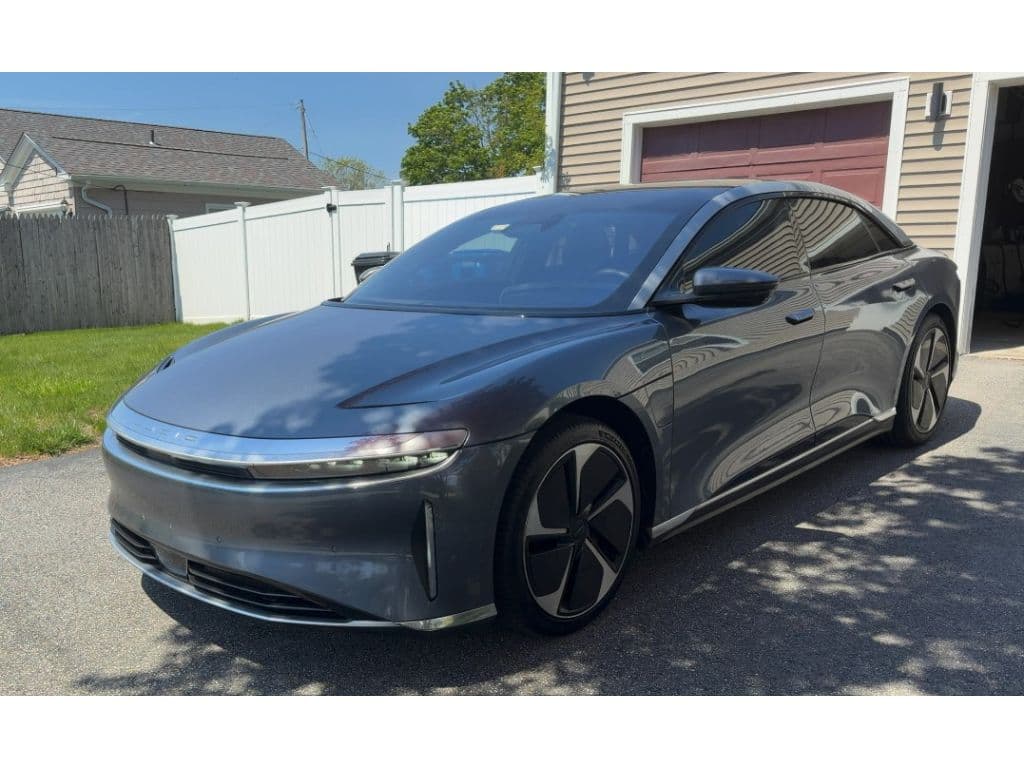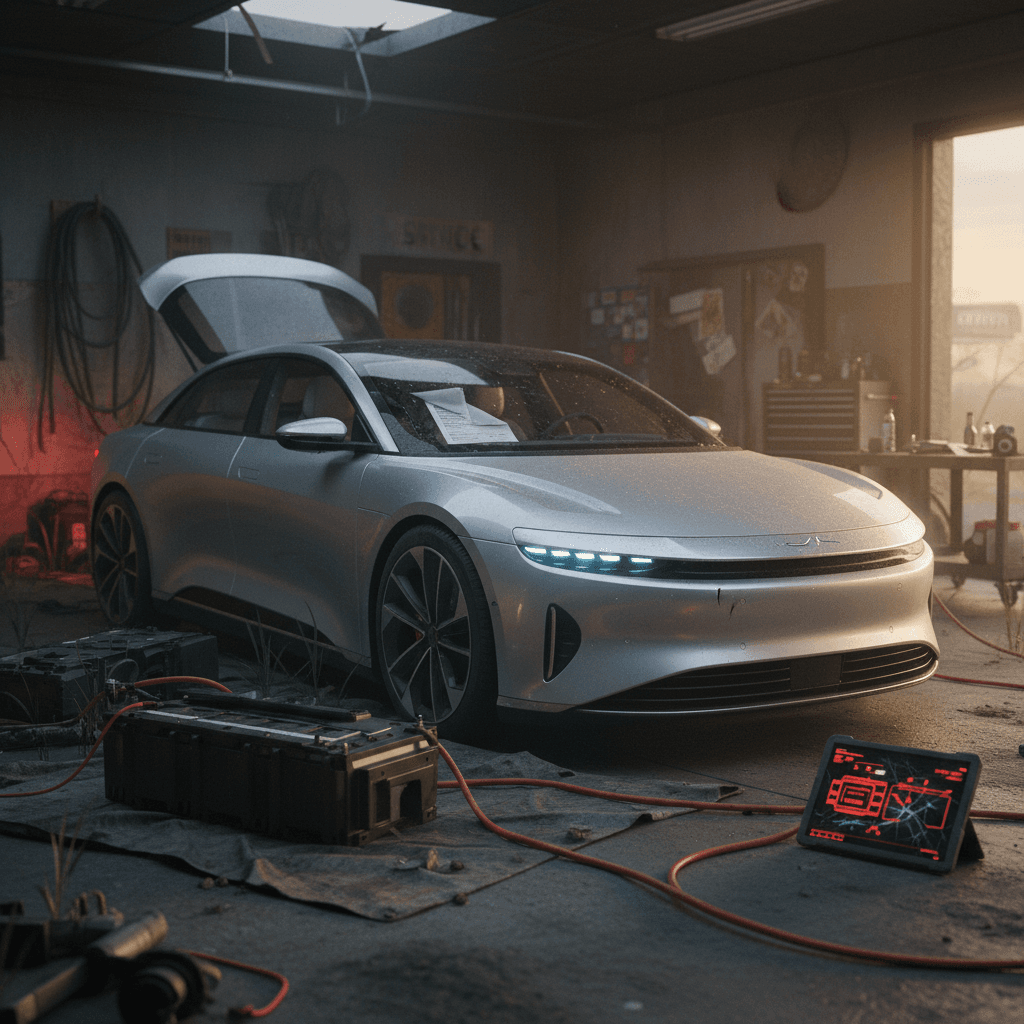
If you spend any time on Lucid forums or owner groups, you’ll see the same pattern: people love how the Lucid Air drives, but they worry about reliability. In 2026, the most common Lucid Air problems aren’t blown battery packs or dead motors, they’re software bugs, infotainment glitches, charging quirks and a handful of important recalls. If you’re thinking about buying one, especially used, you need to understand where the car is brilliant and where it still feels like a startup product.
How to use this 2026 guide
Lucid Air common problems in 2026: the quick view
Lucid Air problem profile in 2026
It’s useful to separate **how the Lucid Air drives** from **how it behaves day‑to‑day**. The chassis, efficiency and performance are excellent; the pain points in 2026 are mostly around **software polish, service consistency, and a small number of mechanical weak spots**. That’s why a Lucid Air can be both a phenomenal drive and a mixed ownership experience at the same time.
How reliable is the Lucid Air today?
If you average out owner forums, long‑term YouTube reviews, and mainstream reliability surveys, the Lucid Air lands in an odd spot: **high satisfaction, middling reliability**. Many owners who’ve had trouble still describe it as the best‑driving EV they’ve owned, but things like repeated software bugs, rattles, or charging issues push some toward lemon law discussions or early lease returns.
- Strengths: outstanding range and efficiency, strong performance, modern active safety tech, and a five‑star overall NHTSA crash rating on recent model years.
- Weaknesses: recurring software glitches, infotainment bugs, intermittent fast‑charging issues, and a cluster of recalls on 2022–2026 cars that require follow‑up.
- Variation: some owners report nearly flawless experiences, while others face a drumbeat of smaller issues that add up over time.
Startup automaker reality check
1. Software, screens & infotainment glitches
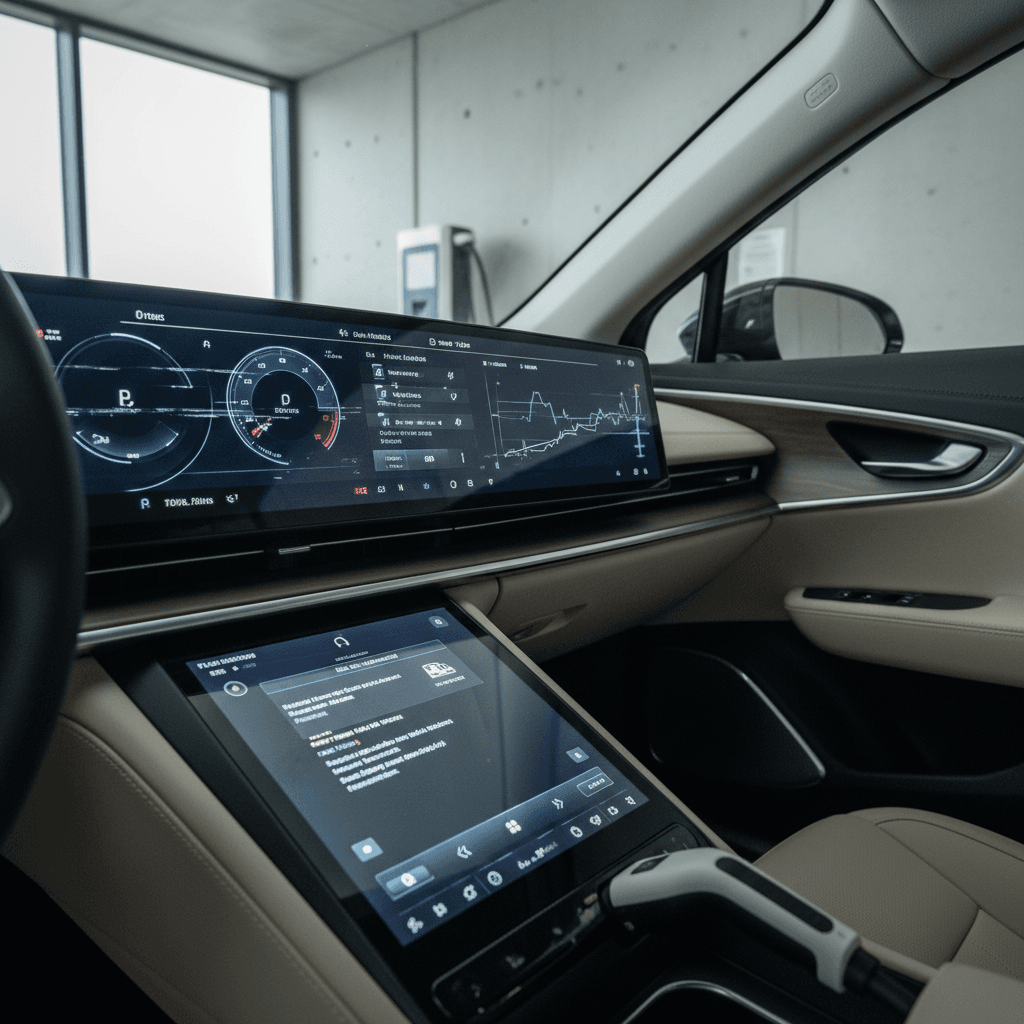
Across 2022–2026 cars, the single most consistent Lucid Air complaint is **software behavior**. The car packs multiple screens, a complex cabin control module, and constant over‑the‑air (OTA) updates. That’s powerful, but also where many common 2026 Lucid Air problems begin.
Typical Lucid Air software & UX problems
What owners report most often in 2026
Frozen or laggy screens
CarPlay & Bluetooth quirks
Key fob & mobile key issues
Why this matters
Nearly all basic vehicle functions in the Lucid Air run through software. When screens crash or controls lag, you’re reminded that this isn’t a traditional luxury sedan. For some drivers, that’s a forgivable quirk of an early‑stage tech product. For others, especially those cross‑shopping S‑Class or an Audi e‑tron GT, it’s a deal‑breaker.
What’s improving by 2026
Later builds and OTA updates have **smoothed out some of the worst bugs**, and many 2024–2026 owners report far fewer crashes than 2022 cars. But given the complexity of Lucid’s UI, it’s reasonable to assume **software will remain the Air’s Achilles’ heel** for a while.
Test this on a long demo drive
2. DC fast charging and range complaints
Another cluster of 2026 Lucid Air common problems centers around **public DC fast charging**, especially on third‑party networks. Remember that Electrify America and other CCS networks have their own reliability issues, so you’re sometimes diagnosing the charging station as much as the car.
Most common Lucid Air charging issues
What owners actually see at fast chargers
Slow or inconsistent DC speeds
Handshake & Plug & Charge failures
Separate from station drama, most owners find the Air’s **real‑world range and efficiency hold up reasonably well**. Some report modest range loss over time, especially highway commuters running at 75–80 mph, but nothing out of line with other long‑range EVs when tires are in good shape and software is current.
Range expectations vs. reality
How to check for hidden charging problems
3. Build quality, wind noise & hardware niggles
Mechanically, the Lucid Air is not falling apart. But in 2026 there’s a familiar set of **fit‑and‑finish complaints** you see on many startup EVs: panel alignment, trim noises, and hardware that doesn’t behave as elegantly as the price tag suggests.
Common Lucid Air build & hardware issues
Annoyances more than existential threats
Wind noise & door alignment
Frunk latch and alignment
Rattles & interior squeaks
Don’t ignore vibration or clunks
4. Key Lucid Air safety recalls through 2026
By 2026, the Lucid Air has accumulated several meaningful recalls. Most are **fixable with one service visit** or an OTA update, but they’re important to verify, especially on used cars where owners may not have kept up.
Major Lucid Air recalls affecting 2022–2026 cars
Not an exhaustive list, but the main campaigns a used‑car shopper should ask about.
| Issue | Model years commonly affected | Risk if not fixed | Typical remedy |
|---|---|---|---|
| High‑voltage coolant heater / defrost fault | 2022–2023 | Reduced windshield defrost performance; potential visibility issue in cold weather. | Software and/or hardware replacement of the coolant heater module. |
| Software error causing sudden loss of drive power (limited build range) | Early 2022–2024 | Unexpected loss of motive power under certain conditions. | OTA software update plus, in some cases, component inspection. |
| Rear subframe wiring harness routing | 2024–2025 | Harness may be too short, potentially stressing wires and leading to faults. | Inspection and rerouting or replacing harness to the correct spec. |
| Half‑shaft bolt security on Pure RWD (including some 2024–2026) | 2024–2026 (selected Pure RWD) | Improperly secured bolts could allow a half‑shaft to disengage, causing loss of drive. | Inspection of half‑shaft bolts and re‑torque or component replacement as needed. |
Always run a VIN check and confirm recall completion paperwork, not just verbal assurances.
For buyers: treat recalls as a screening tool
5. Battery, drive units & 12V system: what’s holding up
Given the online noise around Lucid reliability, you might expect horror stories about failed battery packs or motors. In reality, **the high‑voltage battery and drive units are more often the heroes of the narrative**. Most long‑term owners report strong range retention and consistent performance when the car is maintained and running current software.
- Battery health: Early data and owner reports suggest **modest, gradual degradation**, in line with other long‑range premium EVs. Normal commuting and regular DC fast charging, without abusing 100% charges daily, appears to be well tolerated.
- Drive units: Isolated cases of noise or faults exist, but widespread motor failures aren’t a top‑tier Lucid Air problem in 2026. Compared with software bugs, motor issues are rare in public data.
- 12V system: There have been **some 12V battery or DC‑DC related faults** discussed in forums, but they appear far less common than in the earliest Teslas or some other startups. It’s still worth asking about any history of 12V warnings, no‑start situations, or flatbed tows.
Where Lucid genuinely shines
6. Service, parts delays and ownership experience
A less visible but very real 2026 Lucid Air problem is **inconsistent service and parts availability**. With a relatively small owner base and limited service footprint compared with BMW or Mercedes, you’re more exposed to growing pains when something does go wrong.
What owners praise
- Mobile service that comes to you for simpler repairs and software issues.
- Enthusiastic, EV‑savvy advisors at some locations who know the cars well.
- OTA updates that can fix or at least improve certain bugs without a visit.
What owners criticize
- Cars sitting **weeks or months** waiting on specific trim pieces, modules, or drive components.
- Repairs that require **multiple visits** to fully resolve complex software or charging behaviors.
- Customer‑care communication gaps, difficulty getting clear timelines or root‑cause explanations.
How to de‑risk the service side
What 2026 used‑car shoppers should watch for
On the used market, a Lucid Air can be a phenomenal value: **cut‑rate price, flagship‑level range and performance**. But because common problems cluster around software polish and service history, it’s very easy to buy someone else’s headache if you shop only on price and miles.
Red flags when evaluating a used Lucid Air in 2026
Where common problems tend to hide
Thin or chaotic service history
Unresolved recalls or campaigns
Owner downplays persistent bugs
Where Recharged fits in
Pre‑purchase checklist for a used Lucid Air
Hands‑on checklist for spotting common Lucid Air problems
1. Run a recall & campaign check by VIN
Ask the seller for the VIN and run it through NHTSA’s site, then verify paperwork that **all open recalls and service campaigns are complete**. Pay extra attention to wiring harness, coolant heater, and half‑shaft bolt campaigns.
2. Review full service records
Look for patterns: repeated visits for **charging, software, or “no start” issues** are more concerning than a single resolved repair. A clean, consistent maintenance history is a big positive for any startup EV.
3. Stress‑test the software
On a long test drive, cycle through **navigation, profiles, audio, CarPlay/Android Auto, climate, and driver‑assist settings**. Note any freezes, blank screens, or unexplained warnings. Don’t ignore intermittent issues just because they clear themselves.
4. Test fast charging and Level 2
If possible, do **one DC fast charge and one Level 2 session**. Watch for error messages, repeated handshake failures, or unusually low power. Confirm that Plug & Charge or Lucid charging services function as advertised.
5. Inspect build quality and listen for noise
Walk around the car checking **door, trunk and frunk alignment**. On the road, listen for wind noise around the pillars and creaks from the dash or console. Small cosmetic issues are negotiable; structural alignment problems are not.
6. Check battery health & range realism
Ask for recent **range figures at common state of charge** and typical trips. If you’re buying from Recharged, lean on the **Recharged Score battery diagnostics** instead of guessing from the dash alone.
7. Ask directly about 12V or "won’t shift" events
A history of **12V errors, the car refusing to go into drive, or repeated flatbed tows** deserves careful follow‑up. Occasional software‑cleared warnings are one thing; recurring no‑drive events are another.
8. Clarify warranty and support options
Understand exactly what **factory warranty coverage remains**, and whether you can access a nearby Lucid service center. If you’re financing through Recharged, discuss extended coverage options that fit this kind of high‑tech EV.
FAQ: Lucid Air common problems in 2026
Frequently asked questions about 2026 Lucid Air problems
Bottom line: who the Lucid Air fits in 2026
In 2026, the Lucid Air is still exactly what it was at launch: an **astonishingly capable EV wrapped in sometimes‑unfinished software and a young service ecosystem**. If you’re the kind of driver who values range, efficiency and driving feel above almost everything else, and you’re comfortable living with the occasional glitch or extra service text, it can be one of the most rewarding electric sedans on the road.
If you want “appliance‑grade” predictability and dealer density, a more established marque is safer. But if you’re EV‑savvy and you pair a careful inspection with **VIN‑verified recall work, solid service records, and battery‑health data**, a used Lucid Air can deliver a level of long‑legged, high‑efficiency performance that’s hard to match. That’s exactly the gap Recharged is built to bridge, taking the guesswork out of complex EVs so you can decide, eyes open, whether the Lucid Air’s upside is worth the trade‑offs for you.