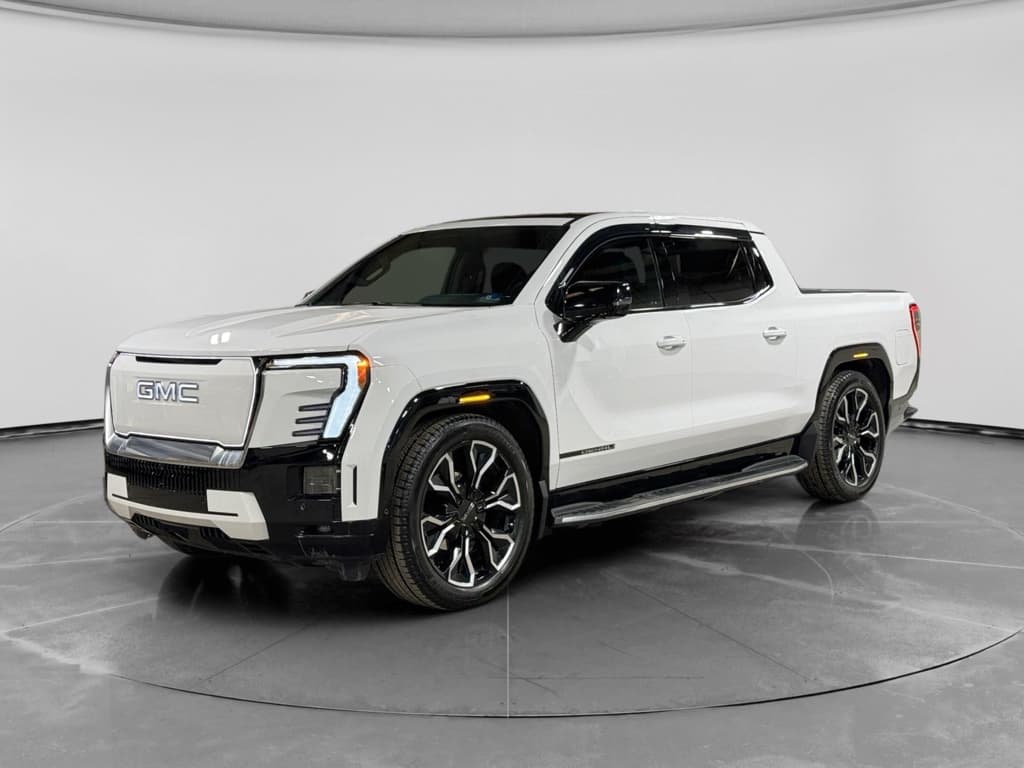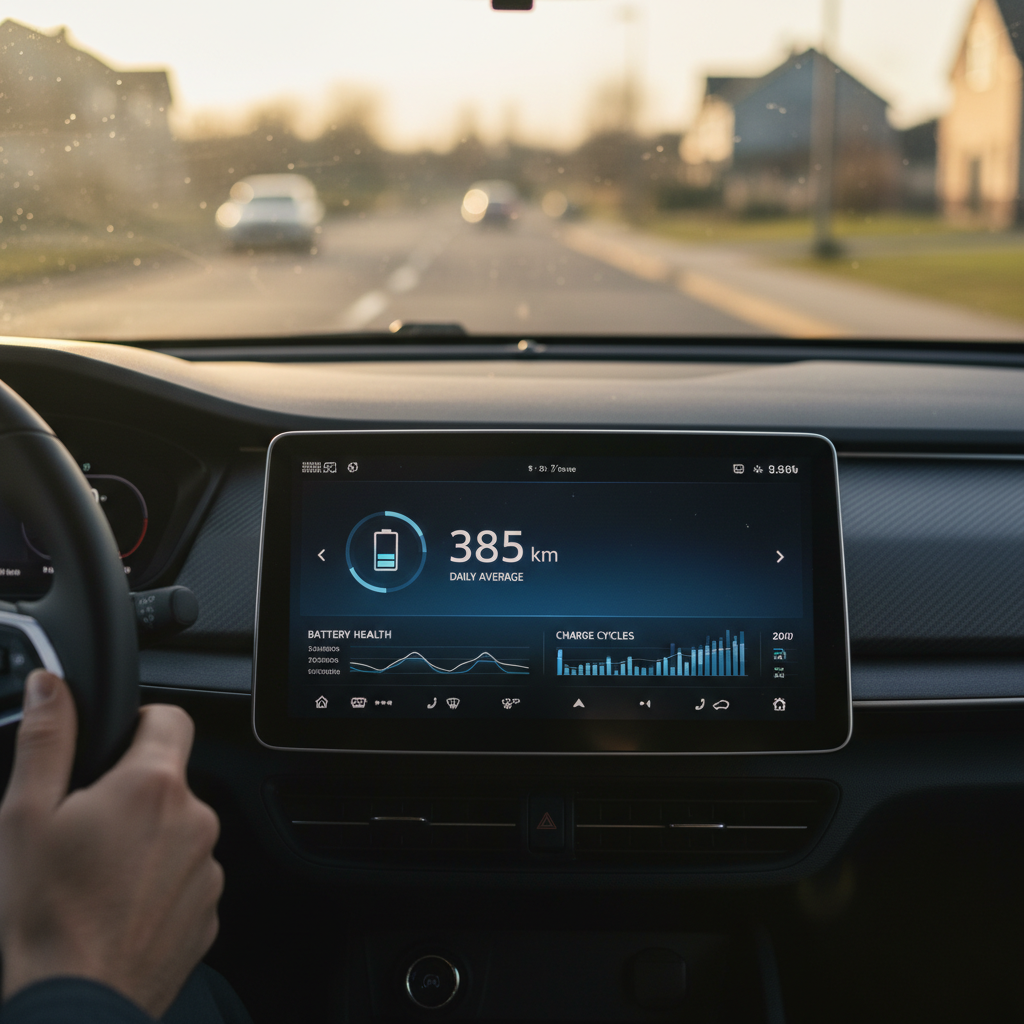
If you’re eyeing a GMC Hummer EV, you’re probably not dreaming about parallel parking downtown. You’re picturing long interstate runs, desert two-lanes, maybe a dirt road to a trailhead. This GMC Hummer EV road trip review focuses on what it’s like to live with this massive, electric super truck for hundreds of miles at a time, where its giant Ultium battery shines, where its weight and size work against it, and what you should know before buying one for travel, especially on the used market.
Models covered in this review
Who this GMC Hummer EV road trip review is for
Before we get into watt‑hours and wheelbases, it helps to be clear about who actually benefits from taking a Hummer EV on long trips. This truck is not a one‑size‑fits‑all EV road warrior. It’s a niche machine, and it shines brightest for a specific kind of driver.
- You like full‑size trucks and SUVs and already drive something large and thirsty today.
- You value comfort, presence, and capability more than absolute efficiency.
- You road trip mostly along major interstate corridors with plenty of DC fast chargers.
- You want serious off‑road ability for detours between long highway stretches.
- You’re considering a used Hummer EV and want to know if it makes sense as a long‑distance adventure rig.
Who should probably skip it
Quick take: Is the GMC Hummer EV good for road trips?
Hummer EV road trip at a glance
On paper, the Hummer EV is a road trip monster: an enormous battery (over 200 kWh usable), 800‑volt DC fast charging up to a claimed 350 kW, and rated ranges stretching into the mid‑300‑mile territory. In practice, it’s more complicated. The truck is spectacularly comfortable and capable, but you pay for that comfort with efficiency, size, and charging costs.
Hummer EV road trip pros and cons
Where this electric super truck shines, and where it doesn’t
What it does really well
- Huge battery and solid DC charging mean long legs between stops and quick top‑ups on strong 350 kW stations.
- Supreme comfort: quiet cabin, big seats, serious highway stability and power in reserve.
- Off‑road detours are not an afterthought, CrabWalk, four‑wheel steering, and lift modes make side adventures easy.
- Towing and payload are more truck‑like than many EV crossovers, useful for toys and gear.
Where it falls short
- Efficiency is poor, you’ll see energy use that rivals or exceeds other full‑size EVs, especially at 75–80 mph.
- Size is enormous, which makes tight tourist towns, garages, and trailhead parking stressful.
- Charging costs can approach or even exceed a comparable gas truck on some networks.
- Planning matters: cold weather, aggressive driving, and off‑road play eat into range quickly.
The short answer
Battery, range and efficiency on the highway
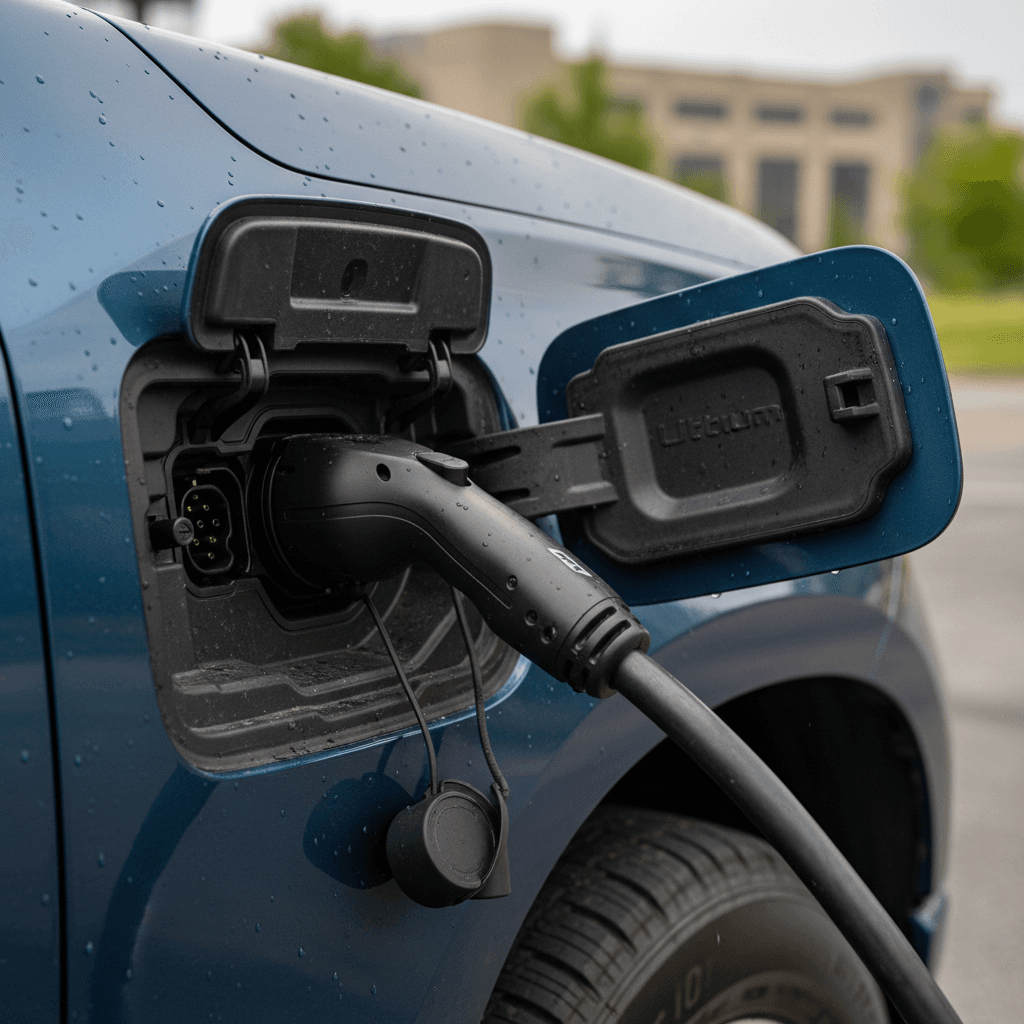
The Hummer EV’s signature party trick is its battery. Big‑battery trims use GM’s Ultium platform with a 24‑module pack around 246 kWh total and roughly 212 kWh usable, stacked in two layers for both capacity and that clever 400/800‑volt switching. That’s one of the largest packs you can buy in a passenger vehicle today.
GMC Hummer EV range expectations for road trips
Approximate ranges for big‑battery Hummer EV trims under different conditions. These are ballpark planning numbers, not guarantees.
| Scenario | Speed & Conditions | What to Expect | Planning Advice |
|---|---|---|---|
| Mild weather, 65–70 mph | Dry roads, no trailer, all‑season tires | 250–320 miles between 10–80% if you’re gentle. | Use the rated range as an upper bound; plan stops every 200–230 miles for comfort. |
| Typical interstate, 75–80 mph | Headwinds, hills, or heavy cargo | 200–260 miles between 10–80% is more realistic. | Watch energy graph; don’t stretch beyond 220–230 miles without a strong charger ahead. |
| Cold weather, below freezing | Cabin heat on, winter tires or slush | Range can drop 20–30% or more. | Shorten legs to 150–200 miles, precondition pack, and favor higher‑power chargers. |
| Off‑road detour day | Low‑speed trails, sand, rock | Surprisingly energy‑intensive over time. | Charge to a higher state of charge before playing off‑road and know your way back to DC power. |
Assumes a healthy battery and moderate driving. Always leave a buffer, especially in winter or remote areas.
Cold‑weather reality check
Because the truck is both huge and heavy, Edition 1 tip‑toes near 9,600 lb, you should expect modest efficiency. On long highway runs, owners commonly report around 1.4–1.8 mi/kWh. With ~212 kWh usable, the math works out, but this is not a "sipper." It’s a battery with a truck attached.
Charging on the road: speed, networks, and NACS access
Where the Hummer EV claws back some efficiency sins is DC fast charging. The Ultium pack can switch to an 800‑volt configuration on compatible chargers and is rated for up to about 350 kW DC. In the real world, you’ll see strong power from roughly 10–50% state of charge on a healthy, warm pack, then a gradual taper.
What Hummer EV drivers can expect at DC fast chargers
Aim for 10–60% SOC charging windows
The truck charges hardest when the battery is relatively low. On a strong 250–350 kW unit, you can go from about 10% to 60–70% in under 30 minutes in good conditions.
Plan around 100 miles in roughly 10 minutes
GMC advertises that select trims can add about 100 miles of range in roughly 10 minutes on 800V 350 kW chargers. Think of that as a best‑case, not an every‑stop guarantee.
Use myGMC for charger hunting
GM’s apps can help you find Level 2 and DC fast chargers along your route and start sessions on supported networks, simplifying payment and planning.
Tap into Tesla Superchargers with NACS
Newer GM EVs can access a growing number of Tesla Superchargers using a GM‑approved NACS DC adapter activated in the myGMC app, opening thousands more DC ports.
Expect variability by network
Older 50–150 kW stations, cold packs, or shared cabinets will slow you down. The truck is happiest on modern 250–350 kW hardware with good site power.
Don’t assume every DC charger is “fast”
Level 2 on the road
With an onboard AC charger up to about 19.2 kW on some trims, the Hummer EV can soak up energy overnight at high‑power Level 2 sites. That’s ideal for destination charging at hotels, cabins, and vacation rentals that offer 240V service.
Think of Level 2 as your "refill while you sleep" option. Arrive at 20–40% after a day’s drive, plug in, and wake up with a full pack and a relaxed morning.
DC fast as your backbone
For true road‑warrior days, 500+ miles, the Hummer EV wants a string of DC fast chargers spaced every 150–220 miles. Treat your day like a series of legs: drive two to three hours, stop for 25–35 minutes, rinse, repeat.
It’s a comfortable rhythm once you accept that this isn’t a gas splash‑and‑go. The upside is you’ll likely arrive less tired, because the truck and the charge stops force you to pace yourself.
Comfort, noise and driving experience over long days
Spend a full day in a Hummer EV and you quickly realize this truck was designed to make time disappear. It’s not subtle, but it is serenely comfortable when you’re just letting the miles unwind.
How the Hummer EV feels on a road trip
From the driver’s seat to the back row
Highway ride and noise
On big 35‑inch tires, the ride is truck‑firm but well controlled, especially at speed. Four‑wheel steering helps the Hummer EV feel less clumsy than its footprint suggests, and wind noise is well managed for a brick‑shaped vehicle.
Seats and ergonomics
Large, supportive seats and a commanding seating position make long stints easy. The cabin feels more luxury SUV than work truck, with an abundance of cubbies and a wide console for snacks, devices, and maps.
Tech and fatigue
A huge central touchscreen, configurable digital cluster, and driver aids help reduce fatigue. Adaptive cruise and lane‑keeping can take the edge off traffic, though you’ll still be steering a very wide vehicle, something you notice in crosswinds and narrow construction zones.
Passengers love it
If your idea of a good road trip is to glide along in quiet, with surplus power under your right foot and a cabin that feels like a modern lodge, the Hummer EV fits the bill. Just remember you’re piloting a vehicle that is wider and heavier than most full‑size pickups. Fatigue can come more from constant spatial awareness than from the truck’s ride quality.
Packing, towing and off-road detours
Road trips aren’t just about the hours on the freeway. They’re about the bikes, kayaks, camping gear, and the questionable trail your friend swears is “totally fine.” Here the Hummer EV feels in its element.
- Cargo and storage: The pickup’s bed, configurable interior storage, and front trunk give you plenty of space for gear. The SUV trades bed space for an enclosed cargo area more in line with traditional full‑size SUVs.
- Towing: Depending on trim, the Hummer EV can tow substantial trailers. Just remember: towing slashes range, sometimes in half. For long trips with a camper, think 100–160‑mile legs between DC fast chargers and plan accordingly.
- Off‑road: Four‑wheel steering, adaptive air suspension, and modes like CrabWalk make side‑trips onto dirt and rock legitimately fun. Just keep an eye on your state of charge before you venture too far from the nearest plug.
Off‑road fun vs. battery reality
Cost of a Hummer EV road trip vs a gas truck
One of the first questions people ask about any EV road trip is: "Will it save me money?" With the Hummer EV, the answer is: it depends heavily on where you charge.
When the Hummer EV is cheaper
- Home or low‑cost Level 2: If you start trips with a full battery from off‑peak home charging, your first few hundred miles are very cheap compared to filling a giant gas tank.
- Reasonably priced DC fast charging: Some networks (and some regions) still offer kWh pricing that undercuts the cost of gasoline, even at the Hummer’s modest efficiency.
- Destination charging: Free or bundled Level 2 at hotels, trailheads, or attractions tilt the math decisively in your favor.
When costs are similar, or more
- High‑priced DC sessions: In tourist corridors or where stations charge high per‑minute rates, you may find your cost per mile is comparable to or higher than a ½‑ton gas truck.
- Frequent 0–100% fast charging: Spending hours at max rates chasing every last mile is expensive, hard on the battery, and rarely needed for realistic routes.
- No home charging: If you road trip often but rely entirely on public DC fast charging, don’t buy the Hummer EV purely for fuel savings, buy it because you want the experience.
Used Hummer EV and running costs
Planning tips for a smoother Hummer EV road trip
The Hummer EV can absolutely do cross‑country duty, provided you plan like someone traveling with a heavy, thirsty rig that happens to run on electrons. Here are practical tips to make your first big trip feel like a vacation, not an experiment.
Road‑trip planning checklist for Hummer EV owners
1. Build your route around high‑power DC sites
Favor 250–350 kW stations from major networks and, where available, Tesla Superchargers that support your GM NACS adapter. Fewer, faster stops beat many slow ones.
2. Think in 150–220‑mile legs
Even though your rated range is higher, planning conservative legs leaves room for headwinds, detours, or a busy station where you need to skip to the next site.
3. Precondition the battery before every fast charge
Use the built‑in navigation or myGMC app to set the next fast charger as your destination 20–30 minutes before you arrive, especially in cold weather. It pays dividends in charging speed.
4. Pack charging backups
Carry your Level 2 cable, a 14‑50 or similar adapter if you routinely stay at RV parks, and your DC network cards or apps set up ahead of time.
5. Don’t arrive at chargers empty
Try to arrive with 10–20% remaining. That gives you a cushion if a station is offline or all stalls are occupied and you need to move on.
6. Use stops for real breaks
Treat 25–35‑minute charges as meal, stretch, and bathroom breaks. The Hummer EV encourages you to build healthier pauses into your day.
Old‑school maps still matter
Should you buy a used Hummer EV for road trips?
If you’re drawn to the used market, you’re not alone. Early Hummer EV buyers paid big‑ticket prices; depreciation and time have brought some of those trucks into more reachable territory. As a road trip machine, a used Hummer EV can be a compelling alternative to a new luxury SUV, if you shop carefully.
Key questions before you buy a used Hummer EV for travel
What to check beyond paint and tire tread
Battery health and real range
The Ultium pack is sophisticated and robust, but road trips hinge on usable capacity. Look for documentation of charging behavior, software updates, and real‑world range. A Recharged Score Report gives you a verified read on battery health and remaining warranty coverage.
Use history and maintenance
Has the truck been towing frequently? Trail‑running in hot climates? Fast charged to 100% every weekend? None of these are automatic dealbreakers, but they’re data points. You want a seller who can walk you through how the Hummer EV was actually used.
Why a marketplace like Recharged helps
When you’re talking about a vehicle with a six‑figure original sticker and a battery larger than some home backup systems, transparency matters. Recharged specializes in used EVs, pairing each vehicle with a Recharged Score that covers battery health, fair‑market pricing, and real‑world range insights.
Peace of mind on your first big trip
That means you’re not finding out on day one of your family vacation that your "350‑mile" truck really has the appetite of a 250‑mile rig. Expert EV‑specialist support can also help you plan your first long‑distance route, pick the right charging gear, and arrange delivery or trade‑in without a dealership circus.
GMC Hummer EV road trip FAQ
Frequently asked questions about Hummer EV road trips
Bottom line: is the GMC Hummer EV a good road trip EV?
Think of the GMC Hummer EV as a modern grand‑touring rig dressed in off‑road armor. It’s not the most efficient way to cross a state line, and it’s certainly not the smallest, but it turns every fuel stop into an event and every long day into a story. If you’re already comfortable living with a big truck, and you value comfort, capability, and spectacle as much as spreadsheets, the Hummer EV can be a deeply satisfying road‑trip partner.
If you’re considering one, especially on the used market, go in with eyes wide open. Understand the range you’ll really get at your typical speeds, map your favorite routes around reliable high‑power charging, and make sure the battery you’re buying is as healthy as the paint is shiny. A Recharged Score Report and EV‑savvy guidance can take a lot of that guesswork out of the equation, so the only surprises on your first big trip are the good kind: the view over the next mountain pass, the quiet of an early‑morning charge stop, and the grin when you dip into Watts to Freedom on an empty on‑ramp.