Buy an EV

  • EVs for sale
  • Learn about EVs
  • Articles
  • Charging

Sell or trade

  • How it works

Financing

  • Get pre-qualified
  • Credit application

Contact us

  • Book a consultation
  • Call us at (804) 390-5910
  • Email us at hello@recharged.com
  • Visit our Experience Centers
    • Richmond, VA
    • Fairfax, VA
    • Charlotte, NC

© 2025 Recharged. All Rights Reserved.

7-Day Return Policy·Privacy Policy·SMS Opt-In·Do Not Sell or Share My Information·
TikTokYouTubeInstagramLinkedInFacebook
    Low-Speed Electric Vehicles for Sale: 2025 Buying Guide
    Buying Guides·9 min read·By Recharged Editorial Team

    Low-Speed Electric Vehicles for Sale: 2025 Buying Guide

    low-speed-evneighborhood-electric-vehiclelsv-buying-guidestreet-legal-golf-cartused-ev-buyingcampus-fleetretirement-communitymicro-mobilitybattery-healthrecharged-score

    Table of Contents

    • What is a low-speed electric vehicle (LSV)?
    • LSV vs. golf cart vs. full EV: what’s the difference?
    • Where are low-speed electric vehicles legal to drive?
    • How much do low-speed electric vehicles cost?
    • Popular low-speed electric vehicles for sale in 2025
    • New vs. used low-speed EVs: what to consider
    • Key features to look for when you shop
    • Safety and insurance considerations
    • How to choose the right low-speed EV for you
    • FAQ: low-speed electric vehicles for sale
    • Bottom line: are low-speed electric vehicles worth it?

    If you’ve been browsing low-speed electric vehicles for sale, you’re not alone. From beach towns and retirement communities to college campuses and dense downtowns, low-speed EVs are becoming the “right-sized” alternative to hauling a 4,000‑pound SUV for short trips. This guide walks you through what counts as a low-speed vehicle, how they’re regulated, what they cost, popular models, and how to shop smart, especially if you’re considering a used LSV.

    Quick definition

    In U.S. regulations, a low-speed vehicle (LSV) is a four‑wheeled vehicle under about 3,000 pounds that can go at least 20 mph but no more than 25 mph, and is generally allowed on roads signed 35 mph or below. Many of these are battery-electric and marketed as neighborhood electric vehicles (NEVs).

    What is a low-speed electric vehicle (LSV)?

    In the U.S., a low-speed vehicle is a specific legal category created by federal regulators in the late 1990s. To qualify as an LSV, a vehicle must:

    • Have four wheels and a gross vehicle weight rating (GVWR) under roughly 3,000 lbs
    • Be capable of at least 20 mph but not more than 25 mph on a paved level road
    • Meet Federal Motor Vehicle Safety Standard 500 (FMVSS 500) equipment rules, things like headlights, tail lights, turn signals, mirrors, windshield, seat belts, and reflectors
    • Typically operate on roads with posted speed limits of 35 mph or below (states can tweak this)

    Most low-speed vehicles on the market today are battery-electric. You’ll see them sold as neighborhood electric vehicles (NEVs), street-legal golf carts, electric runabouts, and campus or resort vehicles. They’re designed for short trips of a few miles at a time, not highway commuting.
    Low-speed electric vehicle market at a glance

    $9.2B
    Global market 2024
    Estimated 2024 size of the global low-speed EV market, with steady growth forecast through the 2030s.
    8–15%
    Annual growth
    Most forecasts point to high single- to low double‑digit compound annual growth through 2034, driven by urban mobility and fleet adoption.
    35 mph
    Road limit
    Nearly all U.S. states allow LSVs on roads posted 35 mph or below; exact rules vary by state and municipality.
    ~80%
    Short trips
    Roughly 80% of U.S. car trips are under 10 miles, exactly the sweet spot for a low-speed EV. "}]},{

    EVs on Recharged

    See all →
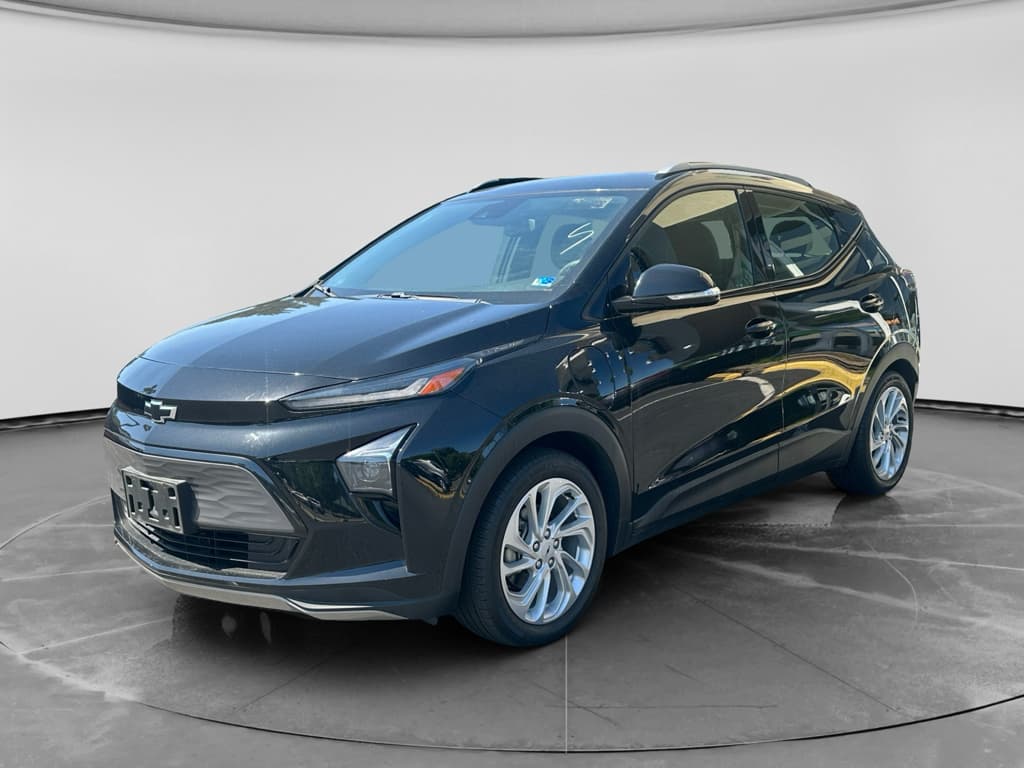
    2023 Chevrolet Bolt EUV

    2023 Chevrolet Bolt EUV

    LT•12K mi•247 mi range
    Pending Recharged Score
    $21,597
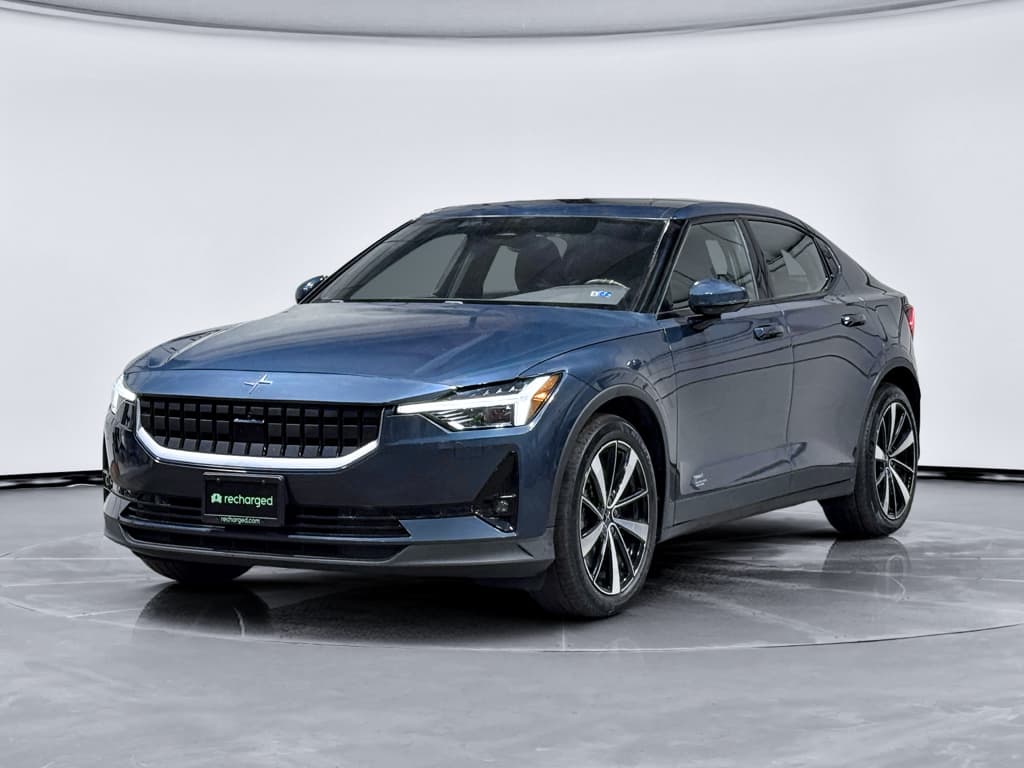
    2021 Polestar Polestar 2

    2021 Polestar Polestar 2

    Base•41K mi•217 mi range
    4.8/5Recharged Score
    $22,998
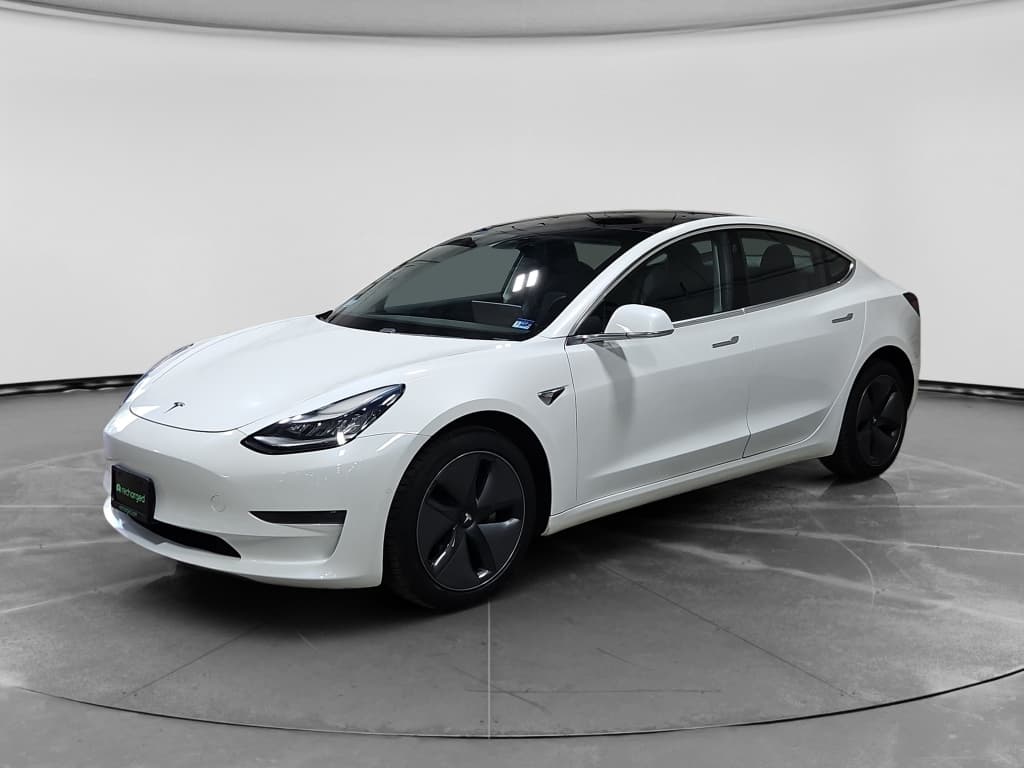
    2019 Tesla Model 3

    2019 Tesla Model 3

    Standard Range Plus•66K mi•210 mi range
    4.7/5Recharged Score
    $19,699

    Related Articles

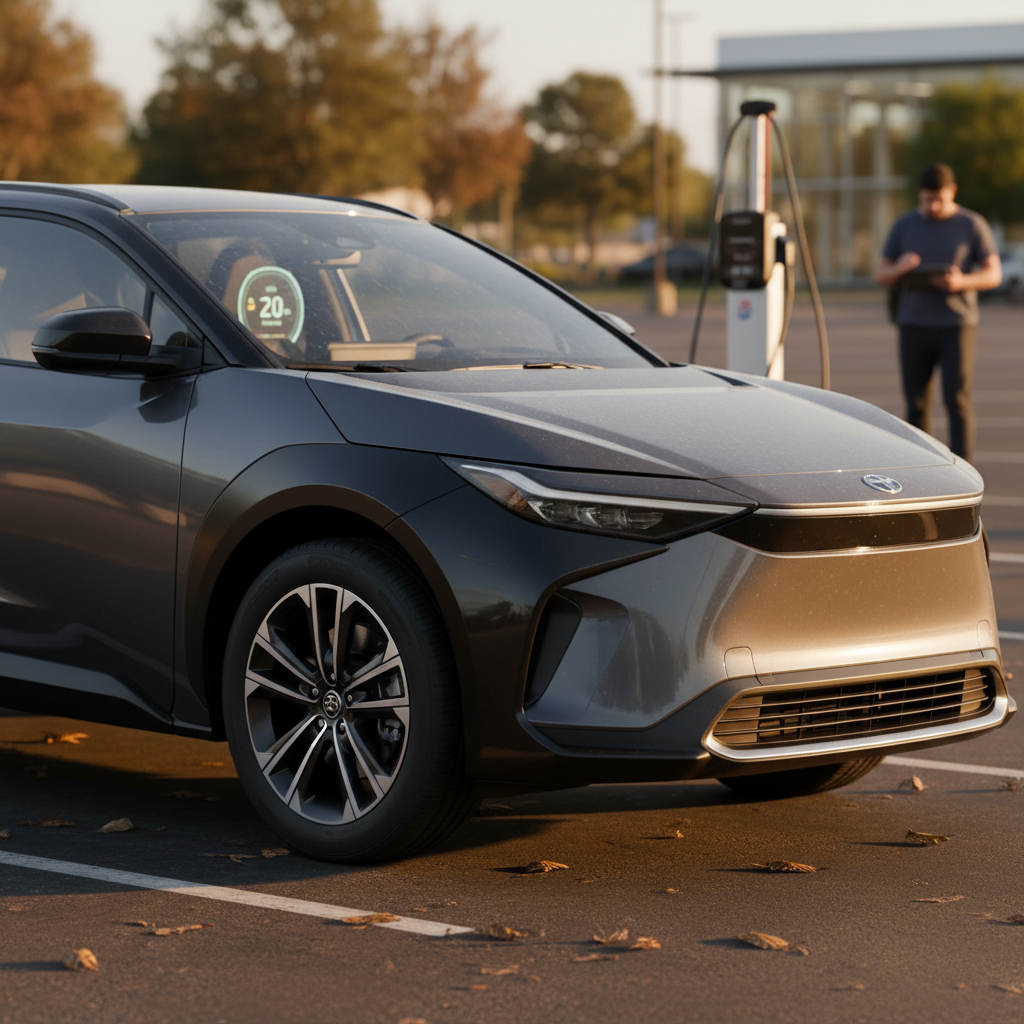
    2025 Toyota bZ4X Review (Used): Value, Range, and What to Watch For
    Reviews & Comparisons·10 min

    2025 Toyota bZ4X Review (Used): Value, Range, and What to Watch For

    Shopping used? Get a complete 2025 Toyota bZ4X review for used buyers, including real‑world range, battery warranty, common issues, and resale value.

    toyota-bz4xused-ev-buyingcompact-electric-suv
    2025 Porsche Macan Electric Range Test: Real‑World Results & What to Expect
    Battery & Range·11 min

    2025 Porsche Macan Electric Range Test: Real‑World Results & What to Expect

    See how the 2025 Porsche Macan Electric performs in real-world range tests vs EPA ratings, plus tips to maximize range and battery health on every drive.

    porsche-macan-electricmacan-4macan-turbo-ev
    EV Battery Recycling: What Really Happens to Used Packs
    Battery & Range·10 min

    EV Battery Recycling: What Really Happens to Used Packs

    Curious what happens to EV batteries after they wear out? Learn how they’re collected, reused, recycled, and why it matters for costs, safety, and the environment.

    ev-battery-recyclingbattery-healthsecond-life-batteries