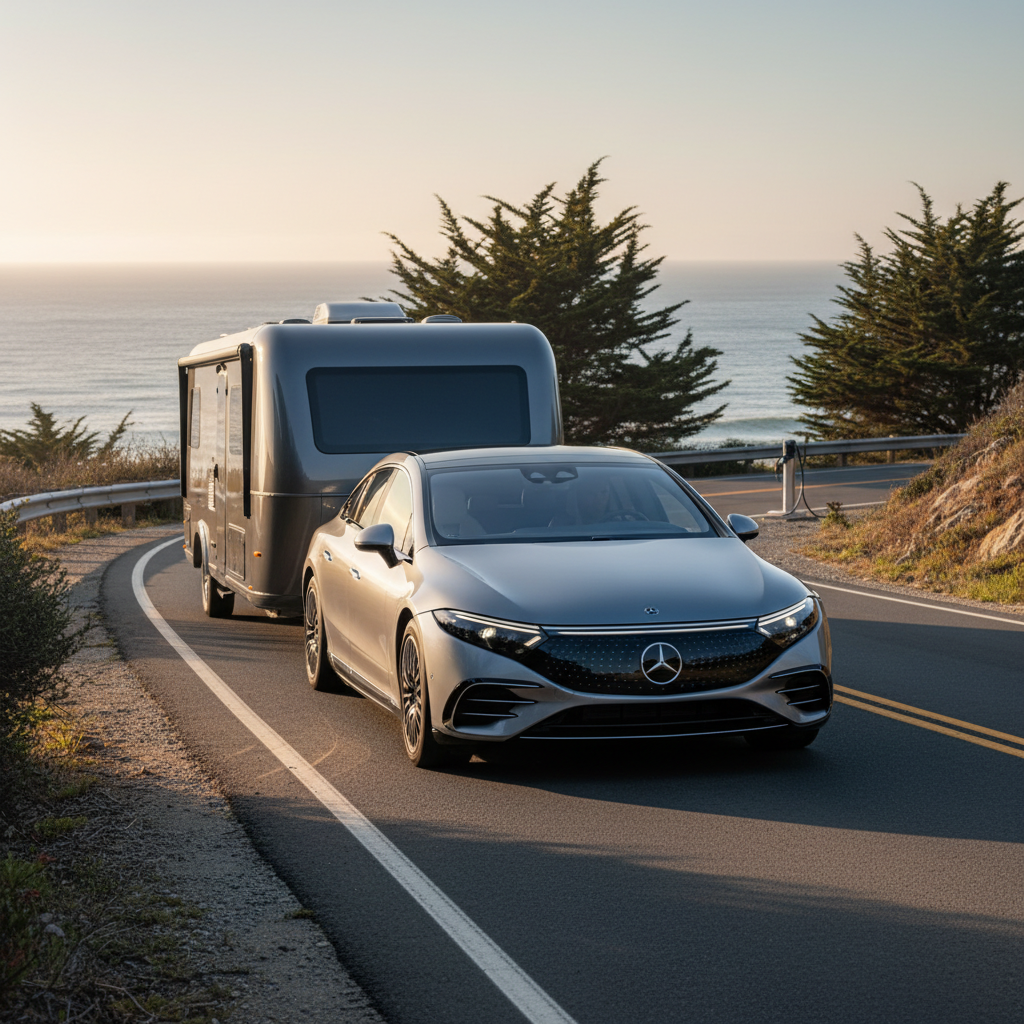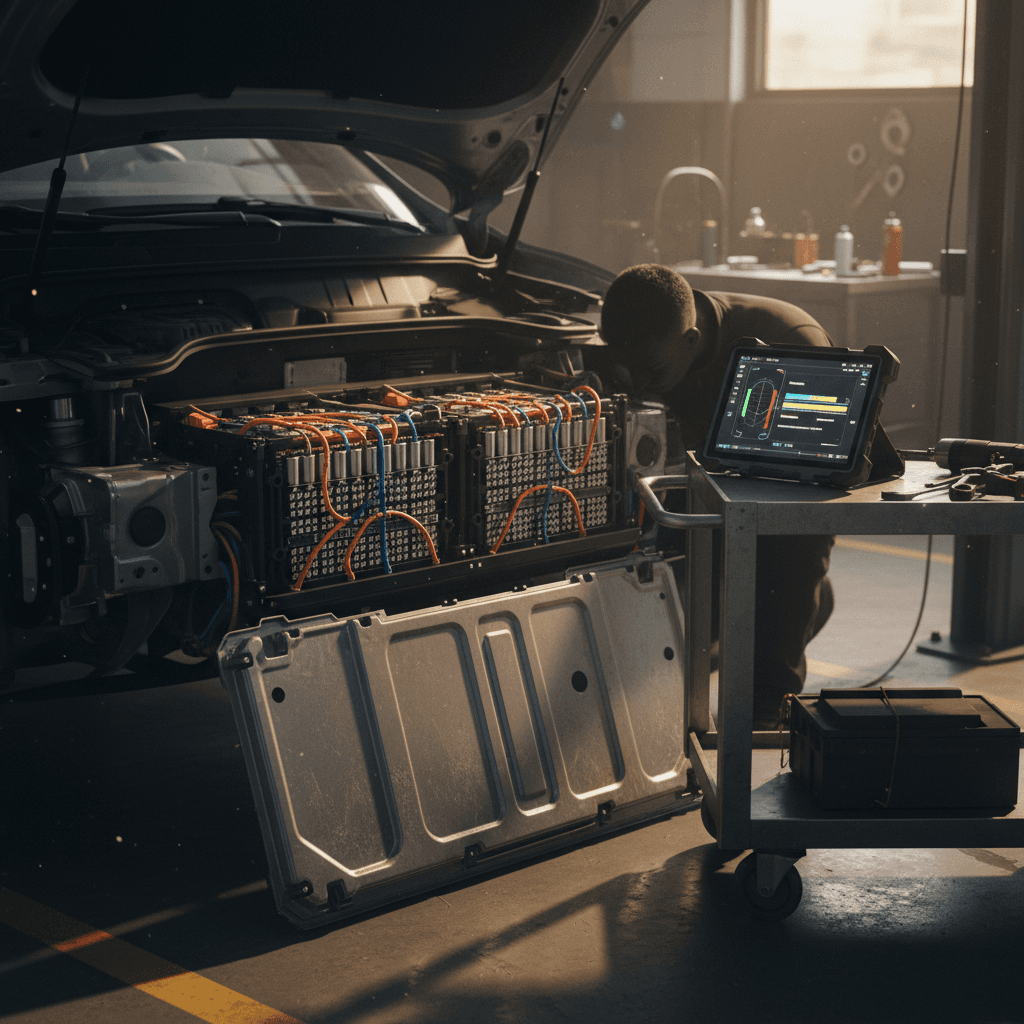
If you drive, or are thinking about buying, an electric vehicle, the single most important (and expensive) component is its lithium battery pack. Lithium batteries for electric vehicles determine your range, performance, charging speed, resale value and even how simple ownership feels day to day.
Lithium is the EV default
Why lithium batteries dominate electric vehicles
Lithium batteries didn’t become the default EV choice by accident. They offer a combination of high energy density (more range in less space), good power output (strong acceleration), long cycle life and falling costs that competing chemistries haven’t matched at scale. Global EV battery demand keeps climbing, up more than 20% year‑over‑year in the United States alone, driven almost entirely by lithium cells.
Lithium batteries and the EV boom
For you as a driver, that dominance means two things. First, lithium EV batteries are a mature, well‑understood technology, you’re not a guinea pig. Second, the supply chain is scaling quickly, which helps bring prices down and supports better availability of replacements and recycling options over time.
Key lithium battery chemistries in EVs
“Lithium battery” is an umbrella term. Most modern EVs use one of three main lithium‑ion chemistries, each with its own strengths and trade‑offs.
The big three EV lithium chemistries
All are lithium‑ion, but they behave differently in cost, range and durability.
NMC (Nickel Manganese Cobalt)
Best for: Long‑range passenger cars and crossovers.
- High energy density → more range per kWh.
- Used widely by legacy OEMs and many premium brands.
- Higher material cost due to nickel and cobalt.
NCA (Nickel Cobalt Aluminum)
Best for: High‑performance EVs.
- Very high energy density and power output.
- Popular in earlier long‑range Tesla packs.
- Requires robust thermal management to manage stress.
LFP (Lithium Iron Phosphate)
Best for: Daily drivers and fleet vehicles.
- Lower cost and no nickel/cobalt.
- Excellent cycle life and thermal stability.
- Slightly lower energy density, so a bit less range per kWh.
Quick shorthand for shoppers
Market share varies by region. In North America, nickel‑rich lithium batteries still dominate, but LFP packs are gaining ground quickly as more automakers introduce them for mid‑range trims and work trucks to control costs and improve durability.
How a lithium EV battery actually works
Under the floor of most modern EVs sits a flat pack housing hundreds or thousands of lithium‑ion cells. Those cells are grouped into modules, then into the pack. At a high level, here’s what happens every time you drive or charge:
- When you press the accelerator, the inverter draws power from the battery pack and sends it to the electric motor.
- Inside each cell, lithium ions move from the anode to the cathode, releasing electrical energy.
- When you plug in to charge, the process reverses, lithium ions flow back to the anode, storing energy again.
- A battery management system (BMS) constantly monitors voltage, temperature and state of charge to protect the cells.
Inside a lithium‑ion cell
- Cathode: The positive side, made from the active lithium chemistry (NMC, NCA or LFP).
- Anode: Usually graphite, sometimes with silicon additives to boost capacity.
- Separator: A thin membrane that lets ions pass but prevents short circuits.
- Electrolyte: A lithium‑salt solution that carries ions between electrodes.
From cell to full battery pack
- Cells → modules → pack: Cells are grouped for manageability and safety.
- Cooling system: Liquid or air cooling keeps temperatures in the sweet spot.
- BMS software: Balances cells and enforces charging and power limits.
- High‑voltage bus: Connects the pack to the motor, charger and DC‑DC converter.
Why temperature matters so much
Range, longevity and battery degradation
From a driver’s perspective, what you care about is how far you can go today, and how much of that range you’ll still have five to ten years from now. Modern lithium batteries for electric vehicles have gotten significantly better at holding capacity over time.
What really affects lithium EV battery life?
Most packs are designed to last the usable life of the vehicle, but your habits still matter.
Fast‑charging habits
Occasional DC fast charging is fine. Living on fast chargers daily can add stress, especially for nickel‑rich packs.
Heat exposure
Parking in direct sun in hot climates, or towing heavy loads in high heat, can accelerate degradation if the pack runs hot.
State of charge extremes
Frequently sitting at 100% or near 0% isn’t ideal. Many EVs now let you set charge limits (e.g., 80–90%) for daily use.
Real‑world longevity is encouraging
Chemistry matters here. LFP packs tend to tolerate more full charge cycles with less degradation, which is why they’re popular for high‑mileage taxis and delivery fleets. Nickel‑rich packs (NMC/NCA) typically offer more range for a given pack size but may show slightly more capacity loss per mile if pushed hard.
Charging speed: LFP vs nickel‑rich packs
Charging speed depends on pack size, chemistry, temperature and how much the automaker chooses to unlock. That said, there are some typical patterns in how lithium batteries for electric vehicles behave at the plug.
Typical charging behavior by lithium chemistry
These are generalized patterns; each vehicle model will have its own curve and limits.
| Chemistry | Typical DC fast charge behavior | Best use case | Owner tips |
|---|---|---|---|
| LFP | Often holds higher power closer to 100% state of charge. | Urban driving, fleets, frequent daily charging. | Comfortably charge to 100% when needed, but still avoid sitting at full for days. |
| NMC | Strong charging up to ~60–70%, then tapers more aggressively. | Long‑range highway vehicles. | On trips, charge in shorter hops (e.g., 10–70%) for fastest travel. |
| NCA | High peak power, sometimes more aggressive thermal management. | Performance‑oriented EVs. | Precondition the pack before fast charging in cold weather to protect the cells. |
Always consult your vehicle’s manual for the recommended charging profile.
Plan your fast‑charging strategy
Safety and thermal management
Lithium batteries store a lot of energy in a compact space. Automakers design EV packs with multiple layers of protection to reduce the already low risk of thermal runaway events.
Safety layers in modern lithium EV packs
Rugged pack enclosure
Protects cells in a crash and isolates the pack from road debris and moisture.
Thermal management system
Liquid cooling (or advanced air cooling) keeps cell temperatures in a safe operating window.
Battery management system (BMS)
Monitors voltage, temperature and current; can limit power or disable charging if something looks wrong.
Crash sensors and contactors
Automatic high‑voltage disconnects isolate the pack after significant impacts.
Cell‑level design
Separators and venting mechanisms are engineered to manage rare cell failures without propagating.
DIY modifications can be risky
Costs, market trends and future tech
Lithium batteries are one of the most expensive parts of an EV, but costs have fallen dramatically over the past decade and continue to trend downward as more factories come online in North America, Europe and Asia.
The economics behind lithium EV batteries
Automakers and cell suppliers are also experimenting with new lithium‑based technologies. Nickel‑manganese‑rich formulas and lithium‑manganese‑rich cells aim to cut costs and reduce reliance on cobalt. At the same time, solid‑state lithium batteries promise higher energy density and improved safety, though most experts don’t expect large‑scale EV deployment until late this decade at the earliest.
Where solid‑state fits in
Recycling, second life and environmental impact
One of the biggest misconceptions about lithium batteries for electric vehicles is that they’re destined for the landfill once range drops. In reality, a full battery lifecycle often includes a second life and then material recovery.
What happens when an EV battery “wears out”?
It’s less about throwing packs away and more about squeezing out every useful electron.
Second‑life energy storage
Packs that no longer deliver enough range for a vehicle can still be repurposed into stationary storage, for homes, businesses or microgrids.
Recycling and materials recovery
Specialized recyclers recover lithium, nickel, cobalt, copper and other materials, feeding them back into new cells.
Lower lifecycle footprint
As recycling scales and more materials are sourced domestically, the overall carbon and environmental footprint of EV batteries continues to improve.
How you can support better outcomes
What used‑EV buyers should look for in a lithium battery
If you’re shopping the used market, the health of the lithium battery should be front and center. It impacts range, performance, financing availability and long‑term ownership costs more than any other single component.
Used EV battery checklist for shoppers
1. Verify current usable range
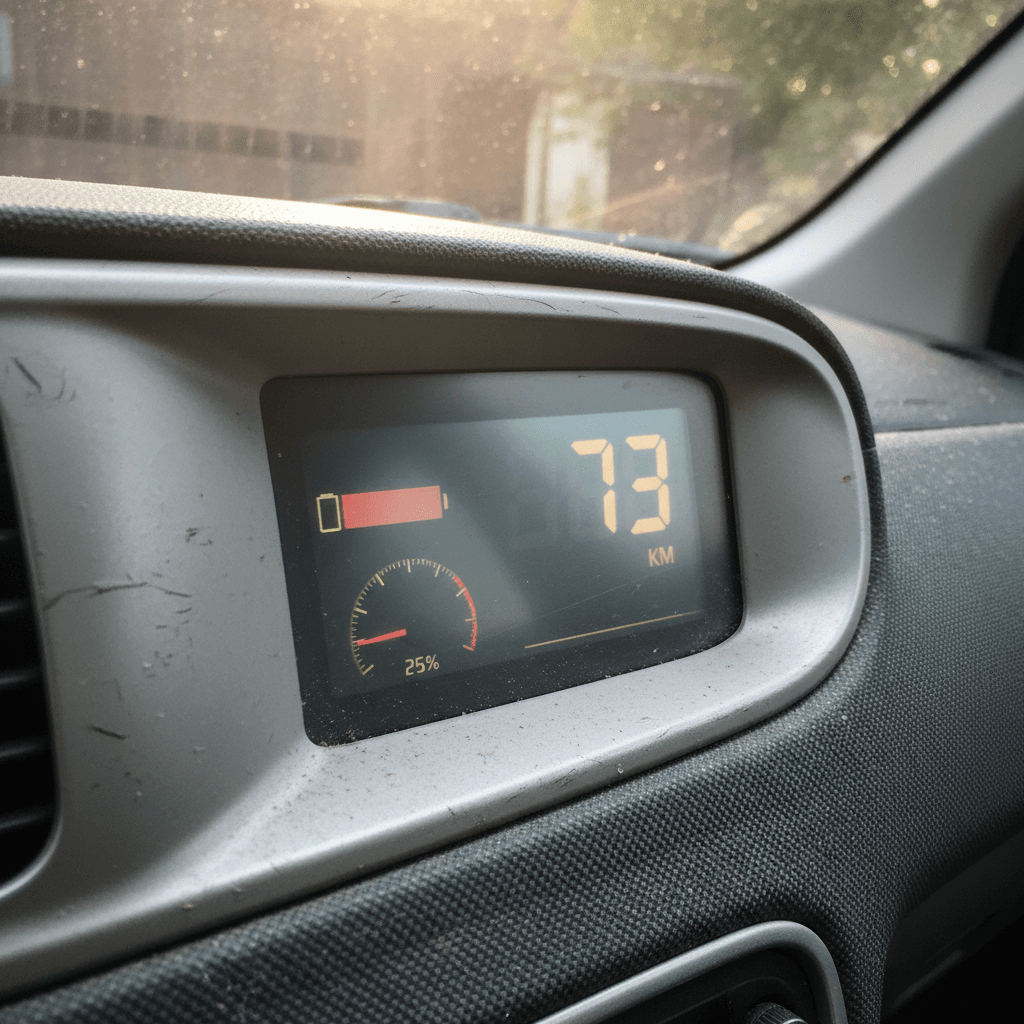
Take a test drive and compare the displayed range at a full (or known) state of charge to the vehicle’s original EPA rating.
2. Ask for a battery health report
Whenever possible, get a <strong>third‑party battery diagnostic</strong> that reads pack capacity, cell balance and fault codes rather than relying solely on a dashboard gauge.
3. Check remaining warranty coverage
Most EVs carry separate battery warranties based on years and/or mileage. Knowing what’s left helps you understand your risk window.
4. Review charging and usage history
High proportions of DC fast charging or use in extreme climates can accelerate wear, though a robust pack can still be in good shape.
5. Inspect for recalls or software updates
Make sure open battery‑related recalls are addressed and that the latest BMS updates are installed.
6. Consider total cost of ownership
Factor potential future battery service or replacement into your budgeting, alongside fuel and maintenance savings versus a gas car.
How Recharged helps de‑risk used EV batteries
Ready to find your next EV?
Browse VehiclesRecharged uses purpose‑built diagnostics to evaluate pack capacity, thermal performance and any stored fault codes. Combined with transparent pricing and available financing, trade‑in options and nationwide delivery, that makes it easier to buy a used EV with confidence instead of anxiety.
FAQ: Lithium batteries for electric vehicles
Frequently asked questions
Bottom line: choosing the right lithium-powered EV
Lithium batteries for electric vehicles have moved from cutting‑edge tech to proven, everyday workhorses. Whether the pack in your next EV is LFP, NMC or NCA, you’re benefiting from a decade of rapid improvements in energy density, safety and durability. The key is matching the chemistry and battery size to how you actually drive, and, if you’re buying used, making sure you understand the pack’s real health.
If you want help translating all this into a specific car in your driveway, Recharged can do the heavy lifting. With verified battery diagnostics, fair market pricing, financing, trade‑in support, instant offers or consignment, and nationwide delivery, Recharged is built to make EV ownership simpler and more transparent, so your next lithium‑powered vehicle feels like the right move, not a risk.