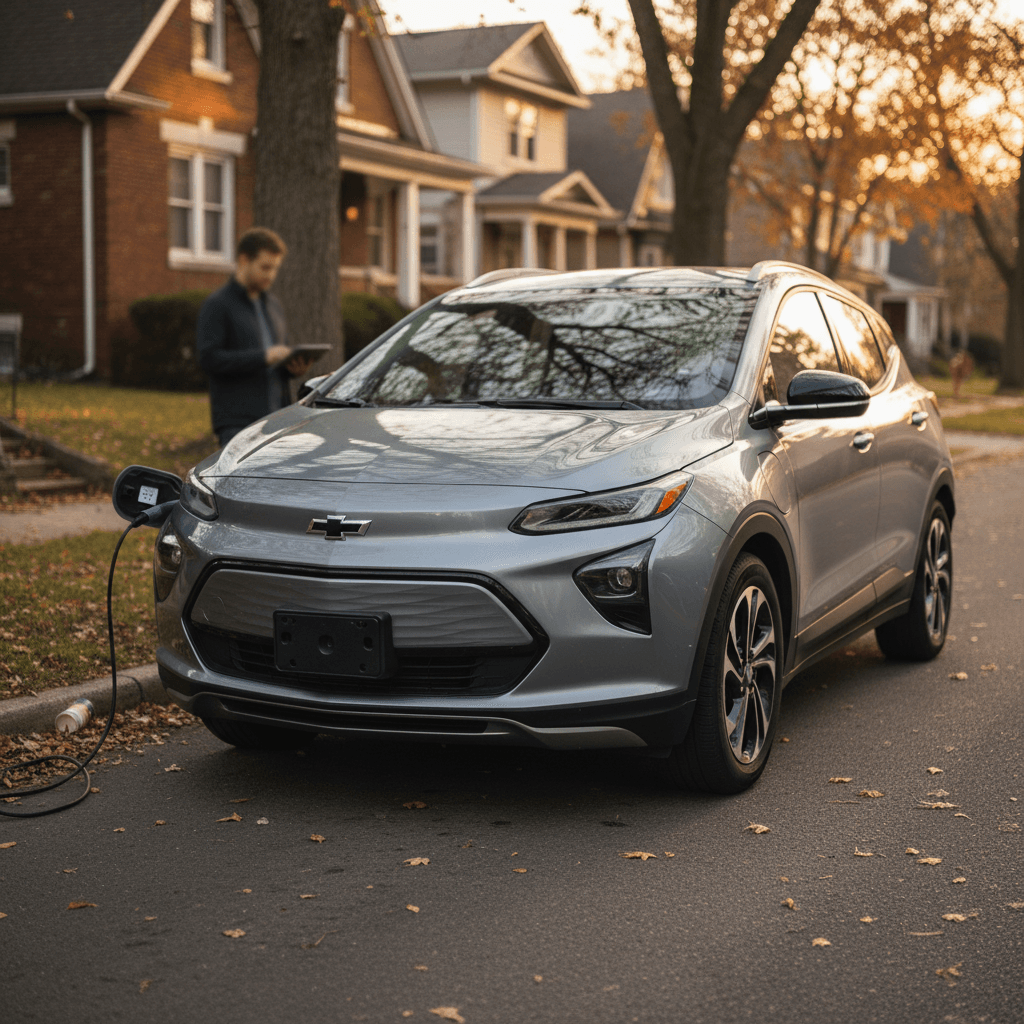
If you’re shopping used EVs, the 2022 Chevy Bolt EUV is probably on your list: it’s efficient, affordable, and packed with tech. But the model’s history of battery recalls and fire-risk headlines raises a fair question: how reliable is the 2022 Bolt EUV today, especially as a used buy?
Quick reliability verdict
Overview: How Reliable Is the 2022 Chevy Bolt EUV?
Independent testing groups rate the 2022 Bolt EUV’s overall reliability as roughly average compared with other 2022 vehicles. That means it’s not a problem child in most day-to-day areas like suspension, brakes, or driveline, but it isn’t trouble‑free either.
2022 Chevy Bolt EUV Reliability Snapshot
Where the 2022 Bolt EUV is different from most small SUVs is in its **battery recall history**. General Motors and supplier LG went through a very public process of identifying and replacing defective battery modules. That’s the single biggest reliability storyline you must understand before you buy.
Used‑buyer tip
Battery Recalls & Fire Risk: What Actually Happened
The Bolt EV and EUV battery saga unfolded in stages. Earlier Bolt EVs experienced rare but serious high-voltage battery fires traced to manufacturing defects in LG-supplied cells. GM ultimately expanded its recall to include 2020–2022 Bolt EV and 2022 Bolt EUV models and paused sales until it could implement a fix.
- Initial recall: GM identified certain battery modules that could short internally and, in rare cases, lead to a fire when charged to high state of charge.
- Interim fix: Software updates limited state of charge (often to ~80–90%) while diagnostic routines watched for abnormal cell behavior.
- Permanent fix: Packs with flagged modules were replaced; newer "N2.2" battery packs went into production that were not subject to the original defect.
- Follow‑up recalls: A small subset of 2020–2022 Bolt EV/EUVs needed new software again because the earlier diagnostic update wasn’t always installed or functioning correctly.
Don’t ignore open recalls
The bottom line: **GM’s current remedy is a combination of improved diagnostic software and, when necessary, battery module or pack replacement.** For a used buyer, your goal is to verify that (1) the latest software has been installed and (2) any required battery work has been completed and documented.
Common 2022 Bolt EUV Issues Owners Report
Once you move past the headline‑grabbing battery recalls, most 2022 Bolt EUV complaints fall into a handful of familiar buckets for modern EVs: electronics quirks, charging oddities, and the occasional noise or rattle. None of these are unique to the Bolt EUV, but they’re worth understanding before you shop.
Most Common Trouble Spots on the 2022 Bolt EUV
What owners and testers tend to see most often
In‑car electronics
Owners sometimes report glitches with the infotainment system, frozen screens, Bluetooth issues, or intermittent backup camera behavior. Many are fixed with software updates, but they can be annoying.
Charging behavior
Some drivers see issues like the car refusing to charge on a particular Level 2 station, failing to charge to 100%, or throwing charging‑related error messages. These problems can stem from the car, the charger, or even the wiring.
Noises & minor build issues
Like many compact hatchback‑based vehicles, a few Bolts develop squeaks, rattles, or wind noise over rough pavement. These are generally more about refinement than mechanical durability.
What reliability surveys say
Battery Health, Range & Long-Term Longevity
The 2022 Bolt EUV uses a 65‑kWh lithium-ion pack with an EPA‑rated **247 miles of range when new**. For most drivers who charge reasonably and avoid chronic abuse (like daily full‑throttle driving and constant 100% fast charging), these packs have shown **modest degradation** so far.
What we’re seeing in the real world
- Many 2022 Bolt EUV owners report little noticeable range loss after tens of thousands of miles when charged sensibly.
- A minority have had packs or modules replaced under recall or warranty, usually flagged by software diagnostics.
- Post‑recall packs (often referred to as newer "N2.2" versions by enthusiasts) are **not subject to the original fire-risk defect** and are performing well so far.
How to protect battery health
- Use daily charge limits (e.g., 70–80%) for routine driving; save 100% for trips.
- Avoid letting the pack sit near 0% or 100% for long periods.
- DC fast charge when you need to, but don’t treat it as your daily routine if you have home Level 2 charging.
- Keep an eye on range over time and note any sudden, unexplained drops, those merit a dealer visit.
Battery reassurance for used buyers
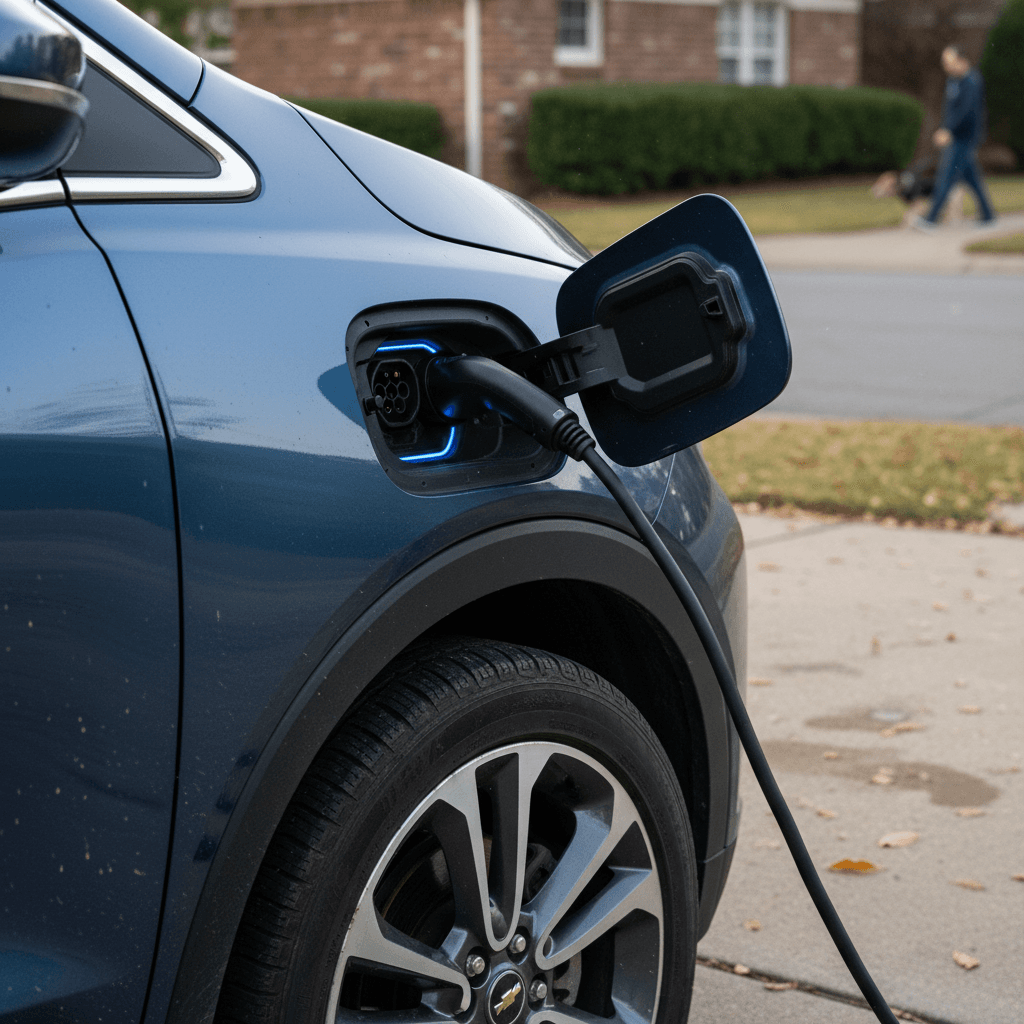
Warranty Coverage on a Used 2022 Bolt EUV
Warranty status is a crucial part of the **2022 Chevy Bolt EUV reliability** story, because EV repairs, especially battery‑related, can be expensive out of pocket. Here’s how coverage normally breaks down in the U.S. for a 2022 model:
Typical 2022 Chevy Bolt EUV Warranty Coverage (U.S.)
These are general factory warranty terms; always confirm details for the specific VIN you’re considering.
| Component | Standard Coverage | What It Means for 2022 Used Buyers |
|---|---|---|
| Bumper-to-bumper | 3 years / 36,000 miles | Most 2022s are now out of this coverage unless they were sold very late and have low miles. |
| Powertrain | 5 years / 60,000 miles | Many examples may still have some powertrain coverage left, depending on miles and in‑service date. |
| High-voltage battery | 8 years / 100,000 miles | The big one for peace of mind; substantial coverage likely remains on most 2022 Bolt EUVs. |
| Corrosion (perforation) | 6 years / 100,000 miles | Rust‑through coverage, less of a concern on a relatively new EV but still worth noting. |
Remember that all warranty clocks start from the original in‑service date, not the model year.
Always confirm with the VIN
How to Check a Used 2022 Chevy Bolt EUV Before You Buy
You don’t need to be an engineer to size up a used Bolt EUV, but you do need to be systematic. Here’s a practical checklist you can follow, whether you’re kicking tires at a dealership or shopping online with a third‑party inspection or a marketplace like Recharged.
Pre‑Purchase Checklist for a 2022 Chevy Bolt EUV
1. Run a full recall check
Use the VIN on the manufacturer’s recall lookup and verify that all <strong>battery-related recalls and software updates</strong> are marked complete. If anything is open, treat that as a red flag until the seller has it resolved.
2. Confirm battery warranty status
Ask for the original purchase date (in‑service date) and current mileage. Confirm with a Chevy service department how much of the 8‑year/100,000‑mile battery warranty remains.
3. Review service history
Look for records showing battery diagnostics, module or pack replacement, and software updates. A car that’s had recall work properly documented isn’t a negative, it’s a sign the issues were addressed.
4. Inspect charging behavior
If possible, test the car on a **Level 2 charger** and, ideally, a DC fast charger. Make sure it starts charging normally, doesn’t throw error messages, and reaches the expected state of charge.
5. Check range estimates
After a full charge, compare the displayed range estimate to what you’d expect for your climate and driving. A modest difference is normal; a dramatic drop could indicate battery degradation or an out‑of‑whack prediction algorithm.
6. Listen for rattles and wind noise
On a test drive, pay attention to **squeaks, rattles, or excessive wind noise** at highway speeds. These won’t strand you, but they affect day‑to‑day satisfaction and might provide leverage on price.
7. Scan electronics & driver aids
Test the infotainment system, Bluetooth, backup camera, and any driver‑assistance features like adaptive cruise control or Super Cruise (if equipped). Glitches here are common warranty issues if coverage remains.
8. Consider a professional EV inspection
An independent EV‑savvy inspection, or a marketplace that includes <strong>verified battery health data</strong>, like the Recharged Score, can help you avoid surprises and understand how this particular car compares to others on the market.
When to walk away
Is the 2022 Chevy Bolt EUV a Good Used Buy?
Once you factor in generous battery warranty coverage, completed recall work, and current used pricing, the **2022 Chevy Bolt EUV can be a strong value** for shoppers who understand its history. It offers a practical cabin, strong efficiency, and enough real‑world range for most daily driving and weekend trips.
Where the 2022 Bolt EUV shines
- Value for money: Used prices are often lower than comparable small EV crossovers, in part because of the recall headlines.
- Usable range: Around 247 EPA miles when new, with many owners still seeing very workable real‑world range.
- Simple, efficient powertrain: Single‑motor FWD setup has fewer moving parts than a gas engine, and day‑to‑day reliability has been solid.
- Long battery warranty: Many 2022 examples still have years of high‑voltage coverage remaining.
Where you need to be cautious
- Battery recall complexity: You must verify that all recall work and software updates are complete and correctly installed.
- Electronics quirks: Expect the occasional infotainment or charging‑communication hiccup; software updates may help.
- Interior refinement: Some owners report more squeaks and rattles than in pricier EVs.
- Perception & resale: Fire‑risk headlines have hurt the Bolt’s image, which can be an opportunity on price but uncertainty on long‑term values.
How Recharged fits in
Ready to find your next EV?
Browse VehiclesIf you do your homework, checking recalls, verifying battery warranty, and inspecting charging behavior, the **2022 Chevy Bolt EUV’s reliability profile can be perfectly acceptable for a budget‑friendly, all‑electric daily driver**. It’s not the right choice for someone who wants to ignore history and skip due diligence. But for informed shoppers who appreciate value, it can be one of the smartest used EV buys on the market.