When you search for the least reliable electric cars in 2026, you’re usually not just rubber‑necking bad news, you’re trying to avoid an expensive mistake. The reality is that some modern EVs have racked up far more defects, recalls, and owner complaints than others, especially among newer electric SUVs and trucks.
What “least reliable” really means
How to read EV reliability in 2026
Before we name names, it helps to understand how today’s "worst" EVs earn that label. Organizations like Consumer Reports, J.D. Power, and Germany’s TÜV base their rankings on hundreds of thousands of real‑world vehicles, then combine that with repair histories and defect rates. Their recent surveys have consistently found that fully electric vehicles have more problems on average than hybrids and gas‑only cars, mainly because of all the new electronics, software, and high‑voltage hardware packed into them.
- New EV platforms with little carry‑over from older models tend to have more bugs in the first few years.
- Complex electronics, infotainment systems, driver‑assist tech, and charging hardware, are major trouble spots.
- Big SUVs and trucks usually fare worse than small cars, simply because they pack more tech and weigh more.
- A high recall count doesn’t automatically make a car a lemon, but it’s an important signal you shouldn’t ignore.
EV reliability snapshot going into 2026
Early data is noisy
EVs that struggle most with reliability
Different rankings use different formulas, but the same problem children keep appearing. Below we’ll group the least reliable electric cars heading into 2026 by platform or brand family, then call out specific models that are most often flagged.
Least reliable EV families to watch in 2026
These groups of EVs have been frequent flyers in reliability surveys, defect reports, or recall lists going into 2026.
| EV family / platform | Representative models | Main pain points | Why they show up on “least reliable” lists |
|---|---|---|---|
| Tesla compact & midsize EVs | Model Y, Model 3 | Build quality defects, software bugs, frequent large‑scale recalls | Very high defect rates reported in some inspection data; millions of vehicles affected by recurring recalls. |
| Tesla Cybertruck | Cybertruck | Multiple safety‑related recalls, panel and trim issues, steering/drive concerns | All‑new, complex vehicle with a string of recalls in its first years on sale. |
| GM Ultium‑based EVs | Chevrolet Blazer EV, Equinox EV, Cadillac Lyriq, GMC Hummer EV | Charging failures, software glitches, early‑life component issues | New shared EV platform that has struggled with charging reliability and software stability. |
| Hyundai–Kia E‑GMP EVs | Hyundai Ioniq 5/6, Kia EV6, Genesis GV60 | High‑voltage power unit problems, charging faults, occasional power loss | Integrated charging hardware issues have led to recalls and owner complaints. |
| Audi Q4 e‑tron and relatives | Audi Q4 e‑tron, VW ID.4 | Electronics glitches, charge‑port issues, build‑quality complaints | Owner surveys sometimes rank these among the least reliable compact luxury EV SUVs. |
| Other new‑to‑market EVs | Various start‑up and low‑volume models | Software gremlins, parts shortages, limited dealer expertise | Small production runs and immature support networks make problems harder to resolve. |
Always check the latest data for the specific model year you’re shopping, these patterns can change as automakers fix issues.
Regional nuance matters
Why these electric cars rank as "least reliable"
Root causes behind the problem‑prone EVs
The badge on the nose matters less than the technology under the skin.
New, unproven platforms
Complex charging hardware
Software‑heavy cabins
Tesla Model Y and Model 3
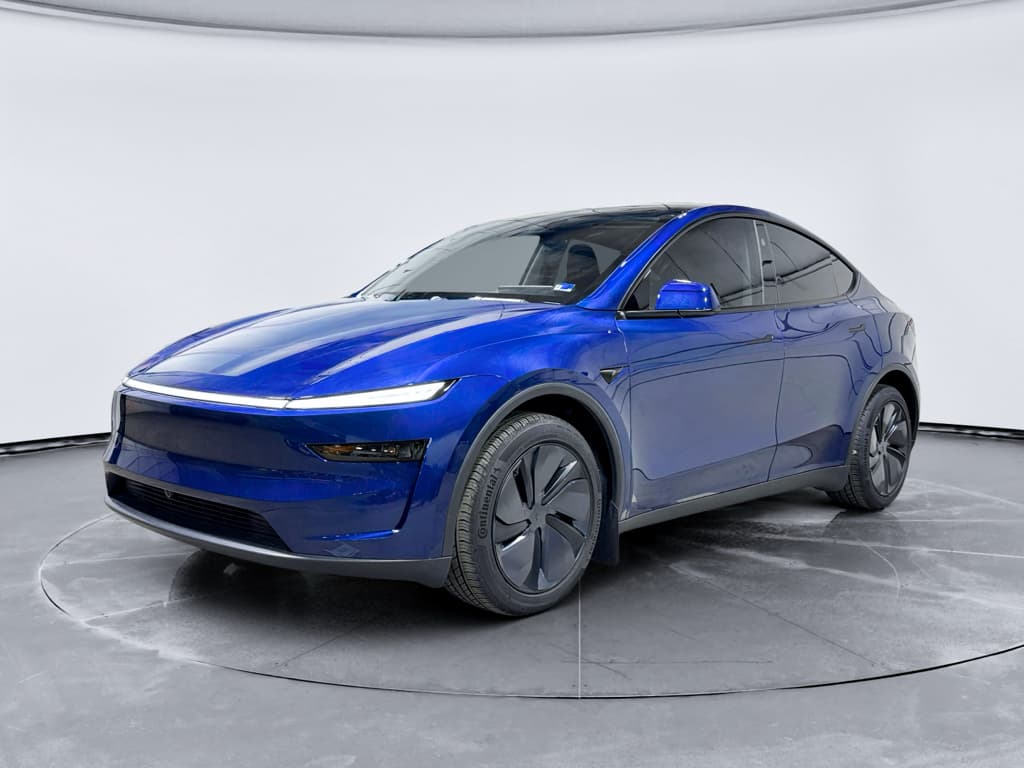
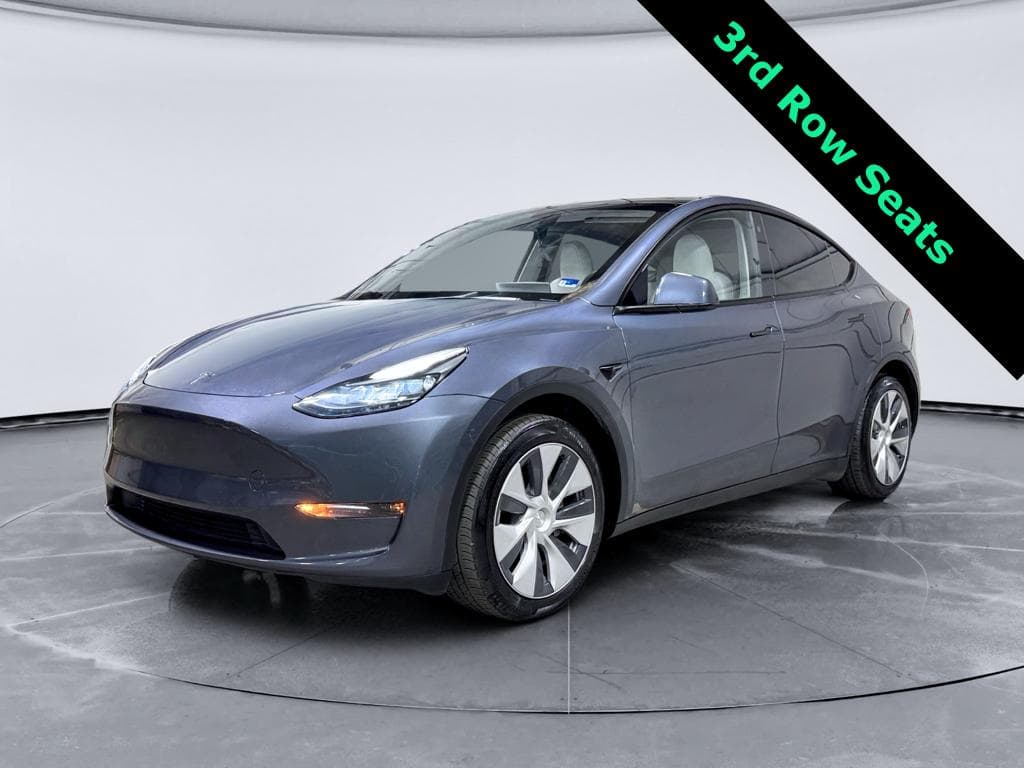
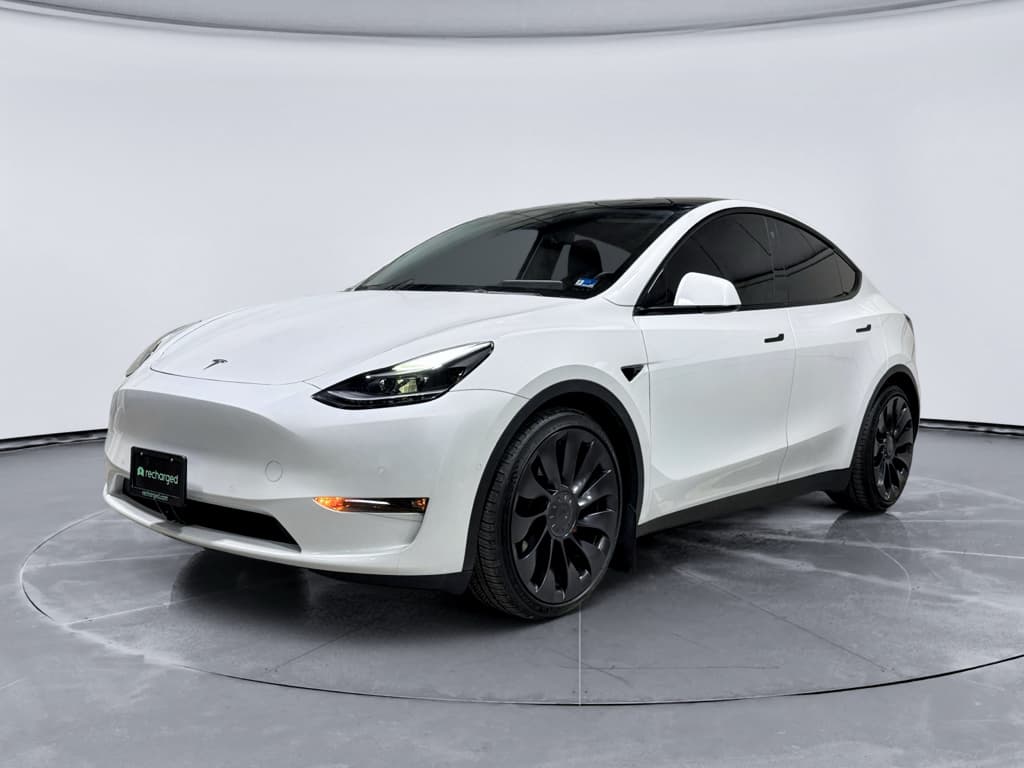
Tesla’s compact models have been sales juggernauts, but they’ve also been singled out for high defect rates and multiple sweeping recalls. Recent data from Germany’s TÜV inspection authority, for example, flagged the Model Y as the worst‑performing 2‑ to 3‑year‑old vehicle they tested, with an unusually high share of cars showing defects at inspection.
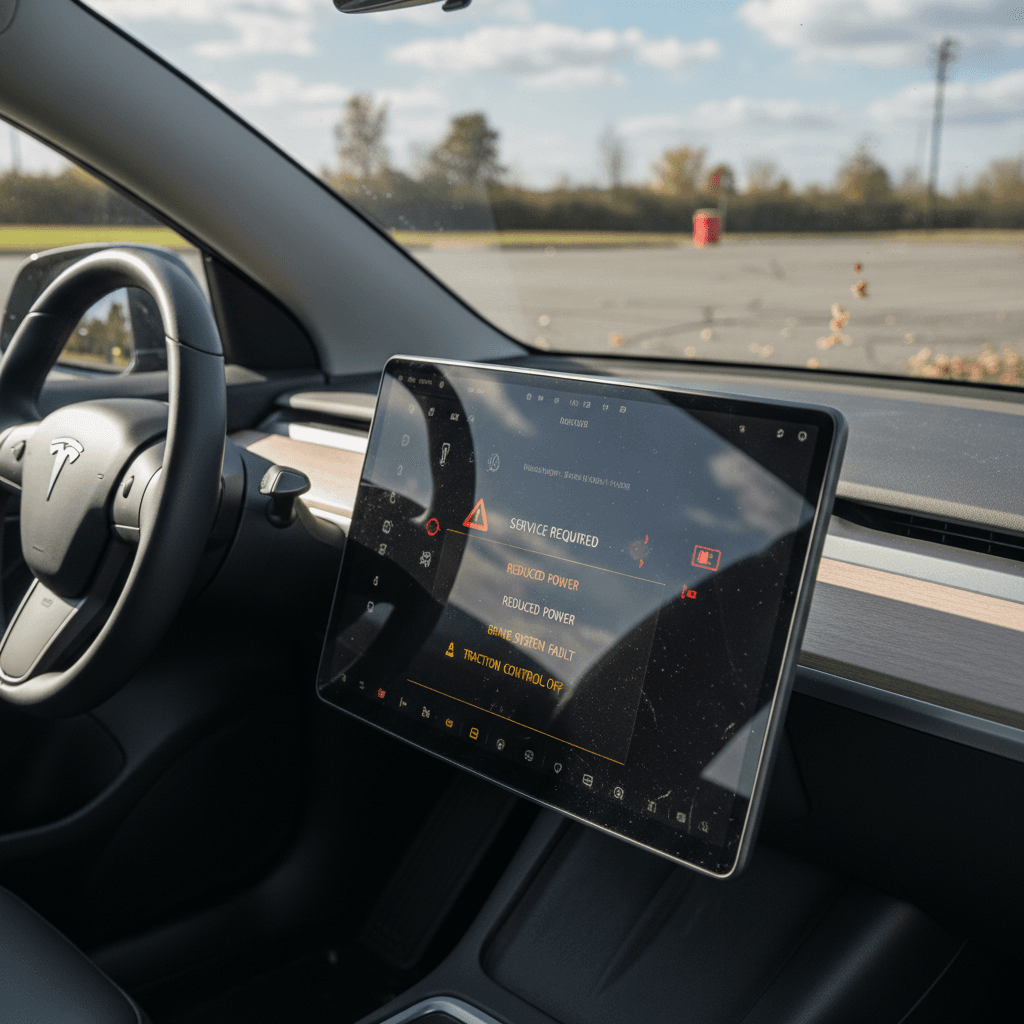
In the U.S., these models have also been repeatedly recalled for everything from Autopilot warnings to power steering issues, many fixed with over‑the‑air software updates, but still evidence of underlying quality problems.
GM’s Ultium EVs and other newcomers
GM’s Ultium family, Chevrolet Blazer EV, Equinox EV, Cadillac Lyriq, GMC Hummer EV, illustrates how ambitious all‑new platforms can stumble. Owners and reviewers have reported charging failures, software hiccups, and early‑life component issues serious enough that GM temporarily halted some sales to address them.
Hyundai, Kia, Volkswagen, and Audi have faced their own growing pains with new EV architectures and 800‑volt charging systems. When that core tech isn’t bulletproof, entire nameplates end up near the bottom of reliability lists, even if the underlying suspension and bodywork are fine.
Power loss is a big red flag
Recalls vs. real‑world reliability
If you just skim headlines, you might assume the "worst" EV is simply the one with the most recalls. It’s more complicated than that. Modern EVs are software‑defined vehicles, and over‑the‑air (OTA) updates mean one recall can touch millions of cars even for something like a warning label or chime logic.
- A high number of software‑only recalls doesn’t necessarily mean a car is breaking down on the roadside.
- Hardware recalls that require physical repairs, especially for high‑voltage batteries, power electronics, or steering components, are a more serious reliability concern.
- Multiple separate recalls for the same underlying system can indicate deeper engineering issues.
- Owner‑reported problems (through large surveys) help separate nuisance issues from failures that actually strand drivers.
How to read a recall history
How “least reliable” EVs affect you as a used buyer
If you’re shopping new, the biggest cost of buying one of the least reliable electric cars is your time and frustration. For used‑EV shoppers, the stakes get higher. You’re inheriting someone else’s experience, good or bad, and you may be outside the full factory warranty when big‑ticket items fail.
Risks of shopping the least reliable EVs used
Most of these can be managed, but only if you know what you’re walking into.
Unexpected repair costs
More time in the shop
Resale value pressure
Battery health still matters most
Used EV checklist if you’re considering a risky model
Maybe the deal on that early Tesla Model Y, Audi Q4 e‑tron, or first‑generation Ultium SUV looks too good to pass up. You don’t necessarily have to, but you do need to go in with a structured plan. Use this checklist as a starting point whenever you’re shopping a model that shows up on least‑reliable lists.
Checklist: How to vet a low‑reliability EV before you buy
1. Pull the full recall and service history
Run the VIN through the official recall search and ask for dealer service records. You want to see that all recall work has been completed and that there aren’t repeated visits for the same problem, especially around charging, power loss, or electronics.
2. Get an independent high‑voltage inspection
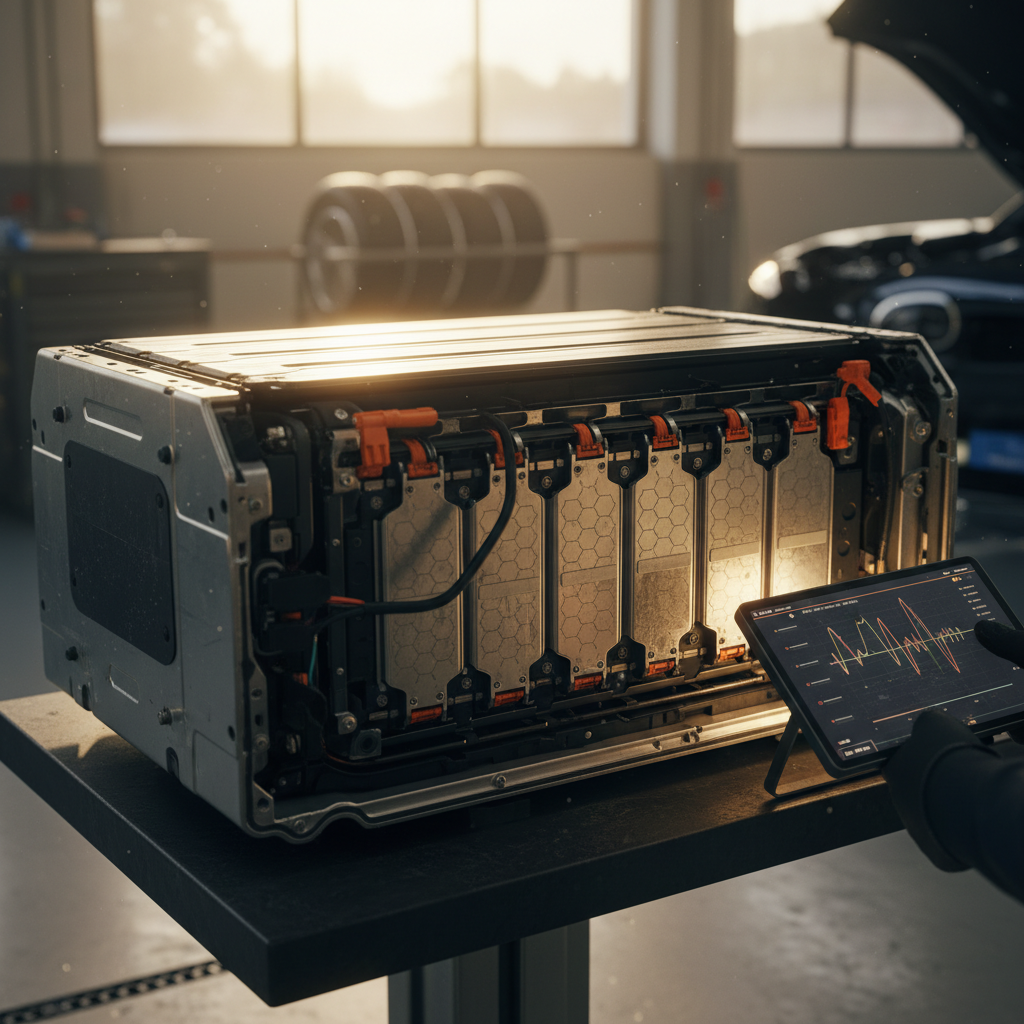
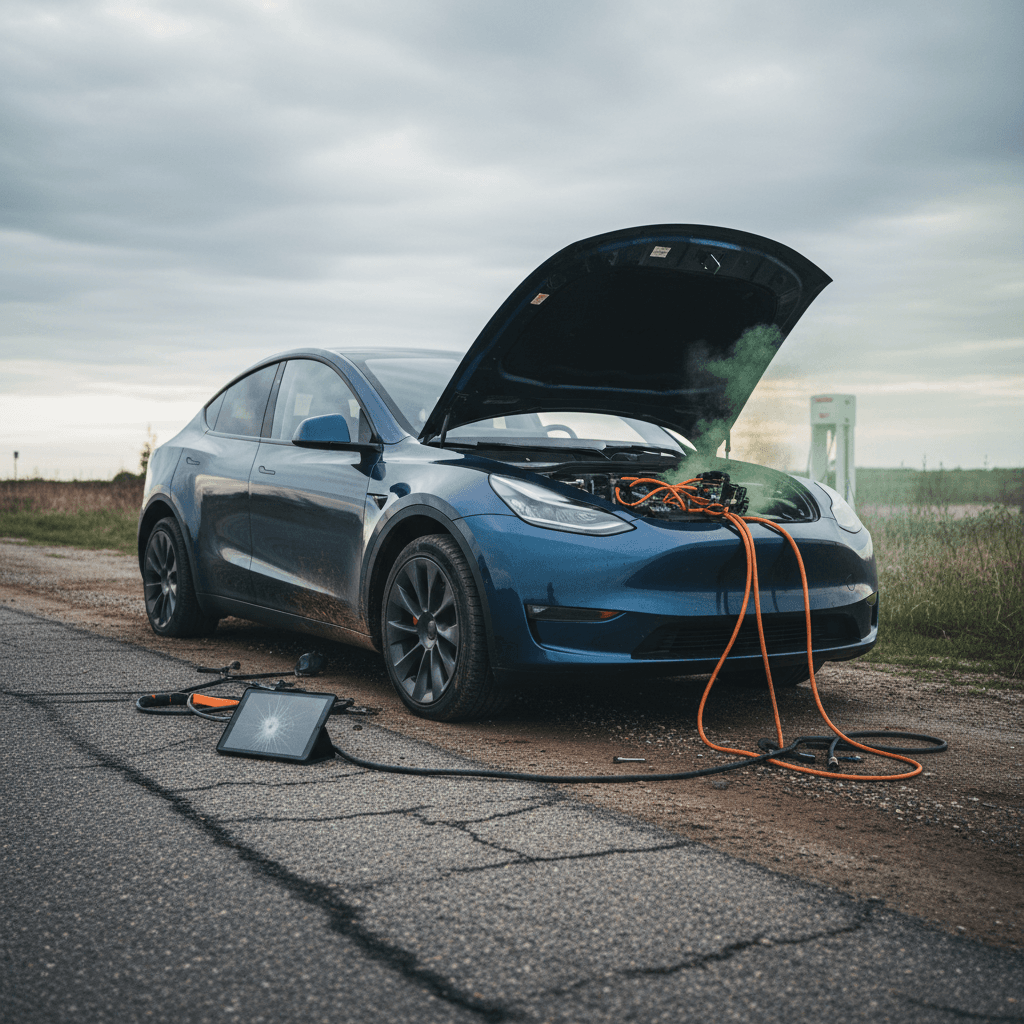
A pre‑purchase inspection on an EV should include a technician trained on high‑voltage systems. They can check for coolant leaks around the battery, damage to orange high‑voltage cables, and any trouble codes that haven’t yet triggered a dash light.
3. Demand objective battery health data
Don’t accept a seller’s word that "the range seems fine." Ask for measured battery state of health and recent charging behavior. At Recharged, this is captured in the Recharged Score battery health report so you’re not guessing about degradation.
4. Test multiple real‑world charging scenarios
On the test drive, plug into both a Level 2 station and, if possible, a DC fast charger. Watch for failures to initiate charging, repeated disconnects, or severely throttled charge speeds, common issues on some of the least reliable EVs.
5. Verify warranty coverage in writing
Battery and drive‑unit warranties often run 8–10 years, but electronics and charging hardware may be covered for less. Get exact in‑service dates, mileage, and warranty terms so you know what’s still protected.
6. Price in the risk, don’t overpay
Least‑reliable EVs can be great buys at the right discount, but a risky model at a strong price is better than a risky model at a strong reputation. If the used price doesn’t clearly reflect the added risk, keep shopping.
Where Recharged comes in
Ready to find your next EV?
Browse VehiclesHow Recharged helps you shop around the problem cars
If you’re leaning toward one of the least reliable electric cars, you’re usually chasing one of two things: a screaming deal or a specific experience you can’t get anywhere else. Either way, you deserve more than guesswork. That’s where a data‑driven used‑EV marketplace like Recharged changes the equation.
Shopping smarter around reliability landmines
How Recharged is built to de‑risk used EV ownership.
Battery‑first grading
Condition and pricing transparency
Expert support, coast to coast
If you’re near Richmond, VA, you can even visit the Recharged Experience Center to get hands‑on with different EVs, talk through reliability and battery‑health questions, and compare models that might suit your driving better than the latest headline‑grabbing SUV or truck.
FAQ: Least reliable electric cars in 2026
Frequently asked questions about the least reliable EVs
Bottom line on the least reliable EVs for 2026
As we head into 2026, the least reliable electric cars tend to be the boldest experiments: new platforms, heavy on software, packed with cutting‑edge charging hardware. They’re often exciting to drive and easy to fall in love with, but they can also be harder on your time, your budget, and your patience than more conservative alternatives.
If you’re shopping used, focus on objective battery health, complete recall history, and realistic pricing rather than the badge alone. A solid car from a slightly troubled nameplate can be a smart buy at the right number. And if you’d rather sidestep the landmines entirely, a marketplace like Recharged, built around verified battery diagnostics, fair market pricing, and EV‑specialist guidance, can help you gravitate toward the EVs that fit your life without inheriting someone else’s headaches.