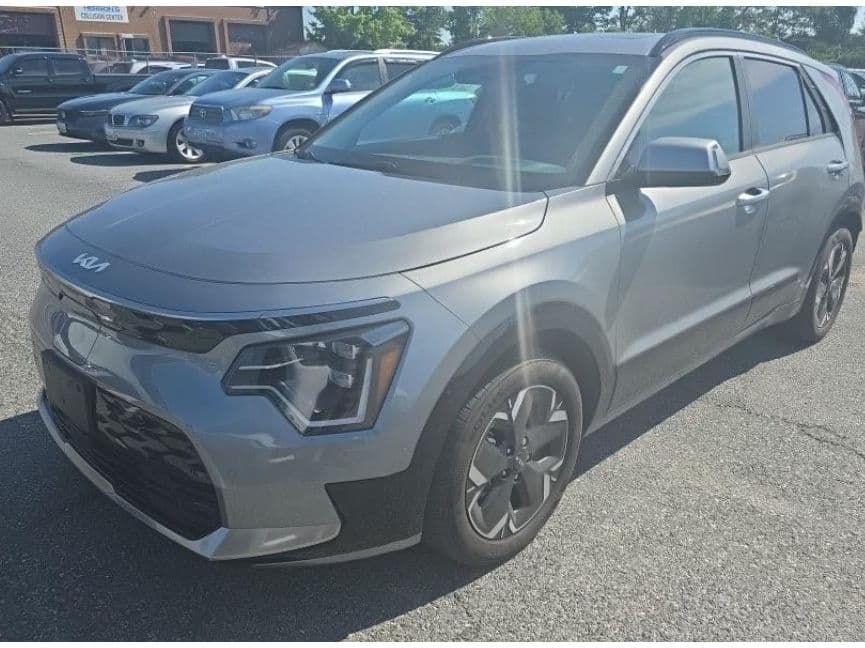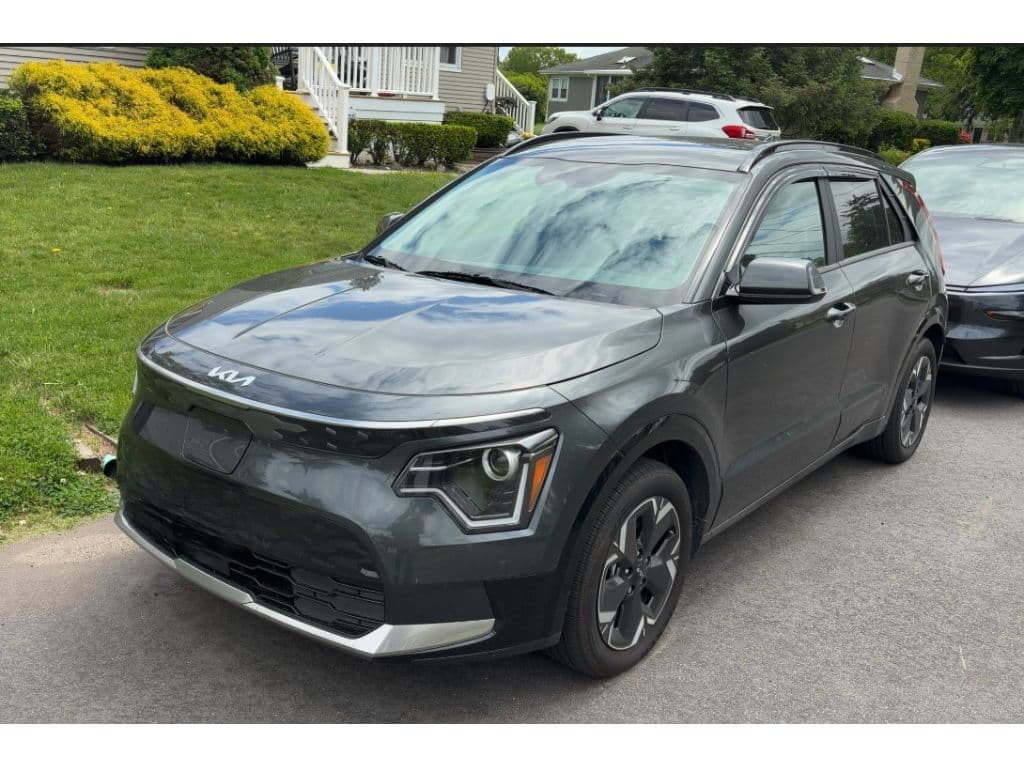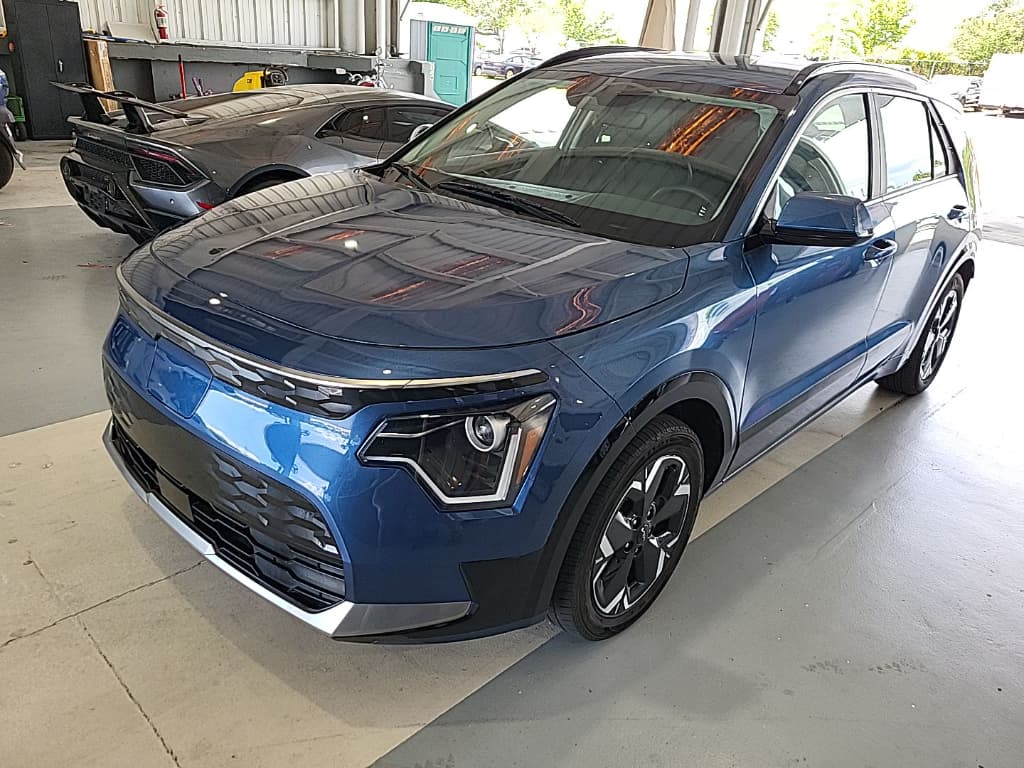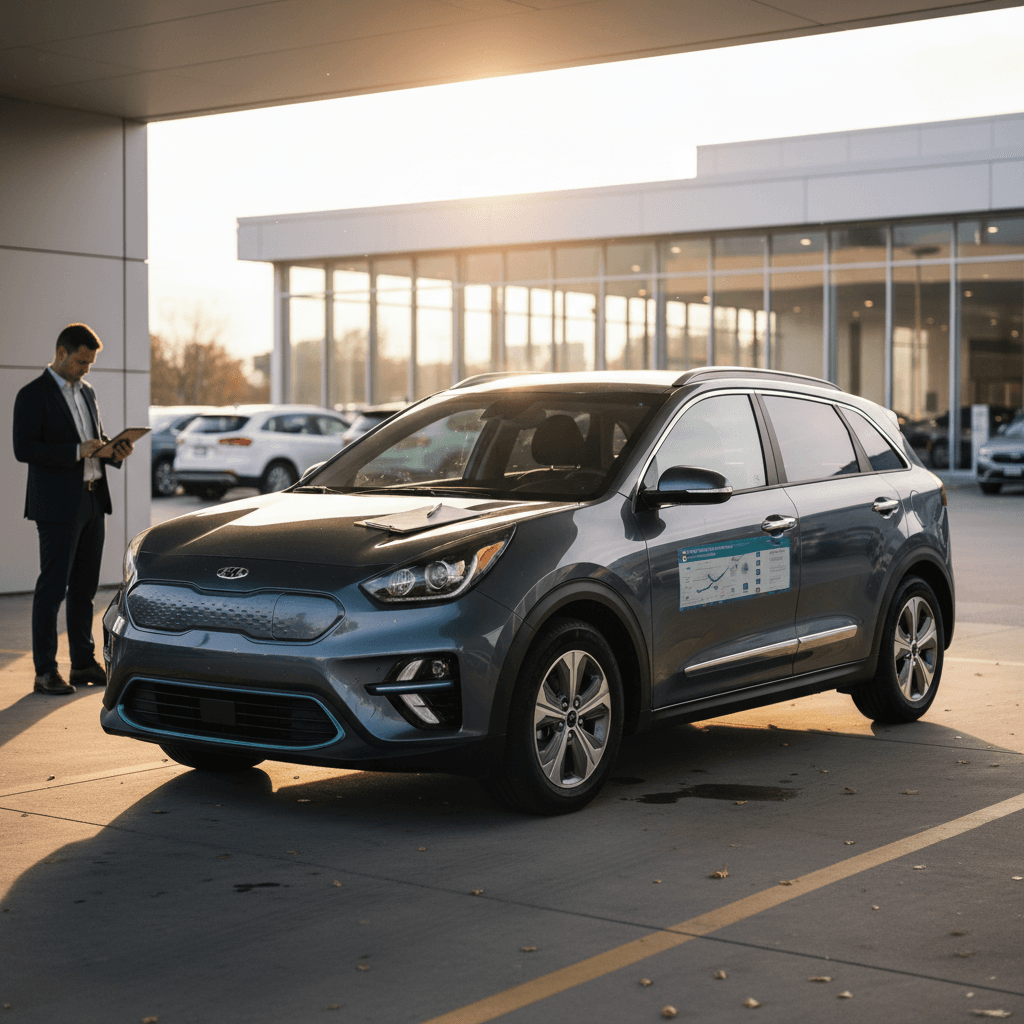
If you’re wondering what your Kia Niro EV trade in value in 2026 should look like, you’re not alone. Used EV prices have cooled off from the pandemic highs, incentives have shifted, and newer long‑range models are crowding the market. The good news: with the right prep and a realistic target, you can still get strong money for a well‑kept Niro EV.
What this guide covers
Overview: 2026 Kia Niro EV trade‑in market
By 2026, the Kia Niro EV sits in an interesting spot. It’s not the hottest new EV on the lot, but it offers practical range, a compact footprint, and a still‑relevant feature set. Market‑wide data shows Niro EVs typically lose around 59–60% of their value over five years, which means a roughly $39,000 new Niro EV often lands in the mid‑teens after five years of normal use. That puts it squarely in the “strong value, moderate depreciation” camp among compact EV crossovers.
Kia Niro EV value at a glance (2026)
Why trade‑in quotes feel “all over the map”
Quick Kia Niro EV trade‑in ranges by model year
Let’s start with ballpark numbers so you can sanity‑check the offers you’re seeing. These are typical 2026 trade‑in ranges for a clean, accident‑free Niro EV in the U.S. with average mileage for its age (roughly 10,000–12,000 miles per year) and solid battery health. Real offers in your ZIP code can be a bit higher or lower, but if someone’s thousands away from these bands, you’ll want to dig into why.
Estimated 2026 Kia Niro EV trade‑in ranges (U.S.)
Approximate trade‑in value ranges assuming clean title, no major accidents, and typical mileage. These are directional, not formal appraisals.
| Model year | Typical miles in 2026 | Likely trade‑in range* | Notes |
|---|---|---|---|
| 2025 Niro EV | 5,000–20,000 | $27,000–$31,000 | Very new; strongest values, especially for high trims. |
| 2024 Niro EV | 15,000–30,000 | $24,000–$29,000 | Still feels current; big swings based on equipment and tax‑credit history. |
| 2023 Niro EV | 25,000–40,000 | $21,000–$26,000 | Sweet spot for many shoppers; dealers like these as CPO candidates. |
| 2022 Niro EV | 35,000–55,000 | $17,000–$22,000 | Older body style but practical; values hinge on battery health and warranty time left. |
| 2020–2021 Niro EV | 45,000–75,000 | $14,000–$19,000 | Often out of basic warranty but still covered on the high‑voltage battery. |
| 2019 Niro EV | 55,000–90,000+ | $11,000–$16,000 | First model‑year examples; condition and battery report matter more than model year. |
Use this table as a starting point; local market, options, and battery health can easily move your Niro EV a few thousand dollars either way.
About these numbers
How dealers actually calculate your Niro EV trade‑in value
When you roll into a dealership in 2026, your Kia Niro EV isn’t being valued on gut feel. Most dealers lean on auction data, pricing guides, and their own lot experience to decide what they’ll pay. Knowing what’s happening behind the curtain makes it easier for you to negotiate from facts, not frustration.
The four inputs behind your trade‑in number
This is what most appraisers are really looking at when they walk around your Niro EV.
1. Book values & auction results
Most stores start with wholesale data from pricing guides and regional auctions. For Niro EVs, that usually means:
- Recent auction sale prices for similar years/miles
- Guidebook wholesale values adjusted for condition
- Local demand for compact EV crossovers
If Niro EVs are stacking up at auction, trade‑in offers tighten quickly.
2. Reconditioning & retail margin
The dealer has to make your Niro EV look good and pass safety checks before reselling it. They’ll subtract:
- Tires, brakes, glass, and cosmetic repairs
- Detailing and photo costs
- A profit margin, usually a few thousand dollars
The more work your car needs, the lower their trade‑in number.
3. Battery risk
Even if they don’t say it, dealers are thinking hard about battery risk on used EVs:
- How much factory battery warranty is left
- Perceived degradation vs. similar cars
- Whether they can explain range to a used buyer
Anything that reassures them about your pack’s health helps your number.
4. Market timing
In 2026, EV values are still sensitive to policy changes and incentives. Appraisers watch:
- New EV lease deals and rebates that undercut used prices
- Local inventory levels, too many Niros = softer offers
- Interest rates, which affect used‑car payments
That’s why offers can change month to month even if your car hasn’t.
Arrive with your homework done
Battery health: the silent price driver
For an electric vehicle, the high‑voltage battery is the engine and gas tank combined. Kia typically backs the Niro EV’s battery for about 8–10 years or 100,000 miles, with protection if usable capacity drops to around 70% during that window. In the real world, many Niro EV packs are holding up impressively well, owners routinely report moderate or minimal degradation even past 50,000–100,000 miles when the car is well cared for.
How buyers think about your battery
Retail buyers, and the dealers who sell to them, care less about the exact chemistry and more about one thing: how much range they’ll see on the dash.
- If your Niro EV still comfortably delivers close to its original rated range in daily driving, it feels "like new" to most shoppers.
- If the pack has noticeably degraded, buyers price in the cost, hassle, or fear of an eventual replacement.
All of that shows up in the number you’re offered.
Turning battery health into a selling point
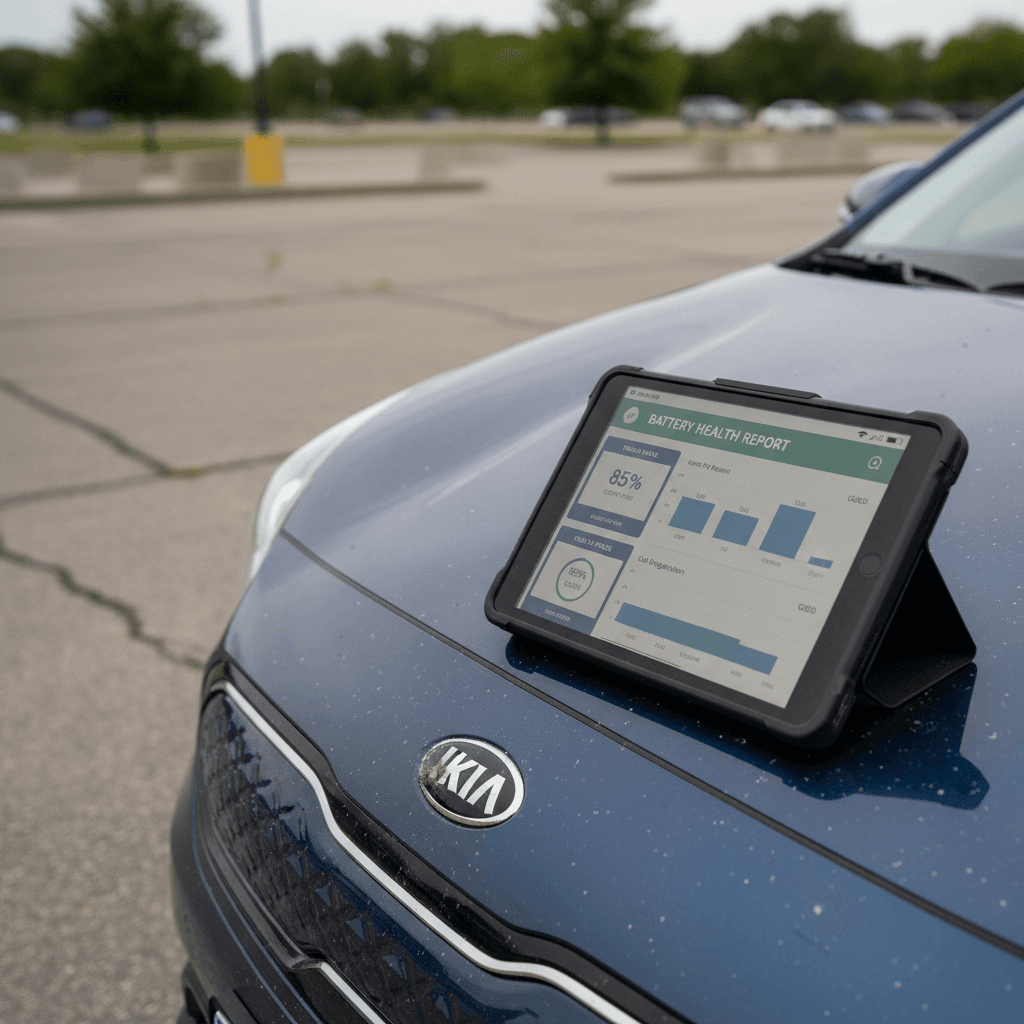
This is where data helps you, not the dealer. A third‑party battery health report can translate pack performance into a simple score or capacity estimate.
- Healthy pack? Use that report to justify the top end of trade‑in or sale ranges.
- Borderline pack? At least you know what you’re working with and can plan accordingly.
On a Niro EV, a strong battery can easily be worth thousands of dollars over a questionable one.
How Recharged handles battery health
Ready to find your next EV?
Browse VehiclesMileage, condition, and options: what really moves the number
Aside from battery health, the same basics that govern any used car still apply to your Niro EV. But in 2026, appraisers lean a little harder on how your specific car will photograph, show, and sell online.
- Mileage: A 2019 Niro EV with 55,000 miles will usually beat a 90,000‑mile example by several thousand dollars, even if both feel fine to drive.
- Accidents and title status: Clean, one‑owner history is gold. Structural damage or airbag deployment drags values down fast.
- Exterior and interior condition: Curb rash, stained seats, and cracked glass all add up. Dealers will subtract reconditioning costs plus a little extra for hassle.
- Trim and options: Higher trims with better infotainment, advanced driver‑assist tech, and cold‑weather packages sell faster and support higher trade‑in values.
- Tires and brakes: A fresh set of quality tires and solid brakes can narrow the reconditioning estimate and lift your offer slightly.
Watch the “EV tax credit effect” on values
Where to sell in 2026: dealer, CarMax, online, or EV specialist?
You have more options than ever to cash out of your Kia Niro EV in 2026. Each route has trade‑offs in price, time, and convenience. For a car like the Niro EV, practical, relatively affordable, and still under battery warranty in many cases, choosing the right channel can be worth a few thousand dollars, not just a tank of electrons.
Comparing your selling options in 2026
Think in terms of three levers: price, effort, and how EV‑savvy the buyer is.
Franchise dealer trade‑in
Best for: Convenience and rolling equity into your next car.
- One‑stop transaction when you’re buying another vehicle.
- Dealers may step up slightly if they want a Niro EV on the lot.
- Least hassle, but often not the highest dollar.
CarMax & national car‑buyers
Best for: Fast, predictable offers.
- Quick online quote and in‑person appraisal.
- Offers can be conservative on older EVs with unknown battery health.
- Great baseline number to compare against other options.
EV‑focused marketplaces
Best for: Maximizing value on a healthy Niro EV.
- Buyers are actively shopping for EVs and understand range and charging.
- Battery health reports and transparent pricing build trust.
- Platforms like Recharged can offer instant offers, consignment, or trade‑in support.
Get at least three real offers
7 ways to boost your Kia Niro EV trade‑in offer
Pre‑trade checklist for your Niro EV
1. Pull your service and charging history
Gather records for scheduled maintenance, warranty work, and any EV‑specific checks (coolant, recalls, software updates). If you’ve consistently used Level 2 home charging instead of maxing DC fast charging, mention it, steady use is easier on the pack than constant rapid sessions.
2. Get a battery health assessment
A verified battery health report is one of the strongest tools you can bring to an appraisal. If your Niro EV still shows strong capacity and range, that’s a justification for the top of the value range, not the bottom.
3. Fix small cosmetic issues first
Touch‑up paint on obvious chips, a professional detail, and replacing deeply worn floor mats can all shift the car from "average" to "clean" in the appraiser’s mind. The cost is often far less than the hit to your trade‑in number.
4. Resolve warning lights and open recalls
Any EV‑related warning light, or even a simple TPMS or check‑engine light, gives a dealer an excuse to assume the worst. Address easy fixes in advance and check for open recalls at a Kia dealer before you ask for quotes.
5. Bring both keys, manuals, and accessories
Missing a key or charge cord? The dealer will build that into their costs. Arriving with both keys, the original Level 1 cord, and any included accessories signals that the car’s been cared for and minimizes their reconditioning bill.
6. Get written offers before you negotiate a new car
If you plan to trade your Niro EV on another vehicle, walk in with printed or saved offers from other buyers. That keeps the trade‑in from becoming a shell game in the finance office and gives you a concrete number to beat.
7. Time your sale strategically
You’ll generally see stronger EV values when gas prices are high, new‑car incentives are modest, and tax‑credit rules aren’t making new EVs dramatically cheaper. If your timing is flexible, pay attention to those macro trends.
Avoid the classic trade‑in trap
Using Recharged to sell or trade your Kia Niro EV
Recharged was built specifically around used EVs, including the Kia Niro EV, to make pricing, battery health, and the entire selling process more transparent. Instead of hoping a traditional dealer understands your car, or lowballing you because they don’t, an EV‑specialist marketplace leans into what makes your Niro valuable.
What Recharged offers Niro EV owners
- Instant offers or consignment: Choose between a fast cash offer or listing your Niro EV on a modern marketplace where buyers are already shopping for used EVs.
- Recharged Score Report: A detailed report that includes verified battery health diagnostics, fair market pricing, and condition insights.
- Financing and trade‑in support: If you’re moving into another EV, you can finance through Recharged and seamlessly apply your Niro EV’s value as a trade‑in.
- Nationwide reach: Sell beyond your local dealer network, opening the door to buyers in markets where Niro EV demand is stronger.
How the process typically works
- Tell us about your Niro EV: Share VIN, mileage, photos, and basic condition details online.
- Get a data‑driven value: We factor in battery health, options, and real‑time market data to estimate a fair value range.
- Choose your path: Take an instant offer, consign the car to reach more buyers, or explore a trade‑in into another EV on Recharged.
- Complete the sale: Recharged can coordinate paperwork, payoff, and even nationwide vehicle pickup or delivery in many cases.
If you’d rather visit in person, Recharged also operates an Experience Center in Richmond, VA for hands‑on help.
Why EV‑specific valuation matters
FAQ: Kia Niro EV trade‑in value in 2026
Frequently asked questions
Bottom line: getting fair value for your Niro EV in 2026
Your Kia Niro EV trade in value in 2026 comes down to three big levers: how healthy the battery is, how your specific car compares to others on the market, and where you choose to sell it. You can’t change the model year, but you can absolutely control how prepared you are when you ask for offers.
Walk in with a clean car, complete records, and a trusted battery health report, and you’re no longer just hoping the dealer does right by you, you’re presenting a compelling case for why your Niro EV deserves the upper end of the range. Whether you decide to trade it in, sell to a national buyer, or tap an EV‑focused marketplace like Recharged, treating your Niro EV like the valuable asset it is will pay off when it’s time to move on to your next electric vehicle.