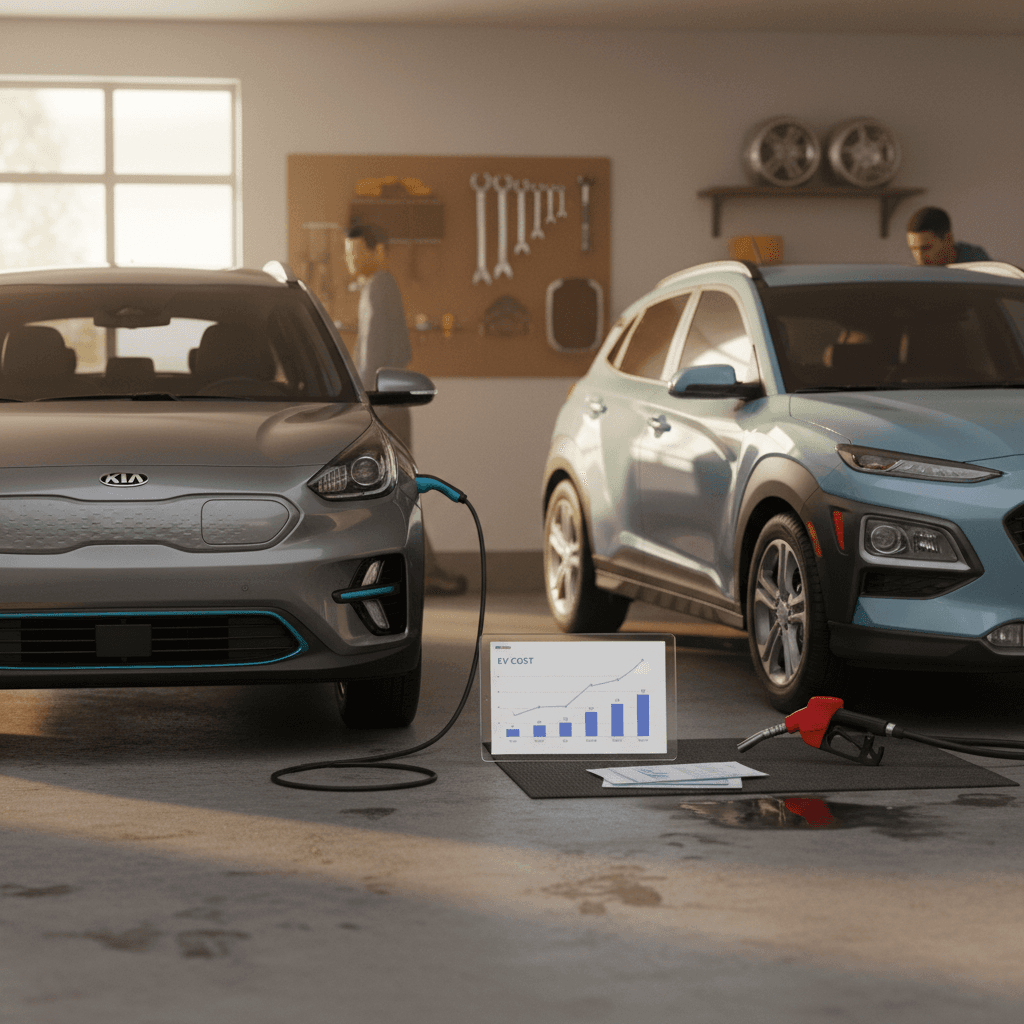
If you’re cross‑shopping a Kia Niro EV against its gas and hybrid siblings, the sticker price alone doesn’t tell you which one is cheaper. The real question is total cost of ownership: payments, fuel or electricity, maintenance, depreciation and incentives over several years. This guide walks through the Kia Niro EV’s total cost vs a gas or hybrid Niro equivalent using realistic U.S. assumptions so you can see which one actually saves you money.
What we mean by “gas car equivalent”
Why compare the Kia Niro EV to its gas equivalents?
The Niro lineup is unusual in that you can buy essentially the same small crossover as a hybrid (HEV), plug‑in hybrid (PHEV), or full battery EV. That makes it one of the cleanest “apples to apples” tests of EV vs gas total cost you can get. Same size, same brand, similar equipment, just different powertrains.
- You want to know if the Niro EV’s higher MSRP pays off in lower running costs.
- You’re deciding between a used Niro EV and a cheaper‑to‑buy gas Niro.
- You’re planning to keep the vehicle 5–10 years and care about long‑term value, not just monthly payment.
Short answer: when EV miles replace a lot of gas miles
Key specs and cost assumptions
Kia Niro powertrains at a glance
Same vehicle, three different ways to pay for energy
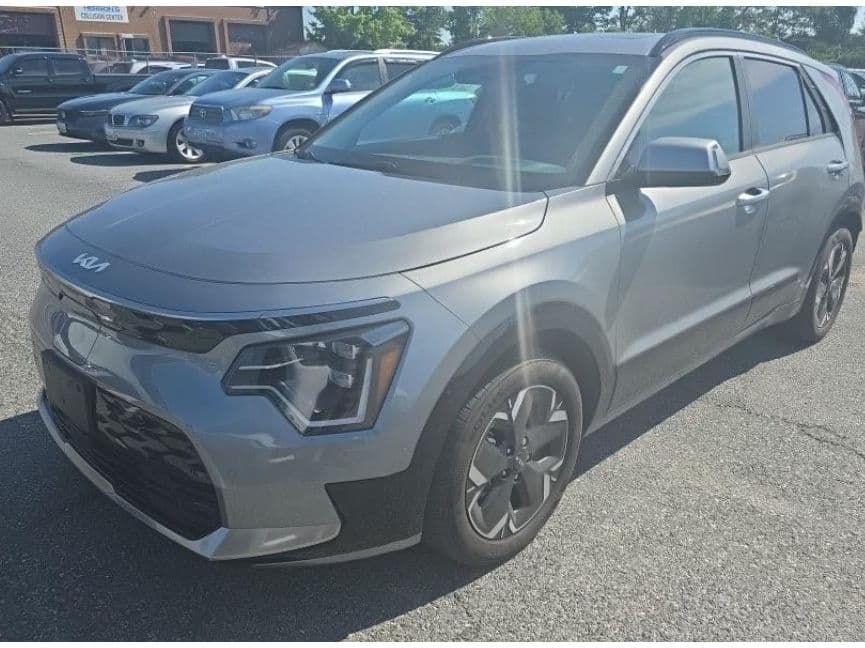
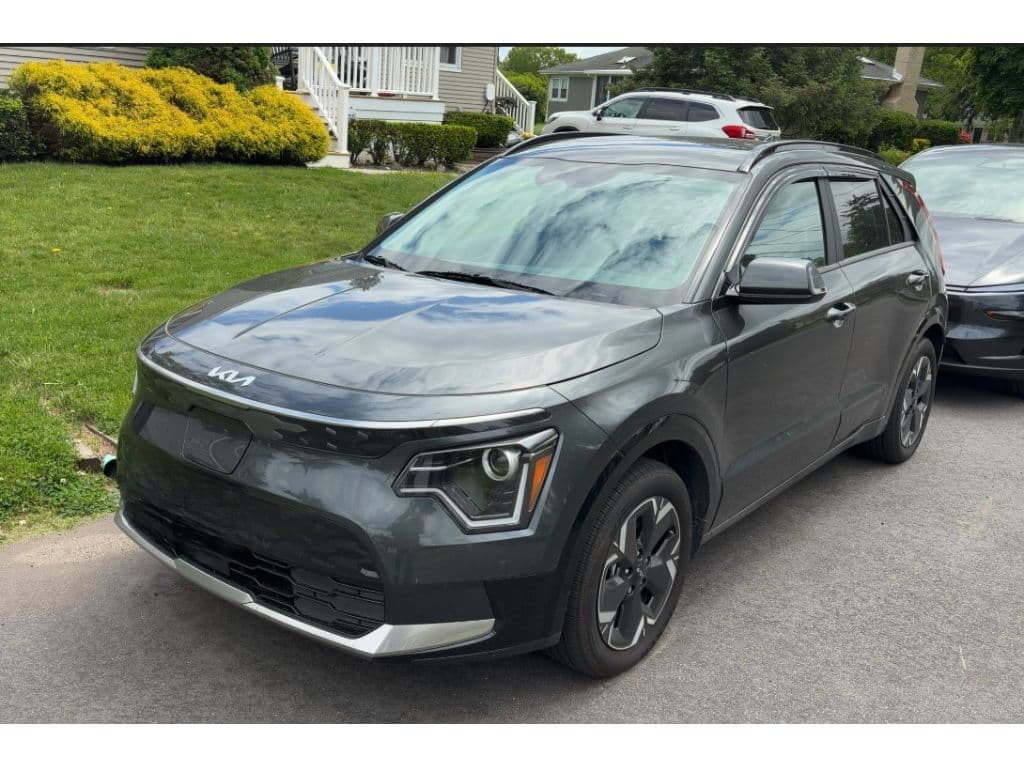
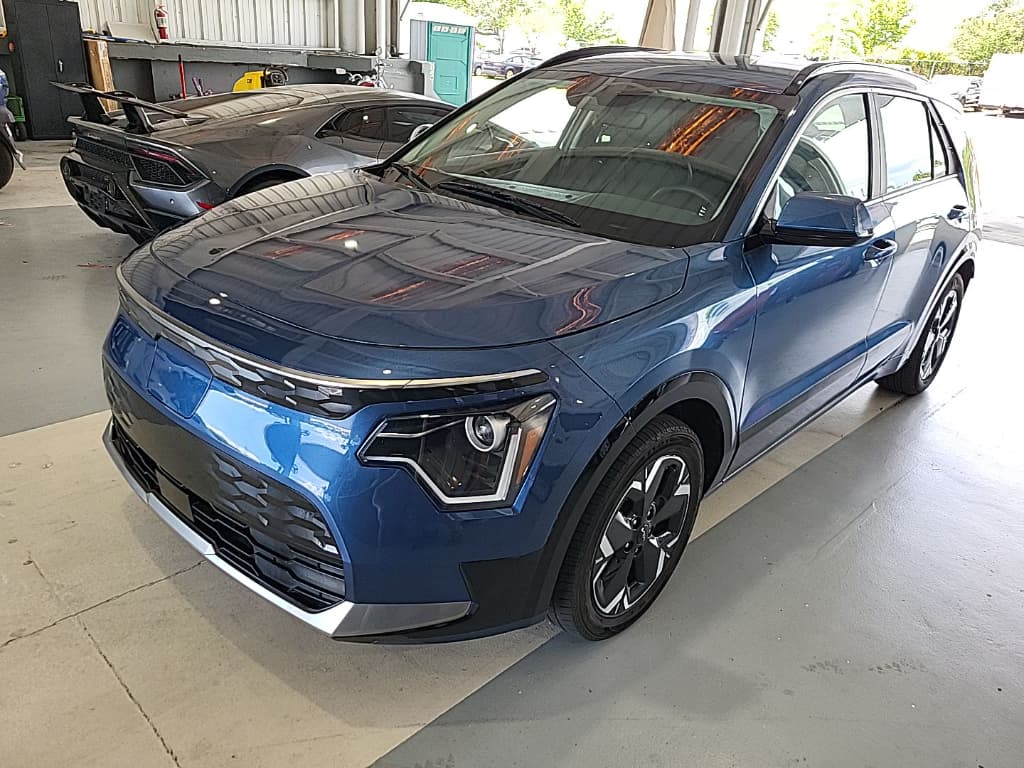
Niro EV
- EPA range: ~240–253 miles depending on trim
- Efficiency: about 29 kWh/100 miles (~3.4 mi/kWh)
- MSRP (new, recent model years): low–mid $30,000s before incentives
Niro Hybrid (HEV)
- EPA combined: up to ~53 mpg for base trims
- Fuel: regular unleaded gas
- MSRP (new): high‑$20,000s to low‑$30,000s
Niro Plug‑In Hybrid (PHEV)
- Electric range: ~33 miles
- Hybrid mpg: high‑40s to low‑50s
- MSRP (new): low‑to‑mid $30,000s
Our 5‑year cost model assumptions (United States, 2026)
Your local numbers will differ
Fuel vs electricity: what you’ll really spend to drive
Step 1: Cost per mile for each Niro
Estimated energy cost per mile
Based on the assumptions above and manufacturer/ EPA efficiency ratings.
| Model | Assumed efficiency | Energy price | Energy cost per mile |
|---|---|---|---|
| Niro EV | 29 kWh/100 mi (~3.4 mi/kWh) | $0.17/kWh | $0.049/mi (4.9¢) |
| Niro Hybrid (HEV) | 50 mpg combined | $3.50/gal | $0.070/mi (7.0¢) |
| Niro Plug‑In Hybrid (PHEV) | First 33 mi electric, then 48 mpg | Blend of $0.17/kWh + $3.50/gal | ≈$0.045–0.06/mi depending on how often you plug in |
EV energy math looks different, but the per‑mile cost is what matters.
On our baseline assumptions, the Niro EV’s electricity costs roughly 30% less per mile than the hybrid Niro’s gasoline. The plug‑in hybrid can be very close to the EV if you do most of your driving on short, charge‑at‑home trips, but if you rarely plug in it looks more like the regular hybrid.
Step 2: Annual and 5‑year fuel or electricity spend
Estimated fuel vs electricity spend at 12,000 miles/year
Totals shown in today’s dollars, ignoring inflation for clarity.
| Model | Energy cost per mile | Annual energy cost | 5‑year energy cost |
|---|---|---|---|
| Niro EV | $0.049/mi | ≈$588/year | ≈$2,940/5 years |
| Niro Hybrid (HEV) | $0.070/mi | ≈$840/year | ≈$4,200/5 years |
| Niro Plug‑In Hybrid (PHEV) | ≈$0.05/mi (plugged in often) | ≈$600/year | ≈$3,000/5 years |
The Niro EV chips away at the gas bill every single mile you drive.
Fuel savings snapshot
Maintenance, insurance and repairs
Why the Niro EV needs less maintenance
- No oil changes: There’s no engine, so no oil or spark plugs.
- Simple brakes: Regenerative braking does most of the work, so pads and rotors last longer.
- Fewer moving parts: No transmission with hundreds of components, no exhaust system, no timing belt.
Most owners see EV maintenance bills that are 20–40% lower than comparable gas cars over the first several years, especially if you stay on top of simple items like tires and cabin filters.
Where gas and hybrid Niros cost more
- Regular services: Oil and filter changes, engine air filters, transmission fluid.
- More wear‑items: Exhaust components, more complex cooling systems, potentially turbo hardware depending on engine.
- Hybrid complexity: The HEV and PHEV add an electric side on top of the gas engine, which can mean more things to service in the very long term.
On a 5‑year horizon, it’s reasonable to expect the Niro EV to save $500–$1,000 in routine maintenance compared with a gas or hybrid Niro, assuming similar mileage.
Insurance and repairs
Depreciation and resale value
Depreciation, the loss of value as the vehicle ages, is usually the biggest single cost of owning any car. Historically, some EVs have depreciated faster than their gas counterparts because of fast‑moving tech and earlier buyers overpaying when supply was tight. The Kia Niro EV sits in the mainstream, not the luxury niche, which tends to moderate depreciation somewhat.
- Gas and hybrid Niros benefit from broad demand; many buyers still prefer a familiar gas or hybrid setup.
- Niro EV depreciation accelerated when new‑EV prices dropped and tax credits shifted, creating good values on the used market.
- Battery health is a big swing factor: a Niro EV with a strong, documented pack will usually command materially more than one with an unknown history.
Battery health is your biggest EV resale risk
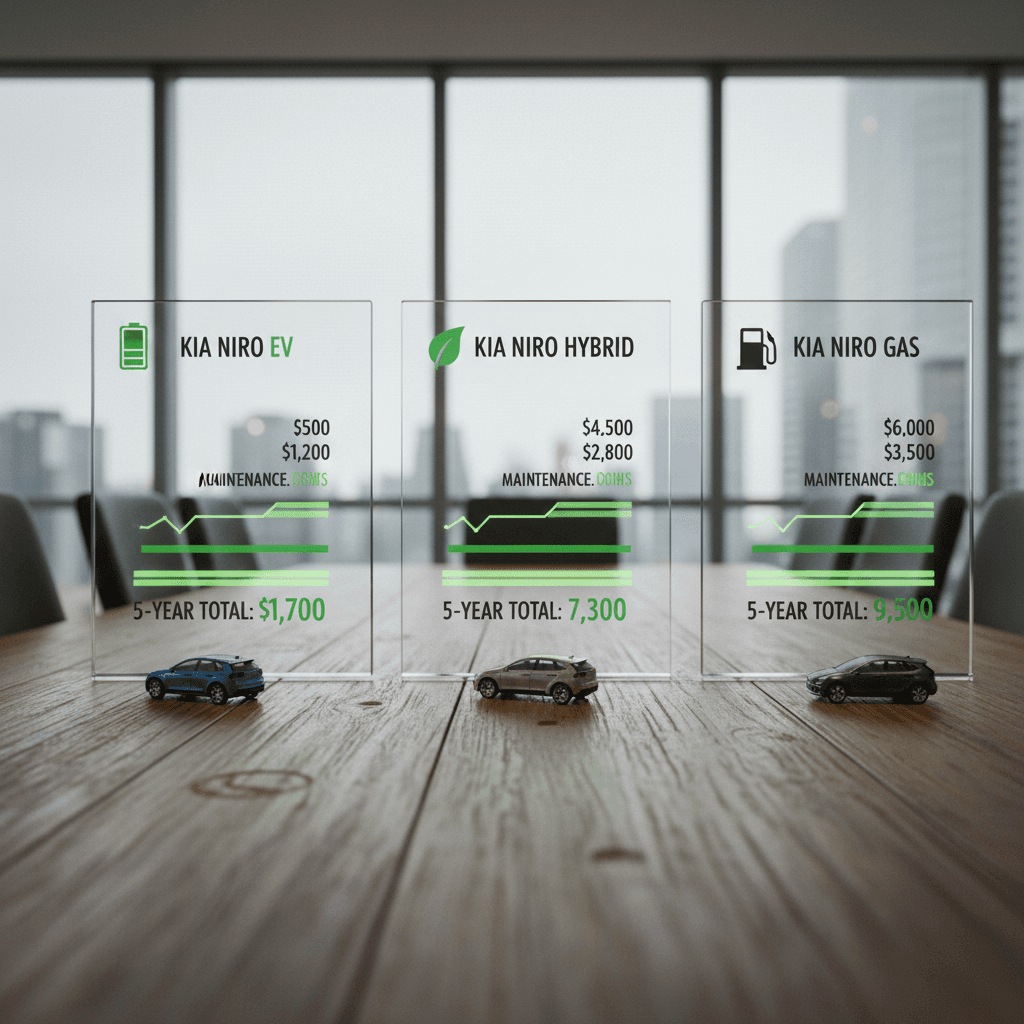
5‑year Kia Niro EV vs gas Niro cost comparison
Now let’s pull it together. We’ll compare a typical 5‑year ownership period for recent‑model Niro EV and Niro Hybrid examples using rounded, realistic numbers. These aren’t quotes from any one lender or dealer, just a framework so you can see how the pieces stack up.
Illustrative 5‑year cost of ownership: Niro EV vs Niro Hybrid
Assumes recent‑model used vehicles purchased at fair market prices with average credit, 12,000 miles/year, and our national fuel and electricity assumptions.
| Cost category (5 years) | Kia Niro EV (used) | Kia Niro Hybrid (used) |
|---|---|---|
| Purchase & financing | Slightly higher upfront price; assume +$2,000 vs equivalent hybrid after any EV tax credits you qualify for are applied. | Lower purchase price; baseline reference. |
| Fuel / electricity | ≈$2,940 | ≈$4,200 |
| Routine maintenance | ≈$1,000–$1,200 | ≈$1,500–$2,000 |
| Repairs (out of warranty) | Similar for body/tires; fewer engine‑related items for EV. Assume rough parity in first 5 years of age. | Similar; more engine‑related potential issues, but many appear after year 5. |
| Depreciation | Somewhat higher percentage drop, but you paid less fuel over time. Battery health heavily influences resale value. | More predictable; larger buyer pool for used hybrids, slightly stronger residuals today. |
| Net 5‑year cost difference vs hybrid | Fuel and maintenance savings offset much of the higher EV purchase price, often leaving the EV slightly cheaper if you drive more than 10,000 miles/year. | Baseline. Tends to win on total cost only if you drive relatively little or pay high electricity rates. |
The exact numbers will change with your local prices and financing, but the pattern is what matters.
Rule of thumb from the numbers
When the Kia Niro EV clearly saves you money
Scenarios where the Niro EV usually wins on total cost
The more you drive on relatively cheap electricity, the better the math gets.
You can charge at home reliably
You drive 12,000–15,000+ miles/year
You live where incentives are strong
Checklist: how to maximize your Niro EV cost advantage
1. Lock in affordable home charging
Get a clear quote on home charging, either a Level 2 charger or using existing outlets, before you buy. Knowing your real ¢/kWh rate is the key to predicting total cost.
2. Use time‑of‑use (TOU) rates if available
Many utilities offer cheaper overnight electricity. Scheduling your Niro EV to charge during those windows can cut your fuel bill another 20–40%.
3. Avoid relying heavily on DC fast charging
Public fast charging is convenient but more expensive per kWh. It’s fine for road trips, but if you fast‑charge daily, you’ll erode much of the fuel savings vs a hybrid.
4. Plan to keep the car at least 5 years
The longer you keep the Niro EV, the more years of lower fuel and maintenance costs you collect relative to a gas or hybrid Niro.
5. Verify battery health on a used Niro EV
Use objective battery diagnostics, like the Recharged Score, to confirm remaining capacity and avoid surprise range loss that could hurt resale and drive‑ability.
When a gas or hybrid Niro might make more sense
EVs aren’t the cheaper option in every scenario. There are situations where a Niro Hybrid or PHEV will have a lower total cost of ownership than a Niro EV, at least over the medium term.
- Very low annual mileage: If you drive, say, 6,000–7,000 miles per year, fuel is a smaller slice of your total cost. In that case a lower‑priced hybrid can win on total cost, because you’re not giving the EV enough miles to earn back its higher purchase price.
- Expensive electricity / cheap gas region: In some parts of the U.S., residential electricity can run north of 25–30¢/kWh while local gas is well under $3.00/gal. That can erase most of the EV’s cost‑per‑mile advantage.
- No practical home charging: If you live in an apartment without reliable charging, and your only option is public DC fast charging, the EV fuel cost story gets a lot murkier. A Niro PHEV that you can plug in sometimes may be a better compromise.
- Short ownership window: If you lease or flip cars every 2–3 years, depreciation and incentives dominate the math. In that case, you’ll want to compare actual lease payments and residuals, not generic 5‑year models like this.
Don’t ignore charging reality
Buying a used Kia Niro EV: cost advantages
If you’re shopping used, the Kia Niro EV can look especially compelling on total cost. Early depreciation and shifting incentives have already happened, so you’re stepping in after the steepest part of the curve.
Why used Niro EVs can be total‑cost sweet spots
You let the first owner pay for rapid depreciation and early‑adopter pricing.
You buy after the big drop
Lower payment, same energy savings
Battery insight is available
How Recharged can lower your real EV ownership cost
The math for EV vs gas gets more favorable if you buy smart and avoid surprises. That’s exactly what Recharged is built for. As a dedicated used‑EV retailer and marketplace, Recharged focuses on the parts of total cost that matter most: what you pay upfront, how healthy the battery is, and how easy it will be to live with the car day‑to‑day.
- Recharged Score battery diagnostics: Every EV on Recharged comes with a battery health report, so you’re not guessing about degradation or remaining range.
- Fair market pricing: Recharged benchmarks prices against the broader EV market, so you’re starting from a realistic number rather than haggling in the dark.
- EV‑savvy financing: You can finance through Recharged, often rolling taxes and fees into a single monthly payment so it’s easier to compare against your fuel and maintenance savings.
- Trade‑in and instant offer options: Swapping out a gas car for a Niro EV? Recharged can give you an instant offer or consignment support to keep your net cost transparent.
- Nationwide delivery + Richmond Experience Center: Shop fully online or get in‑person support in Richmond, VA if you prefer to see and feel vehicles before committing.
Running your own numbers
- Price difference between the cars
- Your estimated annual miles
- Your home electricity rate and local gas price
Then plug those into the fuel and maintenance estimates from this article. You’ll have a personalized total‑cost view in under 10 minutes.
FAQ: Kia Niro EV total cost vs gas car equivalent
Frequently asked questions
The bottom line is that the Kia Niro EV’s total cost vs its gas and hybrid equivalents hinges on how much you drive, what you pay for electricity and gas, and how smart you are about charging. For many U.S. drivers with decent home charging, the Niro EV quietly undercuts a gas Niro on five‑year cost while delivering a smoother, cleaner drive. If you want help running the numbers on your specific situation, or finding a used Niro EV with verified battery health, Recharged is built exactly for that job.