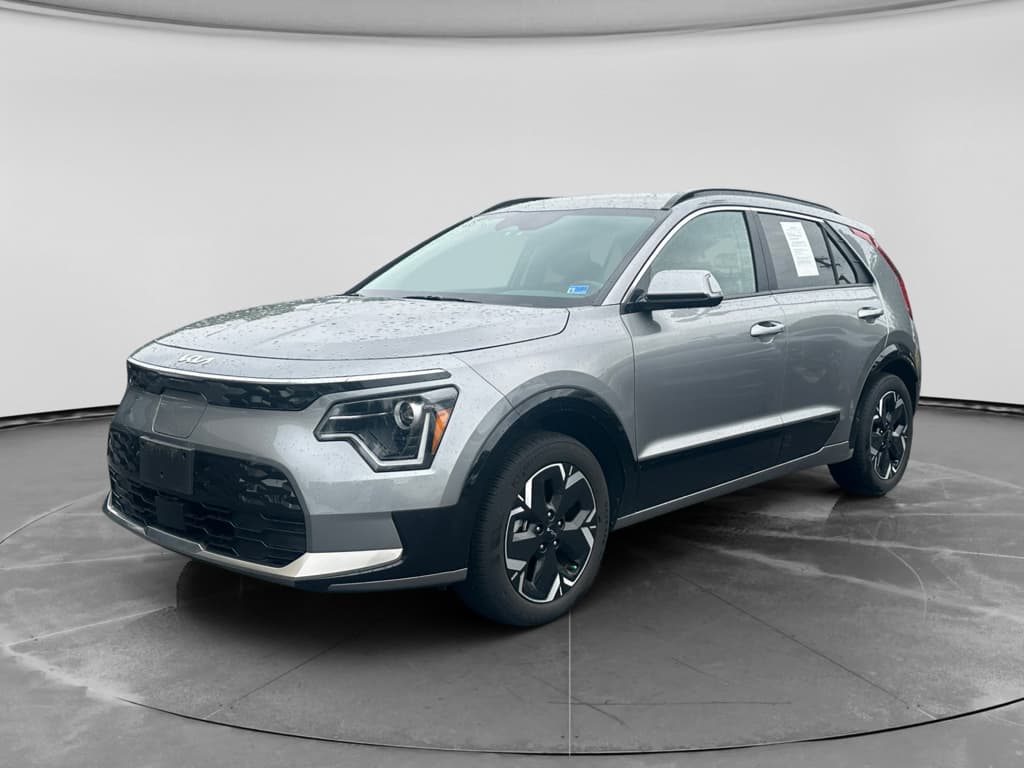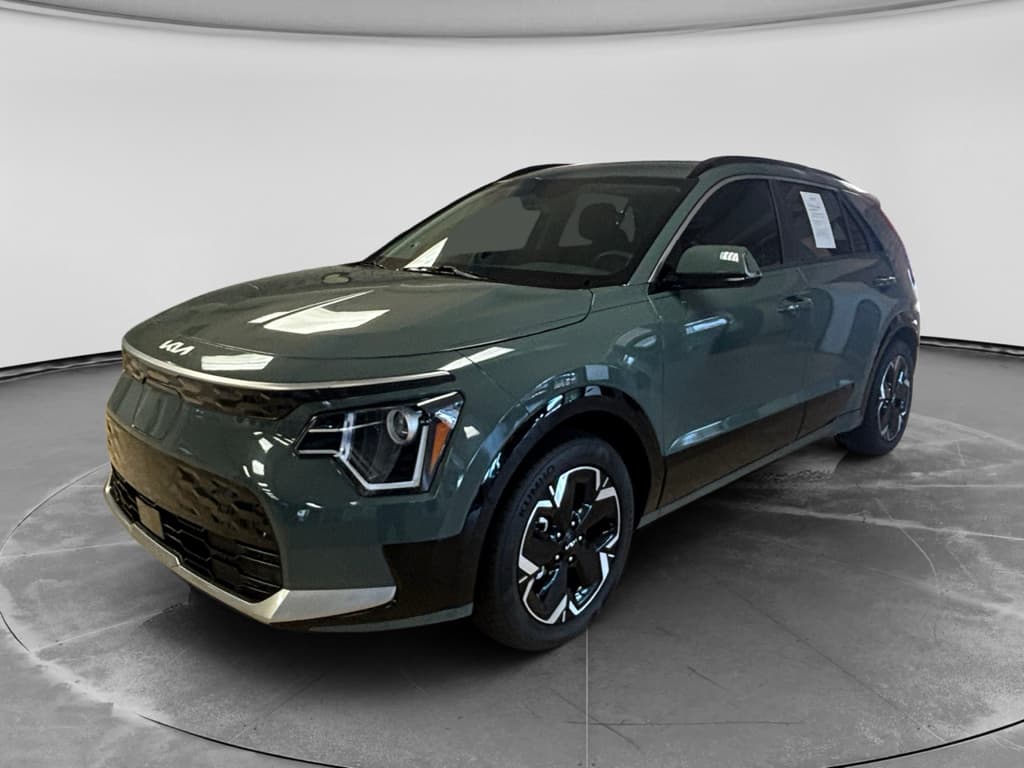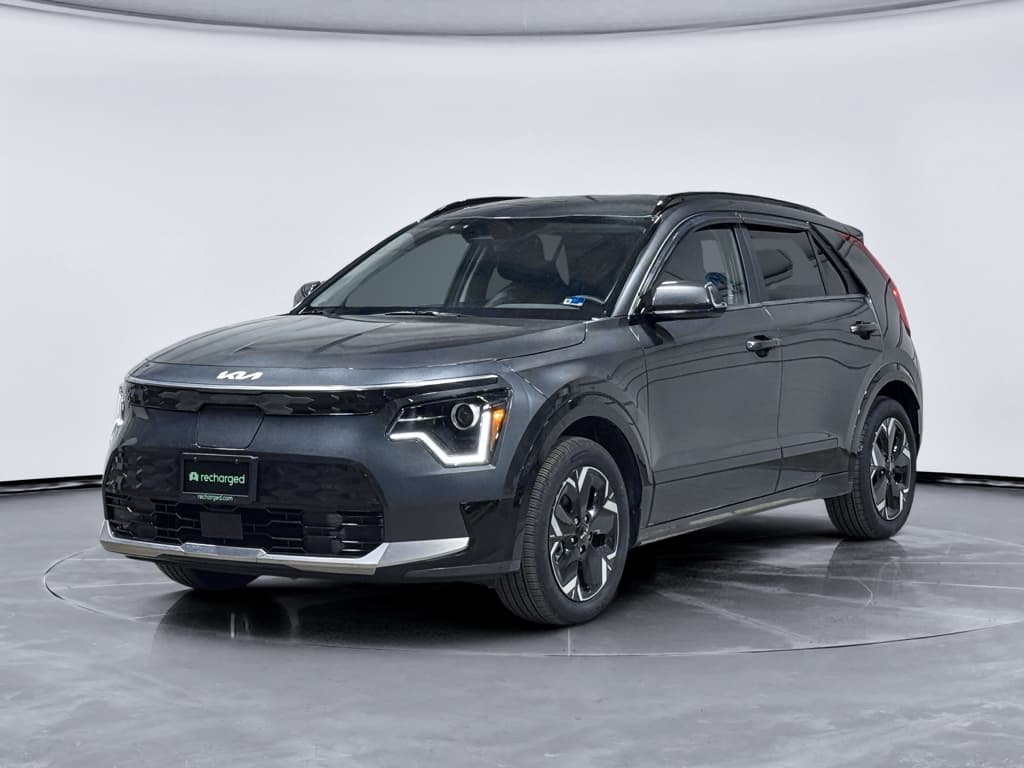
If you’re eyeing a used Kia Niro EV in 2026, you’ve probably heard two competing stories: owners who swear it’s rock‑solid and others who talk about mysterious drivetrain whines, stubborn HVAC systems, or finicky charging. This guide pulls together the most common Kia Niro EV problems across model years, what they cost when they go wrong, and how to shop confidently instead of rolling the dice.
Quick take
Overview: Is the Kia Niro EV reliable in 2026?
Generations to know
- 2019–2022 Niro EV / e‑Niro: First generation, 64 kWh pack, 239–239+ mile EPA range. These cars now have meaningful miles and a solid track record.
- 2023–present Niro EV: Second generation on a new platform with updated styling and tech. Early years are still shaking out a few bugs.
High‑level reliability story
- Battery packs are generally robust with modest degradation.
- Most issues cluster around drivetrain noise, HVAC performance, and charging behavior.
- Kia’s long 10‑year/100,000‑mile battery warranty and 5‑year/60,000‑mile basic warranty mean many big‑ticket repairs on newer cars have been handled under warranty.
Kia Niro EV reliability at a glance
Big picture: common problems by model year
The phrase “Kia Niro EV common problems 2026” can mean very different things depending on whether you’re looking at an early 2019–2020 car or a nearly new 2024–2025.
Most-talked‑about Niro EV issues by era
Use this as a quick decoder before you dive into the details
2019–2020 Niro EV
- Front‑end drivetrain whine or grinding under load.
- Occasional onboard charger or BMS faults causing charging errors.
- Some early HVAC and A/C failures, often after fast charging.
2021–2022 Niro EV
- Similar drivetrain‑noise pattern, but fewer severe failures.
- Improved charging behavior, though isolated failures still appear.
- Good battery‑health reports even at high mileage.
2023–2025 Niro EV
- More complaints about infotainment glitches and random resets.
- Level 2 charging logic tweaks that can slow home charging after software updates or TSBs.
- Scattered range‑loss complaints that often trace back to driving patterns or climate.
Don’t generalize from one horror story
Drivetrain noise and reduction gear failures
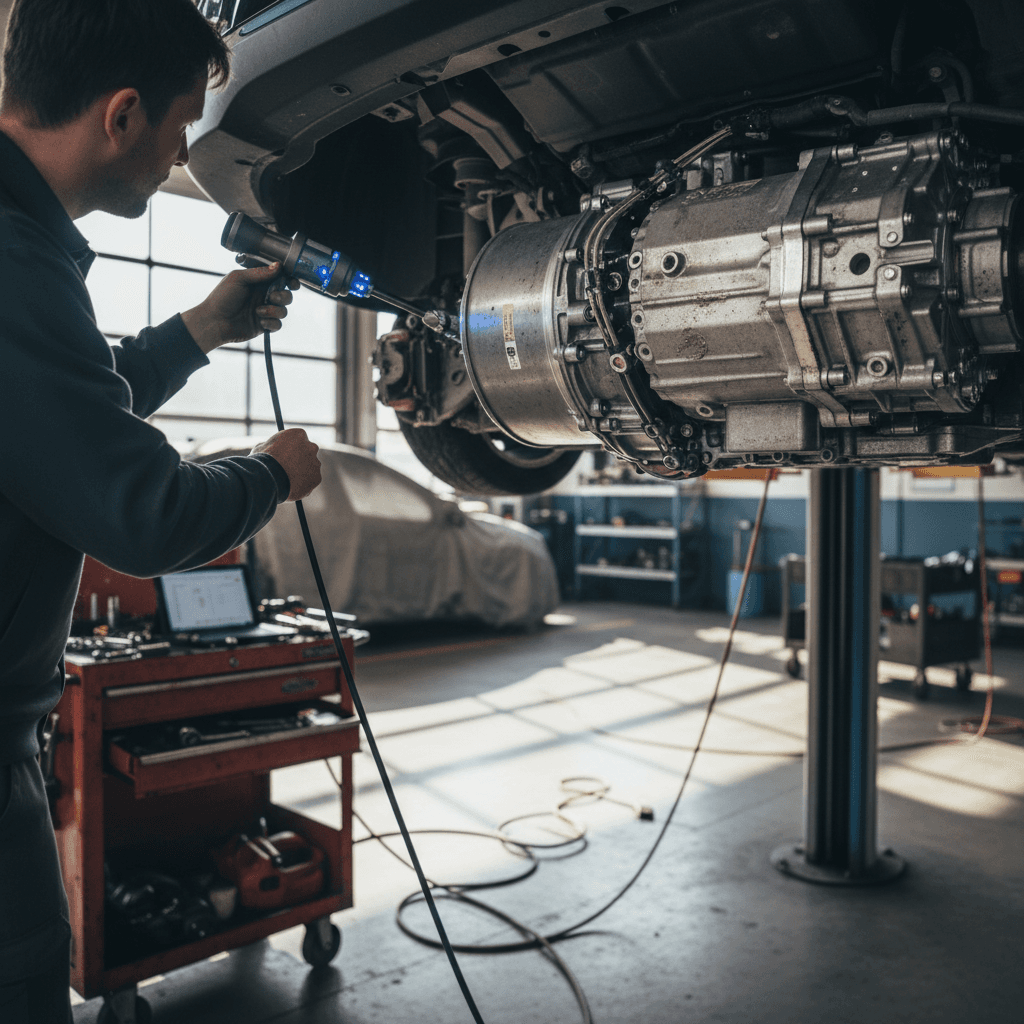
Ask seasoned Kia EV techs what they’ve seen most often on first‑gen Niro EVs, and you’ll hear a lot about front‑end drivetrain noise. On 2019–2022 cars, the single most nervous‑making issue is a high‑pitched “wheel‑of‑fortune” whine, hum, or grinding that changes with road speed rather than motor RPM.
- Most cases involve the reduction gear assembly (the single‑speed gearbox) rather than the motor itself.
- Owners often first hear a light whine around 25–45 mph that slowly grows louder over thousands of miles.
- Left unaddressed, some units progress to harsh grinding and require replacement of the reduction gear, and occasionally the entire drive unit.
- Repairs out of warranty can run into the low four figures at a dealer; under Kia powertrain warranty, many were replaced at no cost to the first owner.
How to road‑test for drivetrain problems
HVAC, heat pump, and defrost issues
Air conditioning and heat are another recurring theme when you look at Kia Niro EV common problems in 2026, especially on cars that see a lot of DC fast charging or live in hot and cold extremes.
- Early Niro EVs have seen A/C compressors or condensers fail, sometimes shortly after a fast‑charging session on a very hot day.
- Some owners report the heat pump system struggling in deep cold, forcing heavy reliance on resistive heating and reducing winter range.
- There is an active defrost/defog recall in the U.S. for certain 2020–2022 Niro EVs where an inoperative windshield defrost system can reduce visibility and increase crash risk.
- A handful of cars show intermittent HVAC control glitches that clear with software updates or control‑head replacement.
Defrost and safety
Charging faults and slow Level 2 charging
Charging behavior has evolved as Kia has chased reliability and thermal safety, especially on newer cars. Some of those fixes have introduced new complaints.
Common Niro EV charging complaints
What owners most often report in 2023–2026
Onboard charger & BMS faults
- On some 2019–2022 cars, the in‑car charger or battery management system (BMS) throws errors like “Charging stopped” or “Check EV system.”
- These can be as simple as a software update or as involved as replacing a charger module.
- Always ask for service records if a seller mentions charging issues.
Hot connectors & slowed home charging
- Owners of 2023–2025 Niro EVs have reported Level 2 sessions that stop with "charge interrupted" warnings or that slow from ~9 kW to ~5 kW mid‑charge.
- Kia’s response has included technical service bulletins that reprogram charging logic to reduce power when plugs or internal components get hot.
- Good for safety, but it can nearly double 0–80% charge time at home.
How to test charging before you buy
Software and infotainment glitches
As the Niro EV’s tech has gotten more ambitious, owners have uncovered a familiar modern‑car problem: software that’s just a bit rough around the edges, especially on 2023–2025 cars with larger screens and more connected features.
- Infotainment system freezes or random reboots during long drives.
- Inconsistent behavior from wireless Apple CarPlay/Android Auto, which can disconnect or refuse to reconnect until the car is restarted.
- Occasional driver‑assist warnings that clear themselves but worry first‑time EV owners (lane‑keep, collision‑avoidance, etc.).
- Navigation or Kia Connect app data that lags reality on charging location info.
The upside of software problems
Battery health, degradation, and range loss
Here’s the rare bit of good news you actually want to hear in a problems guide: for most owners, the Niro EV’s battery is a strength, not a weakness. Real‑world reports from high‑mileage 2019–2022 cars frequently show surprisingly modest degradation when the car has been charged and driven reasonably.
- Most Niro EVs use a liquid‑cooled ~64 kWh pack with roughly 239–253 miles of EPA range when new, depending on year and trim.
- In owner reports and independent testing, it’s common to see roughly 5–10% capacity loss over the first 5–6 years, with many cars still delivering ~200–215 miles of mixed‑driving range years down the road.
- Well‑cared‑for examples with 80,000–110,000 miles often show battery state‑of‑health readings in the mid‑90% range when checked with scan tools or detailed charging‑curve tests.
- Kia’s 10‑year/100,000‑mile battery warranty generally steps in if usable capacity drops below about 70% within the warranty window.
Why some owners think they’ve “lost half their range”
Simple ways to assess Niro EV battery health
Compare real range to original specs
Look up the original EPA range for the model year and trim, then reset a trip meter, charge to 100%, and see how far you can realistically go in mixed driving before you’re down to 10–15%. That’s much more useful than the dash estimate alone.
Use a scan tool or Recharged Score
An OBD‑II scan with the right app can read amp‑hours and estimated state of health. Recharged vehicles come with a Recharged Score battery report so you don’t have to decode raw numbers yourself.
Ask about charging habits
Frequent DC fast charging to 100% and long storage at full charge in extreme heat are harder on any pack. Moderate use of Level 2, keeping the car between roughly 20–80% for daily use, is gentler.
Check for battery‑related recalls or TSBs
Some software updates quietly improve cell balancing, charging behavior, or diagnostic accuracy. Confirm they’ve been applied; they’re free and can improve long‑term health.
Key recalls and service campaigns
By 2026, the Niro EV has accumulated a short list of recalls and voluntary service campaigns. The exact list depends on your model year, but the patterns are similar: visibility, braking, and charging/thermal management.
Major Kia Niro EV recalls & campaigns to know about
Always run a VIN check through Kia or NHTSA before you buy; this table is a high‑level overview, not a complete list.
| Issue | Approx. Model Years | What happens | Why it matters |
|---|---|---|---|
| Windshield defrost/defog inoperative | 2020–2022 | Defrost system may not clear the windshield properly. | Reduced visibility and crash risk in bad weather; treat as a must‑fix safety item. |
| Integrated Electronic Brake (IEB) campaign | 2019–2022 | Campaign to address behavior of electronic braking in certain conditions. | Ensures consistent braking performance and pedal feel. |
| Charging/connector overheating TSBs | 2023–2025 | Logic update reduces Level 2 charge power when components get hot. | Prevents damage but can make home charging slower than advertised. |
| Assorted software/ECU updates | 2019–2025 | Updates for BMS, driver‑assist, and infotainment modules. | Improves reliability, warning logic, and charging behavior over time. |
Recall details can change over time. Use manufacturer and NHTSA tools for the latest information.
Verify by VIN, not by rumor
Pre‑purchase checklist for used Niro EV buyers
Now that you know the common Kia Niro EV problems in 2026, here’s how to actually use that knowledge in the real world when you’re standing in a stranger’s driveway or at a dealership lot.
10-minute Niro EV used‑car inspection game plan
1. Cold start and HVAC test
Start the car from cold. Turn on heat, A/C, and defrost separately. Make sure you get strong airflow, proper temperature changes, and a windshield that clears quickly.
2. Listen for front‑end whine
On a quiet road, do several gentle accelerations to 40 mph and coast down. Note any rising‑and‑falling whine, grinding, or rumbling from the front that doesn’t sound like tire noise.
3. Check charging behavior
If at all possible, plug into a Level 2 charger. Watch for error messages, repeated stops, or sudden drops in charging power while the battery is in the middle of its state‑of‑charge range.
4. Scan for warning lights & messages
With the car on, look for any persistent EV system warnings, ABS/ESC lights, or driver‑assist faults. Temporary messages deserve questions; persistent ones deserve diagnostics.
5. Inspect tires and brakes
Uneven tire wear or noisy friction brakes can hint at alignment issues or seized calipers, problems that might be masked by strong regenerative braking in daily driving.
6. Review maintenance & recall history
Ask for service records. You want documentation of recall work, software updates, and high‑voltage system repairs, plus basic maintenance like brake fluid changes and cabin filters.
7. Evaluate battery health
Look for a recent battery health report, dealer check, or third‑party test. On a Recharged vehicle, review the Recharged Score battery section for a clear capacity estimate.
8. Take a long enough drive
Aim for at least 20–30 minutes, including highway and low‑speed driving. Short loops around the block won’t reveal drivetrain or HVAC quirks that appear as things warm up.
How Recharged evaluates and prices used Kia Niro EVs
If tracking down TSB numbers and parsing battery‑health graphs isn’t your idea of fun, this is where a specialist marketplace earns its keep. At Recharged, the Kia Niro EV isn’t just another used car, every one goes through EV‑specific testing and transparent reporting before it ever hits the website.
What Recharged checks on every Niro EV
Beyond the typical used‑car walk‑around
High‑voltage battery diagnostics
We use our Recharged Score process to measure real usable capacity, look for cell imbalances, and compare the pack’s health to what’s typical for that model year and mileage.
Drivetrain & charging evaluation
Technicians road‑test each car specifically listening for reduction‑gear noise, then verify Level 2 and (where possible) DC fast‑charging behavior to catch faults before a buyer ever plugs in at home.
Recalls, software & pricing
We check for open recalls and key software updates, then price the car based on actual battery health, condition, and fair market data. You see that work summarized in the Recharged Score Report online before you click “buy.”
Ready to find your next EV?
Browse VehiclesShop from the couch, not the service bay
Kia Niro EV common problems FAQ (2026)
Your Kia Niro EV problem questions, answered
Bottom line: Should you buy a used Kia Niro EV in 2026?
If you strip away the anecdotes and internet horror stories, the picture that emerges is reassuring: the Kia Niro EV is one of the more dependable used EVs in its price bracket, with a sturdy battery, reasonable running costs, and a handful of well‑known trouble spots you can actively check for. In 2026, the key is not to assume it’s perfect, it’s to go in with your eyes open.
Focus your attention on drivetrain noise, HVAC and defrost performance, realistic charging behavior, and up‑to‑date software and recalls. Get a real battery‑health read instead of guessing from the dash, and don’t be shy about walking away from cars with sketchy histories or unresolved issues.
If you’d rather skip the detective work, shopping a Niro EV through Recharged means every car has already been through EV‑specific inspection, battery diagnostics, and transparent scoring, with financing, trade‑in options, and nationwide delivery available. Either way, with the right homework, a used Niro EV can be a quiet, efficient, and surprisingly low‑drama way to go electric in 2026.