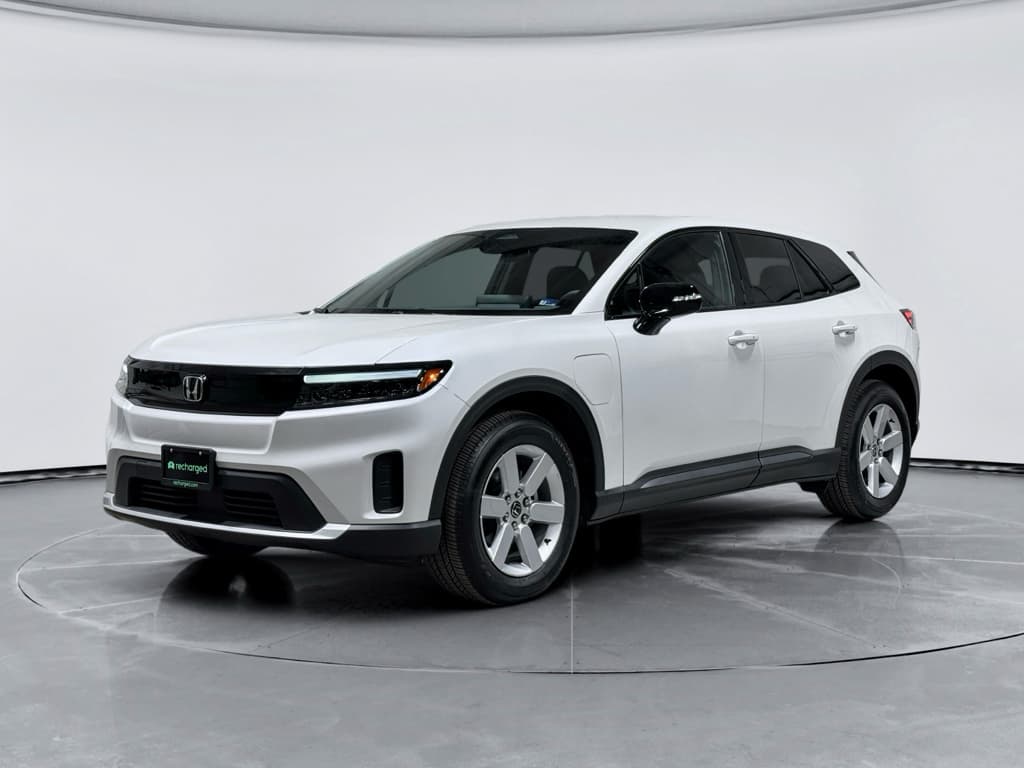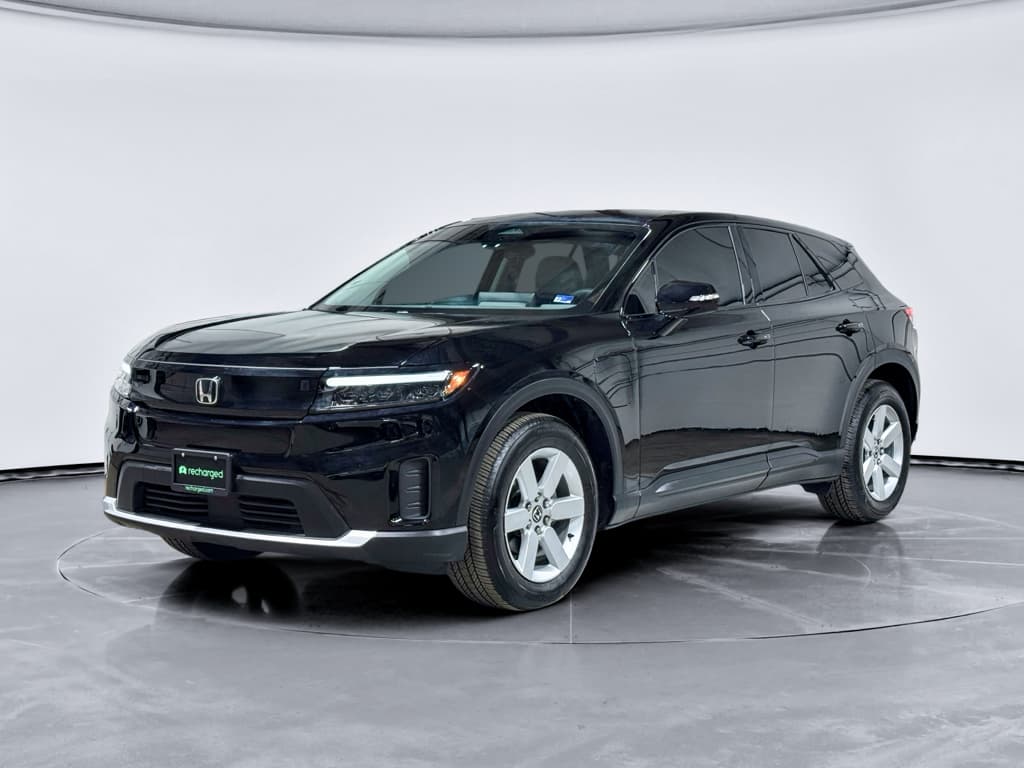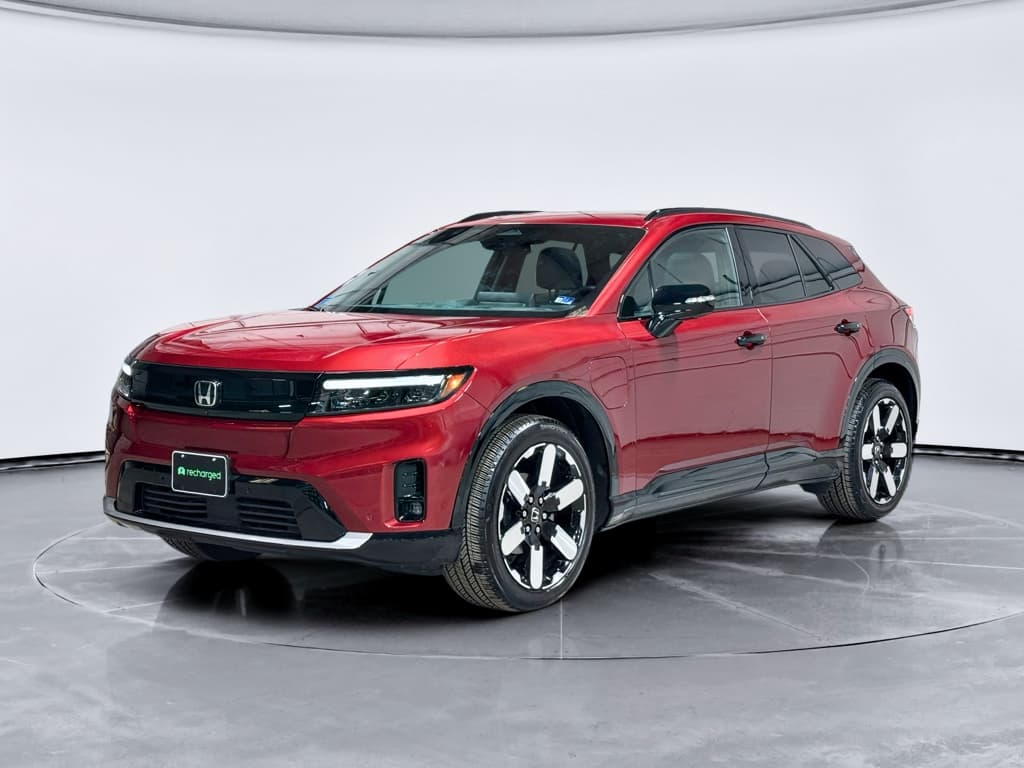
If you’re shopping for a practical, future‑proof electric SUV, a used Honda Prologue in 2026 should be on your short list. The Prologue only launched in 2024, so even the oldest examples are still young, but EV prices (and especially Ultium‑based SUVs) have softened enough that the used market can be very compelling if you know what to look for.
Good timing for used buyers
Why consider a used Honda Prologue in 2026?
Key reasons shoppers like used Prologues
Where this electric Honda SUV makes the most sense
Right‑sized family SUV
The Prologue is similar in size to a CR‑V/Passport, with comfortable seating for five, real cargo space, and a familiar Honda‑like driving position. It feels like a normal SUV that just happens to be electric.
Competitive range & efficiency
All trims use an 85‑kWh battery on GM’s Ultium platform, with EPA ratings around 280–300 miles depending on trim and wheels. That’s enough for most commutes, errands, and weekend trips on a single charge.
Depreciation is your ally
EV values have fallen faster than many buyers expected. Five‑year depreciation projections put a 2026 Prologue down roughly the mid‑60% range from MSRP, which translates into attractive used pricing in 2026–2030 for today’s buyers.
In other words, a used Honda Prologue lets you sidestep the steepest part of new‑EV depreciation, while still getting modern safety tech, Google‑based infotainment, and a battery that’s well within its warranty window.
Honda Prologue basics: platform, battery, and range
Before you shop, it helps to understand what’s under the skin. The Prologue is a midsize, two‑row electric SUV that rides on GM’s Ultium platform, the same basic architecture used in the Chevrolet Blazer EV and Equinox EV. Every U.S. Prologue so far (2024–2026 model years) shares the same 85‑kWh lithium‑ion battery pack and 11.5‑kW onboard AC charger.
EPA‑rated range by trim and drivetrain (2024–2025, similar for 2026)
Approximate EPA range figures you’re likely to see when shopping used Prologues.
| Trim | Drivetrain | Wheels | EPA range (mi) |
|---|---|---|---|
| EX | FWD | 19 in | ~296–308 |
| Touring | FWD | 19 in | ~296–308 |
| EX | AWD | 19 in | ~281–294 |
| Touring | AWD | 19 in | ~281–294 |
| Elite | AWD | 21 in | ~273–283 |
Exact ratings can vary slightly by model year and wheel size, but these are the ballpark numbers for U.S. models.
How to sanity‑check range on a test drive
Trims and features: which used Prologue should you target?
Honda keeps the Prologue lineup simple. Through 2026, you’ll mostly see three trims, EX, Touring, and Elite, with front‑wheel drive (single‑motor) or all‑wheel drive (dual‑motor) on most of them.
EX: the value play
- Best for budget buyers who still want modern tech.
- FWD or AWD depending on year and region.
- Heated front seats, dual‑zone climate, wireless Apple CarPlay/Android Auto, Honda Sensing safety suite.
- Usually on 19‑inch wheels (slightly better efficiency than 21‑inch Elite).
If your priority is value and range, a used EX, especially FWD, can be a sweet spot.
Touring & Elite: comfort and toys
- Touring adds features like upgraded audio, more appearance options, and additional comfort extras.
- Elite is typically AWD‑only, with 21‑inch wheels, more premium trim, and the strongest acceleration.
- Elite’s larger wheels nibble away some range, but many buyers prefer its look and punchier feel.
If you want the nicest interior and don’t mind paying a little more, and giving up a few miles of range, Touring and Elite are worth a look.
Watch early‑build equipment quirks
Real‑world range and charging expectations on a used Prologue
On paper, EPA ratings around 280–300 miles look solid. In reality, range depends on how, and where, you drive. Owners typically report 230–260 miles between charges in mixed driving, with highway speeds, cold weather, and big wheels pulling that number down.
What most used Prologue drivers can expect
Temperature and charging behavior
Battery health and warranty: what really matters
Battery health is usually the biggest mental hurdle for used‑EV shoppers. The Prologue’s pack uses GM’s Ultium chemistry, backed by an 8‑year/100,000‑mile high‑voltage battery warranty from the original in‑service date. In practical terms, that means early 2024 Prologues are covered at least through 2032, and a 2026 model well into the mid‑2030s, assuming normal use.
- The warranty typically covers the battery pack and major high‑voltage components if they fall below a defined capacity threshold or suffer a covered failure.
- Most early Prologues on the used market will have modest mileage (often under 40,000 miles) because the oldest examples are just a couple of years old.
- Real‑world Ultium degradation so far has been modest when owners mainly use Level 2 charging and avoid constant 0–100% cycling.
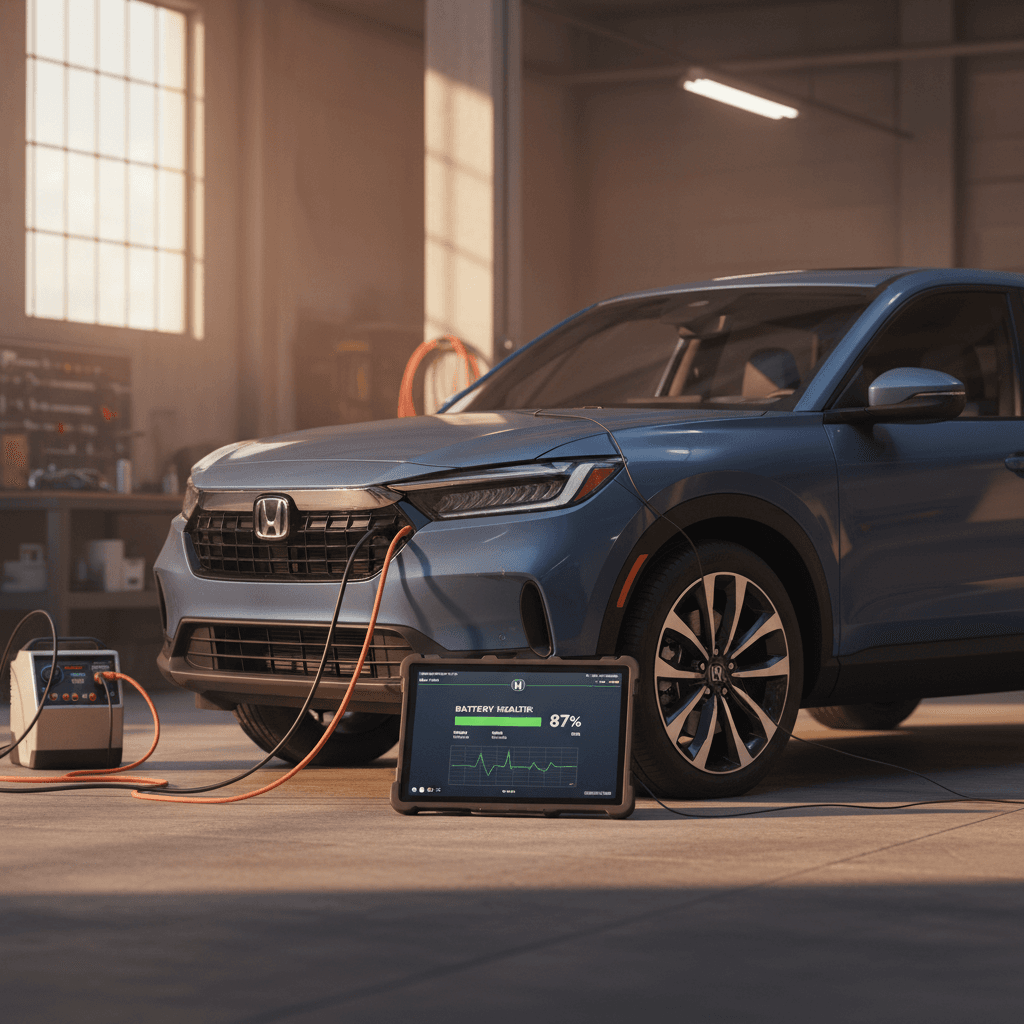
How to quickly gauge battery health when shopping
Depreciation, pricing, and what a used Prologue should cost
New‑EV pricing has moved fast since 2024, and the Prologue has not been immune. Forecast models and early resale data suggest roughly 60–65% value loss over five years for a typical Prologue, worse than Honda’s traditional gas SUVs but better than some early‑generation EVs that were hit by rapid price cuts.
Very rough used‑pricing bands for Prologues in 2026
These are directional ranges for U.S. retail pricing in 2026 with typical miles and clean history, not offers or quotes.
| Model year | Trim examples | Typical mileage | Ballpark price band |
|---|---|---|---|
| 2024 | EX / Touring FWD, some AWD | 10k–30k mi | Low–mid $30,000s |
| 2024 | Elite AWD, higher‑spec | 10k–25k mi | Mid–high $30,000s |
| 2025 | EX / Touring FWD or AWD | Under 20k mi | High $30,000s–low $40,000s |
| 2026 (late‑year used) | Mix of trims | Under 10k mi | Closer to new‑car transaction prices |
Local market, incentives, and condition can swing values thousands of dollars either way. Always compare live listings.
Why values can look “too cheap” on 2024 models
Inspection checklist for a used Honda Prologue
Step‑by‑step used Prologue inspection
1. Confirm model year, trim, and drive type
Verify EX/Touring/Elite and FWD vs AWD from the window sticker, build sheet, or VIN decode. Trim affects features, range, and value more than on some gas Hondas.
2. Review charging history, if available
Ask the seller how they typically charged the car. A Prologue mostly charged on home Level 2 and kept between ~20–80% is usually a better long‑term bet than one DC‑fast‑charged to 100% every day.
3. Check software and campaign updates
Ask a Honda dealer to pull records for software updates, technical service bulletins, and recalls. Early Ultium‑based models in particular benefit from staying current on battery‑management and charging software.
4. Inspect tires, brakes, and suspension
Heavy EVs can eat through tires and suspension components faster than comparable gas SUVs. Uneven tire wear, cheap mismatched replacements, or thumpy ride quality are all negotiation points.
5. Test DC fast charging and Level 2
If possible, plug into both a public DC fast charger and a 240‑V Level 2 unit. You’re looking for consistent connection, reasonable charging speeds for the state of charge, and trouble‑free session starts in the app.
6. Scan for warning lights and fault codes
Any high‑voltage, charging, or drive‑system warnings should be resolved before you buy. With a marketplace like Recharged, vehicles are pre‑scanned and issues addressed before listing.
7. Evaluate interior tech and infotainment
Spend time with the Google‑based infotainment, driver‑assist settings, and smartphone integration. Make sure wireless CarPlay/Android Auto is stable and driver‑assist systems operate as expected on a test drive.
Charging compatibility: home, public, and Tesla networks
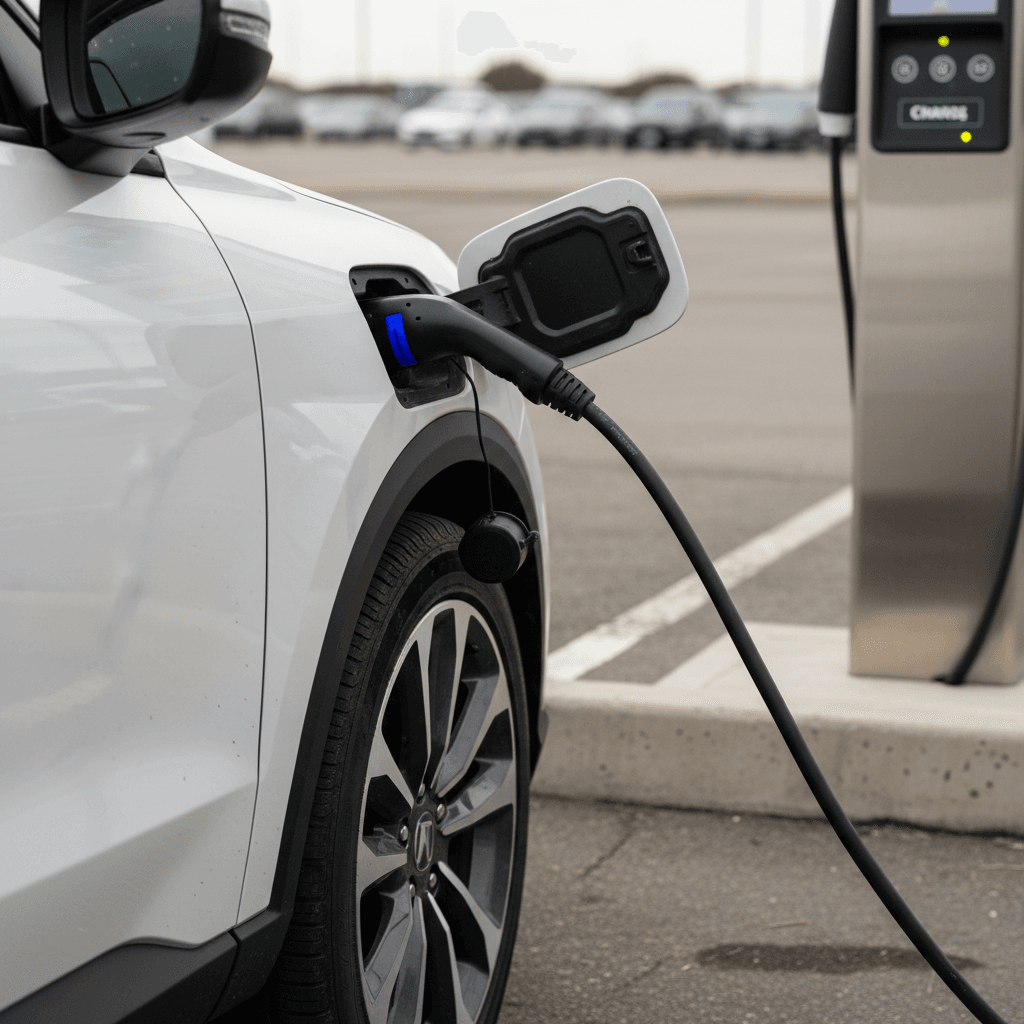
The good news is that the Prologue is straightforward to live with from a charging standpoint. Every U.S. model ships with the industry‑standard CCS (Combined Charging System) DC fast‑charge port and J1772 inlet for Level 1 and Level 2 AC charging. That means it works out of the box with most non‑Tesla public networks and typical home Level 2 equipment.
Three main ways you’ll charge a used Prologue
Plan for at least one reliable at‑home or near‑home option
Home Level 2 (ideal)
A 240‑V, 40–48‑amp Level 2 charger in your garage or driveway is the Prologue sweet spot. With its 11.5‑kW onboard charger, you can easily add 30–35 miles of range per hour, fully replenishing overnight.
Public Level 2
Workplace or public Level 2 chargers can top you up while you’re parked. Expect a similar 25–35 miles of range per hour depending on the station’s power level and your Prologue’s state of charge.
DC fast charging
For road trips, the Prologue supports up to ~155 kW DC fast‑charging on strong CCS stations. In ideal conditions, that’s enough to add about 65 miles of range in 10 minutes, or go from roughly 20–80% in under 30 minutes.
Tesla Supercharger access is evolving
How a used Prologue compares to rivals
Because it’s built on GM’s Ultium platform, the Honda Prologue naturally gets cross‑shopped with the Chevrolet Blazer EV and Equinox EV, along with segment staples like the Tesla Model Y, Hyundai Ioniq 5, Kia EV6, and VW ID.4. In the used market, where price and confidence matter as much as raw specs, the Prologue carves out an interesting niche.
Used Prologue vs common used EV‑SUV alternatives (high‑level)
How a used Honda Prologue typically stacks up for an everyday U.S. shopper in 2026.
| Model | Typical used price (similar age) | Range & charging | Ownership feel |
|---|---|---|---|
| Honda Prologue | Generally undercuts equivalent Model Y, similar to Blazer EV | Competitive range, decent but not class‑leading DC speeds, CCS native | Familiar Honda‑like ergonomics, simple trims, still‑new battery warranty |
| Chevrolet Blazer EV | Often slightly cheaper than a similar‑spec Prologue | Similar Ultium hardware, sometimes more performance‑oriented trims | More aggressive styling, GM‑branded experience, software reputation still repairing |
| Tesla Model Y | Higher prices, but narrowing gap | Excellent DC network and efficiency, frequent software updates | Tech‑forward, sparse interior, stronger brand cachet but more price volatility |
| Hyundai Ioniq 5 / Kia EV6 | Comparable or slightly higher pricing depending on incentives | Very fast DC charging on 800‑V platform, good efficiency | Distinctive styling, strong warranties, but some owners report early build quirks |
Exact pros and cons depend on your priorities, but this gives a directional sense of the tradeoffs.
Where the used Prologue makes the most sense
How buying a used Prologue through Recharged helps
Used EVs reward informed buyers, and punish guesswork. That’s exactly the problem Recharged is built to solve. When you shop a used Honda Prologue on Recharged, every vehicle comes with a Recharged Score Report that goes deeper than a traditional used‑car inspection.
What Recharged adds to a used Prologue purchase
Beyond a Carfax and a quick test drive
Battery health transparency
Our diagnostics give you a clear picture of usable capacity and charging behavior, not just an odometer reading. That’s crucial on an Ultium‑based SUV where the battery is the single most valuable component.
Fair‑market pricing
Recharged benchmarks each Prologue against live market data, incentives, and depreciation forecasts so you know whether you’re genuinely getting value, not just a temporary discount.
Financing, trade‑in & delivery
You can finance your used Prologue, apply your current vehicle as a trade‑in or consignment, and arrange nationwide delivery, all through a fully digital process or at our Richmond, VA Experience Center if you prefer in‑person support.
Ready to find your next EV?
Browse VehiclesTalk to an EV‑specialist, not just a salesperson
FAQ: used Honda Prologue in 2026
Common questions about buying a used Honda Prologue
Bottom line: is a used Honda Prologue right for you?
If you want a comfortable, normal‑feeling family SUV that just happens to be electric, a used Honda Prologue in 2026 is one of the more rational choices on the market. It doesn’t chase headline‑grabbing acceleration or charging figures, but it delivers solid range, a still‑fresh battery warranty, and meaningful savings versus new, especially on 2024 models that have already absorbed the first shock of EV depreciation.
The key is to treat it like the EV it is, not just another used crossover: scrutinize battery health and charging behavior, confirm software is up to date, and make sure the price you’re paying reflects current market reality. If you’d rather not do that homework alone, buying through Recharged gets you a verified battery‑health report, fair‑market pricing, EV‑savvy guidance, and optional nationwide delivery, so you can focus less on spreadsheets and more on whether the Prologue actually fits your life.