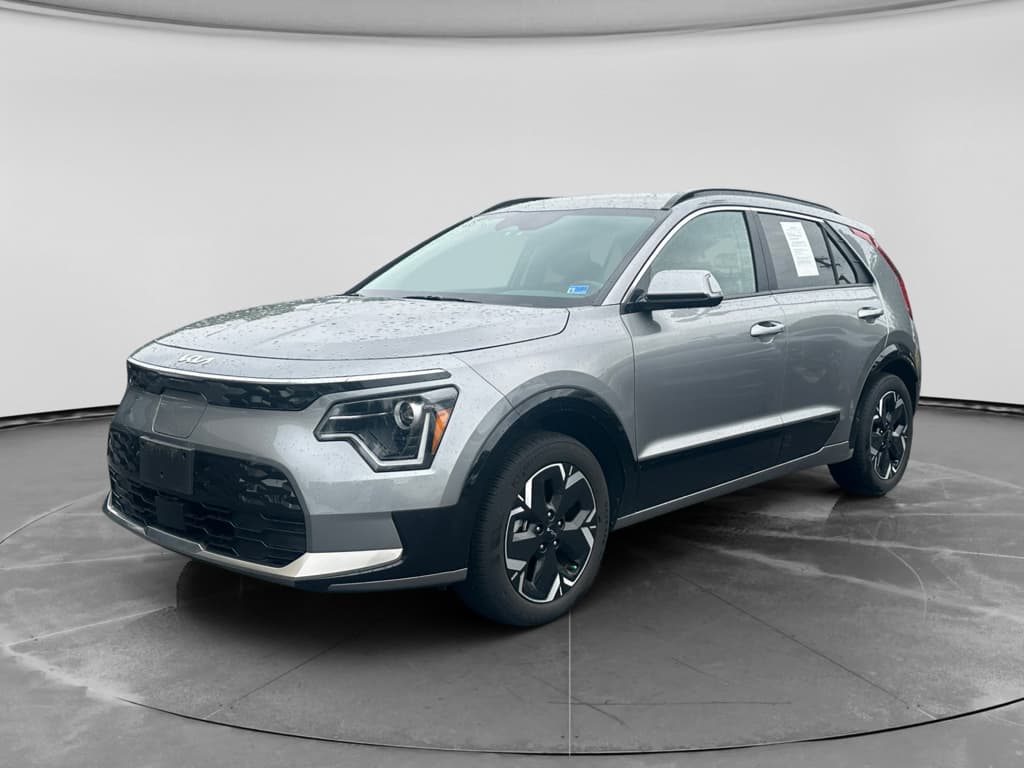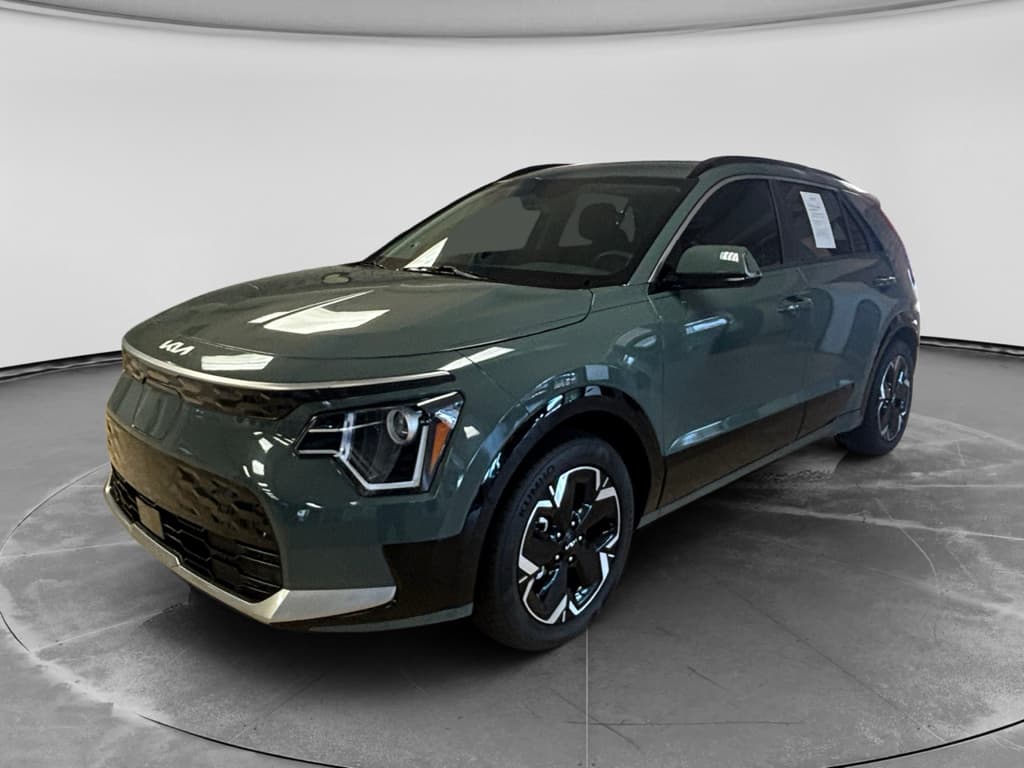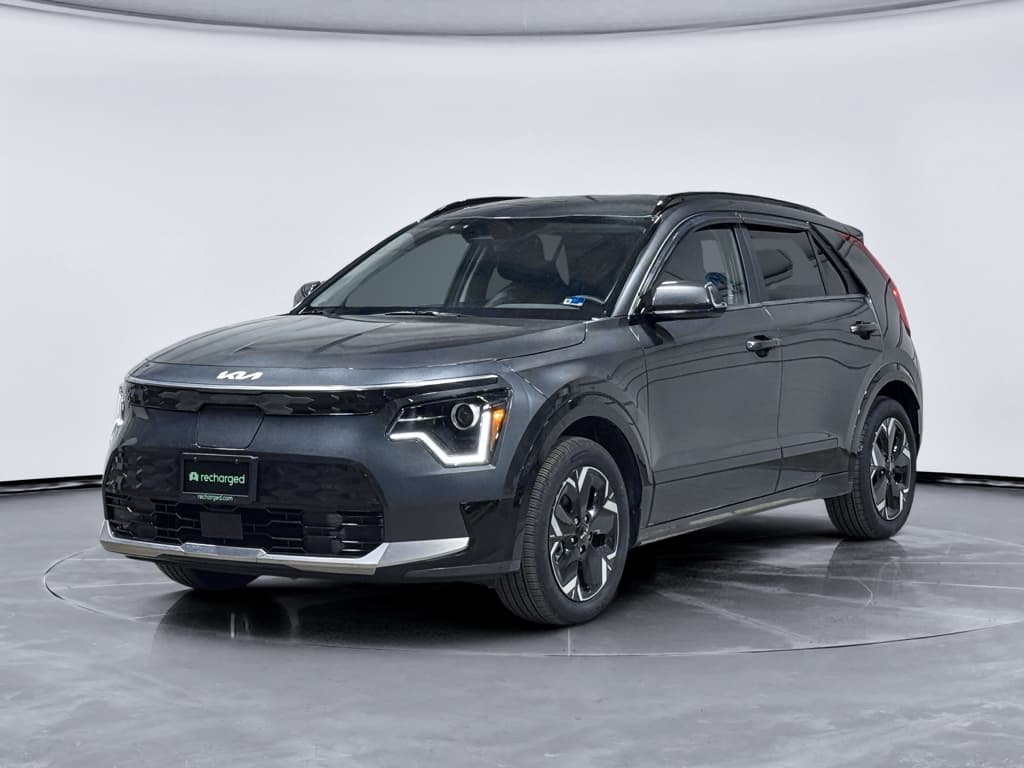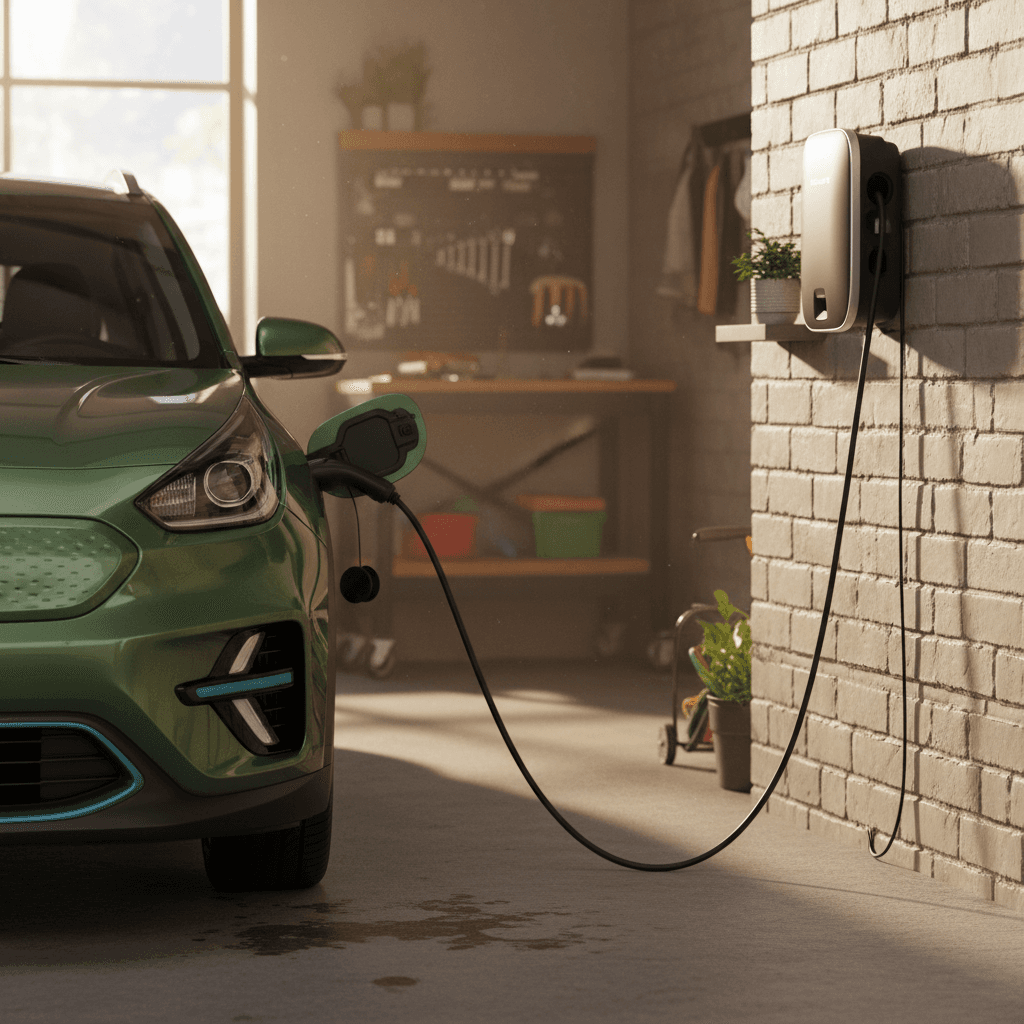
If you own or are shopping for a Kia Niro EV, getting the right home charger matters more than almost any other accessory. The Niro’s efficiency and 11 kW AC capability mean a well‑matched Level 2 charger can reliably take you from low to full overnight, while the wrong setup can leave you waiting, overpaying, or both. This guide breaks down the best home charger options for the Kia Niro EV and how to match them to your home, driving, and budget.
Quick answer
Why home charging matters for Kia Niro EV owners
Kia Niro EV charging at home: what to expect
The Kia Niro EV is built around daily charging at home or at work. Kia’s own materials recommend a 240V Level 2 charger as the primary way to charge the car, with full charges achievable overnight on a typical home setup. Level 1 (household outlet) works in a pinch, but charging from near empty can take well over a day. DC fast charging is great for trips, but it’s more expensive and harder on the battery if you rely on it constantly.
Think in miles, not percentages
Kia Niro EV charging basics: what your car can actually use
Before you pick a home charger, it helps to know what the Niro EV itself can accept. Recent North American Niro EVs are equipped with an onboard AC charger capable of up to 11 kW on the right hardware, though many U.S. owners see real‑world Level 2 speeds in the 7.2–11 kW range depending on amperage and voltage. That translates to roughly 6–10 hours from low state of charge to full on a typical home Level 2 setup.
- Connector: J1772 for AC Level 1 and Level 2 (with a CCS combo inlet for DC fast charging).
- Onboard AC charger: supports up to roughly 7.2–11 kW, depending on model year and region.
- Battery size: about 64 kWh usable on modern Niro EVs, which pairs well with overnight Level 2 charging.
- Recommended everyday charging: a 240V Level 2 charger for home is the default solution; DC fast is for road trips or occasional fast top‑ups.
Don’t overbuy based on DC numbers
How many amps do you really need? 32A vs 40A vs 48A
Common home charger sizes for Kia Niro EV owners
Match your charger to your panel, wiring, and daily driving, not just to the max spec on the box.
32A Level 2 (≈7.7 kW)
Best for: Most Niro EV owners with modest commutes.
- Requires 40A breaker (80% rule).
- Typical 0–100% time ≈ 9–10 hours.
- Adds ~20–25 miles of range per hour.
- Often the most affordable hardware and install.
40A Level 2 (≈9.6 kW)
Best for: Drivers who want faster overnight fills or regularly arrive low on charge.
- Requires 50A breaker.
- 0–100% closer to 7–8 hours under good conditions.
- Adds ~25–30+ miles of range per hour.
- Nice balance of speed and cost.
48A Level 2 (≈11.5 kW)
Best for: Future‑proofing and heavy‑use households.
- Requires 60A breaker and heavier wire.
- Unlocks near‑max AC capability of newer Niros.
- Adds ~30–35+ miles of range per hour.
- Higher hardware and installation cost.
The 80% rule in plain English
If your daily driving is under, say, 60–80 miles, a 32A Level 2 charger on a 40A circuit is usually more than enough for a Kia Niro EV. If you routinely arrive home with the battery quite low, share the charger with another EV, or want to wring every bit of the Niro’s 11 kW capability, stepping up to 40A or 48A can be worth the one‑time installation premium.
Top home charger picks for the Kia Niro EV
The home EVSE market changes quickly, but a few traits consistently define good matches for the Kia Niro EV: J1772 compatibility, at least 32A output, solid weatherproofing if mounted outdoors, and clear support from a major manufacturer. Rather than betting on a single “best” unit, it’s more useful to look at categories that fit how you live and charge.
Home charger categories that work well with the Kia Niro EV
Use this table to narrow down which style of charger matches your budget, driving pattern, and installation constraints.
| Charger type | Typical amps | Good for | Pros | Tradeoffs |
|---|---|---|---|---|
| Value 32A wall unit | 32A | Single‑EV households, moderate commutes | Lower hardware cost, simple install, enough speed for overnight refills | Fewer smart features, less headroom for future higher‑power EVs |
| Durable 40A unit | 40A | Drivers who arrive home low or want quicker top‑ups | Faster fills, still reasonable price, good fit for Niro’s capabilities | Requires 50A circuit; some older panels may need upgrades |
| High‑power 48A smart charger | 48A | Heavy‑use drivers, multi‑EV homes, future‑proofing | Maximizes AC speed, rich app features, scheduled off‑peak charging | Higher hardware price and installation cost, needs 60A circuit |
| Portable 32A plug‑in EVSE | 24–32A | Renters or condo owners who can’t hard‑wire | Can move with you, plugs into NEMA 14‑50 or similar outlet | Easier to steal outdoors, may sit exposed to weather, may be limited to 24A on some circuits |
Product names and prices change frequently, so focus on features and specs when shopping.
Feature checklist for a Niro‑friendly charger
Smart vs. simple chargers: which style fits your life?
Simple “set‑and‑forget” chargers
These units behave more like an appliance than a gadget. You plug in, they deliver power, and that’s about it.
- Pros: Typically cheaper, fewer things to break, no app log‑ins or Wi‑Fi headaches.
- Ideal if: You pay a flat kWh rate, drive predictable miles, and just want reliable overnight charging.
Smart connected chargers
Smart chargers connect to Wi‑Fi or Bluetooth and layer in features you manage from your phone.
- Schedule charging for off‑peak rates or cheap overnight windows.
- Monitor energy use and cost per session.
- Sometimes integrate with utility demand‑response or load‑shedding programs.
- Can coordinate charging if you add a second EV later.
Worth it if you have time‑of‑use rates, solar, or just like data and control.
Use scheduling to save real money
Installation, wiring, and outlet decisions
Choosing the best home charger for your Kia Niro EV also means deciding how it will connect to your home’s electrical system. This is where a licensed electrician earns their keep. You’ll need to decide between hard‑wiring the unit and using a plug‑in model, and you’ll have to match breaker size, wire gauge, and placement to your home’s panel capacity.
Home install checklist for Kia Niro EV owners
1. Check panel capacity
Have an electrician confirm whether your main panel has room for a new 40–60A circuit. Older homes or small services (100A) may require load calculations or upgrades before adding a high‑amp EV circuit.
2. Pick a charger location
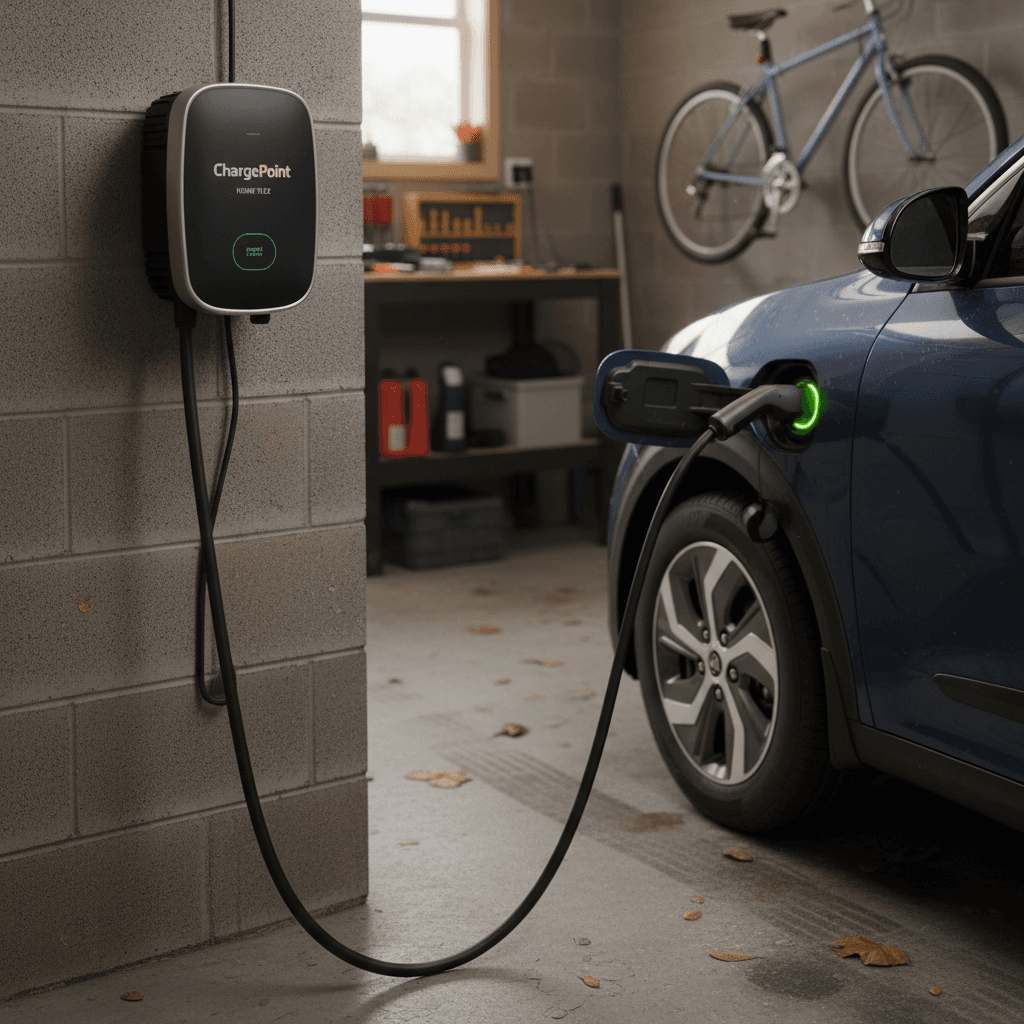
Choose a spot where the cable comfortably reaches your Kia Niro EV’s charge port without tight bends or running under tires. Many owners mount the unit near the garage door to cover parking inside or on the driveway.
3. Decide hard‑wired vs. plug‑in
Hard‑wired units are slightly more weather‑resistant and can support higher amp ratings. Plug‑in units (into a NEMA 14‑50 or similar outlet) are easier to replace or move but are often capped at 40A and require a high‑quality receptacle.
4. Size the circuit correctly
Work with your electrician to match breaker, wire, and charger output using the 80% continuous‑load rule. That typically means 40A breaker for 32A chargers, 50A for 40A, and 60A for 48A.
5. Consider future EVs
If you’re already opening walls or trenching conduit, it may be smart to run wiring sized for 40–48A charging even if you start with a lower‑amp unit. That way a future, faster‑charging EV, or a second charger, won’t require a full do‑over.
Safety first around 240V
What does home charging really cost?
Ownership math is a big reason people move into EVs, and the Kia Niro EV is one of the more efficient electric crossovers on sale. Your exact costs will depend on your local electricity rates, but it’s straightforward to ballpark what home charging will look like compared to gasoline.
Typical home charging cost for a Kia Niro EV
Illustrative numbers for a typical U.S. driver. Plug in your own kWh rate for a more precise estimate.
| Scenario | Assumed kWh rate | Energy used | Approx. cost | What it covers |
|---|---|---|---|---|
| Full home charge (near empty to full) | $0.15/kWh | ≈64 kWh | ≈$9.60 | Roughly 240+ miles of driving |
| Typical nightly top‑up (40% to 80%) | $0.15/kWh | ≈25–30 kWh | ≈$3.75–$4.50 | About a normal day’s driving for many owners |
| Same miles in a 30 mpg gas car | $3.50/gal | ≈8 gallons | ≈$28.00 | Similar 240‑mile trip on gasoline |
Assumes roughly 64 kWh usable battery and average energy efficiency; your numbers will vary with weather, speed, and driving style.
Charger + installation budget
Charging best practices to protect your Niro EV battery
The Niro EV’s battery is designed to handle regular Level 2 charging for many years, but a few simple habits can help preserve capacity and keep range more consistent as the car ages. Your home charger choice is part of that equation, but so are your settings and routines.
- Set a daily charge limit in the car (often 80–90%) for routine use, saving 100% charges for long trips.
- Avoid letting the battery sit at 0% or 100% for long periods, especially in very hot or cold weather.
- Use DC fast charging as a convenience tool on road trips, not as your main daily fueling source.
- If your charger or the Niro lets you pick an AC amperage, use the full rated current at home; “trickle charging” very slowly isn’t meaningfully better for the pack and wastes more energy in overhead losses.
- Keep the charge port and J1772 connector clean and dry; if you mount the charger outdoors, choose a weather‑rated enclosure and route the cable so it doesn’t sit in standing water or snow.
Let the car manage the battery
How Recharged fits in: used Kia Niro EVs and charging
If you’re considering a used Kia Niro EV, it’s smart to think about charging from day one. At Recharged, every Niro EV we list comes with a Recharged Score Report that includes verified battery health and real‑world charging performance, so you’re not guessing about how the pack has been treated or how it will behave on a home Level 2 charger.
How Recharged can simplify Niro EV ownership
From the first test drive to your first night plugged in at home.
Battery‑health transparency
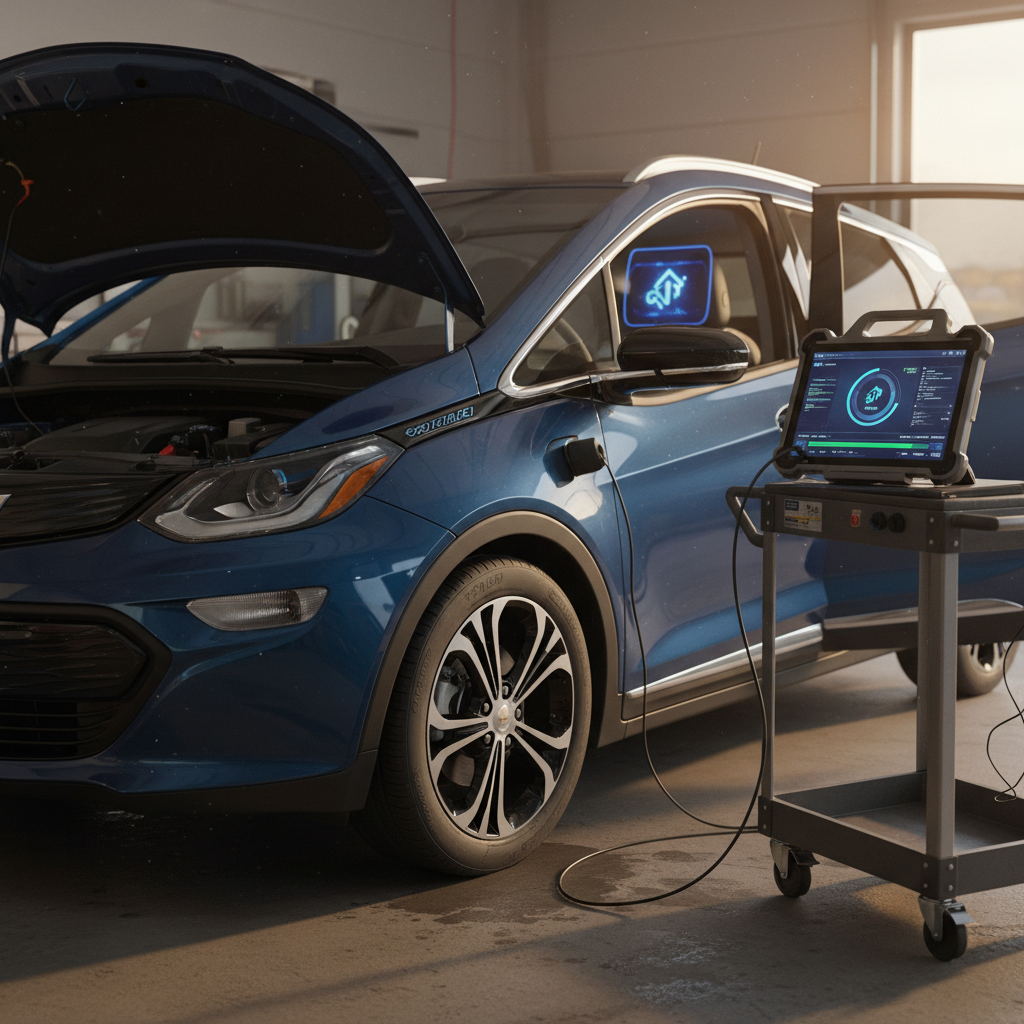
Our Recharged Score battery diagnostics give you a clear view of pack health and charging behavior before you buy, which is especially important if the previous owner fast‑charged heavily.
Financing & trade‑in
Bundle your used Kia Niro EV with financing, trade‑in, or consignment through Recharged, so you’re not juggling lenders and dealers on top of figuring out home charging.
Nationwide delivery & guidance
Whether you shop fully online or visit our Experience Center in Richmond, VA, EV specialists can walk you through home charging options, panel questions, and what to tell your electrician.
Ready to find your next EV?
Browse VehiclesAlready have a charger? We factor that in.
Kia Niro EV home charging FAQ
Frequently asked questions about Kia Niro EV home charging
Bottom line: choosing the best home charger for your Kia Niro EV
For a Kia Niro EV, the “best” home charger is less about chasing the biggest number on the box and more about matching a 32–48A Level 2 unit to your panel, parking, and driving habits. Most owners will be perfectly served by a durable 32A or 40A charger, wired on a correctly sized 240V circuit and set to refill the pack to 80–90% overnight. If you’re heavier‑use, planning a second EV, or already upgrading your electrical service, a 48A smart charger can be a smart way to future‑proof.
As you compare options, focus on fundamentals: J1772 compatibility, adequate amperage, weather‑appropriate mounting, and a warranty you trust. And if you’re looking at a used Niro EV, remember that Recharged can pair verified battery health with expert guidance on home charging so you step into EV ownership with your eyes open, and your garage ready.