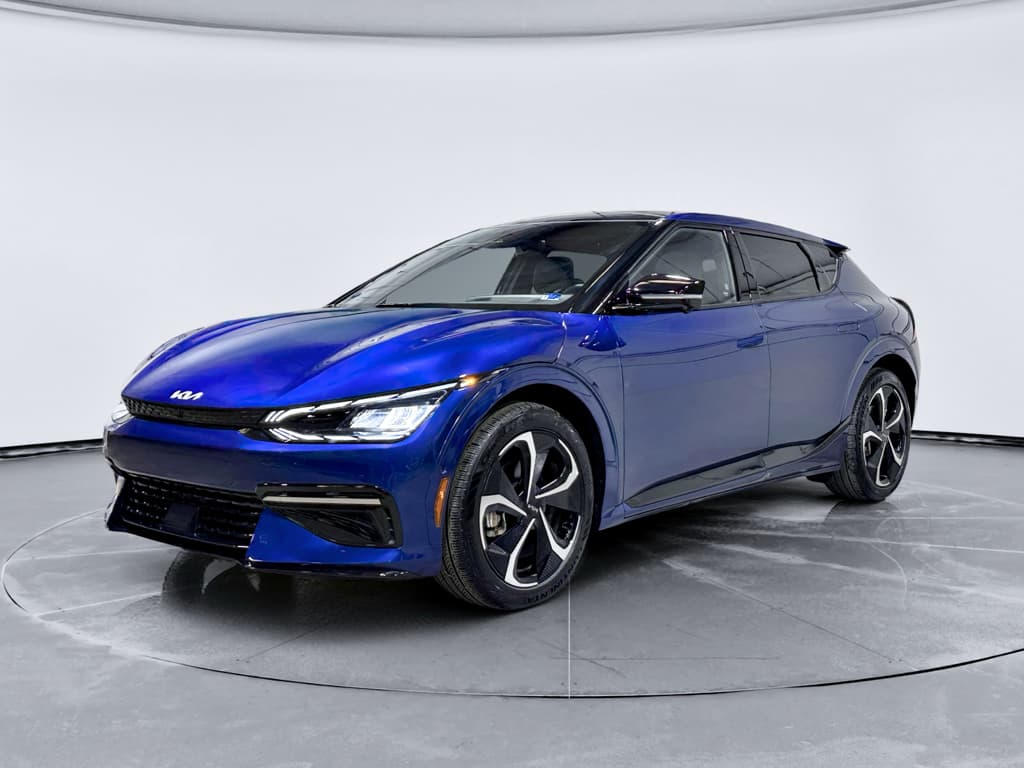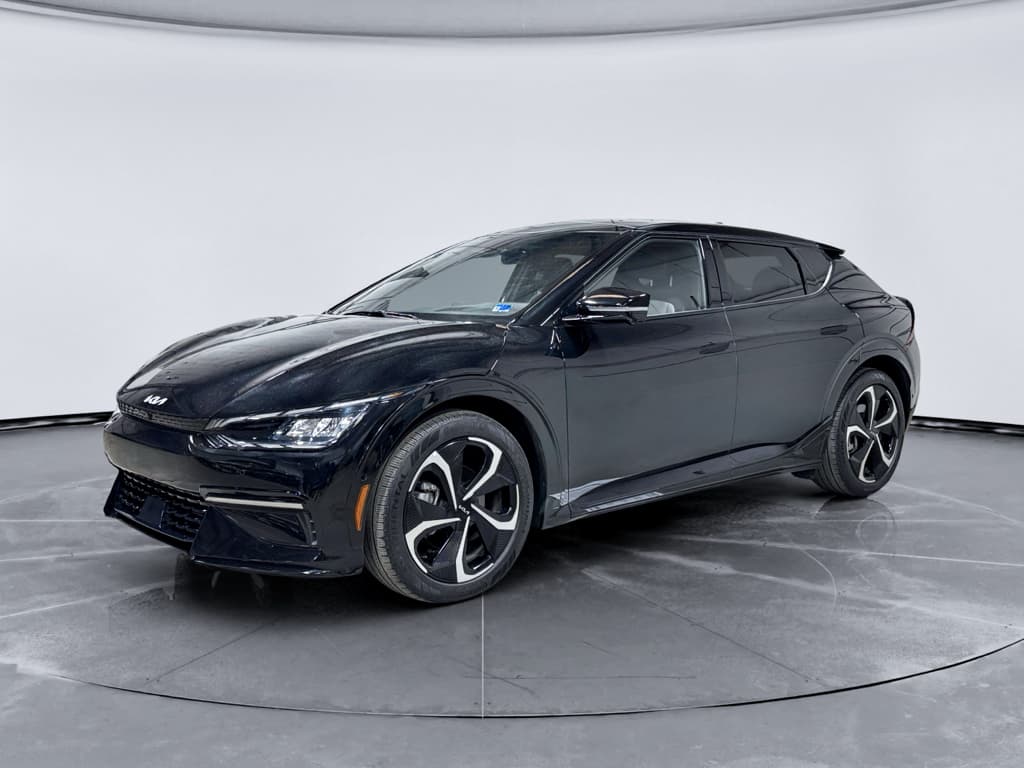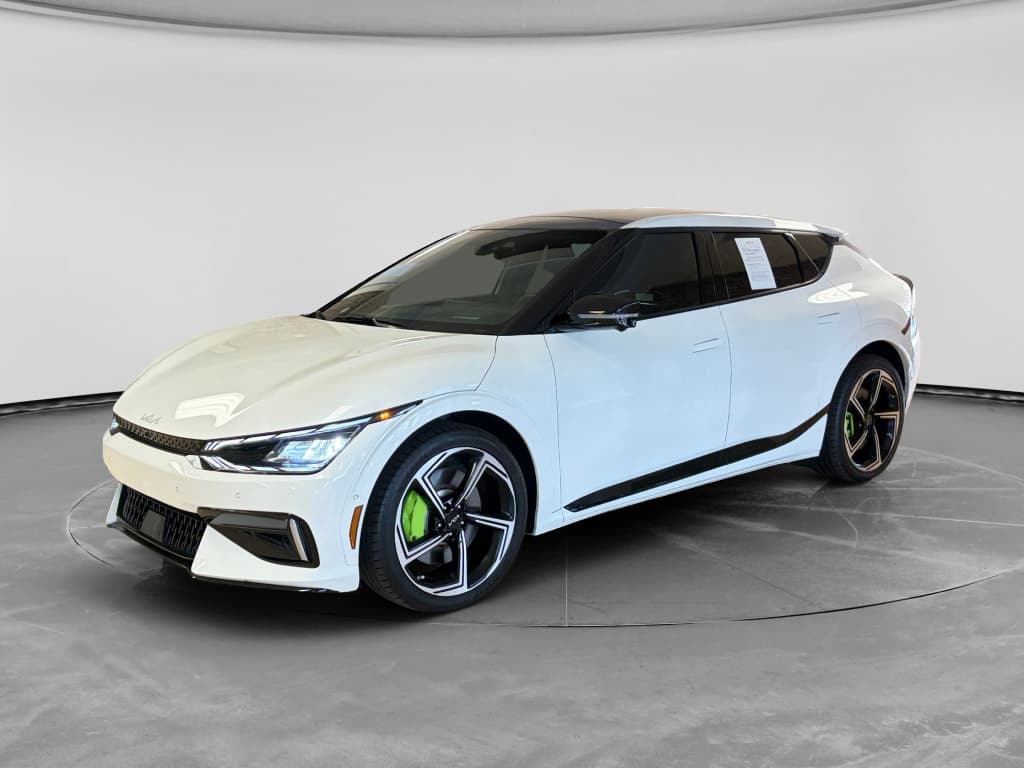
If you own or are shopping for a Kia EV6, it’s natural to wonder about EV6 battery replacement cost. The high‑voltage pack is the most expensive component in the car, and you’re probably asking, “What happens when it wears out?” The good news: in most cases, the battery is covered for years, and actually failing packs are rare. Still, it pays to know your numbers before you buy, especially if you’re considering a used EV6.
What this guide covers
EV6 battery replacement cost: quick overview
Kia EV6 battery & ownership at a glance
Short version
How big is the EV6 battery and why it matters for cost
Battery size drives both range and replacement cost. The Kia EV6 uses a large lithium‑ion polymer pack mounted under the floor. Early U.S. models came with around 58 kWh (standard range) or roughly 77.4 kWh (long‑range). For the 2025 model year, Kia increased capacities to about 63 kWh and 84 kWh depending on trim. Bigger packs mean more cells, more materials, and a higher price if the pack ever has to be replaced.
- Most U.S. EV6 models on the road today use a long‑range pack in the mid‑70s to low‑80s kWh range.
- Pack voltage is in the 600–800V class, allowing very fast DC charging but also meaning this is highly specialized hardware.
- Kia does not sell bare cells to consumers; replacement is typically handled as a full pack through the dealer network.
Kia EV6 battery warranty in the U.S.
In the United States, Kia backs the EV6 with a 10‑year/100,000‑mile EV battery and EV system warranty from the date of first service for the original owner. That’s on top of the standard 5‑year/60,000‑mile basic warranty and 10‑year/100,000‑mile powertrain coverage that Kia is known for.
What the Kia EV6 battery warranty typically covers
Actual terms can vary, always confirm in your specific warranty booklet.
High‑voltage battery pack
The main traction battery is covered for 10 years or 100,000 miles, whichever comes first, against defects in materials and workmanship.
Capacity threshold
If the EV6’s battery capacity falls below around 70% of original during the warranty period, Kia may repair or replace the pack to restore it above that threshold.
EV system components
Coverage usually includes the electric motor, power control unit, on‑board charger and related EV system components for the same 10‑year/100,000‑mile term.
Second owner? Read the fine print
One more nuance: the warranty protects against defects and abnormal capacity loss. It doesn’t guarantee that your EV6 will never lose range, some gradual degradation is normal. Kia’s promise is typically that the pack won’t fall below the defined capacity threshold within the warranty term under normal usage.
Real-world EV6 battery replacement cost estimates
Because the EV6 is still a relatively young model, there aren’t many public, fully documented cases of complete high‑voltage battery pack replacements outside warranty. But based on dealer parts databases, quotes for similar 70–80+ kWh packs, and scattered owner reports, you can build a realistic expectation for EV6 battery replacement cost if you were ever paying out of pocket.
Estimated Kia EV6 high‑voltage battery replacement costs (U.S.)
Approximate dealer pricing for a full pack replacement when out of warranty. Actual numbers vary by dealer, region, and parts availability.
| Scenario | What’s being replaced | Estimated parts cost | Estimated labor | Approx. total (before tax) |
|---|---|---|---|---|
| Full pack, long‑range EV6 | Complete new OEM high‑voltage pack | $15,000–$18,000 | $2,000–$3,500 | $17,000–$21,500 |
| Full pack, standard‑range EV6 | Smaller OEM pack | $11,000–$14,000 | $2,000–$3,000 | $13,000–$17,000 |
| Refurb/used pack (rare today) | Salvage or remanufactured pack | $7,000–$11,000 | $2,000–$3,000 | $9,000–$14,000 |
| Module‑level repair | One or more internal modules | $2,000–$6,000+ | $1,500–$3,000 | $3,500–$9,000+ |
Think of these as ballpark ranges for planning, not official Kia prices.
Why the wide range?
These figures are intentionally conservative. Some owners of other EVs have reported quotes north of $25,000 for large packs, while others have found lower prices through salvage yards or independent specialists. The key takeaway is that a full EV6 pack is roughly in the same price neighborhood as replacing an entire engine and transmission in a luxury gasoline car, and that’s exactly why the warranty matters so much.
5 factors that change your EV6 battery replacement cost
What really drives your EV6 battery bill
1. Warranty status & ownership history
If you’re still within the 10‑year/100,000‑mile EV battery warranty as the covered owner, your out‑of‑pocket cost for a defective pack is often $0. If you’re past the time or mileage limit, or if the warranty was reduced for a second owner, replacement becomes your responsibility.
2. Pack size and trim level
A long‑range 77–84 kWh pack costs more than a smaller 58–63 kWh unit simply because it uses more cells and materials. High‑performance trims with unique hardware can also push prices higher.
3. Type of repair: full pack vs modules
Sometimes a failure can be addressed by replacing modules or electronics instead of the whole pack. That can slash costs, but many dealers default to full‑pack replacement for simplicity and liability reasons.
4. Labor rates and shop capabilities
An EV‑trained technician dropping the battery pack, transferring ancillaries, and reinstalling it is doing highly specialized work. Labor rates at metro dealers often exceed $200 per hour, and this is a multi‑day job.
5. Parts source: new, reman, or salvage
Brand‑new OEM packs through a Kia dealer will be the most expensive but come with warranty. Remanufactured or salvage packs are cheaper, but you’ll want to work with a reputable EV specialist who can verify health and compatibility.
Don’t ignore related components
Signs your EV6 battery might need attention, not just replacement
The vast majority of EV6 owners will never face a full battery replacement. What’s more common is gradual range loss or software‑limited performance as the pack ages. Before you assume you’re on the hook for a new battery, watch for these signs and have a qualified shop diagnose the root cause.
- Noticeably less driving range at the same state of charge compared with previous years.
- Large swings in estimated range or state of charge that don’t line up with how far you’ve driven.
- Warning lights or error messages related to the high‑voltage battery, charging system, or powertrain.
- DC fast charging that suddenly becomes much slower than it used to be under similar conditions.
- The car refusing to charge, or abruptly stopping a charge session without explanation.
Start with a battery health report
Out-of-warranty strategies: repair, insurance, and selling the car
1. Explore repair options before full replacement
Even outside warranty, a full pack replacement should be the last option. Ask your dealer to price module‑level or component‑level repairs, and consider getting a quote from an independent EV specialist who’s comfortable opening packs when it’s safe and allowed. In some cases, replacing a small number of weak modules or a failed controller can restore performance at a fraction of the full‑pack cost.
2. Consider your car’s value vs. repair bill
If your EV6 is older or has very high mileage, it’s possible that a full battery replacement could approach or even exceed its private‑party resale value. In that situation, it may make more financial sense to sell or trade the vehicle rather than put five figures into a single repair.
Recharged can provide an instant offer or help you consign your EV6 so you can move into another EV with stronger remaining battery warranty.
Some extended warranties and mechanical breakdown insurance policies cover high‑voltage components, but many do not. Before a major repair, read the fine print and ask the provider in writing whether the specific component, battery pack, ICCU, DC‑DC converter, or on‑board charger, is covered. Don’t assume that “bumper‑to‑bumper” language automatically includes everything in an EV.
Battery health when buying a used EV6
If you’re in the market for a used EV6, the smartest move you can make is to treat the battery like an engine on a gasoline car. You wouldn’t buy a used performance SUV without knowing whether the engine has compression and no major leaks; likewise, you shouldn’t buy a used EV6 without a clear view of battery health and warranty status.
How to protect yourself when buying a used EV6
These steps can dramatically reduce your risk of surprise battery expenses.
Verify remaining warranty
Use the VIN to confirm the in‑service date and ownership history with a Kia dealer. You want to know exactly how much of the 10‑year/100,000‑mile EV battery warranty is left and whether any limitations apply to second owners.
Get a real battery health report
Ask for a scan that shows state of health (SoH), not just indicated range. At Recharged, our Recharged Score distills this into an easy‑to‑understand report you can compare across vehicles.
Test in real‑world conditions
Drive the EV6 on your normal routes and at highway speeds. Pay attention to how quickly range drops and whether the car fast‑charges as expected. Real‑world behavior often reveals issues that a quick dealer test drive won’t.
Why shop a used EV6 through Recharged?
Recharged data
Used Kia Ev6 battery health
99%
avg remaining capacity
From Recharged battery inspections, not manufacturer estimates.
- Lowest
- 91%
- Median
- 100%
- Highest
- 100%
- Est. range
- 279 mi avg
- Cell balance pass
- 100%
- Quick charges
- 21 avg
- Slow charges
- 79 avg
Average cell imbalance: 3.9 mV
Based on vehicles Recharged tested as of Jul 23, 2026
Recharged data
Recent Kia Ev6 sold prices
$27,846
median sold price
What buyers actually paid through Recharged, not list price.
- Lowest
- $15,998
- Average
- $27,529
- Highest
- $40,847
Monthly median sold price
Based on Recharged sales in the last 12 months as of Jul 23, 2026
Ready to find your next EV?
Browse VehiclesFAQ: Kia EV6 battery replacement cost & warranty
Frequently asked questions about EV6 battery cost
Bottom line: how worried should you be about EV6 battery costs?
For most drivers, a Kia EV6 battery replacement is something you’ll read about more than experience. The pack is large and expensive, but it’s also protected by one of the most generous EV battery warranties in the business, and early‑life failures are rare. The real risk emerges later, when the car is older, has high mileage, and is either just outside or far beyond warranty.
If you already own an EV6, stay on top of software updates, use sensible charging habits, and get a proper battery health check if you notice big changes in range or charging behavior. If you’re shopping used, focus on verified battery health and remaining warranty rather than just model year and mileage. And if you want help navigating all of this, Recharged can walk you through options, provide a Recharged Score battery report, help with financing or trade‑in, and even deliver the right EV6 to your driveway, so you can enjoy the car without losing sleep over the battery.