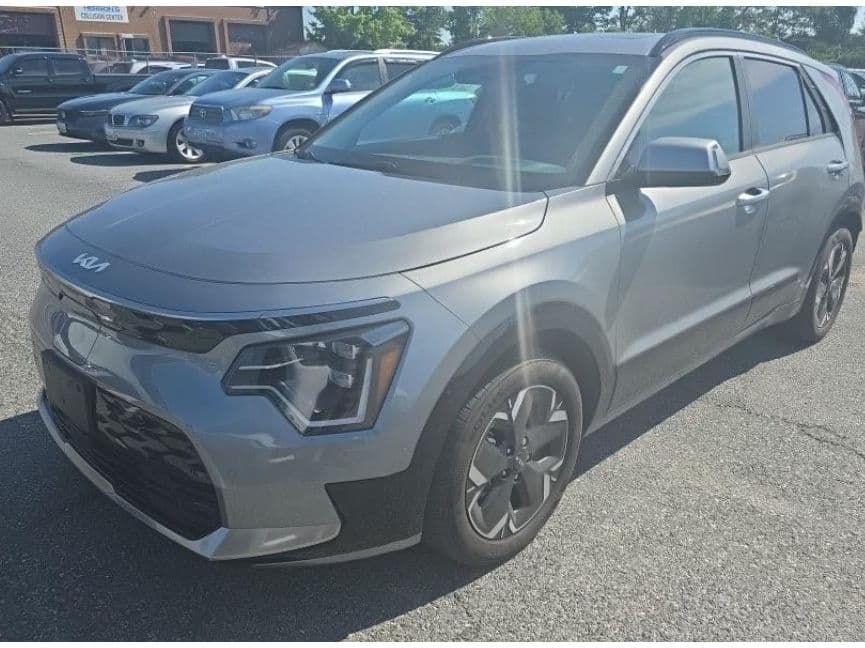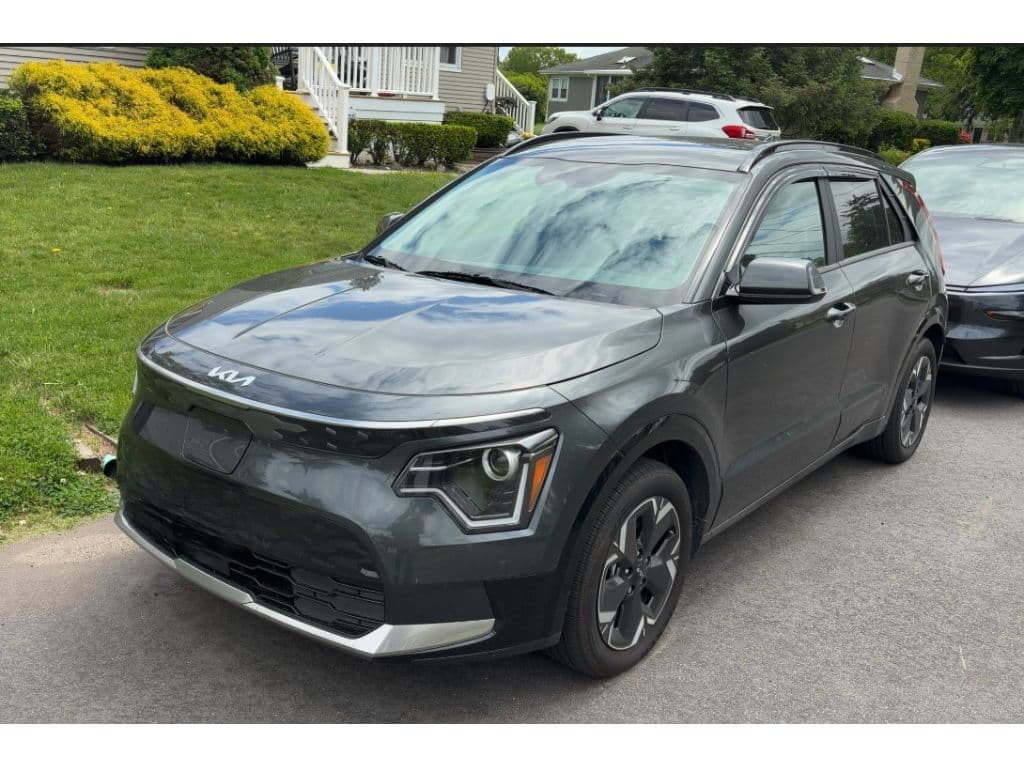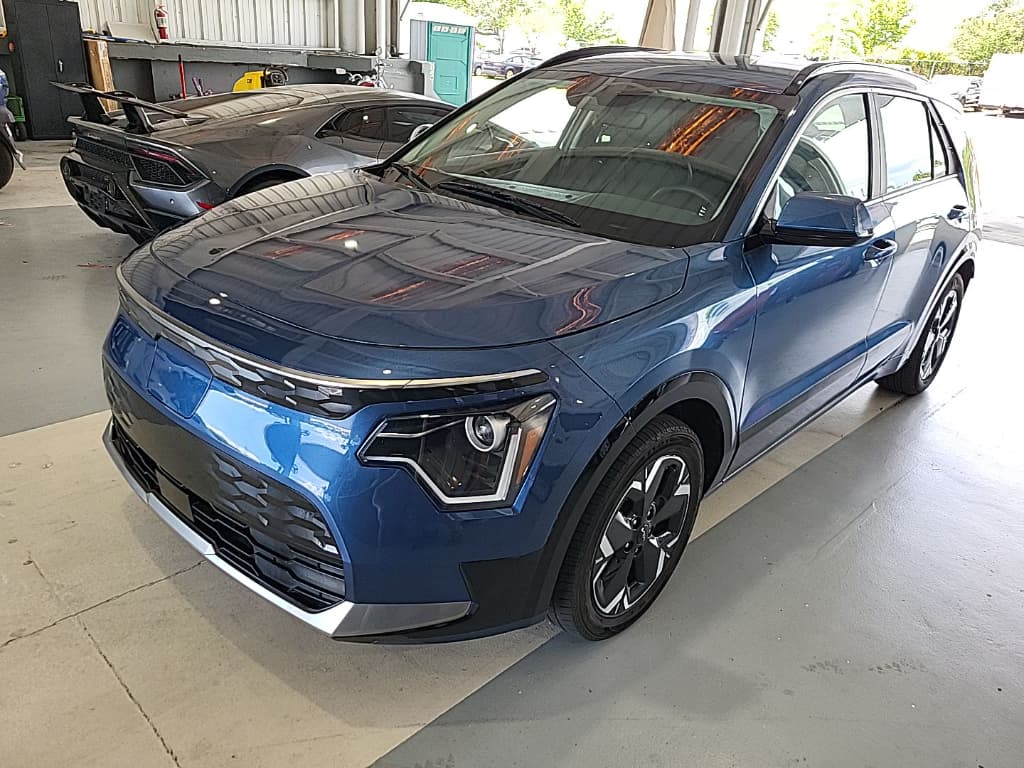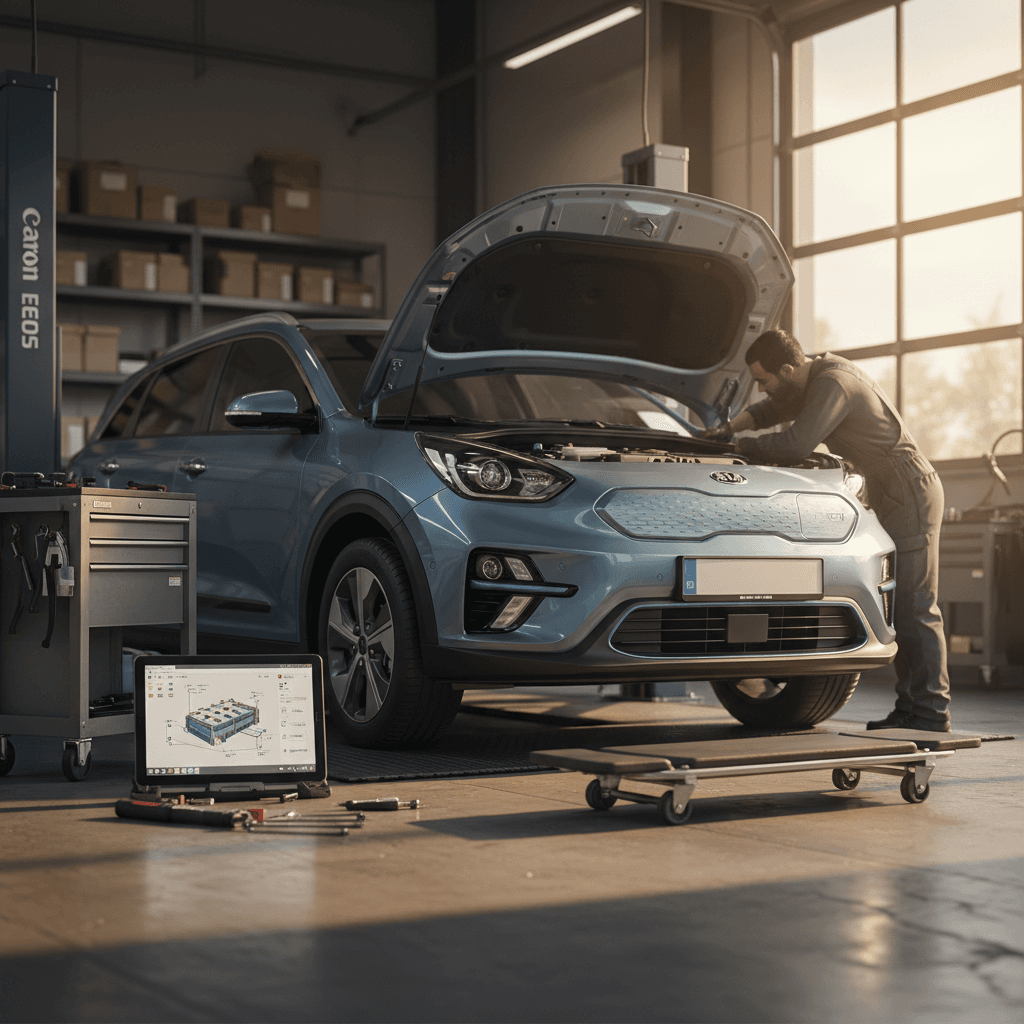
If you’re cross-shopping the Kia Niro EV against a gas-powered crossover, the big question is: what will it actually cost to maintain each year? The good news is that the Kia Niro EV annual maintenance cost is typically well below that of a comparable gasoline vehicle, but the expenses show up in different places, less in oil changes, more in tires.
Quick snapshot
Kia Niro EV maintenance overview
Like every modern battery-electric vehicle, the Kia Niro EV eliminates many of the maintenance line items that used to define car ownership: no oil changes, no spark plugs, no timing belts, no exhaust system, and no transmission fluid services in the traditional sense. Instead, the Niro EV’s service schedule focuses on inspections, fluids that still exist (like brake fluid and coolant for the battery/thermal system), and predictable wear items such as tires and cabin filters.
Where EVs save you money
- No engine oil or filter changes
- No spark plugs, fuel filters, or exhaust repairs
- Far fewer moving parts in the drivetrain
- Regenerative braking reduces brake wear
What still costs money
- Tires and wheel alignments
- Brake fluid and coolant services
- Cabin air filters and wiper blades
- Occasional software and hardware updates
Weight matters
How much does Kia Niro EV maintenance cost per year?
Typical yearly Kia Niro EV maintenance costs
For most owners, the Kia Niro EV’s yearly costs break into three buckets: scheduled inspections and fluids, tires and alignment, and “everything else” (wipers, cabin filters, the odd bulb or clip). If you average these over several years, you generally land in the mid-hundreds of dollars per year unless you’re driving far above average mileage or replacing premium tires frequently.
A simple budget rule
Scheduled service items and intervals
Kia’s official maintenance schedule can vary slightly by model year and market, but the pattern for the Niro EV is consistent. You’ll see mileage- or time-based entries (for example, every 7,500 miles or 12 months) focusing on inspections and a small handful of fluid and filter replacements. Below is a generalized look at what a U.S. Niro EV owner can expect; always cross-check with your owner’s manual for exact intervals.
Typical Kia Niro EV scheduled maintenance
Approximate items you’ll see on the Kia Niro EV maintenance schedule; consult your manual for the precise plan.
| Interval (time/miles) | Service item | Typical notes | Estimated cost range* |
|---|---|---|---|
| Every 7,500–10,000 miles / 12 months | Multi-point inspection; tire rotation | Visual checks, software updates, fluid top-off | $70–$150 |
| Every 15,000–20,000 miles | Cabin air filter replacement | Keeps HVAC performance and air quality high | $40–$120 |
| Every 30,000–45,000 miles | Brake fluid exchange (time-based on some schedules) | Moisture control for braking system longevity | $120–$200 |
| Every 60,000–75,000 miles | Coolant system inspection/service for battery & electronics | Often inspection-only early on; service may be longer-interval | $0–$250 |
| Every visit | Software checks and campaigns | Often included in inspection, may be warranty work | Usually $0 if part of visit |
Dealer prices vary widely by region. Independent EV‑savvy shops can often perform many of these services at lower labor rates.
Dealer vs independent shop
Tires, brakes, and other wear items
For many Kia Niro EV owners, the largest recurring maintenance expense isn’t a scheduled service at all, it’s tires. Electric crossovers deliver instant torque and carry substantial weight, both of which are hard on rubber. Brakes, on the other hand, typically last longer than on a gas vehicle thanks to regenerative braking doing much of the slowing.
Major wear items on a Kia Niro EV
Where real-world owners tend to spend money over time
Tires
Most Niro EVs use all-season tires sized similarly to compact crossovers.
- Expect 25,000–40,000 miles from a set depending on driving style.
- Replacement cost: typically $650–$1,000 installed for four quality tires.
- Rotate every 7,500–10,000 miles to maximize life.
Brakes
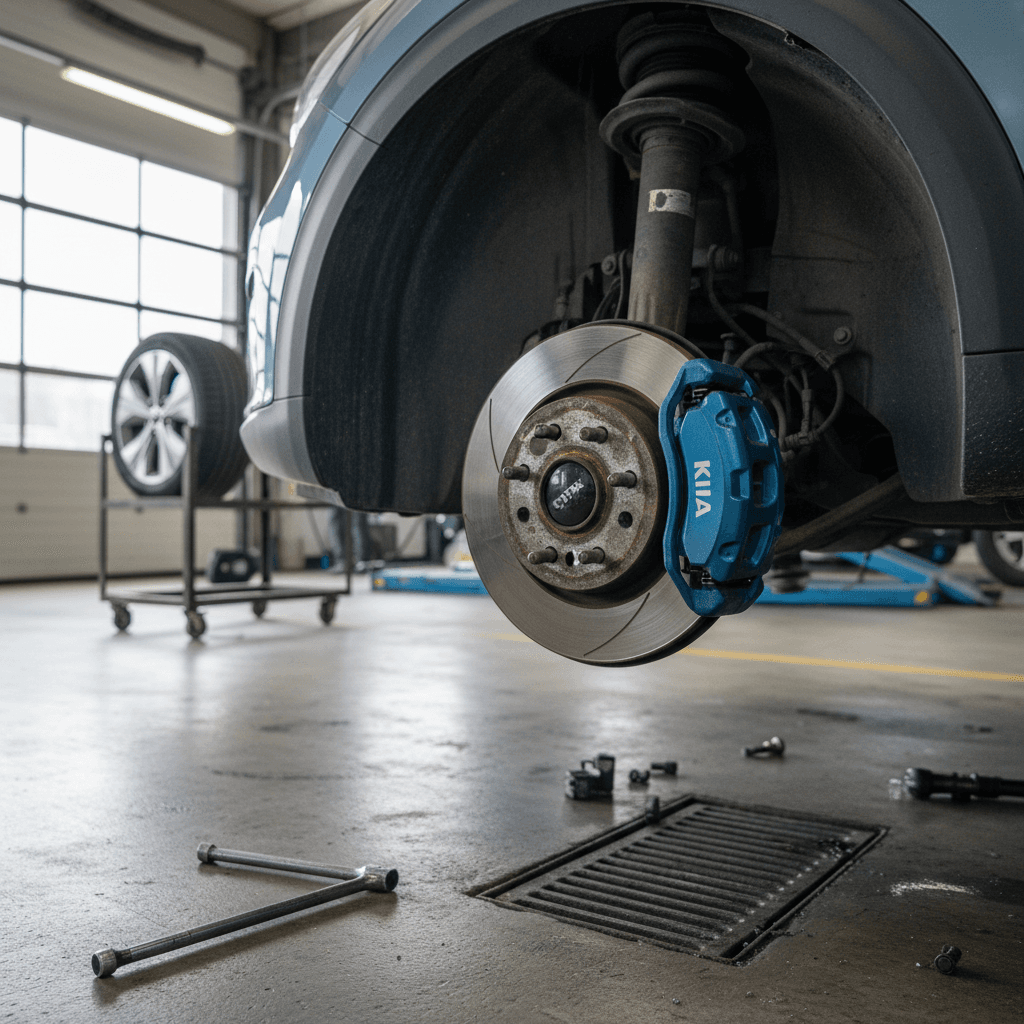
Regenerative braking means pads and rotors see less use.
- Many EV owners report 60,000+ miles on original pads.
- Front brake job (pads/rotors) might run $350–$600 at a shop when eventually needed.
- Periodic cleaning and lubrication during inspections helps longevity.
Other items
Those small but inevitable replacement parts.
- Wiper blades every 1–2 years: $30–$80.
- 12‑volt accessory battery eventually: often $150–$250 installed.
- Light bulbs or small trim pieces as needed.
Driving style pays off
Battery and high-voltage components
The traction battery pack is the most expensive component in a Kia Niro EV, but it’s also engineered to last the life of the vehicle for most owners. High-voltage components are not on your out-of-pocket maintenance list in the same way an oil change is; they’re covered under Kia’s high-voltage system warranty for many years, and problems are rare on well-cared-for vehicles.
- No regular battery pack service like “battery flushes” or “cleaning” is required, avoid shops trying to sell these.
- . Battery cooling systems are largely closed-loop; your main task is making sure inspections are done on schedule.
- If a true high-voltage fault occurs during the warranty period, it’s typically handled as a warranty repair rather than routine maintenance.
Avoid unproven battery services
Kia warranty and service plans
Although details vary by model year and region, Kia has been known for offering a long limited powertrain warranty and a separate coverage period for electric components. On a new Niro EV, this usually means years of high-voltage system protection, which can keep major repair risk low during your early ownership period. Some dealers also sell prepaid maintenance plans that bundle scheduled services into one up-front cost.
What the factory warranty usually covers
- Defects in materials/workmanship for major components, including the battery and electric motor, during the coverage period.
- Many software and hardware updates that address quality issues are performed under warranty.
- Does not cover typical wear items like tires and pads.
Are prepaid maintenance plans worth it?
- Calculate the scheduled services they cover vs. paying as you go.
- Because the Niro EV has a light maintenance schedule, some plans don’t pencil out.
- If you prefer predictable payments and dealer-only service, a plan might still appeal to you.
Used Niro EV warranty coverage
Maintenance costs: new vs used Kia Niro EV
Whether you buy new or used, the fundamental maintenance tasks on a Niro EV are the same. What changes is the timing. A new car won’t need tires or a 12‑volt battery for several years in normal use; a higher‑mileage used example might be arriving right at the point where the first set of tires is due or the first major brake service appears on the horizon.
How Niro EV maintenance can differ new vs. used
These are broad patterns, actual costs depend on mileage, age, and how the previous owner drove and maintained the vehicle.
| Ownership scenario | Years 1–3: typical annual costs | Years 4–7: typical annual costs | What to watch |
|---|---|---|---|
| Bought new, average miles | $200–$400 (mostly inspections & rotations) | $400–$700 (tires, more fluids, some wear items) | Tire wear, brake fluid changes, cabin filters |
| Bought used at ~40,000–60,000 miles | $400–$800 (catch-up maintenance + tires possible) | $350–$650 (settles once big items addressed) | Condition of tires, brakes, 12‑volt battery, and alignment |
| Low‑mileage city use | $250–$450 | $300–$600 | More stop‑and‑go may mean faster tire wear but very slow brake wear |
Recharged’s inspection and battery health reporting helps you avoid used EVs with surprise deferred maintenance.
Depreciation vs maintenance
How Recharged helps lower your Niro EV ownership costs
Maintenance cost isn’t just about what the car needs, it’s about how well its history has been documented and how healthy the battery and key components are when you buy it. That’s where a platform purpose‑built for used EVs makes a difference.
Why shop for a used Kia Niro EV with Recharged
We focus on the expensive-to-fix parts so you can focus on enjoying low running costs.
Recharged Score battery health report
Every vehicle on Recharged comes with a Recharged Score, including verified battery health diagnostics. You see how the Niro EV’s pack is performing, which helps you understand both range and long‑term reliability before you commit.
EV‑specialist inspection and pricing
We use EV‑focused inspections and data‑driven fair market pricing. That reduces the risk of overpaying for a car that needs tires, brakes, or catch‑up maintenance the moment it arrives in your driveway.
Financing and trade‑in support
Recharged offers financing, trade‑in, instant offer or consignment options, plus transparent cost breakdowns. Rolling the right car into the right payment can make your overall cost of ownership feel as smooth as the drive.
Nationwide delivery + EV guidance
From our digital retail experience and Experience Center in Richmond, VA, we support buyers nationwide with EV‑savvy guidance, including what to expect for annual maintenance on your specific Niro EV.
Ready to find your next EV?
Browse VehiclesOwnership checklist: keeping Niro EV costs low
Simple habits to minimize your Kia Niro EV annual maintenance cost
1. Follow the maintenance schedule, without over‑servicing
Use the schedule in your owner’s manual as your baseline. Avoid upsells for engine-style services your Niro EV doesn’t need, but don’t skip inspections, tire rotations, or brake fluid changes.
2. Rotate tires and check pressures regularly
Rotating every 7,500–10,000 miles and keeping tire pressures at spec can extend tire life significantly, keeping one of your largest expenses under control.
3. Use regen smartly to save brakes
Maximize regenerative braking in city driving where appropriate. It captures energy and reduces wear on your physical brake pads and rotors.
4. Protect the battery with good charging habits
Avoid sitting at 100% charge for long periods, and don’t fast‑charge constantly if you don’t need to. Healthier batteries tend to mean fewer headaches and better resale value later.
5. Handle small fixes promptly
Replace wiper blades, 12‑volt batteries, and cabin filters as soon as issues appear. Deferred minor maintenance can cascade into larger costs over time.
6. Keep records of every service
Documented maintenance helps future buyers (and shops) understand the car’s history. It can also support warranty claims and improve resale or trade‑in value.
FAQ: Kia Niro EV annual maintenance cost
Frequently asked questions about Kia Niro EV maintenance
Bottom line: what to budget each year
If you’re moving from a traditional compact crossover into a Kia Niro EV, the shift in maintenance is dramatic but simple: far fewer mechanical services, a little more attention to tires and a few key fluids. For most owners, a budget of $350–$600 per year will comfortably cover routine Kia Niro EV annual maintenance costs across several years of ownership.
Where you really win is in predictability. EVs like the Niro smooth out the spikes you might see from timing‑belt jobs, transmission rebuilds, or chronic oil leaks on older gas vehicles. And if you choose a carefully vetted used Kia Niro EV through Recharged, with a Recharged Score battery health report, fair market pricing, and EV‑savvy support, you’re stacking the deck in favor of low, transparent ownership costs from day one.