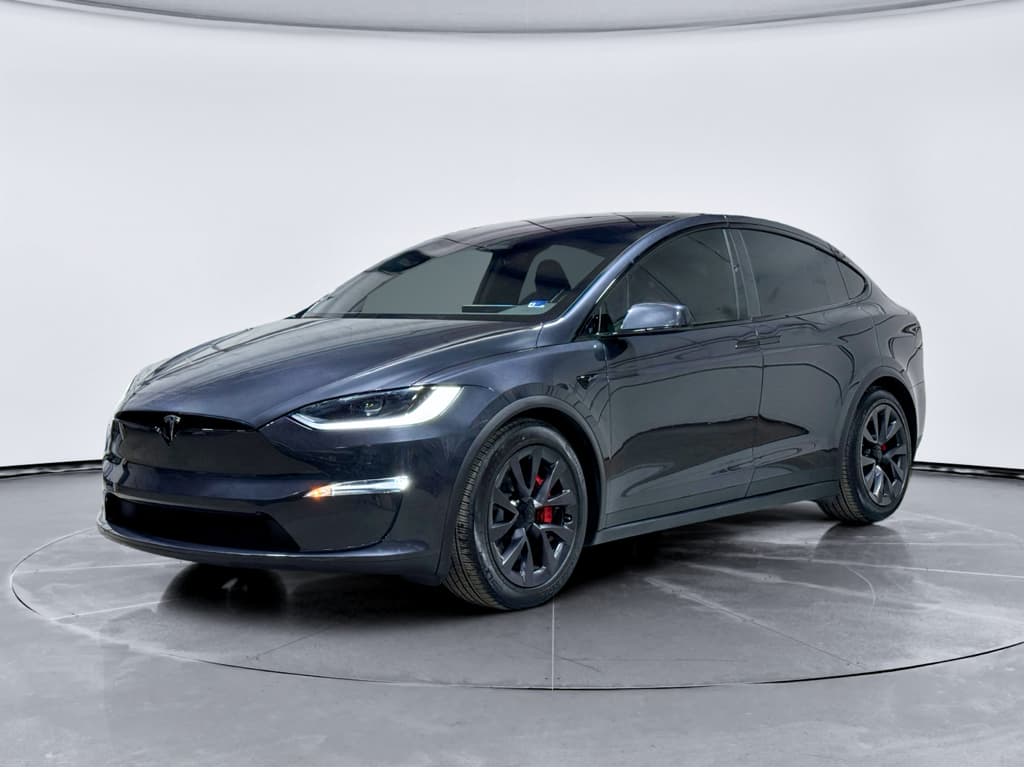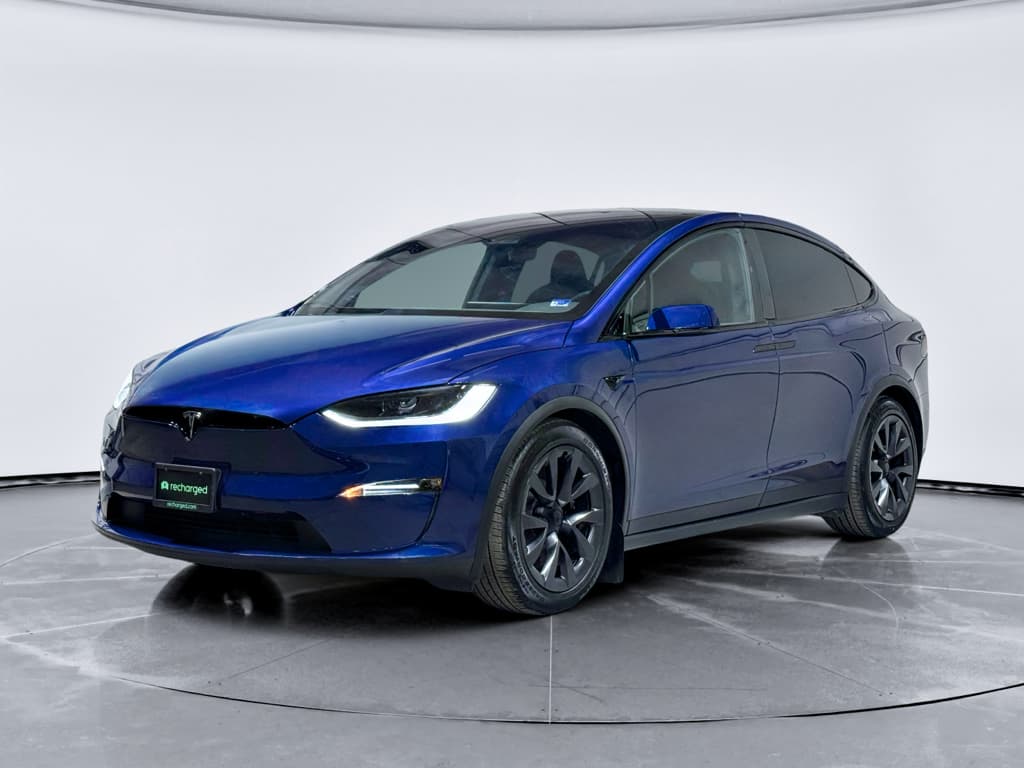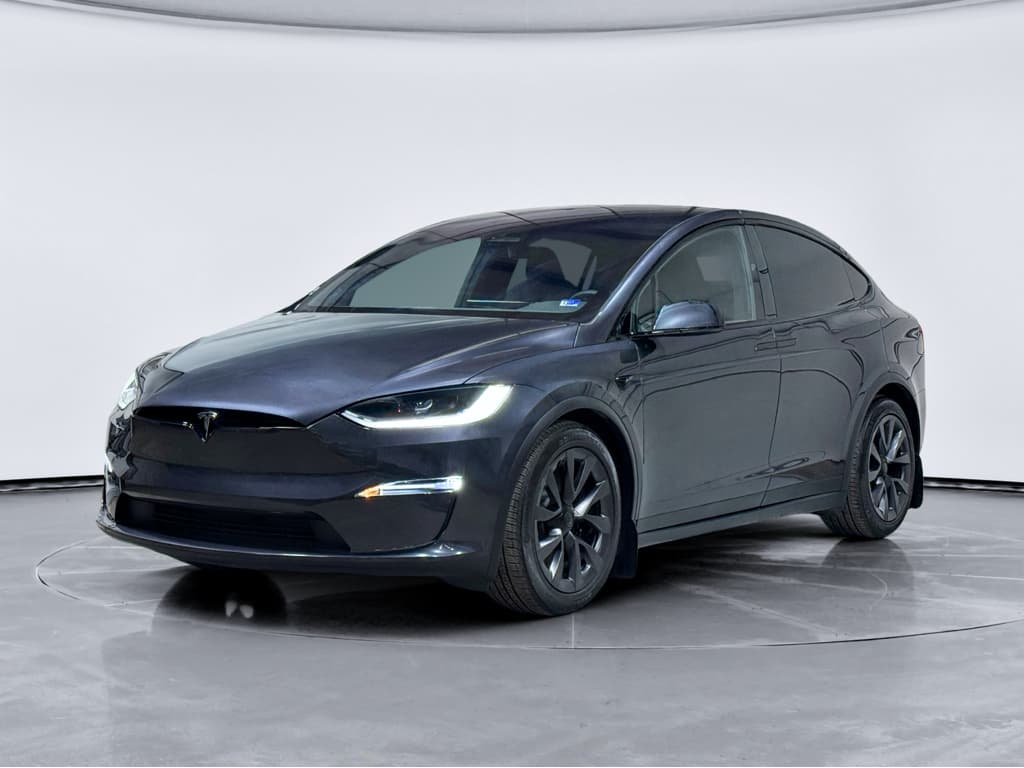
If you want a three-row electric SUV, your shortlist almost always includes the Kia EV9 and Tesla Model X. Both offer family-sized space, long-range batteries, and serious performance, but they get there with very different philosophies, price points, and ownership experiences. This guide breaks down Kia EV9 vs Tesla Model X in plain language so you can pick the one that actually fits your life and budget.
Snapshot
Overview: Kia EV9 vs Tesla Model X at a Glance
Headline Specs: EV9 vs Model X (U.S. market)
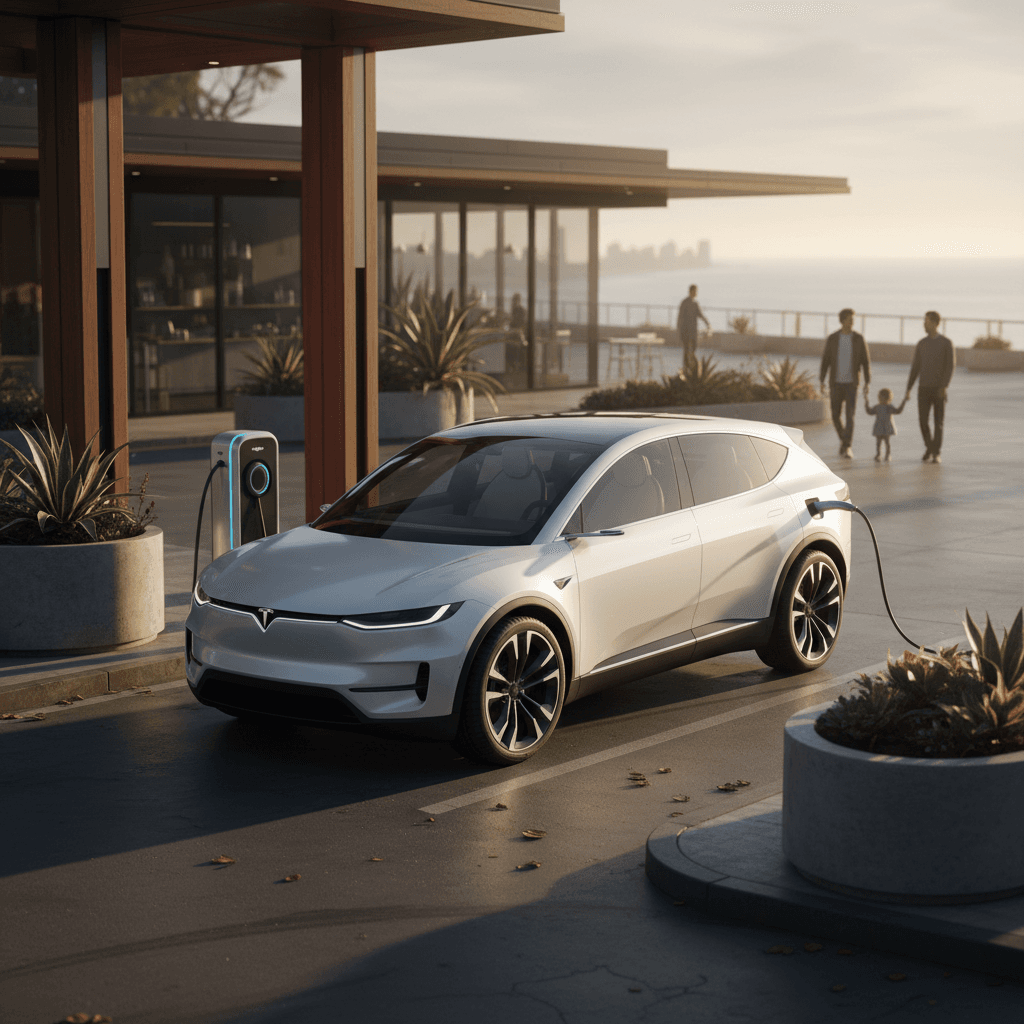
The Kia EV9 is Kia’s first three-row electric SUV, built on an 800‑volt platform for ultra-fast charging and designed squarely around family use. The Tesla Model X is the longest‑running three‑row EV SUV on the market, with strong performance, software-centric design, and access to Tesla’s Supercharger network. If you’re cross‑shopping them, you’re likely weighing value and practicality (EV9) against range, performance, and Tesla’s charging ecosystem (Model X).
Pricing and Value: New and Used
Kia EV9 vs Tesla Model X: Typical U.S. Pricing
Approximate starting prices for new models and ballpark used pricing as of early 2026. Actual transaction prices vary by options and market.
| Model | New MSRP (approx) | Typical 1–2 year used prices | Tax credit eligibility* |
|---|---|---|---|
| Kia EV9 (2026) | ≈ $56,000–$73,000 | Low–mid $50Ks+ (limited used supply) | Many trims qualify (check assembly & income limits) |
| Tesla Model X Dual Motor (2025+) | ≈ $90,000+ | Mid $60Ks–$80Ks depending on year & miles | Generally not eligible new; used doesn’t get federal credit |
| Tesla Model X Plaid | ≈ $100,000+ | $80Ks–$100K+ | Same as above |
Use this as a directional guide rather than a quote, always verify current pricing before you buy.
About price swings
The Kia EV9 undercuts the Model X dramatically on sticker price. Even a well‑equipped EV9 Wind or Land often lands tens of thousands of dollars below a comparably equipped new Model X. For many households, that alone is decisive. On the other hand, the Model X has been on the market for years, so there’s a much deeper used inventory, with older examples sometimes priced near or even below a new EV9, but with very different warranty coverage, feature sets, and battery age.
Where Recharged fits in
Space, Comfort, and Real-World Usability
Kia EV9: Practical family packaging
- Length: about 197 in – closer to a Telluride than a full‑size SUV.
- Seating: 6 or 7 seats, depending on bench vs captain’s chairs.
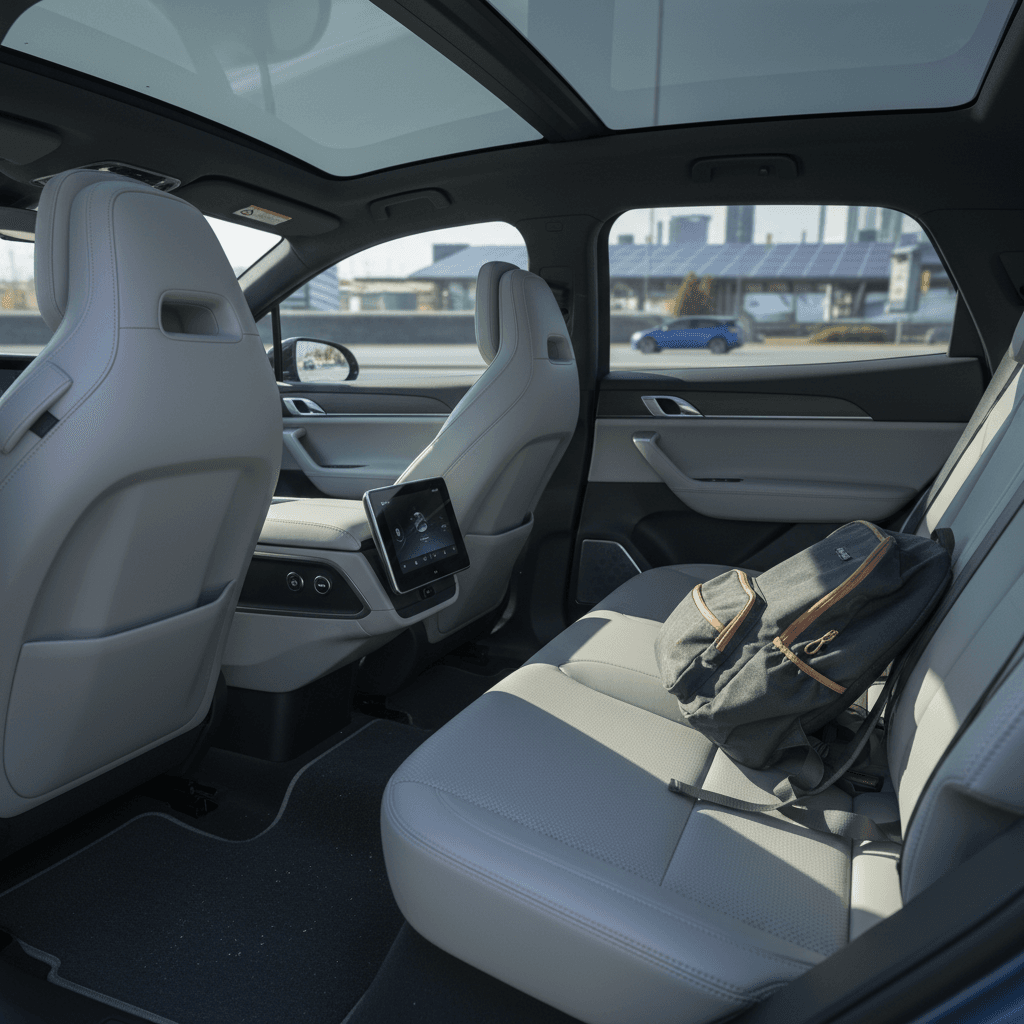
- Third row: Adult‑friendly for shorter trips; genuinely usable for kids.
- Cargo: Boxy shape and flat floor make strollers, sports gear, and Costco runs easy.
- Cabin feel: Airy, upright, SUV‑like with a modern, minimal dash and physical controls where they count.
Tesla Model X: Sleek but compromised practicality
- Length: about 199 in – longer and narrower, with a more tapered rear.
- Seating: 5, 6, or 7 seats depending on configuration.
- Third row: Legroom and headroom are tighter; better for kids than adults.
- Cargo: Big overall capacity, but the sloping roof and falcon‑wing doors can make some loading scenarios fiddly.
- Cabin feel: More “tech lounge” than traditional SUV; almost everything runs through the central touchscreen.
Family friendliness edge
- Both offer heated and ventilated front seats and premium audio options on higher trims.
- The EV9 emphasizes sustainability with recycled and bio‑based materials; the Model X leans more toward minimalist luxury.
- Ride quality in the EV9 tends to be tuned for comfort; Model X is firmer, especially on large wheels and Plaid variants.
Performance, Range, and Efficiency
Key Powertrain and Range Specs
Representative specs for popular configurations in the U.S. market. Always check the exact trim you’re considering.
| Model/Trim | Drivetrain | Battery (usable / approx) | EPA Range (approx) | 0–60 mph (approx) |
|---|---|---|---|---|
| Kia EV9 Light RWD | RWD | ~76 kWh | ≈ 230 mi | 7.7 s |
| Kia EV9 Light Long Range RWD | RWD | ~100 kWh | ≈ 305 mi | 8.8 s |
| Kia EV9 Wind/Land AWD | AWD | ~100 kWh | ≈ 280–283 mi | ≈ 5.7 s |
| Kia EV9 GT-Line AWD | AWD | ~100 kWh | ≈ 270–280 mi | ≈ 5.0 s |
| Tesla Model X Dual Motor | AWD | 100 kWh | ≈ 320–330 mi | ≈ 3.8 s |
| Tesla Model X Plaid | AWD (tri‑motor) | 100 kWh | ≈ 310–320 mi | ≈ 2.5–2.6 s |
Numbers are rounded for simplicity; EPA ratings and 0–60 times vary by wheel size, options, and test methodology.
In raw numbers, the Model X still wins on performance. Even the standard dual‑motor Model X accelerates like a sports car, and the Plaid’s 0–60 time is in supercar territory. The EV9 counters with highly usable performance, its dual‑motor trims are more than quick enough for merging, passing, and highway on‑ramps, but it doesn’t try to be a drag‑strip monster.
On range, things are closer. A long‑range EV9 RWD trim can crack roughly 300 miles, while the Model X dual motor hovers a bit higher in the low‑to‑mid 300s depending on wheels and options. In the real world, your driving style, temperature, and wheel size will matter more than the small paper advantage either way.
Cold weather note
Charging and Road-Trip Experience
Charging: Where the EV9 and Model X Shine
Fast charging is about more than just a kW number, it’s networks, routing, and plug standard.
Kia EV9 DC fast charging
The EV9’s 800‑volt architecture allows very high peak charging speeds (Kia quotes up to about 236 kW with compatible 350 kW chargers). In ideal conditions, that means roughly 10–80% in around 20–25 minutes on a strong DC fast charger.
On Level 2 at home, its onboard charger is around 11 kW, good for a full overnight recharge on a 240V circuit.
Tesla Model X Supercharging
The Model X taps into Tesla’s Supercharger network, historically the most reliable and plentiful DC fast‑charging network in North America. Charging speeds vary by station and state‑of‑charge, but road‑trip stops of 20–30 minutes are very realistic.
The car also handles route planning, preconditioning the battery before a fast‑charge stop to improve speed.
Standards and adapters
The EV9 ships with the industry‑standard CCS port today, with NACS (Tesla plug) compatibility rolling out via adapters and future port changes.
Newer Model X vehicles use Tesla’s NACS plug; adapters can allow access to some non‑Tesla networks. Over the next few years, most U.S. public fast chargers will add NACS support.
Planning your charging life
At home, both vehicles work great with a 240V Level 2 charger. The real difference is public DC fast charging. Today, Tesla’s network still has a reliability and coverage edge. But the gap is shrinking as more networks improve uptime and as Kia and other automakers adopt the NACS standard, which opens more of those stalls to non‑Tesla EVs over time.
Tech, Software, and Driver Assistance
Tesla Model X: Software and autonomy first
- Interface: Dominated by the central touchscreen; very few physical buttons.
- Navigation & updates: Excellent EV routing, frequent over‑the‑air updates, and strong integration between maps and charging.
- Driver assistance: Autopilot is standard; options like Enhanced Autopilot or Full Self‑Driving add more automated features, though you must stay attentive and responsible at all times.
- App ecosystem: Mature Tesla app with remote climate, charging control, and service scheduling.
Kia EV9: Blending modern tech with familiarity
- Interface: Dual‑screen layout with a mix of touch and physical controls for HVAC and key functions.
- Navigation & updates: Native EV‑aware navigation, OTA updates, and support for Apple CarPlay and Android Auto (wireless in many trims).
- Driver assistance: Kia’s Highway Driving Assist and available advanced systems provide lane centering, adaptive cruise, and lane change assist with a more traditional, less "beta" feel.
- App ecosystem: Kia app supports remote functions and some scheduling, though it’s not as central to the experience as Tesla’s.
Autonomy reality check
Towing and Everyday Utility
Towing Capacity and Utility
Both SUVs can tow, but capacities depend heavily on trim and configuration.
| Model/Trim | Max rated towing | Drive type | Notes |
|---|---|---|---|
| Kia EV9 RWD | 2,000 lbs | RWD | Enough for small trailers or lightweight toys. |
| Kia EV9 AWD (select trims) | 3,500–5,000 lbs | AWD | Upper trims can tow up to roughly 5,000 lbs when properly equipped. |
| Tesla Model X (all) | 5,000 lbs | AWD | Consistent 5,000‑lb rating across most configurations with tow package. |
Remember that towing at highway speeds can significantly reduce range for any EV, sometimes by 40–50% or more.
If towing is central to your use case, say, a medium camper or a pair of jet skis, the Model X has a clear, simple 5,000‑lb rating, solid for a midsize SUV. The EV9 can match that in certain AWD trims, but you’ll want to pay close attention to which version you’re looking at, as lower trims tow less.
Plan for range loss when towing
Ownership Costs, Reliability, and Resale
- Energy costs: Both are far cheaper to fuel with electricity than a comparable gas SUV, especially if you can charge at home on off‑peak rates.
- Maintenance: No oil changes, fewer moving parts, and regenerative braking mean lower routine maintenance than an ICE SUV for both models.
- Reliability perception: Kia’s recent EVs (EV6, EV9) have been generally well‑reviewed but are still relatively new; Tesla’s Model X has a reputation for strong drivetrains but mixed marks on build quality and complex features like falcon‑wing doors.
- Resale: Tesla historically enjoyed very strong resale, but EV depreciation has accelerated as prices and incentives shifted. The EV9 is too new to have a long‑term track record, though mainstream three‑row family vehicles often see steady demand.
Why battery health matters more than odometer
Kia EV9 vs Tesla Model X: Who Should Choose Which?
Which 3-Row EV SUV Fits Your Use Case?
Use these profiles as starting points, not hard rules.
Kia EV9 is better if…
- You want a three‑row EV that doesn’t cost six figures and still feels premium.
- Your priority is family practicality: easy third‑row access, normal rear doors, lots of usable cargo space.
- You value traditional controls mixed with modern screens, plus wireless CarPlay/Android Auto.
- You mostly charge at home and take occasional road trips where ultra‑fast charging and growing NACS access are "good enough."
- You like the idea of owning a newer‑generation EV platform with fresh warranty coverage.
Tesla Model X is better if…
- You want serious performance in a family vehicle and prioritize acceleration and highway passing power.
- You road‑trip frequently along interstates where Tesla’s Supercharger network still offers the smoothest experience.
- You’re comfortable with a screen‑centric interface and fewer physical controls.
- You can afford the higher upfront price or you’re shopping used and find a well‑specced, well‑maintained example.
- You’re drawn to Tesla’s software ecosystem and frequent feature updates.
Quick Checklist Before You Decide
1. Be honest about third-row usage
Are you putting adults back there every weekend, or is it just for occasional kid duty? If you truly need adult‑friendly space, the EV9’s boxier packaging helps.
2. Map your real charging behavior
Look at last year’s travel: How many road trips over 200 miles did you actually take? If it’s several per year, the Model X’s Supercharger integration deserves extra weight.
3. Compare total cost, not just MSRP
Factor in federal and state incentives, local electricity costs, home charger installation, insurance, and expected depreciation. A cheaper‑to‑buy EV9 could still be more expensive monthly if financed differently.
4. Test the tech in person
Sit in both, try the infotainment systems, and see which philosophy you can live with daily: Tesla’s almost‑all‑screen approach or Kia’s mix of touch and physical controls.
5. If buying used, get battery health data
For any used Model X, or eventually used EV9, ask for a <strong>third‑party battery health report</strong>. On Recharged, every vehicle includes a Recharged Score Report so you’re not guessing about pack condition.
If you strip away the badges and hype, the Kia EV9 and Tesla Model X are both compelling answers to the same question: "Can one vehicle handle my family, my commute, and my road trips without burning gas?" The EV9 hangs its hat on value, practicality, and a modern but familiar driving experience. The Model X leans into performance, software, and a still‑best‑in‑class fast‑charging network. Once you’re clear on which of those priorities matches your life, the choice usually becomes obvious.
When you’re ready to shop, consider a verified used EV with transparent battery data instead of buying blind. Every vehicle on Recharged includes a Recharged Score Report with battery health, fair market pricing, and EV‑specialist guidance, so your Kia EV9 vs Tesla Model X decision is grounded in real numbers, not just spec sheets and marketing.