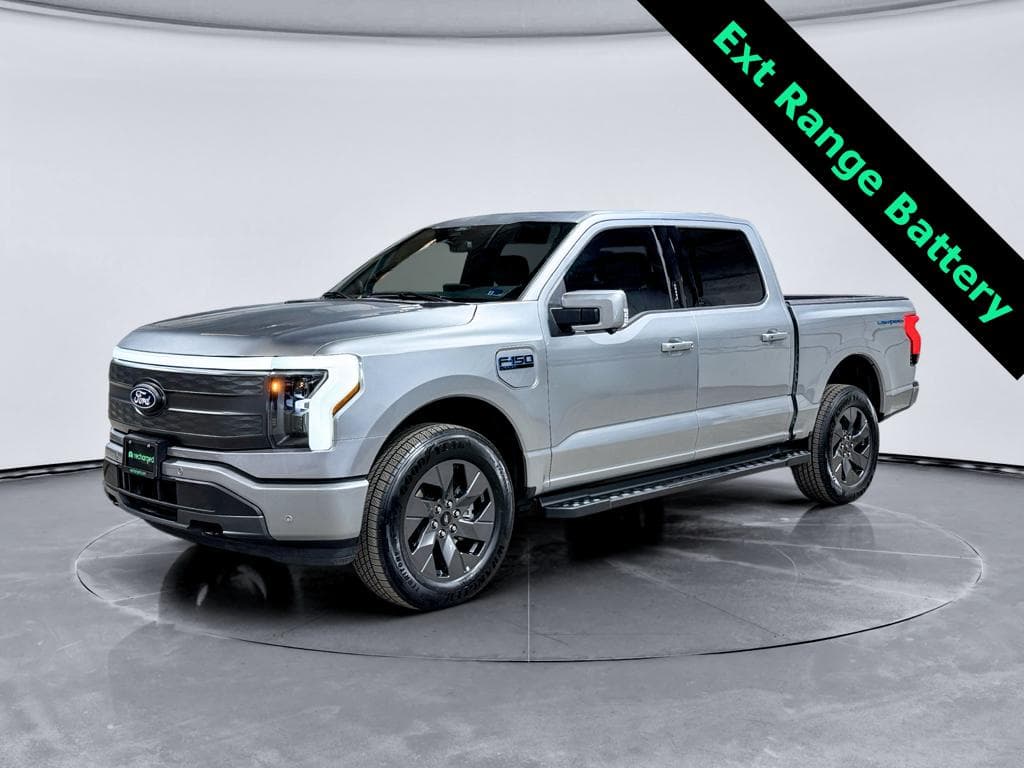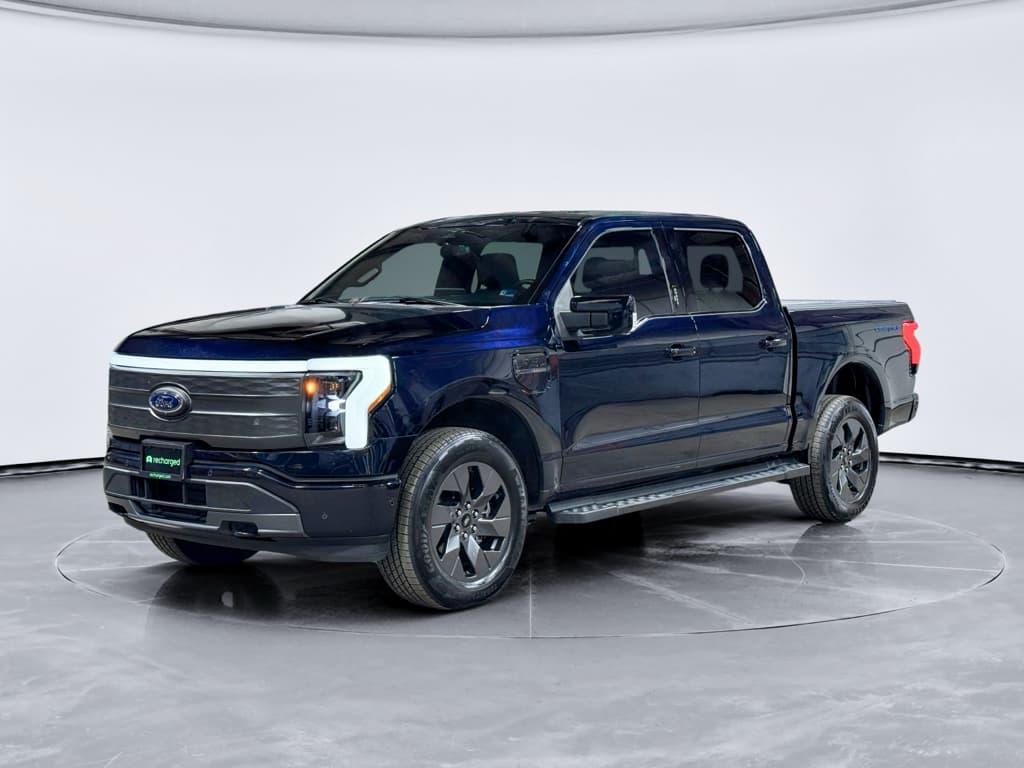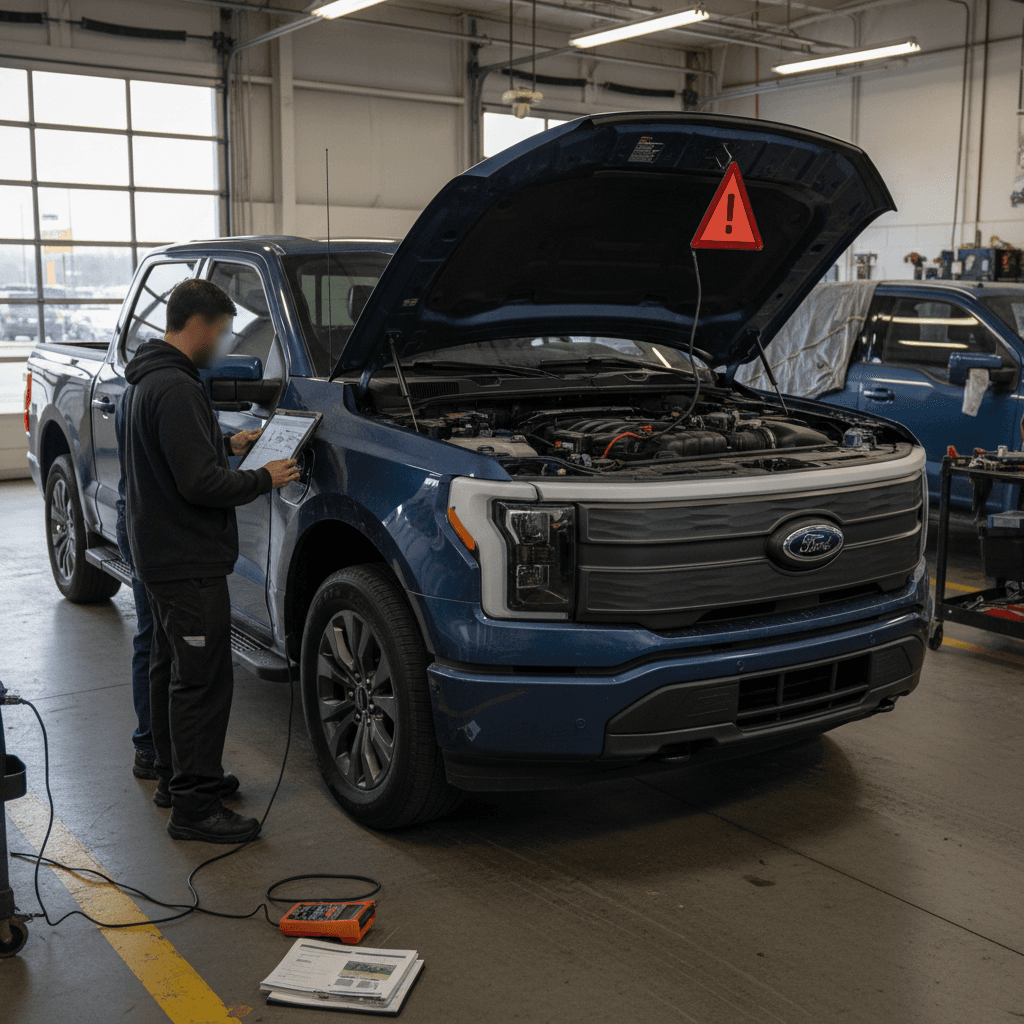
If you own, lease, or are eyeing a used Ford F-150 Lightning, you’ve probably seen headlines about recalls. This Ford F-150 Lightning recalls list pulls the key campaigns into one place so you can quickly see what’s been fixed, what still needs attention, and what it all means for long‑term ownership or a used‑truck purchase.
Quick context
Overview: F-150 Lightning recalls at a glance
Key F-150 Lightning recall themes so far
The F-150 Lightning has faced a mix of traditional mechanical recalls (like front suspension hardware) and EV‑specific issues (battery cell defects and software governing the Park function). The good news is that these issues are well documented, and remedies are available at Ford dealers, often supplemented by over‑the‑air updates.
Ford F-150 Lightning recalls list by issue
Below is a plain‑English Ford F-150 Lightning recalls list, grouped by the type of problem rather than just campaign numbers. That makes it easier to understand the safety implications and what you should do next. Exact NHTSA campaign IDs and Ford recall codes can change by region, so always verify specifics using your VIN, but this section will give you the big picture.
Battery fire risk recall (high-voltage cell array)
One of the most high‑profile F-150 Lightning recalls involves the high‑voltage battery cell array in early trucks.
F-150 Lightning battery recall snapshot
This table summarizes the major battery‑related recall affecting the Lightning’s high‑voltage pack.
| Item | Details |
|---|---|
| Issue | Manufacturing defect in certain high-voltage battery cells can cause internal short circuits over repeated charge/discharge cycles, potentially leading to thermal runaway and fire. |
| Approx. affected trucks | About 950 F-150 Lightning pickups built from mid‑March 2022 through mid‑August 2024. |
| Models/years | Select 2022, 2023, 2024 F-150 Lightning trucks. |
| Warning signs | Reduced range, warning messages, or smoke/odor near the battery in extreme cases, though a cell failure may occur without clear early symptoms. |
| Ford remedy | Dealers inspect and, if necessary, replace the high‑voltage battery array. Owners are advised to limit charging to 80% state of charge until repairs are complete. |
| Owner cost | $0. This is a safety recall, so all related work should be performed free of charge. |
Always confirm eligibility using your VIN on Ford’s recall site or NHTSA.gov.
Why this battery recall matters
From a used‑truck perspective, this recall is less about avoiding the model entirely and more about verifying proper repair. A documented battery‑array replacement or passed inspection is actually a positive sign: it means the truck’s pack has been scrutinized by technicians and any defective components have been addressed.
Rollaway risk: Park may not hold
Beginning in late 2025, Ford announced a large recall covering more than 272,000 vehicles, including roughly 104,000 F-150 Lightning trucks from 2022–2026, for an issue with the integrated park module (IPM). In certain situations, the transmission may not fully engage Park even though the selector shows that position. That raises a potential rollaway risk if the parking brake isn’t applied and the truck is on an incline.
Integrated Park Module recall: what Lightning owners should know
This is a software‑driven issue, but the consequences can be serious if ignored.
Who’s affected
Certain 2022–2026 F-150 Lightning trucks are included. The recall also covers some Mustang Mach‑E and Maverick Hybrid models built in overlapping years.
What can happen
Due to pawl binding inside the IPM, the transmission may not fully lock into Park. On an incline with no parking brake applied, the truck could roll.
How it’s fixed
Ford’s remedy is a software update, either over‑the‑air (OTA) or at a dealer, to change how the system confirms Park engagement and manages warnings.
- Watch for warning messages about the shift system and any gear indicator that doesn’t clearly show Park.
- Until the recall is completed, always apply the electronic parking brake when you park, especially on a grade.
- Schedule the software update promptly; it’s free and may be done OTA for many trucks.
Practical safety tip
Front suspension recall: Loose upper control arm
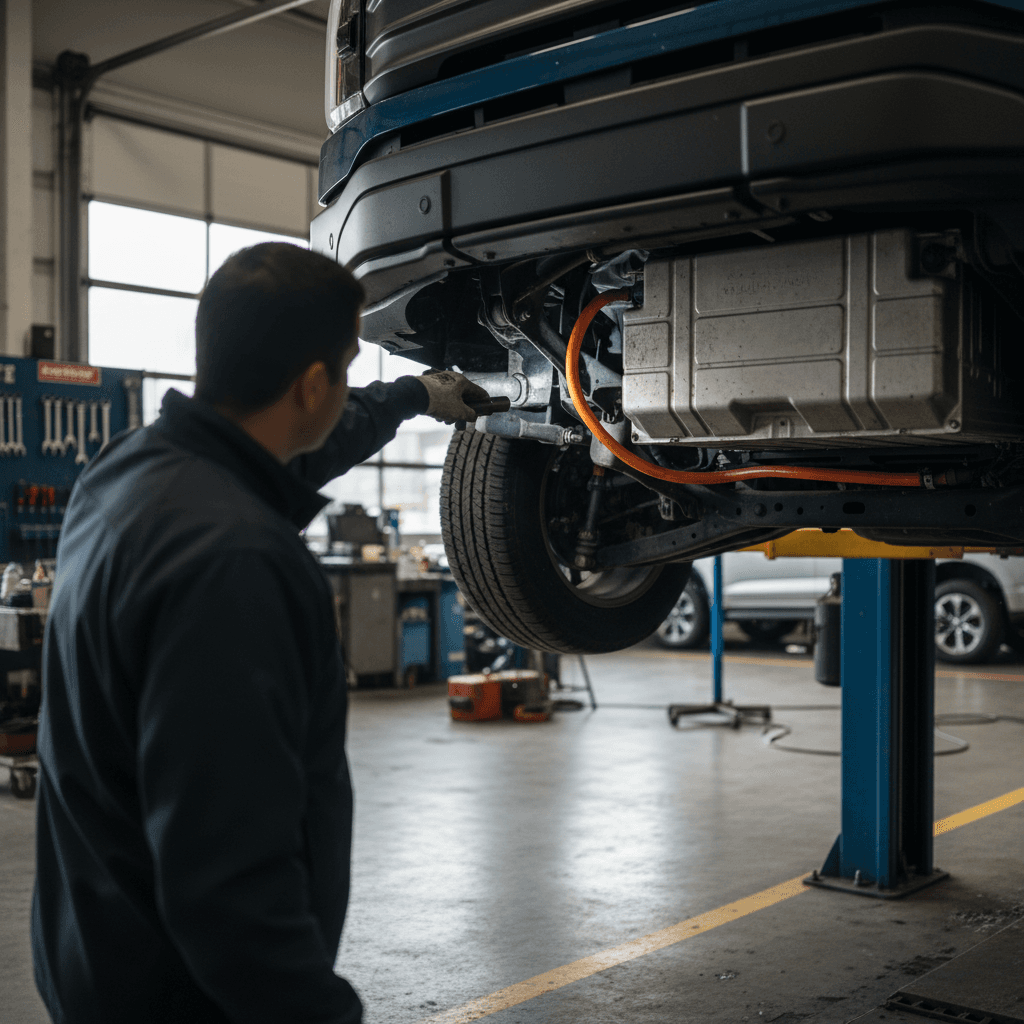
In 2025, Ford also recalled close to 30,000 F-150 Lightning trucks (roughly 29,500 units) from the 2024 and 2025 model years for a front‑suspension issue. A loose ball‑joint nut on the front upper control arm can work itself free over time, potentially leading to a partial loss of steering control.
F-150 Lightning front suspension recall: key facts
Steering‑related recalls are important to address quickly, even if the odds of failure are low.
| Item | Details |
|---|---|
| Issue | Improperly installed or insufficiently torqued ball‑joint nut on the front upper control arm can loosen, affecting steering control. |
| Approx. affected trucks | About 29,500 trucks across the 2024–2025 model years. |
| Warning signs | Clunking or knock noises over bumps, wandering steering feel, or visible looseness when the suspension is inspected. |
| Remedy | Dealers inspect the upper control arm hardware, re‑torque or replace components as needed, and confirm steering performance. |
| Owner cost | None; this is a safety recall performed at no charge. |
If you hear clunks from the front end or notice vague steering, park the truck and have it towed to a dealer for inspection.
Listen to your front end
Other recalls, TSBs, and software-only fixes
Beyond the headline campaigns above, the F-150 Lightning has seen the usual mix of smaller recalls, technical service bulletins (TSBs), and software updates. These can include things like infotainment glitches, camera display issues, or calibration updates for driver‑assistance systems.
- Minor software recalls that are handled entirely via over‑the‑air update.
- TSBs addressing one‑off issues like squeaks, rattles, or sensor mis‑calibration.
- Broader Ford recalls where the Lightning is just one of many affected models, often on shared software or safety electronics.
Why software matters more on EVs
How to check your F-150 Lightning for open recalls
Because recall eligibility can vary based on build date, factory, and exact equipment, the only reliable way to see whether a specific Lightning is affected is to look it up by VIN. Here’s the process you should follow whether you already own the truck or are considering a used one.
Step-by-step: Check your F-150 Lightning for recalls
1. Locate the VIN
You’ll find the 17‑digit Vehicle Identification Number at the base of the windshield (driver’s side), on the door jamb label, and on your registration or insurance documents.
2. Check Ford’s official recall tool
Go to Ford’s owner site and use the recall lookup tool. Enter the VIN to see all open safety recalls and customer satisfaction programs on that specific truck.
3. Cross‑check with NHTSA.gov
Visit the National Highway Traffic Safety Administration’s website and use their VIN lookup. It’s a good way to confirm you’re seeing every federally reported safety recall.
4. Ask the servicing dealer for a printout
Whether you’re an owner or a shopper, you can ask a Ford service department for an OASIS report or equivalent that lists completed and open campaigns tied to the VIN.
5. Verify that repairs are actually completed
Look for service records or invoices showing recall work was performed. “Parts on order” or “appointment scheduled” is not the same as a completed repair.
6. For used trucks, re-check right before purchase
A recall can appear between the time a seller lists the truck and the day you buy it. Run a fresh VIN check right before you sign or send funds.
Good news for shoppers
What recalls mean if you’re buying a used F-150 Lightning
When you’re shopping the used market, recalls can feel like a red flag. In reality, what they tell you is how the manufacturer and prior owner responded to known issues. For the F-150 Lightning, here’s how I’d interpret the current recall landscape as a shopper:
1. Focus on safety-critical fixes
Battery‑related recalls, rollaway/park issues, and steering/suspension recalls all sit in the “must be addressed” category. If work isn’t done yet, factor in the time and logistics of getting it scheduled immediately after you buy.
2. Don’t overreact to software campaigns
Software‑only recalls tell you that Ford is actively improving its logic as real‑world data rolls in. They’re usually quick and painless to resolve, and on an EV, regular updates are part of life.
- Ask for a full service history showing recall work, especially on the battery and suspension.
- Confirm that any software‑based recall has been carried out and that the truck is up to date on OTA updates.
- Be wary of sellers who downplay or dismiss safety‑related recalls as “no big deal.”
Used-truck negotiation tip
How Recharged handles recalls and battery health
At Recharged, we specialize in used EVs, which means we live and breathe this stuff every day. Recalls aren’t an afterthought, they’re baked directly into how we evaluate and present every truck, including the F-150 Lightning.
Buying a used Lightning? How Recharged has your back.
Our process is designed to take the guesswork out of EV ownership.
Verified recall status
Before a vehicle is listed, we check it for open safety recalls and document what’s been completed. You’re not left wondering what’s outstanding.
Recharged Score battery health
Every Lightning includes a Recharged Score Report with validated battery health metrics, so you know how the pack has aged, not just what the dash range says.
EV-specialist guidance
Our EV‑savvy team walks you through the recall history, charging behavior, and ownership costs, so you can decide if a Lightning fits your needs without surprises.
Ready to find your next EV?
Browse VehiclesBecause we offer financing, trade‑ins, instant offers, consignment, and nationwide delivery, you can handle the entire purchase digitally, and still get the kind of recall transparency and technical explanation you’d expect from a seasoned truck shopper. If you’d rather see and feel a Lightning in person, you can visit our Experience Center in Richmond, VA and talk through the recall history with an EV specialist on site.
Ford F-150 Lightning recall FAQ
Common questions about F-150 Lightning recalls
Bottom line: Should recalls scare you off the Lightning?
The Ford F-150 Lightning is a landmark truck: it brought full‑size pickup capability into the EV era, and like most first‑wave technology, it’s experienced its share of recalls. A small but serious group of battery‑cell issues, a large software‑driven rollaway campaign, and a front‑suspension hardware fix all deserve your attention, but none of them, on their own, are a reason to write the truck off.
If you already own a Lightning, the action items are simple: run a VIN check, get any open recalls scheduled, keep your software current, and take new noises or warning lights seriously. If you’re shopping used, focus on trucks with complete documentation and proof of recall repairs, and lean on experts who know what to look for.
At Recharged, every used F-150 Lightning comes with a Recharged Score Report covering battery health, pricing, and vehicle history, plus expert guidance on recalls and long‑term running costs. Whether you buy from us or elsewhere, use this Ford F-150 Lightning recalls list as your checklist, and you’ll be miles ahead of the average shopper when it comes to understanding, and safely enjoying, an all‑electric pickup.