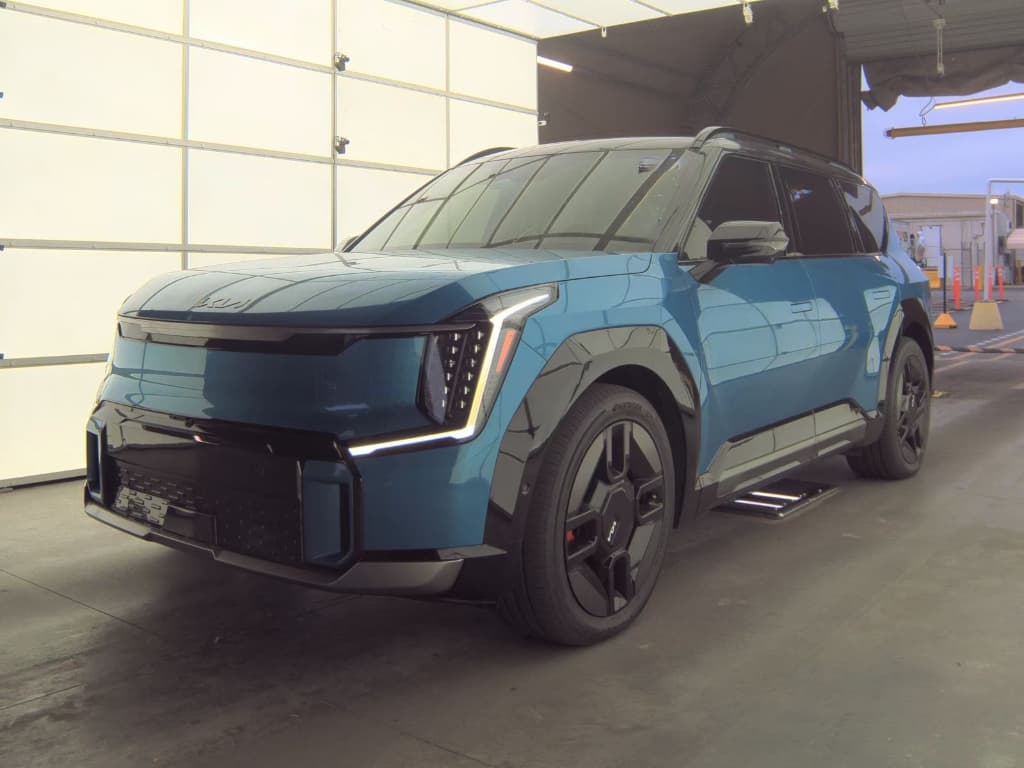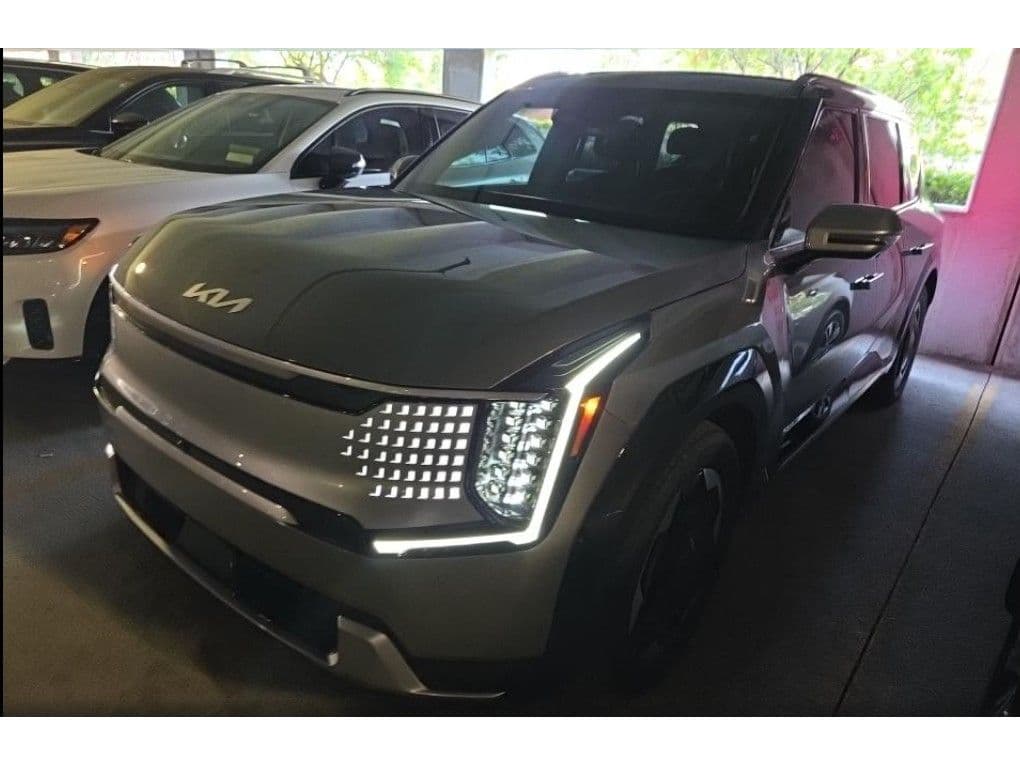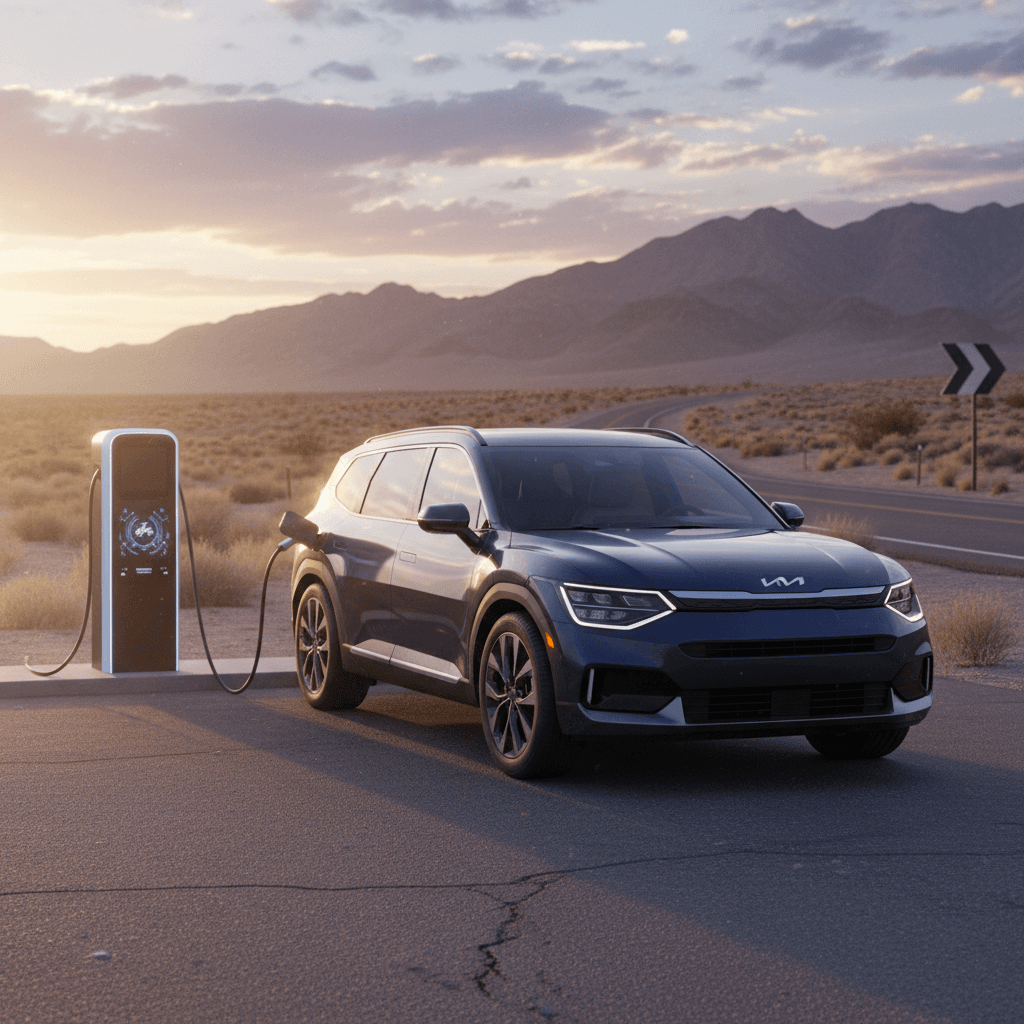
If you bought a Kia EV9, you probably had long-distance driving in mind, whether that’s family road trips, cross-state business travel, or towing a small camper. The good news is that the EV9’s big battery, 800-volt architecture, and DC fast-charging capability make it one of the most road-trip-ready three-row EVs on the market. With a few smart Kia EV9 long distance driving tips, you can turn range anxiety into a non-issue.
Quick EV9 specs that matter for road trips
Why the Kia EV9 Is Built for Long-Distance Driving
EV9 strengths that make long trips easier
Before you chase more range, understand what you already have working for you.
800-Volt DC Fast Charging
Three-Row Comfort
Flexible Range & Trims
Think of the EV9 as an electric minivan with sports-sedan charging hardware. Your goal on long trips isn’t to match the EPA label; it’s to build a rhythm of driving and charging that keeps everyone comfortable while the battery quietly does its job.
Know Your EV9’s Real-World Highway Range
Highway range expectations for the Kia EV9
On U.S. highways, most EVs, including the EV9, use more energy at steady 70–75 mph than in the EPA test cycle. Owners and independent testers commonly see 15–30% less real-world highway range than the window sticker suggests at those speeds, especially with a full cabin and cargo.
- Start planning around 2.0–2.5 mi/kWh for a fully loaded EV9 at 70–75 mph rather than the best-case numbers you might see around town.
- Use your first long drive to calibrate: reset the trip computer at a full charge, drive 50–100 highway miles, and note the average consumption in mi/kWh.
- Multiply that mi/kWh by your usable battery size (roughly mid‑80s kWh for the standard pack, low‑100s kWh for the long‑range pack) to estimate realistic highway range.
- Always leave at least 15–20% battery as a buffer when you’re still learning the car’s road-trip behavior.
Don’t chase the last 5% of range
Smart Route Planning: Apps and Planners to Use
The EV9 has built-in navigation and Kia Connect, but long-distance EV driving gets much easier when you combine in-car tools with dedicated route planners.
Recommended tools for Kia EV9 road trips
Use at least two sources so you’re never dependent on a single network or map.
Kia Navigation & Kia Connect
A Better Routeplanner (ABRP)
PlugShare & Network Apps
Plan the trip on desktop, refine on mobile
Charging Like a Pro: Using the EV9’s 800-Volt Architecture
One of the EV9’s biggest road-trip advantages is its 800‑volt electrical system. On a 350 kW DC fast charger in good conditions, Kia estimates roughly 10–80% in about 20 minutes. Real-life results depend on temperature, starting state of charge, and charger quality, but the basic strategy is the same.
DC fast-charging playbook for the Kia EV9
1. Aim for 10–60% or 15–70% charge windows
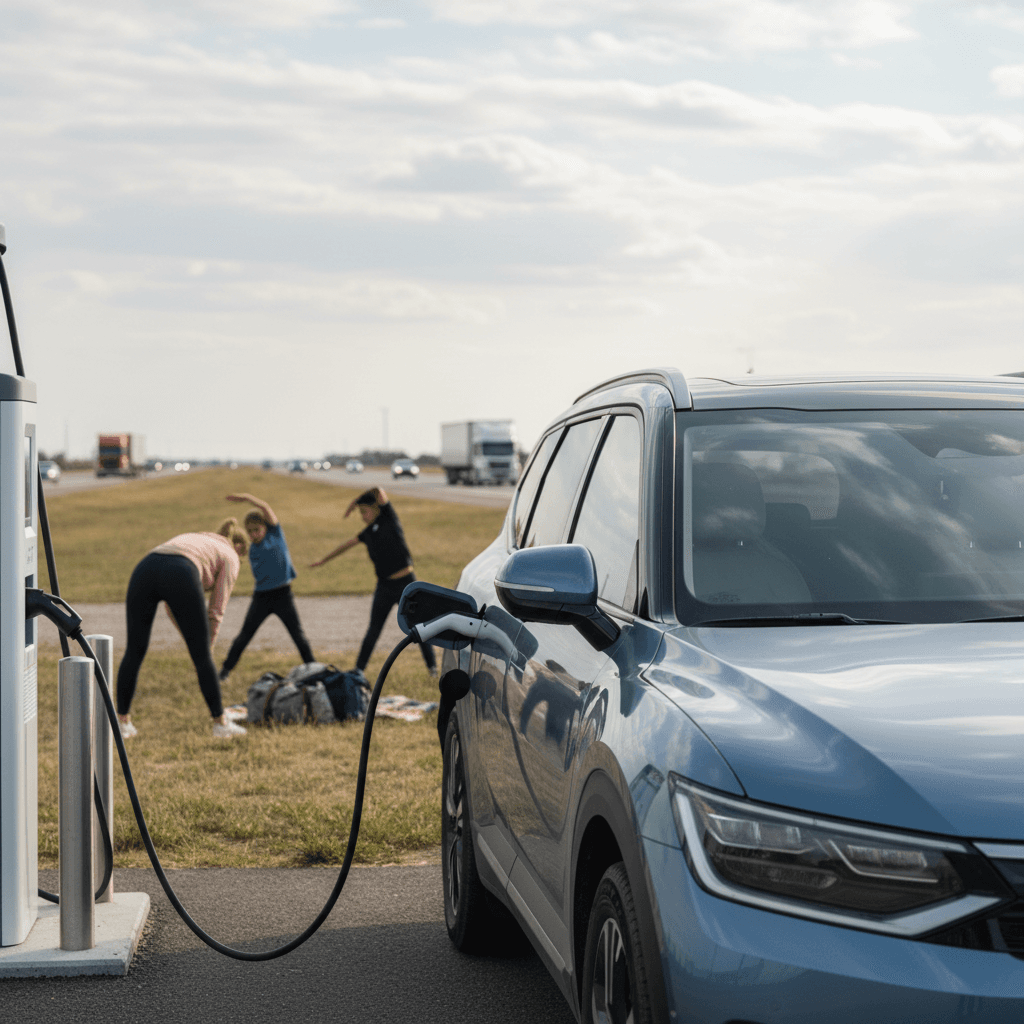
The EV9 charges fastest in the mid-pack. Instead of one huge 10–100% session, plan two shorter 10–70% sessions. This keeps you in the sweet spot of the charging curve and matches natural breaks for food and restrooms.
2. Navigate to the charger for preconditioning
Use the EV9’s built-in navigation, not just Apple CarPlay or Android Auto, for your final approach to a DC fast charger. That lets the car warm or cool the battery to improve initial charging speed.
3. Don’t obsess over peak kW
You might see 150–220 kW for a short time, but what matters is how quickly you add miles in the 10–60% band. Focus on minutes per 100 miles gained, not headline peak power.
4. Stop charging when miles added slows down
Once you’re above ~70–80% state of charge, the EV9’s charge rate naturally tapers. If it’s taking more than 15–20 minutes to add the next 10% and you don’t need it for the next leg, unplug and get back on the road.
5. Keep sessions short in extreme heat or cold
Repeated back‑to‑back 10–100% DC fast charges in very hot or cold weather are hard on any battery. On multi‑stop days, try to live mostly between 10–80% and mix in at least one slower AC charge if possible (e.g., overnight at a hotel).
Avoid Level 1 charging during road trips
Best Speed and Driving Style for Long Range in an EV9
Aerodynamic drag is the enemy of every large SUV, especially a tall three-row like the EV9. Small changes in speed make a surprisingly big difference in energy use.
- If traffic allows, set cruise control closer to 65–70 mph instead of 75–80 mph. That alone can save roughly 10–20% energy on a heavy, boxy EV.
- Use adaptive cruise to smooth out “accordion” traffic. Frequent small accelerations and decelerations waste more energy than a steady pace, even if average speed stays similar.
- Avoid hard launches onto on‑ramps when the battery is cold; high power at a cold state of charge is less efficient and harder on the pack.
- Watch the instant efficiency meter over rolling hills and use gentle regen rather than repeated hard braking.
Let headwinds, not schedules, set your pace
Climate Control and Comfort Settings That Won’t Kill Your Range
Cabin comfort matters on a road trip, but HVAC can be a major energy draw, especially in winter. The EV9 gives you tools to stay comfortable without throwing range out the window.
In cold weather
- Precondition while plugged in. Use departure timers or the app so the cabin and battery are warm when you leave, drawing power from the grid instead of the pack.
- Use seat and steering‑wheel heaters. They consume less energy than blasting the cabin heat and often feel more comfortable on long drives.
- Aim for a moderate setpoint. 68–70°F (20–21°C) is usually a good compromise between comfort and efficiency.
In hot weather
- Pre‑cool before you depart. Run the A/C while plugged in at home or at a hotel, so you start with a comfortable cabin and a cool battery.
- Use sunshades and tint. Reducing solar load makes the A/C’s job easier, especially for rear passengers.
- Auto mode beats constant fiddling. Let the climate system manage fan speed and compressor cycling; constant manual overrides can be less efficient.
Camp Mode and overnight stays
Towing and Cargo: How Weight and Aerodynamics Hit Range
Properly equipped Kia EV9 trims can tow up to about 5,000 pounds, but the tow rating doesn’t tell you the whole story. For long-distance driving, the key variables are weight, frontal area, and speed.
How towing scenarios affect Kia EV9 road-trip planning
Very rough planning guidelines to show how trailer type and speed change usable range. Always test your specific setup before ambitious routes.
| Setup | Typical Highway Speed | Approx. Range vs. EPA | Planning Guidance |
|---|---|---|---|
| No trailer, light cargo | 65–70 mph | ~70–85% | Plan 150–200‑mile legs with 20% buffer. |
| Small, low camper or cargo trailer | 60–65 mph | ~50–70% | Expect at least one extra DC fast‑charge stop per day. |
| Tall, boxy travel trailer near max tow | 55–60 mph | ~40–60% | Plan much shorter legs (80–120 miles) and conservative arrival state of charge. |
These are planning ballparks, not guarantees. Start conservative on new towing routes.
Balance payload and people, not just trailer weight
Battery Health on Road Trips: Do’s and Don’ts
Modern EV packs are robust, and the EV9’s thermal management is designed for fast charging and highway use. Still, the way you road‑trip can affect long-term battery health and resale value, especially if you plan to keep the vehicle for many years or eventually sell it used.
- It’s fine to use 90–100% charge on big travel days, but don’t sit at 100% for hours in hot weather. Time your departure so you leave soon after topping up.
- Avoid hammering the accelerator repeatedly at very high state of charge in hot conditions, particularly right after a DC fast charge.
- Mix in Level 2 charging on multi-day trips where possible (hotels, destination chargers, RV parks) instead of only back‑to‑back DC sessions.
- If your EV9 lets you set a daily charge limit (e.g., 70–80%), use that for normal use and only raise it for road-trip days.
- After a long, hot driving day and a fast‑charge session, let the vehicle sit and cool before another aggressive DC charge if you don’t urgently need the range.
Battery health and used EV9 value
Ready to find your next EV?
Browse VehiclesUsing EV9 Drive Modes and Tech to Your Advantage
The EV9’s software is full of tools that quietly make long-distance driving easier, but only if you turn them on and trust them.
Helpful EV9 features for long-distance drives
Set these up before your first big trip, not at the first charger.
Eco / Normal Drive Modes
Smart Cruise & Lane Assist
Adjustable Regenerative Braking
Sample Kia EV9 Road Trip Strategy
To make these tips more concrete, here’s a sample strategy for a roughly 600‑mile day in an EV9 Long Range rear‑wheel‑drive model, starting near 100% and driving mostly at 70 mph in mild weather with a family and luggage.
- Start the day at ~90–100%, cabin preconditioned while plugged in. First leg: ~180–200 miles to a reliable 350 kW DC fast charger, arriving with 15–25% battery.
- Fast charge from ~20% up to ~65–70% while everyone uses the restroom and grabs snacks (roughly 15–25 minutes, depending on conditions).
- Second leg: another ~150–180 miles, again targeting arrival with ~15–25%. If conditions are worse than expected (headwind, rain), slow slightly rather than fully depleting the buffer.
- Afternoon charge: repeat the 20–70% pattern during a longer meal stop (30–40 minutes can add enough energy for another 180–200 miles).
- Final leg: decide whether to arrive at your destination with ~10–20% and charge overnight at Level 2, or add a brief “top‑off” DC session near the end so you arrive with more margin.
Align charges with natural breaks
Long-Distance Driving Tips for Used Kia EV9 Buyers
If you’re considering a used Kia EV9 specifically for road trips, you’re not just choosing a trim; you’re buying a particular battery’s history. Two similar EV9s can feel very different on a 600‑mile day depending on how they were charged and driven in the past.
Questions to ask or verify
- How often was the EV9 DC fast‑charged versus home‑charged on Level 2?
- Was it frequently charged to 100% and left full in hot climates?
- Does the displayed range at 100% roughly align with the original EPA rating for that trim?
- Has it towed regularly, and if so, what kind of trailer and distances?
Why Recharged can help
At Recharged, every used EV9 we list comes with a Recharged Score Report that includes verified battery health metrics, charging history insights where available, and fair‑market pricing. If you care about long-distance capability, our EV specialists can walk you through which specific EV9 in our inventory is best suited to frequent road trips or towing.
Kia EV9 Long-Distance Driving FAQ
Frequently asked questions about Kia EV9 road trips
Key Takeaways for Stress-Free EV9 Road Trips
Long-distance driving in a Kia EV9 is less about squeezing out every last mile and more about building a predictable rhythm: 150–200‑mile legs, 20–30‑minute fast charges in the 10–70% band, and smart use of the EV9’s navigation, climate, and driver-assist tech. If you respect the realities of highway range, plan around reliable DC fast chargers, and drive at a sane pace, the EV9 turns into a calm, capable long-haul machine.
Whether you’re road‑tripping the EV9 you already own or shopping for a used Kia EV9 with road-trip duty in mind, the fundamentals are the same: know your real-world range, protect the battery, and structure your day so charging fits your life, not the other way around. And if you want help finding an EV9 whose battery and pricing match your long-distance plans, Recharged’s Recharged Score Report and EV-specialist team are built to make that decision a lot simpler.