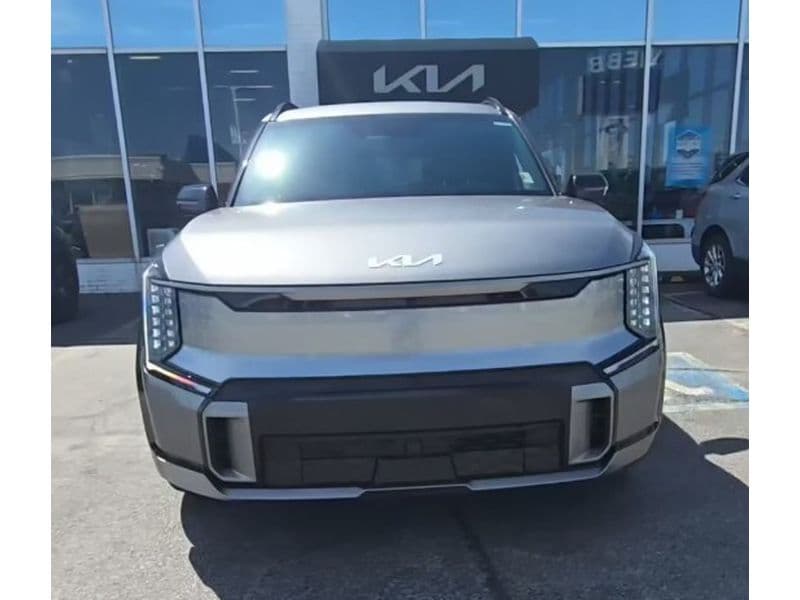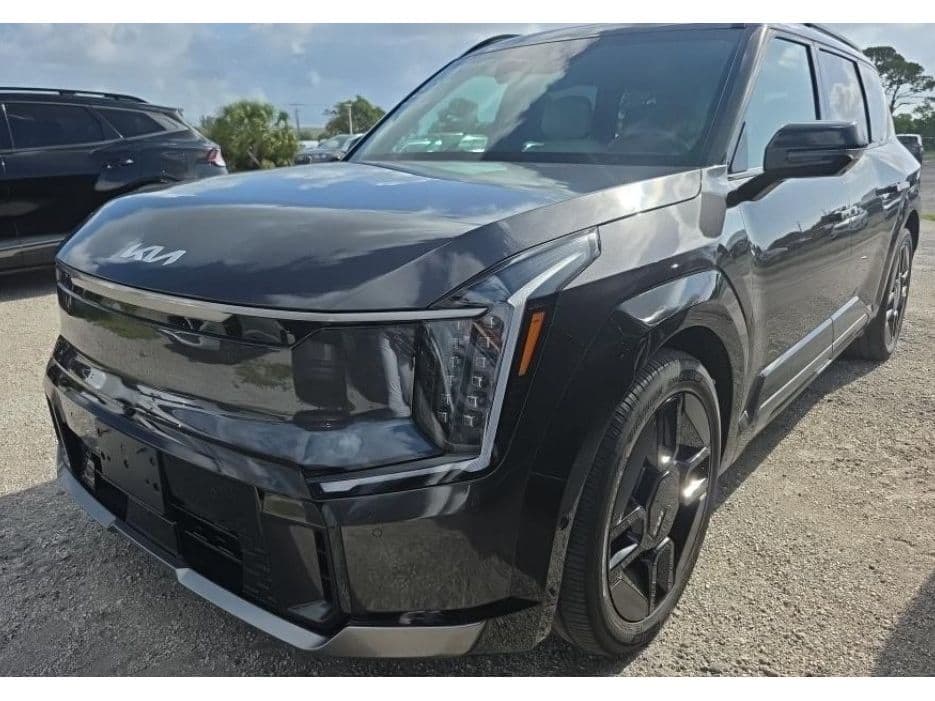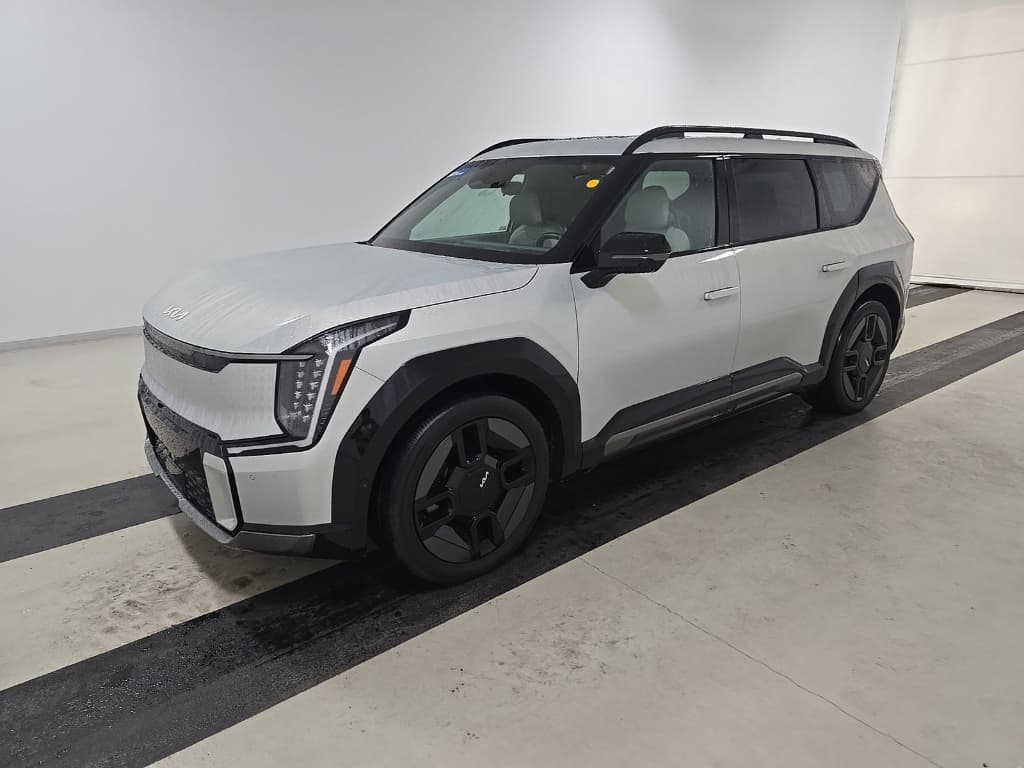
If you own or are considering a Kia EV9, depreciation is probably near the top of your mind. Early 2026 is the first moment we have enough real‑world data to talk meaningfully about the Kia EV9 depreciation rate in 2026, how fast these three‑row electric SUVs are losing value, what’s driving it, and how you can protect yourself when it’s time to trade in or sell.
Quick context
Kia EV9 depreciation rate in 2026: the short version
Early 2026 Kia EV9 depreciation snapshot
Pulled together, early‑2026 data suggests the EV9 is depreciating faster than a comparable gas‑powered three‑row SUV like a Telluride, but broadly in line with other large EVs. The most dramatic value loss happens between the day you drive off the lot and about year three; after that, the curve begins to flatten, especially for well‑cared‑for examples with strong battery health documentation.
Don’t panic‑read the percentages
How fast is the Kia EV9 depreciating right now?
To get a handle on the current Kia EV9 depreciation rate in 2026, it helps to look at both cost‑to‑own projections and actual used listings:
- Cost‑to‑own models for the 2025 EV9 point to roughly $36,000 in depreciation over five years, about $7,200 per year on average, with the largest hit in the first 2–3 years.
- Real‑world pricing of 2024 EV9s in early 2026 often shows them trading in the low‑ to mid‑$30,000s after starting life with MSRPs in the $55,000–$70,000 range.
- Used‑car marketplaces and dealer ads routinely show lightly used 2025 EV9s listed in the mid‑$40,000s, versus original stickers in the low‑$60,000s.
Roll those threads together and a reasonable working estimate for the EV9’s early‑life depreciation in 2026 looks like this:
Illustrative Kia EV9 depreciation estimates (early 2026)
Approximate examples assuming a $65,000 original MSRP and typical mileage. Real‑world figures vary by trim, incentives, region, and condition.
| Ownership age | Approx. value vs. MSRP | Illustrative dollar value* | Notes |
|---|---|---|---|
| 1 year (2025 EV9 in early 2026) | ≈70–75% of MSRP | ≈$45,000–$49,000 | Biggest hit already taken, especially if incentives lowered your actual purchase price. |
| 2 years (2024 EV9 in early 2026) | ≈47–55% of MSRP | ≈$30,000–$36,000 | Where many early EV9s sit today; discounts and tax credits matter a lot here. |
| 3 years (looking ahead to 2027) | ≈40–50% of MSRP | ≈$26,000–$32,000 | Depreciation begins to slow, especially for low‑mile, well‑documented examples. |
These are directional scenarios, not appraisals of any specific vehicle.
Sticker price vs. what you actually paid
Lease residuals vs. real‑world Kia EV9 depreciation
One of the best windows into expected depreciation is what lenders are willing to guarantee at lease‑end. Throughout 2025 and into early 2026, Kia’s captive finance arm has used relatively strong EV9 residual values, especially on earlier model‑year leases, to keep payments attractive.
What EV9 lease numbers tell you about depreciation
Why residual percentages matter if you’re tracking future resale value.
High residuals on early leases
2026 residuals adjusted downward
Why that gap matters to you
In plain language: lease programs on the EV9 have moved from optimistic to more conservative. That mirrors what we’re seeing in the broader EV market, good news if you value flexibility, but a reminder that cash buyers need to be extra thoughtful about purchase price and exit timing.
If you’re shopping an EV9 in 2026
What makes the EV9 hold (or lose) value?
The EV9 doesn’t depreciate in a vacuum. Several specific factors have outsized influence on how your individual EV9 will perform in 2026 and beyond:
- Original transaction price and incentives – Heavy rebates and tax credits lower your real cost basis, even if the market looks soft later.
- Trim and options – All‑wheel drive, larger‑battery long‑range trims, and desirable packages usually command more on the used market.
- Mileage and use profile – A 2‑year‑old EV9 with 12,000 miles tells a very different story than one with 40,000+ miles of rideshare or fleet use.
- Battery and high‑voltage system health – This is the single biggest mechanical question mark for EV shoppers. A documented, healthy pack is gold.
- Warranty status – Kia’s long battery warranty is a plus; buyers pay more when they know they’re still covered.
- Market sentiment about EVs – News headlines, gas prices, and new‑model announcements all swing demand up and down. In 2025–2026, that swing has been wide.
Where the EV9 has an edge
Kia EV9 vs. other EV SUVs: depreciation comparison
Compared with other Kia and Hyundai EVs
- Kia EV6 and Hyundai Ioniq 5 have generally shown 5‑year depreciation forecasts in the high‑50% range, roughly average for EVs, but steeper than top‑tier gas SUVs.
- The EV9’s larger size and higher MSRP mean bigger dollar drops even when the percentage loss is similar.
- That said, families who need three rows don’t have many electric alternatives, which can firm up demand over time.
Compared with gas three‑row SUVs
- A well‑equipped Kia Telluride or Honda Pilot often loses closer to 40–50% over five years in a more stable market.
- Right now, most EVs, including the EV9, are on the high side of that range because incentives, rapid tech improvement, and changing consumer sentiment all compress resale values.
- If battery tech and charging stabilise, the depreciation gap between EVs and gas SUVs could narrow in the next ownership cycle.

Projected Kia EV9 value timeline: 3, 5, and 8 years
We obviously don’t have eight years of actual history on the EV9 yet. But by combining broader EV data with what we know in early 2026, we can sketch a reasonable Kia EV9 depreciation forecast for a typical owner who bought around $65,000 MSRP and drives 12,000–15,000 miles per year.
Illustrative Kia EV9 depreciation path
Example projections for a well‑maintained EV9 with average miles. These are not guarantees, market conditions can and do change.
| Age | Typical mileage | Illustrative retained value | What it means for you |
|---|---|---|---|
| 3 years | ≈36,000–45,000 miles | ≈40–50% of original MSRP | Many owners consider this a good time to trade if they want to stay under warranty and ahead of tech changes. |
| 5 years | ≈60,000–75,000 miles | ≈30–40% of original MSRP | Payment savings from keeping the EV9 longer start to outweigh further depreciation for most households. |
| 8 years | ≈90,000–120,000 miles | ≈20–30% of original MSRP | At this point, battery health and warranty status dominate the conversation more than book values alone. |
Think of this as a weather forecast, not a signed contract. Your actual numbers depend on incentives, region, and how you care for the vehicle.
A word of caution on long‑range forecasts
How battery health impacts EV9 resale in 2026
For used EV shoppers in 2026, the conversation no longer stops at mileage and Carfax reports. Battery condition is increasingly the make‑or‑break metric, and the EV9 is no exception.
Why battery health is central to EV9 depreciation
Two EV9s with the same mileage can have very different values.
Range and usability
Proof beats promises
Risk discount disappears
This is exactly why Recharged includes a Recharged Score battery health report on every EV it sells. For a complex vehicle like the EV9, transparent battery data narrows the gap between optimistic seller expectations and cautious buyer offers, smoothing depreciation in the process.
Practical ways to reduce depreciation on your EV9
Seven smart moves to protect your EV9’s value
1. Buy (or negotiate) smart on the way in
Depreciation starts with your purchase price. In a market with heavy incentives, paying close to MSRP is optional. Compare offers across dealers, factor in federal and state EV benefits, and make sure any rebates are clearly documented in your paperwork.
2. Prioritize the right trim for future buyers
All‑wheel drive and longer‑range batteries tend to age better in terms of demand. If you’re on the fence between trims, consider how a future buyer with kids, cargo, and winter travel will see your spec sheet.
3. Keep mileage reasonable and usage balanced
EVs tolerate miles well, but a three‑year‑old EV9 with 25,000 miles will almost always sell faster, and for more, than one with 60,000. If you can, spread the hard miles across another vehicle in the household.
4. Stay on top of software and maintenance
Documented software updates, completed recalls, and routine maintenance (tires, brakes, cabin filters) tell buyers your EV9 has been cared for. Save invoices and keep a simple log, this is low‑effort value insurance.
5. Protect the interior and third row
Family duty can be rough on seats, carpets, and trim. Seat covers, regular detailing, and keeping the third row from becoming a snack graveyard go a long way. A clean interior sells; a heavily stained one invites lowball offers.
6. Charge thoughtfully to help the battery age well
Frequent DC fast‑charging from very low states of charge isn’t ideal for long‑term battery health. When possible, rely on a home Level 2 charger, avoid living at 100% charge, and keep your EV9 parked in moderate temperatures.
7. Get a battery health report before you sell
Ahead of listing or trading in, invest in a reputable battery diagnostic, like the Recharged Score report. Going into negotiations with objective data often pays for itself in a stronger sale price or trade‑in offer.
How Recharged can help
Selling or trading in your Kia EV9: timing and strategy
With depreciation moving quickly, timing your exit matters. There’s no one perfect answer, but there are patterns that show up again and again when we look at EV ownership and resale.
Good times to consider selling or trading
- Before major warranty milestones – Many buyers prefer vehicles with at least 2–3 years of battery warranty remaining, so exiting around year 5 can keep your EV9 in a sweet spot.
- When a big redesign or range jump is announced – If Kia introduces a significantly updated EV9 or a direct rival arrives with much more range or faster charging, used prices can reset quickly.
- After paying down negative equity – If you financed heavily, give yourself time to get above water before trying to sell or trade.
When you may be better off holding
- In the middle of a market dip – If EV headlines are negative and values are temporarily soft, trading in may lock in losses that could moderate later.
- When your EV9 still fits your life perfectly – The cheapest vehicle to own is often the one you already have, especially after depreciation has done most of its work.
- If you’re close to paying it off – Once a loan is gone, the monthly out‑of‑pocket cost of ownership can look far better than starting over with a new note.
Trade‑in vs. consignment vs. private sale
Kia EV9 depreciation FAQs
Frequently asked questions about Kia EV9 depreciation in 2026
Bottom line on Kia EV9 depreciation in 2026
The Kia EV9 depreciation rate in 2026 reflects a maturing but still volatile EV market. Big three‑row electric SUVs have taken noticeable price cuts in their first couple of years, especially when compared with the best gas‑powered family haulers. But that doesn’t make the EV9 a bad financial decision. It just means you need to be conscious of how you buy, how you care for the vehicle, and how you plan your exit.
If you already own an EV9, focus on the levers you can control: smart charging habits, thorough documentation, and choosing the right moment and channel when it’s time to sell or trade. If you’re shopping, let depreciation work in your favor by targeting well‑equipped used examples with verified battery health at a meaningful discount to new. Either way, partners like Recharged, with EV‑specific inspections, transparent pricing, and nationwide selling support, can help you navigate the numbers instead of guessing at them.