If you’re comparing a Kia EV6 vs a gas car, you’re probably wondering one thing: will the EV actually save you money, or is it just shifting costs from the pump to your power bill? In this guide, we’ll walk through fuel, maintenance, depreciation, and incentives so you can see how a Kia EV6 stacks up against a similar gas SUV in real‑world 2026 dollars.
Who this guide is for
Kia EV6 vs gas: what are you really comparing?
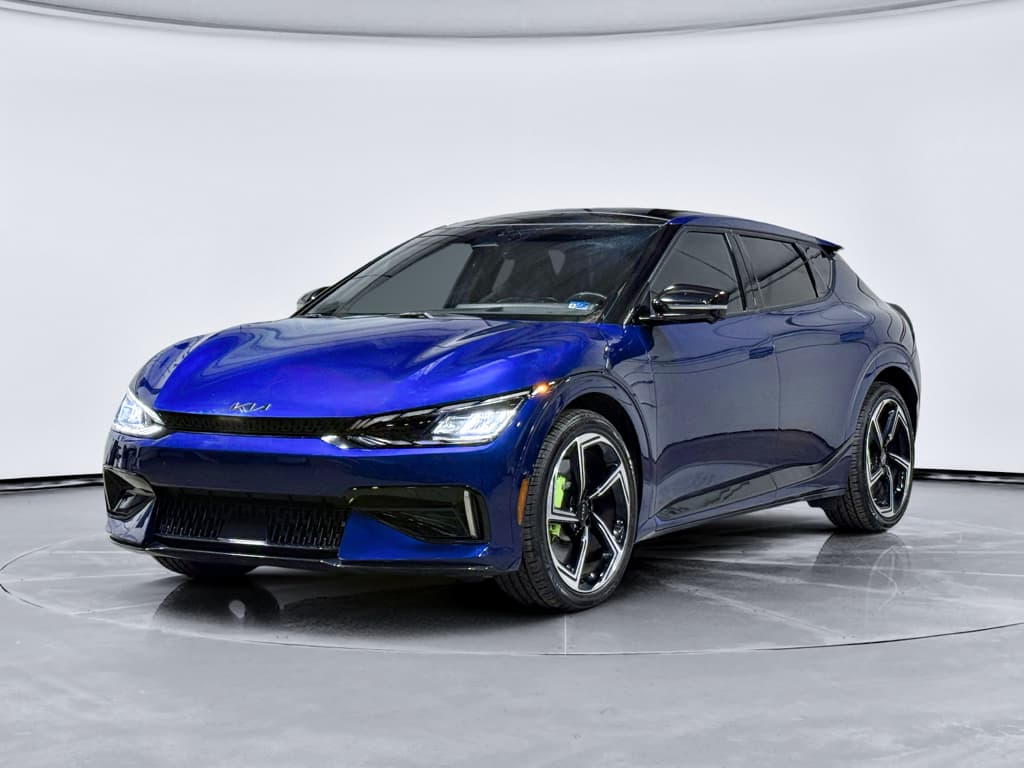
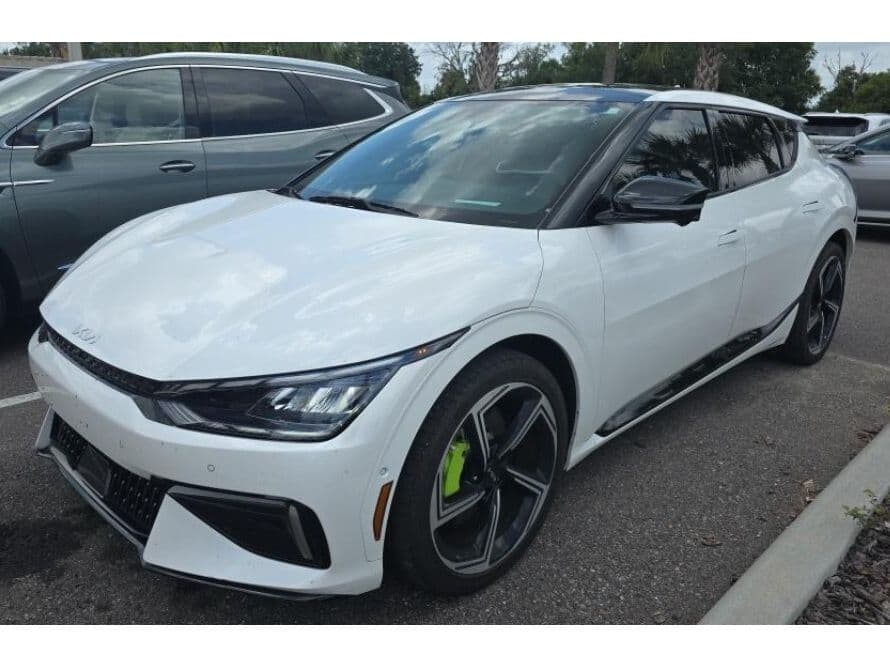
To make a fair Kia EV6 vs gas car cost comparison, you need to compare apples to apples. The EV6 is a stylish, all‑electric crossover roughly the size of a compact/midsize SUV. On the gas side, a realistic match is something like a Kia Sportage or Hyundai Tucson with all‑wheel drive, similar features, and similar performance.
How the Kia EV6 compares to a similar gas SUV
Not exact twins, but close enough for cost math
Kia EV6 (electric)
- Battery‑electric crossover (no gas engine)
- EPA efficiency around 31 kWh/100 miles for many trims
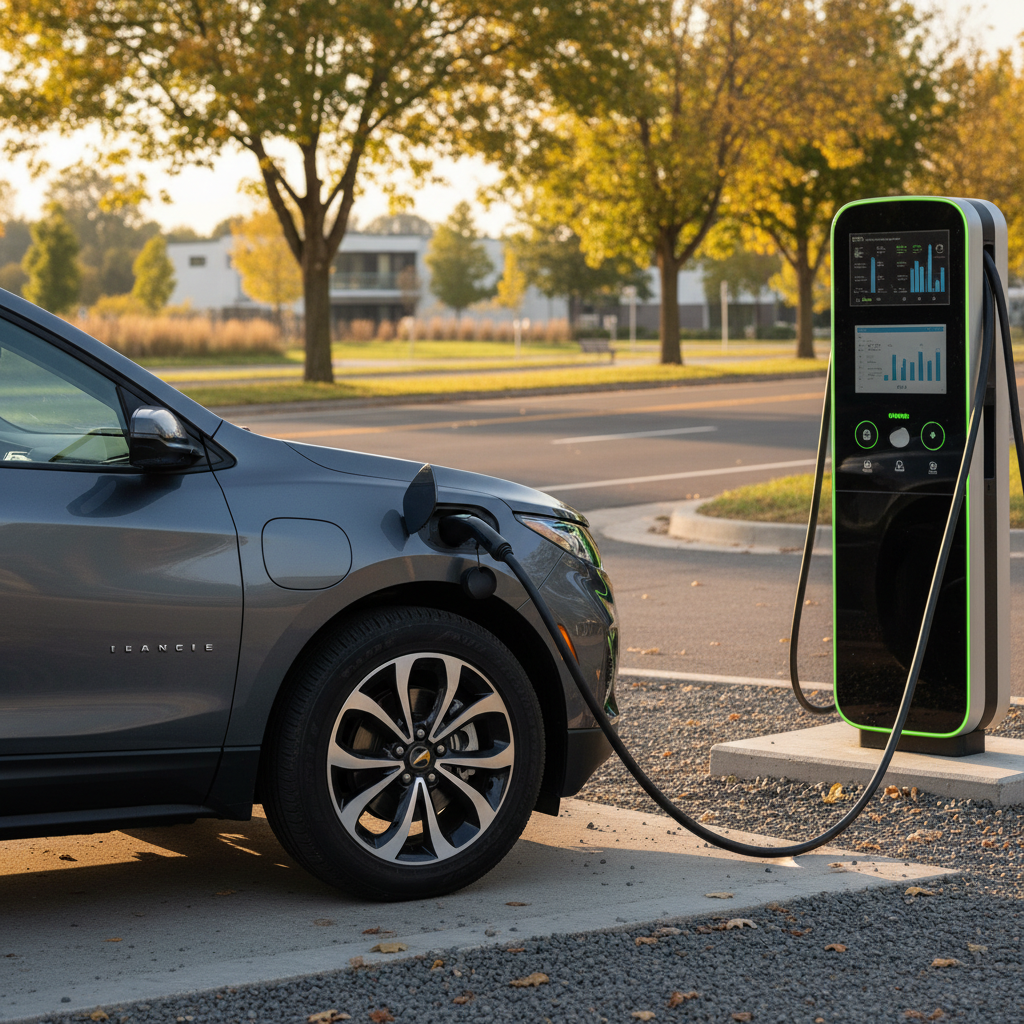
- Home charging plus DC fast charging for road trips
- Higher MSRP but lower running costs
Comparable gas SUV
- Similar size (Sportage/Tucson/CR‑V/RAV4)
- Real‑world fuel economy ~30 mpg combined
- Refuels quickly at any gas station
- Lower MSRP but higher running costs
Quick answer: when does a Kia EV6 cost less?
Quick takeaways: EV6 vs gas over 5 years
Big picture
Key assumptions for this cost comparison
To keep the math transparent, here are the baseline assumptions we’ll use for a typical U.S. driver in 2026. You can tweak each number later to match your situation.
Baseline assumptions: Kia EV6 vs gas SUV
Adjust these to match your own commute, energy prices, and purchase price.
| Category | Kia EV6 | Comparable gas SUV | Notes |
|---|---|---|---|
| Annual miles driven | 15,000 miles | 15,000 miles | Roughly 1,250 miles per month |
| Energy use / efficiency | 31 kWh / 100 miles | 30 mpg | EV6 efficiency is based on EPA data for common trims |
| Electricity price | $0.18 per kWh | , | Near the Feb 2026 U.S. residential average of ~18¢/kWh |
| Gas price | , | $3.00 per gallon | Near recent U.S. national averages below $3 |
| Ownership period | 5 years | 5 years | Many people keep vehicles 4–7 years |
| Purchase price (used) | $35,000 example | $25,000 example | Representative mid‑trim used prices; your market will differ |
These are averages, not rules, your actual numbers will vary by state and deal.
Your local prices matter
Fuel vs electricity: cost per mile
Let’s start with what you’ll feel every month: what it costs to move each car one mile. We’ll calculate a simple national‑average case, then show low‑ and high‑cost scenarios.
EV6 electricity cost per mile
- Efficiency: 31 kWh/100 miles ⇒ 0.31 kWh per mile.
- Electricity rate: assume $0.18/kWh.
- Cost per mile = 0.31 × $0.18 ≈ $0.056/mile (5.6 cents).
At 15,000 miles per year, that’s about $840/year in electricity if you charge mostly at home.
Gas SUV fuel cost per mile
- Fuel economy: 30 mpg combined.
- Gas price: assume $3.00/gallon.
- Cost per mile = $3.00 ÷ 30 ≈ $0.10/mile (10 cents).
At 15,000 miles per year, that’s about $1,500/year in gasoline.
How energy prices change the story
Same vehicles, different states and charging habits
Cheaper power, normal gas
- Power: $0.14/kWh
- Gas: $3.00/gal
- EV6: ~4.3¢/mile
- Gas SUV: 10¢/mile
- EV6 wins big
Expensive power, normal gas
- Power: $0.25/kWh
- Gas: $3.00/gal
- EV6: ~7.8¢/mile
- Gas SUV: 10¢/mile
- EV6 still usually wins
Frequent fast‑charging
- Mix of home + paid DC fast charging
- Effective cost might rise toward 8–10¢/mile
- With lots of paid fast charging, savings can shrink
Charge at home whenever you can

Maintenance and repairs: EV6 vs gas SUV
Maintenance is where EVs quietly save people money. The Kia EV6 has far fewer moving parts than a gas SUV, no oil to change, and no exhaust system. You’ll still spend on tires, brakes, cabin filters, and alignment, but the routine items most drivers are used to simply disappear.
Typical 5‑year maintenance items
Kia EV6: what you still do
Rotate and replace tires, change cabin air filter, brake service as needed (often less than gas cars thanks to regenerative braking), coolant and brake fluid checks per Kia’s schedule.
Kia EV6: what you skip
No engine oil changes, spark plugs, timing belts, fuel filters, transmission fluid changes, or emissions system repairs.
Gas SUV: routine costs add up
Oil and filter changes 2–3 times a year, transmission service, spark plugs, belts, potential exhaust repairs, and more frequent brake work in stop‑and‑go driving.
Unexpected repairs
Any vehicle can have surprise repairs. With an EV6, you’ve eliminated a lot of common engine‑related failures but still need to budget for suspension, electronics, and wear items.
Rule of thumb on maintenance
5‑year total cost example: EV6 vs gas SUV
Now let’s put everything together. This is a simplified example using round numbers to show the direction of the difference. Real‑world deals will vary, but the pattern is common.
Sample 5‑year cost of ownership (used vehicles)
Illustrative comparison for a buyer choosing between a used Kia EV6 and a used gas SUV in 2026 at 15,000 miles per year.
| Cost category (5 years) | Kia EV6 (used, $35k) | Gas SUV (used, $25k) | Notes |
|---|---|---|---|
| Depreciation (what you lose in value) | $15,000 | $10,000 | Assumes each loses ~40% of value over 5 years from starting point |
| Fuel / electricity | ≈ $4,200 | ≈ $7,500 | EV6 at ~$840/yr; gas SUV at ~$1,500/yr |
| Maintenance & repairs | ≈ $3,000 | ≈ $4,500 | EV6 benefit from no oil changes and fewer engine‑related items |
| Total 5‑yr operating costs (fuel + maint.) | ≈ $7,200 | ≈ $12,000 | What you pay just to drive and keep it running |
| Total 5‑yr cost (depr. + operating) | ≈ $22,200 | ≈ $22,000 | Very similar in this scenario, EV savings offset higher purchase price. |
These numbers are estimates for comparison, not quotes. Always run your own math based on actual purchase prices and local rates.
What this example shows
How your driving pattern changes the math
Not everyone drives like the “average” American. How far you drive, where you charge, and what kind of trips you take can tilt the Kia EV6 vs gas car cost comparison in either direction.
Three common driver profiles
Where the EV6 wins, and where a gas SUV still makes sense
High‑mileage commuter
- 20–25k miles per year
- Mostly home charging
- EV6 usually wins by a wide margin. Fuel savings pile up fast and outweigh higher purchase price.
Low‑mileage driver
- Under 8–10k miles per year
- Short city trips, occasional weekend drives
- Fuel savings are smaller, so a cheaper gas SUV may still be lower‑cost overall if purchase price is much lower.
Road‑trip traveler
- Frequent long trips
- Uses DC fast charging often
- EV6 can still save money, but fast‑charging rates may narrow the gap vs gas, especially in high‑price corridors.
Don’t ignore your time and convenience
Insurance, taxes, and incentives to factor in
Energy and maintenance are the big, obvious differences, but they’re not the whole story. Insurance rates, registration fees, and incentives can each shift the balance by a few hundred dollars per year either way.
- Insurance: Some EVs cost more to insure because of higher repair costs for body damage and electronics, while others are similar to comparable gas models. Get real quotes for both vehicles you’re considering.
- Registration & taxes: A few states add special EV registration fees to make up for lost gas‑tax revenue. In others, EV fees are similar to or lower than gas vehicles of the same value.
- Incentives: Depending on when and where you buy, you may qualify for federal, state, or local incentives on a new or used EV, or on home charging equipment. These can significantly reduce your effective purchase cost.
- Parking & perks: Some cities offer discounted parking or HOV‑lane access for EVs. These don’t show up in a spreadsheet but can add convenience and value.
Ask these questions before you sign
Used Kia EV6 vs used gas SUV: special considerations
If you’re buying used, which is where Recharged focuses, the calculus gets even more interesting. A used Kia EV6 can deliver most of the fuel and maintenance savings of a new one, but with a much lower purchase price. At the same time, you need to understand battery health, warranty coverage, and how the previous owner used the car.
Key questions for a used EV6 vs used gas SUV
What to check before you choose
For a used Kia EV6
- What’s the verified battery health and estimated remaining range?
- Has fast charging been used heavily, or is it mostly home‑charged?
- Is the battery warranty still active, and for how long?
- Any history of collision damage involving the battery or high‑voltage system?
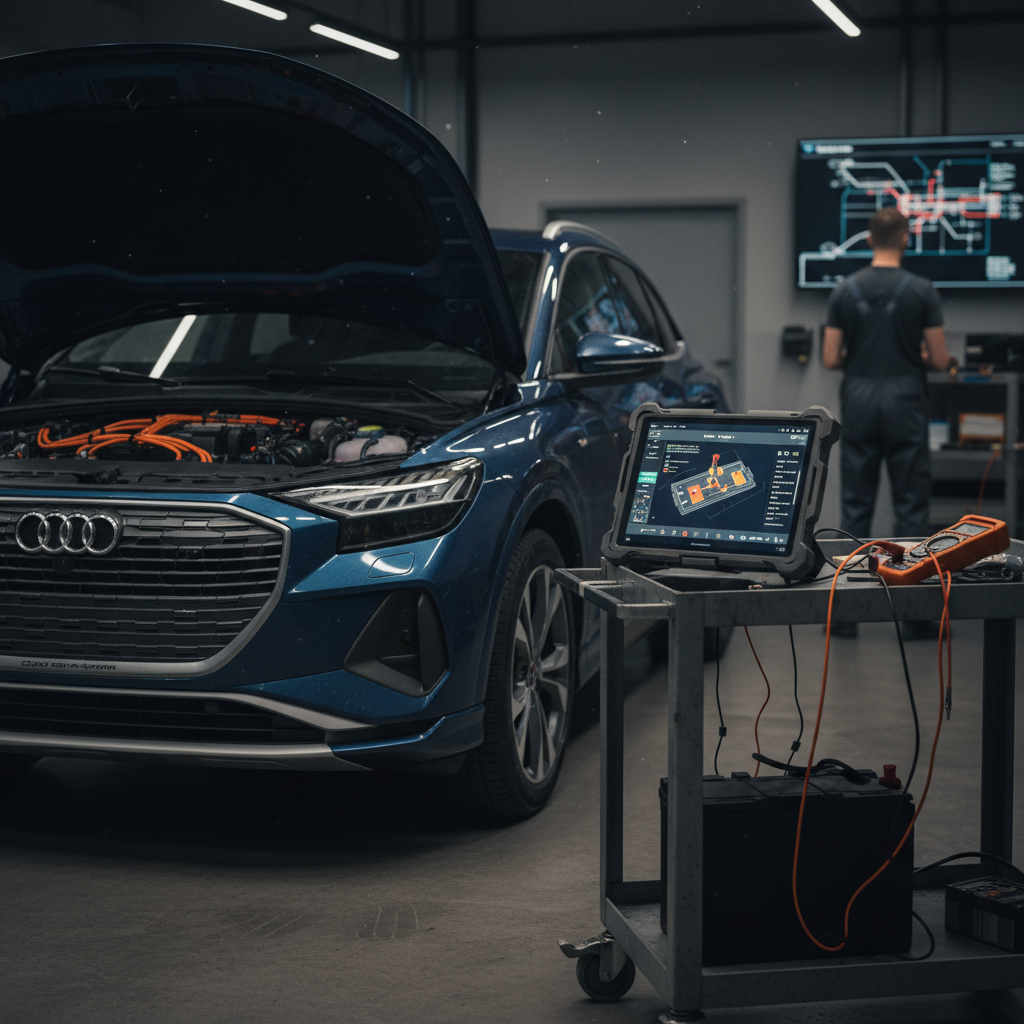
Every EV on Recharged comes with a Recharged Score Report that includes battery‑health diagnostics so you’re not guessing.
For a used gas SUV
- Is there documentation for oil changes and major services?
- Have common wear items (brakes, timing belt/chain) been addressed?
- Any evidence of oil leaks, overheating, or transmission issues?
- How does real‑world fuel economy compare to the window sticker?
Battery fear vs engine fear
How to run the numbers on your own situation
No online article can perfectly mirror your life. The good news is that you can recreate this Kia EV6 vs gas car cost comparison in 10–15 minutes with your own numbers. Here’s a simple process you can follow.
Build your personal EV6 vs gas cost comparison
1. Start with real prices
Get out‑the‑door purchase quotes (or used asking prices) for the Kia EV6 you like and the gas SUV you’d otherwise buy. Don’t forget sales tax and dealer fees.
2. Estimate your annual mileage
Look at last year’s odometer readings, your commute, and typical trips. Use at least a 3‑year average if your driving changed during the pandemic or a job switch.
3. Plug in local energy prices
Check your electric bill for cents per kWh and a reputable source for local gas prices. If you’re in a time‑of‑use electricity plan, estimate your typical charging window rate.
4. Map your charging mix
Roughly what % of your EV6 charging would be at home vs public Level 2 vs DC fast charging? Apply a higher cost per kWh for fast charging in your math.
5. Add realistic maintenance budgets
Use your current maintenance spending as a guide for a gas SUV, then trim 20–40% for the EV6 unless you expect unusually hard use.
6. Compare 5‑year totals
Add depreciation (purchase price minus estimated resale), fuel/electricity, and maintenance for each vehicle over 5 years. That’s your apples‑to‑apples comparison.
Need help running the numbers?
Ready to find your next EV?
Browse VehiclesKia EV6 vs gas car: FAQ
Frequently asked questions
Bottom line: should you choose an EV6 over a gas car?
When you put all the pieces together, fuel, electricity, maintenance, and depreciation, the Kia EV6 often matches or beats the total 5‑year cost of a comparable gas SUV for many U.S. drivers, especially those who drive 12,000+ miles a year and can charge at home. In lower‑mileage or high‑electricity‑cost scenarios, the gas vehicle can still be competitive financially, but you’re giving up the smooth, quiet EV driving experience and the peace of mind of lower routine maintenance.
If you’re leaning toward an EV6, buying used is a powerful way to let someone else pay the steepest depreciation while you enjoy the ongoing savings. At Recharged, every used EV6 listing includes a Recharged Score with verified battery health, fair market pricing, and EV‑savvy guidance so you can compare it confidently against any gas SUV you’re considering. Run the numbers for your situation, and if the EV6 adds up for you, there’s a good chance it will feel better to drive and cheaper to live with in the long run.