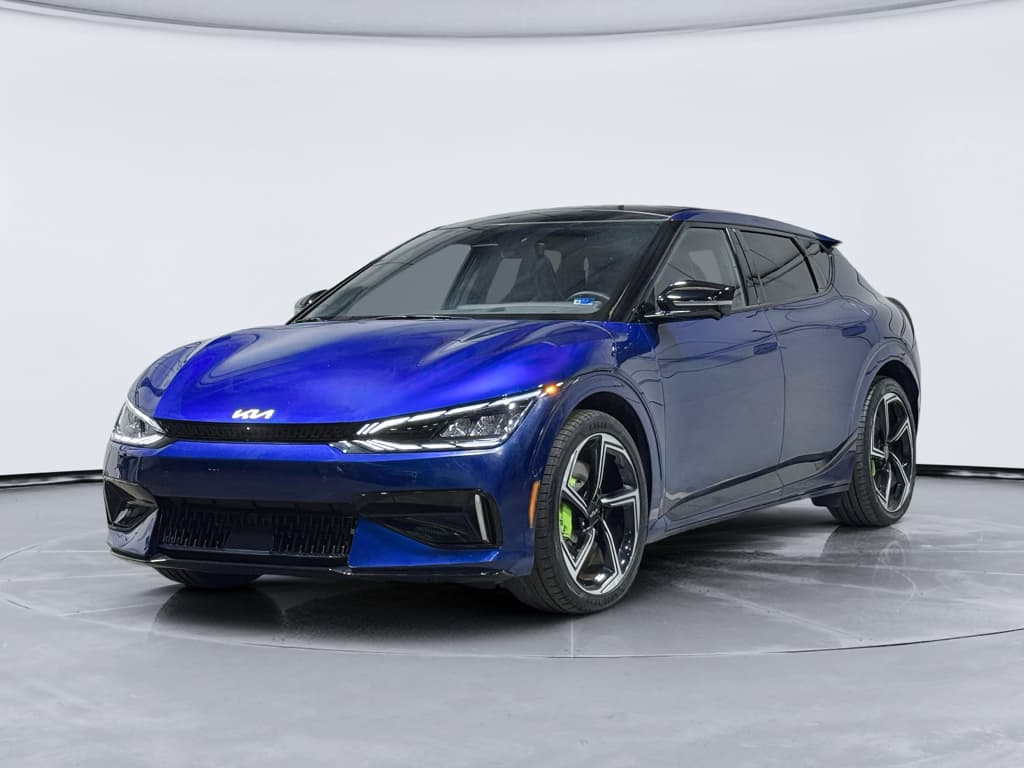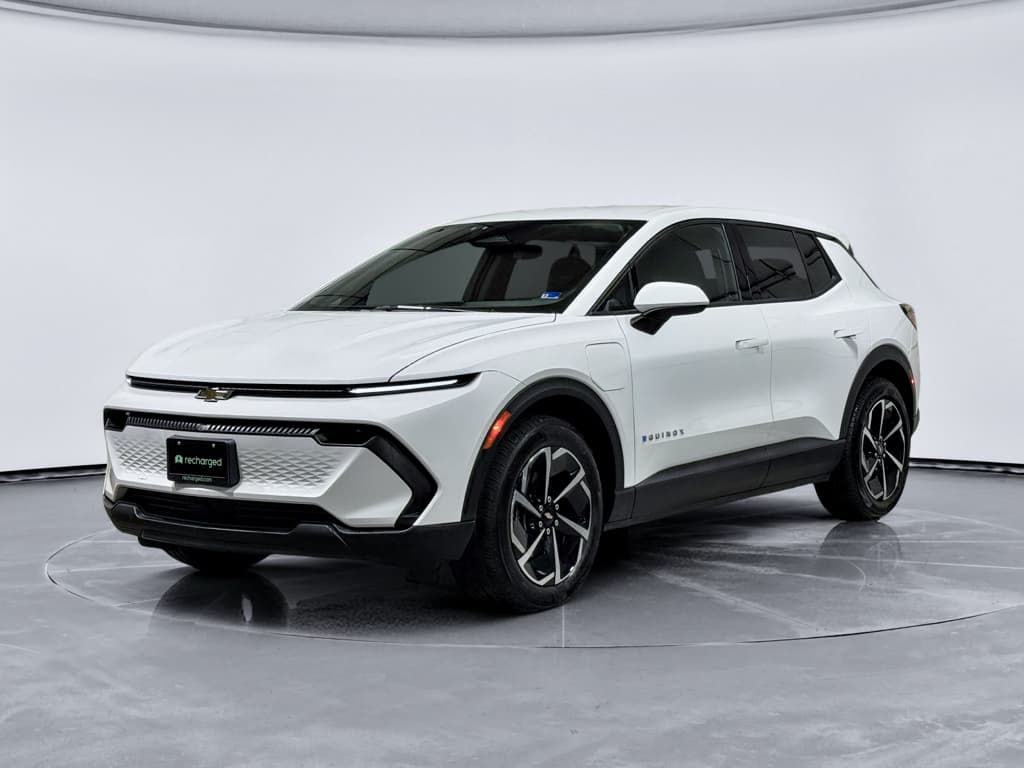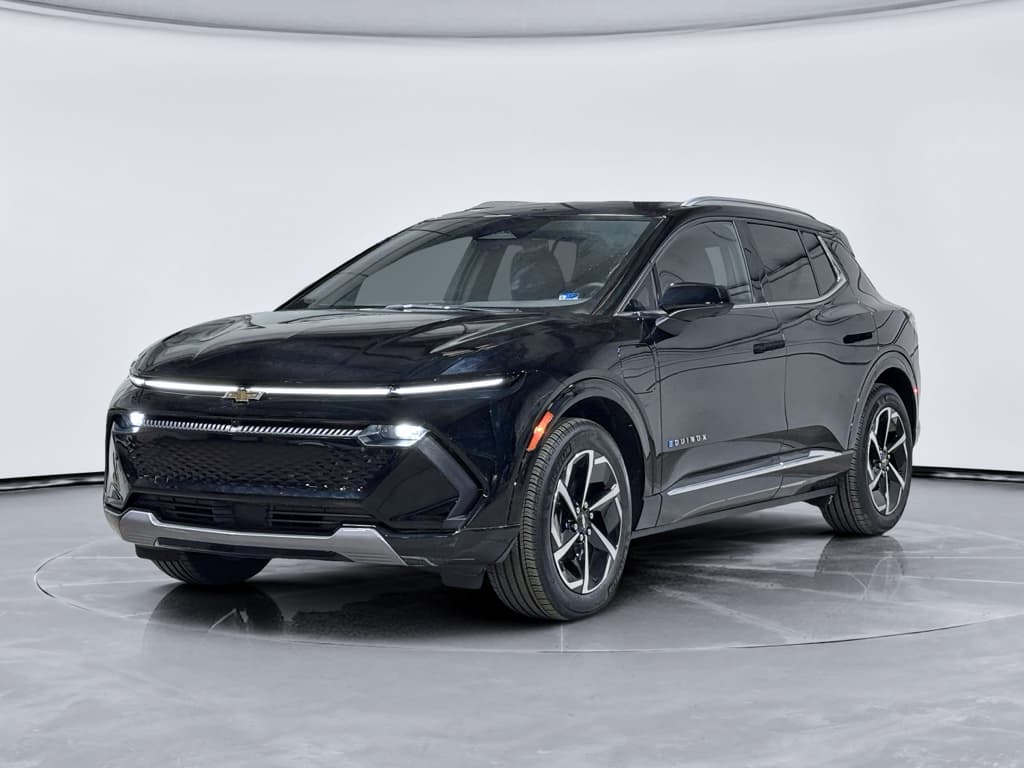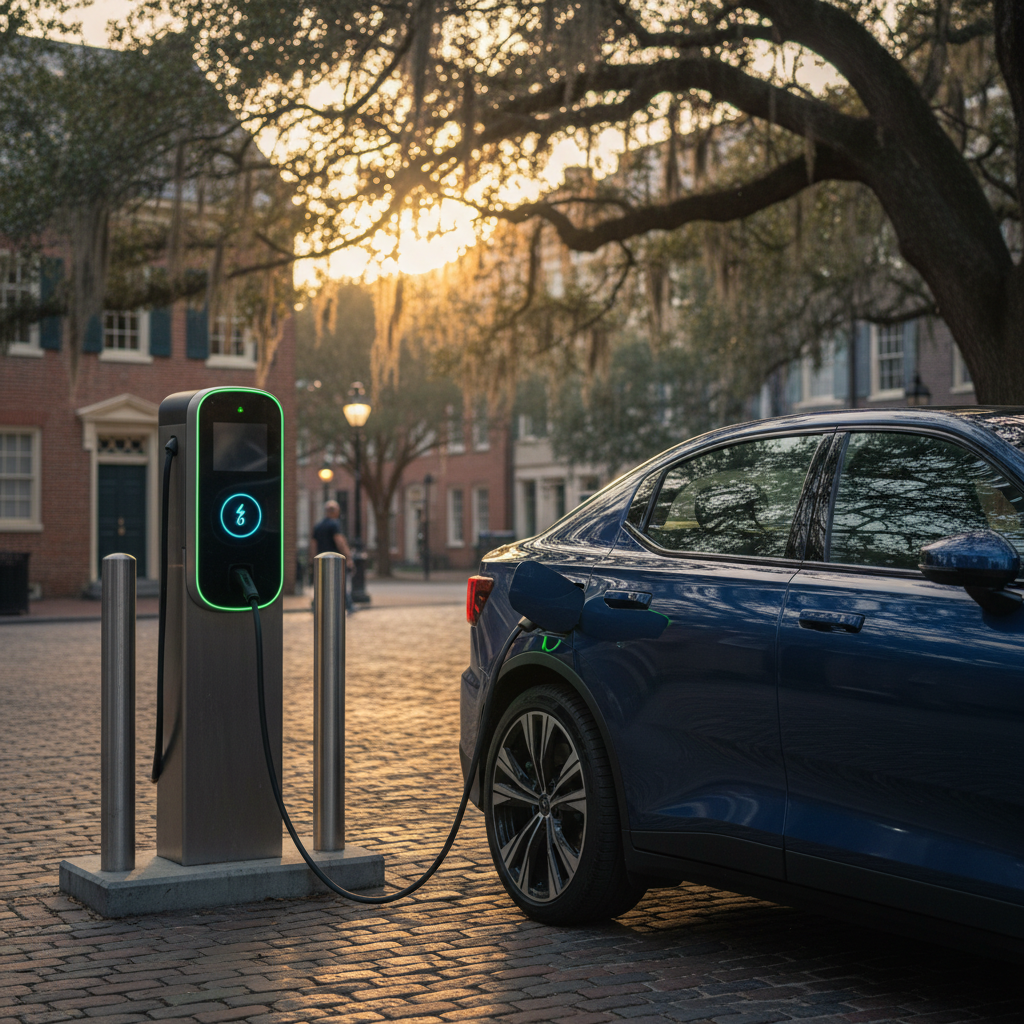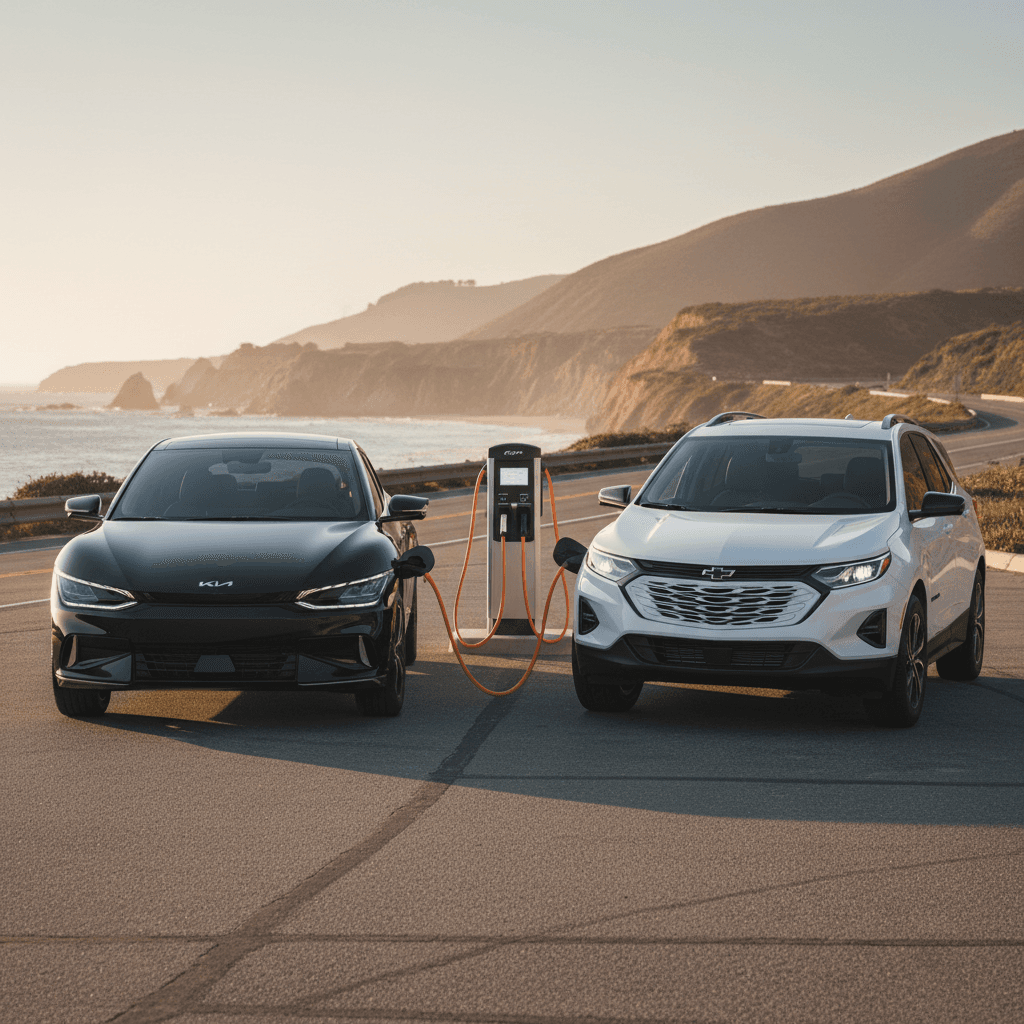
If you’re torn between the Kia EV6 and the Chevrolet Equinox EV, you’re not alone. Both are mainstream electric crossovers with real range, usable space, and pricing that undercuts a Tesla Model Y. But they take very different routes to get there, one is a sleek, sporty hatchback; the other is a value‑oriented family SUV promising "300 miles for less." This guide breaks down Kia EV6 vs Chevrolet Equinox EV so you can decide which is better for how you actually drive and spend.
Models and years this comparison covers
Overview: Kia EV6 vs Chevrolet Equinox EV
Kia EV6: Sporty all‑rounder
The EV6 is a compact-to-midsize crossover on Hyundai–Kia’s 800‑volt E‑GMP platform. It leans toward the enthusiast side: lower roofline, rear‑drive dynamics, and very strong DC fast‑charging. It’s often cross‑shopped with the Hyundai IONIQ 5, Tesla Model Y, and Mustang Mach‑E.
- Multiple trims from efficiency‑focused Light/Light Long Range to performance GT
- EPA ranges typically in the mid‑200s to low‑300s miles depending on trim
- Excellent 800‑volt charging architecture for faster road‑trip stops
Chevrolet Equinox EV: Value and range play
The Equinox EV is GM’s attempt at a true mainstream EV SUV: a straightforward, upright crossover with generous range and a price that undercuts most rivals. Think of it as the electric counterpart to Chevy’s bread‑and‑butter Equinox, but on GM’s Ultium platform.
- LT and RS trims with different appearance and feature bundles
- GM‑estimated and EPA ranges up to roughly 319 miles on certain FWD trims
- Pricing designed to come in below many competitors, especially after incentives
How to read this comparison
Key Specs: Kia EV6 vs Equinox EV at a Glance
Core Specs Snapshot (Representative 2025 Trims)
These aren’t every configuration available, but they capture where each vehicle generally lands for American buyers in 2025.
| Spec | Kia EV6 (Long Range RWD) | Chevy Equinox EV (FWD LT/RS) |
|---|---|---|
| Battery (usable, approx.) | Around mid‑70s kWh | Mid‑80s to low‑90s kWh equivalent |
| EPA range | Low‑300‑mile ballpark on select trims | Up to about 319 miles on select FWD trims |
| DC fast‑charging peak | Up to ~235 kW (800‑V platform) | Up to ~150 kW with a relatively flat curve |
| 0–60 mph (typical non‑GT trims) | ~6–7 seconds (RWD/AWD) | ~6–7 seconds (FWD/AWD est.) |
| Drive types | RWD or AWD | FWD or AWD (depending on trim/year) |
| Starting MSRP (new, before incentives) | Low–mid $40Ks for many U.S. trims | Mid‑$30Ks advertised entry price, many popular builds in low–mid $40Ks |
| Charging architecture | 800‑V (faster highway charging) | 400‑V (simpler, lower‑cost hardware) |
Approximate U.S. specs; always confirm exact numbers for the trim you’re buying.
Spec sheets don’t tell the whole story
Price and Value: Who Stretches Your Dollar Further?
Both models aim to undercut premium EVs, but they do it differently. The Chevy Equinox EV’s headline is a lower advertised starting price, roughly mid‑$30Ks for base FWD trims, aimed at being "the most affordable 300‑mile EV" in the U.S. In practice, well‑equipped LT and RS models many shoppers want land in the low‑$40Ks. The Kia EV6, especially as a new vehicle, typically sits a few thousand dollars higher trim‑for‑trim, but brings a more polished platform and stronger fast‑charging.
New vs Used: How the Numbers Usually Shake Out
Why many shoppers cross‑shop a used EV6 against a new Equinox EV.
New Equinox EV
- Advertised entry trims in mid‑$30Ks before destination and incentives.
- Commonly optioned FWD models often fall in low–mid $40Ks.
- Qualifies for various incentives depending on configuration and buyer eligibility.
For many households, this is the cheapest path into a 300‑ish‑mile new EV SUV.
Used Kia EV6
- Earlier‑year EV6s have already taken their initial depreciation hit.
- Certified pre‑owned or low‑mileage EV6s can rival a new Equinox EV on price.
- You still get the high‑end 800‑V platform and strong charging performance.
On the used market, an EV6 can be a surprisingly strong value play against a brand‑new Equinox EV.
Where Recharged fits in
Ready to find your next EV?
Browse VehiclesRange, Battery & Charging: Road‑Trip Readiness
Range & Charging Highlights
If you obsess over range and charging curve graphs, this is where the two vehicles really diverge. The EV6 relies on its 800‑volt architecture: peak DC fast‑charging around the 230 kW neighborhood on capable stations, and a well‑tuned curve that lets you add a useful chunk of miles in a short stop. The Equinox EV leans on a physically larger pack, with EPA and GM‑estimated ranges in the low‑300‑mile zone for its best FWD trims, but with a lower peak charge rate of about 150 kW.
When the EV6 has the edge
- You road‑trip often in corridors with reasonably reliable DC fast‑charging.
- You care more about shorter stops than about absolute max range.
- You’re comfortable planning around the EV6’s sweet spot (typically 10–70% state of charge).
Over a long day on the highway, those quicker stops can offset the smaller battery, especially if you stay in that efficient mid‑state‑of‑charge band.
When the Equinox EV has the edge
- You want as much range buffer as possible between charges.
- You live in a colder climate and like extra kWh to absorb winter losses.
- You don’t mind a few extra minutes on the charger if it means fewer stops overall.
The Equinox EV’s big pack plus roughly 300‑plus miles of rated range gives peace of mind to newer EV drivers or those in sparse charging regions.
Don’t forget Level 2 home charging
Space, Comfort & Practicality for Families
On paper, both are "compact" crossovers, but they land differently in the real world. The Equinox EV feels more like a conventional small SUV: upright seating, easier ingress/egress, and very family‑friendly cargo room with the seats up. The Kia EV6 sits lower and looks more like a long hatchback, which helps aerodynamics and style but slightly compromises headroom and rear visibility for some drivers.
Practicality: Where Each EV Shines
Think car seats, Costco runs, and road‑trip comfort, not just spec sheets.
Cabin Space
Equinox EV feels airy with a more upright greenhouse, which taller rear passengers and parents lifting kids into seats will appreciate.
The EV6 still fits four adults comfortably, but its sloping roof and sportier seating position skew it toward style and driving feel.
Cargo & Usefulness
The Equinox EV’s squarer rear opening and deeper cargo floor make it a bit more forgiving for strollers and bulkier luggage.
The EV6’s hatch area is perfectly usable for daily life, just not quite as boxy or generous as the Chevy’s in day‑to‑day practice.
Family Friendliness
Both offer modern safety features and reasonable room for rear‑facing seats. But the Equinox EV’s higher hip point and more traditional SUV shape tend to make family logistics easier.
Ride comfort reality check
Performance & Driving Feel: Sporty vs Relaxed
Electric torque means neither of these crossovers feels slow around town, but they send their performance budgets in different directions. The Kia EV6 is the driver’s choice: rear‑drive balance in many trims, quick steering, and the option of genuinely quick AWD variants and the wild GT performance model. The Equinox EV is more about effortless, quiet progress, enough power to merge and pass confidently, tuned for stability and predictability rather than thrills.
- If you care about back‑road fun and a playful chassis, the EV6 is clearly ahead.
- If you just want an EV that feels familiar coming out of a gas Equinox or similar SUV, the Equinox EV’s driving manners will feel instantly natural.
- Both can tow light loads when properly equipped, but neither is aimed at serious towing duty.
Don’t overbuy on horsepower
Tech, Safety & Driver Assistance
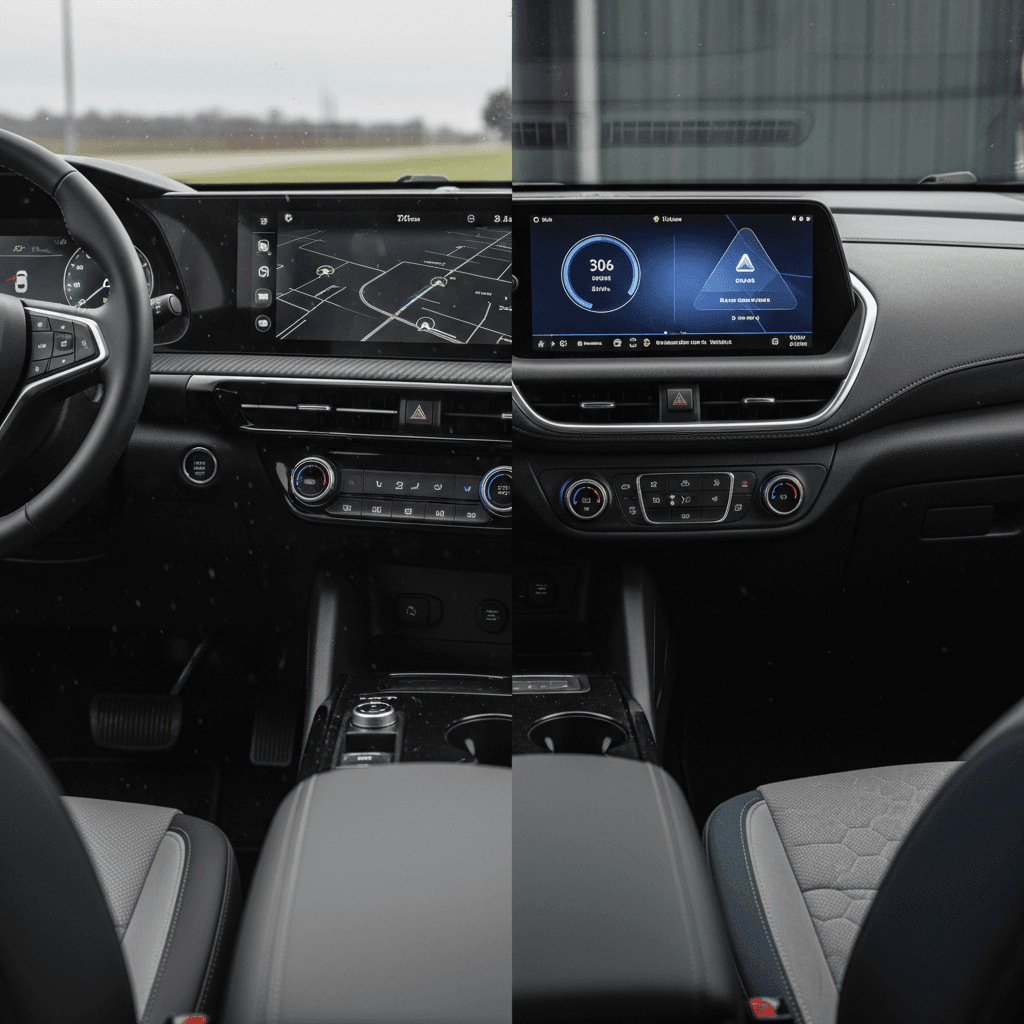
Both crossovers lean hard into screens and software, but they come from different cultures. The Kia EV6 has a clean, modern interface shared with other Hyundai–Kia EVs, with dual‑screen layouts and a mix of touch and physical controls. The Equinox EV uses GM’s latest Google‑built‑in infotainment, with Google Maps and Assistant deeply integrated and over‑the‑air update capability.
Kia EV6 tech highlights
- Dual‑screen cockpit with configurable digital cluster and infotainment.
- High‑quality head‑up display and augmented‑reality features on upper trims.
- Highway Driving Assist (varying levels by trim) for lane centering and adaptive cruise.
- Vehicle‑to‑load (V2L) capability on many trims, letting you power tools, camping gear, or even another EV in a pinch.
Equinox EV tech highlights
- Large central display with native Google Maps and Google Assistant.
- Ultium‑based software stack designed for continuous OTA improvements.
- Available Super Cruise‑style advanced driver assistance is expected to roll out to more Ultium products over time, though availability varies.
- Traditional GM control layout may feel more familiar to long‑time Chevy owners.
Check driver‑assist availability by trim
Ownership Costs, Incentives & Used vs New Angle
Total cost of ownership is where the Equinox EV can shine for many households, especially if it qualifies for federal or state incentives based on final assembly, battery sourcing, and your tax situation. Lower starting MSRPs plus potential tax credits can make the Chevy pencil out cheaper than a new EV6 lease or loan. On the other hand, the used EV6 market has matured quickly, with sizable depreciation already baked in on early‑build cars.
Costs & Incentives: Typical Scenarios
These are common patterns we see in the U.S. market, your exact numbers will vary.
New Equinox EV owner
- Leverages federal clean vehicle credit (when applicable) and local incentives.
- Enjoys lower fuel and maintenance costs vs a gas compact SUV.
- Benefits from full new‑car warranty and latest software at delivery.
Used EV6 buyer
- Avoids the steepest early depreciation years.
- Gets a well‑proven E‑GMP platform with strong charging performance.
- May still have significant battery and powertrain warranty coverage remaining.
How Recharged de‑risks a used EV6
So…Which Is Better, Kia EV6 or Chevy Equinox EV?
The right answer isn’t which EV wins a spec sheet arms race, it’s which one lines up with your daily life, risk tolerance, and budget.
The Kia EV6 is better if…
- You prioritize driving feel, refinement, and charging performance over absolute rock‑bottom price.
- You plan frequent road trips and value shorter, more efficient fast‑charge stops.
- You’re open to buying used to take advantage of depreciation.
- You like a sleeker, more futuristic design inside and out.
In short, the EV6 is the better enthusiast and long‑distance tool, especially when bought used with verified battery health.
The Chevy Equinox EV is better if…
- You want a straightforward, family‑friendly SUV with big range and a familiar driving position.
- Your top priority is value: lowest possible monthly payment for 300‑ish miles of range.
- You’re coming from a gas Equinox or similar compact SUV and want minimal culture shock.
- You qualify for generous incentives that strengthen the Chevy’s price advantage.
The Equinox EV is the smarter choice for budget‑conscious families who want an easy transition from gas to electric.
If you forced a verdict, the Equinox EV usually wins on pure new‑car value and range per dollar, while the Kia EV6 wins on charging sophistication, driving character, and used‑market bang‑for‑buck. For many shoppers, the smartest move is to cross‑shop a used EV6 with a new Equinox EV quote on the same day, then run the real monthly payment and road‑trip tradeoffs side by side.
Checklist: Signs the EV6 or Equinox EV Is Right for You
Practical Checklist Before You Pick a Winner
1. Map your real driving patterns
List your typical weekday miles, longest regular round trip, and realistic worst‑case winter day. If you rarely exceed 180–200 miles in a day, both vehicles have ample buffer, but the Equinox EV’s larger pack may feel more comforting in cold climates.
2. Decide where you’ll charge most
If you’ll rely heavily on DC fast‑charging for road trips, the EV6’s 800‑V system is a strong advantage. If most of your charging is at home on Level 2, the Equinox EV’s bigger pack and lower price may matter more than its slower peak fast‑charge rate.
3. Sit in the back seat and load the trunk
Bring whoever usually rides back there, plus a stroller or golf bag. The Equinox EV’s more traditional SUV shape tends to be an easy fit for families, but some buyers prefer the EV6’s lower load floor and more car‑like seating.
4. Compare real out‑the‑door prices
Ask for written, itemized quotes that include destination, dealer fees, and taxes. Then compare them to actual used EV6 listings with similar equipment. Incentives, dealer discounts, and used‑market deals can easily swing the decision either way.
5. Get battery health data if you go used
A used EV6 can be a phenomenal value, but only if the pack is healthy. Recharged’s battery diagnostics and Recharged Score give you hard numbers instead of guesswork, helping you compare that car against a new Equinox EV.