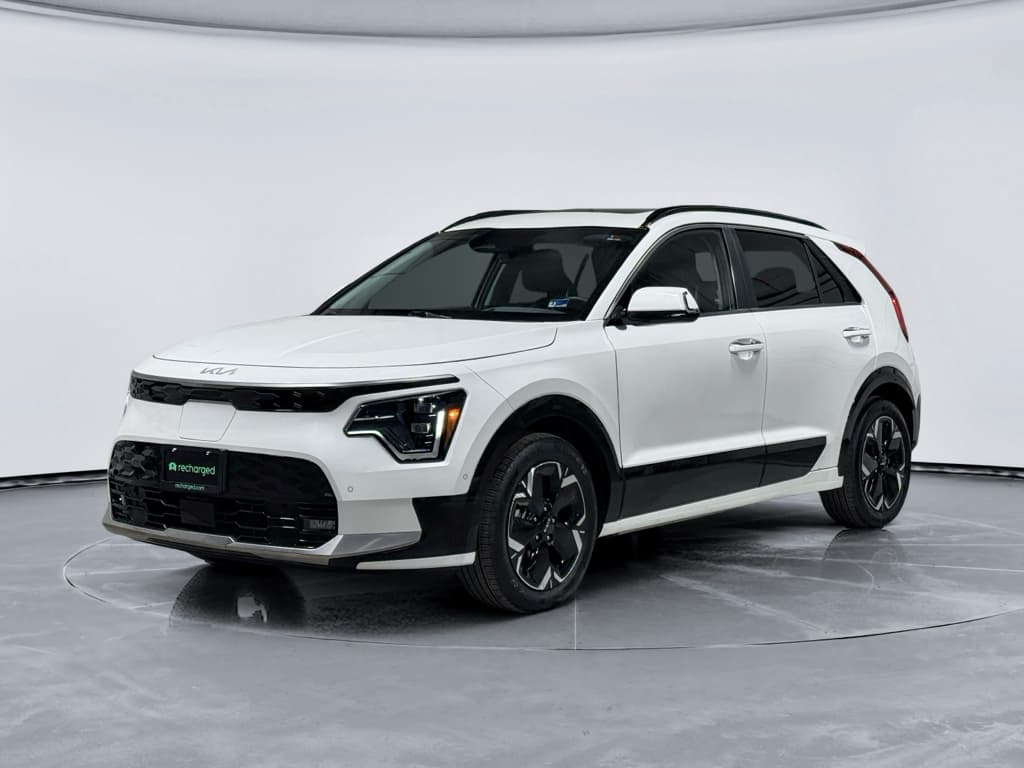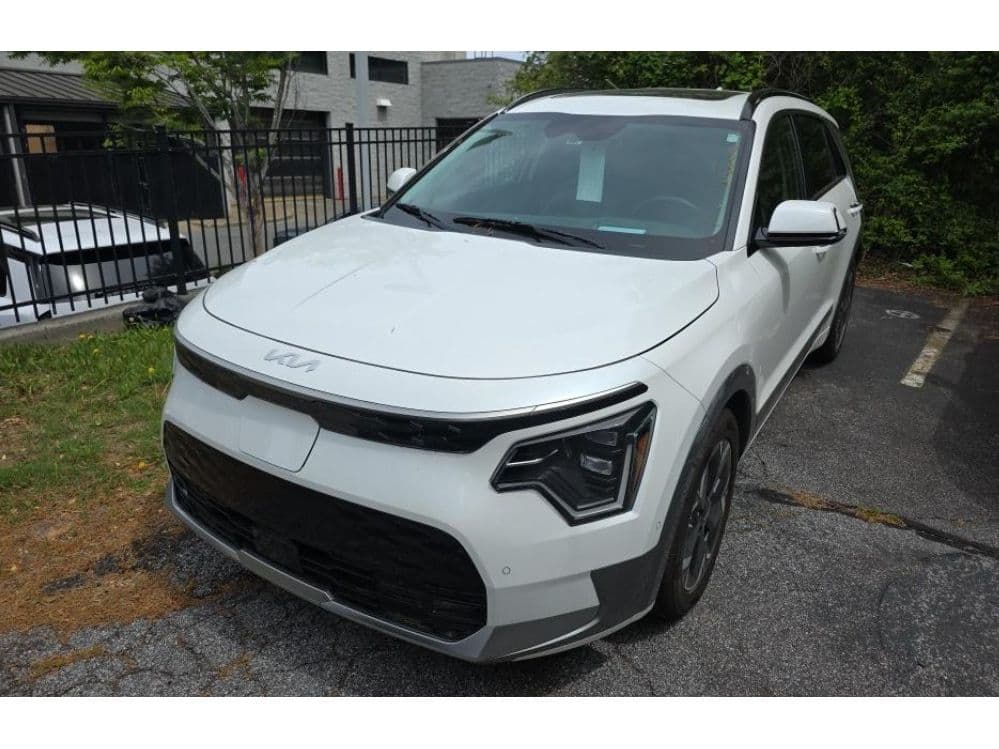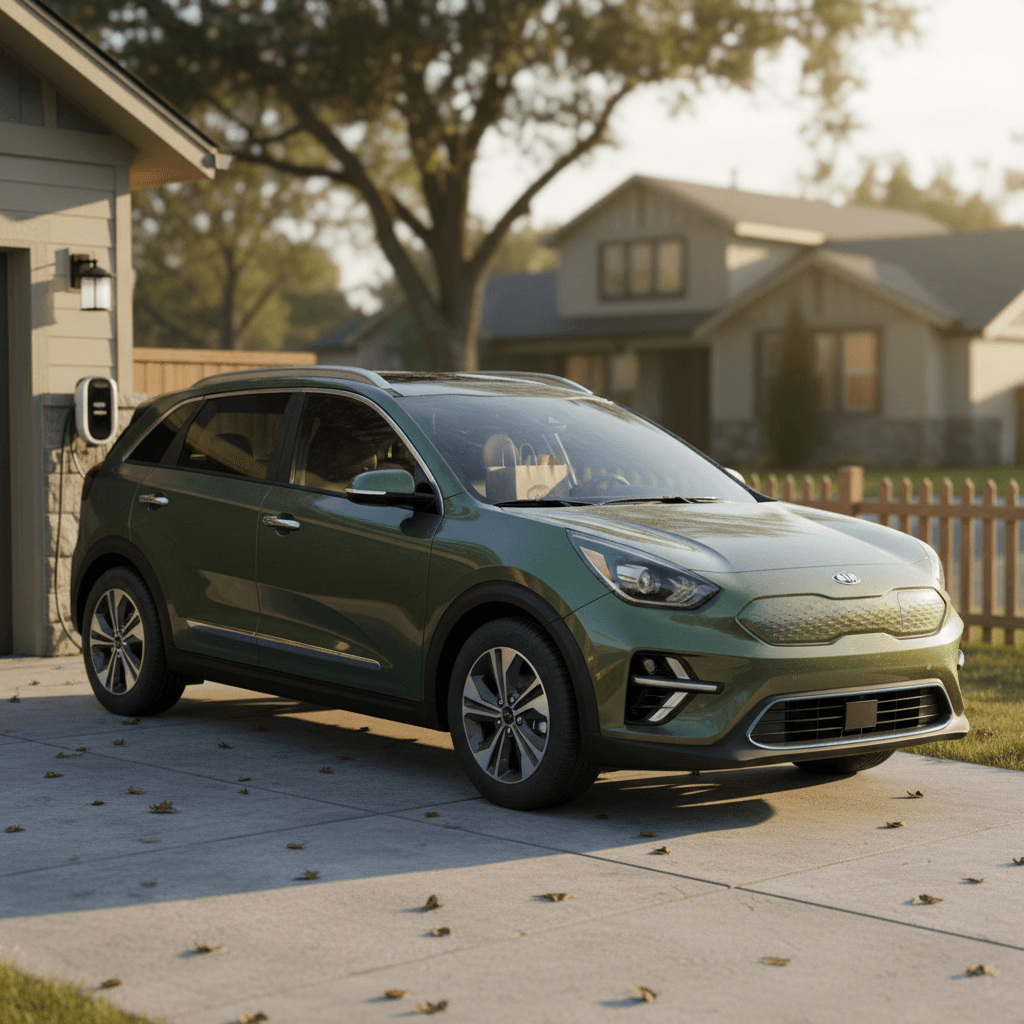
If you’re eyeing a compact electric crossover and wondering “is the 2025 Kia Niro EV a good buy?”, you’re not alone. The Niro EV has quietly become one of the most sensible everyday EVs on the road, great range, friendly size, and a cabin that feels familiar if you’re coming from a gas car. But there’s a catch: its DC fast‑charging is among the slowest in the segment, and pricing isn’t as bargain‑basement as it used to be.
Model‑year status note
Quick answer: Is the 2025 Kia Niro EV a good buy?
The 30‑second verdict on the 2025 Niro EV
Strong as a commuter and family runabout, weak as a road‑trip superstar
Best for
- Daily commuting 20–80 miles
- Suburban families who mostly charge at home
- Drivers who value comfort and efficiency over bragging rights
Think twice if
- You road‑trip often on DC fast chargers
- You want blazing‑fast charging like Hyundai IONIQ 5 or Tesla
- You need all‑wheel drive
Value snapshot
- New: priced like other compact EVs but with slower DC charging
- Used: often a very strong value because of slow depreciation and good battery health so far
Short answer
2025 Kia Niro EV at a glance: range, trims and pricing
Core numbers for the current‑gen Niro EV
Kia typically offers the Niro EV in Wind and Wave–style trims (names may vary slightly year to year). The lower trim focuses on value, cloth or mixed upholstery, basic audio, and the full safety suite, while the upper trim piles on larger wheels, premium audio, a sunroof, and more tech. Regardless of trim, you get the same battery, motor, and charging hardware, so your range and performance don’t change much; what you’re paying for is comfort and features.
How the Niro EV’s core specs compare inside Kia’s own lineup
Approximate U.S.‑spec figures based on recent model‑year data; 2025 details may vary slightly.
| Model | Drivetrain | Battery (usable est.) | EPA Range (approx.) | Peak DC Charge Rate | Starting Price (approx.) |
|---|---|---|---|---|---|
| Niro EV | FWD, single motor | ~64.8 kWh | ≈253 miles | ≈85 kW | ≈$41,000 |
| EV6 (RWD SR) | RWD, single motor | ≈58 kWh | ≈240 miles | ≈235 kW | ≈$43,000 |
| EV6 (RWD LR) | RWD, single motor | ≈77.4 kWh | ≈310 miles | ≈235 kW | ≈47,000+ |
Niro EV sits below EV6 in power and DC charging speed, but above in efficiency and price friendliness.
Trim‑shopping tip
What the 2025 Niro EV does really well
- Comfortable, familiar driving experience. The Niro EV drives like a well‑sorted compact crossover, easy steering, good visibility up front, and a relaxed ride. Acceleration is brisk but not violent, perfect for merging and passing without drama.
- Excellent efficiency and usable range. Real‑world owners commonly see high‑200‑mile ranges around town when driven reasonably, thanks to the relatively light weight and mature 64‑ish‑kWh pack.
- Compact outside, roomy inside. The Niro rides the line between hatchback and SUV. It’s an easy park in city lots, but offers legit space for a small family, a dog, or a Costco run.
- Thoughtful cabin layout. Kia’s control layout is straightforward, with physical buttons where you still want them. If you’re coming out of a gas Niro or another Kia, it’ll feel like home on day one.
- Strong safety and driver‑assist tech. Even lower trims typically include forward collision warning with automatic emergency braking, lane‑keeping assist, and adaptive cruise control. Higher trims can add blind‑spot view monitors and more.
- Proven battery chemistry. Earlier Niro EVs with the same basic pack architecture have logged high mileage with very modest degradation when owners follow sane charging habits. That bodes well for the 2025 model’s long‑term battery health.
Safety snapshot
Where the 2025 Niro EV falls short
The big one: slow DC fast‑charging
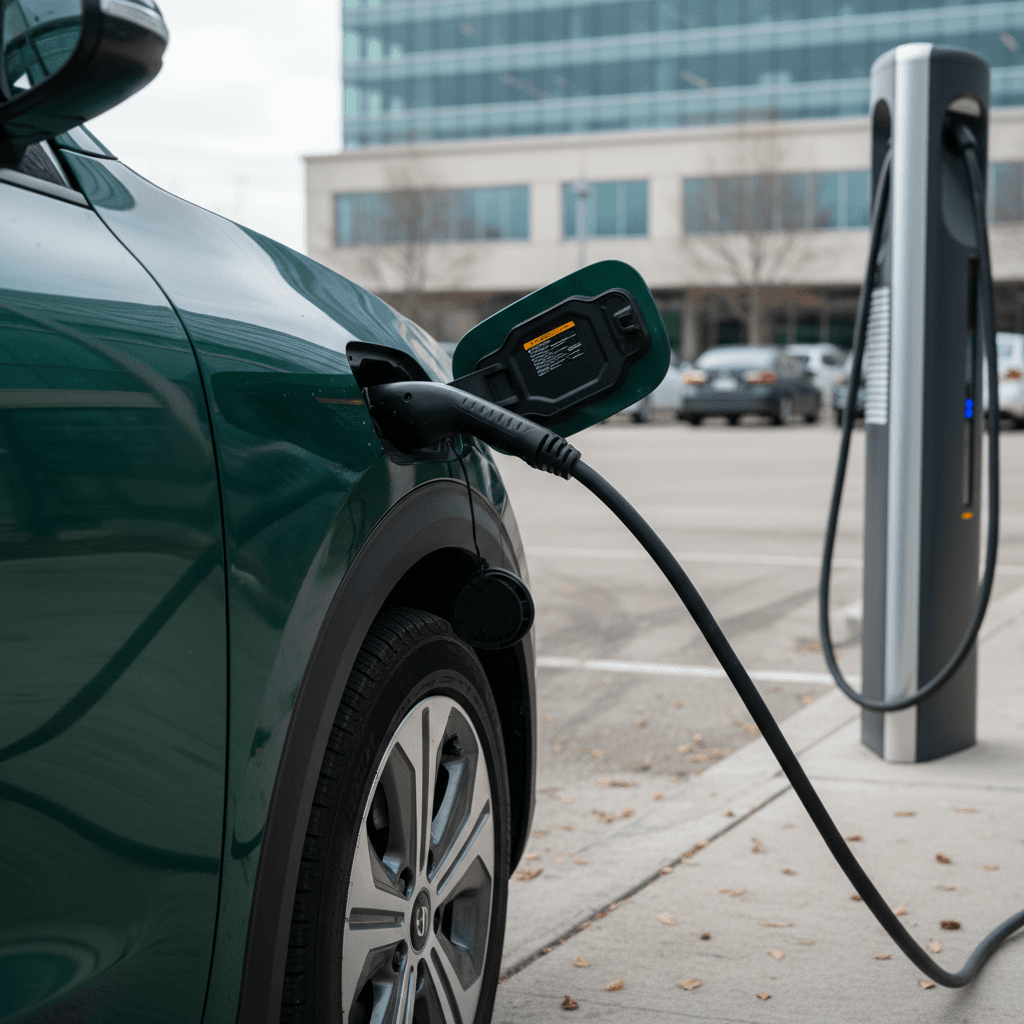
- Below‑average DC fast‑charging speed. Where rivals like Hyundai’s IONIQ 5 or Kia’s own EV6 can gulp down energy at over 200 kW, the Niro EV hangs in the 70–85‑kW zone on a good day. On a long trip, that can mean 10–20 extra minutes per stop, every time you charge.
- No all‑wheel drive option. The Niro EV is front‑wheel drive only. That’s fine for most climates with decent all‑season tires, but snow‑belt drivers who want AWD traction will need to look elsewhere.
- More road and wind noise than some EVs. Owners and testers alike note that the cabin can be a bit louder than the whisper‑quiet standard set by some competitors, nothing dramatic, but noticeable if you’ve driven, say, a Model Y or EV6.
- Pricing has crept up. Early Niro EVs were runaway bargains. By 2025, the new‑car price puts it nose‑to‑nose with quicker‑charging, more powerful rivals, especially once you factor in dealer markups or options.
- Not a “wow” car. This isn’t a halo EV that will light up your group chat. It’s the quietly competent workhorse in the driveway, not a bad thing, but worth knowing if you crave drama.
Watch for dealer pricing games
2025 Niro EV vs competitors: How it stacks up
Niro EV’s neighborhood: similar‑size EVs to cross‑shop
Think in terms of how you’ll really use the car, not just spec sheets.
Hyundai Kona Electric
Chevrolet Equinox EV
Tesla Model Y / Model 3
Spec‑level comparison: Niro EV vs typical rivals
Approximate, big‑picture comparison using recent model‑year data; check local listings for exact numbers.
| Model | EPA Range (approx.) | 0–60 mph | Peak DC Charge Rate | Drivetrain | Starting Price (approx.) |
|---|---|---|---|---|---|
| Kia Niro EV | ≈253 mi | Low‑7‑second range | ≈85 kW | FWD | ≈$41K |
| Hyundai Kona Electric | ≈261 mi | Mid‑6s | ≈100–120 kW | FWD | High‑$30Ks |
| Chevy Equinox EV | Up to ≈300 mi (select trims) | Mid‑6s | Fast (150 kW+) | FWD/AWD | Low‑$40Ks |
| Tesla Model Y RWD | ≈260 mi | Mid‑5s | Fast (Supercharger) | RWD/AWD | Mid‑$40Ks |
Niro EV wins on efficiency and friendly manners, loses on DC fast‑charging speed and outright performance.
Where Niro EV makes sense
- You want a comfortable, easygoing EV that feels like a normal car.
- You care more about efficiency and ownership costs than headline performance.
- You value a traditional instrument cluster and knobs over a wall of screens.
Where rivals pull ahead
- Highway warriors who need the quickest possible DC fast‑charging.
- Drivers who want AWD or sporty acceleration.
- Tech‑hungry shoppers who live for giant screens and over‑the‑air upgrades.
Is the slow DC charging a dealbreaker for you?
Kia’s 64‑ish‑kWh pack and 85‑kW peak DC rating aren’t a problem on paper; the real story is the charging curve. The Niro EV doesn’t hang near its peak for long, and charging from a low state of charge to about 80% will typically take longer than in newer 800‑volt EVs.
Ask yourself these questions about your charging life
1. How often do you road‑trip more than 200 miles in a day?
If the answer is “once or twice a year,” the Niro EV’s slow DC charging is an annoyance, not a disaster. If you drive 300–500‑mile days several times a month, it’s a bigger problem.
2. Will you have reliable Level 2 charging at home or work?
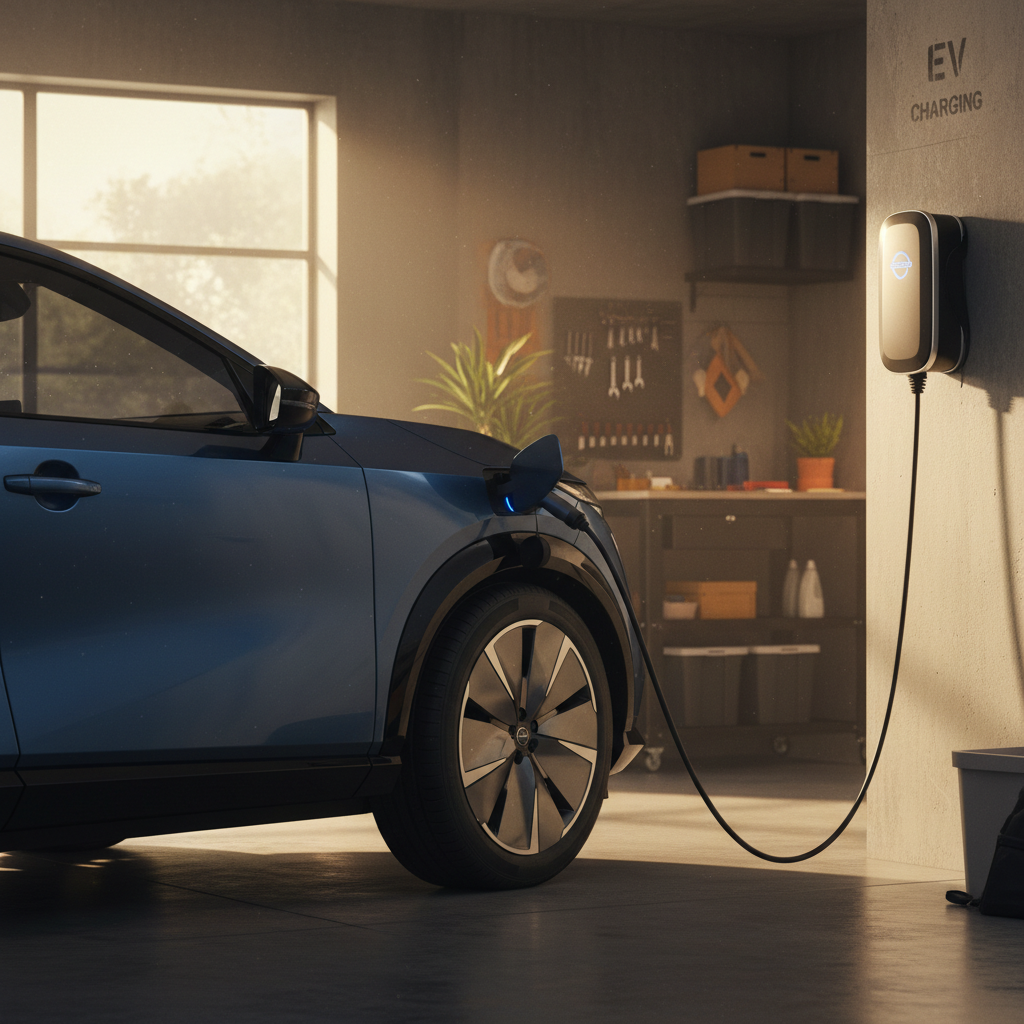
The Niro EV’s 11‑kW onboard charger is a quiet superstar. On a 40‑ or 48‑amp Level 2 charger, you can add roughly 30–35 miles of range per hour, plenty to refill overnight.
3. Is your region rich in fast chargers?
In dense charging corridors, a few extra minutes at each stop hurts less. In sparsely covered areas, every slow session stings because there may only be one or two stations around.
4. Do you usually drive under 100 miles per day?
For most commuters and suburban families, the answer is yes. In that case, day‑to‑day life will revolve around home charging and you may rarely touch public DC fast chargers at all.
5. Do you enjoy road‑tripping or endure it?
If you love hammering out big miles and hate stopping, you’ll feel every extra minute. If you’re happy to build in 30–40‑minute breaks for food and stretching, the Niro EV is easier to live with.
Real‑world charging rhythm
Reliability, battery health and warranty
Reliability can make or break whether any EV is a good buy. Here, the Niro EV’s story is mostly encouraging, with a few quirks to understand.
- Battery health track record looks strong so far. First‑generation and early second‑gen Niro EVs using similar 64‑kWh‑class packs have racked up six‑figure mileage with modest, gradual degradation when owners avoid extreme fast‑charging habits. Many report still seeing near‑original range after several years.
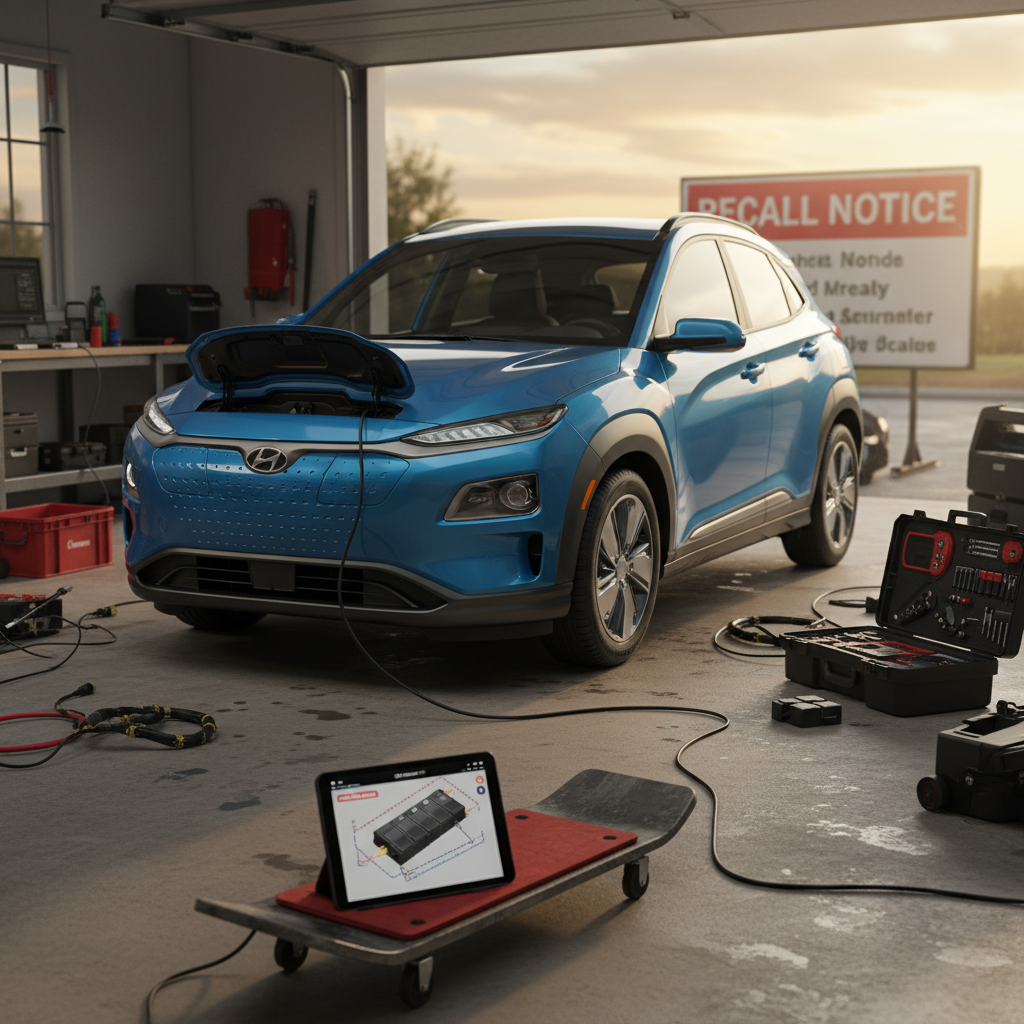
- Known issues tend to be fixable, not fatal. On earlier model years, owners have reported 12‑volt battery quirks and occasional charging interruptions, often addressed by software updates or battery replacement under warranty. These are annoyances, not signs of a fundamentally bad design.
- Factory warranty is competitive. Kia typically backs the high‑voltage battery for up to 10 years or 100,000 miles against defects and excessive capacity loss, plus a strong basic and powertrain warranty. That’s a confidence booster whether you buy new or lightly used.
- Software and dealer experience can vary. Like many mainstream brands, software updates and service experiences differ from dealer to dealer. It’s wise to find a Kia store near you that’s comfortable working on EVs before you sign paperwork.
The Niro EV isn’t trying to be a science‑fiction spaceship. It’s a compact, practical EV that just goes about its business, and that’s exactly what a lot of people want.
Don’t ignore recall and software notices
Who should buy a 2025 Kia Niro EV new?
Great new‑car buy if…
- You want a simple, dependable daily EV and plan to keep it for many years.
- You can reliably charge at home and only occasionally need DC fast charging.
- You prefer a traditional cabin and controls to ultra‑minimalist interiors.
- You’re in an area where Kia dealers are EV‑savvy and competitive on pricing.
Consider other options if…
- You’ll be road‑tripping monthly and care about fastest‑possible DC charging.
- You want all‑wheel drive or performance that pins you to the seat.
- You’re comfortable with a more tech‑centric experience and want the latest software tricks.
- A similarly priced rival (or used EV) in your area comes with much faster charging.
When a used Niro EV makes more sense
Because the Niro EV doesn’t chase flashy numbers, it often flies under the radar in the used market, and that’s good news for you. Earlier second‑gen Niro EVs (2023–2024) share the same fundamental platform and battery tech, and first‑gen models can offer even bigger bargains with only slightly less modern styling.
Why a used Niro EV can be a smart buy
Lower upfront price, same basic capability
The used market often knocks thousands off the sticker price while keeping that same real‑world 200‑plus‑mile range and comfy ride.
Battery already “proven in”
A 3–5‑year‑old Niro EV with steady capacity and no charging drama has already passed some of the biggest long‑term tests an EV faces.
Warranty coverage that still matters
Depending on model year and mileage, you may still have several years of high‑voltage battery and powertrain coverage left.
Less depreciation fear
Buying used means you’re letting the first owner eat the steepest drop. If you keep the car another 5–7 years, your cost per mile can look very good.
How to judge a used Niro EV
How Recharged can help if you’re shopping used
If this car sounds like a fit but you’re leaning toward used, that’s exactly where Recharged comes in. Recharged is built around making used EV ownership simple and transparent, especially for models like the Niro EV that live and die by battery health and fair pricing.
Why shop a used Niro EV through Recharged?
Battery transparency, fair pricing, and EV‑savvy support, without dealership games.
Recharged Score battery report
Fair market pricing
EV‑specialist guidance
Ready to find your next EV?
Browse VehiclesFlexible ways to sell or trade
If you’re moving into a Niro EV from a gas car or an older EV, Recharged can help you unlock the value of your current vehicle with:
- Instant online offers
- Trade‑in options toward another EV
- Consignment if you want top dollar without the hassle
Financing and delivery that fit your life
Recharged offers EV‑friendly financing, a fully digital purchase experience, and nationwide delivery. If you’re near Richmond, VA, you can also visit the Recharged Experience Center to get hands‑on with EVs and ask your questions in person.
FAQ: 2025 Kia Niro EV buying questions
Common questions about buying a 2025 Kia Niro EV
Bottom line: Is it a good buy?
If your EV life will revolve around home charging and everyday driving, school runs, commuting, errands, the occasional weekend trip, the 2025 Kia Niro EV is absolutely a good buy. It’s efficient, comfortable, and backed by a solid warranty and a growing reliability track record. Where it stumbles is in image and outright charging speed; if you crave long‑distance road‑trip capability or tech drama, you’ll find better fits elsewhere.
For many drivers, though, that’s exactly the charm. The Niro EV is the quiet kid in the corner who always gets the job done. And if you’d rather let someone else eat the first chunk of depreciation, a well‑vetted used Niro EV, especially one with a clear Recharged Score battery‑health report, can be one of the most rational EV purchases you can make today.