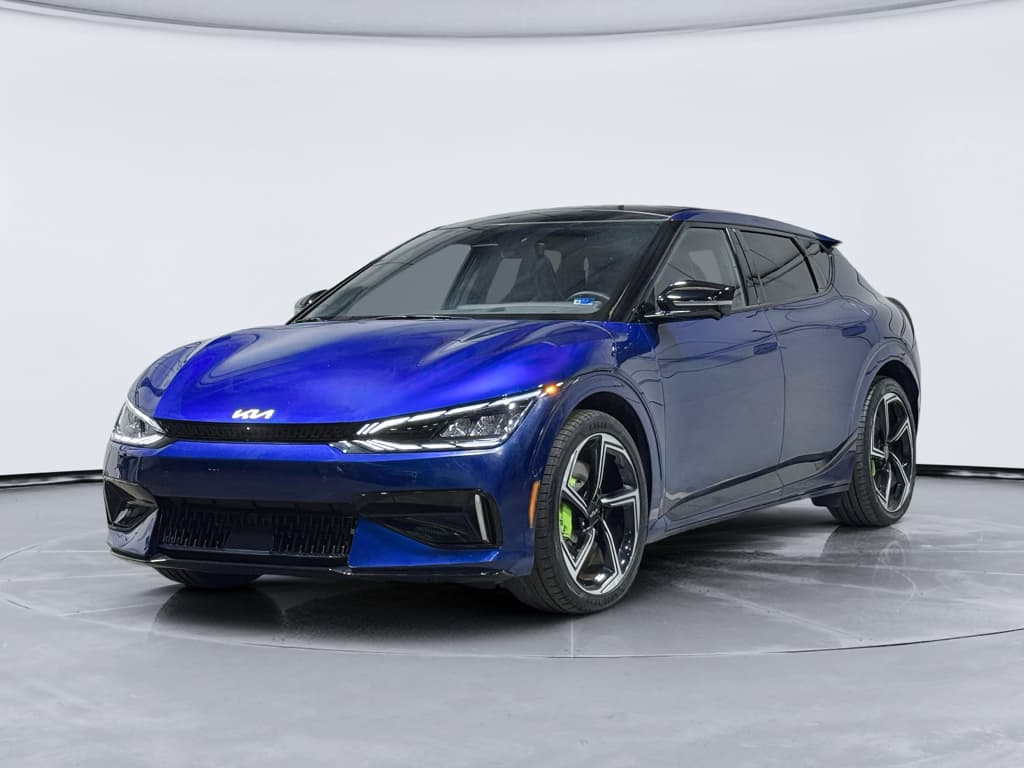
When you start pricing out Kia EV6 tire replacement cost, the numbers can be a surprise. Low‑rolling‑resistance, EV‑rated rubber on a 4,500‑pound crossover isn’t cheap, and the EV6’s instant torque can eat through tires faster than you’re used to with a gas SUV. The good news: once you understand the sizes, typical lifespans, and rotation schedule, you can budget confidently and avoid overpaying.
Quick answer
Kia EV6 tire replacement cost at a glance
Typical Kia EV6 tire & service costs
Those ranges assume mainstream all‑season EV‑rated tires on stock wheels, installed at a reputable shop or dealer. Ultra‑high‑performance summer tires or specialty sizes can push the bill higher; bargain off‑brand tires and DIY mounting can bring it down, at the cost of range, noise, or ride quality.
Budgeting rule of thumb
Kia EV6 tire sizes, types, and why they matter for cost
Tire size is the first big driver of cost. The EV6 comes with different wheel and tire packages depending on trim and market, but U.S. models generally fall into three buckets:
Common Kia EV6 wheel & tire setups (U.S.)
Always verify the exact size on your door jamb sticker or current tires, but this gives you a ballpark.
| EV6 configuration | Typical wheel size | Common tire size example | What it means for cost |
|---|---|---|---|
| Wind / Light RWD (many trims) | 19" alloy | 235/55R19 all‑season | Best mix of price, comfort and range; generally the least expensive to replace. |
| Wind / GT‑Line AWD (select trims) | 20" alloy | 255/45R20 all‑season or performance | Noticeably more expensive per tire; may wear faster if driven hard. |
| EV6 GT (performance) | 21" alloy | 255/40R21 performance summer | Highest replacement cost and shortest tread life; great grip, pricey to maintain. |
Larger wheels almost always mean more expensive tires and, often, shorter tread life.
Beyond size, the EV6 uses EV‑optimized tires: low‑rolling‑resistance compounds, reinforced sidewalls, and noise‑reduction features to cope with weight and torque. These design choices help efficiency and comfort, but they do nudge prices higher than the average crossover tire.
Check load and speed ratings
What Kia EV6 owners actually pay for new tires
Let’s translate all that into real numbers. Looking across dealer menus, national tire chains, and EV6 owner reports, here’s a realistic snapshot of Kia EV6 tire replacement cost in the U.S. as of 2025:
Realistic price bands for EV6 tire replacement (set of 4)
Approximate out‑the‑door pricing including tires, mounting, balancing, valve stems and disposal; tax is extra in many states.
| Tire tier | Example use case | Typical price range | What you give up / gain |
|---|---|---|---|
| Value all‑season (19") | Budget‑conscious commuter | $650–$900 | Lower upfront cost; may sacrifice some range, noise comfort, wet grip or tread life. |
| Mid‑range EV all‑season (19–20") | Most EV6 Wind / GT‑Line drivers | $900–$1,200 | Good balance of efficiency, grip and comfort; usually close to OEM performance. |
| Premium EV or performance (20–21") | GT‑Line AWD, EV6 GT, spirited driving | $1,200–$1,600+ | Best grip and feel; often higher noise and shorter life, especially on 21" wheels. |
Exact pricing varies by brand, promotions and region, but these bands fit what most EV6 owners report.
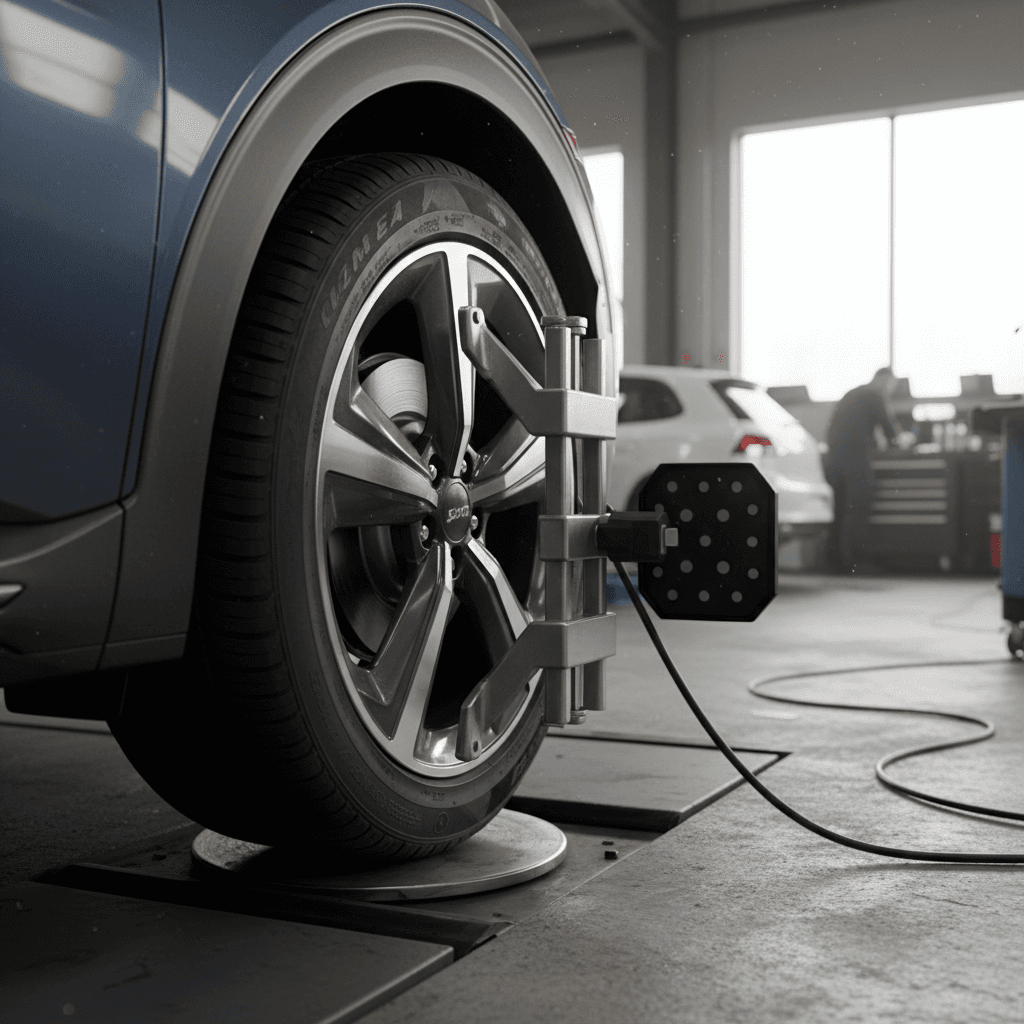
Those numbers assume you’re also doing a fresh four‑wheel alignment with the new tires. Skipping alignment to save $150–$250 can chew up your new set in a hurry if anything is even slightly out of spec.
Dealer service department
Pros:
- Correct EV6‑specific fitment and software checks while you’re there.
- Easy to roll into existing service visits and loaner cars.
- Sometimes bundled into Kia or dealer maintenance plans.
Cons:
- Usually on the higher end of the price spectrum.
- More aggressive upsell on add‑ons you might not need.
Independent tire shop or big box store
Pros:
- More brands and price points to choose from.
- Frequent rebates, tire warranties and road‑hazard coverage.
- Can be $100–$300 cheaper than dealer for the same tires.
Cons:
- Must be sure they’re comfortable working with EVs on a lift.
- May not stock your exact EV‑rated size without ordering ahead.
Where used EV6 buyers win
Ready to find your next EV?
Browse VehiclesHow long do Kia EV6 tires last in the real world?
On paper, some OEM EV6 tires carry treadwear warranties in the 40,000–65,000‑mile range. In practice, actual life is often shorter because EVs are heavier and deliver instant torque. From early EV6 owners and dealer data, a realistic expectation looks like this:
- Conservative highway driving with regular rotations: 40,000–50,000 miles is achievable on 19" all‑season tires.
- Mixed city/highway with occasional spirited acceleration: 30,000–40,000 miles is common.
- Aggressive driving, lots of torque off the line, or 20–21" performance tires: 20,000–30,000 miles isn’t unusual.
Don’t chase every published warranty mile
You’ll extend tire life, and maintain range and safety, by watching three things closely: rotation intervals, tire pressures, and alignment. All three are inexpensive compared with prematurely replacing a $1,000+ set of tires.
Rotation, balancing & alignment: small money that saves big
Kia and many U.S. dealers recommend rotating EV6 tires roughly every 7,500–8,000 miles or at least annually, whichever comes first. Some stores push for 5,000‑mile intervals simply because more visits equal more revenue, but 7,500 miles is a reasonable baseline for most owners if wear stays even.
Key tire services for your Kia EV6
Think of these as low‑cost insurance policies for a very expensive wear item.
Rotation
What it does: Moves each tire to a new position so they share the workload.
Typical EV6 cost: $40–$80 at many dealers and shops; sometimes free with tire purchase or maintenance plans.
When: Every 7,500–8,000 miles or annually.
Balancing
What it does: Corrects small weight differences in the wheel/tire assembly, reducing vibration.
Typical cost: $15–$30 per tire when done separately; often included when new tires are mounted.
When: With new tires or if you feel vibration through the steering wheel.
Four‑wheel alignment
What it does: Sets camber, caster and toe so all four wheels point straight and contact the road correctly.
Typical cost: $120–$250 depending on region and shop.
When: At new tire install, after pothole hits or curb impacts, or if you see uneven wear.
Smart rotation strategy
OEM vs aftermarket tires on an EV6
When the factory tires wear out, you face a choice: stick with OEM‑equivalent rubber or switch to a different brand or model. Each path has trade‑offs in cost, range, road noise and grip.
Staying close to OEM spec
- Predictable range and efficiency because the tire was selected with EV6 energy use in mind.
- Noise control and ride quality usually match what you’re used to.
- Often more expensive than mid‑pack alternatives, especially if buying through a dealer.
Choosing quality aftermarket options
- Potentially lower cost with similar or better performance.
- Option to prioritize tread life, snow grip or performance based on your climate and driving.
- Need to pay attention to rolling resistance; the wrong tire can shave real‑world range.
Be wary of rock‑bottom tires
Budgeting for winter and all‑terrain setups
If you live where winters are serious or you’re taking an EV6 into light off‑road duty, you might be looking at a second wheel‑and‑tire package. That changes the cost math, but not always in a bad way.
- A winter tire package on smaller 18"–19" wheels can actually be cheaper per tire than 20"–21" OEM sizes.
- Swapping to winter tires seasonally preserves your summer/all‑season set, so each set racks up miles more slowly.
- Buying a complete winter wheel package makes seasonal changeovers faster and reduces the risk of damage to the original rims.
In snow‑belt states, it can be reasonable to budget for two complete sets of tires over 6–8 years: one all‑season or summer set and one winter set. That sounds expensive, but each set lasts longer, and you’re safer in cold weather.
Used Kia EV6 buyers: tire questions you should ask
Looking at a pre‑owned EV6? Tires are one of the easiest ways to separate a cared‑for car from one that’s just been detailed for photos. A car that needs four tires soon might be hiding $1,000+ of immediate spend that isn’t obvious from the sticker price.
Tire checklist for used Kia EV6 shoppers
1. Check tread depth on all four corners
Use a simple tread gauge or the wear bars across the grooves. Anything under about 4/32" is close enough to budget for replacement soon, especially headed into a wet or snowy season.
2. Look for uneven wear patterns
Excessive wear on the inside or outside edges, cupping, or scalloping may point to alignment or suspension issues. That’s not just a tire bill; it’s a sign the car needs further inspection.
3. Confirm tire age from the DOT code
The last four digits of the DOT code on the sidewall tell you the <strong>week and year</strong> the tire was made. Rubber older than 6 years is due for replacement regardless of tread.
4. Compare tire brand and model to OEM spec
High‑quality replacements from reputable brands are fine, but cheap mismatched tires on a late‑model EV6 are a red flag about prior ownership priorities.
5. Ask for rotation and alignment records
Consistent rotation every 7,500–8,000 miles and an alignment at some point in the last set of tires suggest the previous owner was paying attention, good news for you.
6. Leverage third‑party reports
On Recharged, every used EV6 comes with a <strong>Recharged Score Report</strong> that documents tire condition and remaining tread, right alongside battery health and pricing data, so you’re not guessing at upcoming wear items.
Strategies to save money on EV6 tires without cutting corners
You can’t change the fact that an EV6 is heavy, powerful and runs expensive rubber, but you can control how often you buy tires and how much you pay for them. Here are practical ways to keep the bill in check:
Smart ways to control Kia EV6 tire costs
Cut the waste, not the safety margin.
Plan ahead
Once your EV6 passes 25,000–30,000 miles on its original tires, start shopping and watching prices. You’ll be ready to jump on rebates or holiday promos instead of buying in a panic after a blowout.
Match tire to your use
If you never track your EV6 or push it hard, you probably don’t need the most aggressive max‑performance tire. A quality touring or EV‑specific all‑season in the right size can save money and still feel great.
Drive like an EV veteran
Frequent full‑throttle launches feel fun but chew through front‑axle tires. Using Eco mode around town and being gentle off the line adds real miles to each set.
- Use loyalty programs and road‑hazard warranties from reputable shops, these can pay for themselves with a single nail repair or pro‑rated replacement.
- Keep tires inflated to the pressures specified on the door jamb, checked at least monthly and before road trips. Under‑inflation is a silent tire killer and costs you range.
- If you’re comparing used EV6s, mentally adjust prices for tire condition. A car with nearly new premium tires can be worth several hundred dollars more in real‑world value.
Where Recharged fits in
Kia EV6 tire replacement cost: FAQ
Frequently asked questions about Kia EV6 tires
Bottom line: what to budget for EV6 tires
If you own, or are about to own, a Kia EV6, it’s sensible to think of tires as one of the car’s big recurring costs alongside insurance and electricity. In today’s market, most drivers will spend $800–$1,400 every 30,000–40,000 miles on a new set, plus modest money for rotations and the occasional alignment. That’s significant, but it’s also predictable and manageable if you keep up with basic maintenance.
For new‑car buyers, that means folding tires into your long‑term cost of ownership. For used EV6 shoppers, it means reading the tires, and any inspection report, as closely as you read the window sticker. On Recharged, every used EV6 comes with a Recharged Score Report that lays out battery health, tire condition and pricing transparency up front, so you can spend your money on the right car instead of on surprise wear items three months later.