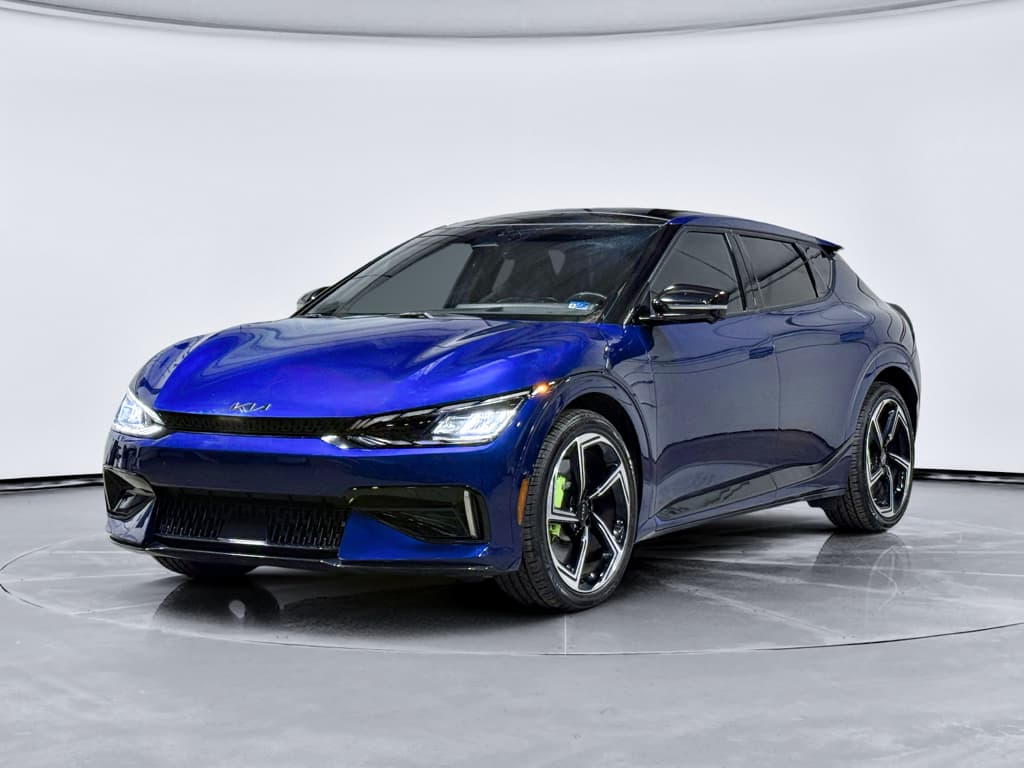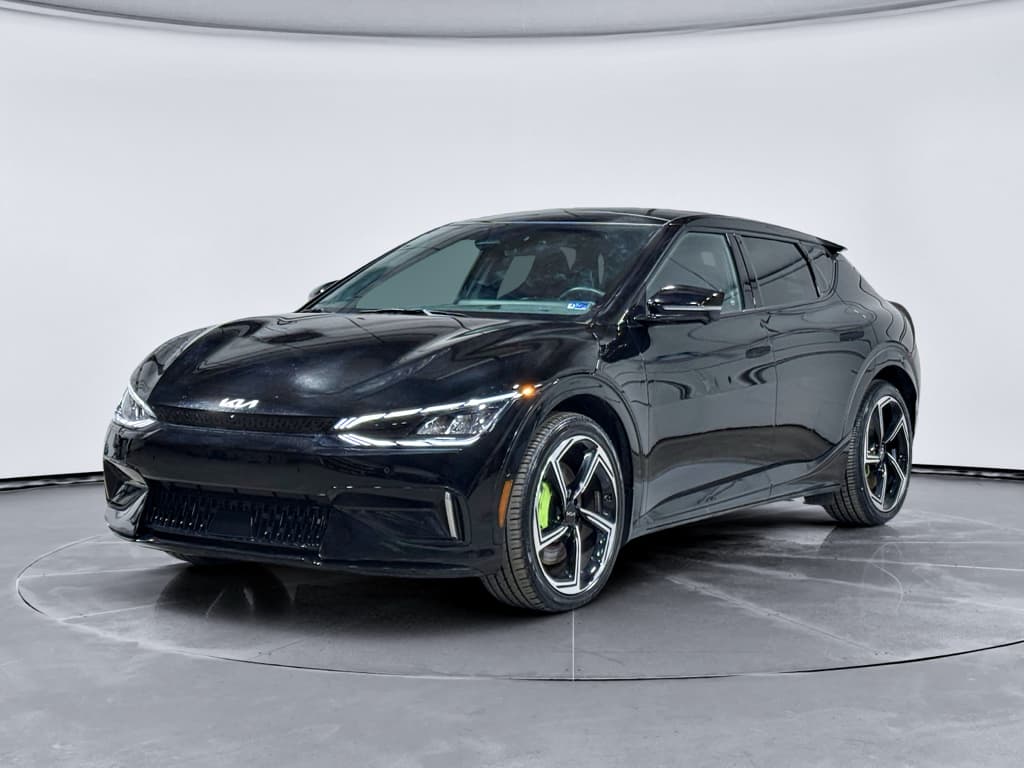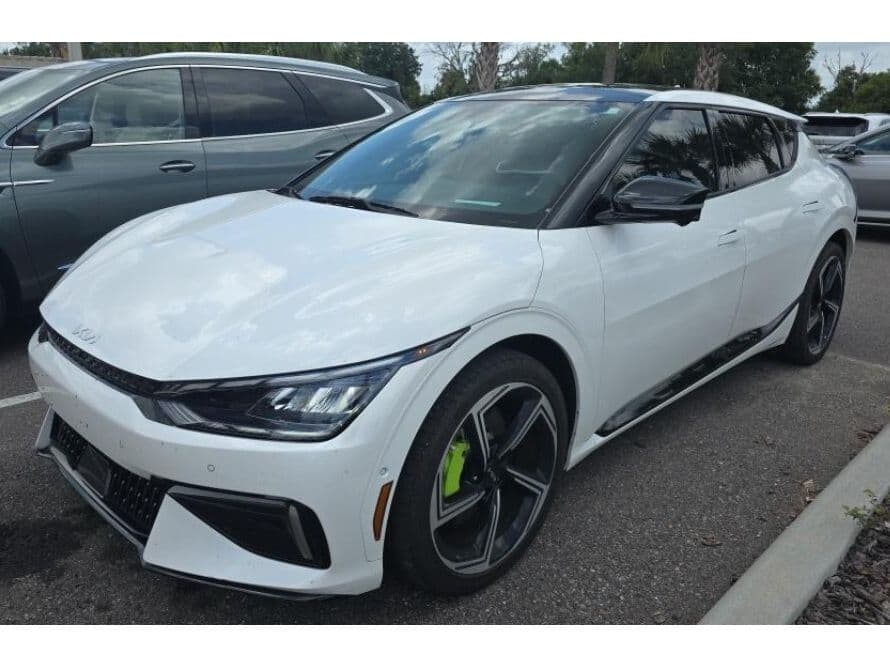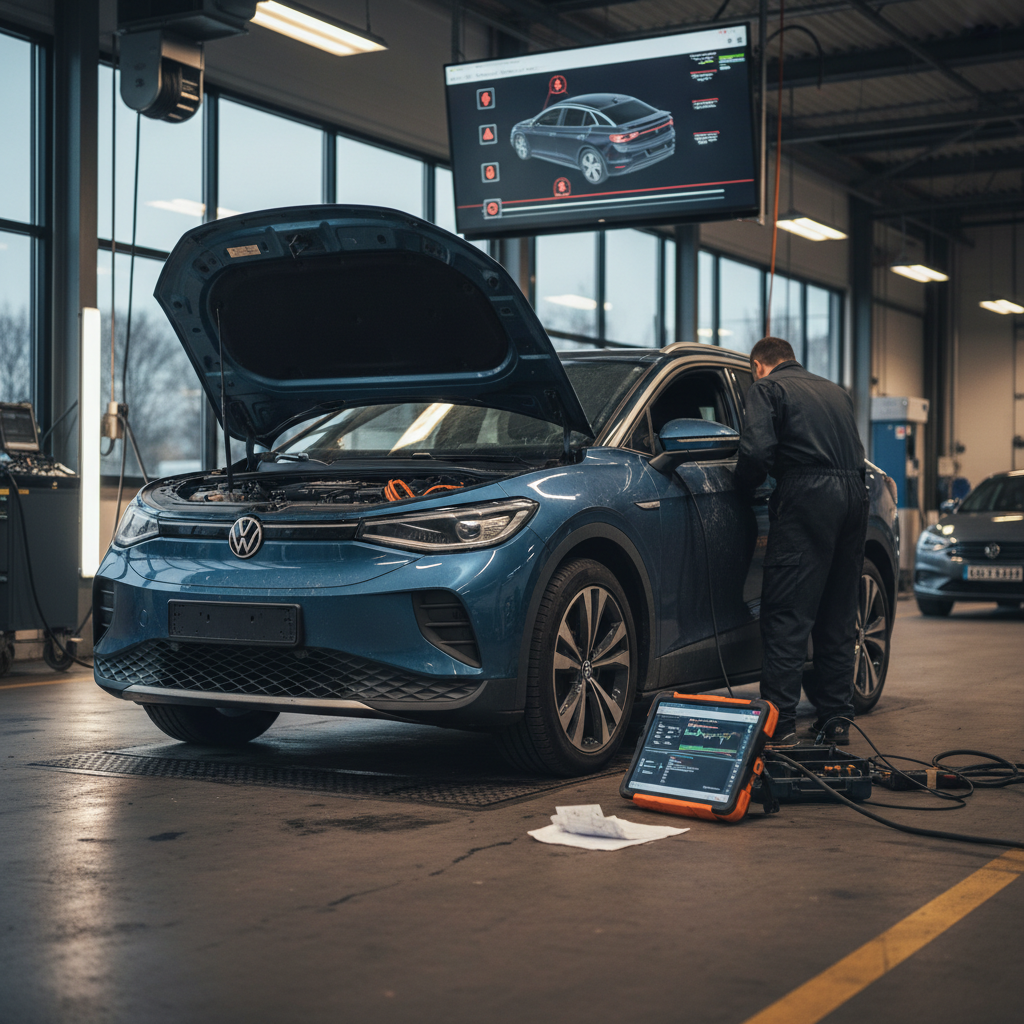
If you’re eyeing a Kia EV6, you’ve probably read the specs, watched the YouTube reviews, and maybe even taken a test drive. But living with an EV6 day in and day out, especially as your first EV, is very different from spending 20 minutes with a dealer demo. This guide pulls together the real “Kia EV6 things I wish I knew” before buying, so you can skip the surprises and enjoy the parts the brochures get right.
Who this guide is for
Why the Kia EV6 Is Worth Considering
What Kia nailed
- One of the fastest-charging EVs in its price range thanks to an 800V-class system.
- Distinctive styling that doesn’t look like every other crossover.
- Strong performance across most trims, especially the GT.
- Comfortable, quiet highway manners when you’re not on rough pavement.
Where reality bites
- Real-world range is noticeably below the EPA number at highway speeds or in winter.
- Fast charging depends heavily on battery temperature and charger quality.
- Interior ergonomics and touch controls take getting used to.
- Charging network reliability (especially DC fast) is still hit-or-miss in some areas.
1. The official range vs what you’ll actually see
On paper, the Kia EV6 can look like a 300‑mile car. Long Range RWD trims are EPA-rated around 310 miles, with AWD versions a bit lower. That’s in ideal test conditions. In the real world, most owners report something closer to 250–280 miles on mixed driving, and less if you’re running 70–80 mph on the highway.
Real-world EV6 range expectations
What many owners discover after a few months
City & suburban driving
Stop‑and‑go traffic actually helps EVs. In temperate weather, an EV6 Long Range can often deliver 3.3–3.8 mi/kWh, which roughly lines up with or slightly beats the EPA rating.
Highway at 70–75 mph
This is where expectations get reset. Continuous high speed and aero drag can pull efficiency down to 2.7–3.1 mi/kWh, shaving 40–60 miles off the theoretical range.
Cold weather driving
In freezing temps, it’s common to see another 15–30% drop in usable range because energy goes into heating the cabin and battery.
Owner-style planning rule
2. Ultra-fast charging is amazing, until conditions change
One of the big EV6 selling points is its ability to charge from about 10% to 80% in roughly 18 minutes on a 350 kW DC fast charger. That’s real, and it’s one of the EV6’s best tricks, but only when everything lines up: the charger, the battery temperature, and your state of charge.
How the EV6 actually fast-charges
Why you don’t always see that "18 minutes" in the real world
| Condition | What you’ll likely see | What owners wish they knew |
|---|---|---|
| Battery warm (after 20–30 minutes of driving) | Peak power around 220–240 kW, strong charging up to ~55–60% | Do a short drive before fast charging on trips; don’t go straight from a cold garage to a DC fast charger. |
| Battery cold (sat overnight in winter) | Power may start under 80 kW and ramp slowly | Expect much longer sessions in cold weather unless you precondition the battery. |
| Arriving above 40–50% | Charger hits 200+ kW briefly, then tapers | The closer you start to 50%, the less benefit you get from an ultra‑fast unit. |
| Using a 50–150 kW charger | Charge rate limited by the station, not the car | On a 50 kW unit, think in terms of an hour from 10–80%, not 20 minutes. |
Think of 350 kW as "up to" speed, not a guarantee every session.
Don’t chase 100% on DC fast chargers
3. Winter and weather hit the EV6 harder than you think
Like every EV, the EV6 loses range when the mercury drops, but many first‑time owners underestimate just how noticeable that can be. In serious cold, think below 20°F, seeing 20–30% less range than summer is entirely normal. Wind, wet roads, snow tires, and heater use all pile on.
How weather reshapes your EV6 range
Cold-weather EV6 survival tips
4. Heat pump, tires, and wheels matter more than brochures suggest
Brochures make the EV6 trims look like simple option steps. In reality, the combination of heat pump, wheel size, and tire type can dramatically change how the car behaves in your climate and on your commute.
EV6 spec choices that quietly change your experience
Small details that owners often wish they’d focused on
Heat pump (cold climates)
If you live where winters are real, the available heat pump is worth seeking out. It dramatically reduces the energy penalty for heating the cabin, especially below freezing.
19" vs 20"/21" wheels
Smaller 19" wheels with efficient tires can add tangible range and comfort. Larger wheels look great but usually cost you efficiency and ride quality.
All-season vs winter tires
Dedicated winter tires improve traction but cut efficiency. Many owners end up with two sets of wheels; factor that into cost and range expectations.
Used EV6 shopping tip
5. The EV6 is quick, but not all trims feel the same
Every EV6 feels responsive, thanks to instant torque. But there’s a big gap between the base rear‑drive models and the fire‑breathing GT. Many shoppers only experience one trim on a test drive and assume they all feel that way.
- Standard Range RWD: Adequately quick around town, fine for daily commuting, but not neck‑snapping.
- Long Range RWD: Smooth and strong, with a nice balance between performance and efficiency.
- Long Range AWD (Wind/GT-Line): Feels genuinely quick, especially in Sport mode, this is the sweet spot for most buyers.
- EV6 GT: Track-capable acceleration, but with lower range and firmer ride. Fantastic if you care about performance more than efficiency.
Test-drive more than one trim
6. Living with the interior, the good and the quirky
Photos make the EV6 interior look sleek and futuristic, and it largely is. But everyday details, physical controls, storage, visibility, are where many owners discover things they wish they’d known earlier.
What most owners like
- Comfortable seats on most trims, with good long‑distance support.
- An airy cabin with a low, sporty driving position.
- Plenty of rear‑seat space for adults compared with many compact crossovers.
- Useful front trunk ("frunk") storage for charging cables.
Common complaints
- Touch-sensitive climate/audio strip that toggles between functions can be confusing at first.
- Rear visibility is not great; you rely heavily on cameras and blind‑spot monitoring.
- Center console looks big and futuristic but eats into small‑item storage.
- No traditional volume and tuning knobs on some trims.
Sit in it like you already own it
7. Infotainment and driver assists: what owners love and hate
Kia’s infotainment isn’t the flashiest in the EV world, but it’s mature and mostly reliable. Apple CarPlay and Android Auto are standard (wired on many trims), and the digital gauge cluster is clear. The bigger story is the suite of driver-assistance features, which can be impressive when set up properly, and annoying when they’re not.
EV6 tech: expectations vs reality
Driver aids that can be heroes or headaches
Highway Driving Assist
Combines adaptive cruise and lane centering. On well-marked highways it takes the fatigue out of long drives, but you still need hands on the wheel and full attention.
Lane-keep & lane-follow
Helpful most of the time, but can feel intrusive on narrow or poorly marked roads. Many owners tweak sensitivity or turn it off on backroads.
Connected app & updates
The Kia app lets you preheat, check charge, and lock/unlock, but polling the car frequently can impact the 12V battery. Remote features also rely on cell coverage.
Take 5 minutes to customize settings
8. Charging-network realities beyond the spec sheet
Kia doesn’t run its own DC fast‑charging network, so your EV6 experience will depend heavily on third‑party providers like Electrify America, EVgo, and others. On a good day, you’ll plug into a 350 kW charger, see 200+ kW rates, and be back on the road in 20 minutes. On a bad day, you’ll find broken stations, throttled speeds, or long queues.
Checklist: make public charging less stressful
1. Get familiar with multiple apps
Install the major charging-network apps (Electrify America, EVgo, ChargePoint, etc.) before your first trip, and set up payment profiles so you’re not doing it in the rain at 11 p.m.
2. Favor sites with many stalls
A station with 6–8 DC fast chargers is more resilient to one or two broken units than a lonely single‑stall location off the highway.
3. Arrive low, leave around 70–80%
To maximize your time, start fast‑charge sessions between 10–30% and unplug around 70–80%, where the EV6 still charges quickly.
4. Have a backup plan
Always know at least one alternate station along your route. Apps like PlugShare can help you scout reliability and recent user check‑ins.
5. Charge at home when you can
For most owners, <strong>Level 2 home charging</strong> turns the EV6 into a "full tank" every morning and minimizes your reliance on public DC fast charging.
9. Battery warranty and degradation: what you should know
Kia has been aggressive with EV warranties in the U.S., and the EV6 benefits from that. The high‑voltage battery is covered for years and many miles, which is one reason the EV6 is so attractive as a used EV. Still, no battery is perfect, and how the car was charged and driven matters.
- Kia’s battery warranty typically covers 8 years / 100,000 miles (check the exact terms for the model year you’re considering).
- Light degradation is normal, single‑digit percentage loss over the first few years is common, especially if mostly charged at home.
- Frequent DC fast charging, especially to high states of charge, can accelerate wear over the long haul.
- Software updates can change how the car estimates range, so a sudden change in the display doesn’t always mean the battery suddenly got worse.
How Recharged helps on the battery question
Ready to find your next EV?
Browse Vehicles10. Two batteries, one of them can strand you
Here’s a surprise that catches a lot of new EV owners, including EV6 drivers: there are actually two separate batteries. The big high‑voltage pack drives the wheels, but there’s also a conventional 12‑volt battery that powers accessories, computers, and even the systems that allow charging to start.
If that 12V battery dies, your EV6 can appear "dead" even with plenty of charge in the main pack. You may not be able to start the car or even initiate charging. Using the Kia app repeatedly while the car sits, or leaving it parked for extended periods in very cold weather, can stress that smaller battery.
Old habits you shouldn’t break
11. No spare tire and what that means on a road trip
Like many modern EVs, the EV6 skips a traditional spare tire to save weight and make room for batteries and storage. You get a tire repair kit and roadside assistance instead. That’s fine for many punctures, but not for all of them.
Be ready for flats in an EV6
Carry a real inflator
The included kit is better than nothing, but a quality 12V or battery‑powered inflator gives you more flexibility and typically works faster.
Consider a compact spare
Some owners source a compact spare and jack kit that fit in the cargo area for long road trips, even if they don’t carry it every day.
Know your roadside coverage
Understand what Kia roadside assistance (and your insurance) will cover for tows, and store those numbers in your phone before you need them.
12. Used Kia EV6 buying checklist
If you’re considering a used EV6, you’re in a sweet spot: early depreciation has already happened, but the technology and styling still feel current. That said, you want to be even more careful than with a used gas car, because battery and charging history matter.
Key things to check on a used EV6
1. Battery health and DC fast‑charge history
Ask for any available battery-health data. With Recharged, you get a <strong>Recharged Score battery report</strong> that shows how the pack is aging, plus context on charging behavior.
2. Onboard charger and DC port condition
Plug into Level 2 and, if possible, a DC fast charger during your test drive. Make sure the car charges at expected speeds and that the port and cable latch feel solid.
3. Heat pump and cold‑weather features
Confirm whether the car has a heat pump, heated seats, and heated steering wheel, especially important in colder states.
4. Firmware and recalls
Ask a Kia dealer to confirm that <strong>software updates and recalls</strong> are current. Some updates improve charging behavior and driver-assistance tuning.
5. Tires, wheels, and alignment
Uneven tire wear can signal alignment issues. Oversized aftermarket wheels may look good but can hurt range and ride.
6. 12V battery age
Check the age of the 12V battery. If it’s several years old, budget for a replacement, it’s cheap insurance against annoying no‑start scenarios.
13. EV6 vs other used EVs: how it stacks up
If you’re browsing used EVs, you’re probably also looking at Tesla Model Y, Hyundai Ioniq 5, Ford Mustang Mach‑E, or maybe a Volkswagen ID.4. Each has strengths, but the EV6 carves out a very specific niche.
Where the EV6 shines in the used market
Versus other popular electric crossovers
Faster DC charging than most
Against similarly priced rivals, the EV6’s 800V-class architecture makes it one of the quickest to recharge, especially vs. Mach‑E and ID.4.
Sportier driving feel
Lower, more planted stance than many crossovers, with handling that feels closer to a sporty hatchback than a tall SUV.
Strong warranty & value
Kia’s warranty and early depreciation can make a used EV6 a strong value play, particularly when paired with verified battery health from a trusted seller.
How Recharged fits into the picture
14. Cost of ownership, where you save and where you don’t
Compared with a similar gas crossover, an EV6 will usually save you meaningful money on fuel and often on maintenance, but insurance and tires can be higher than you expect. Total cost of ownership depends heavily on how and where you charge.
Typical savings
- Electricity vs gas: Home Level 2 charging, especially with off‑peak rates or solar, can cut your "fuel" cost dramatically compared to filling a gas tank.
- Maintenance: No oil changes, fewer fluids, and less brake wear thanks to regenerative braking.
- Incentives: Depending on timing and location, used EVs may qualify for state or utility incentives that ease the purchase price.
Potential surprises
- Insurance: Some owners see higher premiums on EVs; it varies by insurer and region.
- Tires: EVs are heavy and torquey; expect to budget for quality tires and more frequent replacement than a light compact car.
- Public fast charging: Per‑kWh or per‑minute DC fast charging can be expensive compared with home charging; road‑trip energy can cost similar to or more than efficient gas cars.
Run the numbers for your situation
15. Should you buy a Kia EV6? Key takeaways
- The EV6 is a compelling used EV if you value fast charging, sporty driving, and distinctive styling.
- Real-world range is solid but not magical. Plan around 200–250 miles per leg on trips, less in winter.
- Spec choices matter: heat pump, wheel size, and tire choice can change your experience more than you’d expect.
- Charging networks are improving but still inconsistent; home Level 2 charging remains the key to stress‑free ownership.
- Battery health, 12V battery condition, and software updates are must‑check items on used examples.
If those trade‑offs make sense for you, a Kia EV6, especially a well‑vetted used one, can be a smart, enjoyable way into EV ownership. And if you’d like expert help comparing individual EV6 listings, understanding battery reports, or lining up financing and trade‑in options, Recharged is built to make the entire used‑EV process simpler and more transparent.