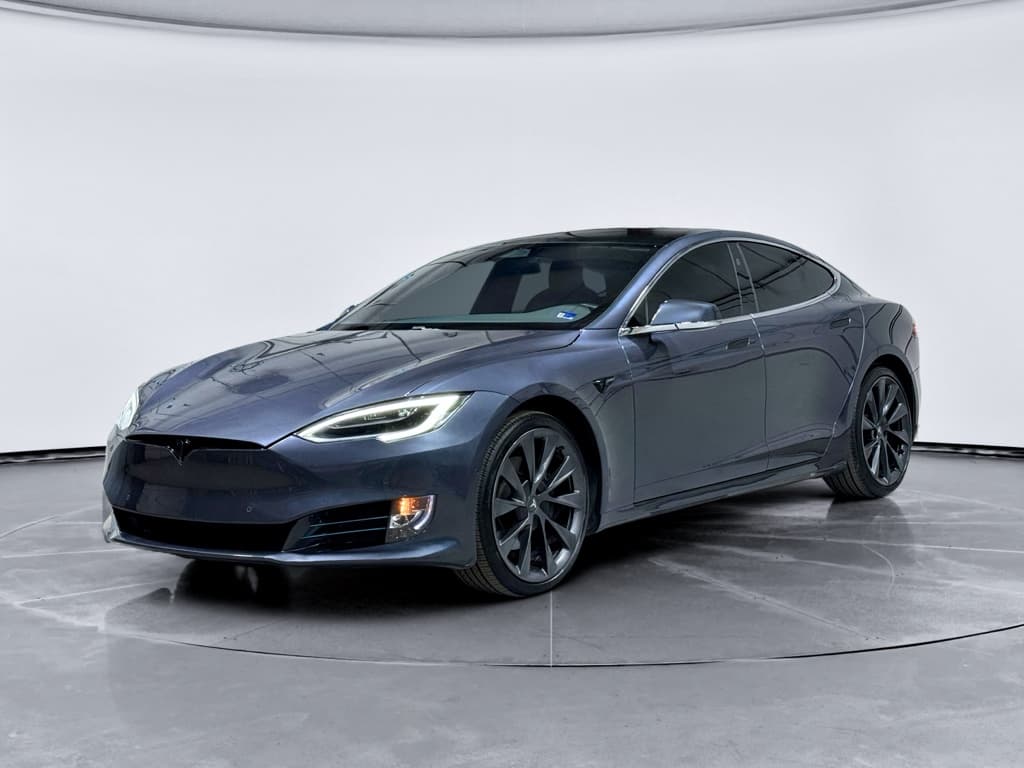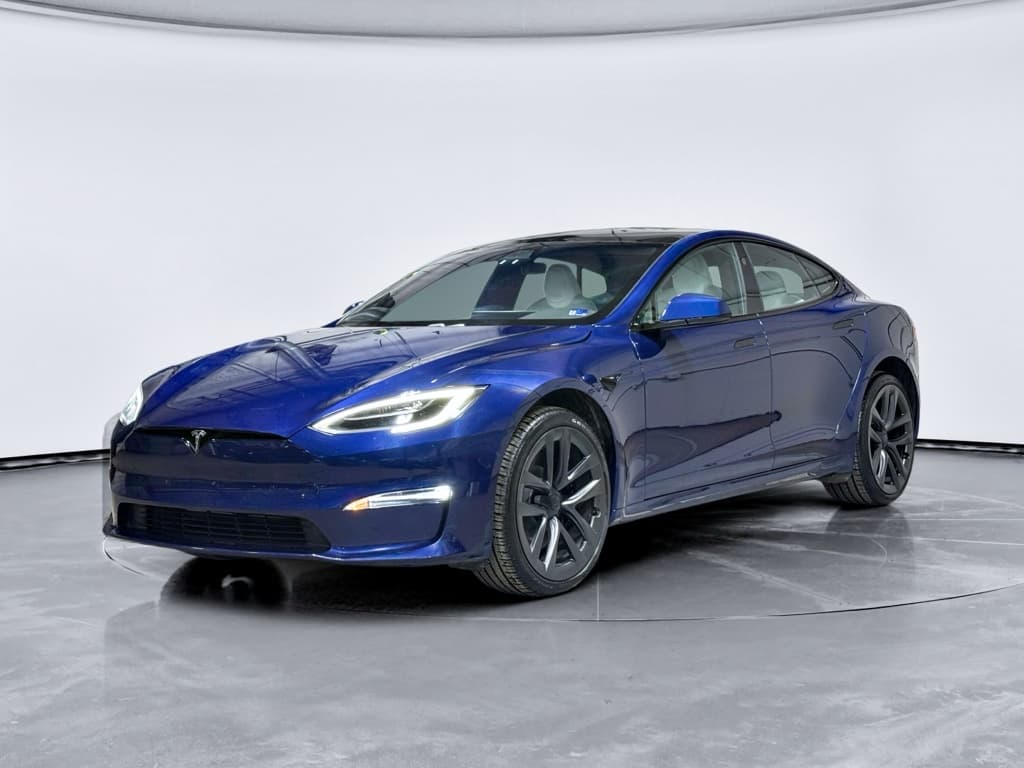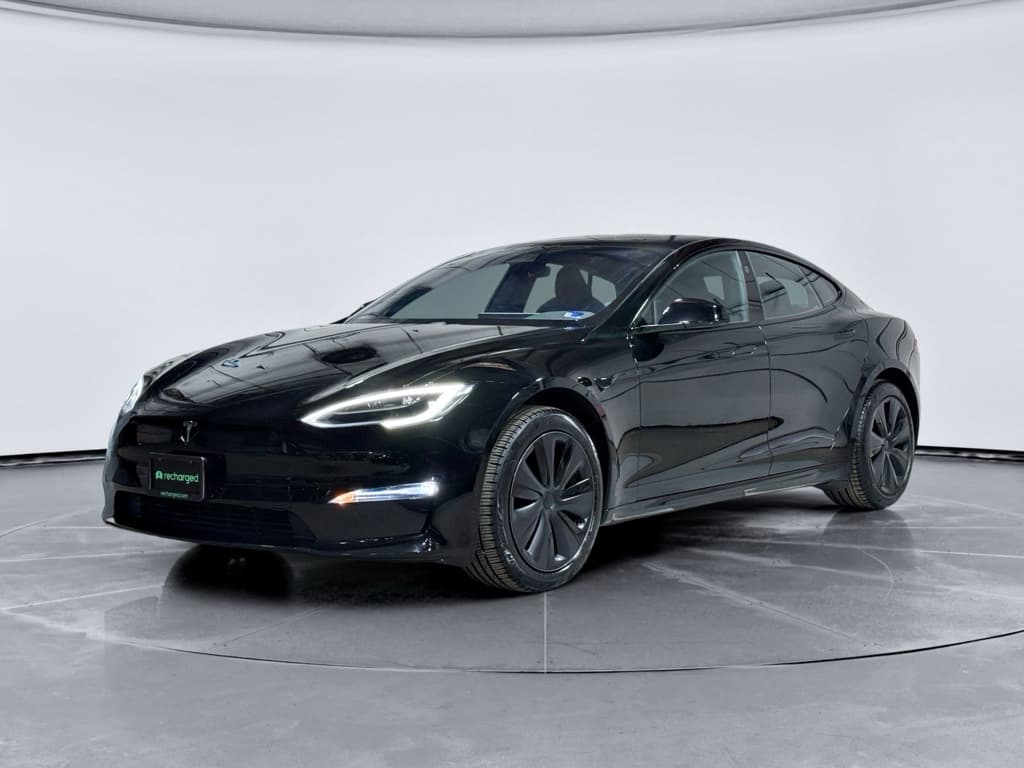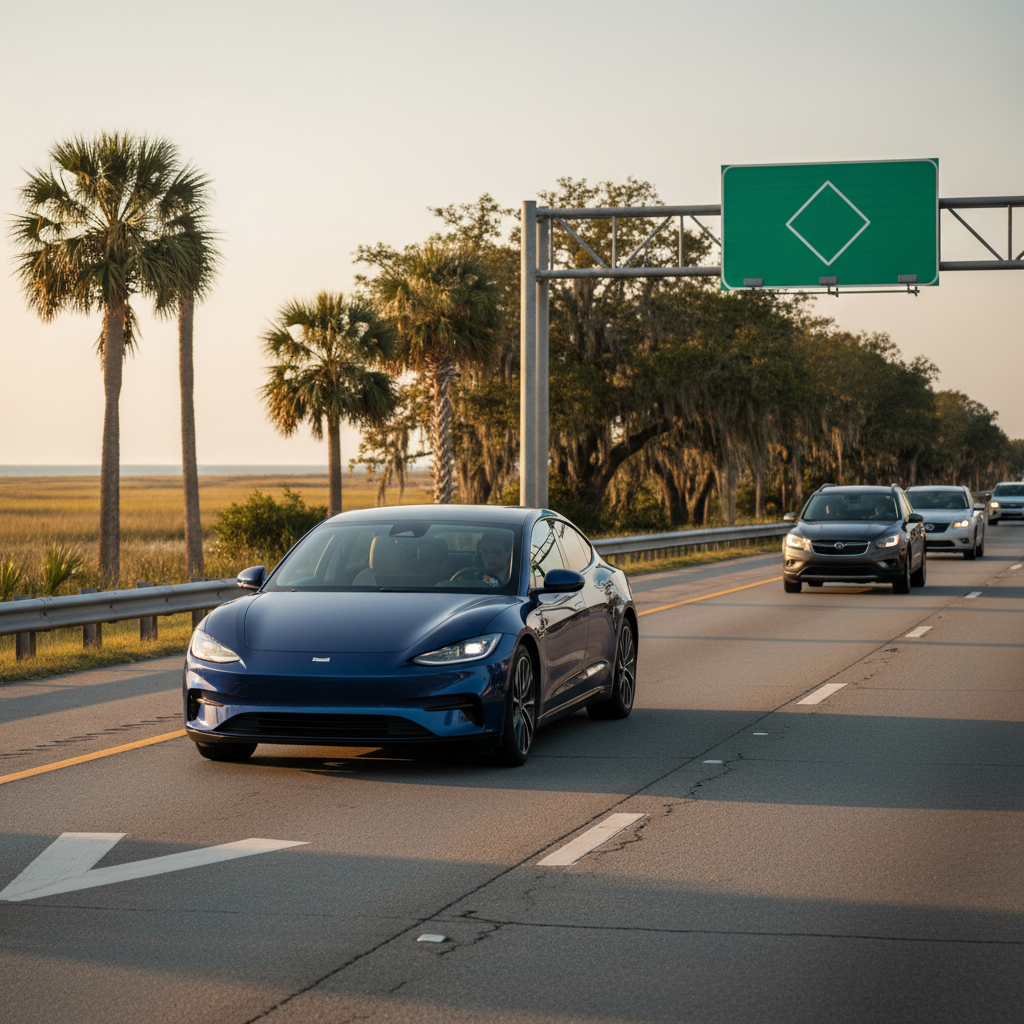
If you’re shopping the used market, the **2016 Tesla Model S** hits a sweet spot: modern range and performance at a fraction of its original MSRP. But it’s also a decade old now, and reliability can make or break the deal. This guide walks you through how reliable the 2016 Model S really is, the issues that tend to crop up, and how to evaluate a specific car before you buy.
Big picture on 2016 Model S reliability
Is the 2016 Tesla Model S reliable? Overview for used buyers
2016 Model S reliability at a glance
From a reliability standpoint, the 2016 Model S lands in the “**mechanically solid but electronics-prone**” camp. Period surveys moved the Model S up to an **average** reliability rating by 2016, a big improvement over its early years, even as the Tesla brand as a whole still scored below many mainstream automakers. At the same time, long‑term owners report a pattern: the battery and motors tend to hold up well, but you should budget for at least a few repairs related to electronics and suspension over a 10‑year life.
That mix makes the 2016 Model S a compelling used buy **if you go in with eyes open**, pick the right car, and leave room in your budget for non‑routine work. The rest of this guide breaks down how to do exactly that.
Where the 2016 Model S shines on reliability
Core reliability strengths of the 2016 Model S
Why so many owners keep these cars well past 100,000 miles
Battery durability
Drive unit robustness
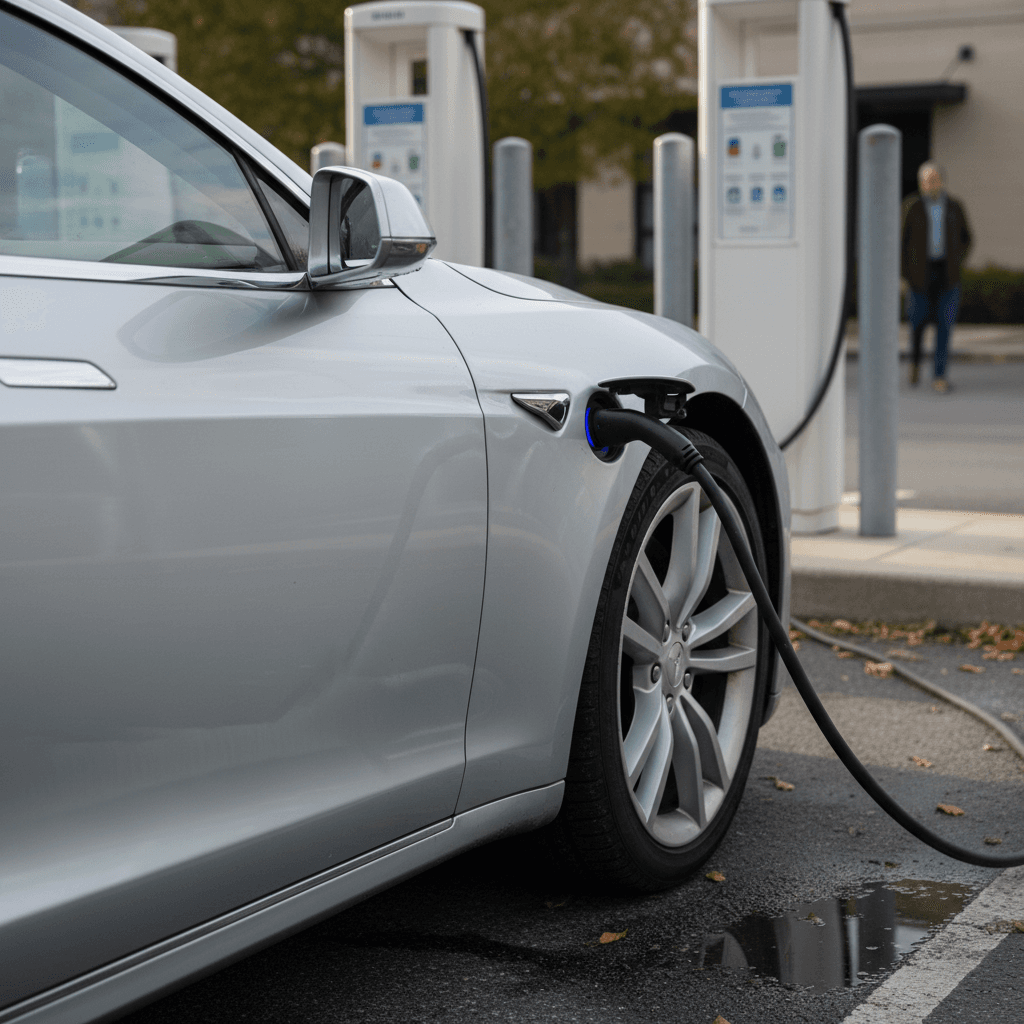
Charging & thermal systems
Compared with many luxury sedans of the same era, the 2016 Model S holds up well on the **stuff that actually keeps you moving**. Owners routinely cross 150,000–200,000 miles on the original battery and motors, and you’ll find examples with far more mileage still in daily service. That’s one reason you see high owner‑satisfaction scores even as people grumble about door handles or squeaky suspensions.
Good news for high‑milers
Common 2016 Tesla Model S problems to know about
No used car is perfect, and a 2016 Tesla Model S is no exception. The key is understanding **which issues are annoyances, which are expensive, and which are safety‑critical**. Here are the trouble spots we see most often discussed by owners and shops.
Most common 2016 Model S reliability trouble spots
MCU screen failures and lag
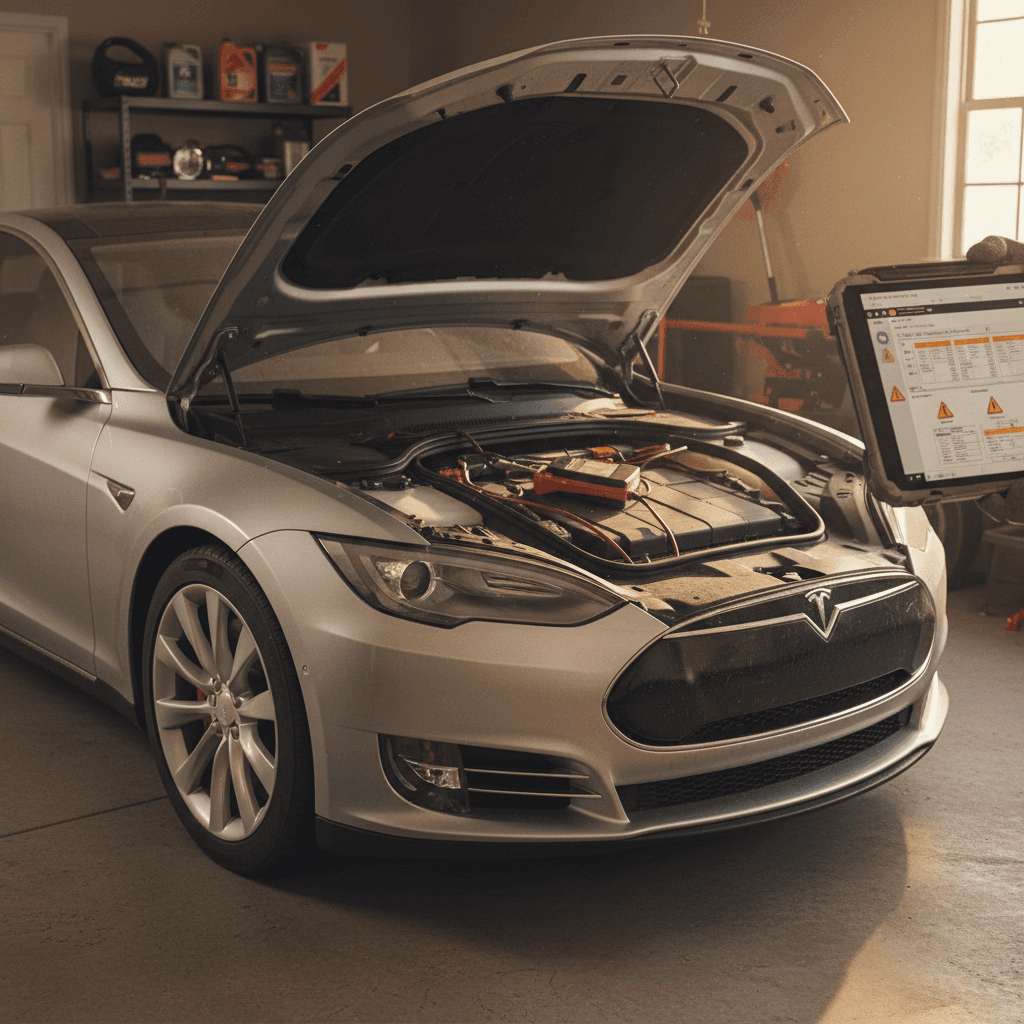
Early Model S cars used an MCU (Media Control Unit) with eMMC memory that can wear out. Symptoms include a slow or freezing touchscreen, random reboots, loss of backup camera, or a completely black screen. Tesla later upgraded many cars, but some 2016s still need or have had MCU replacement.
Door handle failures (2014–2016)
The flush, motorized door handles can stop presenting, get stuck, or fail to open the door. A 2026 class‑action lawsuit specifically targets 2014–2016 Model S handles, arguing they often fail after just a few years and can become a safety risk if doors can’t be opened normally in an emergency.
Front suspension links and bushings
Owners and safety complaints highlight failures and excessive wear in front fore‑links, ball joints, and control‑arm bushings. Symptoms include clunks over bumps, vague steering, or, rarely but seriously, suspension collapse. Tesla has revised parts over time, but 2016 cars may still be on original components if they haven’t been refreshed.
Air suspension faults (if equipped)
Cars with Smart Air Suspension can develop leaks or sensor faults, causing the car to sit too low, throw suspension warnings, or change ride height unexpectedly. Repair costs range from relatively minor sensor replacement to multi‑thousand‑dollar air‑strut or compressor work.
Headlight DRL strip burnout
Many 2016–2020 Model S owners report daytime running light (DRL) LED strips burning out well before you’d expect a modern LED to fail. Often the only fix is replacing the entire headlamp assembly, which isn’t cheap out of warranty.
Electronics issues can be safety issues
Battery and drive unit longevity on a 2016 Model S
When shoppers ask about **2016 Tesla Model S reliability**, what they usually mean is, “Will the battery and motors hold up?” The encouraging answer: in typical use, they generally do. Tesla warranties the Model S battery and drive unit for **8 years or 150,000 miles with a minimum 70% capacity retention promise**, and many real‑world cars outperform that baseline.
- Owner‑reported degradation often lands around 1–2% of capacity per year under normal use, so a 10‑year‑old car might reasonably be down 10–20% from new.
- Cars that were fast‑charged constantly or lived in extremely hot climates can show more aggressive degradation, while highway‑driven, garage‑kept examples can look remarkably healthy.
- High‑mileage anecdotes of Model S cars crossing 300,000 miles or more on the original battery pack and drive units are increasingly common, provided they’ve been maintained and updated.
How to quickly gauge battery health on a test drive
Recharged adds another layer here. Every car on our marketplace comes with a **Recharged Score Report**, including independently verified battery health data. That saves you from guesswork and gives you concrete numbers, not just anecdotal impressions.
What’s still under warranty on a 2016 Model S in 2026?
Because the **2016 model year cars are now about 10 years old**, most factory coverage is in the rearview mirror. But it’s worth understanding exactly what might still apply depending on build date and mileage.
Typical warranty status for a 2016 Model S in 2026
Always confirm coverage with Tesla using the vehicle’s VIN and in‑app records.
| Coverage type | Original term | Status for most 2016 cars in 2026 | What it means for you |
|---|---|---|---|
| Basic limited warranty | 4 years / 50,000 miles | Expired | You’re on your own for electronics, suspension, and most repairs unless a third‑party warranty applies. |
| Battery & drive unit | 8 years / 150,000 miles, 70% capacity minimum | Expired on most, but check low‑mileage late‑2016 cars | If you’re under both 8 years and 150,000 miles, Tesla may still cover serious battery or drive‑unit issues. |
| Corrosion / restraint systems | Varies by component | Mostly expired | Rust‑through or airbag‑related coverage rarely applies at this age; verify on a case‑by‑case basis. |
Many 2016 cars have outlived their basic warranty but may still have coverage on select components if mileage is low and in‑service date was late in 2016.
Extended service agreements and third‑party warranties exist, but they’re **not common** on older Teslas and often don’t transfer. Assume any 2016 Model S you see for sale is effectively out of factory warranty unless you can document otherwise.
Don’t assume Tesla will "goodwill" your repair
Repair costs: what typically fails and when
One of the hardest parts of evaluating **2016 Tesla Model S reliability** is understanding the **financial** side of common problems. Here’s a ballpark look at what you might encounter. Exact pricing varies by region, labor rates, and whether you use Tesla Service or an independent EV specialist.
Typical out‑of‑warranty repair cost ranges
Rough estimates for common 2016 Model S issues
Electronics & controls
- MCU replacement or upgrade: Often in the low‑to‑mid four‑figure range at Tesla Service; independent EV shops may be somewhat less.
- Door handle rebuild or replacement: Can run several hundred dollars per handle depending on whether parts are repaired or fully replaced.
- Headlight DRL failure: Replacement headlamp assemblies are not cheap; expect four‑figure pricing per side when sourced new.
Suspension & air system
- Fore‑links / control arms / ball joints: A few hundred to over a thousand dollars depending on how many components are replaced at once.
- Air suspension strut or compressor: If your car has Smart Air Suspension, individual component failures can reach into the low four figures.
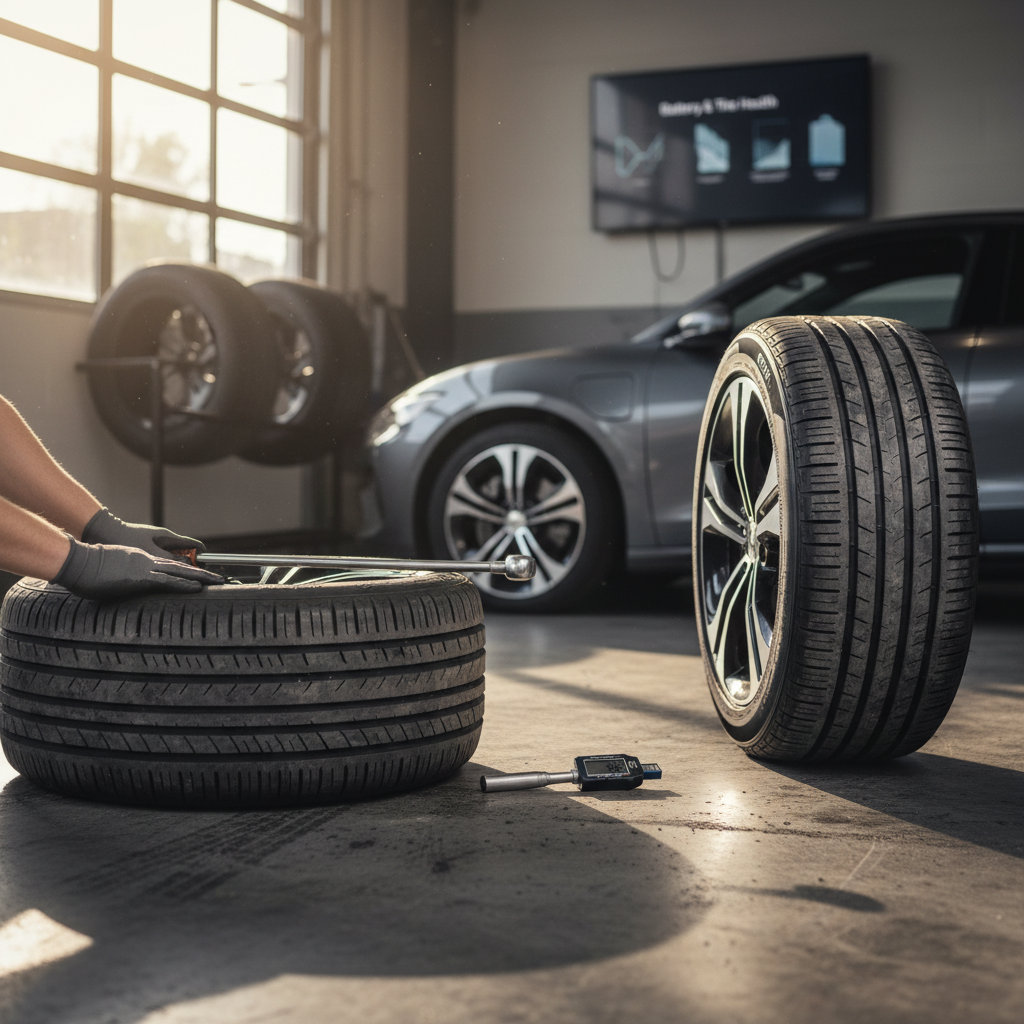
- Alignment & tire wear: Aggressive rear camber can chew through rear tires; a proper alignment and sometimes shims can improve tire life.
How to budget realistically
How to check the reliability of a specific 2016 Model S
Reliability stats are helpful, but what really matters is the **individual car** you’re thinking about buying. Two 2016 Model S sedans built the same week can have very different stories depending on climate, mileage, charging habits, and repair history.
Used 2016 Model S reliability inspection checklist
1. Pull Tesla service history and recalls
Ask the seller to show service invoices in the Tesla app or account, and confirm any open recalls have been completed. Pay close attention to repairs involving the MCU, door handles, suspension, and battery/drive unit.
2. Inspect the touchscreen behavior
On your test drive, use the screen heavily: adjust climate, switch apps, use navigation, and change settings. Watch for lag, freezes, or reboots. A one‑time hiccup isn’t fatal; repeated black screens are a red flag.
3. Test every door handle and window
Walk around the car multiple times locking and unlocking it. Each handle should present smoothly and open the door without hesitation. Sticky, intermittent, or dead handles are a sign of past or future repairs.
4. Listen for suspension clunks
Drive over speed bumps and rough pavement at low and moderate speeds. Clunks, rattles, or steering‑wheel vibration can indicate worn links, bushings, or air‑suspension problems that may soon require attention.
5. Check battery health and charging behavior
Look at projected range at a high state of charge and confirm the car charges normally on both Level 2 and, if possible, a Supercharger. Sudden drops in state of charge or charging errors merit deeper investigation.
6. Get a third‑party EV inspection or Recharged Score
Because so much of this car’s value is tied up in software and the battery, a specialized inspection is worth every penny. Recharged vehicles include a **Recharged Score Report** with lab‑grade battery diagnostics, so you know what you’re buying before you sign.
Buying from a private seller
- Lower prices are possible, but you’re relying on whatever documentation the owner has saved.
- You’ll need to arrange your own EV‑savvy inspection and battery health check.
- Negotiating over MCU, suspension, or door‑handle issues can be tricky if you don’t know true repair costs.
Buying through Recharged
- Each vehicle includes a Recharged Score Report with verified battery health and pricing benchmarks.
- Our team flags known Model S trouble spots so surprises are less likely down the road.
- Financing, trade‑in, and nationwide delivery make it easier to focus on the right car, not the logistics.
2016 Model S reliability vs newer Teslas
By 2016, Tesla had already iterated on the Model S several times, and they’ve continued refining hardware and software ever since. That means a **2018–2020 Model S or a newer Model 3/Y** will generally have better reliability scores on paper, especially around electronics and build quality. But those cars also command higher prices.
2016 Model S vs newer Teslas: reliability trade‑offs
How an older flagship compares to newer models
Electronics & infotainment
Battery & charging
Cost vs risk
For many shoppers, the right 2016 Model S offers flagship‑car performance at used‑Camry money, if you treat reliability as a research project, not a roll of the dice.
Who a 2016 Model S fits, and who should skip it
A decade‑old luxury EV isn’t the right fit for every driver. Before you fall in love with a specific 2016 Model S, think through your own risk tolerance, driving patterns, and budget.
- You’re a good fit if you can handle some unpredictability in exchange for performance, tech, and long‑distance range at a used‑car price.
- You have cash set aside (or room in your budget) for an unexpected four‑figure repair without derailing your finances.
- You appreciate tech and are comfortable with over‑the‑air updates, app‑based service, and the occasional software quirk.
- You live reasonably close to a Tesla Service Center or a trusted independent EV specialist.
When a 2016 Model S may not be the right move
Handled thoughtfully, a **2016 Tesla Model S** can be a deeply satisfying, surprisingly durable daily driver. The key is to treat reliability as part of the buying equation: understand common issues, verify battery and drive‑unit health, review service history carefully, and price in the risk of electronics and suspension repairs. Do that, and you’re far more likely to end up with the Model S owners keep recommending years later.