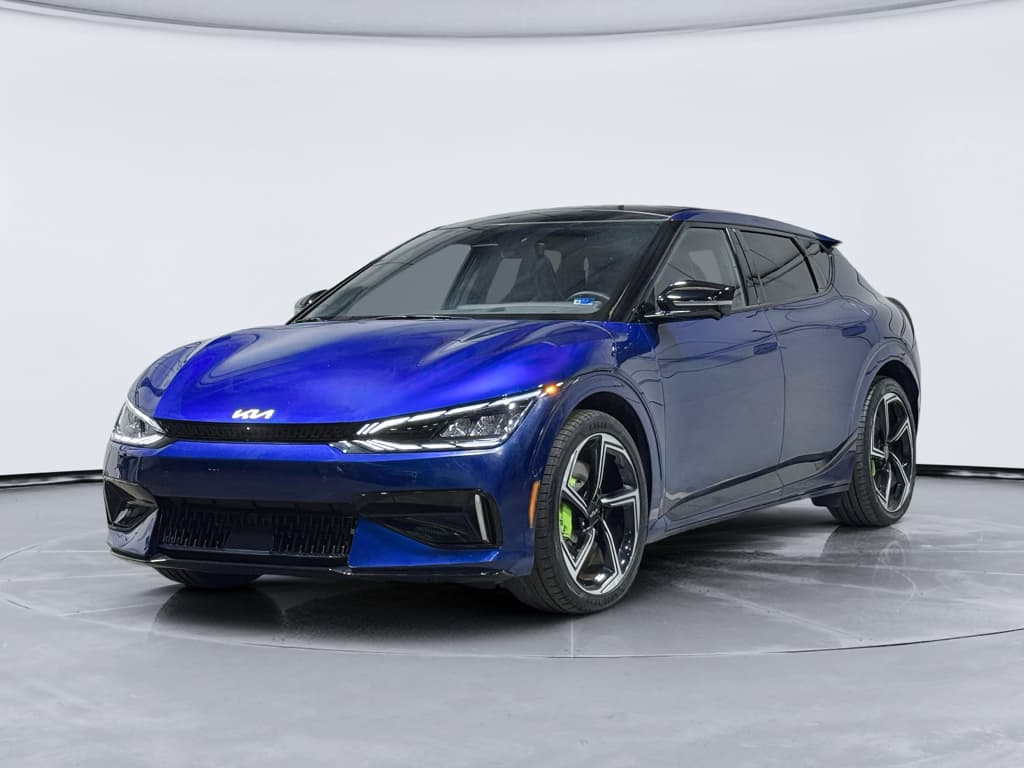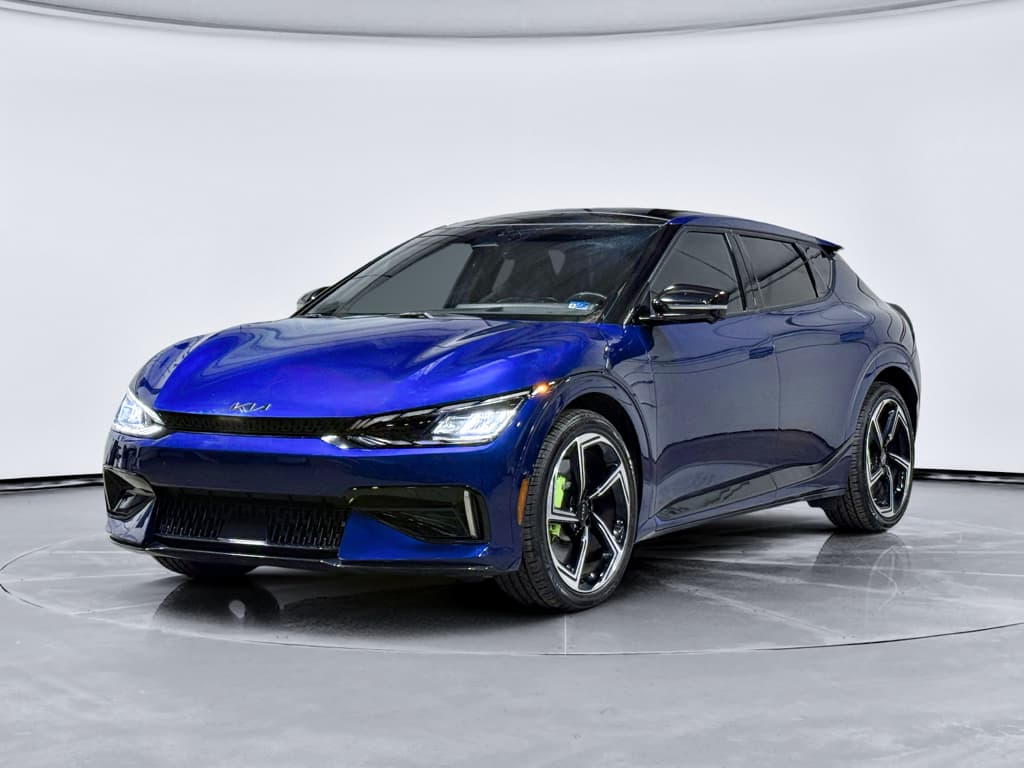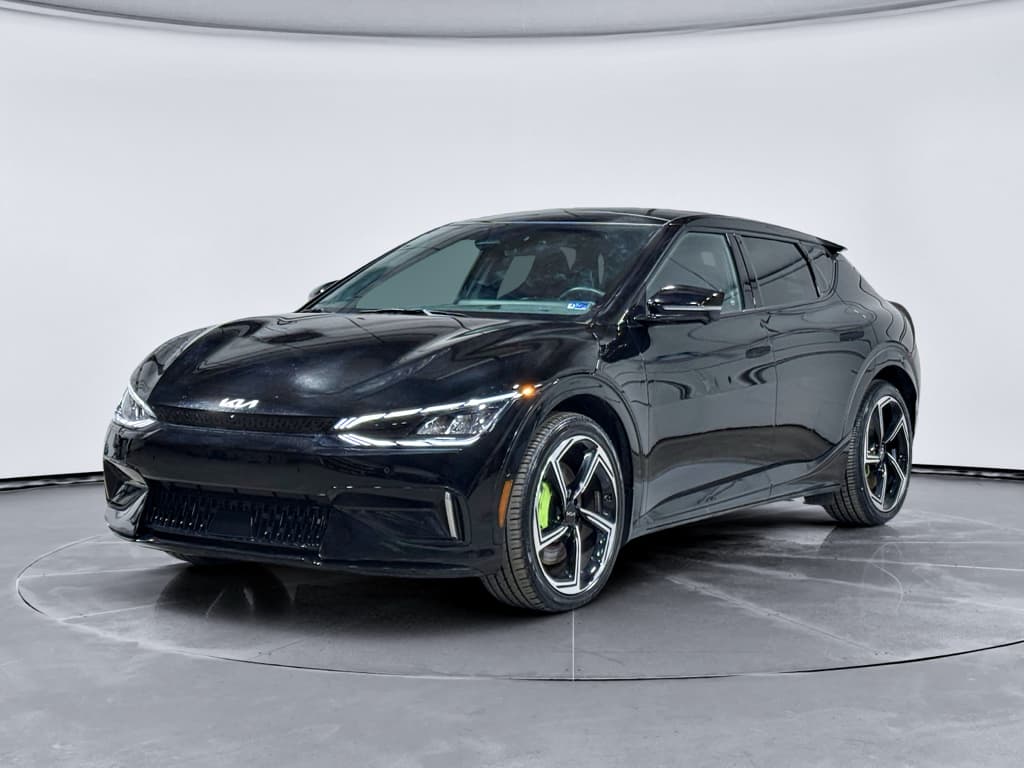
If you’re trying to decode Kia EV6 resale value in 2026, you’re not imagining things: prices are all over the map. You’ll see nearly-new EV6s advertised for half of their original sticker, while clean early cars hold surprisingly strong in the mid‑$20,000s. This guide pulls together what’s really happening with Kia EV6 resale value in 2026, how depreciation is trending, and what you can do to protect your EV’s value when it’s time to sell.
Snapshot: how the EV6 is holding up
Why Kia EV6 resale value looks “weird” in 2026
Scroll any used‑car site in 2026 and you’ll see the story in real time: low‑mile 2023–2024 Kia EV6s listed thousands below their original MSRP, alongside slightly older cars that don’t seem that much cheaper. A few forces collided between 2023 and late 2025 to distort EV6 resale values, and you feel all of them now when you go to buy or sell.
- New‑car incentives and lease cash on the EV6 swung wildly, pushing used prices down to compete.
- The federal EV tax credit disappeared, came back in different forms, then was often baked into leases instead of purchase deals.
- A wave of 2‑ and 3‑year off‑lease EV6s hit the market just as automakers were cutting new EV prices.
- Broader EV jitters (charging access, technology changes, interest rates) made many buyers more cautious about paying top dollar for used EVs.
The result: steep early depreciation for many 2022–2024 EV6s, followed by a period of relative stability. That’s great if you’re shopping for a used Kia EV6 in 2026. If you already own one, it means the worst of the hit may be behind you, as long as you manage mileage, condition, and battery health.
Kia EV6 value at a glance (typical 2025–2026 ranges)
Quick look: typical Kia EV6 values in 2025–2026
Every EV6 is different, but by early 2026 some patterns have emerged in real‑world asking and transaction prices. Think of the numbers below as ballpark guides for well‑kept, clean‑title U.S. vehicles with average miles for their age. High mileage, accidents, or rough cosmetics will pull you down from these ranges; rare colors, low miles, or perfect history can nudge you above them.
Approximate Kia EV6 private‑party price ranges (U.S., early 2026)
Typical prices you’ll see advertised for EV6 models in good condition. Exact value depends on trim, options, region, and mileage.
| Model year | Typical mileage | Most common price band | Notes |
|---|---|---|---|
| 2025 (lightly used) | 5,000–15,000 mi | $34,000–$42,000 | Often ex‑loaners or short leases; big savings vs new, but still near the top of the market. |
| 2024 | 10,000–25,000 mi | $30,000–$38,000 | Where many shoppers land, big discount off MSRP, still deep in warranty. |
| 2023 | 20,000–40,000 mi | $26,000–$34,000 | The heart of the value curve: plenty of selection, noticeable price spread by trim. |
| 2022 (first model year) | 30,000–60,000 mi | $23,000–$30,000 | Older cars with higher miles cluster here; clean, low‑mile examples can push higher. |
| 2021 (outside U.S.) | Varies | Market‑dependent | For readers in other regions where earlier EV6s were sold, values vary by local incentives and supply. |
Use these as starting points; your actual value will track more closely to condition, miles, and current local demand.
Don’t price from the highest asking numbers
How the Kia EV6 depreciates from years 1–10
Depreciation is just a fancy way of saying “how fast your EV6 turns from a new‑car smell into a used‑car bargain.” For the EV6, the curve is front‑loaded: the first few years do most of the damage, then the line bends and flattens.
- Year 1–2: The “ouch” years. Big discounts on new EV6s, plus tax‑credit musical chairs, pushed down used values quickly. It’s common to see 20–30% off MSRP in the first 18–24 months.
- Year 3: The first wave of off‑lease cars hits, and the EV6 often sits around 45–60% of original MSRP. That’s why so many 2023s look like strong buys in 2026.
- Year 4–5: Depreciation slows. The EV6’s long battery warranty and solid reliability reputation help it settle into the low‑ to mid‑$20,000s (for earlier years) and upper $20,000s to low $30,000s for newer years.
- Year 6–10: Miles matter more than the calendar. A well‑maintained EV6 with documented battery health can keep a healthy chunk of value, especially if charging networks keep improving and replacement batteries stay rare.
Why leases matter to resale value
Factors that move your EV6’s price up or down
The biggest levers on Kia EV6 resale value
Some you can control, some you can’t, but knowing which is which helps.
Mileage and usage
Like any vehicle, a Kia EV6 with 20,000 miles is worth more than one with 70,000. EV buyers in 2026 are still a little skittish about high‑mile batteries, so big odometer numbers punch harder than they might on a gas crossover.
Accident and title history
A clean CARFAX or Autocheck and a consistent service record make buyers relax. Structural damage, airbag deployment, or a branded title (salvage, rebuilt) can knock thousands off your resale number.
Battery health & warranty
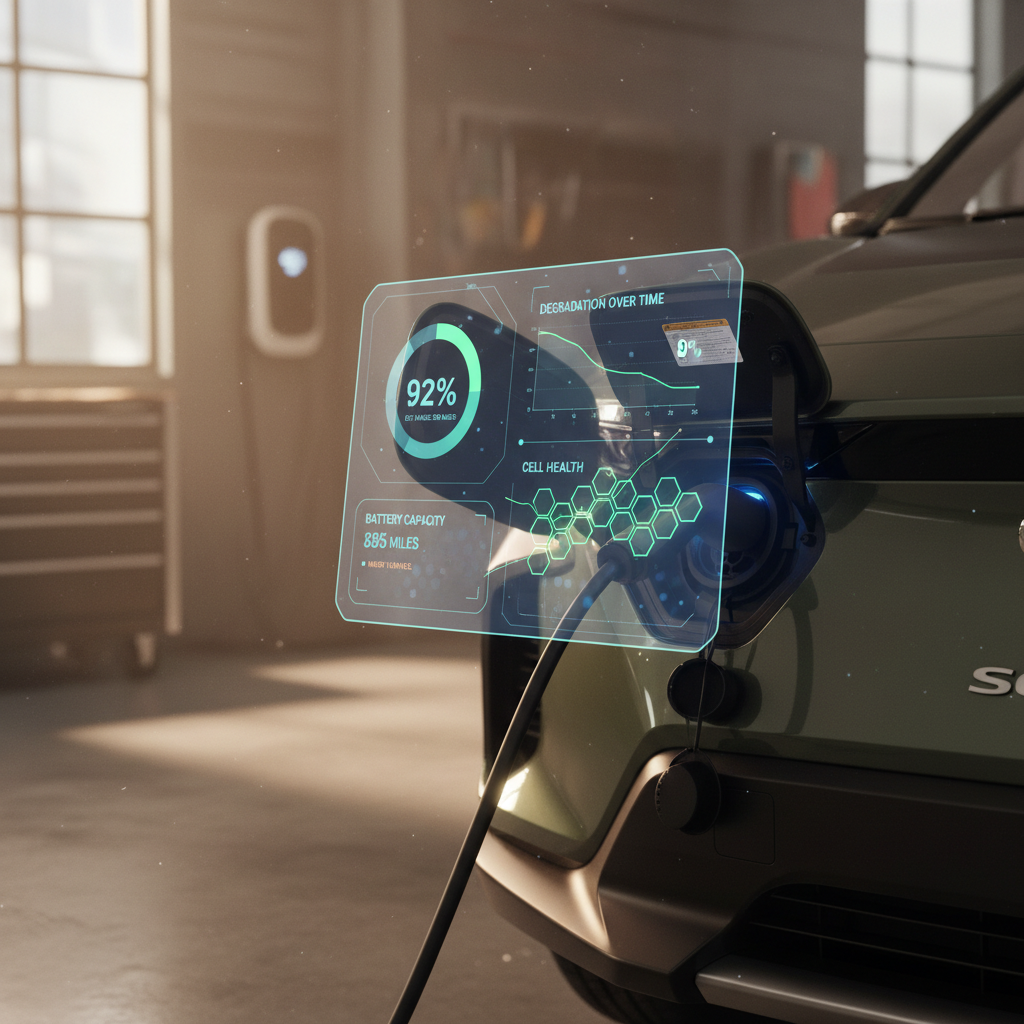
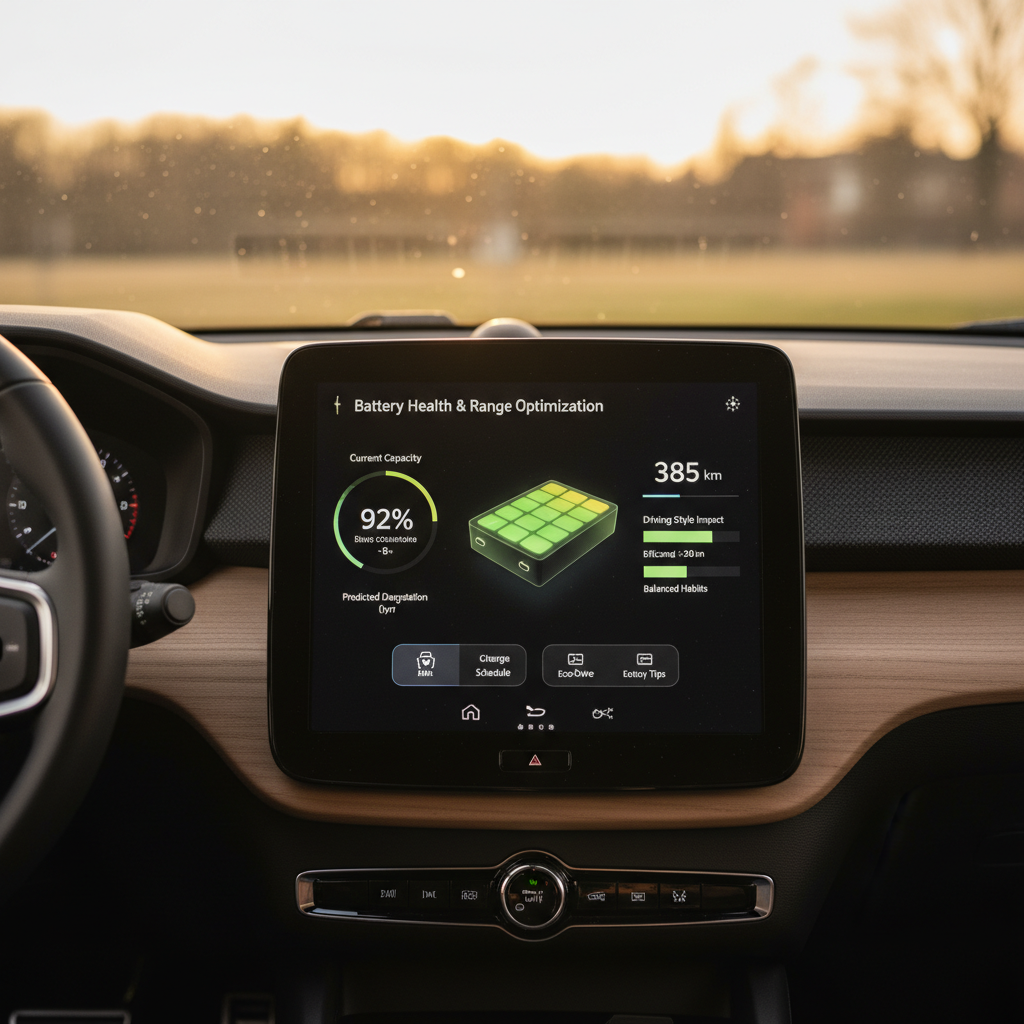
With the EV6, buyers want to see that the battery still delivers realistic range and is fully covered by Kia’s 10‑year/100,000‑mile EV system warranty. Verified battery health can be the difference between a quick sale and weeks of haggling.
Where you live
EVs move faster in EV‑friendly regions, think West Coast, Northeast metros, and pockets of Colorado, Texas, and the Southeast. In areas with weak charging infrastructure, you may need to price more aggressively.
Trim, performance & options
All‑wheel drive, larger‑battery trims, and popular option packages usually lift resale. Very niche specs (ultra‑high‑performance GT, wild colors) can either help or hurt, depending on the buyer pool.
Current incentives & interest rates
When new‑car money gets cheap or rebates get fat, used prices sag. When rates stay high or incentives pull back, clean used EV6s become the bargain that smart shoppers chase.
Battery health, warranty, and how buyers think
On paper, the Kia EV6’s battery story is excellent: a 10‑year/100,000‑mile EV system warranty that covers the high‑voltage pack and key components, typically down to around 70% capacity. Importantly for resale, that coverage is transferable to subsequent owners, so a buyer picking up your 4‑year‑old EV6 still enjoys years of protection.
But EV shoppers in 2026 don’t buy on paper alone. They want reassurance that the battery in front of them is healthy today and likely to stay that way. That’s where independent diagnostics and real‑world range matter.
What makes buyers confident
- Documented charging habits (home Level 2, limited DC fast‑charging).
- Consistent range notes or logs that match what the dash shows.
- Recent battery health report from a trusted third party.
- No battery‑related error codes or warning lights in the recent past.
What makes buyers hesitate
- Frequent road‑trip use with lots of DC fast charging.
- Long gaps in service or ownership records.
- Range that feels much lower than expected for the state of charge.
- Dealers who can’t clearly explain warranty coverage or repair history.
How Recharged helps de‑mystify EV batteries
Kia EV6 trims that hold value best
Not every EV6 trim ages the same. In 2026, certain combinations of range, performance, and equipment are clearly where used‑car shoppers are clustering, while others are more niche.
Resale strength by EV6 trim (2026 impressions)
Think of these as personality types, not hard rules.
Wind / Light Long Range (RWD/AWD)
These trims tend to hit the sweet spot: usable real‑world range, plenty of features, and reasonable insurance costs. They make up the bulk of value‑priced used listings and usually sell quickly if priced right.
GT‑Line
Sportier looks and equipment mean higher MSRPs new, but on the used side buyers often gravitate to GT‑Line if the price gap to Wind/Light isn’t huge. Appearance packages and tech features help resale when they’re well‑optioned.
EV6 GT
A rocket ship with a narrower audience. The GT can suffer steeper early depreciation because its performance hardware commands a new‑car premium. Over 5–10 years, clean, low‑mile GTs may develop a cult following and stabilize in value.
Beware of “loaded when new” pricing logic
How to check what your Kia EV6 is really worth
You don’t need to be an appraiser to get a realistic number for your EV6. You just need more than one data point, and the discipline to ignore outliers.
A simple 5‑step process to gauge your EV6’s value
1. Decode your exact trim and options
Use your window sticker (if you kept it), VIN decoder, or a pricing site to confirm your exact trim, motor/battery combo, and key options. A Wind AWD and a GT may share a body shape, but they live in different pricing universes.
2. Check pricing guides for a baseline
Sites like KBB and others can give you a ballpark private‑party and trade‑in number based on year, miles, and condition. Treat this as a starting line, not the finish.
3. Scan real‑world listings in your region
Search for EV6s within a few hundred miles that match your year, trim, and mileage. Note actual asking prices, then pay special attention to cars that disappear quickly, that’s the range buyers are responding to.
4. Get at least one instant offer
Use online buying services or EV‑specialist marketplaces to request a real offer based on your VIN and photos. At Recharged, we can provide an <strong>instant offer or consignment pricing strategy</strong> so you can compare paths.
5. Adjust for condition, battery health & timing
Finally, layer in the human stuff: Is your EV6 unusually clean? Has it had a fresh battery health check? Are new‑car incentives up or down this month? Small timing tweaks (even 30 days) can swing your final number.
Selling strategies: trade‑in vs private sale vs online
Once you know roughly what your EV6 is worth, the next question is how to turn it into cash, or the down payment on your next EV. Each selling path trades convenience for dollars, and the “right” answer depends on your tolerance for hassle.
Dealership trade‑in
Fast and simple. You roll your EV6’s value straight into your next purchase, often with potential tax advantages in some states.
- Pros: Easiest, one‑stop transaction.
- Cons: Usually the lowest dollar value, especially on EVs dealers don’t understand well.
Private‑party sale
Best shot at top dollar, but you’re now a salesperson, marketer, and scheduler.
- Pros: Can beat trade‑in and online offers by thousands if you price and present well.
- Cons: Time‑consuming, requires screening buyers and handling paperwork and payoff.
Online / EV‑specialist marketplace
Bridges the gap between trade‑in speed and private‑sale pricing.
- Pros: Streamlined process, nationwide buyer pool, EV‑aware pricing teams.
- Cons: May charge fees or take a small margin vs private sale, but often far above a local dealer’s trade‑in.
Where Recharged fits in
Ready to find your next EV?
Browse VehiclesHow to protect your EV6’s future resale value
You can’t change macro EV trends or yesterday’s incentives, but from this moment forward you can absolutely influence how your EV6 looks to its next owner. That’s what resale value really is: how attractive your car will be to the person after you.
7 habits that keep your Kia EV6’s value higher
1. Treat the battery like the asset it is
Favor home Level 2 charging over constant DC fast‑charging when you can, avoid leaving the pack at 100% for long periods, and don’t run it down to zero as a party trick. Those small habits support long‑term range, and buyer confidence.
2. Document everything
Keep a simple folder (digital or physical) with service invoices, tire receipts, software update notes, and charging or range logs. A well‑documented EV6 routinely sells faster and for more than an identical car with no paperwork.
3. Stay ahead on cosmetic care
Fix curb‑rashed wheels, touch up obvious paint chips, and fix cracked glass before you list the car. Light detail work tends to return more than it costs when buyers line up cars side by side.
4. Keep software and recalls current
EV shoppers expect up‑to‑date software. Make sure Kia updates and recall work are complete, and mention that in your listing or when you talk to a buyer.
5. Choose tires wisely
The EV6 is sensitive to tire choice for both range and road noise. Quality EV‑appropriate tires signal that you’ve cared about how the car drives and help keep test‑drive impressions positive.
6. Be realistic about modifications
Window tint and paint‑protection film can help value. Radical wraps, aftermarket wheels, or powertrain modifications usually narrow your buyer pool and may actually lower resale.
7. Time your sale
If possible, avoid selling into a storm of new‑car incentives or right after a major EV policy change. A difference of a month or two can move demand, and pricing, noticeably.
Kia EV6 resale value FAQ (2026)
Frequently asked questions about Kia EV6 resale value
Bottom line: Is the Kia EV6 a good used bet?
If you’re shopping in 2026, the answer is yes, with the right homework. Early depreciation has turned the Kia EV6 into a bit of a bargain on the used market, especially for buyers who value long battery warranty coverage, a genuinely enjoyable driving experience, and a cabin that still feels thoroughly modern. For current owners, the message is more nuanced: the painful part of the curve likely happened in the first few years, and from here your choices about mileage, maintenance, and how you sell will matter more than market headlines.
Whether you’re trying to decide if now is the moment to scoop up a used EV6, or wondering what your own car might fetch, you don’t have to guess. Start by looking at comparable listings and real offers, then layer in battery health and warranty coverage. And if you’d like a second set of eyes, or a data‑backed offer, Recharged is built for exactly this kind of decision. From instant offers and trade‑ins to consignment sales with a Recharged Score Report, we can help you understand and maximize your Kia EV6’s true resale value in 2026 and beyond.