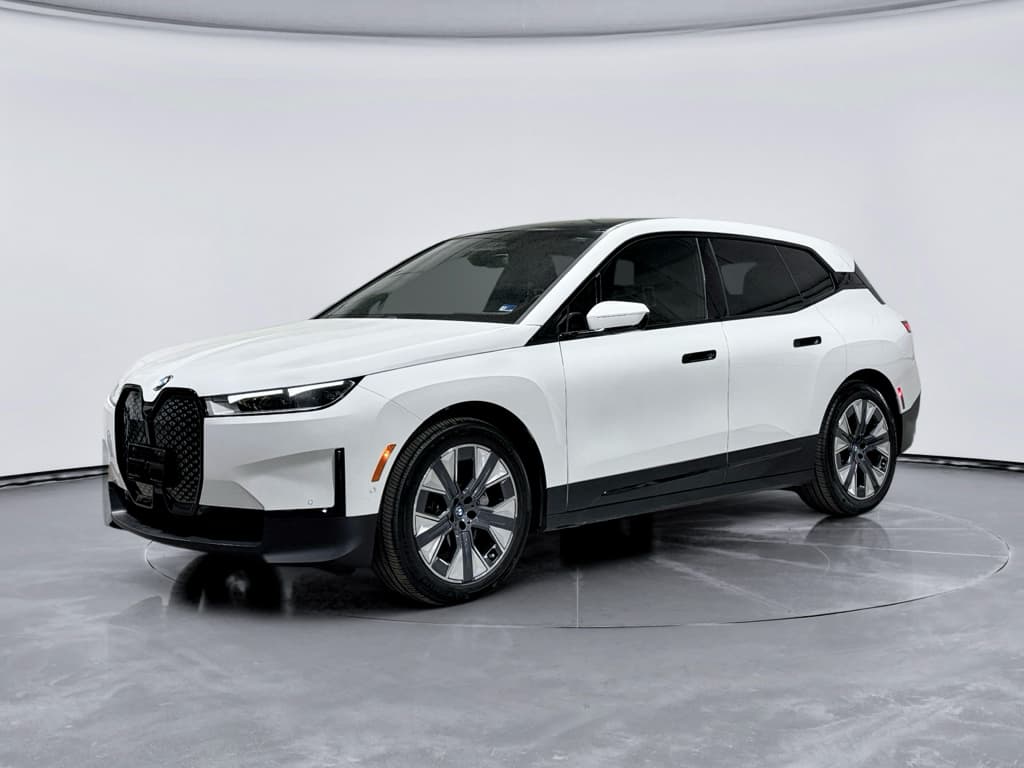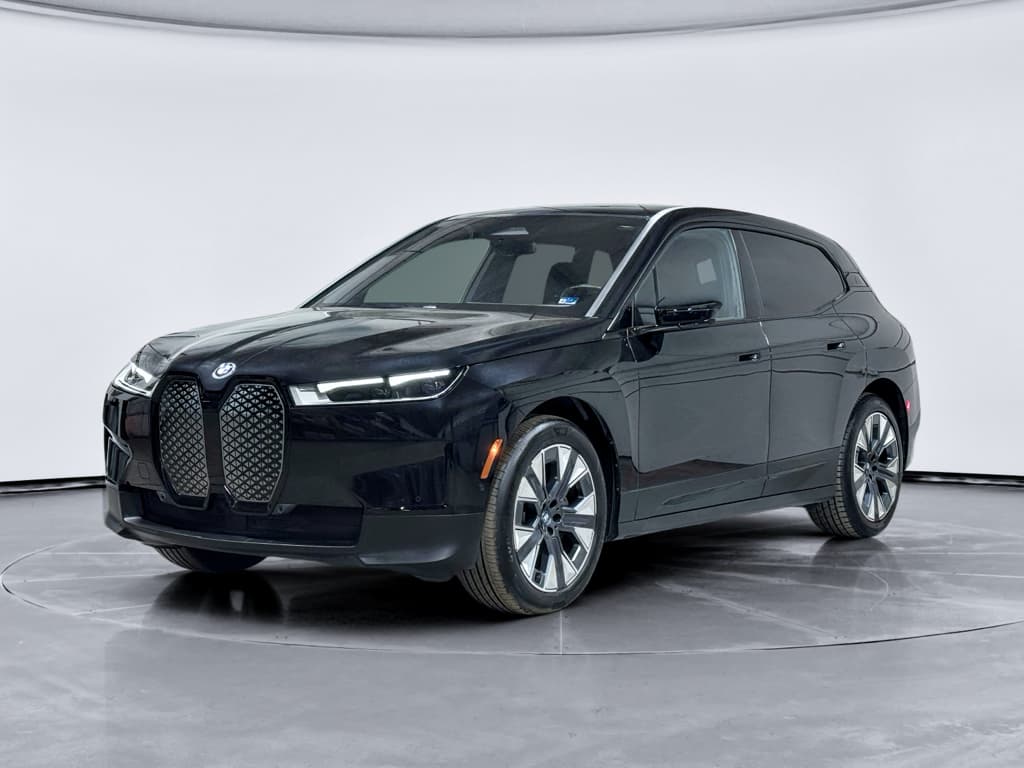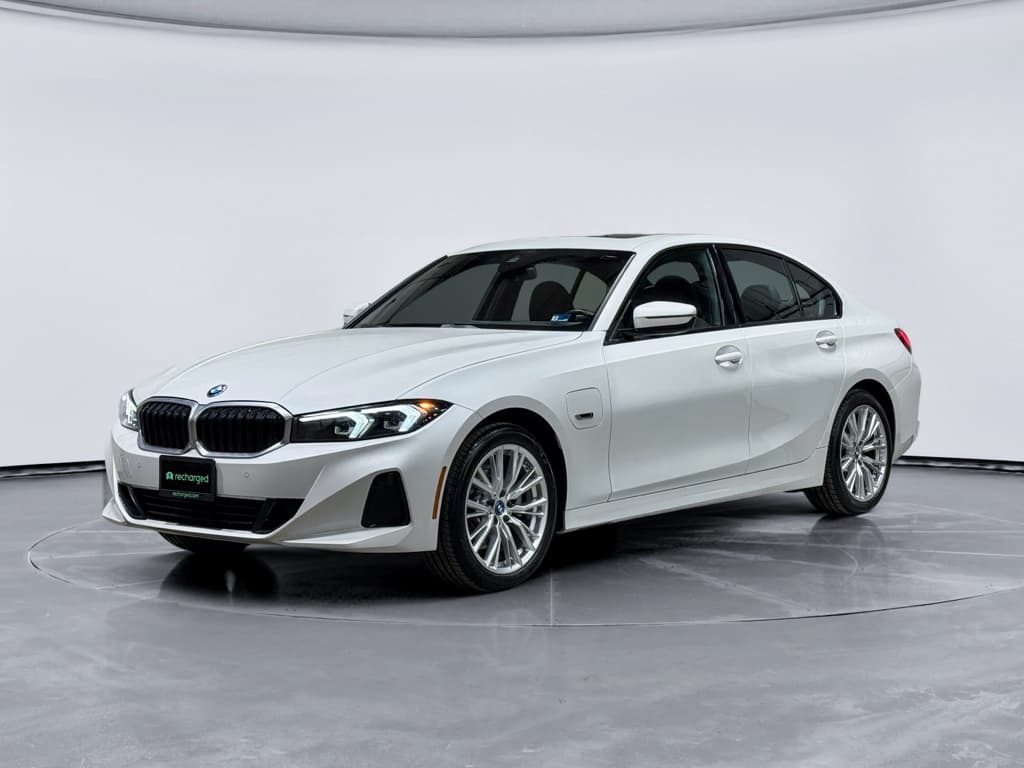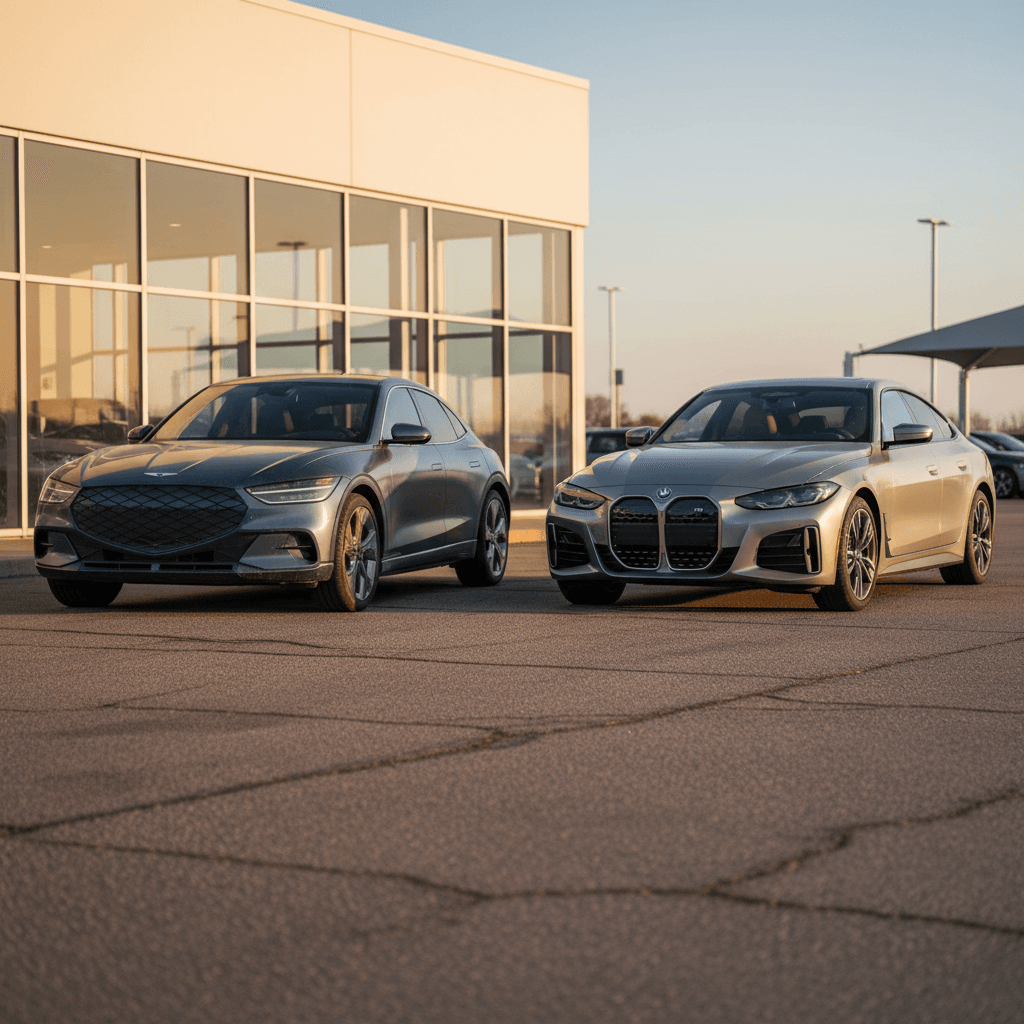
If you’re shopping in 2026 for a used luxury EV, the Genesis GV60 and BMW i4 will land on your shortlist fast. One’s a fashion‑forward compact SUV with wild tech; the other is a sleek electric Gran Coupe that drives like a classic BMW. Both are quick, both are quiet, and both can be smart buys on the used market, if you pick the one that fits your life.
The short version
Overview: Used GV60 vs BMW i4 in 2026
On the used market in 2026, you’ll mostly see 2023–2025 Genesis GV60 models and 2022–2025 BMW i4 models. That means early‑life batteries, plenty of remaining warranty, and a big spread in prices depending on trim and mileage.
How these two used EVs are positioned
Same price neighborhood, very different personalities
Genesis GV60
Body style: Compact luxury EV crossover (higher seating, hatchback)
- Built on Hyundai/Genesis E‑GMP 800‑V platform
- Standard 77.4‑kWh battery in the U.S.
- Dual‑motor AWD on most U.S. trims
- Standout features: V2L power outlet, facial recognition, Boost mode
BMW i4
Body style: Low‑slung electric Gran Coupe (sedan with hatch)
- Adapted from BMW 4 Series Gran Coupe
- Battery sizes from ~69 to 83 kWh depending on trim
- RWD (eDrive35/40) or AWD (xDrive40, M50)
- Standout features: classic BMW dynamics, iDrive 8/8.5, strong range
Used‑market sweet spot
Key Specs: Used Genesis GV60 vs BMW i4
Core specs you’ll care about on the used market
Representative U.S. trims you’re most likely to see used in 2026. Exact figures vary slightly by wheel size and model year.
| Model (typical used trim) | Battery (approx usable) | EPA range when new (mi) | 0–60 mph (approx) | Max DC fast charge | Drive layout |
|---|---|---|---|---|---|
| Genesis GV60 Advanced AWD | 77.4 kWh | ~248–294 | ~4.0–4.5 s | Up to 350 kW (10–80% in ~18 min on 350‑kW charger) | Dual‑motor AWD |
| Genesis GV60 Performance AWD | 77.4 kWh | ~235–248 | ~3.7 s (Boost mode) | Up to 350 kW | Dual‑motor AWD |
| BMW i4 eDrive35 | ~67–69 kWh | ~220–260 | ~5.8–6.0 s | Up to ~180 kW | Single‑motor RWD |
| BMW i4 eDrive40 | ~81–83 kWh | ~280–300+ (wheel‑dependent) | ~5.3 s | Up to ~200 kW | Single‑motor RWD |
| BMW i4 xDrive40 | ~81–83 kWh | ~260–280 | ~4.9 s | Up to ~200 kW | Dual‑motor AWD |
| BMW i4 M50 | ~81–83 kWh | ~225–245 | ~3.7–3.9 s | Up to ~200 kW | Dual‑motor AWD |
Specs focus on mainstream trims: GV60 Advanced/Performance and BMW i4 eDrive40/xDrive40/M50.
Specs vs real life
Driving Experience and Performance
Genesis GV60: Playful and futuristic
The GV60 feels like a tech‑forward hot hatch that grew up. Even the "slower" Advanced trim is properly quick, and the Performance model with Boost mode will shove you into the seat like a sports car. The steering is light but accurate, and the low center of gravity from the battery keeps body roll in check.
The E‑GMP platform was designed as an EV from day one, so the GV60 feels planted and cohesive. It’s also quiet, Genesis leans into refinement over raw feedback, especially on 19‑inch wheels.
BMW i4: Classic BMW with electrons
The i4 drives exactly how you’d hope an electric BMW would. The eDrive40 and xDrive40 offer strong, linear acceleration with excellent high‑speed stability. Step up to the M50 and you’re into genuine M‑car territory: huge thrust, sharper damping, and an optional synthetic performance sound if you want more drama.
Compared with the GV60, steering in the i4 has a bit more weight and a more traditional German feel. Ride comfort depends heavily on wheels and tires, 20‑inch wheels on the M50 look great but can feel firm on broken pavement.
Best pick for enthusiastic drivers
Range and Charging: Real-World Used Ownership
On paper, the BMW i4 generally wins the range game, especially in single‑motor trims with smaller wheels. The GV60 counters with one of the best fast‑charging experiences you can get in a used EV, thanks to its 800‑volt architecture.
Range and charging highlights
Daily charging reality
Used EV shoppers sometimes worry that an older battery will wreck range. In reality, both the GV60 and i4 have thermal management and charge profiles that protect the pack. A 2–4‑year‑old example with normal mileage typically shows modest degradation. At Recharged, we back that up with pack‑level Recharged Score testing, so you’re not guessing about how much real‑world range is left.
Comfort, Interior, and Tech
Genesis GV60: Lounge on wheels
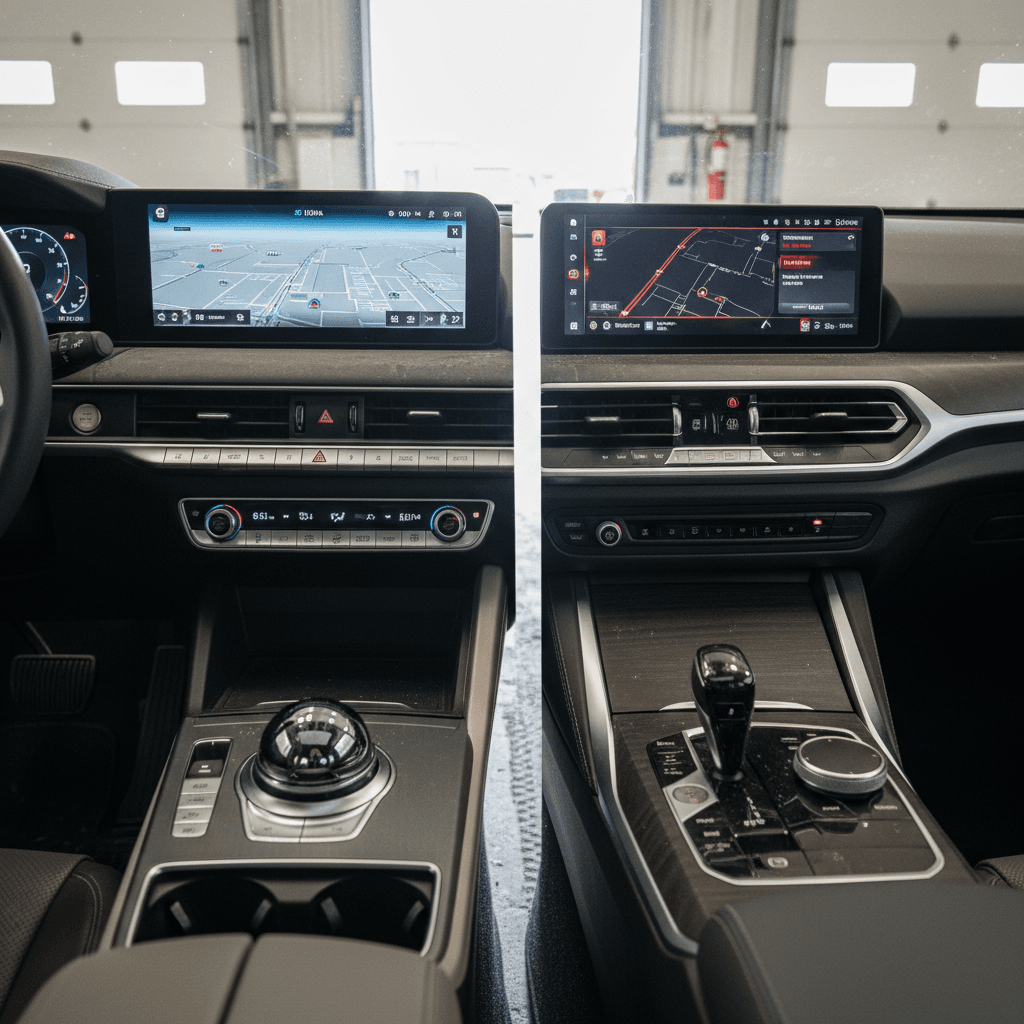
If you like a bit of theater with your morning commute, the GV60 is your car. The Crystal Sphere shifter rotates into place when you start the car, ambient lighting glows, and the cabin mixes soft materials with sharp details. Seats are comfortable and supportive, and the upright stance gives you a great view out.
Tech‑wise, Genesis uses a wide dual‑screen layout with straightforward menus. You’ll see features like fingerprint and facial recognition on many used examples, plus a robust suite of driver‑assistance tools that feel genuinely polished.
BMW i4: Familiar luxury done right
The i4’s cabin is more conservative but beautifully executed. Think 4 Series Gran Coupe, then add a curved digital display with BMW’s latest iDrive software. Materials are top‑notch on most trims, especially with options like leather, upgraded audio, and open‑pore wood.
Seats are lower and more bolstered than in the GV60, which enthusiasts love but tall drivers may want to sit in before buying. BMW’s driver‑assistance is solid, though some drivers find the latest iDrive’s menu depth takes a little learning curve.
Cabin character check
Practicality, Space, and Everyday Utility
Here’s where body style really matters. The GV60 is a compact SUV, the i4 is a low Gran Coupe. Both have hatchbacks, but they live very different lives once you start loading kids, dogs, or bulky gear.
Living with a used GV60 vs BMW i4
Think about cargo, passengers, and how you really drive.
Cargo & access
- GV60: Higher roofline, wide hatch opening, easier to load bulky items or a stroller.
- i4: Hatchback helps, but the roofline is low; long items fit, tall items less so.
Family duty
- GV60: Easier child‑seat installation, better rear headroom, higher seating makes buckling kids simpler.
- i4: Fine for older kids or adults, but big rear‑facing seats can feel tight.
All‑weather & trips
- GV60: Standard AWD on most U.S. models and SUV stance inspire confidence in snow or on rough roads.
- i4: RWD trims are lovely in fair weather; xDrive40/M50 are better all‑season but sit lower.
Bonus: GV60 Vehicle-to-Load (V2L)
Reliability, Battery Health, and Depreciation
Both the GV60 and i4 are relatively new to the market, so we’re relying on early reliability data, owner reports, and what we know from their hardware cousins.
- Genesis GV60: Shares its 800‑V platform and battery tech with the Hyundai Ioniq 5/6 and Kia EV6, which have shown solid reliability so far. Genesis also tends to load these cars with tech, so you’ll want to check that every powered gadget (seats, cameras, sensors) works as intended on a test drive.
- BMW i4: Under the skin, it’s closely related to the 4 Series, a very mature platform. The electric powertrain is newer but has not shown systemic, widespread issues. As with any German luxury car, electronic doodads and options add complexity and potential future repair costs.
Warranty snapshot for 2026 shoppers
Depreciation is where things get interesting. Early data has shown that the Genesis GV60 takes a fairly steep hit in the first few years, luxury newcomers often do, while the BMW i4’s badge power helps it hold value a bit better. That sounds bad for current owners, but as a 2026 buyer, it’s an opportunity: a used GV60 can deliver a lot of tech and performance for less money than its original MSRP might suggest.
Why a battery health report matters
Ownership Costs and Value
Upfront price and trims
Average used prices will move with the market, but in 2026 you can generally expect:
- GV60 Advanced/Performance: Often priced below similarly equipped i4s thanks to steeper initial depreciation.
- i4 eDrive35: Usually the price leader among i4s; less power and range, but still premium.
- i4 eDrive40/xDrive40: Sweet spot of range and performance; strong demand can keep prices firm.
- i4 M50: Commands a premium for its performance; budget for higher tire costs and potentially higher insurance.
Energy, maintenance, and insurance
Energy costs will be similar for both if you drive them the same way, with the BMW’s extra range giving you more flexibility on where and when you charge.
- Maintenance: Both skip oil changes and have fewer wear parts than gas cars, but the i4 brings typical BMW‑grade parts pricing for things like brakes and suspension.
- Insurance: Performance trims (GV60 Performance, i4 M50) and heavily optioned cars can be more expensive to insure. It’s worth getting a quote on VINs you’re serious about.
- Software and updates: Both automakers push software fixes and feature tweaks; check that your used car has current updates applied.
How Recharged can help with costs
Which Used EV Fits You Best?
Genesis GV60 vs BMW i4: Best fit by driver type
Match your lifestyle to the right used EV.
Choose a used Genesis GV60 if…
- You want higher seating, easy ingress/egress, and better rear headroom.
- You regularly haul kids, dogs, or bulky cargo and prefer an SUV‑like shape.
- You value ultra‑fast charging more than absolute maximum range.
- You love bold design and tech like facial recognition and V2L power.
- You’re hunting for maximum feature content per dollar on the used market.
Choose a used BMW i4 if…
- You care deeply about driving feel and want an EV that behaves like a classic sport sedan.
- You do a lot of highway miles and want the best range you can get.
- You prefer a more traditional luxury cabin and BMW’s brand and dealer network.
- You’re okay with a lower seating position and less rear headroom in exchange for style.
- You’re willing to pay a bit more for the badge and dynamic polish.
Checklist: How to Choose Between GV60 and i4
7 steps to making the right call
1. Be honest about your space needs
List what you actually carry in a typical week, kids, bikes, pets, Costco runs. If vertical space and easy access matter, the GV60 is likely a better fit.
2. Map your real driving patterns
Look at your last 3–6 months of driving. If most days are under 80 miles with occasional road trips, both cars work. If you routinely chew through 200+ highway miles in a day, the right i4 trim has an edge.
3. Decide how sporty you really want to go
If you love on‑ramps and back roads, test‑drive an i4 eDrive40/xDrive40 or M50. If you want quick but comfy, a GV60 Advanced or Performance balances speed with a softer edge.
4. Check charging where you live
If you have or can install Level 2 at home, range anxiety mostly disappears. If you’ll rely heavily on public fast charging, the GV60’s 800‑V system makes life easier, especially on high‑power DC stations.
5. Compare total cost, not just sticker price
Factor in insurance quotes, expected tire costs, and any home‑charging install. A cheaper GV60 with more equipment may pencil out better than a pricier i4 once you run the numbers.
6. Review battery health and history
For any used EV, ask for a <strong>battery health report</strong> and service history. On Recharged, the Recharged Score makes it easy to compare pack condition between different GV60s and i4s.
7. Drive both back to back
Nothing replaces seat time. Pay attention to seating position, visibility, noise level, and how confident you feel at speed. Your instincts after a proper test drive are worth more than any spec sheet.
FAQ: Used Genesis GV60 vs BMW i4
Frequently Asked Questions
Both the used Genesis GV60 and BMW i4 are excellent ways to step into luxury EV ownership in 2026 without paying new‑car prices. The GV60 leans into fast‑charging convenience, SUV practicality, and bold design; the i4 doubles down on highway range, BMW road manners, and classic luxury vibes. If you match the car to your daily life, space, charging access, and how you actually drive, you really can’t go too far wrong. And if you’d like a second set of eyes on battery health, pricing, or which trim fits your budget, Recharged’s EV specialists and Recharged Score reports are here to make that choice a whole lot easier.