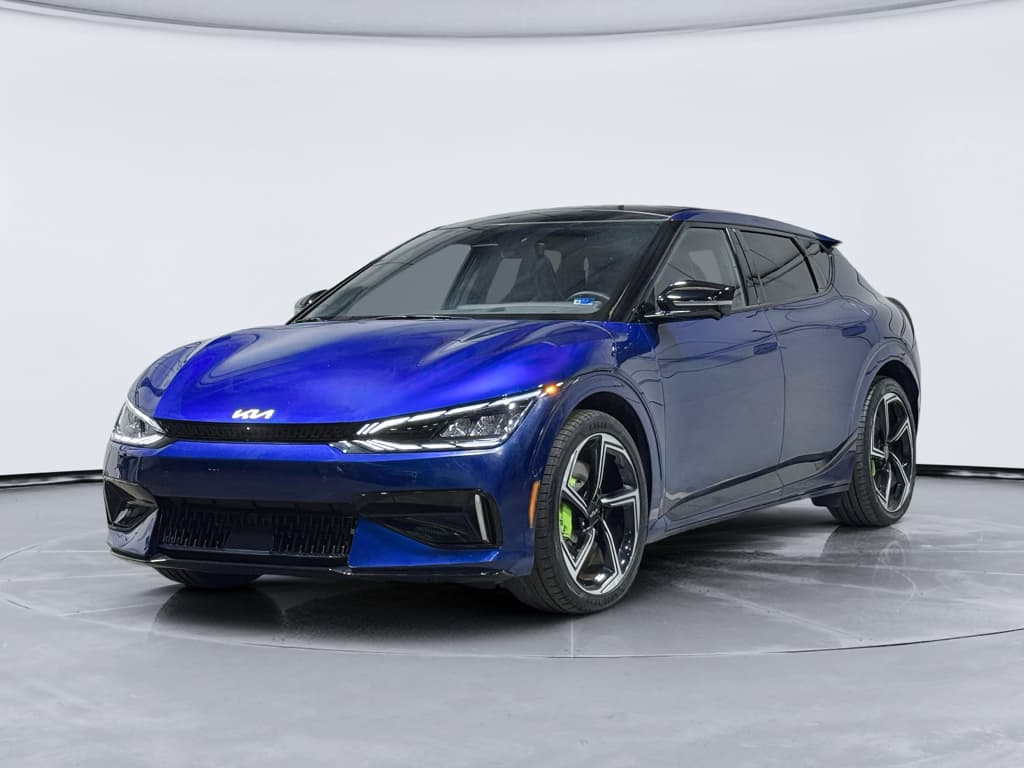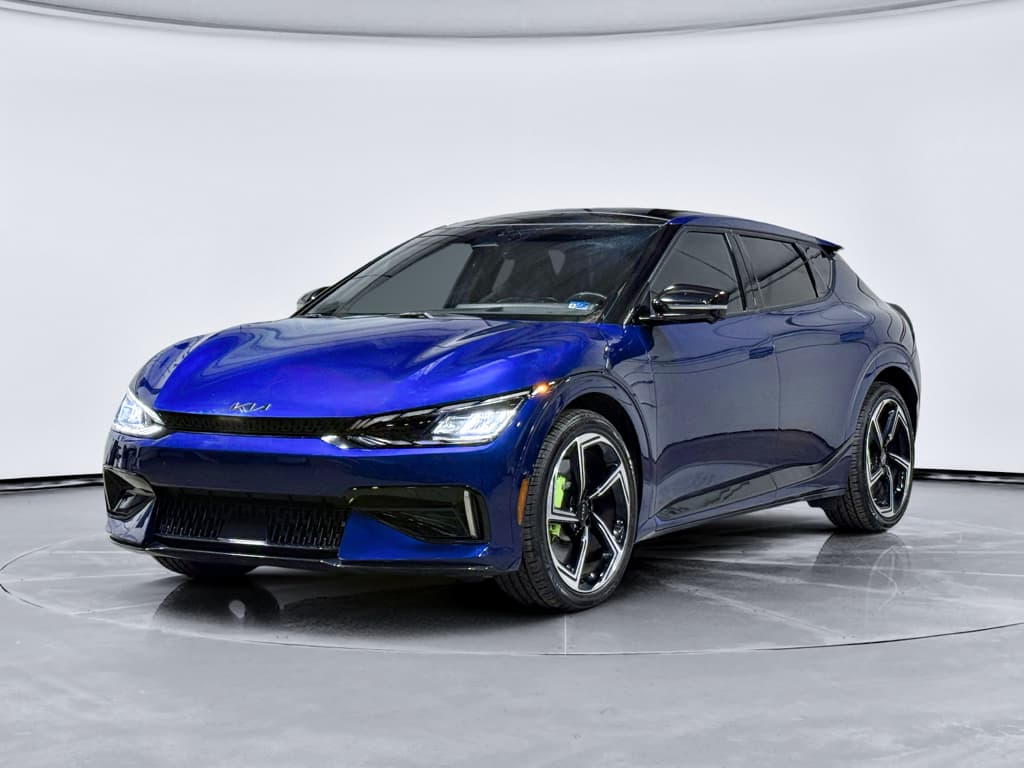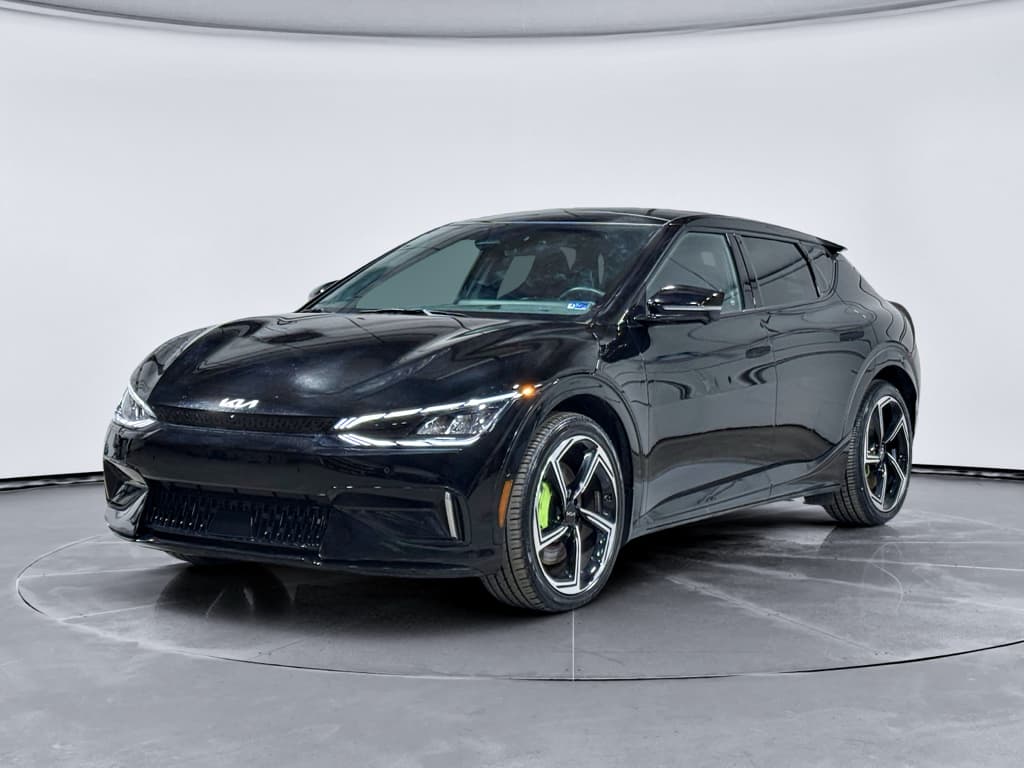
You don’t buy a Kia EV6 because you like average. This is the sharp‑suited, all‑electric halo car that dragged Kia into the cool kids’ club. But now that early 2022 models are four model years old, the question in 2026 is simple: how reliable is the Kia EV6, really, and should you feel good buying one used?
Big picture on EV6 reliability
Kia EV6 reliability in 2026: the short version
The good news
- Most owners report strong drivetrain reliability: motors, inverters, and the high‑voltage battery pack have very low failure rates so far.
- Real‑world battery degradation is modest on well‑treated cars, often under ~10% loss from new for early‑build EV6s.
- Ride, body, and interior hold up well; this doesn’t feel like a car that will rattle itself apart at 80,000 miles.
The caveats
- Several software and electronics glitches (infotainment freezes, driver‑assist hiccups) that can frustrate daily use.
- A few notable recalls and service campaigns around safety systems and high‑voltage components that buyers should confirm are completed.
- As with most modern Kias, you’re somewhat at the mercy of the dealer service experience, which can be hit‑or‑miss on EV expertise.
How to read EV reliability in 2026
How the Kia EV6 has aged since launch
The Kia EV6 landed in the U.S. as a 2022 model. By 2026 we now have real data from high‑mileage commuters and early adopters who’ve lived through multiple winters, countless DC fast‑charge sessions, and the full roster of Kia software updates.
Real‑world aging patterns for the EV6
What owners are actually seeing by year four
Drivetrain durability
The permanent‑magnet motors and single‑speed gearbox are proving stout. There are relatively few confirmed motor or reduction‑gear failures compared with some early EVs.
Battery longevity
Most reports suggest gradual, predictable range loss, not sudden collapse. Well‑cared‑for packs still comfortably cover typical U.S. daily driving needs.
Electronics & UX
The weak link is the software layer: infotainment bugs, occasional camera or sensor gremlins, and the usual frustrations of a rolling computer on wheels.
Battery health, range loss, and fast‑charging habits
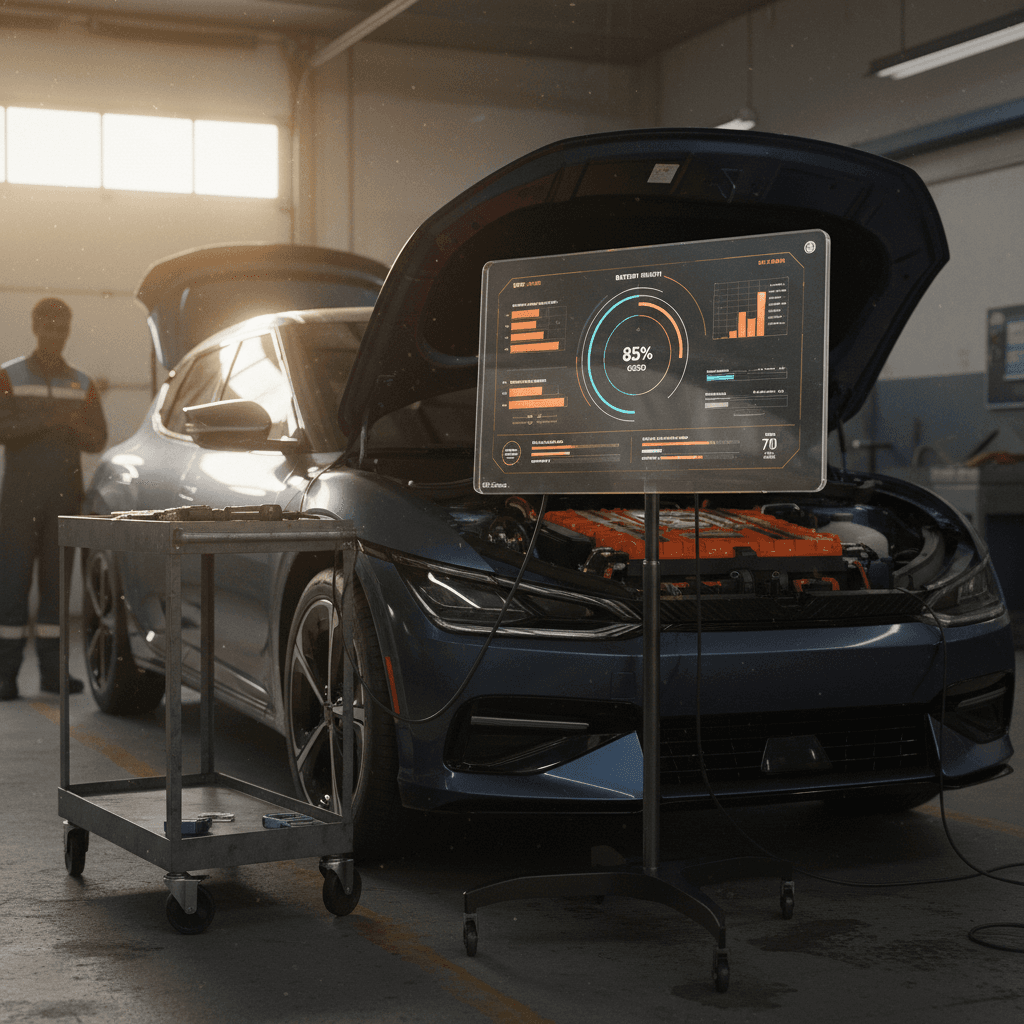
For many shoppers the phrase “Kia EV6 reliability 2026” really means one thing: Will the battery still be any good? So far, the answer is largely yes, with asterisks around how the car was used and charged.
Battery and range: what most owners experience
Heat and high SOC are the silent killers
- Look for an EV6 whose owner mostly charged at home on Level 2 and used DC fast charging primarily on road trips.
- Ask for any available charging history or telematics report, some tools and services can estimate degradation from data logs.
- On a test drive, compare the indicated 100% range with the EPA rating for that trim to get a rough sense of loss.
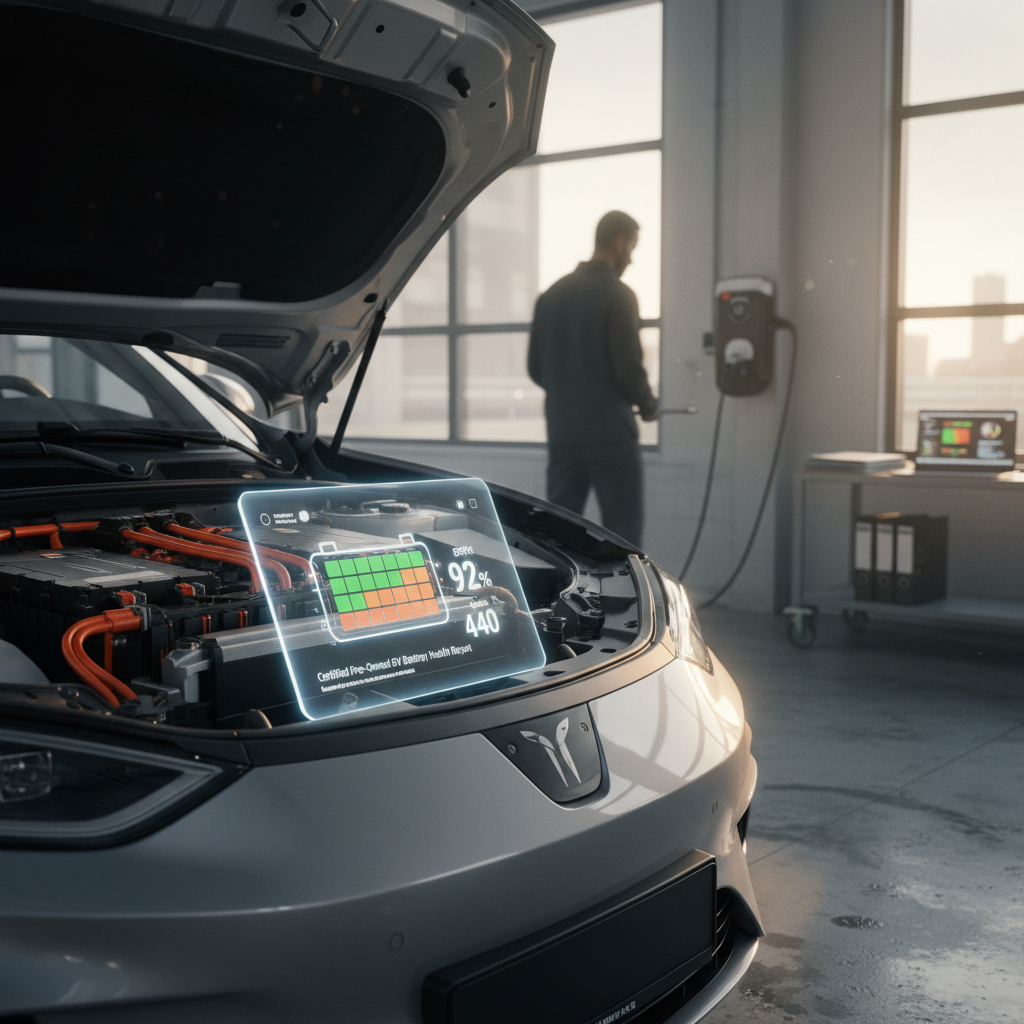
- Consider a third‑party battery health assessment, like the Recharged Score Report, for a data‑backed view of pack condition.
Common Kia EV6 problems owners report
Most EV6 complaints are the mildly annoying kind, not the catastrophic wallet‑melting failures that keep you up at night. Still, you should go in with eyes open. Here are issues that show up often enough to be on your radar.
Kia EV6 common issues snapshot
Patterns that have emerged by 2026, based on owner reports and service bulletins.
| Area | Typical symptom | Severity | What to check on a used EV6 |
|---|---|---|---|
| Infotainment system | Freezes, laggy response, random reboots | Annoying | Cycle through navigation, CarPlay/Android Auto, cameras; watch for stutters or black screens. |
| Driver‑assist systems | Lane‑keep or smart cruise drops out, false alerts | Moderate | Test highway driving with assistance on; verify sensors and cameras are clean and functioning. |
| 12‑volt system | Low‑voltage battery draining, car won’t "wake up" | Moderate | Ask if the 12‑volt battery has been replaced; slow cranking or odd warnings are a clue. |
| Charging hardware | Occasional failed DC fast‑charge sessions, handshake errors | Low–Moderate | Plug into both Level 2 and a DC fast charger if possible; confirm it ramps to expected speeds. |
| Interior trim | Minor rattles or squeaks over rough pavement | Low | Drive on a bumpy road section with radio off; listen around the dash and hatch area. |
Severity ratings are general impressions, not a guarantee for any specific vehicle.
Don’t ignore warning lights
Software glitches, OTA updates, and tech annoyances
The EV6 is a fast EV wrapped around a giant touch screen. That means your reliability experience will partly depend on whether the software team had a good day. Over‑the‑air (OTA) updates have cleaned up some early bugs, but they’ve occasionally introduced new ones, as software updates like to do.
Typical software annoyances
- Slow boot times on cold start before the cameras and navigation are fully ready.
- Occasional dropped phone connections with Apple CarPlay or Android Auto.
- Random resets of radio presets or driver‑assist settings after updates.
What you can do about it
- Make sure the car is on the latest available software before judging harshly.
- On your test drive, treat it like tech: touch every menu, test the cameras, and pair your phone.
- Ask the seller for service records showing completed software campaigns and bug‑fix updates.
The upside of OTA
Recalls and service campaigns you should know about
No modern EV escapes the recall carousel, and the EV6 is no exception. The good news: most campaigns have been more about precautionary fixes and software updates than catastrophic hardware failures. But when you’re buying used, you absolutely want to confirm they’re done.
How to sanity‑check recall and campaign history
1. Run the VIN through official tools
Use the official government recall lookup for your country to see open safety recalls tied to the EV6’s VIN.
2. Ask for dealer service printouts
A Kia dealer can print a record of <strong>completed recalls and service actions</strong>. Sellers who already have this ready are generally the ones you want to deal with.
3. Confirm high‑voltage related work
Prioritize evidence of any campaigns involving the <strong>high‑voltage battery, charging system, or power electronics</strong>. These are the big‑ticket items.
4. Check airbag and brake campaigns
Standard but crucial: confirm any airbag, seatbelt, or brake‑system recalls have been handled. These matter more than a minor infotainment fix.
5. Verify software campaign status
Ask whether the car has received major <strong>software and firmware campaigns</strong>. In some cases, reliability issues are resolved purely in code.
Paperwork is part of reliability
Warranty coverage: how well is the EV6 protected?
One of Kia’s strongest plays is warranty coverage. In a world of seven‑figure touchscreens and battery packs that cost more than your first car, warranty is the real extended‑universe superhero.
Typical U.S. Kia EV6 warranty coverage (original owner)
Check the specific car’s build year, in‑service date, and market for exact terms.
| Coverage | Typical term | What it covers | Key notes for used buyers |
|---|---|---|---|
| Basic bumper‑to‑bumper | 5 years / 60,000 miles | Most non‑wear components, electronics, interior, body hardware | On 2022 models this may be expiring soon; later years still have coverage left. |
| Powertrain | 10 years / 100,000 miles | Electric motors, reduction gear, major drivetrain pieces | May be limited to first owner in some markets; confirm transferability. |
| High‑voltage battery | Up to 10 years / 100,000 miles | Battery pack against defects and excessive capacity loss | Clarify degradation threshold and whether capacity tests have ever been performed. |
| Corrosion | 5 years / unlimited miles | Perforation due to corrosion | Less critical on a relatively new EV6 but still a nice backstop. |
On a used EV6, some portions of this coverage may have expired or be non‑transferable.
Why warranties matter more on EVs
Real‑world ownership costs vs gas and other EVs
Reliability isn’t just about whether the car breaks. It’s also about what it costs you over time, in money, time at the dealer, and the ambient stress of wondering what fresh ding awaits your checking account.
Where the EV6 saves you money
- No oil changes, spark plugs, or multi‑gear transmissions to service.
- Brake wear is generally low because of regenerative braking.
- Charging at home on off‑peak rates is usually far cheaper than gasoline per mile.
Where costs can sneak up
- Out‑of‑warranty repairs to electronics, cameras, and sensors can be pricey.
- Dealer labor rates for high‑voltage work are understandably high.
- DC fast charging on road trips can cost as much per mile as a thrifty gas car if you only use the most expensive networks.
Use total‑cost‑of‑ownership math
Buying a used Kia EV6 in 2026: inspection checklist
If you’re shopping used, the EV6 can be a smart way to get cutting‑edge EV performance without paying new‑car money. But the difference between a great EV6 and a headache‑EV6 is all in the homework you do before signing.
Used Kia EV6 reliability checklist
1. Check battery health and range
Fully charge the car if possible and compare the indicated range to the original EPA rating for that trim. Ask for any telematics‑based battery health reports or a third‑party assessment like a <strong>Recharged Score Report</strong>.
2. Test DC fast charging behavior
If you can, plug into a reputable DC fast charger. Watch how quickly the car ramps up and whether it holds a healthy charging rate without frequent drop‑outs or errors.
3. Exercise all driver‑assist features
On a highway test drive, use adaptive cruise, lane‑keeping, and lane‑centering. Confirm they engage consistently and don’t throw spurious warnings or shut themselves off.
4. Stress‑test the infotainment
Pair your phone, run navigation, toggle between apps, use the cameras, and change drive modes. You’re auditioning a computer as much as a car; don’t rush this step.
5. Review service and recall records
Look for regular maintenance visits, completed recalls, and software campaigns. Gaps don’t automatically kill the deal, but a <strong>thick, orderly file of paperwork</strong> is a big green flag.
6. Inspect tires, brakes, and suspension
Uneven tire wear or noisy suspension over bumps could hint at alignment issues or a hard life. EVs are heavy; they can be harder on tires than their gas counterparts.
Where Recharged fits in
Ready to find your next EV?
Browse VehiclesIs the Kia EV6 a good long‑term bet?
In 2026, the Kia EV6 looks less like a risky first‑gen science project and more like a well‑sorted electric sport‑crossover with a few rough software edges. The high‑voltage hardware has behaved itself, typical battery degradation has been modest, and the car drives as tightly as its styling suggests.
If ultimate bulletproof simplicity is your North Star, a smaller, slower EV with fewer gadgets will still be calmer to live with. But if you want serious DC fast‑charging speed, striking design, and a warranty that actually means something, the EV6 makes a compelling case, especially on the used market where someone else already paid for the steepest part of depreciation.
The key is to buy the right one: clean history, completed recalls, healthy battery, and transparent records. Whether you’re browsing on your own or leaning on a marketplace like Recharged for diagnostics and nationwide delivery, those are the ingredients that turn "Kia EV6 reliability in 2026" from a worry into a non‑issue.