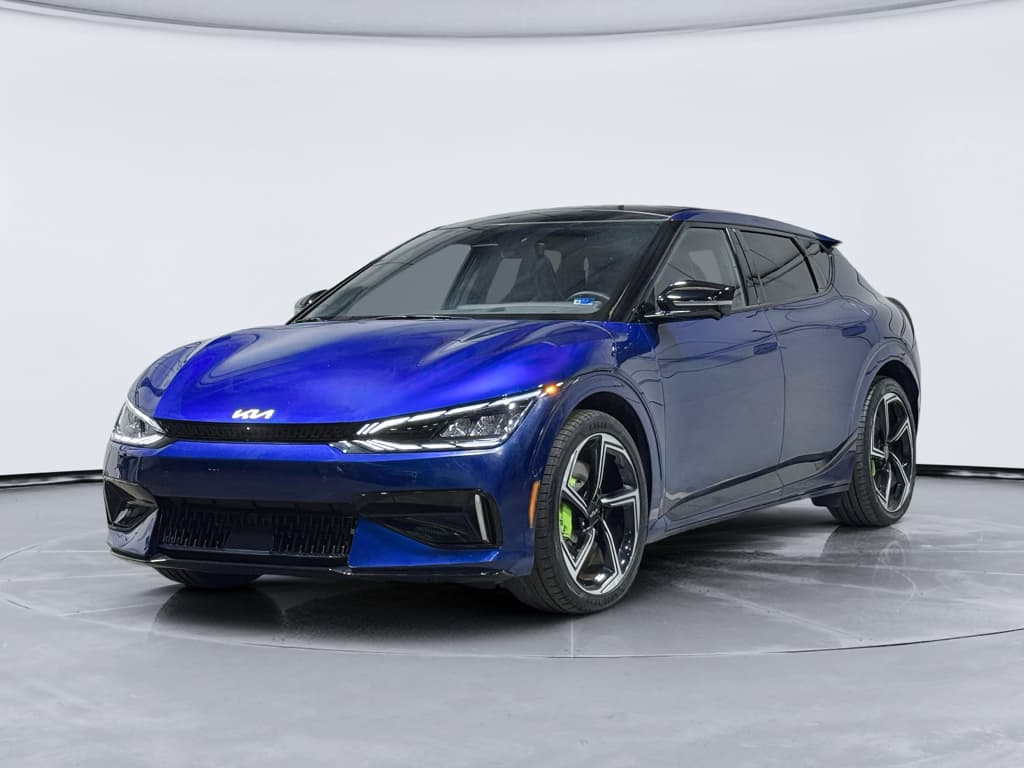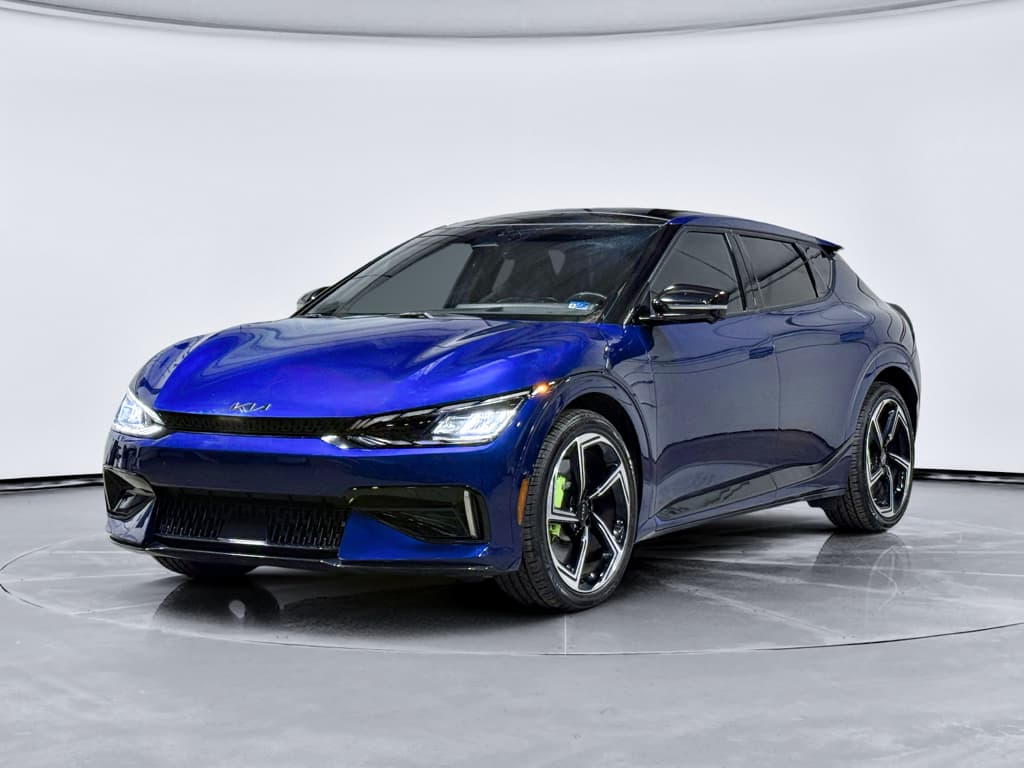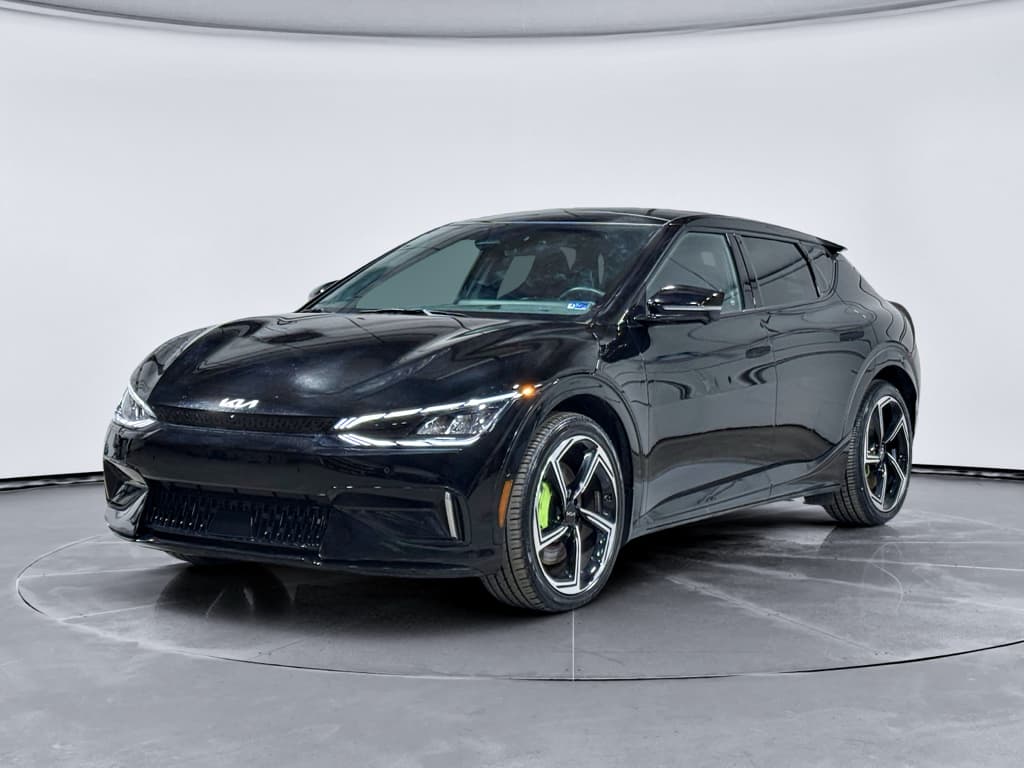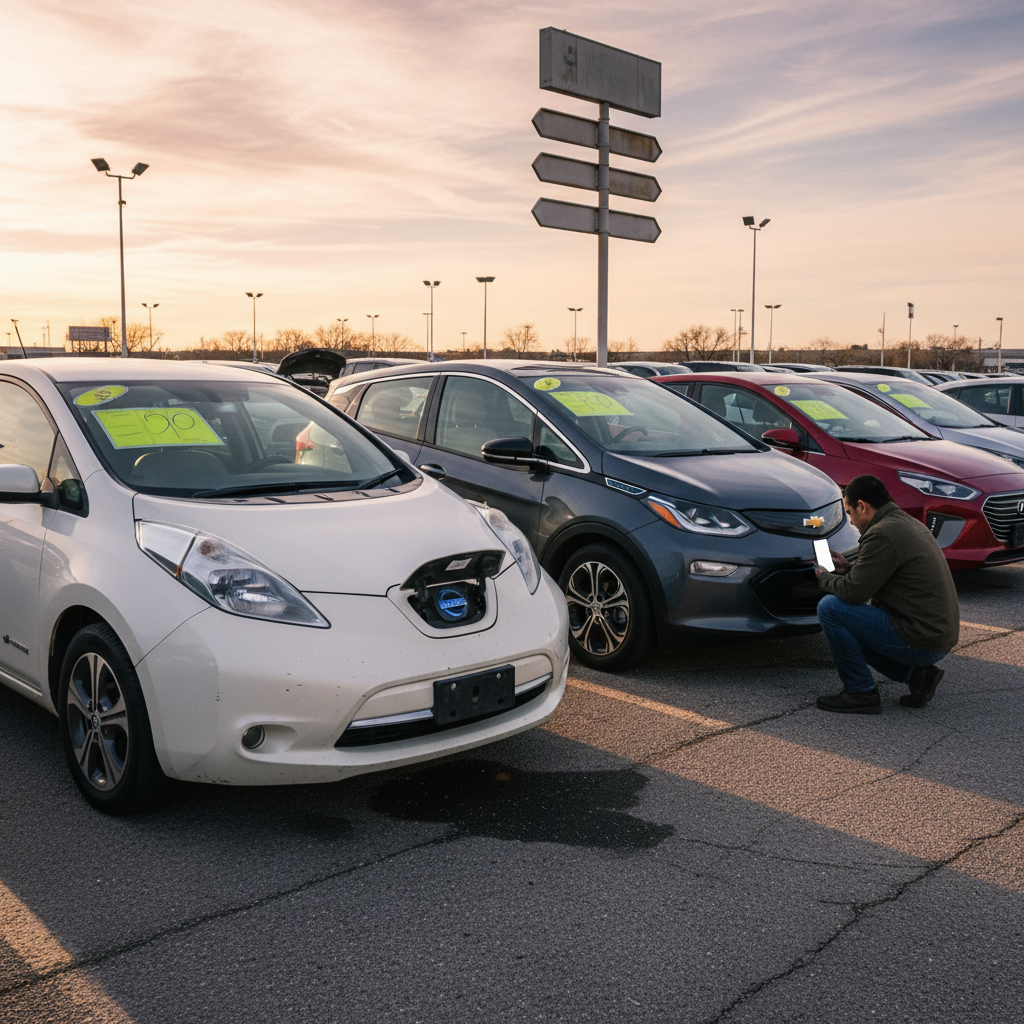
If you own or are shopping for a Kia EV6, you’ve probably noticed the headlines: used prices are down sharply and depreciation numbers look brutal. In 2026, the Kia EV6 depreciation rate is steeper than most gas SUVs and even some rival EVs, but that’s only half the story. For the right buyer, that pain for first owners is a big opportunity.
Key context for 2026
Kia EV6 depreciation in 2026: the quick take
Kia EV6 value snapshot heading into 2026 (U.S.)
On paper, those depreciation numbers look harsh: roughly half the Kia EV6’s value gone in three years, and around 60–65% by year five. But remember: the early owners absorbed big price cuts, incentive changes, and a rapidly shifting EV market. If you’re buying used in 2026, you’re stepping in after the worst of that curve, not at the top of it.
Don’t compare to gas SUVs one‑to‑one
How fast is the Kia EV6 depreciating by 2026?
Depreciation is just the difference between what the first owner paid and what the car is worth now. For the EV6, the critical period is the first 3–5 years, exactly the window we’re entering for 2022 and 2023 builds in 2026.
Kia EV6 depreciation curve: simplified 2026 view
Approximate U.S. market behavior for a typical mid‑trim Kia EV6 (e.g., Wind or GT-Line) assuming average mileage and condition. These are directional, not guaranteed values.
| Age of EV6 | Typical original MSRP* | Current or projected value | Approx. depreciation |
|---|---|---|---|
| 1 year (2025→2026) | $50,000 | $38,000–$42,000 | 15–25% |
| 3 years (2023→2026) | $50,000 | $24,000–$30,000 | 40–55% |
| 5 years (2021→2026) | $50,000 | $18,000–$22,000 | 55–65% |
| 8–10 years (2030+ forecast) | $50,000 | $10,000–$15,000 | 70–80% |
Real‑world deals will vary by trim, mileage, condition, incentives at time of original purchase, and local market demand.
Why ranges instead of exact dollars?
What matters most is the shape of the curve. Like many EVs, the EV6 loses value quickly in the first 2–3 years, then depreciation starts to slow as prices approach a kind of “usable EV floor” where range, battery health, and replacement cost of a comparable car put a hard bottom under values.
Why is Kia EV6 depreciation so steep right now?
Four forces pushing EV6 values down in 2025–2026
These aren’t about the EV6 being a “bad car”, they’re about a volatile EV market.
1. Rapid new‑EV price cuts
Automakers cut EV prices and pumped out incentives in 2024–2025 to keep sales growing as demand cooled. When a new EV6 suddenly gets cheaper, used EV6s must follow it down to stay attractive.
2. Incentive whiplash
Shifts in the U.S. federal EV tax credit and state programs changed what buyers pay out of pocket. If the first owner stacked a $7,500 credit and discounts, resale values can look worse than they feel because the “real” initial cost was lower.
3. Lease returns flooding the market
Three‑year leases signed in 2022–2023 are coming due. Many EV6s are hitting auction lanes at once, especially in EV‑heavy states, which weighs on resale values.
4. Fast tech cycles and charging changes
Buyers see new EVs with longer range, better driver‑assist, and native NACS fast‑charging ports arriving every year. That makes a 2–3‑year‑old EV6 feel older than the calendar suggests, even though the hardware remains strong.
How to read the headlines
Kia EV6 depreciation vs other EVs and gas SUVs
Depreciation only makes sense in context. The EV6 doesn’t live in a vacuum; it competes with other midsize crossovers, both electric and gasoline.
EV6 vs other electric crossovers
- Similar early drop to cousins like the Hyundai Ioniq 5 and many non‑Tesla EVs.
- More depreciation than some Teslas on paper, but Tesla’s own price cuts have hammered used values too.
- EV6’s 800V fast‑charging and solid efficiency help support values compared with older, shorter‑range EVs.
EV6 vs gas SUVs
- Typical five‑year depreciation for a similar ICE crossover is closer to 50–60%.
- The EV6 often lands in the 60–65% band, so yes, steeper.
- But gas vehicles don’t give you the same fuel and maintenance savings. Over 5–8 years, total cost of ownership narrows more than resale values alone suggest.
The upside for used‑EV shoppers
Ready to find your next EV?
Browse VehiclesTrim, year, and mileage: what moves EV6 resale value
Not all EV6s depreciate at the same pace. Trim, model year, mileage, and even color can nudge values up or down. Here’s what matters most.
Biggest drivers of Kia EV6 resale differences
Same badge, very different used‑market behavior.
Trim & performance
Base and Wind trims usually see more predictable, mainstream demand. High‑power GT models may drop faster early (due to high MSRP) but can attract enthusiasts later, especially clean low‑mile cars.
Model year & refreshes
Software and feature updates, plus the upcoming U.S. production shift, affect perception. Earlier years (2022–2023) took the brunt of first‑wave depreciation. Later years may hold slightly better if pricing stabilizes.
Odometer & usage
EV shoppers pay close attention to miles. An EV6 with under 30,000 miles will typically command a notable premium over one near 60,000 miles, even if they’re the same year and trim.
Battery health & DC fast charging
Heavy DC fast‑charging use doesn’t automatically kill value, but shoppers increasingly ask about battery health. Verified state‑of‑health reports help separate a strong EV6 from one that’s been abused.
Warranty status
Kia’s EV battery warranty (often 10 years/100,000 miles in the U.S.) props up resale in the first decade. An EV6 with lots of warranty runway left is more attractive than one nearing those limits.
Options & appearance
Desirable colors, larger wheels, premium audio, and advanced driver‑assist packages can all support resale, though they rarely pay back dollar‑for‑dollar compared with their new‑car option price.
How Recharged evaluates an EV6
3–10 year Kia EV6 depreciation forecast
Forecasting used values is always part art, part science, but the broad outlines for the EV6 are becoming clearer as the first model years age. Here’s what the curve is likely to look like if today’s market conditions broadly persist.
EV6 value outlook from year 3 to year 10
3–4 years old (2025–2027)
This is peak depreciation. Many 2022–2023 EV6s are already 40–55% below original MSRP, and another 5–10 percentage points of loss is likely as more lease returns arrive.
5–6 years old (2027–2029)
Depreciation should begin to slow. Expect total losses in the 55–65% range versus MSRP, with clean, low‑mile examples holding toward the better end of that band.
7–8 years old (2029–2031)
Battery health and range become the main filter. Well‑maintained EV6s with solid range and documented service should find a stable “value floor,” while neglected cars may diverge sharply downward.
9–10 years old (2032–2034)
By this stage, the EV6’s value will hinge on remaining battery warranty, any pack degradation, and whether major repairs (like a replacement high‑voltage component) are looming. Expect 70–80% total depreciation from new, but not a complete collapse.
Remember: forecasts aren’t guarantees
How to use EV6 depreciation to your advantage
If you’re staring at those percentages thinking “why would anyone buy one of these new?”, you’re asking the right question. High depreciation is terrible for the first owner, but it can be exactly what a savvy second owner wants.
Smart Kia EV6 buyer strategies in 2026
Turn someone else’s depreciation hit into your discount.
1. Target 2–4‑year‑old EV6s
This is the sweet spot where the first owner has eaten the steep early drop, but you still get current‑generation range, charging, and safety tech.
2. Prioritize battery health over options
Heated seats and a sunroof are nice, but a strong battery state‑of‑health matters more for long‑term value. Look for vehicles with a recent, independent battery diagnostic.
3. Compare total cost, not just price
When cross‑shopping a gas SUV at $26,000 and an EV6 at $30,000, run the numbers on fuel and maintenance. Over five years, the EV6 can easily make up the gap.
4. Think about your charging reality
If you can charge at home or work, you’ll realize more of the EV6’s operating‑cost advantage. If you rely heavily on DC fast charging, factor in higher per‑kWh prices.
5. Use depreciation data to negotiate
Knowing that the market has already chopped 40–60% off MSRP arms you to push back on inflated used asking prices or lowball trade‑in offers.
6. Consider certified or curated marketplaces
Buying through an EV‑focused retailer like Recharged gives you transparency on battery health, pricing versus market, and the option for nationwide delivery.
How Recharged helps you price depreciation in
Selling or trading a Kia EV6 in 2026
If you already own an EV6, 2026 can be a frustrating time to look at trade‑in offers. That doesn’t mean you’re powerless. You can influence which side of the depreciation curve you end up on.
Checklist: Get the best value for your EV6 in 2026
1. Get a real battery health report
A credible state‑of‑health (SoH) report can justify a higher price versus book values that don’t see battery condition. Recharged’s <strong>Score Report</strong> includes this by default on cars we buy or consign.
2. Document fast‑charging and service history
Buyers worry about DC fast‑charging abuse. If most of your charging was at home and you’ve kept up on software updates and service bulletins, say so, and back it up with records.
3. Clean, photograph, and present honestly
Cosmetic condition still matters. A professional detail, quality photos, and accurate descriptions of any flaws help you stand out from a sea of auction leftovers.
4. Get multiple valuations
Compare instant‑offer tools, dealer trade‑ins, and consignment options. Some buyers will value an EV6 more than others depending on their local demand and reconditioning capabilities.
5. Consider consignment instead of trade‑in
If you’re not in a rush, a consignment sale through a specialist like Recharged can capture more of the end‑buyer’s price while offloading marketing, paperwork, and buyer vetting.
6. Time around new‑model news
Major refresh announcements or new incentive programs can temporarily shift values. If a big EV6 or EV9 update is about to hit, expect short‑term turbulence in used prices.
Watch out for unrealistic residuals
Kia EV6 depreciation FAQ (2026)
Frequently asked questions about Kia EV6 depreciation in 2026
Bottom line: what Kia EV6 depreciation means for you
By 2026, the Kia EV6 depreciation rate is undeniably aggressive on paper, roughly half its value gone in three years, and around two‑thirds over five. That’s rough news for anyone who bought new at the peak of the market. But for used‑EV shoppers, it’s an opening: you can buy a capable, modern electric crossover for compact‑SUV money, especially if you focus on battery health and total cost of ownership rather than percentage loss alone.
If you’re considering an EV6, approach it like an investor buying into a volatile stock: don’t chase the top; buy after the correction. In practice, that means targeting 2–4‑year‑old examples that have already done their fast falling, using verified battery diagnostics to separate the gems from the question marks, and planning to hold the car long enough that low fueling and maintenance costs have time to compound in your favor.