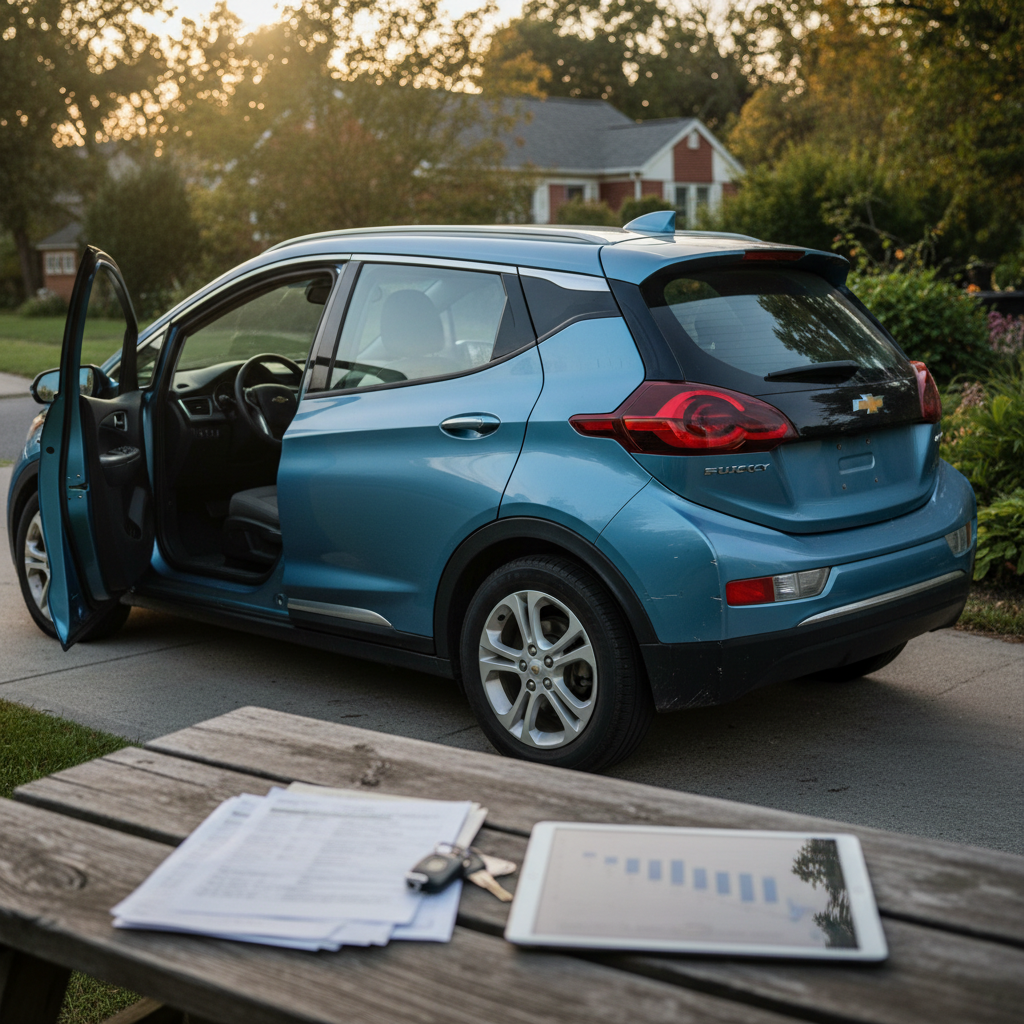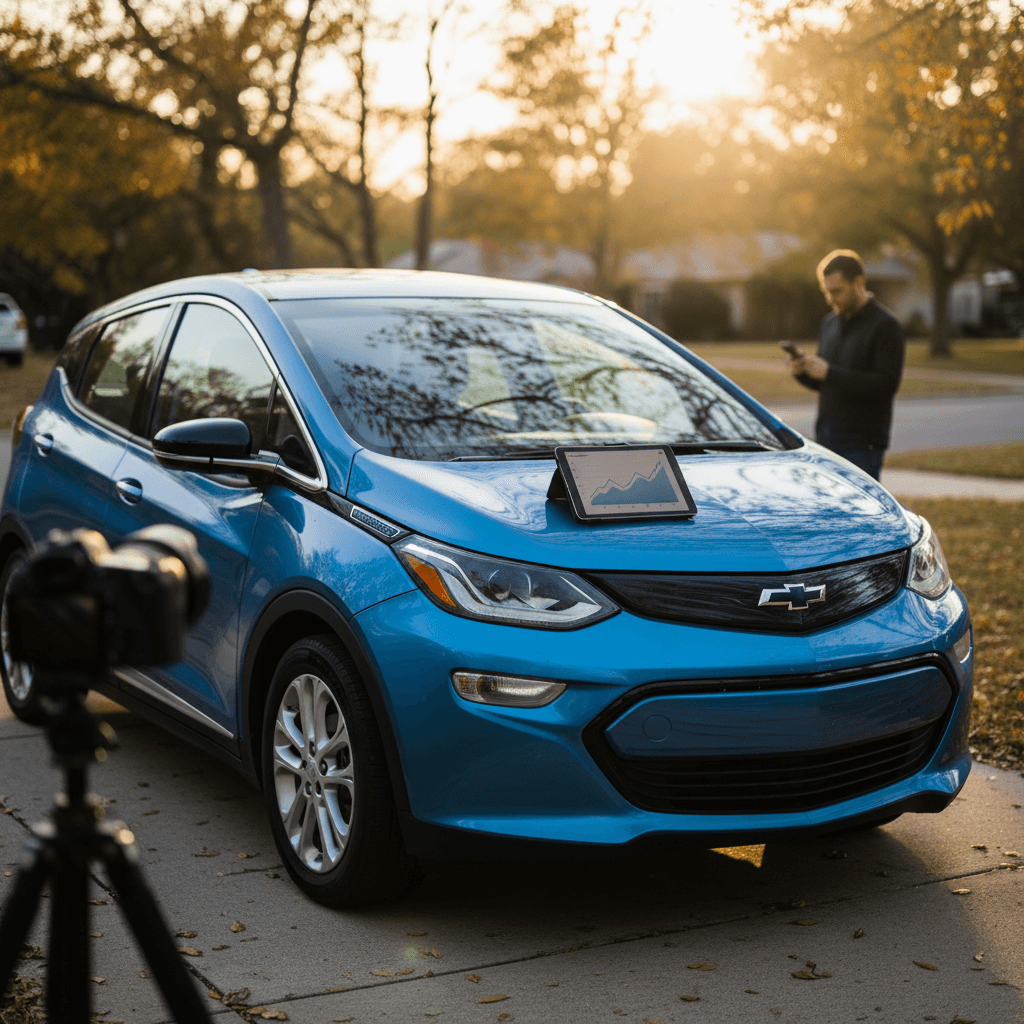
If you’re wondering about the sell 2023 Chevrolet Bolt EV value, you’re not alone. The last model year of Chevy’s affordable hatchback EV has turned into a hot commodity in the used market, despite EV softening in other segments. The trick is understanding where values really sit today, what buyers look for, and which selling path gives you the most money with the least hassle.
Quick snapshot
Why 2023 Bolt EV values are a special case
Before you decide how and where to sell, it helps to know why the 2023 Bolt EV doesn’t behave like a typical three‑year‑old hatchback. Three forces are working at the same time: a steep new‑EV price cut in 2022, the model’s end of production in late 2023, and shifting federal tax credits that reshaped both new and used EV pricing.
- Final model year status. GM ended Bolt EV production after 2023 as it shifted to Ultium‑based models, which gave the 2023 cars a bit of "last of the line" appeal among value‑focused EV shoppers.
- Deep price cuts when new. Chevrolet slashed Bolt EV MSRPs for 2022–2023, which means today’s resale values started from a lower sticker price than earlier years, important when you compare depreciation.
- Tax‑credit whiplash. The $7,500 new‑EV credit and the up‑to‑$4,000 used‑EV credit have come and gone in different forms, changing what buyers are willing to pay at any given moment.
- Battery‑recall overhang. Earlier Bolt EV model years were hit by a high‑profile battery recall; 2023s generally escaped the worst of it but still live in that shadow, which is why buyers are laser‑focused on documented battery health.
Don’t assume your friend’s price applies to you
What a 2023 Chevy Bolt EV is worth today
Typical 2023 Bolt EV value ranges in early 2026
Those ranges are directional, not guarantees. A 2023 Bolt EV 1LT with 40,000 miles in a soft EV market might fall under them, while a 2LT with 10,000 miles, desirable colors, and a stellar battery report can climb above them, especially in regions where used EV inventory is thin.
How trim, miles, and condition shape 2023 Bolt EV pricing
These example bands illustrate how similar cars can land at very different price points.
| Scenario | Trim & Miles | Condition & History | Likely Value Band |
|---|---|---|---|
| Budget shopper special | 1LT, ~40,000 miles | Good overall, basic options, no accidents | Trade‑in: $14k–$17k • Private sale: $16k–$19k |
| Sweet‑spot commuter | 2LT, ~25,000 miles | Clean history, good tires, full records | Trade‑in: $17k–$20k • Private: $20k–$23k |
| Top of the pile | 2LT, <15,000 miles | One‑owner, loaded options, verified strong battery | Trade‑in: $19k–$22k • Private: $22k–$25k+ |
Use this as a framework, then cross‑check with real‑time listings and instant offers.
EV vs. gas resale context
Key factors that move your 2023 Bolt EV value up or down
Six levers that drive your 2023 Bolt EV sale price
You can’t change the model year, but you can shape how buyers see your car.
Mileage
Accident history
Battery health
Charging profile
Maintenance & records
Market & region
Easy win: prep your documentation
How battery health impacts your sale price
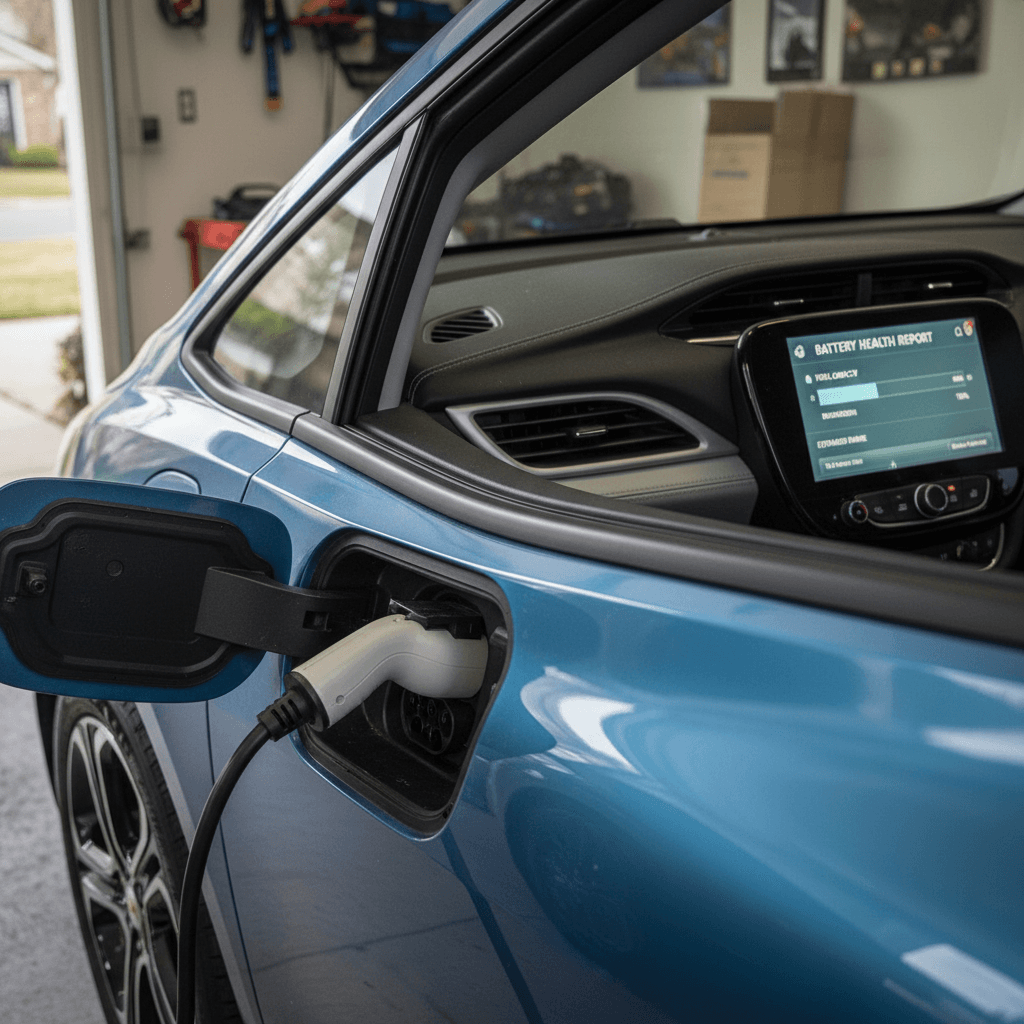
On a gasoline car, buyers obsess over engine and transmission. On a 2023 Bolt EV, they obsess over the battery pack. The Bolt EV’s 65 kWh pack delivers an EPA‑rated 259 miles when new, but what shoppers truly care about is how much of that range your car still has, and whether there are any warning signs of abuse.
What buyers want to see
- No active warnings on the dash, especially related to high‑voltage systems.
- Range that aligns with other 2023 Bolts at similar state of charge and conditions.
- Evidence of recall work (if applicable) and any software updates the dealer performed.
- Charging behavior that suggests you mostly used Level 2 at home or work, with only occasional DC fast‑charging.
How to prove it
- Pull recent range photos at 80–100% charge on your normal commute.
- Save any emails or invoices from Chevy dealers documenting battery checks.
- Consider a third‑party battery‑health report from an EV‑specialist platform like Recharged’s Recharged Score.
- Be ready to explain your charging routine in detail when a buyer asks.
Where Recharged fits in
Ready to find your next EV?
Browse VehiclesBest ways to sell a 2023 Chevrolet Bolt EV
You’ve got the same broad selling choices as any used‑car owner, but EVs add a few wrinkles. Here’s how the main options usually stack up for a 2023 Bolt EV.
Selling options for your 2023 Bolt EV
Compare convenience, pricing power, and who does the work.
| Option | Typical Price Outcome | Time & Effort | Risk Level | Best For |
|---|---|---|---|---|
| Dealer trade‑in | Lowest but fastest; often at wholesale levels | Very low, one trip to the dealer | Low | Owners prioritizing convenience or rolling equity into another car |
| Instant online offer | Similar to or slightly above trade‑in, varies by market | Low, photos, VIN, quick inspection | Low‑to‑medium | Sellers who want a firm number without private‑sale hassles |
| Consignment with EV specialist (e.g., Recharged) | Often close to private‑sale value, especially for low‑mileage cars | Moderate, you provide info, they handle marketing and buyers | Low‑to‑medium | Sellers who want more money than trade‑in with professional help |
| Private sale (DIY) | Highest potential price if you market well | High, photos, listings, calls, test drives, paperwork | Medium‑to‑high | Owners with time, comfort dealing with strangers, and a paid‑off car |
You’re trading time and risk for money. Decide which trade‑off fits your situation.
Using Recharged to sell
7 steps to maximize your 2023 Bolt EV offer
Pre‑sale checklist for a stronger 2023 Bolt EV value
1. Get a real‑world value baseline
Start with high‑level pricing tools, then look at actual listings and recent sales of similar 2023 Bolt EVs (trim, miles, region). That gives you a realistic range before you collect offers.
2. Pull your payoff and paperwork
If you still have a loan, request a 10‑day payoff quote. Make sure your title, registration, and any lien‑release documents are easy to grab when a buyer is ready.
3. Order or gather a battery report
Leverage a Recharged Score Report or dealer documentation that shows your Bolt’s battery health and charging history. This is a key differentiator versus other used EV listings.
4. Fix inexpensive, obvious issues
Replace worn wiper blades, burned‑out bulbs, and mismatched tires. Consider a professional detail; clean interiors routinely add hundreds of dollars in perceived value.
5. Photograph like a pro
Shoot in daylight, capture all four corners, the interior, infotainment screens, and close‑ups of wheels and tires. Include a photo of the charging port, cable, and charge level.
6. Highlight EV‑specific perks
In your listing, call out home Level 2 charging equipment (if included), HOV or local incentives, software updates, and real‑world energy costs. Many buyers are first‑time EV shoppers.
7. Shop multiple offers
Don’t stop at the first number. Compare at least one dealer trade‑in, one or two instant‑offer platforms, and, if you’re open to it, a consignment estimate from Recharged.
Pricing strategy: how to set your asking price
Once you understand your 2023 Bolt EV’s condition and market, it’s time to put a number on the windshield. Your strategy should differ depending on whether you’re trading in, taking an instant offer, or listing the car yourself.
If you’re trading in or selling to a dealer
- Expect offers closer to the wholesale end of market data, dealers need margin to recondition and resell.
- Bring competing instant‑offer quotes to strengthen your negotiating position.
- Watch the total deal, not just the trade number; a high trade‑in can be offset by a marked‑up replacement vehicle.
If you’re selling privately or via consignment
- Price slightly above your target sale number to leave negotiation room, but stay within the band of similar live listings.
- Refresh your price every 10–14 days if interest is low; the EV market moves faster than traditional used‑car segments.
- Use your battery‑health report, clean history, and photos to justify a premium versus weaker listings.
Anchoring your number
Common pitfalls when selling a used Bolt EV
- Ignoring EV‑specific buyers’ questions. Shoppers will ask about home charging, your typical daily range, and how often you fast‑charged. If you can’t answer confidently, they’ll move on, or discount their offer.
- Skipping a full‑charge demo. For private or consignment sales, being able to show the car at or near 100% state of charge gives buyers a real‑time look at remaining range.
- Underestimating cosmetic impact. Minor curb rash or seat stains may feel trivial, but on a relatively new 2023 model they stand out and become bargaining chips.
- Hiding known issues. EV shoppers are increasingly savvy. If your Bolt has history or quirks, disclose them early; you’ll save time and avoid deal‑killing surprises.
- Letting tax‑credit headlines scare you. Incentives adjust, but used EVs that are fairly priced, well‑presented, and transparently documented still sell, especially practical commuters like the Bolt EV.
Safety and security reminder
FAQ: 2023 Bolt EV resale and selling
Frequently asked questions about selling a 2023 Chevrolet Bolt EV
Bottom line: when to sell and when to hold
The sell 2023 Chevrolet Bolt EV value story is more nuanced than a single blue‑book number. Final‑year status, an aggressive original MSRP, and evolving EV incentives mean your car’s worth depends as much on presentation, battery documentation, and timing as it does on odometer readings.
If your 2023 Bolt EV has low miles, a clean history, and strong battery health, you’re in a favorable position, whether you trade it in, take an instant offer, or pursue a private or consignment sale. The key is to treat your EV like the in‑demand commuter it is: document it well, price it realistically, and market it where EV‑savvy shoppers are already looking. Platforms like Recharged can handle the heavy lifting with expert pricing, a Recharged Score battery‑health report, nationwide buyers, and streamlined closing, helping you capture the full value of the car you’ve already invested in.