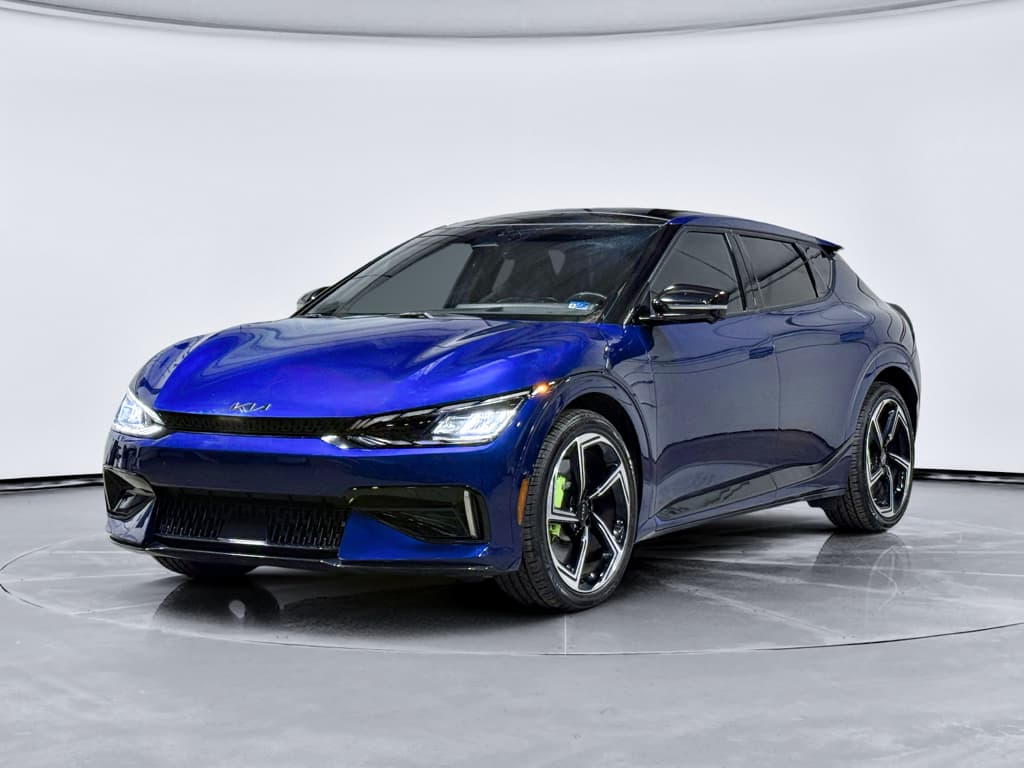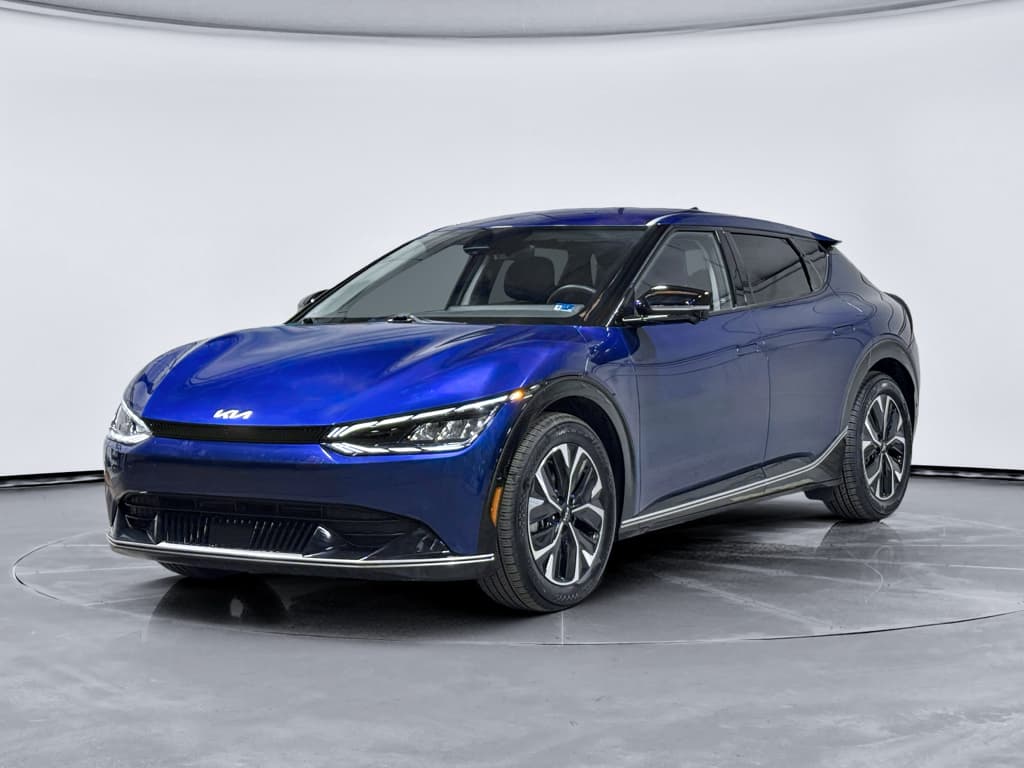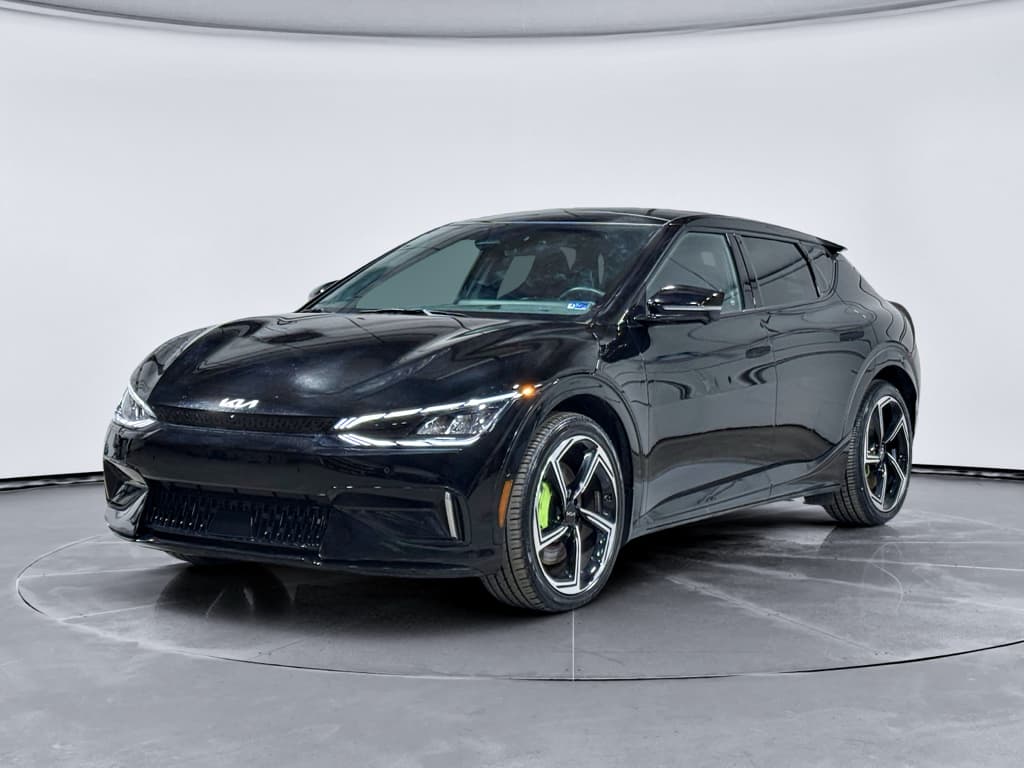
If you’re considering a Kia EV6, or shopping for one used, the big question is obvious: how long will the Kia EV6 battery last before it becomes a problem for range or your wallet? The good news: with modern chemistry, liquid cooling, and a long factory warranty, a well‑cared‑for EV6 pack is built to deliver usable range for well over a decade.
Quick takeaway
Kia EV6 battery lifespan: the short answer
- Kia backs the EV6 high‑voltage battery for 10 years or 100,000 miles in the U.S., including capacity protection down to roughly 70%.
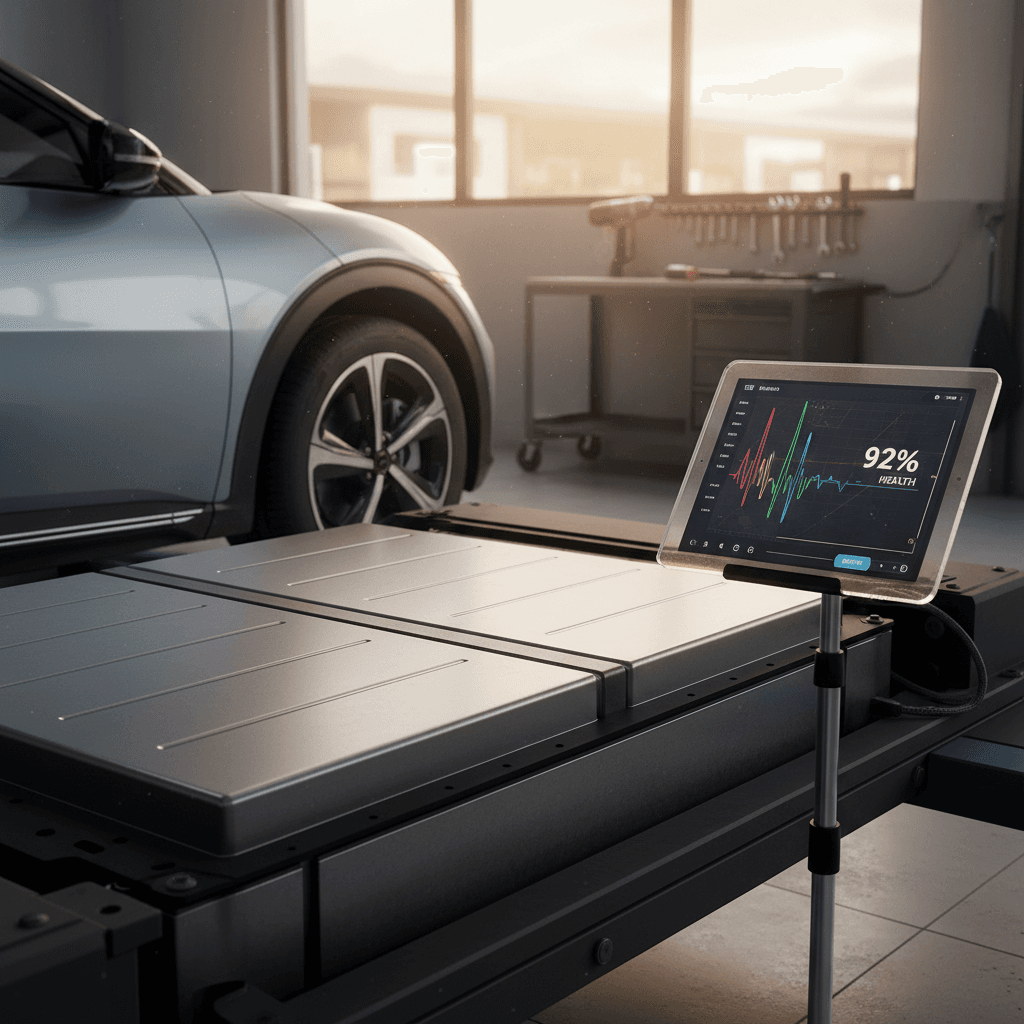
- Real‑world data so far points to single‑digit to low‑teens percent degradation over the first 8–10 years for typical drivers.
- Most EV6 batteries are expected to remain above 80% of original capacity well beyond the warranty window if they’re not abused.
- When failures do happen, they’re usually individual component issues (modules, electronics) rather than the entire pack needing replacement right away.
Put differently: if you buy a Kia EV6 new in 2026 and drive an average of 12,000 miles per year, you should reasonably expect the original battery to still be working, and still covered by capacity warranty, into the mid‑2030s. Many packs will remain serviceable even longer, especially in moderate climates with mostly Level 2 charging.
Inside the EV6 battery: size, chemistry, and design
Understanding how long a Kia EV6 battery lasts starts with what’s actually under the floor. The EV6 rides on Hyundai‑Kia’s E‑GMP platform and uses a large, liquid‑cooled lithium‑ion pack with modern cell chemistry designed for long life and fast charging.
Kia EV6 high‑voltage battery basics
Key specs that influence lifespan and real‑world range.
| Item | Detail |
|---|---|
| Battery type | Liquid‑cooled lithium‑ion (NCM chemistry family) |
| Gross capacity | ~77–84 kWh depending on model year/trim |
| Usable capacity | Typically low‑ to mid‑70 kWh available to the driver |
| Thermal management | Active liquid cooling and battery heater |
| Charging power | Up to 240 kW DC fast charging on 800‑V architecture |
| Target capacity window | Battery management system keeps a buffer at top and bottom to protect longevity |
Exact specs vary slightly by model year and trim, but the fundamentals are consistent across the EV6 lineup.
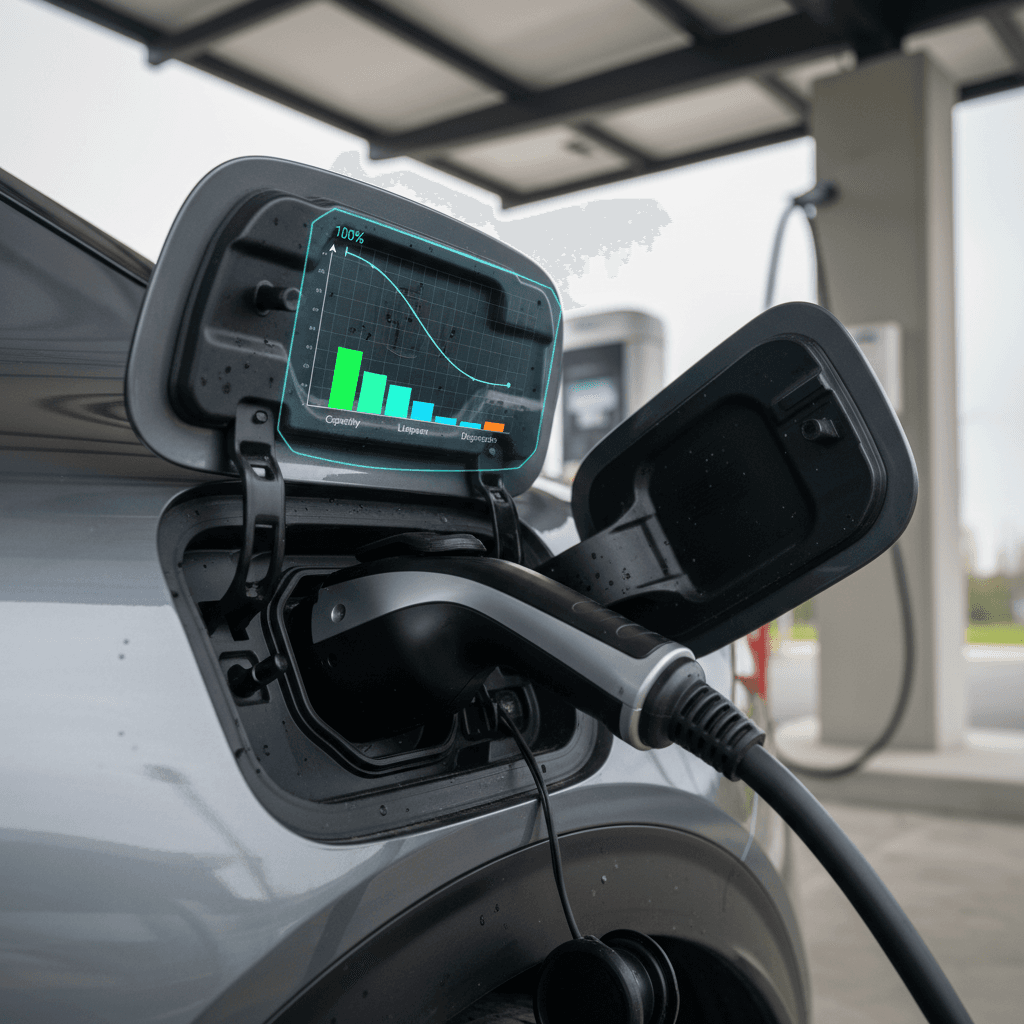
That last line is important. You never actually use 100% of the physical cells. Kia builds in buffer at the top and bottom of the pack’s state of charge, so even when your dash says “0%” or “100%,” the cells are not at their most stressful extremes. That built‑in protection is a big reason EV6 owners are seeing modest degradation rather than dramatic drops in range.
Warranty: how long is the EV6 battery covered?
In the U.S., Kia pairs the EV6 with one of the strongest battery warranties on the market. That’s your first concrete clue about how long Kia expects these packs to last.
Kia EV6 battery warranty at a glance
Beyond the high‑voltage pack, the EV6 also benefits from Kia’s familiar 10‑year/100,000‑mile powertrain warranty and a 5‑year/60,000‑mile basic warranty on non‑powertrain components in the U.S. That mix means most major electric‑drive pieces are covered for a decade from original sale, which supports strong used values if the car is properly maintained.
Check the fine print
Real‑world EV6 battery degradation: what owners are seeing
The EV6 hasn’t been on U.S. roads for a full decade yet, so nobody can show you a 200,000‑mile EV6 pack under a microscope. But we do have growing owner data, 50,000‑mile and even 100,000‑mile reviews, plus history from earlier Kia EVs that used similar technology.
Typical EV6 degradation patterns so far
Rough expectations for a well‑cared‑for pack in moderate climates.
Years 1–3 / up to ~40,000 miles
Most owners report roughly 0–7% loss in displayed range or estimated capacity. Many see no meaningful change day‑to‑day.
Years 4–6 / around ~60,000 miles
It’s realistic to land around 5–10% total loss versus new for drivers who mainly use Level 2 charging with occasional DC fast charging.
Years 7–10 / near 100,000 miles
Degradation may creep into the 10–15% range for typical users. Kia’s capacity warranty is designed to step in if things fall toward the ~70% mark.
Those numbers aren’t promises, and outliers will always exist. A high‑mileage commuter in a hot climate who fast‑charges daily will see faster loss than a suburban driver in Seattle who trickle‑charges overnight. But so far, EV6 packs are behaving like other modern liquid‑cooled EV batteries: gradual, mostly predictable degradation rather than sudden cliff‑dives.
Good news for used‑EV shoppers
6 factors that affect how long a Kia EV6 battery lasts
Battery lifespan isn’t just about the calendar. How, where, and how much you drive all shape how long your EV6 battery will stay healthy. Here are the big levers you can actually control.
Key drivers of Kia EV6 battery lifespan
1. Mileage and daily driving pattern
Higher annual mileage means more charge cycles. A 25,000‑mile‑per‑year road warrior will accumulate wear faster than a 6,000‑mile‑per‑year city driver. Short, gentle commutes are usually easier on the pack than constant road‑trip duty.
2. Climate and temperature extremes
Heat is the enemy of lithium‑ion cells. Hot, sun‑baked parking and frequent fast charging in high temperatures accelerate wear. Cold climates can temporarily reduce range but usually aren’t as harmful long‑term if the car preconditions properly.
3. DC fast charging vs. Level 2
The EV6 is built for very fast charging, but <strong>relying on DC fast charging as your primary fuel source</strong> will age the pack faster than mostly using a home or workplace Level 2 charger. Occasional road‑trip fast charging is fine; daily 240‑kW blasts aren’t ideal.
4. Charging habits and state of charge window
Regularly cycling between about <strong>20–80%</strong> is gentler than bouncing from 0% to 100% every day. Keeping the car parked at 100% charge for long stretches (especially in heat) is harder on the pack than letting it sit closer to 40–60% when you don’t need full range.
5. Software updates and battery management
Kia can tweak how the pack is used and protected via software updates. Staying current on updates and not disabling helpful protections (like charging limits) lets the battery management system do its job and preserve longevity.
6. Manufacturing variation and history
Not all packs are identical. Rare defects, previous abuse, or crash damage can shorten life. That’s why independent health checks, like the <strong>Recharged Score battery report</strong>, are valuable when you’re buying used.
How long an EV6 battery lasts in different ownership scenarios
Scenario 1: Typical U.S. commuter
Use case: 10,000–12,000 miles per year, mostly home Level 2 charging, mixed city/highway, moderate climate.
- After 8–10 years, many EV6 packs in this scenario should still be at roughly 80–90% of original capacity.
- That usually means only a modest range drop, think ~20–40 miles off the brand‑new EPA range.
- Battery remains within or just beyond Kia’s 10‑year/100,000‑mile capacity warranty window.
Scenario 2: Heavy‑use road‑tripper
Use case: 20,000+ miles per year, frequent DC fast charging, hot or very cold climate, highway‑heavy driving.
- After 8–10 years, this EV6 could show higher‑teens to low‑20s percent degradation.
- Usable range might drop more noticeably, but still be perfectly practical for many owners.
- If capacity fell below ~70% before 10 years/100,000 miles, Kia’s battery warranty could come into play.
In both scenarios, the EV6 battery isn’t expected to “die” suddenly like a failing 12‑volt lead‑acid car battery. Instead, you see a slow, mostly predictable reduction in usable range and fast‑charging speed. For most owners, the car ages out or is traded in before the pack becomes a true limitation.
EV6 battery replacement: when, why, and how much
Kia designed the EV6 so that individual modules or components can often be serviced without replacing the entire pack. But what if you do end up facing a major battery repair outside warranty?
What to know about EV6 battery replacement
Rare, but worth understanding, especially for long‑term owners and used‑EV shoppers.
How often it’s needed
Full pack replacements on modern Kia EVs are still uncommon, especially inside the 10‑year/100,000‑mile window. Most issues are handled via module replacement or electronics repairs.
Potential cost range
Out‑of‑pocket full‑pack replacement on a large EV crossover can easily reach five figures before labor. Exact pricing depends on parts availability, remanufactured options, and future battery costs.
Resale implications
A healthy high‑voltage pack with documented history can dramatically boost used value, while a car that’s close to, or past, its capacity warranty with unclear battery health will sell at a discount.
How Recharged reduces the guesswork
How to extend your Kia EV6 battery lifespan
You can’t change your climate, and sometimes you can’t avoid a fast charge on a road trip. But you do control your daily habits. A few simple tweaks can add years of useful life to your EV6 battery and preserve range for the next owner, too.
Practical habits to keep your EV6 battery healthy
Set a daily charge limit (around 70–80%)
Use the EV6’s charging menu to cap daily charging below 100% for routine driving. Save full charges for trips where you truly need the range.
Avoid frequent 0%–100% swings
Deep cycles are stressful on lithium‑ion cells. Try not to run the car to near‑empty or let it sit at full for long periods. Living mostly in the 20–80% band is a healthy compromise.
Favor Level 2 at home or work
Use DC fast charging as a convenience, not a default. Regular overnight Level 2 charging at 32–48 amps is much easier on the pack than daily high‑power fast charges.
Precondition in extreme weather
In very cold or hot conditions, let the car precondition the battery before fast charging or heavy use. This helps the pack operate in its preferred temperature window.
Don’t bake the car if you don’t have to
Parking in shade or a garage may sound trivial, but reducing how often the pack soaks in extreme heat can meaningfully slow long‑term degradation.
Stay current on software and service
Keep up with Kia software updates and service campaigns related to the high‑voltage system. These updates can improve charging behavior, thermal management, and diagnostics over time.
Buying a used Kia EV6? How to judge battery health
For used buyers, the question isn’t just “how long does a Kia EV6 battery last?” It’s “how healthy is the pack in this specific car, and how long will this one last for me?” Here’s how to stack the odds in your favor.
1. Check model year, mileage, and climate history
Start with basics: model year, odometer, and where the car has lived. A 2022 EV6 with 35,000 miles that spent its life in a mild climate is a very different proposition than a high‑mileage car from a desert region that fast‑charged constantly.
2. Confirm remaining battery warranty
Ask the seller for the in‑service date (when the car was first sold) and run the VIN with Kia or a dealer to confirm how many years and miles of high‑voltage battery coverage are left. On many used EV6s, there’s still a large chunk of warranty remaining.
3. Look at range and charging behavior
On a full charge, compare the car’s displayed range in its usual drive mode to what similar EV6s report. A modest drop is normal; a huge gap can be a red flag.
4. Get a professional battery health report
On Recharged, every EV6 comes with a Recharged Score report that includes battery health diagnostics, charge‑cycle insights, and checks for open recalls or known issues. If you’re buying elsewhere, consider an independent EV inspection that can read pack data beyond what the dash shows.
Be wary of red flags
FAQ: Kia EV6 battery lifespan and warranty
Frequently asked questions about Kia EV6 battery life
Bottom line: how long will a Kia EV6 battery last?
If you’re wondering about Kia EV6 battery lifespan and how long it really lasts, the emerging picture is encouraging. With a 10‑year/100,000‑mile high‑voltage battery warranty, modern liquid‑cooled pack design, and real‑world degradation that’s tracking in the single‑digit to low‑teens percent range over a decade for typical drivers, the EV6 is built for the long haul.
You’re far more likely to trade the car for something new, or pass it on to a second or third owner, before the battery becomes unusable. And if you’re shopping used, focusing on cars with solid history, remaining warranty, and a third‑party battery health report goes a long way toward de‑risking the purchase. That’s exactly why every EV6 on Recharged comes with a Recharged Score battery report, transparent pricing, financing options, and expert EV‑specialist support from first click to delivery.