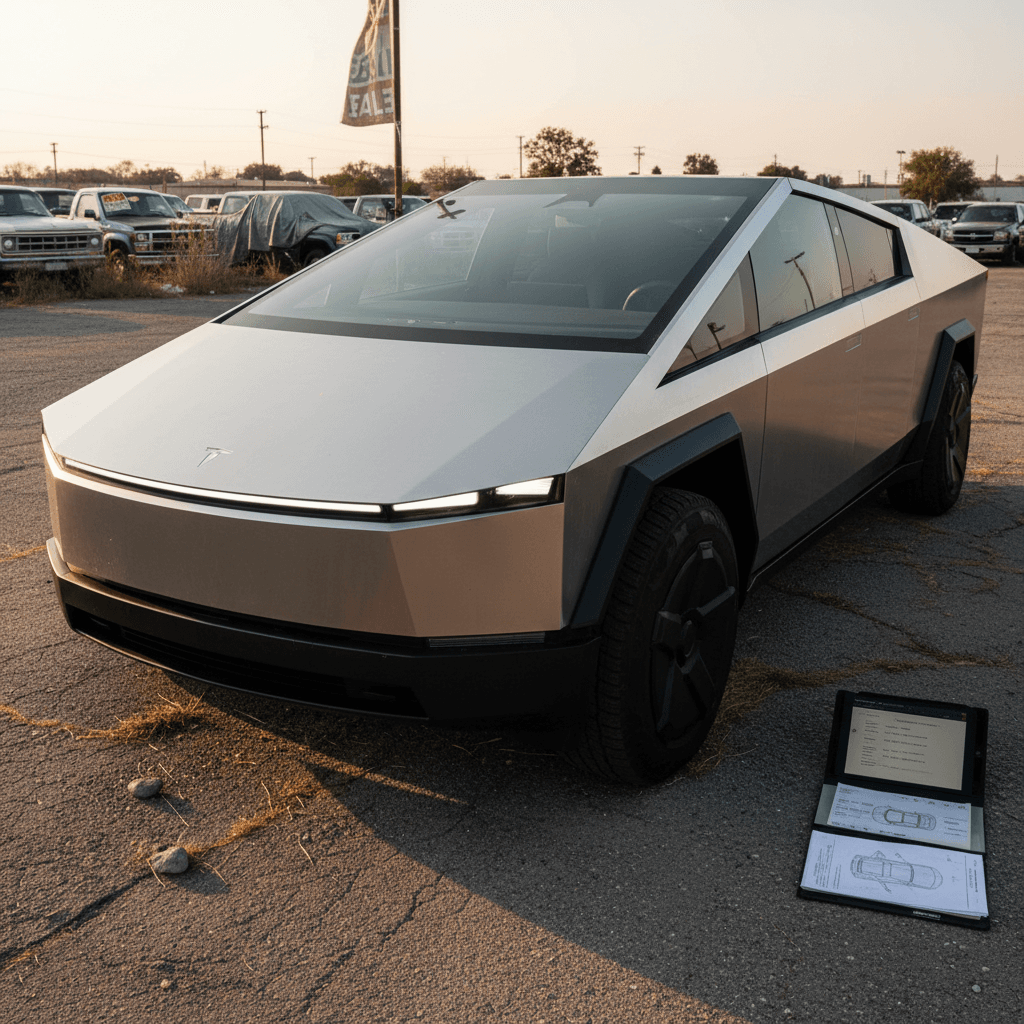
The 2025 Tesla Cybertruck is still the most polarizing vehicle on the road. Five years after its reveal and more than a year into customer deliveries, it finally exists in meaningful numbers, and the hype has settled into something more useful: real-world data. This 2025 Tesla Cybertruck review pulls together what we know about pricing, range, towing, depreciation, and day-to-day livability so you can decide if this stainless-steel wedge deserves a spot in your driveway, or on your jobsite.
Quick context
2025 Tesla Cybertruck at a glance
2025 Cybertruck key numbers
On paper, the 2025 Cybertruck looks like a moonshot: stainless‑steel exoskeleton, integrated 48‑volt electrical architecture, four‑wheel steering, and acceleration numbers that embarrass many sports cars. In practice, it’s a mixed bag. You get wild performance and a built‑in power station, but also **steep depreciation**, a still‑maturing build‑quality story, and a price that no longer undercuts rival EV pickups by much, especially once federal tax credits and dealer discounts are factored in on competitors.
Headline takeaway
2025 Cybertruck trims, pricing, and key specs
Tesla has shuffled Cybertruck pricing more than once, but by early 2026 the 2025 model‑year lineup effectively consists of three configurations, all with four‑door crew‑cab bodies and a 6‑foot bed. Exact list prices move month to month; what matters for you is where each trim sits and what you give up or gain.
2025 Tesla Cybertruck trims at a glance
Approximate equipment and performance for the current three‑trim Cybertruck lineup. Exact pricing and specs can change on short notice, so always confirm in Tesla’s configurator before you buy.
| Trim | Drivetrain & power | Est. range* | 0–60 mph* | Max towing* | Typical 2025 pricing |
|---|---|---|---|---|---|
| Dual‑Motor AWD (Base / "Working" trim) | Dual motors, AWD, ~590 hp | Up to ~325 mi | ≈4.1 s | ≈7,500 lb | Roughly $60,000–$70,000 depending on incentives and short‑term promotions |
| Premium AWD | Dual motors, higher spec, adaptive dampers | Slightly less than base when similarly optioned | ~4.0 s | Up to ~11,000 lb | Often in the $80,000 range with options |
| Cyberbeast (Tri‑motor) | Three motors, ~840+ hp | Lower than dual‑motor due to power focus | ≈2.6–2.7 s | Up to ~11,000 lb | MSRP hovers around $100,000; actual transactions vary with options and local demand |
All Cybertrucks are all‑wheel drive for 2025; the earlier rear‑drive long‑range version has been dropped.
How it compares on price
What’s unique about the Cybertruck vs a normal pickup?
Three design choices drive most of the pros and cons you’ll feel as an owner.
Stainless exoskeleton
Instead of a traditional painted body, the Cybertruck uses bare stainless‑steel panels.
- Pros: No paint to chip, sci‑fi look, potential corrosion resistance.
- Cons: Hard to repair or reshape, visible fingerprints and smudges, glare and pedestrian‑safety questions in some regions.
Integrated bed & sail pillars
The vault‑style bed, sail pillars, and cab form a single structural unit.
- Pros: Very rigid structure, slick aero, powered tonneau cover.
- Cons: Less flexibility for toppers, some rack solutions are awkward or pricey.
48‑volt architecture
Tesla’s move to 48V low‑voltage systems reduces wiring weight and can enable future accessories.
- Pros: Easier to power tools, accessories, and onboard outlets.
- Cons: Aftermarket ecosystem is still catching up; many third‑party accessories are designed for 12V trucks.
Buying tip
Range, efficiency, and charging experience
Every Cybertruck is quick; not every Cybertruck is efficient in the real world. The sharp edges and massive tire widths that give the truck its stance also work against it at highway speeds. Think of Cybertruck range like you would any boxy off‑road SUV: respectable on paper, sensitive to how and where you drive.
- Dual‑motor trucks are rated roughly in the low‑to‑mid‑300‑mile range under ideal conditions.
- The high‑output Cyberbeast trades some range for power and larger wheels; expect real‑world numbers well below the headline rating if you lean on the throttle or tow.
- Cold weather, big wheels, aggressive all‑terrain tires, and roof‑rack accessories can all put a meaningful dent in how far you can go on a charge.

Charging speeds
Tesla designed the Cybertruck to fit comfortably into its fast‑charging ecosystem. On a healthy battery and a high‑power Supercharger, you can often go from a low state of charge to about 80% in 25–35 minutes. That’s in line with other modern EV pickups.
Peak charge rates vary by software version, temperature, and state of charge, but in normal use the Cybertruck feels competitive with the Rivian R1T and Ford F‑150 Lightning on road‑trip days.
Network reality
The real advantage for Cybertruck owners isn’t just speed; it’s access. Tesla’s Supercharger network remains one of the most dense and reliable DC fast‑charging options in North America. As more non‑Tesla EVs move to the NACS plug, the playing field is leveling, but today it’s still hard to beat the plug‑and‑charge simplicity you get with a Cybertruck.
At home, you’ll want a proper Level 2 charger on a 240‑volt circuit. That turns the truck into a “fuel‑at‑home” experience, refilling overnight even from a low state of charge.
Range reality check
Towing, hauling, and real truck utility
On spec sheets, the 2025 Cybertruck plays in the same arena as half‑ton gas and diesel trucks. Tow ratings climb into five figures on the right trim, and payload is competitive with other electric pickups. The difference arrives when you look at how those numbers feel in practice, and what they do to your range.
Cybertruck towing and utility snapshot
High‑level view of how Cybertruck capability maps to common truck tasks.
| Use case | What the Cybertruck does well | Where it struggles |
|---|---|---|
| Weekend towing (3,000–5,000 lb) | Plenty of power and stable manners; built‑in trailer assist tools help backing and hitching. | Expect frequent fast‑charge stops on long trips; plan routes around Supercharger access near highways. |
| Work‑site hauling | Integrated bed outlets let you run saws, compressors, and other tools without a generator. | Stainless bed and sail pillars limit some traditional rack/topper setups; up‑fitting support is growing but still behind full‑size gas trucks. |
| Off‑road & overlanding | Strong torque, low center of gravity, four‑wheel steering, and adjustable ride height (on higher trims) make rough trails feel easy. | Size and weight are significant; narrow trails and soft surfaces require care, and range drops fast at higher ride heights with off‑road tires. |
Use this as directional guidance; always double‑check the door‑jamb label on the exact truck you’re buying for official payload and tow ratings.
Towing rule of thumb
On-road performance, comfort, and build quality
The 2025 Cybertruck feels more like a performance SUV from behind the wheel than a traditional body‑on‑frame pickup. Instant torque, four‑wheel steering, and a low center of gravity make it surprisingly nimble in parking lots and highway lane changes once you get used to the sheer width.
Driving experience: highs and lows
Where the Cybertruck impresses, and where early owners still see rough edges.
Brutal acceleration
Even the “slow” Cybertruck is quick. The dual‑motor jumps off the line, and the Cyberbeast rewrites what a full‑size truck can do in a straight line.
Passing on two‑lane roads is effortless; merging on short on‑ramps is trivial.
Cabin & comfort
The interior follows Tesla’s minimalist playbook: large central touchscreen, sparse physical controls, and generous storage.
Seats are supportive, space is excellent, and rear passengers get good legroom, but some buyers miss traditional buttons, knobs, and hardware controls.
Build quality
Early trucks shipped with inconsistent panel gaps, trim issues, and software glitches. Tesla has been addressing many of these with running production changes and OTA updates, but quality can still vary truck to truck.
If you’re shopping used, a thorough inspection is non‑negotiable.
Safety & recall note
Ownership costs, depreciation, and insurance
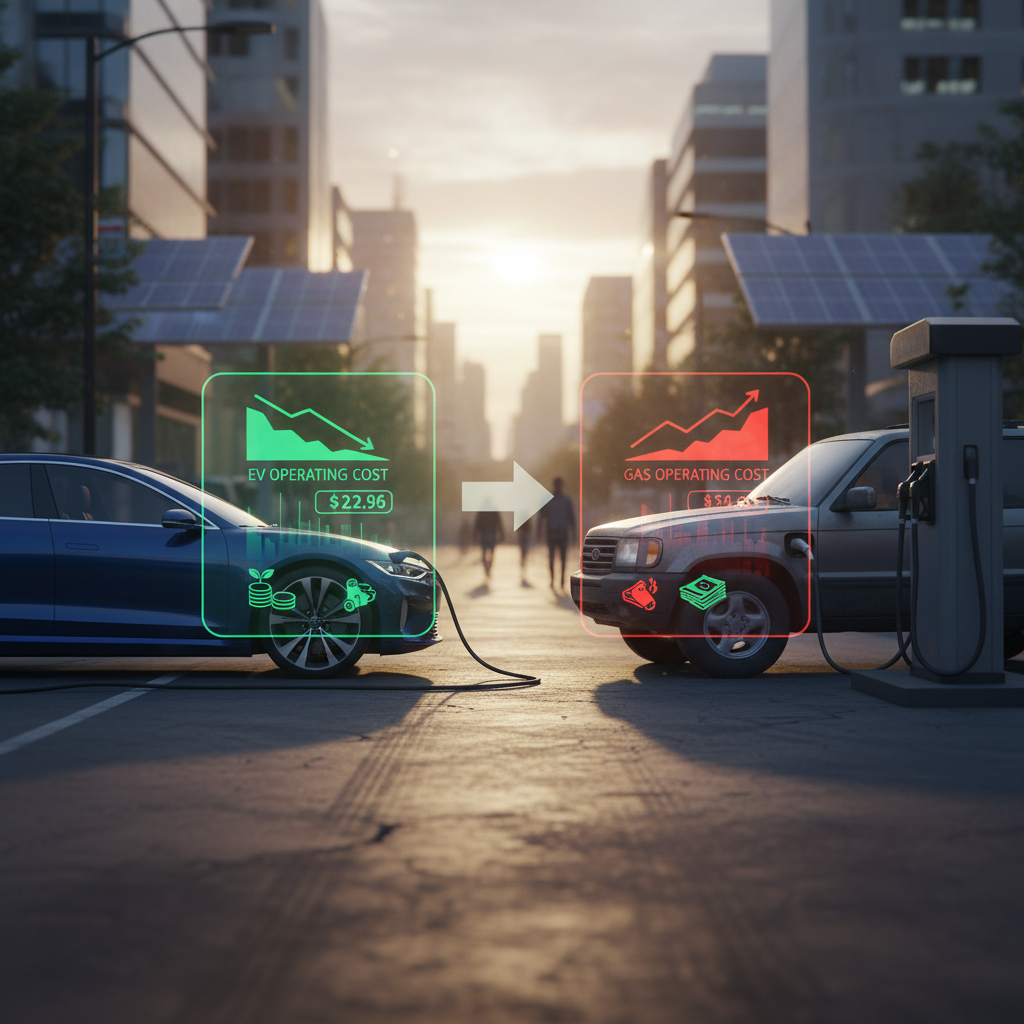
On running costs, the 2025 Cybertruck looks good. Electricity is often cheaper per mile than gas or diesel, even with public fast‑charging folded in, and maintenance on EV drivetrains tends to be lower than on complex turbo V6 or diesel trucks. The surprise comes on the resale side: the early Cybertruck market has been a roller coaster.
Key ownership-cost factors to budget for
Electricity vs fuel
If you can charge at home on a time‑of‑use or off‑peak rate, your per‑mile energy cost can undercut gas trucks by a wide margin. If you rely heavily on DC fast charging, your savings shrink, but usually don’t disappear entirely.
Maintenance and repairs
You skip oil changes, spark plugs, and transmissions, but you still have brakes, suspension, tires, and bodywork. The Cybertruck’s unique stainless body may be more expensive to repair after a collision than a conventional truck.
Depreciation
Early flippers saw six‑figure resale prices collapse as new‑truck supply improved. By 2025, used values have been trending down toward, and sometimes below, new‑truck pricing, especially once you factor in new‑vehicle tax credits and manufacturer price cuts.
Insurance
Insurers price Cybertrucks like high‑value, high‑performance vehicles with expensive bodywork and advanced tech. Quotes can be noticeably higher than for a conventional half‑ton. Always get an insurance estimate before you sign anything.
What the numbers are telling us
Should you buy a new or used Cybertruck?
In 2025, Cybertruck shoppers finally have a choice: pay a quickly shifting new‑vehicle price or let someone else take the first‑year hit and buy used. The right answer depends on your risk tolerance and how important specific features and software versions are to you.
Case for buying new
- Latest hardware & software: Tesla quietly updates components and tuning as it goes. Buying new gives you the most current build and the cleanest slate for over‑the‑air updates.
- Full warranty window: You get maximum coverage on both battery and truck, a big deal with a first‑generation product.
- Tax credits & promos: Depending on configuration and policy changes, you may be able to stack federal credits, state incentives, and temporary price cuts.
New makes sense if you want a very specific build, need the full warranty term, or can take advantage of incentives that narrow the price gap to used.
Case for buying used
- Someone else takes the hit: Early buyers who paid markups or bought before price cuts have already absorbed the steepest depreciation.
- Real‑world track record: With a used truck, you can look at service history, panel repairs, and owner feedback instead of betting on unknowns.
- Faster availability: Inventory trucks on the used market are on the ground today; you’re not waiting on a configuration invite or delivery window.
Used makes sense if you’re value‑driven and willing to be flexible on color, wheel size, or niche features.
Used‑shopping tip
Who the 2025 Cybertruck actually fits (and who it doesn’t)
Is the 2025 Cybertruck a good fit for you?
Three common buyer profiles, and how well the truck serves each one.
The tech‑forward early adopter
Best fit: You care about design, software, and being first more than you care about resale curves or bodyshop quotes.
The Cybertruck still turns heads in a way no other production truck does. If you want that experience and can absorb volatility in value, this is your playground.
The work‑truck buyer
Mixed bag: The onboard power, quick torque, and low running costs look attractive.
But if your livelihood depends on uptime in remote areas, or you rely on a local up‑fitter ecosystem, a more conventional gas or diesel truck, or a mainstream EV like the F‑150 Lightning, may be a safer bet for now.
The road‑trip family
Depends on your routes: If most of your long trips run through Supercharger‑dense corridors, the Cybertruck can be a comfortable, quick family hauler.
If you tow a camper deep into rural areas, frequent DC fast‑charging stops and route‑planning overhead may wear thin.
Buying a used Cybertruck: how Recharged can help
Because the Cybertruck behaves more like a tech product than a conventional pickup in terms of software, updates, and depreciation, buying used is not just about miles and trim badges. It’s about understanding battery health, how the truck was used, and where it sits against rapidly moving new‑vehicle prices. That’s where transparent data matters.
Why shop for a used Cybertruck through Recharged
EV‑specific tools and support to keep a complex truck from becoming a complicated purchase.
Recharged Score battery health report
Every Cybertruck listed on Recharged comes with a Recharged Score Report that verifies battery health and helps you understand how much real‑world range to expect, not just what the window sticker once claimed.
Fair‑market pricing in a volatile market
We track current asking prices, recent sales, and incentive changes so you can see how a particular truck’s price fits the broader market, no guesswork, no “that’s what the computer says” shrugs.
EV‑specialist guidance
Recharged’s EV specialists can walk you through Cybertruck‑specific questions, charging, towing, over‑the‑air updates, and resale expectations, and help you compare it against other used EV pickups, all in a fully digital experience with optional nationwide delivery.
Ready to find your next EV?
Browse VehiclesIf you already own a Cybertruck and are watching the depreciation headlines with concern, Recharged can also help with **trade‑in and consignment options**. That can be a way to capture more value than a single one‑size‑fits‑all instant offer, especially on well‑kept, low‑mileage trucks or early Foundation‑series examples.
2025 Tesla Cybertruck FAQ
Frequently asked questions about the 2025 Tesla Cybertruck
Bottom line: Is the 2025 Cybertruck worth it?
The 2025 Tesla Cybertruck is no longer a meme or a prototype; it’s a real truck with real data and real trade‑offs. You get outrageous acceleration, a strong fast‑charging network, and a rolling conversation piece that can legitimately tow and haul. You also inherit high insurance costs, complex bodywork, and a resale curve that so far looks steeper than what truck buyers are used to.
If you’re a tech‑forward buyer who wants something different and can absorb value swings, the Cybertruck can be a thrilling, useful tool, especially if you find a well‑priced used example that’s already taken the early depreciation punch. If you’re a cost‑focused contractor or long‑haul tower, you may be better served by a more conventional EV pickup or a gas truck while the market and infrastructure continue to mature.
Either way, go in with clear eyes: match the truck’s strengths to your actual use case, not just its social‑media presence. And if you decide a used Cybertruck belongs in your fleet, pairing that decision with a verified battery‑health report and fair‑market pricing, through tools like Recharged’s Recharged Score, can make the difference between a bold bet and a regrettable experiment.