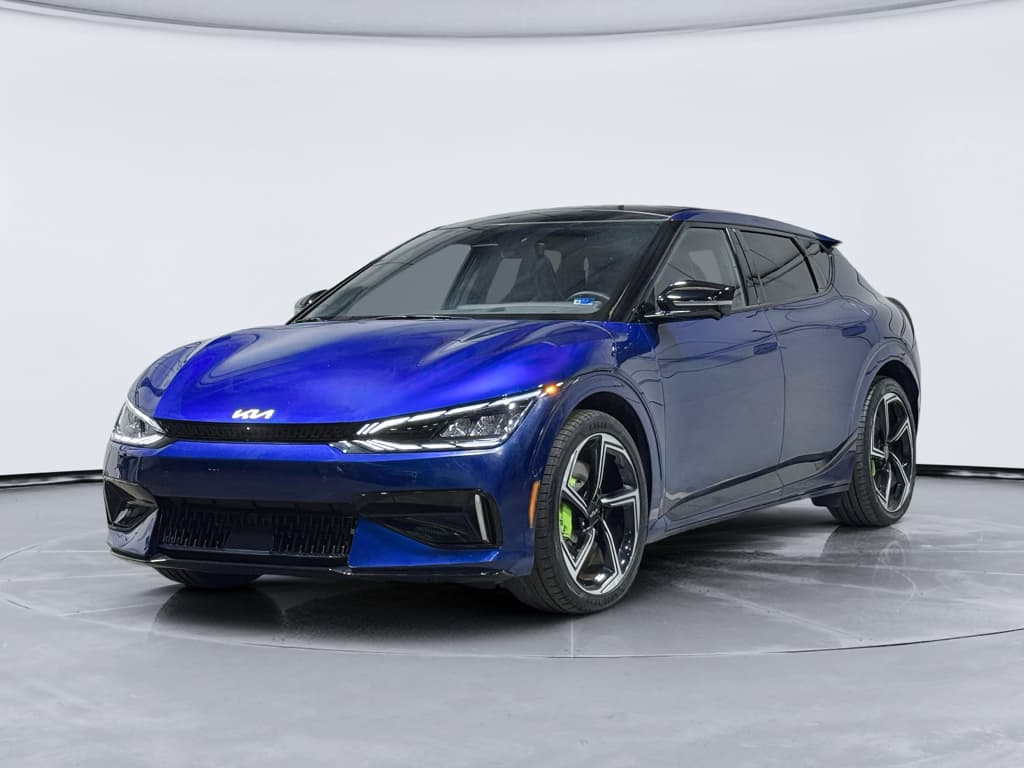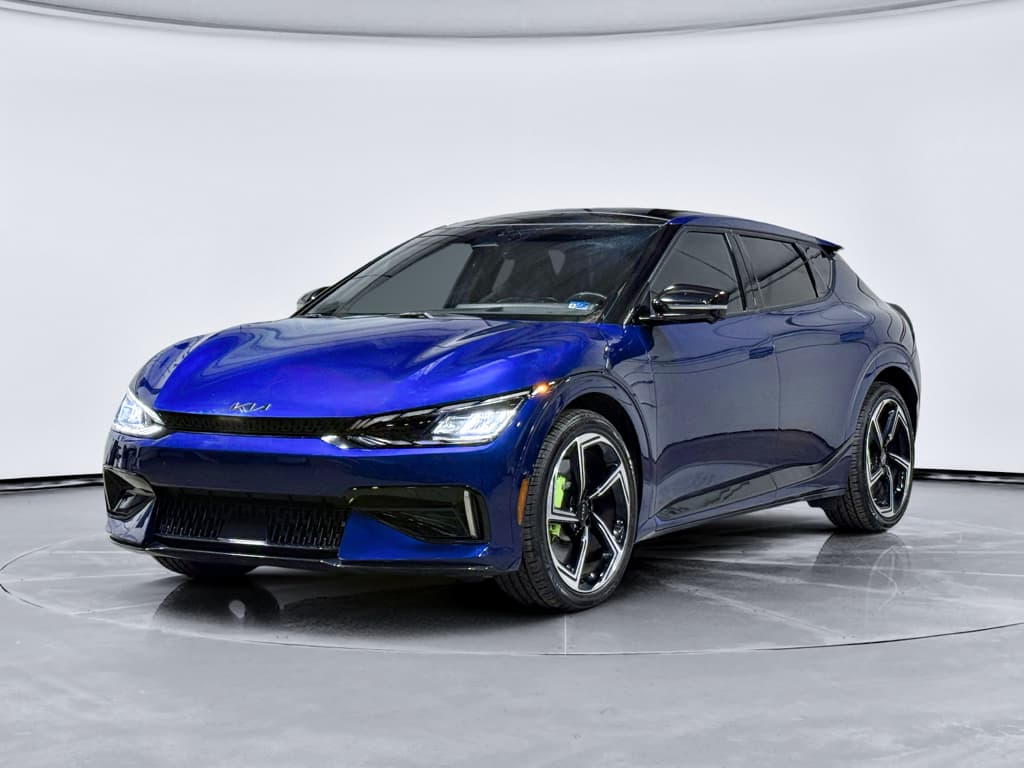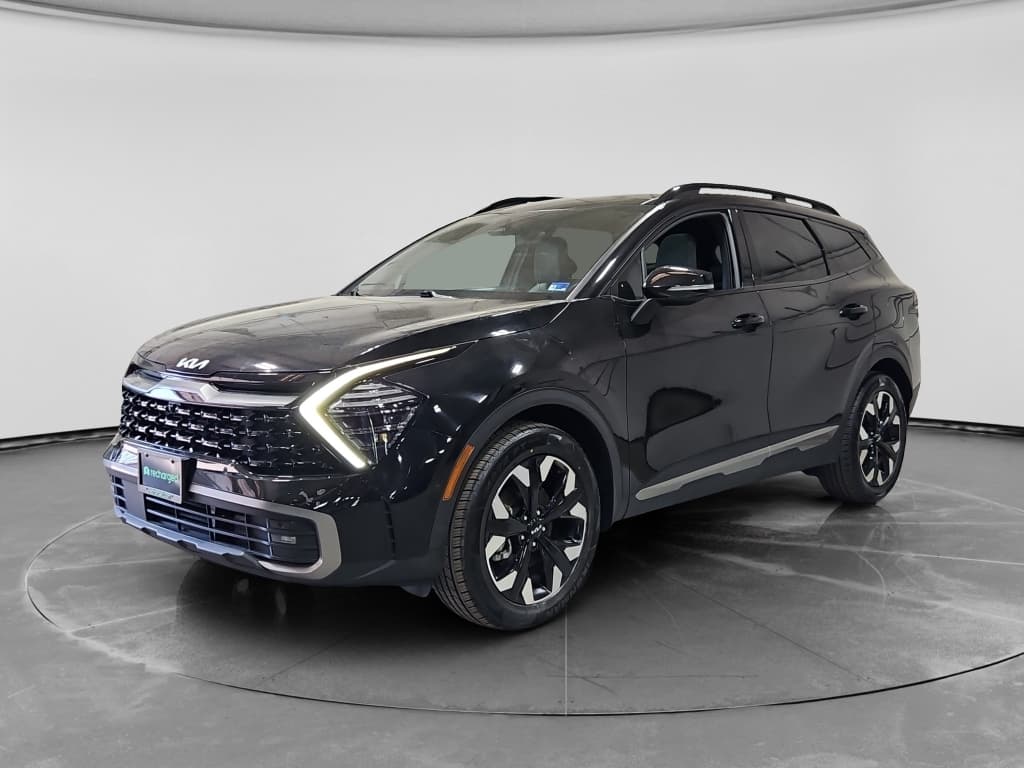
Kia has built a reputation on long warranties, and its electric vehicles are no exception. But when you see “10‑year/100,000‑mile Kia EV battery warranty coverage” in a brochure, what does that really mean for your range, your repair bills, and the value of a used Kia EV? Let’s pop the hood on the fine print and translate it into plain English.
Quick takeaway
Kia EV battery warranty basics
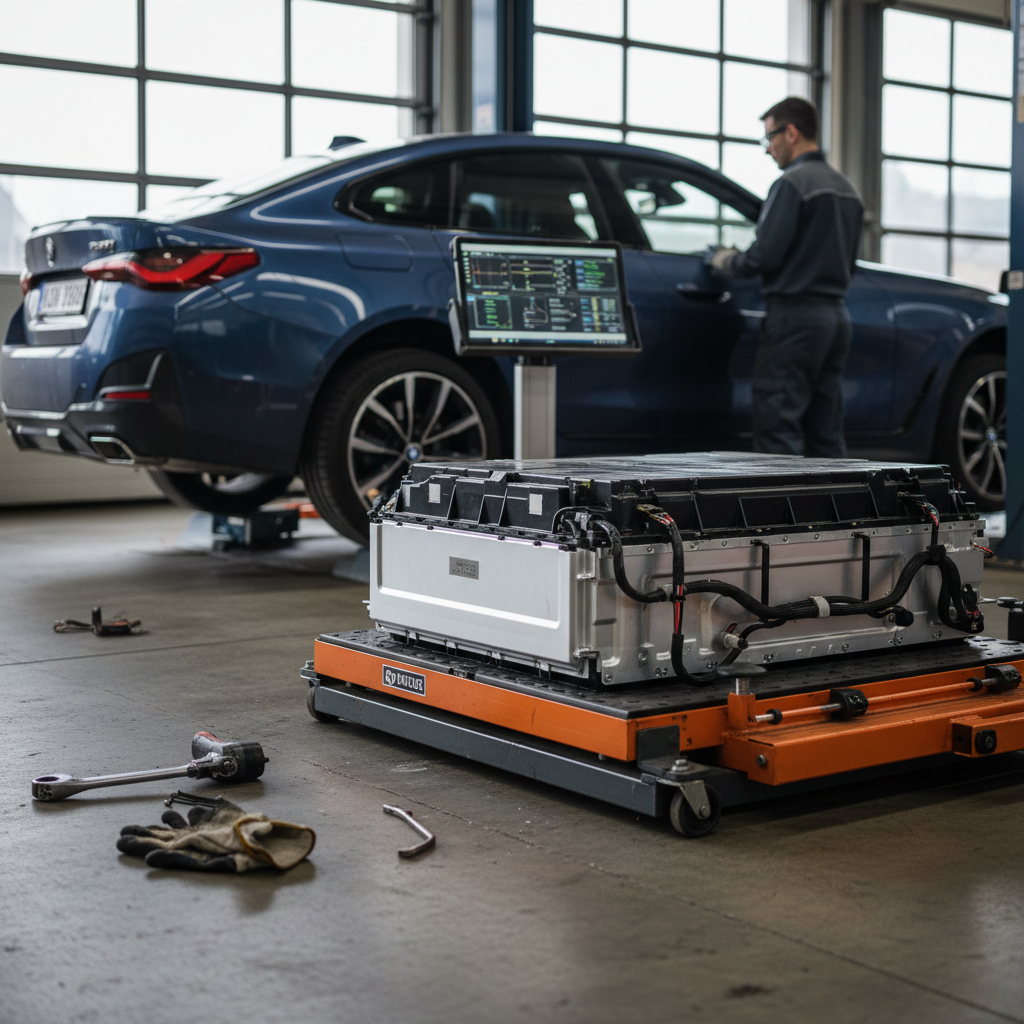
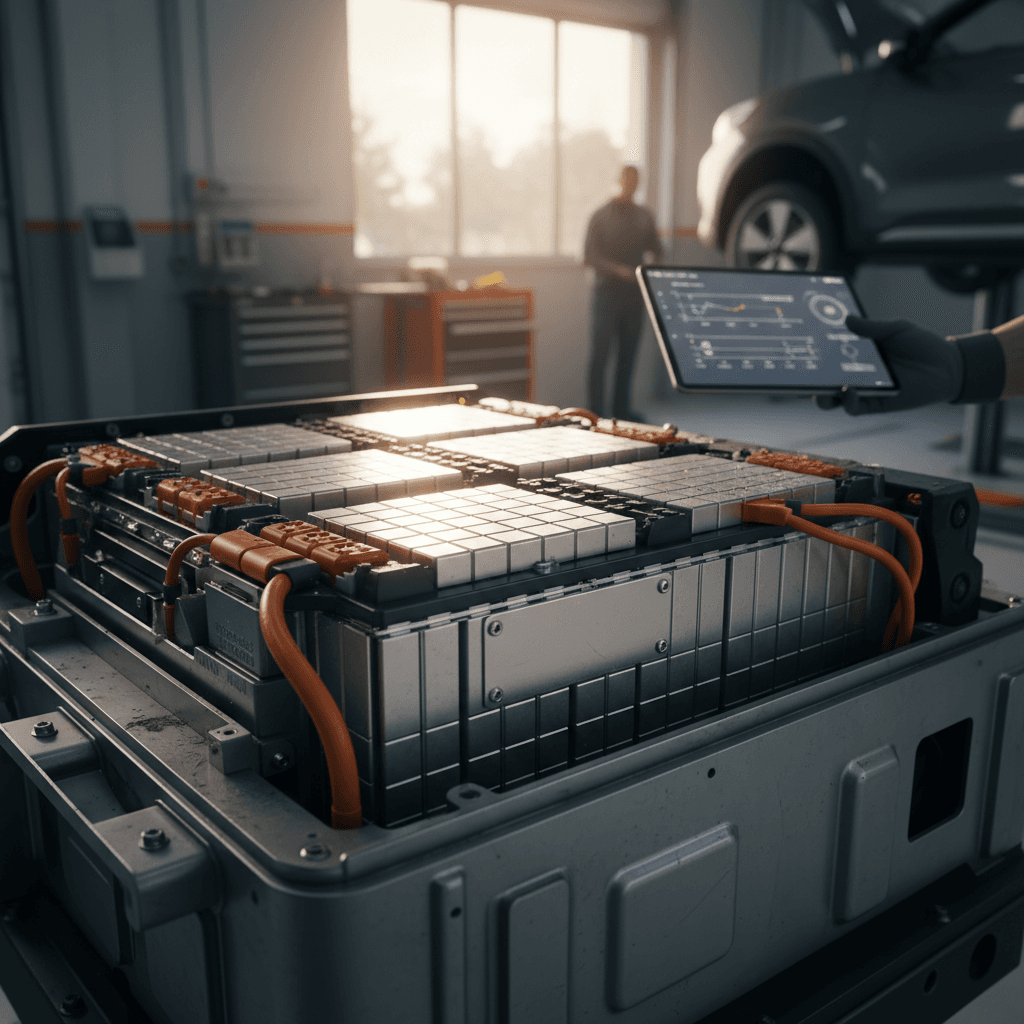
Kia wraps its electric models, like the EV6, Niro EV, and three‑row EV9, inside the same overall 10‑year/100,000‑mile warranty program that covers its gasoline cars. On top of the limited basic and powertrain coverage, Kia adds a dedicated high‑voltage EV battery warranty that protects the most expensive component in the car.
- High‑voltage lithium‑ion battery pack coverage for up to 10 years/100,000 miles (U.S. new‑car purchasers)
- Protection against defects in materials and workmanship in the battery pack and related high‑voltage components
- A separate capacity retention guarantee that kicks in if the battery falls below about 70% of its original usable capacity within the warranty period
- Roadside assistance for 5 years/60,000 miles that can help if the car won’t start or drive due to a covered failure
Look for the EV system fine print
How long Kia EV battery coverage lasts
Typical Kia EV battery warranty terms (U.S.)
For most U.S.‑spec Kia EVs, you’re looking at 10 years or 100,000 miles of battery coverage, starting from the date the vehicle was first sold or leased, called the “in‑service date.” Hit either the time or mileage limit, and the coverage ends. Some regions and specific models (like the China‑built EV5 or certain early Soul EVs) operate under slightly different numbers, but the spirit is the same: long‑term protection for the high‑voltage pack.
Original vs. subsequent owners
What Kia’s EV battery warranty actually covers
Think of Kia’s EV battery warranty in two parts: defect coverage and capacity coverage. Both matter if you want predictable range and repair costs over the long haul.
Two halves of Kia EV battery protection
Defect coverage keeps the lights on; capacity coverage keeps your range usable.
1. Defects in materials or workmanship
If a high‑voltage battery module, pack casing, or internal component fails due to a manufacturing defect within the warranty period, Kia will repair or replace the affected parts.
- Covers internal battery failures, not just the 12‑volt battery
- Often bundled with coverage for the onboard charger and power electronics
- Repairs must be performed by an authorized Kia dealer
2. Capacity falling below ~70%
Modern Kia EVs include a capacity warranty, if the pack drops below about 70% of its original capacity within 10 years/100,000 miles, Kia may repair or replace it.
- Measured using Kia’s own diagnostic tools and test procedure
- Goal is to restore capacity to at least 70%, not back to 100%
- Normal, gradual degradation above 70% is considered wear and tear
In practice, that means if your EV6 suddenly throws a battery error and can’t charge or drive, or if range falls off a cliff well before 100,000 miles, you’re not automatically on the hook for a five‑figure battery bill. The dealer will diagnose the pack, check your service history, and determine if the failure or excessive degradation is covered.
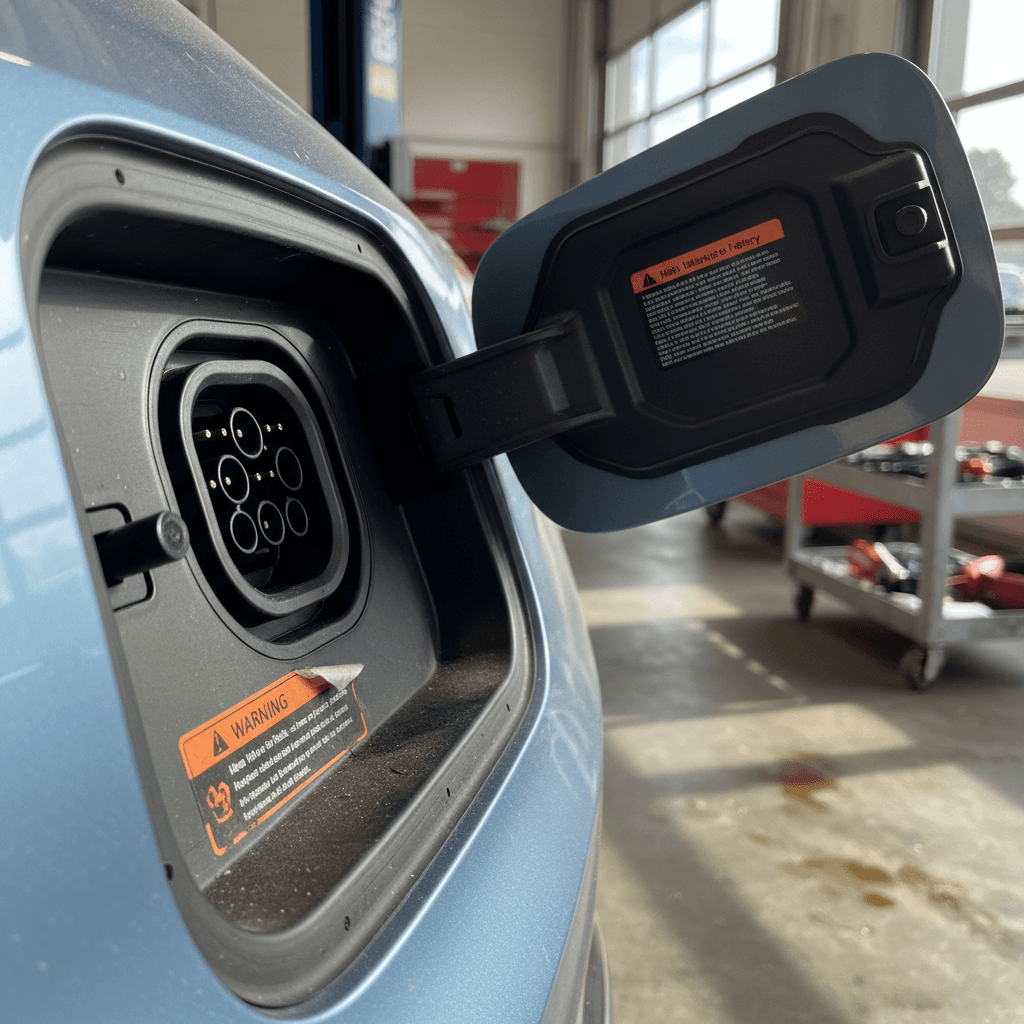
Examples of components often covered under Kia’s EV system warranty
These items are typically treated as part of the high‑voltage EV system, separate from the 12‑volt accessories.
| Component | What it does | Usually covered? |
|---|---|---|
| High‑voltage battery pack | Stores energy that powers the electric motor | Yes, for defects and capacity below threshold |
| Battery management system (BMS) | Monitors and balances individual battery cells | Yes, as part of the pack |
| Onboard charger | Converts AC from Level 1/Level 2 into DC for the pack | Generally included in EV system warranty |
| Electric drive motor & inverter | Turn battery energy into motion | Covered under EV powertrain warranty |
| Charge port and high‑voltage wiring | Delivers power safely to the pack | Typically included unless damaged in a collision |
Always confirm coverage for your specific VIN in the Warranty & Consumer Information Manual.
Good news for real‑world owners
What is NOT covered under Kia EV battery warranty
Here’s where the legalese sneaks in. Kia’s EV battery warranty is generous, but it doesn’t cover every scenario. A few patterns show up again and again in the exclusions section of the warranty booklet.
Common exclusions in Kia EV battery coverage
Abuse, neglect, or improper use
Using your Kia EV in ways the owner’s manual clearly warns against, like repeated full‑throttle track days, severe overloading, or ignoring obvious fault warnings, can give Kia grounds to deny a battery claim.
Unauthorized modifications
Tinkering with the high‑voltage system, installing non‑approved aftermarket battery devices, or hacking the battery management software can void coverage on the pack.
Collision or physical damage
Crash damage, underbody impacts, flood or fire damage from an external source are usually insurance issues, not warranty items, even if the pack is involved.
Normal degradation above 70%
Every lithium‑ion battery loses some capacity over time. As long as your pack stays above the roughly 70% threshold during the warranty period, Kia considers that normal wear, not a warranty failure.
Poor maintenance or ignoring recalls
Skipping required software updates, ignoring safety recalls, or not following basic maintenance recommendations can complicate or void warranty claims.
Don’t play DIY high‑voltage hero
How Kia’s EV battery warranty compares to other brands
Zoom out, and you’ll see that most modern EVs land near the same warranty ballpark: roughly 8 years/100,000 miles with a 70% capacity guarantee. Kia’s coverage usually stretches that to 10 years on the EV system for original U.S. owners, which helps explain why you see “best warranty” in so many of its ads.
Kia (typical U.S. EV)
- 10 yrs/100k mi EV battery and powertrain coverage for original owners
- Capacity warranty if pack falls below ~70%
- Roadside assistance for 5 yrs/60k mi
- Some reduction in coverage for subsequent owners depending on model year
Typical competitors
- 8 yrs/100k mi battery warranty is the industry norm
- Many use the same ~70% capacity floor
- A few premium brands go to 8 yrs/150k mi on select models
- Some warranties are more restrictive about fast‑charging and usage patterns
Why this matters for resale
Used Kia EVs: transfer rules and when coverage expires
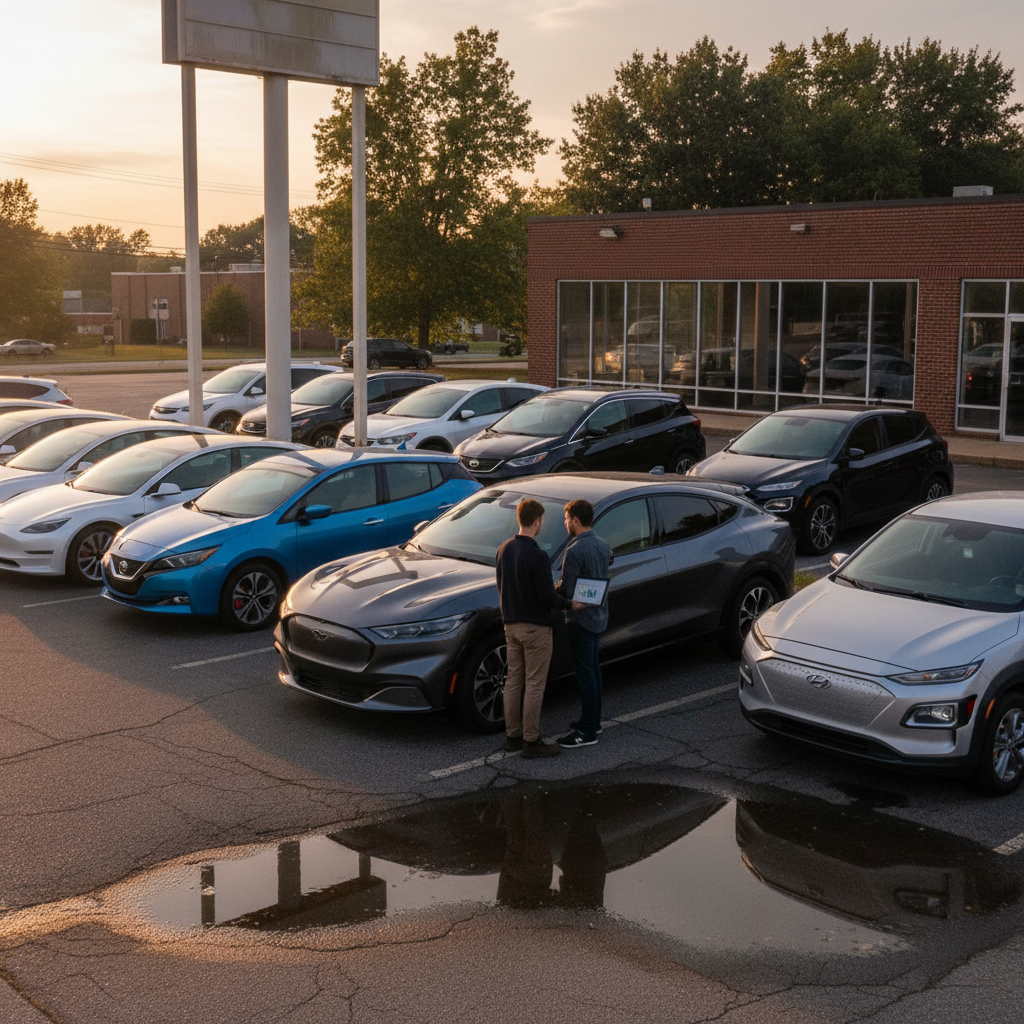
If you’re shopping used, whether through a private seller, a dealer lot, or a digital retailer like Recharged, the big questions are: how much battery warranty is left, and does it transfer?
Kia EV battery warranty: what a second owner usually gets
Exact rules can vary by model year and market. Treat this as a starting point, not a substitute for the written warranty.
| Scenario | What usually transfers | What you should verify |
|---|---|---|
| Buying a 3‑year‑old EV6 from original owner | Remaining years/miles of the high‑voltage battery and EV system warranty | In‑service date, current mileage, and whether any prior battery work was done |
| Buying a higher‑mileage Niro EV from a dealer | Time‑based coverage may still be active even if mileage is high | That mileage hasn’t already pushed the car past the 100k‑mile limit |
| Buying from outside the U.S. or a gray‑market import | Coverage may be different or limited | That the car was originally sold in your market and is eligible for local Kia support |
Always confirm remaining warranty by VIN before you buy.
At Recharged, every used EV we list includes a Recharged Score report that spells out remaining factory warranty, including EV battery coverage, plus verified battery health. That way you don’t have to decode warranty booklets alone, or guess how much life is really left in the pack.
How to check battery health on a used Kia EV
Battery warranty coverage is one thing. Battery condition is another. Two EV6s with the same model year and mileage can have very different real‑world range depending on how they’ve been driven and charged.
Smart steps to evaluate a used Kia EV’s battery
1. Ask for a recent full‑charge range reading
On a fully charged battery (100%), note the estimated range shown on the cluster. Compare this to the original EPA estimate for that trim. A modest drop is normal; a dramatic one merits questions.
2. Review the service and charging history
Look for records showing regular maintenance at a Kia dealer, software updates, and any documented battery or charging issues. Heavy reliance on DC fast charging isn’t an automatic red flag, but it’s useful context.
3. Get a professional battery health report
Tools like the <strong>Recharged Score</strong> use diagnostics to estimate usable battery capacity and health, going well beyond what a quick test drive reveals.
4. Confirm remaining warranty by VIN
Either call a Kia dealer or have the seller provide written verification of remaining EV battery and system coverage. Don’t rely on guesses based purely on model year.
5. Test real‑world efficiency
On your test drive, reset the trip computer and drive a known loop. Compare energy use (kWh/100 miles) and projected range to what other owners report for that model.
Buying used? Let the data work for you
Protecting your Kia EV battery (and keeping the warranty valid)
The best warranty is the one you never have to use. The way you charge and store your Kia EV can stretch your real‑world range and help you avoid any arguments at the service desk if something does go wrong.
Everyday habits that keep your Kia EV battery happy
These tips are friendly to both your range and your warranty booklet.
Charge smart, not just fast
- Use Level 2 home or workplace charging for most top‑ups.
- Save DC fast charging for road trips or genuine time crunches.
- Avoid stacking multiple back‑to‑back fast‑charging sessions in extreme heat.
Watch temperature extremes
- Park in a garage or shade when possible in very hot or very cold weather.
- Use preconditioning while plugged in to warm or cool the battery before driving.
- Don’t leave the car at 0% or 100% for days in harsh temperatures.
Stay in the sweet spot
- For daily commuting, try to keep charge between about 20% and 80%.
- Reserve full 100% charges for long trips where you truly need the range.
- Follow any battery care recommendations in your owner’s manual.
Keep your paperwork tidy
Kia EV battery warranty FAQ
Frequently asked questions about Kia EV battery warranty coverage
Bottom line: is Kia’s EV battery warranty good?
On paper, Kia EV battery warranty coverage is one of the stronger offerings in the business: long calendar coverage, a clear capacity floor, and protection for the key high‑voltage components that keep your EV moving. In the real world, most owners will see only modest degradation and never come close to that 70% trigger, especially if they treat the battery kindly.
Where Kia’s long warranty really shines is in the used market. A 3‑ or 4‑year‑old EV6 or Niro EV can still have six or seven years of battery protection left on the clock, which helps support confidence and resale value. Pair that with an objective battery health report, like the Recharged Score included with every EV on Recharged, and you can shop for a Kia EV knowing exactly how much warranty remains and how healthy the pack really is.
If you’re considering a Kia EV, new or used, your homework is simple: verify the exact warranty terms for your VIN, look closely at real‑world battery health, and adopt good charging habits from day one. Do that, and Kia’s long‑term coverage becomes less of a safety net and more of a quiet confidence booster every time you plug in.