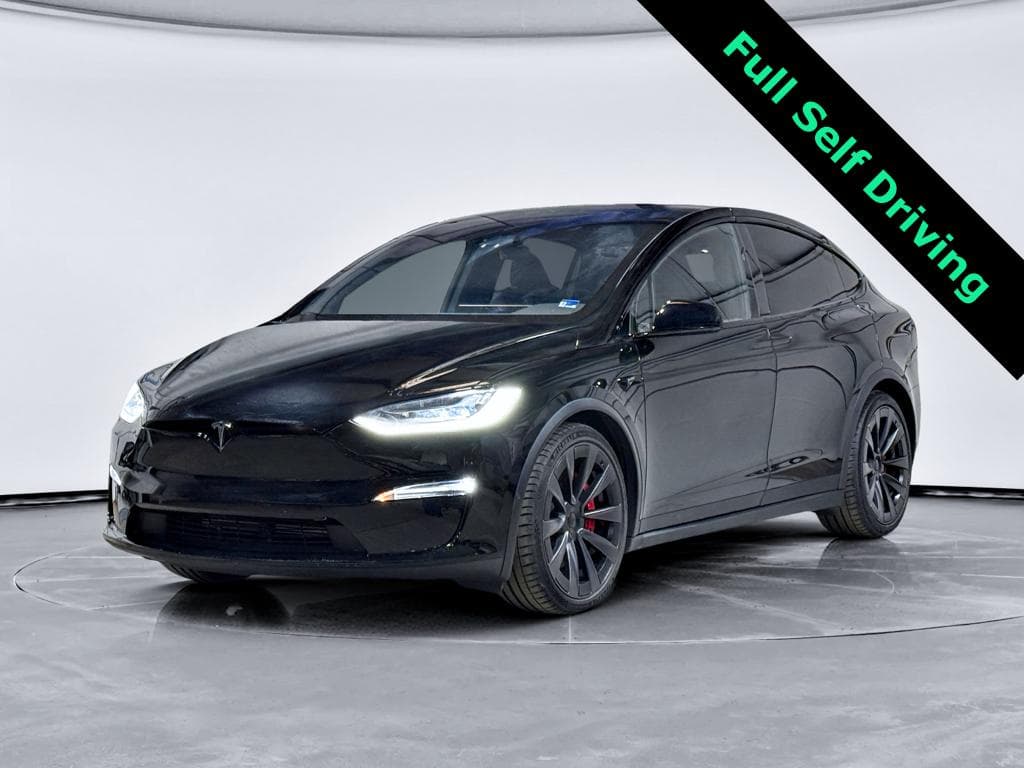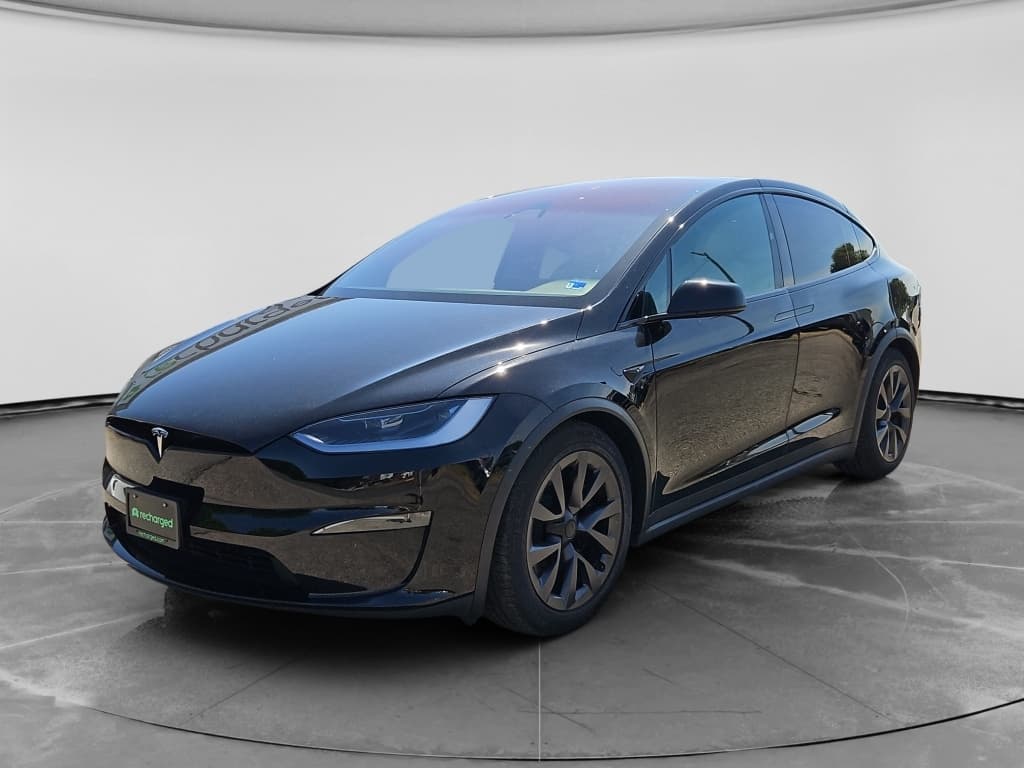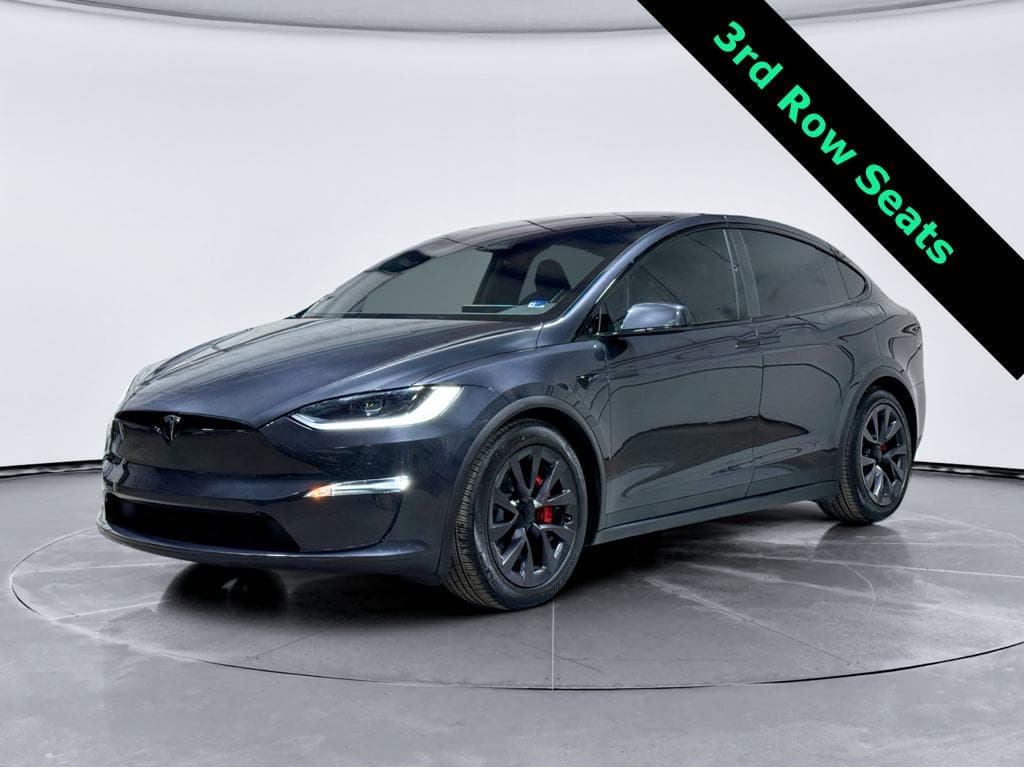
If you’re shopping for a big electric SUV in 2026, the question inevitably comes up: is a Tesla Model X still worth buying, especially now that there are newer three-row EVs on the market and used prices have dropped hard? The answer is nuanced: for the right buyer and the right trim year, the Model X can be a fantastic value; for the wrong one, it’s an expensive headache.
Key context for 2026
Who should even be considering a Model X in 2026?
Before we get into numbers, it’s worth asking whether you’re the kind of driver a Model X actually serves well in 2026. The X is a large, heavy, high-performance luxury SUV with up to three rows of seating, huge glass area, and Tesla’s signature Falcon Wing rear doors. That means it makes more sense for some shoppers than others.
- You need a true three-row EV with usable space for kids or adults, not just tiny occasional seats.
- You value quick charging and road-trip convenience more than an ultra-lux interior badge like Mercedes or BMW.
- You’re comfortable with Tesla’s unconventional service experience and the ongoing safety and regulatory scrutiny around Autopilot and FSD.
- You can live with quirks: Falcon Wing doors, minimal physical controls, and frequent over-the-air software changes.
- You’re primarily buying used, where depreciation has already done some of the financial damage for you.
Who probably shouldn’t buy a Model X
Quick take: is the Tesla Model X worth buying in 2026?
Tesla Model X at a glance in 2026
When a Model X is worth it
- You buy used (often under half of original MSRP).
- You get a 2021+ refresh model with the updated interior and range.
- You inspect or verify Falcon Wing doors, suspension, and tires carefully.
- You’re realistic about Autopilot and FSD being driver-assist, not self-driving.
When a Model X is not worth it
- You mostly do short trips and don’t need three rows.
- You expect traditional dealer-style service, loaners, and parts availability.
- You can’t stomach repair bills into the low four figures if something complex fails out of warranty.
- You’re comparing it to a far cheaper 2-row EV that already meets your needs.
The short answer
Pricing & depreciation: where the Model X actually makes sense
The single biggest factor making the Model X interesting in 2026 is depreciation. Original MSRPs for well-optioned Model Xes routinely landed in the $90,000–$120,000 range. Thanks to Tesla’s own price cuts, the flood of off-lease vehicles, and broader used-EV softness, many of those SUVs now transact at large discounts.
Typical U.S. used Tesla Model X price bands in early 2026*
Approximate retail asking ranges for clean-title, average-mileage vehicles. Local markets will vary.
| Model years | Typical miles | Typical asking range (USD) | Why consider / avoid |
|---|---|---|---|
| 2016–2018 | 60,000–100,000+ | $28,000–$40,000 | Lowest entry price, but older hardware, more wear, and most or all basic warranty expired. |
| 2019–2020 | 50,000–90,000 | $35,000–$48,000 | Better reliability than early builds; interior still pre-refresh and less modern. |
| 2021–2022 (refresh) | 25,000–60,000 | $55,000–$70,000 | Updated interior, yoke/round wheel, stronger range and performance; many still under 8‑year battery/drive‑unit warranty. |
| 2023–2024 | 15,000–45,000 | $65,000–$80,000 | Very new vehicles, higher prices; you’re paying a premium versus slightly older refresh years. |
| New 2025–2026 | Delivery miles | Typically $80,000+ new | Most expensive path; financially hardest to justify unless you specifically need brand-new and custom spec. |
*These are directional market bands, not offers. Always check live listings and condition-specific valuations.
Depreciation reality check
How to know if a Model X is good value for you
1. Compare against new EV9 / EX90 pricing
If a used 2021–2022 Model X Long Range is priced similarly to a brand-new Kia EV9 or Volvo EX90 you’re cross-shopping, the X’s older tech and build should come with a clear price advantage to be compelling.
2. Factor in incentives and taxes
Depending on year, some used EVs qualify for federal or state incentives. Check whether the used Model X you’re eyeing can unlock any credits, and compare total out-the-door price versus other EVs.
3. Think about 5-year total cost of ownership
Include insurance (often high for the X), tires, potential out-of-warranty repairs, and interest if you’re financing. A cheaper-looking early Model X can be more expensive to own than a newer but more solid competitor.
4. Be honest about “want” vs “need”
There’s nothing wrong with wanting a Falcon-wing-doored spaceship. Just be clear whether you’re paying for that irrational appeal or expecting the X to be the rational financial choice. It’s rarely both.
Range, charging and tech: Model X strengths that still hold up
Where the Model X still feels thoroughly 2026 is in range and charging. As of 2025 production, Tesla lists the Model X Long Range at roughly 352 miles of EPA range and the Plaid variant at around 335 miles. Those figures remain near the top of the pack for three-row EV SUVs.
Core strengths that make a Model X compelling in 2026
These are the reasons people put up with the quirks.
Competitive range
Even older Long Range models typically deliver well over 250 real-world highway miles when the battery is healthy. That’s enough to make most road trips practical with one or two fast-charge stops.
Supercharger access
The Model X taps into Tesla’s vast Supercharger network, which is still the most reliable high-speed charging backbone in the U.S. This remains a decisive advantage if you do frequent long-distance travel.
Performance
Even non-Plaid Xs are quick. The Plaid’s supercar-like acceleration is beyond what most family SUVs will ever need, but for some buyers, that brute-force performance is part of the appeal.
Software & UI
Tesla’s big center touchscreen, responsive UI, and constant OTA software updates keep the X feeling fresher than many same-age luxury SUVs whose infotainment aged badly.
Trip planning
In-car navigation that automatically routes via Superchargers with realistic charging time estimates is still a strong quality-of-life feature on road trips.
Crash safety fundamentals
The Model X benefits from typical EV safety advantages: low center of gravity, big crumple zones, and solid crash-test performance. This is separate from the controversies around driver assistance, which we’ll tackle later.
Range & battery health shopping tip
Reliability and known issues: what you need to go in eyes open
Tesla has steadily improved the Model X over its production run, but this is still a complex, heavy, high-tech vehicle with some very specific weak spots. You want to understand these before you decide whether a Model X is “worth it” for you in 2026.
Common Model X trouble spots by category
Not every X will have these issues, but they’re patterns, not anecdotes.
Falcon Wing doors & seals
Those dramatic rear doors are mechanically complex. Issues can include misaligned sensors that falsely detect obstacles, water leaks, noisy hinges, or latch problems. Out-of-warranty diagnosis and repair can easily run into four figures if parts are needed.
Interior trim & build quality
Panel gaps, squeaks/rattles, and wear on interior trim and seats are more common than on German luxury rivals. Some owners don’t mind; others find it enraging on a vehicle that started life at six figures.
Suspension & tire wear
The Model X is big, heavy, and often running on 20–22" wheels. Expect faster-than-average tire wear and potential air-suspension component wear as mileage and age climb.
Electronics & driver assist
Touchscreen reboots, sensor quirks, and camera calibration issues do happen. On the driver-assistance front, Autopilot and Full Self-Driving (FSD) have been under intense regulatory scrutiny after multiple crashes and federal investigations, with software recall campaigns and ongoing updates.
Be realistic about Autopilot and FSD
Battery and drive-unit reliability, by contrast, have generally been solid. Many Model Xes from 2016 onward are still running on their original packs and motors, and Tesla’s 8‑year battery/drive-unit warranty on many model years provides some peace of mind. What matters is getting objective data on degradation so you’re not buying a car that’s already given up a large chunk of its usable range.
New vs used Tesla Model X in 2026
Buying a new Model X in 2026
- Pros: Full new-vehicle warranty, latest hardware and build tweaks, your exact configuration, no prior owner history.
- Cons: You absorb the steepest depreciation, pay luxury-SUV money for a design originally launched years ago, and still face Tesla’s service and driver-assist controversies.
- Who it fits: High-income buyers who value new-car peace of mind and specifically want Tesla’s ecosystem over newer competitors.
Buying a used Model X in 2026
- Pros: Depreciation has done much of the work for you; 2021–2022 refresh models often hit a sweet spot of price vs. modernity.
- Cons: You must scrutinize prior use, battery health, door/suspension condition, and software configuration. Warranty coverage may be limited by age and mileage.
- Who it fits: Value-conscious families who truly need the space and range, and are comfortable with a little risk in exchange for a lot of vehicle.
Rule of thumb
How the Model X compares to 2026 rivals
In 2016, the Model X basically invented the large electric SUV segment. In 2026, it’s one of several options. That changes the “worth it” equation, because you now have alternatives that fix some of Tesla’s weaknesses, even if they can’t match every strength.
Tesla Model X vs key 3-row EV rivals in 2026 (high level)
Simplified snapshot for shoppers cross-shopping large electric family SUVs.
| Model | Seats | Approx EPA range (max trim) | Charging ecosystem | Character |
|---|---|---|---|---|
| Tesla Model X | Up to 7 | ≈335–352 mi | Best-in-class access to Tesla Superchargers; growing CCS/NACS cross-compatibility | Tech-forward, minimalist, polarizing styling and doors; strong performance. |
| Kia EV9 | Up to 7 | ≈300 mi | CCS (transitioning to NACS), strong but less seamless than Tesla today | More traditional SUV feel, good feature content, lower price for many trims. |
| Volvo EX90 | Up to 7 | ≈300 mi | CCS/NACS depending on configuration; strong safety brand reputation | Safety and comfort focused, premium Scandinavian interior, less performance-focused. |
| Mercedes EQS SUV | Up to 7 | ≈300 mi | CCS/NACS; decent charging speeds, weaker public network integration | Ultra-lux interior, smooth ride, expensive options and complex trims. |
Always compare specific trims, options and real-market pricing before deciding.
Where the Model X still stands out
What to look for when buying a used Model X
If you’ve decided a Model X might be worth it for you in 2026, the next question is how to sort the good ones from the money pits. This is where a structured inspection and data-driven battery assessment matter more than glossy photos.
Used Tesla Model X inspection checklist for 2026 buyers
1. Battery health & fast-charging history
Ask for documented battery health. How much usable capacity remains vs when new? Has the car been Supercharged heavily (for example, a rideshare vehicle)? A healthy battery is central to the value proposition.
2. Falcon Wing doors operation
Open and close each Falcon Wing door multiple times in a variety of spaces. Listen for grinding or squeaks, watch for error messages or false obstacle warnings, and inspect seals for water marks or misalignment.
3. Suspension, tires and brakes
Check for uneven tire wear, clunks over bumps, or air-suspension height issues. Big, heavy EVs tend to eat through tires and can stress bushings and dampers sooner than smaller cars.
4. Interior electronics and screens
Verify that the center display, instrument cluster, and driver controls behave consistently. Test HVAC, seat adjustments, audio, cameras, and parking sensors. Software glitches can sometimes mask hardware issues.
5. Autopilot / FSD status and expectations
Clarify which driver-assistance package is on the car and confirm if it’s tied to the VIN or subscription-based. Don’t pay a significant premium for FSD unless you fully understand its current limitations and the regulatory headwinds.
6. Repair history and recalls
Review service records for repeated door, suspension, or electronics issues. Confirm that major safety recalls and software campaigns have been addressed; with Tesla, some fixes are over-the-air while others still require a service visit.
Don’t skip a pre-purchase EV inspection
How Recharged helps with used Model X shopping
If you’re leaning toward a used Model X in 2026, the real challenge isn’t finding one, it’s finding one that’s worth what it will cost to own after you drive off. That’s where Recharged’s used-EV focus is designed to de-risk the process.
What you get with a Model X purchased through Recharged
Our goal is to make a complex EV like the Model X as transparent as possible.
Recharged Score battery health report
Every Model X we list includes a Recharged Score that quantifies battery health, charging behavior, and projected future range. You’re not guessing about degradation, you see the data before you buy.
Used-EV-specific inspection
We focus on EV-specific weak points, including high-voltage components and items like Falcon Wing door operation, suspension wear, and charging performance, not just basic cosmetic checks.
Flexible ways to buy and sell
We offer financing, trade-in, instant offer or consignment options, plus nationwide delivery. You can complete the process fully online or visit our Experience Center in Richmond, VA if you prefer to see a vehicle in person.
Ready to find your next EV?
Browse VehiclesBecause we live in the used EV world every day, we also have a clearer picture of fair market pricing for the Model X and other high-end EVs than most generalist dealers. That matters when you’re negotiating a vehicle that once cost six figures but now trades for half that, and when you’re deciding whether the specific X in front of you is truly “worth it.”
FAQ: is a Tesla Model X worth it in 2026?
Frequently asked questions about buying a Model X in 2026
Bottom line: should you buy a Tesla Model X in 2026?
In 2026, the Tesla Model X is no longer the default choice for anyone who wants an electric family hauler, but it can still be an excellent one for buyers whose needs line up with its strengths. If you truly use three rows, routinely road-trip, and appreciate the combination of range, performance, and Supercharger access, a well-chosen used Model X, especially a 2021–2022 refresh, can absolutely be worth buying.
On the other hand, if your life fits comfortably in a two-row SUV, you mostly drive around town, or you’re allergic to build-quality flaws and nontraditional service experiences, you’re likely to find more rational options elsewhere in the 2026 EV market. The Model X is at its best when you treat it not as a generic luxury SUV, but as a very specific tool: a fast, long-range, three-row electric spaceship that makes sense once someone else has absorbed the first hit of depreciation, and once you’ve done the homework to make sure you’re buying the right one.